

Are you traveling to Italy and wondering, “can you drink tap water in Italy?” Yes, you can, and you should! I drink tap water all the time at home, and never had an issue.
Europe has some of the cleanest water in the world. If you look at the top 10 countries with the cleanest drinking water, all of them are in Europe. And Italy is right up there. In fact, the Environment Performance Index (EPI) ranked Italy as second in the world regarding sanitation and drinking water (only behind Singapore).
So, take advantage of that clean, fresh drinking water and bring a water bottle. There are tons of places in Italy to fill up your water bottle throughout the day, and you’ll be saving some money (and the environment) by not buying plastic water bottles.
Ready to learn more about Italian tap water, where you can fill up your water bottle, and when not to drink the water? Continue reading!
Is Tap Water Safe In Italy?
Do you have to boil the tap water in Italy?
No, you don’t have to boil it. Tap water is perfectly safe in most of the country on its own, without any boiling, including all the major tourist cities and destinations.
There are some super rural farm homestays that may not have super fresh water, but really, basically all places in Italy that tourists visit have safe drinking water.
There usually will be a sign pointing if the water is not safe to drink – something very self-explanatory, or words such as “acqua non potabile” (none-potable water). If you’re ever in doubt, ask someone who works at the hotel/restaurant/attraction where you’re trying to get tap water. They’ll definitely have an answer for you.

Where does the water come from in Italy?
Most tap water in Italy comes from springs and wells, the same sources of water the Romans had. The exact source and quantity of freshwater vary depending on location in Italy.
Rome gets its drinking water from springs and wells. Northern Italy has an abundance of fresh water from the mountains running through. Southern Italy has a shortage of water. There are fewer freshwater sources, and the weather is a little drier.
Sicily just had its worst drought in over 30 years in February 2024, which put farmers and locals in a dire situation. That said, Sicily has bounced back from that specific drought, and there’s still plenty of good drinking water.

How is the water in Italy treated and monitored?
Italy’s water treatment facilities are up-to-date and use quality equipment. The EU’s Water Framework Directive is also designed to help effectively manage the bodies of water in Europe in a way that’s beneficial for both human consumption and the environment. It seeks a sustainable and effective approach to water usage and treatment.
Italy largely follows the EU’s Water Framework Directive and regularly monitors tap water treatment.
The Italian National Institute of Health (ISS) is responsible for guaranteeing that all Italians have access to safe and clean drinking water. It regularly checks for contaminants and the effectiveness of the treatment process.

Where To Get Tap Water In Italy
Nasoni, Vedovelle, and other watering holes
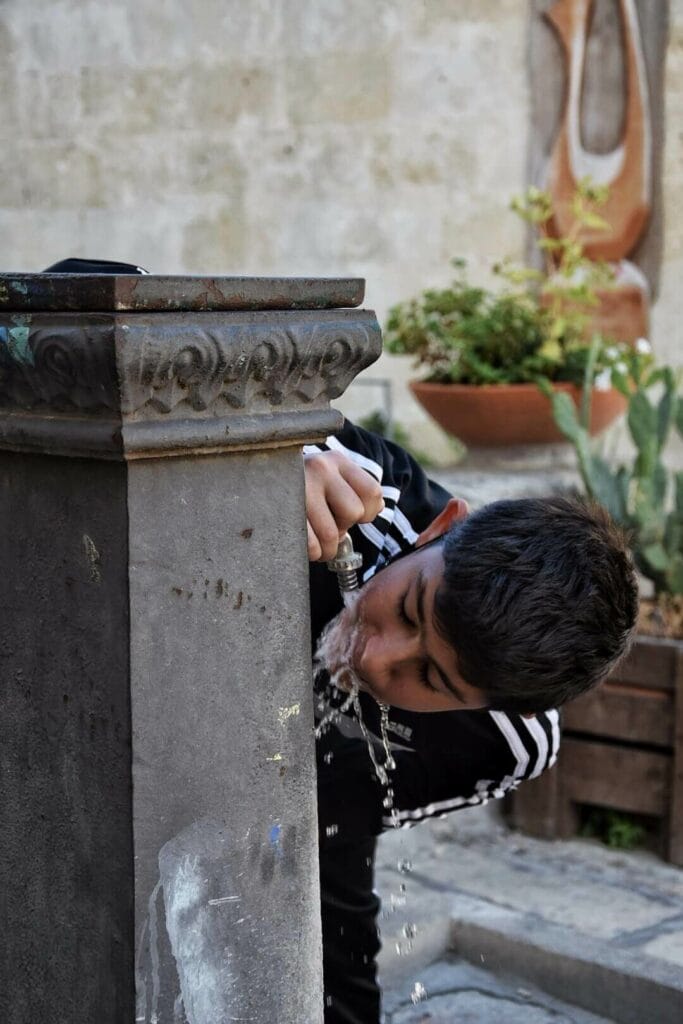
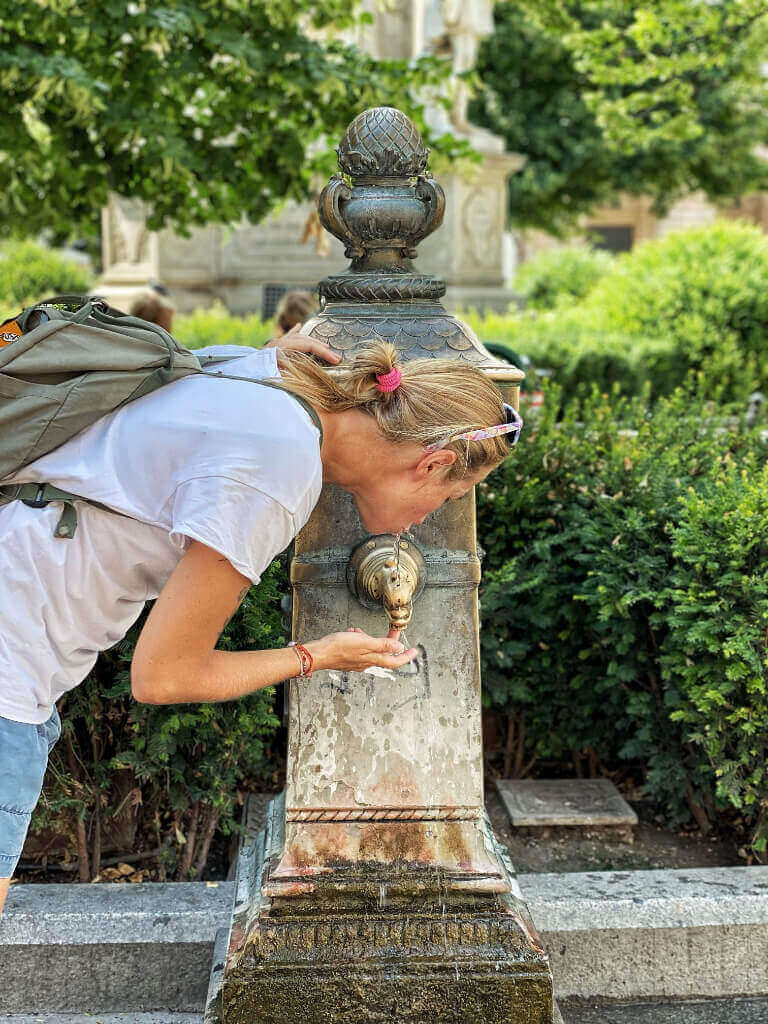
Italy has many public water fountains where you can grab a drink and fill up your own water bottles. These fountains have become quite famous because they don’t resemble traditional water fountains as you may have them in North America.
Most of the time, they’re ornamental, little drinking fountains with a nice, rustic design that fits in with the city’s atmosphere.
In Rome, they are called nasoni, which translates to “large nose” in English. They are lovely drinking fountains spread out all over the city. There are over 2,800 of them, they are completely free, and the water is delicious. This is definitely the best place to get some good tap water in Rome.
In Milan, they have a similar system, but it’s called vedovelle, which translates to “green dragons” in English. These intricate, cast-iron fountains serve the exact same purpose as Rome’s nasoni fountains, and you’ll be able to find them all over the city.
Sardinia, where I’m from, also has many drinking fountains. They’re usually scattered around the historic center, and a few are even along the beach.
Believe it or not, basically all cities in Italy have these public drinking fountains, so it’s easy to stay hydrated.
You’ll naturally come across nasonis and water fountains all over the city, but some cities have apps and maps to help you find them. If you’re worried about not having easy access to water while traveling to Italy, it might be worth looking into these. Acea Waidy WOW is one very useful app for finding fountains. Fontanelle also tracks water fountains in Rome, Milan, Torino, Genova, Trieste, and other cities in Italy.
It’s very important to note that you cannot drink from all the fountains in Italy. Fountains, like the Trevi Fountain, or completely off-limits for drinking purposes. Stick to the known drinking fountains.

Water houses
Water houses (“case dell’acqua” in Italian) are another great way to get free water. They serve basically the same purpose as the public water fountains, but they look a little different.
They’re usually large box-like structures in central points throughout the city. You can choose between still or sparkling water, and some even have phone chargers, which are very conveient for travelers or those in a pinch.
Acqua Si supplies the water houses in Rome and other parts of the area. Its website lists its locations and further details. The houses are usually pretty easy to find.
Milan also has some really great water distribution and fountains throughout the city. There are reportedly over 500 water fountains and almost 50 self-servicing water houses where you can refill your water bottle.
Cafes and bars
Most cafes and bars in Italy give you a small cup of tap water with your drink, even when you go there for breakfast. If they don’t, you can definitely ask.
This does vary from city to city; some places are more likely to do it than others. For example, I’ve found that cafes all around Rome and Sicily all give customers a small cup of water with their drink. However, it seems to be a little more rare in the far north around the Dolomites, and not a common thing to do here in Sardinia where I live.
Regardless, you can always ask for a cup of tap water with your drink. It’s completely reasonable and won’t offend anyone.

Restaurants
Restaurants are a different story, however. It’s not common for a restaurant to give you a free glass of water when you sit down or with your meal, like they do in North America or in the United Kingdom.
Instead, when you sit down, the waiter usually asks you if you’d like water. You can choose between still or sparkling water. Most of the time, it’s served in a plastic water bottle (which you’re welcome to take with you to reuse in the water refill stations throughout the city) or glass (which you’d leave at the restaurant).
In the last few years, many restaurants in Italy have also installed their own filters so that they can serve freshly filtered tap water – still or sparkling. Normally, there’s a charge for this but it is generally much less than what you’d pay for bottled water.
You can also ask for tap water when you order, and most of the time, the waiter will give it to you. However, this isn’t really standard practice, so make sure to leave a tip.
Interestingly enough, I’ve noticed that it’s mostly the same people who complain about having to pay for water in a restaurant in Italy who then go on and way overtip. Look at it this way: the bottled water in a restaurant is generally much more affordable than the tip you’d leave in the United States after your meal, so you’re saving money by leaving a standard tip and staying hydrated.
For more information about tipping, make sure to read my detailed guide, Tipping In Italy. It explains tipping etiquette in restaurants and other services in Italy, which is very useful information to have before your trip.
Paid refill stations
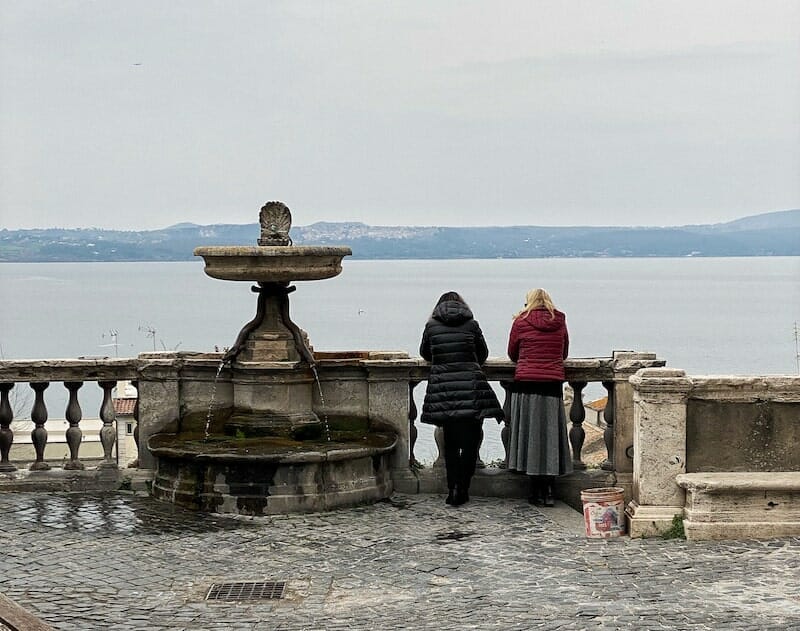
While there are plenty of free water fountains and refill stations in the major cities, there are also paid refill stations. These are a little less common, and they usually use filtered tap water. Some people think they taste better because of this, but of course, you have to pay for it.
Filling up your bottle usually costs around €0.10, so it’s still much cheaper than ordering bottled water at the restaurant.
I don’t see the point of paying for a refill in most cities, however, as it’s so easy to find free public drinking water that’s just as good.
Buying bottled water
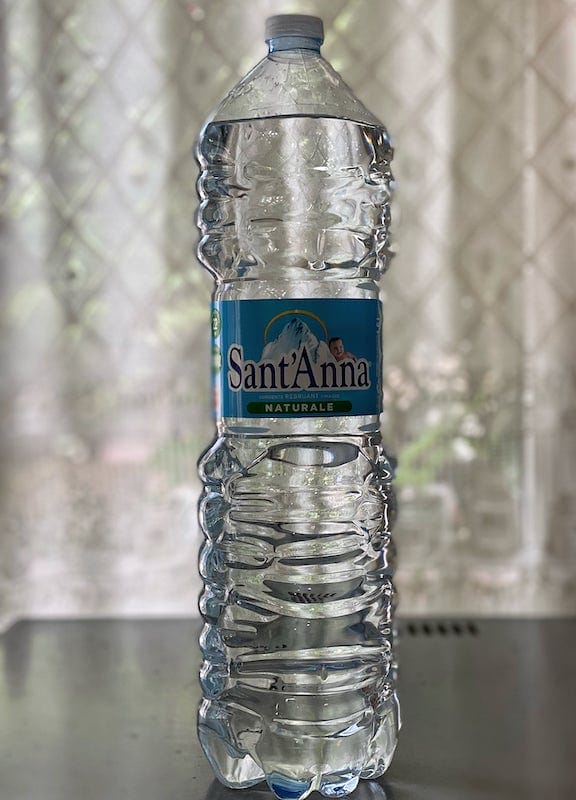
Unfortunately, buying bottled water is also very common in Europe. In fact, it has one of the highest sales per capita of bottled water in the world. Locals and tourists alike love their bottled water.
I don’t really understand this, honestly. Bottled water doesn’t really taste better than tap water, and of course, it’s terrible for the environment. A new study recently revealed the shocking amount of microplastics in bottled water, so maybe that will incentivize people to invest in a good water bottle they can refill.
Regardless, bringing a bottle and filling up at free stations instead of drinking plastic bottled water is honestly much easier and a great way to save money when traveling to Italy.
Fortunately, if you absolutely have to buy bottled water, it’s not too expensive. The cheapest place to purchase it is in supermarkets, where it’s usually around €0.30 for a small bottle. You’ll also find them at newsstands and small corner shops, but they’re usually around €2.
Do not drink “acqua non potabile”
All tap water in the country is safe to drink unless it says otherwise. It’s usually labeled as “acqua non potabile,” which translates to non-potable water (water that is not meant for human consumption).
Usually, these signs are in public restrooms or places where the water is used for other purposes.
If you’re ever in doubt about whether the water is safe to drink, just ask someone. I recommend asking reception at your hotel or apartment, and then you can fill up your own water bottle every day before leaving your place.
Your Own Water Bottle vs. Bottled Water In Italy
There’s absolutely no question that bringing a water bottle to Europe is way better than relying on plastic bottled water.
You’re saving money and helping the environment by reducing one-use plastic consumption, and it’s honestly way more conveient.
The tap water here is just as good as the bottled water, if not better, and it’s strictly monitored by the government and held to EU standards.
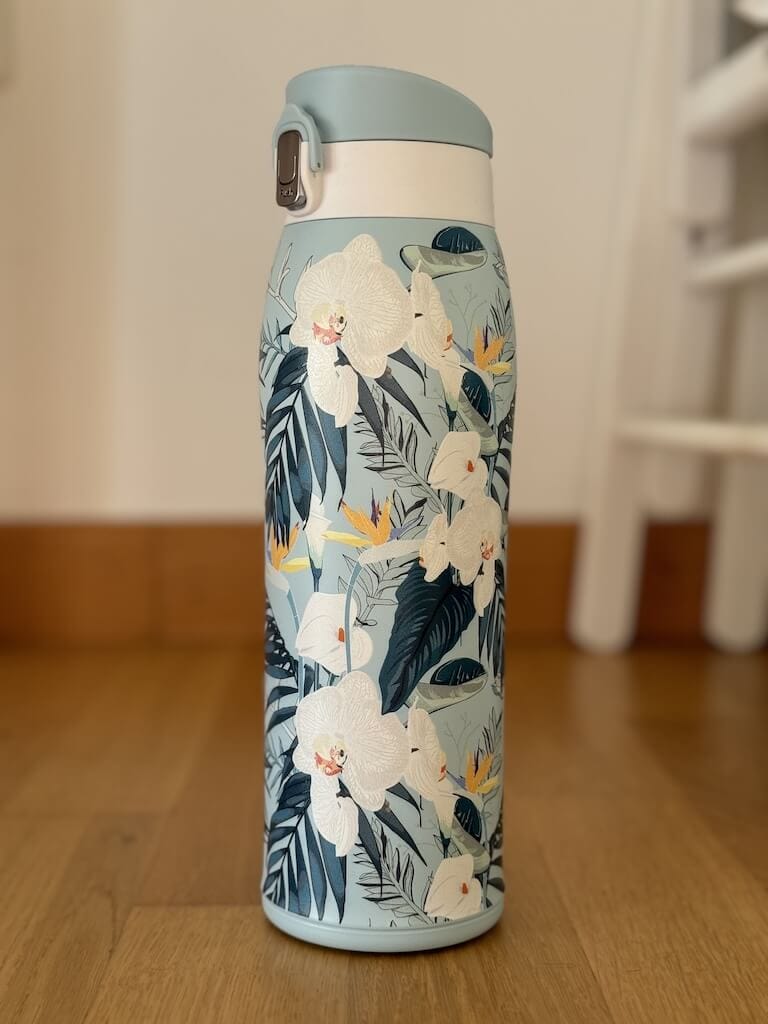
A regular stainless steel water bottle, like the Hydro Flask, is perfectly fine for Italy because Italian tap water is treated and safe to drink. Stainless steel is recommended, especially if you’re traveling during the hotter months, so your water will stay cool all day.
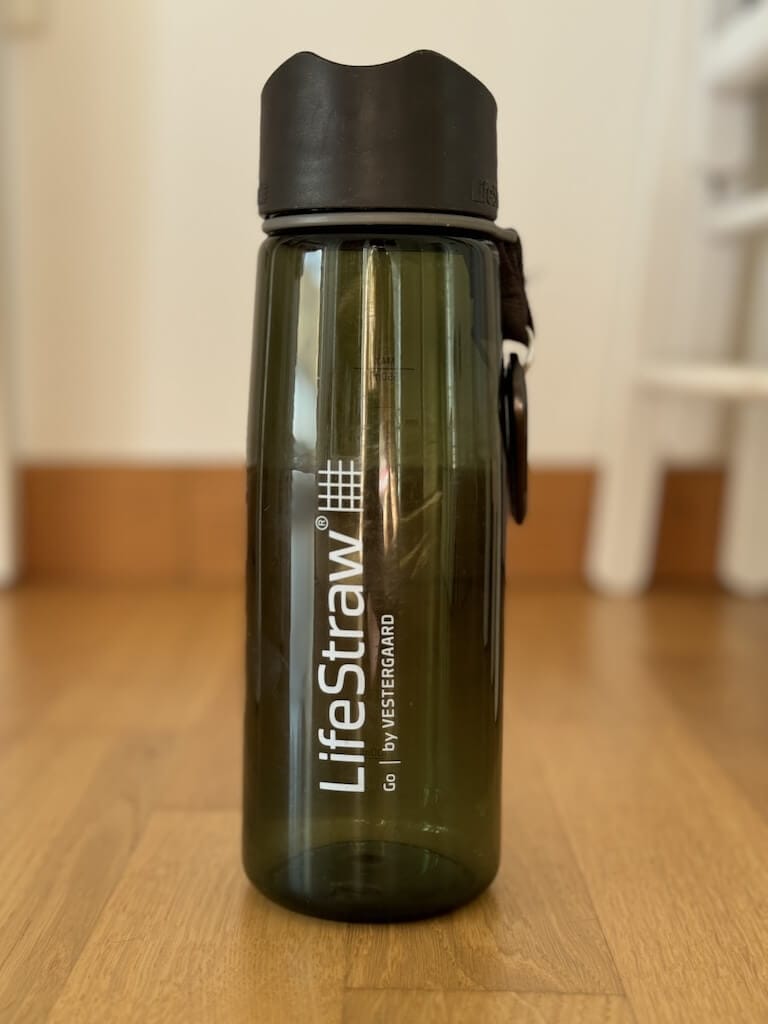
If you’re really worried about it or want a water bottle that might be useful in places where the drinking water is not safe, I recommend the LifeStraw Go Series. It filters out microplastics, bacteria, and parasites.

Conclusions On The Tap Water In Italy
Is tap water safe in Italy? Yes, it is perfectly safe to drink. It’s recommended that you use this instead of bottled water.
You’ll save a lot of money during your Italy travels, and I promise the water is just as good.
There’s been a big movement across Europe in recent years to make tap water more accessible and cleaner in hopes of cutting down on one-use plastics, and so far, it seems to be going really well in Italy. But there are also historic water fountains, like the nasoni in Rome, which really have a lot of character.
PIN IT!


Claudia Tavani
Claudia Tavani was born and raised in Sardinia, and after moving between the United States and the United Kingdom, she's now back living in her hometown, Cagliari. She's a travel blogger and certified travel designer who loves planning trips and publishing guides, travel tips, and packing lists so that you don't have to. Owner of Strictly Italy, cat mom to Minnie. Loves pizza, hiking, archeology, cities, beaches, swimming, and running. Hates peppers.