
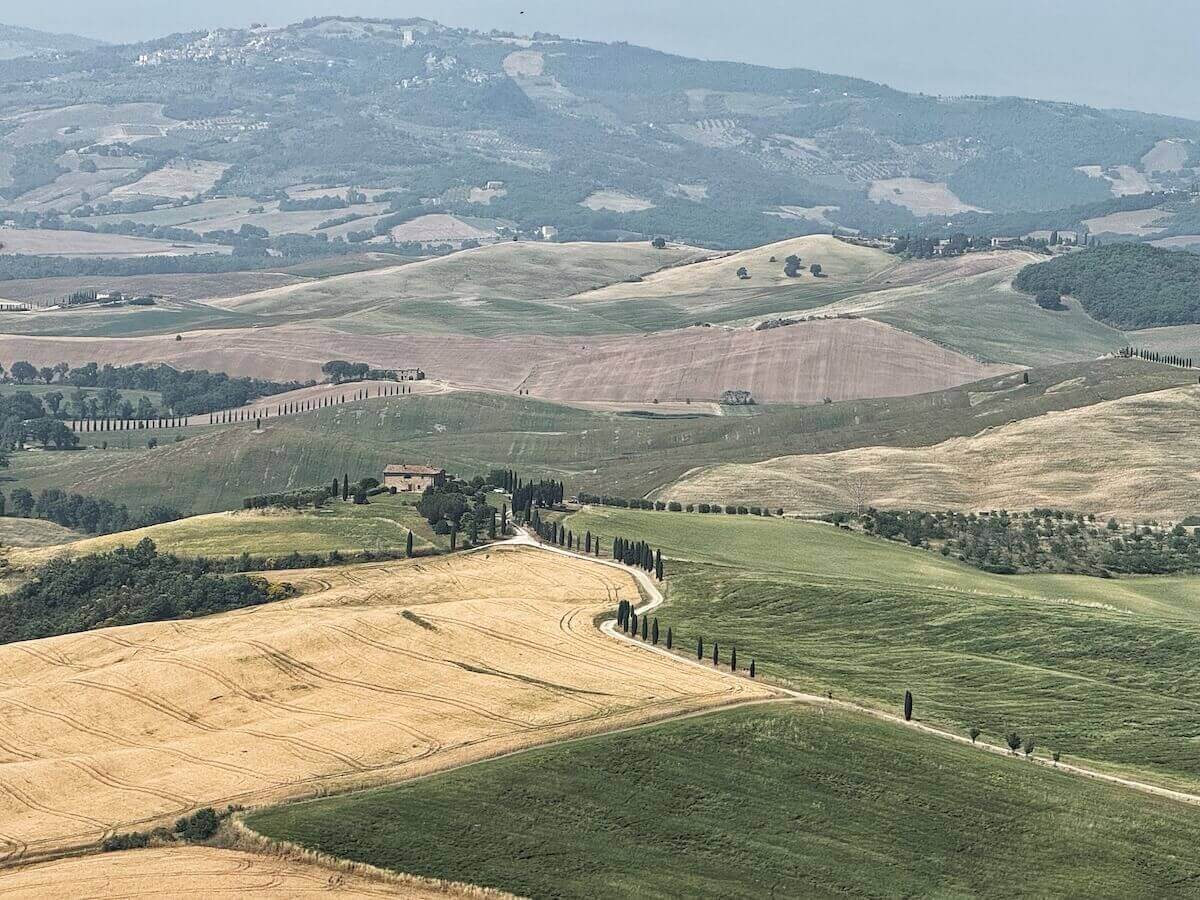
Are you looking for the best places to visit in Tuscany? You are in the right place.
I have been to Tuscany more times than I can remember – it’s an easy trip from my hometown of Cagliari, in Sardinia, as there are direct flights to both Florence and Pisa. In fact, I was there just a few weeks ago, exploring the region with my favorite travel partners (my sister and my brother-in-law).
This is to say, I know the region well, and I know about the best places in Tuscany that you should add to your itinerary.
Narrowing down what to see in Tuscany is no easy task – my selection of things to do in Tuscany is by no means exhaustive, and it surely represents my taste and interests in travel. Either way, it’s a good starting point to start planning your trip.
In this guide, I will show you the best places to visit in Tuscany – as well as the best things to see and do in each destination. There will also be a few tips to help you plan your dream trip.
Is Tuscany Worth Visiting?
Yes, Tuscany is definitely worth visiting. There are many reasons why Tuscany is one of Italy’s most visited regions.
Tuscany has thousands of years of history. It is the cradle of the Renaissance, and it will win you over with its artistic and architectural heritage.
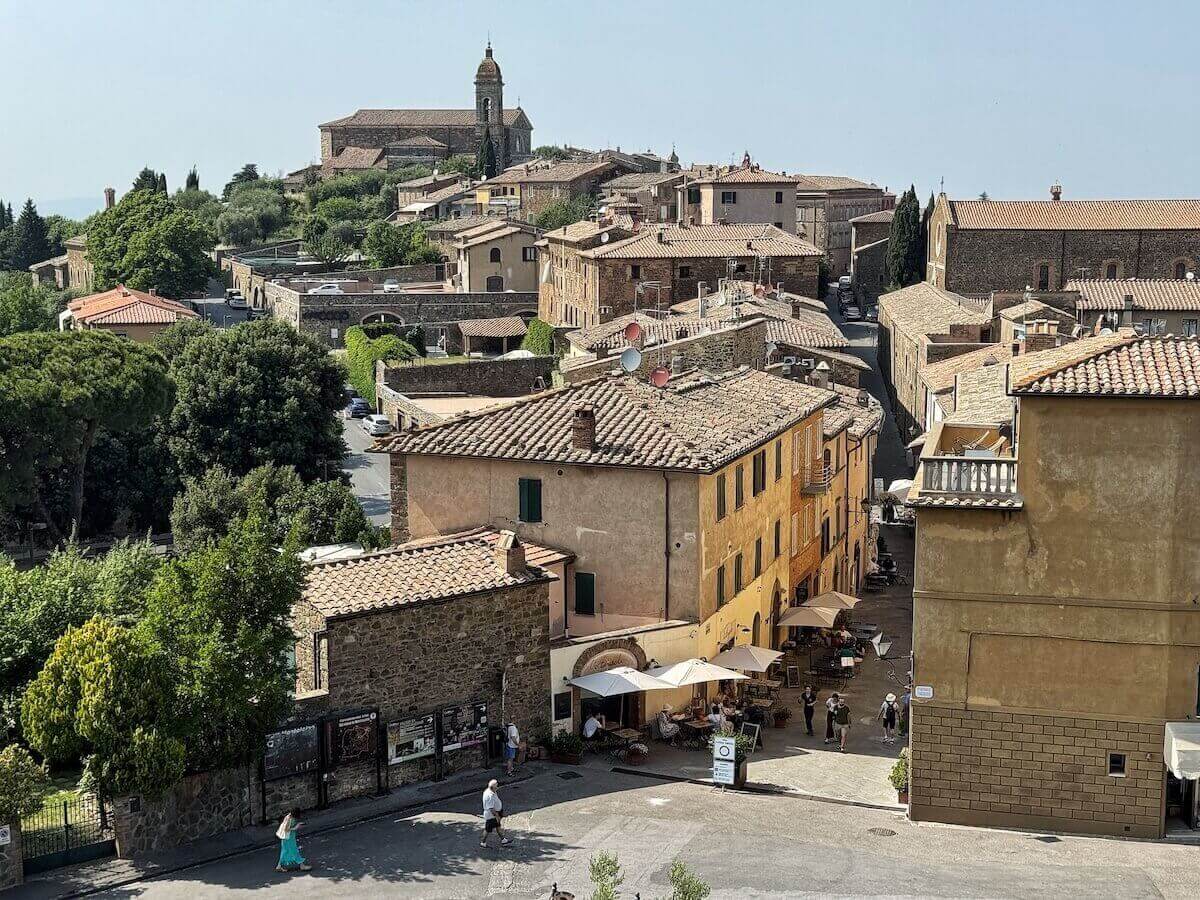
But there’s more than just art in Tuscany. You will fall in love with the region’s nature. Tuscany is bathed by two seas: the Ligurian Sea and the Tyrrhenian Sea. There are hills covered in vineyards, hot springs, and protected natural areas.
Add to this the excellent food and wine, with its historic cellars, and you are in for a trip that will captivate your senses.
Now, let’s discover the places in Tuscany that should all be in your itinerary.
Best Places to Visit in Tuscany
Florence
You can’t visit Tuscany and not go to Florence, its magnificent capital. This is one of the most beautiful cities in Italy.
There are more things to do in Florence than I could possibly mention here, so let me start with the unmissable ones if it’s our first time in the city.
Start your visit with the Uffizi Gallery and Accademia Gallery. Even if you aren’t the biggest art lover, you cannot skip Michelangelo’s David statue, a masterpiece that goes beyond every expectation.
Next to the Uffizi Gallery, you will find Piazza della Signoria with the Fountain of Neptune, one of the most famous fountains of the city. Palazzo Vecchio, which overlooks the square, used to be the Medici Family’s residence. Today, it houses the Town Hall, and it is open to visitors.
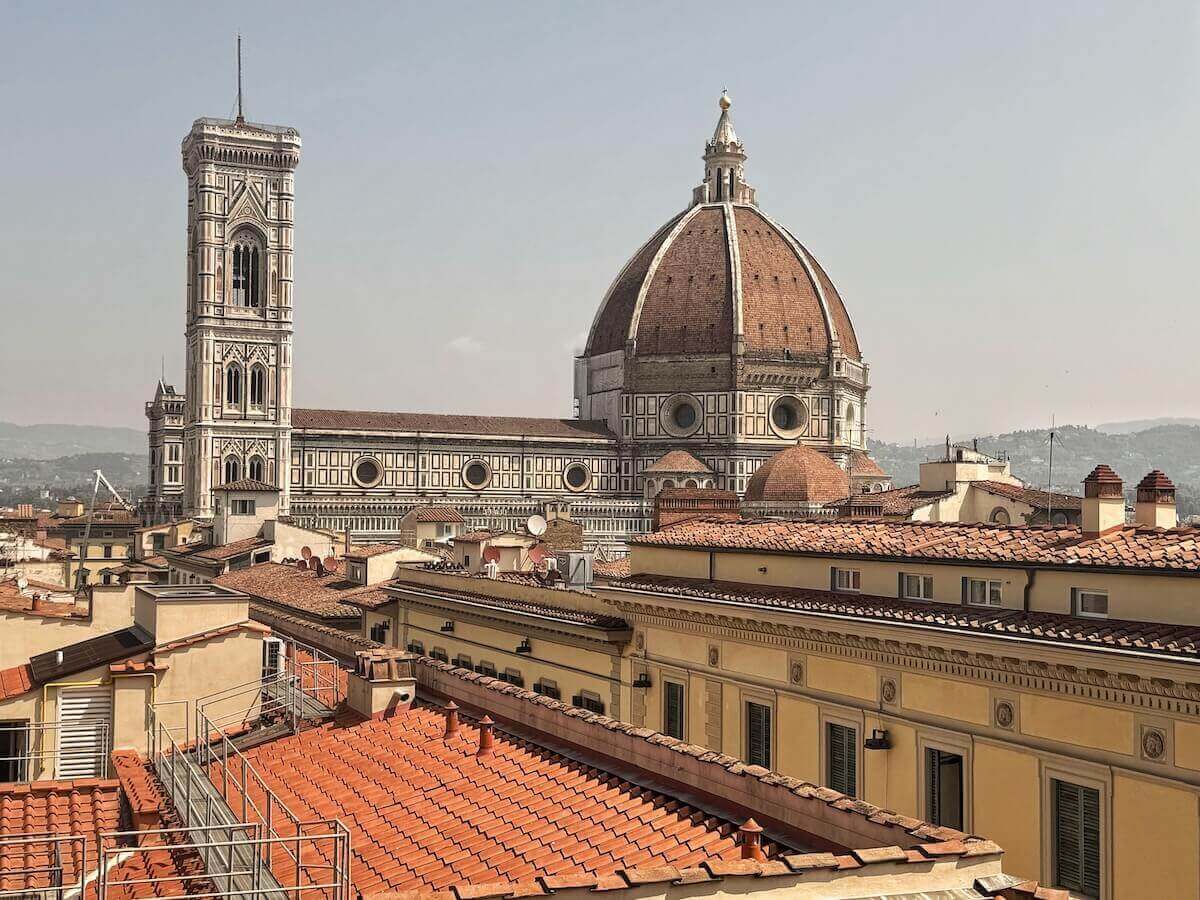
Other attractions you can’t miss in Florence include the Duomo complex, with the Cathedral, the Museum, the Brunelleschi Dome, Giotto’s Bell Tower, and the Baptistry of San Giovanni, as well as Ponte Vecchio, Florence’s most famous bridge.
On the other side of the Arno River, don’t miss Pitti Palace, with several museums and galleries, and Boboli Gardens.
For a fun atmosphere, you should visit the covered Mercato Nuovo, and the Central Market, where the food hall is located on the second floor.
One of my tips for Florence is to book all your activities well in advance, because the city is always crowded with tourists.
These attractions in Florence must be booked in advance:
Pisa
Pisa is one of the places in Tuscany you should not miss if it’s your first time visiting, and the good news is that you can easily visit on a day trip from Florence. I am sure you will love the lively, young atmosphere – the city is home to one of Italy’s most important universities.
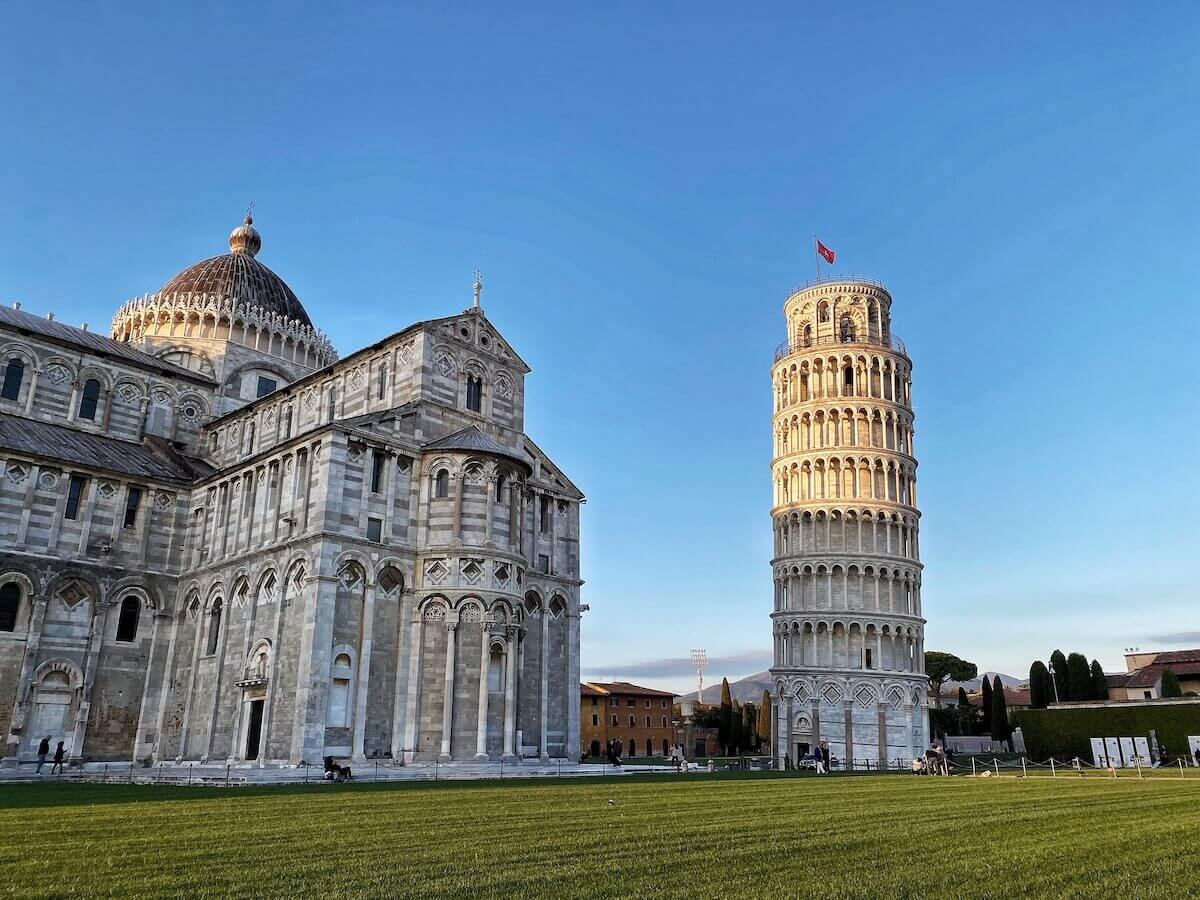
Here, start exploring from Piazza dei Miracoli. It’s where you’ll find the Leaning Tower of Pisa, one of Italy’s symbols around the world and a UNESCO World Heritage Site. Climb the 294 steps (get tickets in advance) and enjoy the unique view of Piazza Duomo.
Piazza dei Miracoli is also home to the Baptistery and the Monumental Cemetery.
Another place you should not miss is the Royal Palace, first owned by the Caetani family and then by the Medici family. Today it houses the National Museum of the Royal Palace, which displays masterpieces by Raphael and Canova.
Make sure to also stop by Piazza dei Cavalieri, where you can spot the Palazzo dell’Orologio, the Church of Santo Stefano dei Cavalieri, the statue of Cosimo I, and the Palazzo della Carovana – once the headquarters of the Order of the Knights of St. Stephen and today a university building.
Finally, don’t miss a walk along the Arno River, where you can admire more Renaissance buildings, including the Medici Palace, the Toscanelli Palace, the Church of San Matteo in Soarta, and the Church of Santa Maria della Spina.
Siena
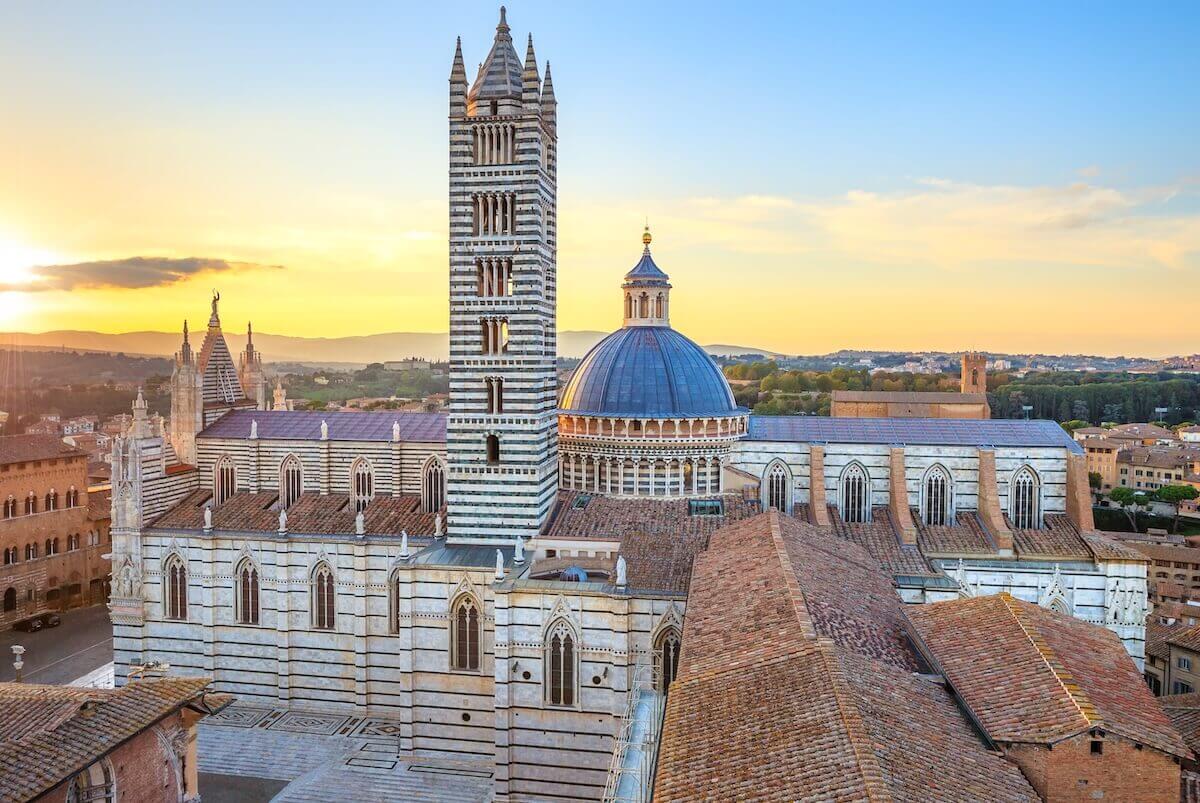
Siena is one of my favorite cities in Italy. My cousin has just moved there and I can’t wait to visit! Located in the heart of Tuscany, this is one of Italy’s most charming medieval cities. Its historic center has remained almost unchanged since the 14th century. In 1995, it was declared a World Heritage Site by UNESCO.
The main attraction in Siena is Piazza del Campo, known for its shell shape. This is where the Palio di Siena – a unique historic horse race – takes place every summer.
Surrounding Piazza del Campo, you’ll see some of the best attractions in the city. The Public Palace (Palazzo Pubblico) was the seat of the government during the Republic of Siena, and now houses the municipal administration and the Civic Museum.
Also overlooking the square, you will find the Torre del Mangia, where you can climb the 400 steps for impressive views.
If you are into art, you should consider visiting the National Art Gallery, the Duomo, and the Santa Maria della Scala Museum Complex. In the Duomo, you can admire the marble mosaic floor and sculptures by Nicola and Giovanni Pisano, Donatello, Michelangelo, and Bernini.
You are better off getting tickets in advance for the Cathedral complex, as there can be quite a few tourists looking to get in.
Siena is also a fantastic destination for foodies. As you know, traditional Italian food is very regional, so don’t miss a chance to try local specialties here, as you won’t find them anywhere else in Italy. A dish I recommend trying here is “gnudi”, a sort of gnocchi made with ricotta, spinach, and Parmesan cheese.
San Gimignano
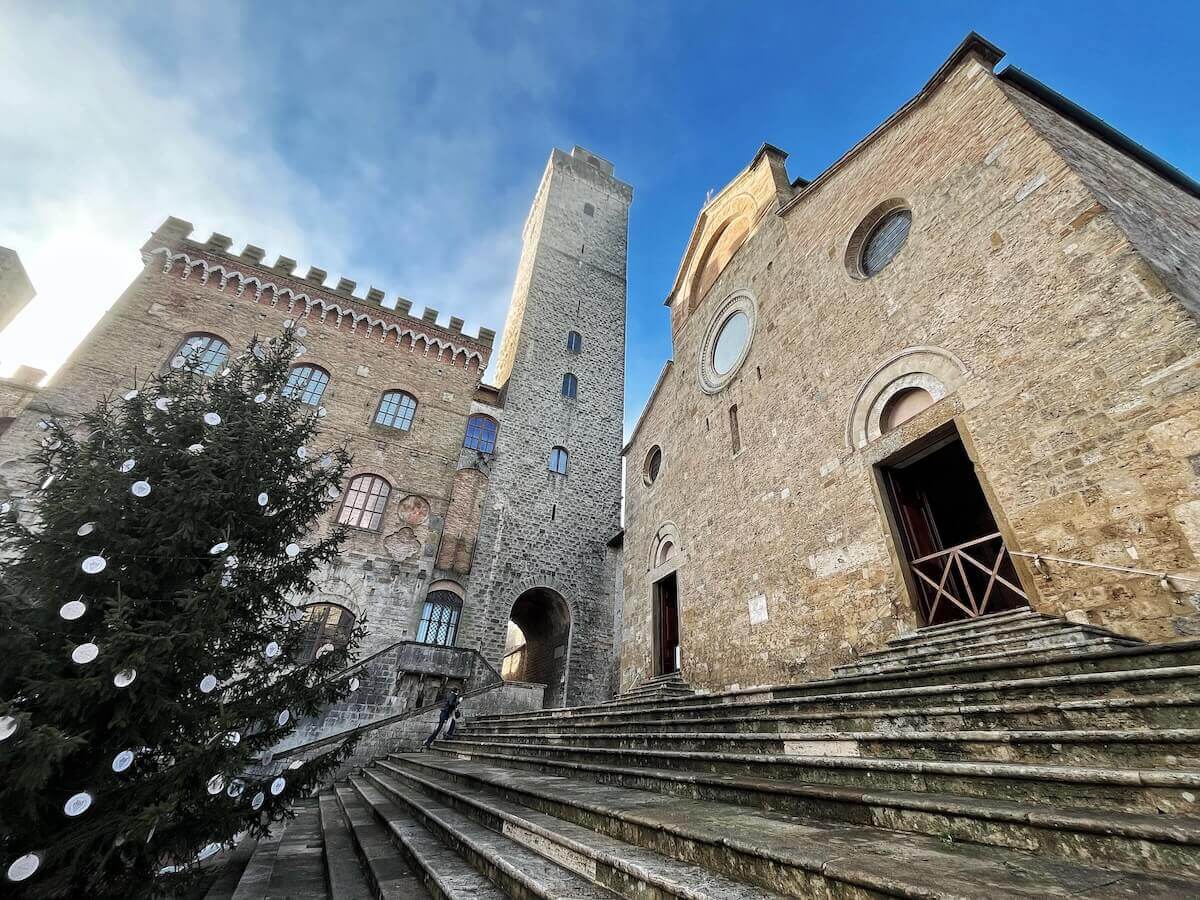
I visited San Gimignano last December for the first time, and loved it. Halfway between Florence and Siena, this is an enchanting medieval town typically crowded with tourists – but if you have the chance to go in the off-season, you’ll have it all to yourself.
The main feature of San Gimignano, and the reason it’s been UNESCO listed since 1990, is the many towers that rise above the hill. It’s quite a sight!
Piazza del Duomo is San Gimignano’s heart and the best place to start your visit. The Cathedral of Santa Maria Assunta is the most imposing building in the square. Make sure not to miss the Old Palace of the Podestà between the Chigi Tower and the Torre Rognosa, the massive Torre Grossa, the Town Hall, and the Loggia del Comune.
Of course, you can climb the towers of San Gimignano (at least, some of them) to check out the views.
Not far from the Duomo, you will find Piazza delle Erbe, the Salvucci Towers, and the Campatelli House Museum with its medieval tower. One of my favorite spots in San Gimignano is Piazza della Cisterna, named after the octagonal-shaped well in the middle of the square.
Tip: Looking for a special treat while exploring San Gimignano? I recommend stopping by Gelateria Dondoli, which makes one of the best gelato in Italy.
I recommend spending at least one night in San Gimignano to make the most of its atmosphere after all the day trippers have left. However, it is worth noting that you can visit San Gimignano on day trips from Siena, and even on day trips from Florence. For example, this highly rated tour from Florence goes to Siena, San Gimignano, and Monteriggioni and includes transportation.
I have a full guide on San Gimignano that will be handy when planning your visit.
Monteriggioni
This is one of the dreamiest places in Tuscany, and since it’s a short drive from San Gimignano, you should not miss the chance to go. Monteriggioni is so unique that it’s been the set of several movies, such as Assassin’s Creed II and Assassin’s Creed: Brotherhood.
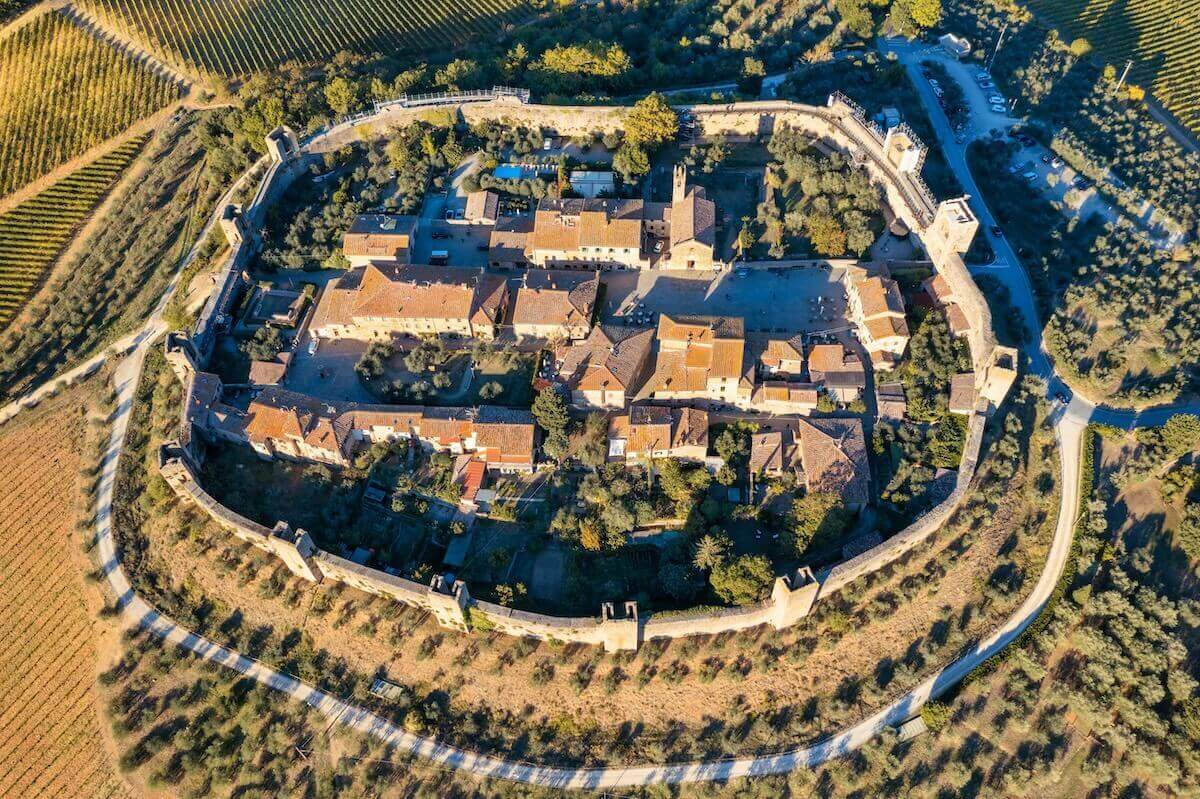
Perched atop a hill in the Tuscan countryside, this small fortified village has been inhabited since the 8th century BC. Strolling through its streets is like stepping back into the Middle Ages.
It’s such an impressive place that the great poet Dante Alighieri mentioned it in the Divine Comedy’s Inferno.
The historic center, also known as the Castle, is very small: it will take you no more than a couple of hours to explore it. Make sure to go for a walk along the walls: they are perfectly preserved, and interspersed with 14 towers and two gates that allow access to the town.
Monteriggioni’s main square is Piazza Roma. This is where you’ll find the Church of Santa Maria Assunta, which dates from the early 1200s. It has a Romanesque-style stone façade and a bell tower.
If you visit at the beginning of July, you could also attend the “Monteriggioni di Torri si Corona” festival: arts, dances, crafts, and scenes from medieval daily life are reenacted, making this small medieval Tuscan town come alive.
Monteriggioni is fairly close to San Gimignano, and you can visit both on the same day. If you don’t have a car, you could consider this highly rated day tour from Florence that goes to Siena, San Gimignano, and Monteriggioni. It includes transportation in a private vehicle.
Pitigliano
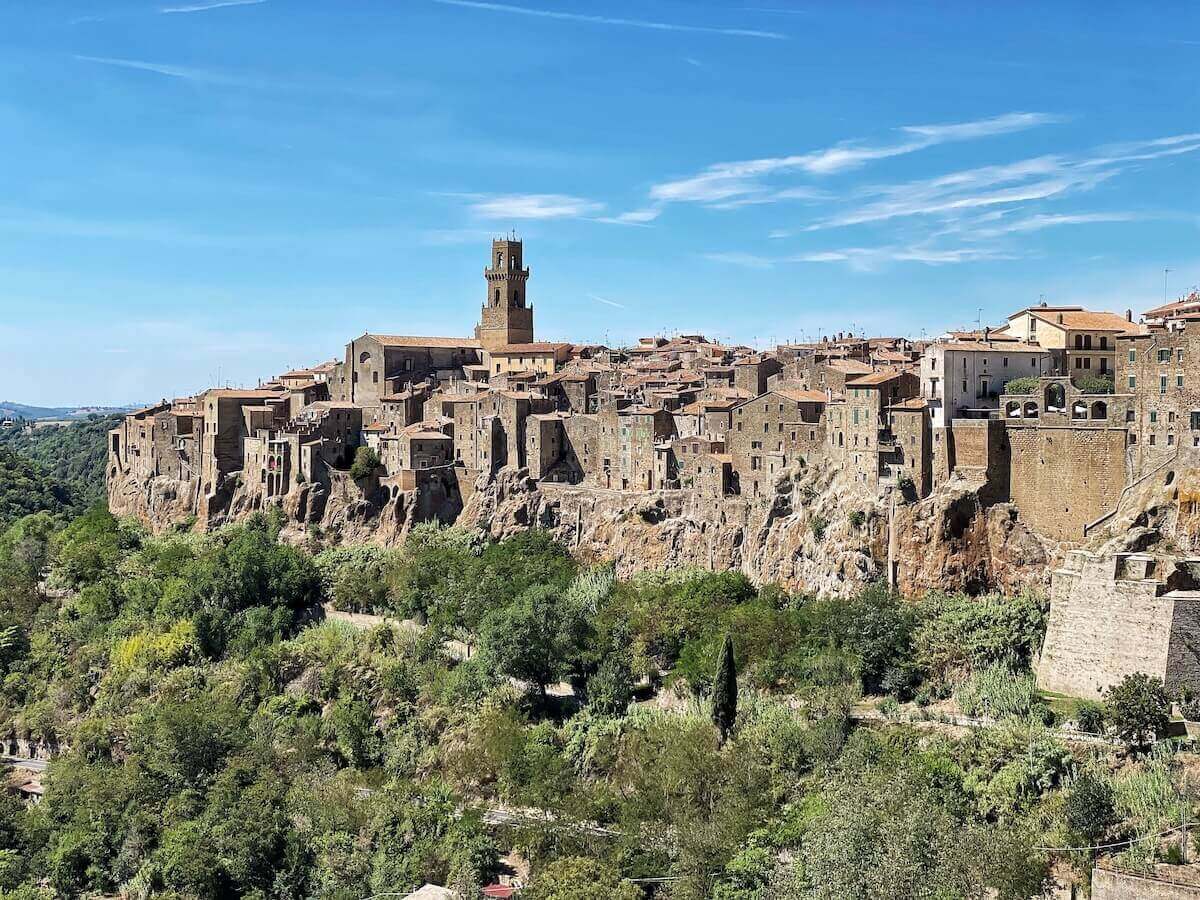
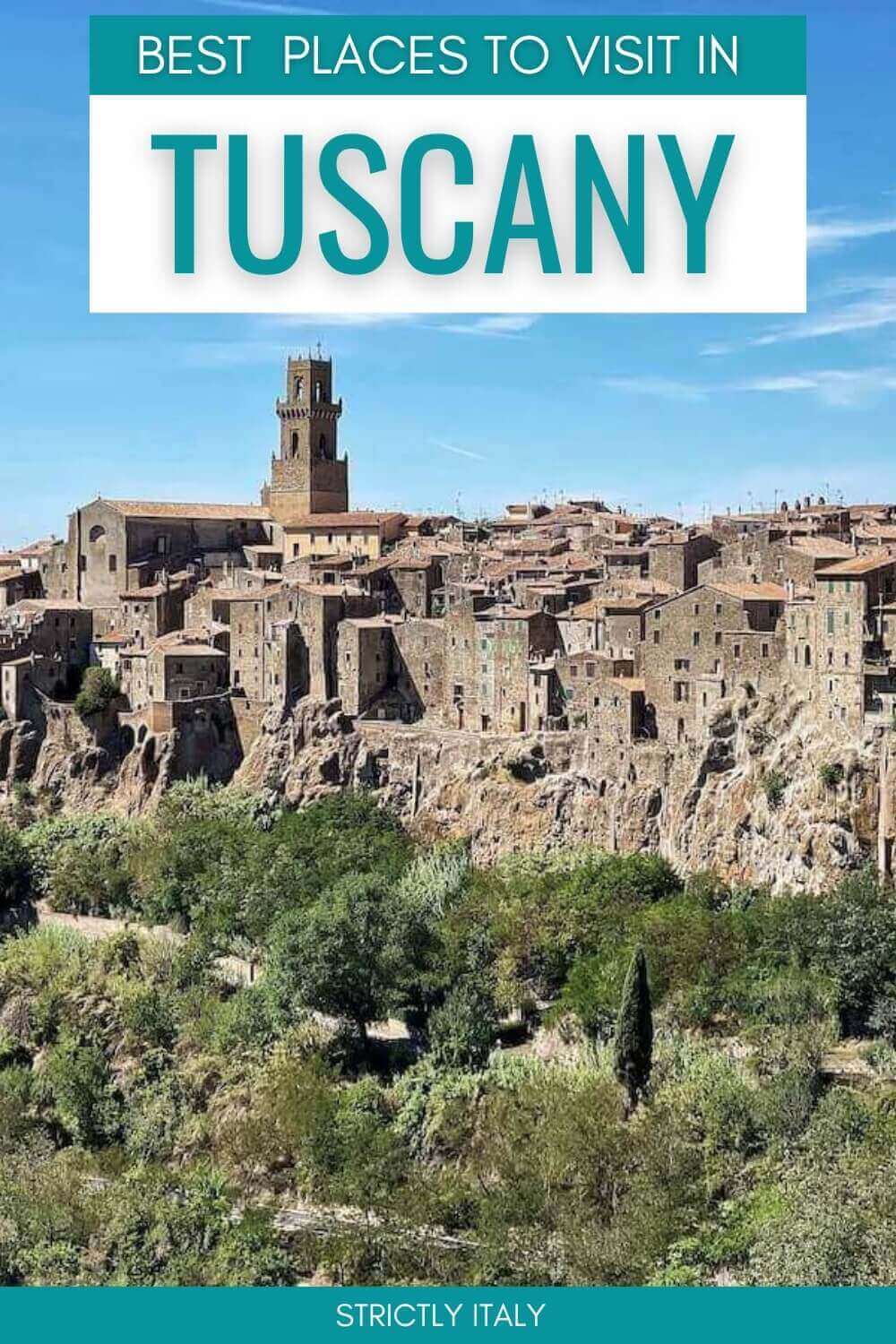
I visited Pitigliano for the first time with my sister and my father, on a day trip from Viterbo, as it’s located in the south of Tuscany, almost on the border with Lazio. This is one of the prettiest small towns in Tuscany, perched on a 313-meter-high (that’s 1027 feet) tuff hill overlooking a lush valley. The views as we drove towards town were breathtaking.
Pitigliano is a treasure trove of history and nature, peace, and excellent food: truly an unmissable place to visit in Tuscany.
Start exploring from Piazza Petruccioli and continue along Via Cavour to visit the Medici aqueduct.
At the end of the road, you will find the Fountain of the Seven Spouts (Fontana delle Sette Cannelle), one of the prettiest spots in town. Don’t miss the Palazzo Orsini, located in Piazza della Repubblica, which houses the Civic Archaeological Museum, and the beautiful Cathedral of Saints Peter and Paul.
Pitigliano is often referred to as “Little Jerusalem” because of the Romanesque-style synagogue, which reminds us of the historical presence of a Jewish community. There’s also a matzo oven, butcher’s shop, and Kosher cellar. You can visit the Permanent Exhibition of Jewish Culture to learn about Pitigliano’s Jewish connection.
If you are in for a hike, you can walk along Via delle Cave, a path carved into the tuff by the Etruscans. My favorite trail is the Tour delle Vie Cave, a circular trail of about 10 km (6.2 miles) that starts from the center of Pitigliano.
This part of Tuscany is famous for its olive oil. A simple bruschetta made with local bread is the best way to try it. Another local specialty is acquacotta, a vegetable soup.
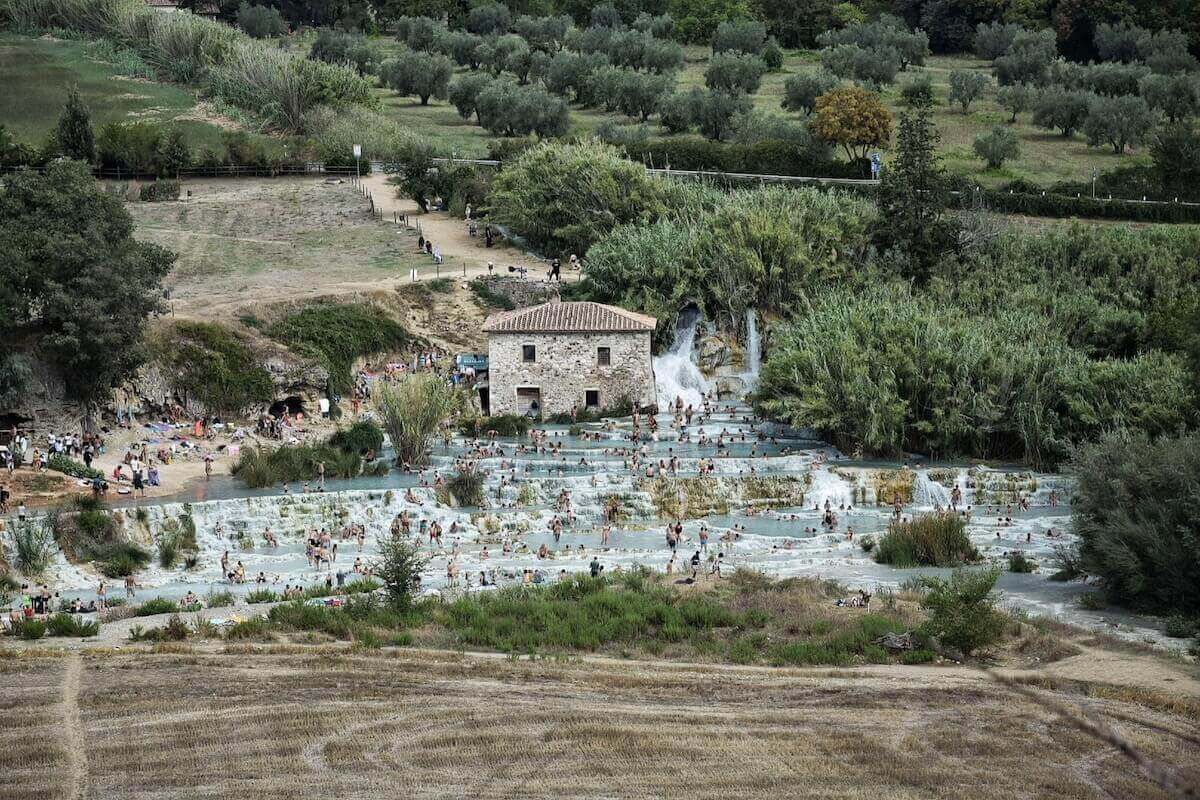
Cascate del Mulino di Saturnia
Not far from Pitigliano and easy to visit on day trips from Viterbo, just outside the small town of Saturnia, there are the free natural hot springs known locally as Cascate del Mulino, which you will likely know as Saturnia Hot Springs.
These are small, natural waterfalls fed by the Gorello thermal stream, which originates from Monte Amiata, an ancient volcano. The hot springs are set in the beautiful Tuscan countryside, near a picturesque mill (which gives it the Italian name).
There are several pools you can access where the average temperature is 37.5°C (99.5°F): it’s a particularly pleasant place to relax in the winter. We went in the summer, and it was fairly crowded – but we still enjoyed it.
One thing you need to be aware of is the smell of the sulfurous water. This has all the beneficial properties, but smells a bit like rotten eggs.
The thermal springs are always open and free of charge. Nearby, you will find a café and changing rooms with showers, lockers, hair dryers, and toilets. There’s a small fee to pay for the changing rooms.
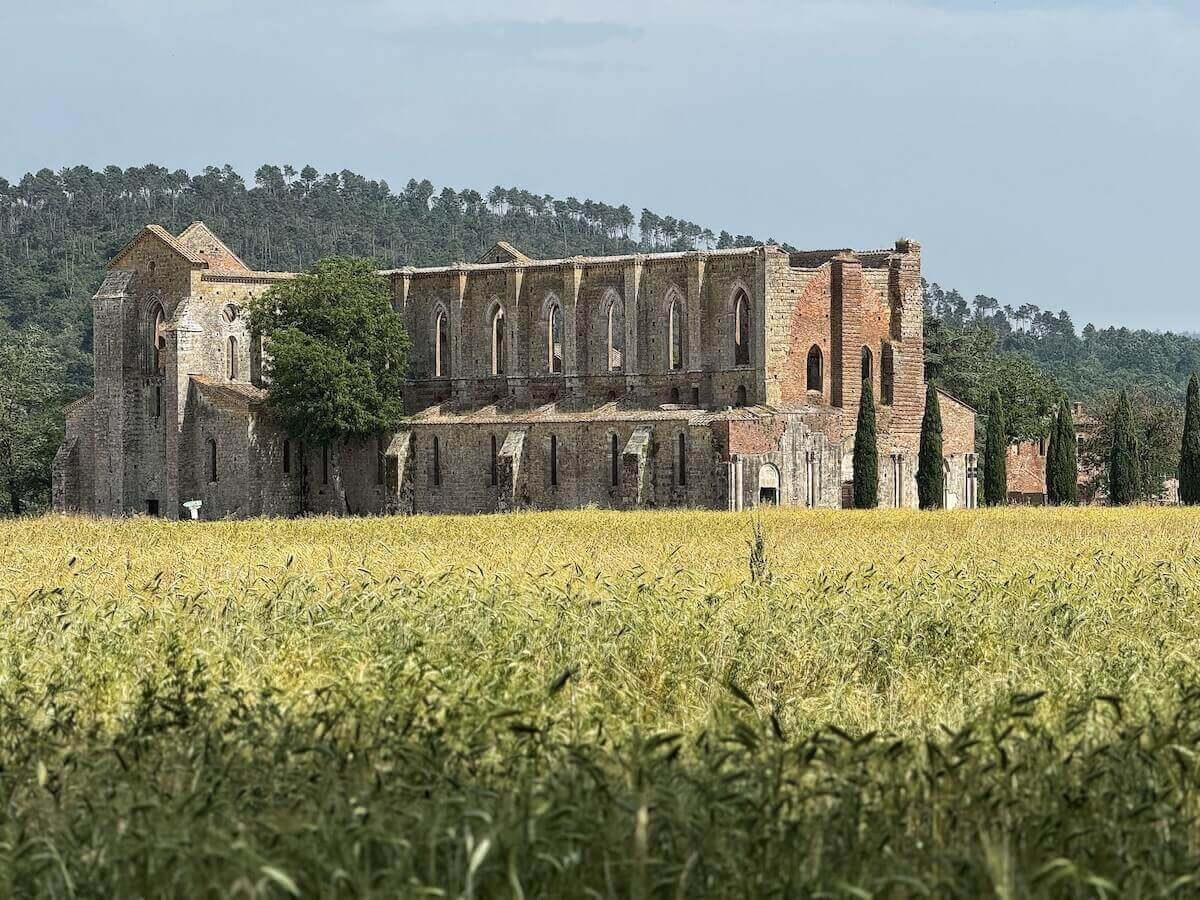
Abbazia di San Galgano
Not many foreign tourists know of the Abbey of San Galgano – you could say this is still one of Italy’s hidden gems.
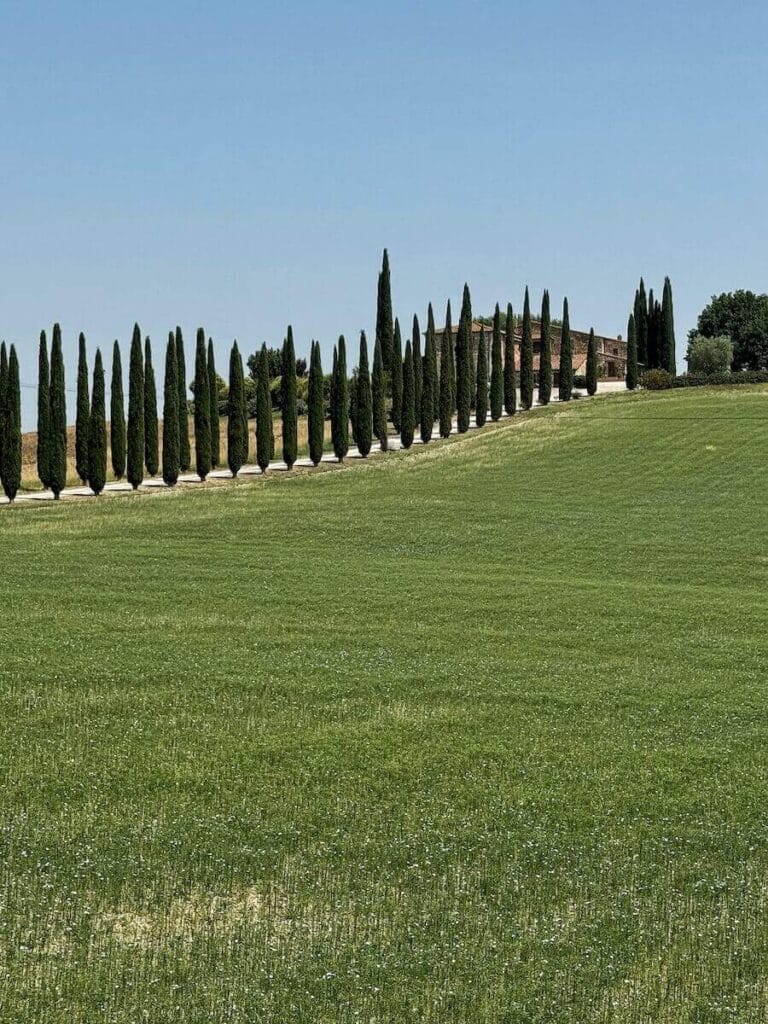
In the province of Siena, surrounded by vegetation, the 13th-century church (or better, its ruins) is at the end of a row of cypress trees.
San Galgano Abbey was once home to one of the most important Cistercian monasteries in Tuscany. However, once the Cathedral of Siena was completed, due to its remote location, the Abbey was gradually abandoned.
Many theories try to explain why the roof is missing. The first says that the bell tower collapsed on it. The second speaks of simple deterioration and eventual collapse over the years. And finally, the last theory suggests that because the roof was made of lead, it was sold by Girolamo Vitelli in 1550.
The lack of a floor means that the church turns into a grassy field in the spring – something that makes it so evocative.
About a 15-minute walk from the Abbey, there’s the Hermitage of Montesiepi, where Saint Galgano performed the first of his 19 miracles: he stuck the sword into the stone. This recalls the legend of King Arthur and his Excalibur.
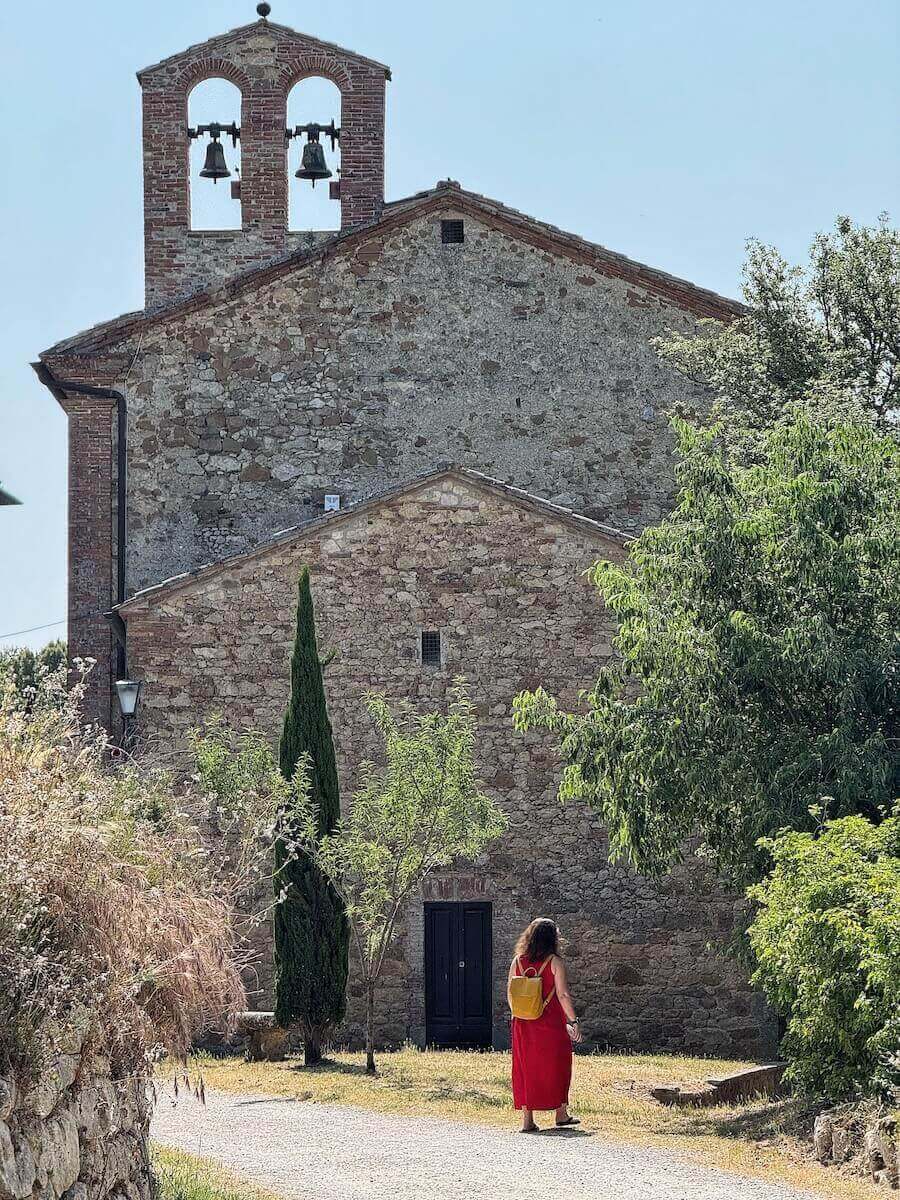
Pienza
Pienza is a true gem of the Val d’Orcia. It was listed by UNESCO in 1996.
Enea Silvio Piccolomini was born here in 1405. Once he became Pope Pius II, he decided to transform his hometown into what is now known as “the ideal Renaissance city.” Architect Bernardo Rossellino and humanist Leon Battista Alberti were the ones who worked on the small town’s renovation.
Corso Rossellino, the main street of Pienza, is the perfect starting point for your exploration. Walking along the street, you will find the charming Piazza Pius II, overlooked by the Duomo, the Palazzo Comunale (which is the ancient residence of the Priors), Palazzo Borgia, home to the Diocesan Museum, and Palazzo Piccolomini.
I wholeheartedly recommend visiting Palazzo Piccolomini. Inside, you can admire antique furniture, many works of art, a rich library, and walk on the loggia offering a beautiful view of the valley. You can also visit the magnificent hanging garden, the first of the Renaissance.
Palazzo Piccolomini can only be visited on guided tours that last about 30 minutes. You may want to purchase a Pienza Pass, which grants you access to all the above-mentioned attractions.
Make sure to find the small pedestrian street, Via del Casello, the panoramic walk of Pienza. It’s right next to the apse of the Cathedral of Santa Maria Assunta. The views from there are breathtaking.
Other spots you should not miss when in Pienza include the 12th-century Spedaletto Castle and the Pieve dei Santi Vito e Modesto in Corsignano, a small church where popes Pius II and Pius III were baptized.
From there, you can also reach a viewpoint to admire the cypress boulevard that became famous as the final scene of the movie “Gladiator” with Russel Crowe (there are many more similar places in the Val d’Orcia).
If you are looking for local delicacies, make sure to try the famous pecorino of Pienza. You can pair it with a glass of either Sangiovese or Brunello di Montalcino wine.
I have written a Complete Guide To Pienza for more tips to visit this lovely small town. I also have a post on What To See And Do In Val d’Orcia that you should read.
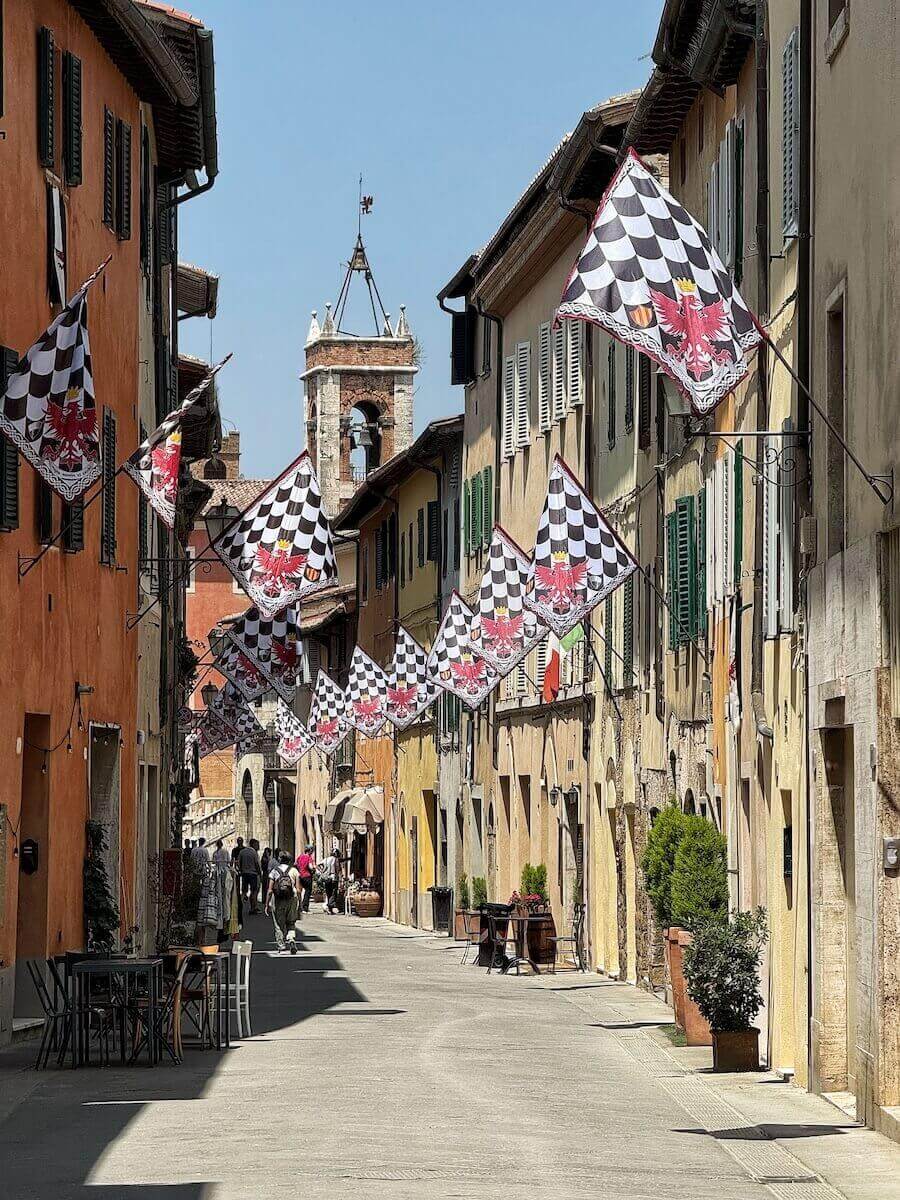
San Quirico d’Orcia
We visited San Quirico d’Orcia by pure chance as we were looking for a quieter spot to have lunch compared to Pienza, which is rather crowded with tourists. This is a small town surrounded by oak woods, vineyards, and olive groves, and an excellent base to expòore Val D’Orcia.
San Quirico is the starting point of a network of 17 trails covering a total of 185 km (almost 115 miles) that can be explored on foot or by bike.
The main attraction in San Quirico d’Orcia is the Collegiate Church of Saints Quirico and Giulitta: it has a Romanesque external facade and a Baroque interior. You should also explore the Horti Leonini Gardens: the view of the geometric patterns in the lower part of the gardens from the top of the staircase is marvelous.
San Quirico hosts festivals throughout the year that celebrate its history and produce. When we visited, in mid-June, preparations were in place for the local Festa del Barbarossa.
The most famous photo spot in the area is the cypress avenue, about 6 km (roughly 3.7 miles) from the center of San Quirico d’Orcia. You’ll easily spot it from afar as they are quite imposing, and there’s a long line of people waiting for a photo.
Another place to visit near San Quirico d’Orcia is the Chapel of the Madonna di Vitaleta, a small Renaissance country Church that has been recently restored.
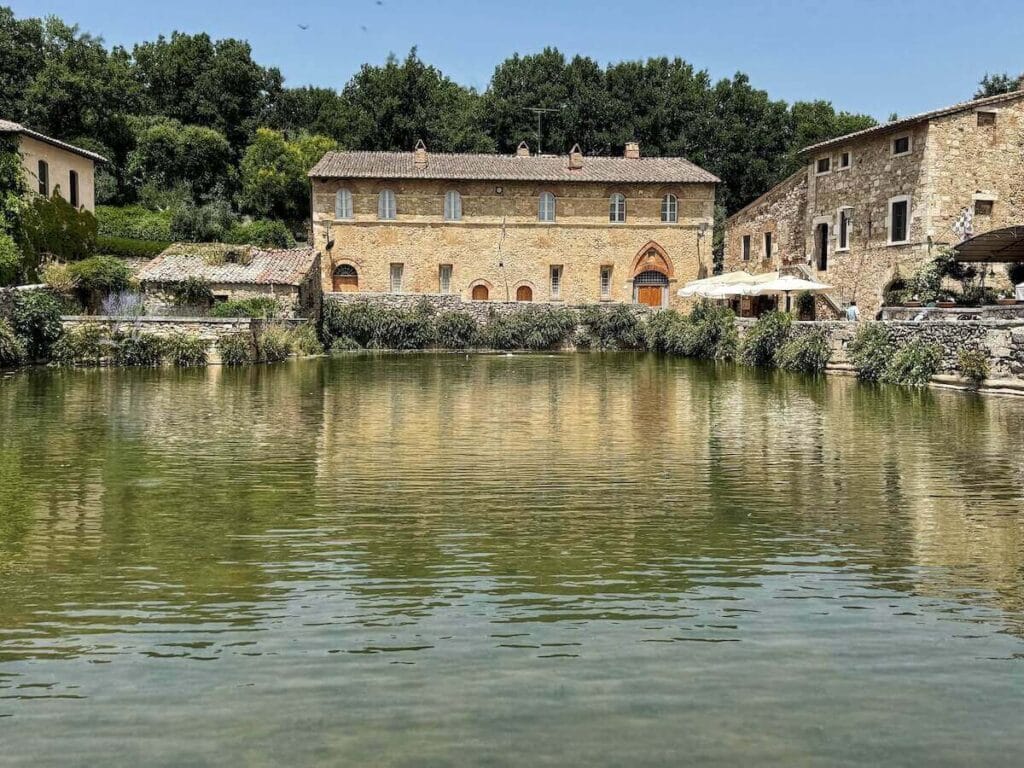
Tip: Not far from San Quirico there’s Bagno Vignoni, one of the smallest towns in Tuscany. Here you can see the spectacular Piazza delle Sorgenti, a huge pool of natural thermal water where guests such as Saint Catherine, Lorenzo the Magnificent, Pope Pius II Piccolomini once bathed. Bathing here is no longer possible, but just outside the village, there are free thermal baths that you can reach via the staircase next to the big car park.
Montepulciano
You will likely have heard of Montepulciano because of the famous Montepulciano wine. Located on a hill overlooking the Val di Chiana and Val d’Orcia, the entire area of Montepulciano is considered one of the best wine regions in the world.
It goes without saying that one of the best things to do in Tuscany is wine tasting, and Montepulciano is the perfect place for that. Make sure to visit one of the many cellars, wine estates, and enoteche (wine shops) of Montepulciano.
I recommend this Montepulciano wine tasting and cellar tour: it includes a tasting of bruschetta with the excellent local olive oil, and several crostini.
But there’s more to Montepulciano than wine. The historic center winds up and down, along the Corso. It starts at the bottom of the town with the Torre di Pulcinella, a tower located on top of the Church of Sant’Agostino.
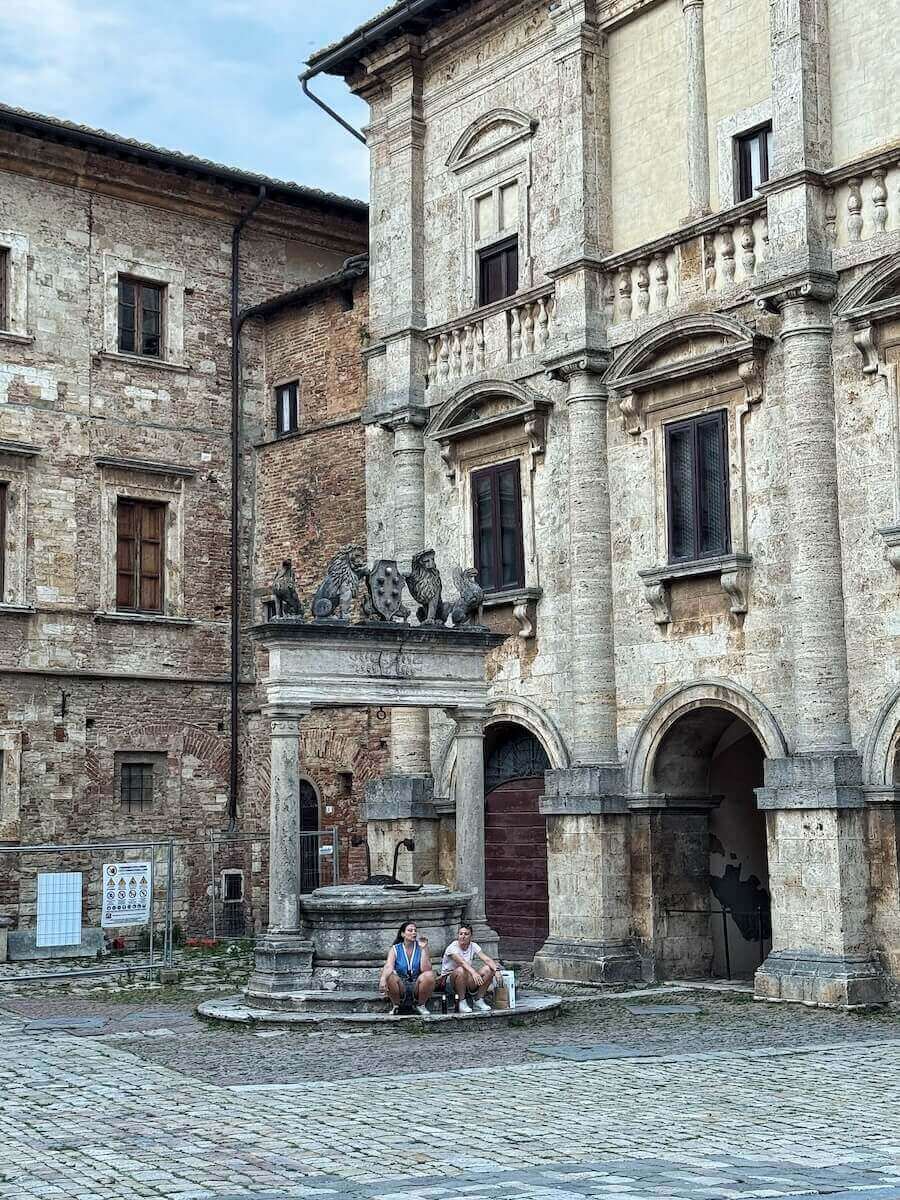
The Corso leads to Piazza Grande. This is the heart of the city, where all the main events take place or end. Here you can admire the Cathedral, the Town Hall, the Palazzo Contucci, and the Palazzo Nobili-Tarugi. Opposite the Palazzo del Capitano del Popolo, there’s the Pozzo dei Grifi e dei Leoni.
The square hosts several events, such as the International Art Workshop, the Christmas markets, and the Bravio delle Botti competition, in which the eight districts of Montepulciano compete by pushing large wine barrels through the town.
Other places to visit in Montepulciano are the Palazzo Neri-Orselli, which houses the Civic Museum and the Crociani Art Gallery, and the Palazzo Ricci, which houses the Historical Archives and the Municipal Library, as well as the Rodi cellar, one of the most scenic cellars in Tuscany.
Don’t forget to read my post What To See And Do In Montepulciano for more information.
Bagni San Filippo
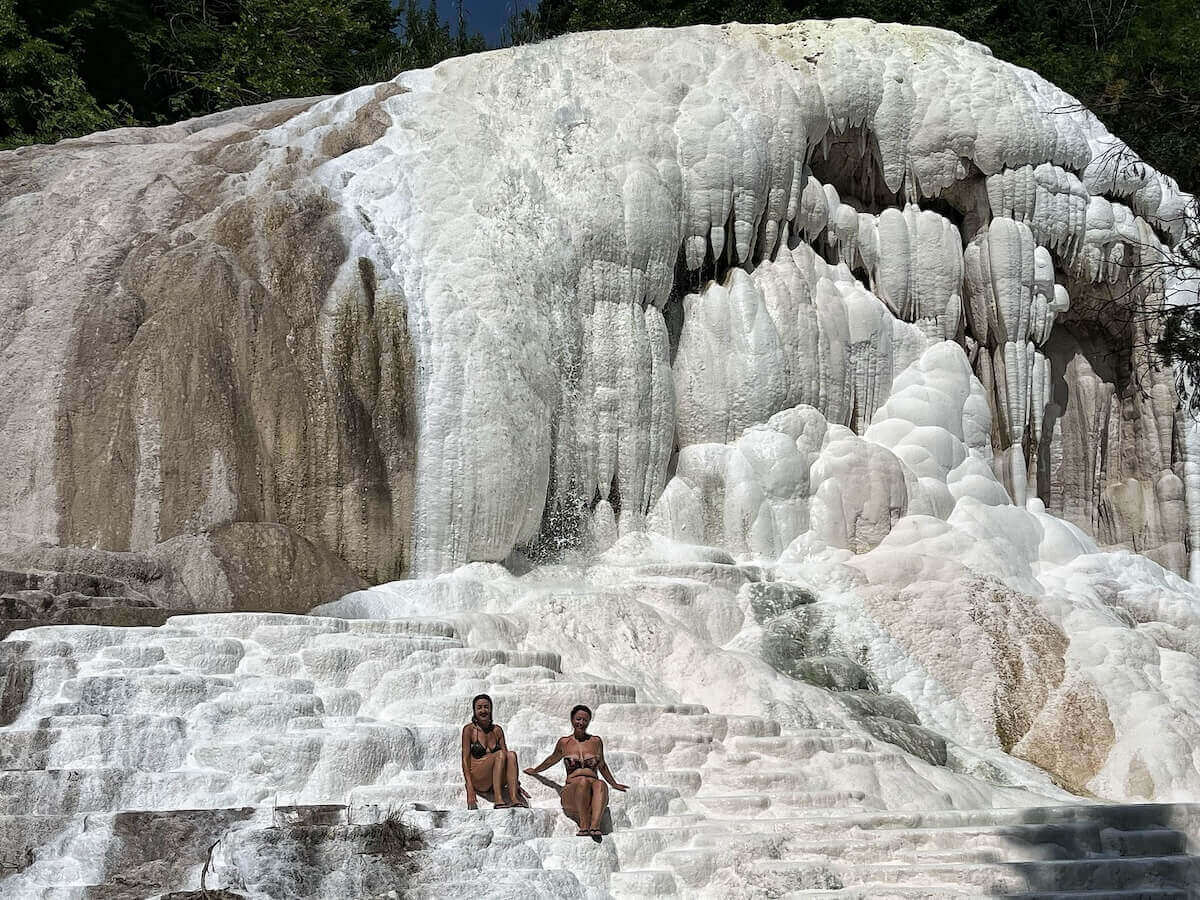
Bagni San Filippo is one of the most unique places to visit in Tuscany. It’s close to Castiglione d’Orcia and Monte Amiata. Known since ancient times, locals (and some tourists) love the thermal waters of Bagni San Filippo that have created a magical landscape of white limestone formations, waterfalls, and small hot pools in the middle of lush green woods.
The stream of thermal pools goes alongside the village. Park your car along the main road (there’s a fee to pay for that), enter the woods, and follow the trail until you hear the sound of water. There are several of different sizes and depths.
The sulphurous waters have beneficial properties. There are some fun waterfalls you can stand under: if you let the water drop onto your back and shoulders, it’s like a strong massage.
Our favorite spot here was the Balena Bianca waterfall. You can get there by walking on the trail along the pools. It’s a huge block of limestone formed by the sediments of the thermal waters.
Lucca
Lucca is a city rich in history and beauty, and it hosts many important events. You may have heard about a couple of them: the Lucca Comics & Games and the Lucca Summer Festival, dedicated to rock and pop music.
If you go to Lucca for one of these events, stay a couple of days: it’s a city worth visiting.
Piazza Napoleone, which hosts many of the Lucca Summer Fest concerts, was commissioned by Elisa Bonaparte, sister of the French emperor. She ruled over Lucca from 1805. The square houses the Ducal Palace, built on the remains of a 14th-century palace.
Lucca is home to some of the best-preserved defensive walls in the country. They were built between 1513 and 1515. Today, they are a large city park where the 4.2 km (2.6 miles) long walls, which are up to 12 meters (more than 39 feet) tall, are a perfect space for walking, running, and biking.
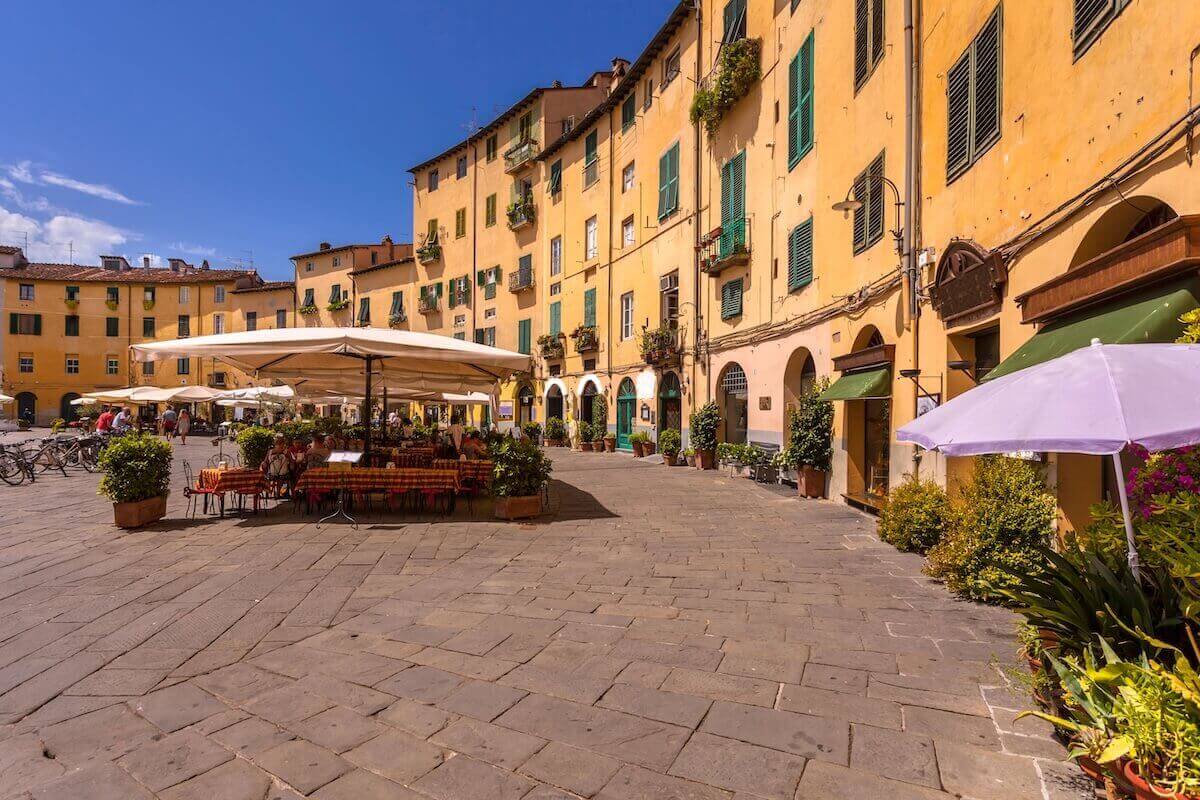
Another place not to miss in Lucca is the Piazza dell’Anfiteatro, one of the most photographed squares in Italy. It was designed by the architect Lorenzo Nottolini, and can be accessed through four gates. It’s also a very local spot.
The main church in Lucca is St. Martin’s Cathedral, which has an asymmetrical facade, a beautiful bell tower, and houses one of the masterpieces of medieval sculpture: the marble sarcophagus of Ilaria Del Carretto. The organ inside the cathedral was once played by Michele Puccini, father of the famous composer Giacomo Puccini, a native of Lucca.
You should also visit the Church of San Frediano, whose facade has an impressive mosaic, and the Church of San Michele, which has a stunning facade too.
Other attractions include Palazzo Pfanner (purchased by the Pfanner family in 1846), which houses the first brewery in the Duchy of Lucca and one of the first in Italy, and the Palazzo Mansi. The building dates from the 16th century and belonged to the Mansi family.
Today, it houses the National Museum. On the main floor, you can see the original furnishings of the palace: there’s also an incredible collection of clothing and accessories. Palazzo Mansi is also home to an important art gallery with works by great Italian painters such as Tintoretto.
Finally, for impressive views of the city, make sure to climb the 207 steps of the Torre delle Ore.
This guided walking tour of Lucca may be a great idea to get to know the city in a shorter period of time. It includes a walk along the city walls.
Cortona
You may know of Cortona from Frances Mayes’s popular book “Under the Tuscan Sun” or the movie based on it.
This really is one of the prettiest places in Tuscany, surrounded by rolling hills, with gorgeous vineyards, and incredibly picturesque.
Located in Val di Chiana, Cortona features typical medieval architecture with narrow cobbled streets, ancient buildings, bustling squares, and small artisan shops. It’s small, but there is quite a bit to see.
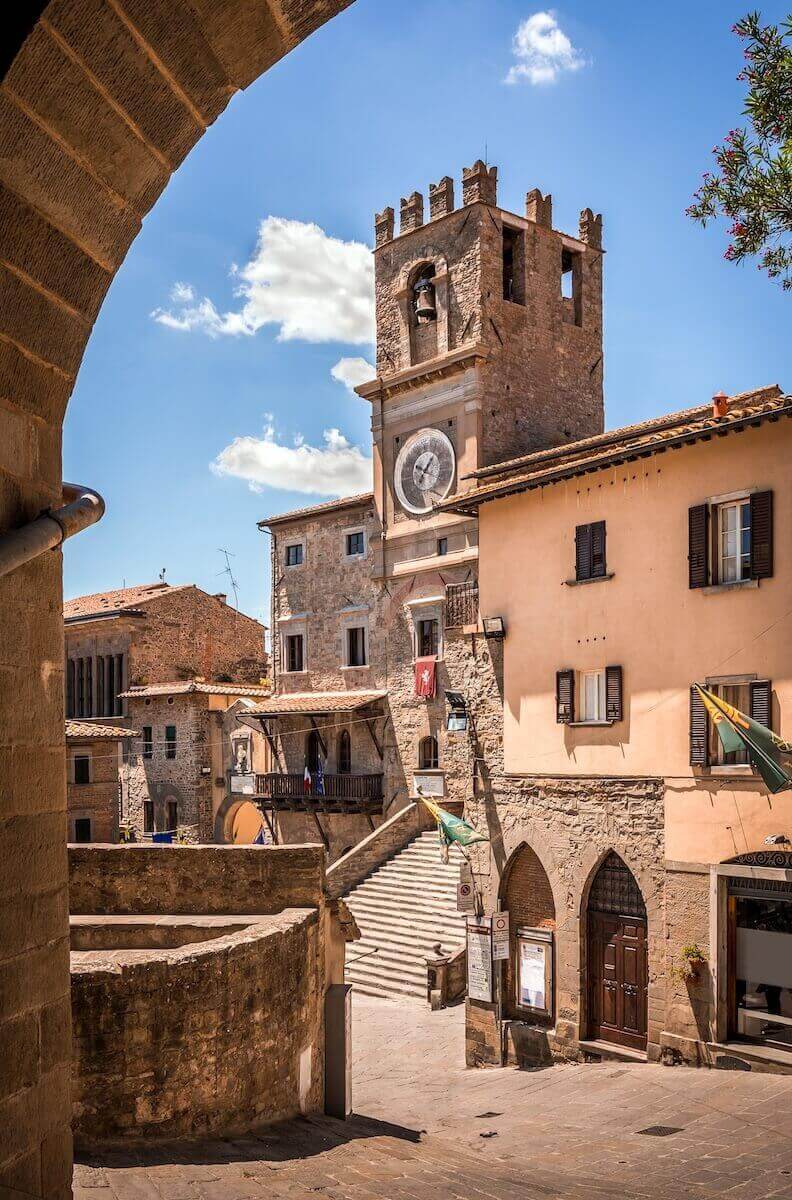
I recommend stopping by Piazza della Repubblica and Piazza Signorelli, connected and overlooked by some of the most important buildings in Cortona. These include the Town Hall with its clock tower; the Palazzo del Capitano del Popolo, residence of Cardinal Passerini; and Signorelli Theater, which has a beautiful loggia with seven arches.
If you are into archaeology, make sure to visit Palazzo Casali, which houses the MAEC Museum: the Museum of the Etruscan Academy and the City of Cortona.
Other places you could visit are the Diocesan Museum in Piazza del Duomo, and the Fortezza del Girifalco, the Medici Fortress.
To make the most of Cortona, consider joining this guided walking tour: it lasts two hours, during which your local guide will help you uncover the history and beauty of this small Tuscan town.
Volterra
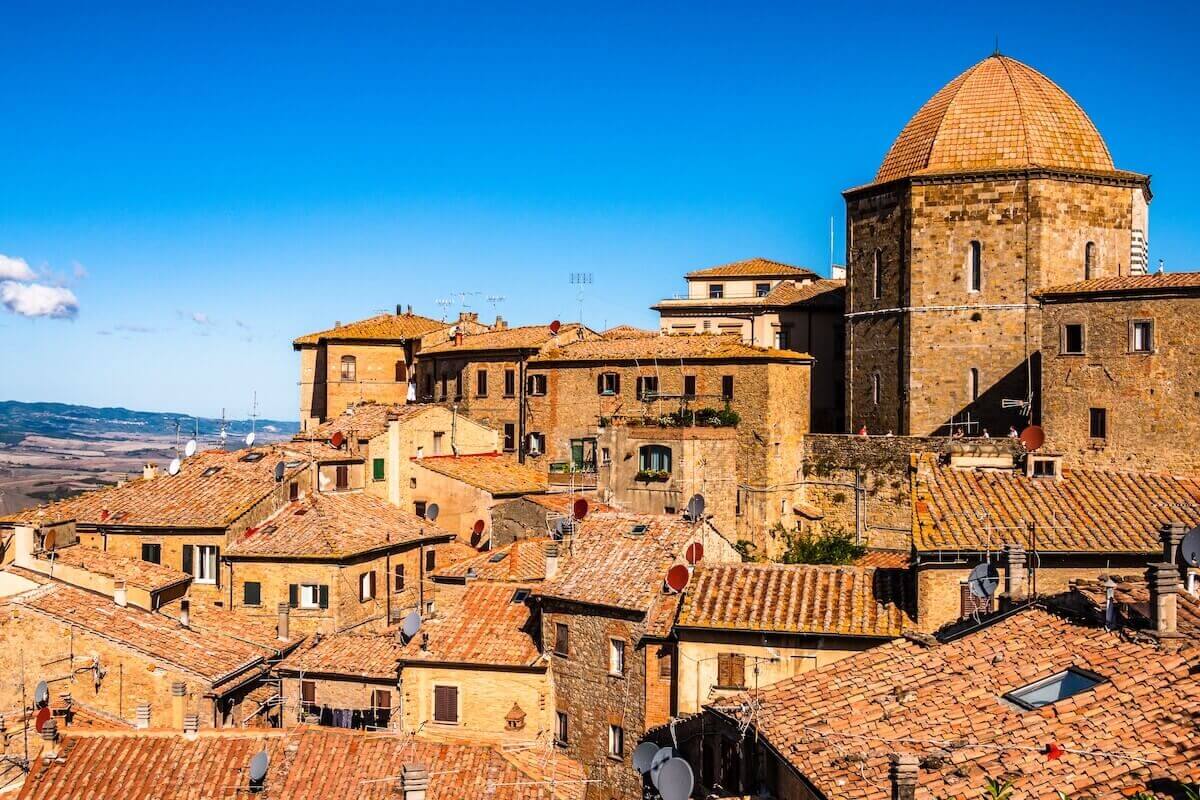
Located between the Era and Cecina valleys, Volterra is one of the prettiest places to visit in Tuscany, which is still quite unknown to international tourism.
This small town still preserves clear traces of its Etruscan and Roman past, such as its double curtain wall. One of the best attractions is the Roman Amphitheater, one of the best preserved examples of Roman theaters in Italy. Behind the theater, there are the remains of the thermal baths and the Roman forum.
You can enter the city through one of its six gates. Porta Fiorentina is the closest to the Roman theater. Porta all’Arco is the oldest and best preserved. But each gate has its own unique features: from the original frescoes of Porta San Francesco to the view of the countryside from Porta San Felice.
Once inside the city walls, head towards Piazza dei Priori, where you will find the Palazzo dei Priori and the Palazzo Pretorio, home to the Porcellino Tower.
The Cathedral of Santa Maria Assunta is a mix of Romanesque and Renaissance architecture. The Baptistery, right in front of it, houses a beautiful baptismal font by Andrea Sansovino.
I also recommend climbing up to the Medici Fortress, which dominates the city and the surrounding countryside.
One of the top attractions of Volterra is the Etruscan Acropolis, which houses religious buildings used between the 7th century BC and the 3rd century AD. Next to the site, there’s also a Roman cistern that dates from the 1st century BC.
For more Etruscan-Roman artifacts, you can visit the Guarnacci Museum.
Other places you may want to visit include the Pinacoteca, where you can see Rosso Fiorentino’s Deposition, and the Alabaster Ecomuseum. In fact, Volterra has always been linked to alabaster working, and it’s a great place to buy alabaster souvenirs.
How To Get Around Tuscany
The best way to discover Tuscany is by car. Renting a car in Italy – including Tuscany – is always a good idea if you wish to explore a bit more independently and beyond the largest cities.
You won’t need a car in Florence (in fact, it would be more of a nuisance to explore the city by car, because of traffic and limited parking space). During our last trip to Tuscany we just rented a car from one of the many car rental companies close to Santa Maria Novella Station in Florence when we were ready to leave the city.
My go-to company for car rental is Discover Cars. It’s a comparison site that allows you to see all the best options for car rental in a location. I used it for our trip to Tuscany, and we were happy with the car, the pick-up and drop-off procedures.
Driving in Tuscany is incredibly pleasant. You will not need to get on any Italian autostrada (toll road) unless you want to, or if you are in a rush to get somewhere. Simply follow state and provincial roads and enjoy the views along the way.
Another idea to explore is to rent a bike. It’s slower than going around by car, but it’s definitely better for the environment. I don’t recommend doing it in the summer months (June to September) as the heat can be extreme.
Finally, one of the ways to get around Italy and Tuscany, if you have plenty of time and prefer slow travel, is to count on the network of public buses that connect the various small towns in Tuscany.
Places to Visit in Tuscany FAQs
I wouldn’t be able to tell you which is the most beautiful part of Tuscany.
The region is quite diverse in terms of landscapes, cities, and small towns. I am a fan of Val d’Orcia, with the beautiful rolling hills and gorgeous small towns such as Pienza or San Quirico d’Orcia. I also love San Gimignano and Montepulciano, and Pitigliano in the south.
When it comes to larger cities, of course, I need to mention Florence.
And let’s not forget the vineyards of Chianti and the beautiful Saturnia hot springs.
Many would tell you that the best Tuscan village to visit is San Gimignano. I can’t disagree that this village is gorgeous, though it can get very crowded in the peak season. Visit in the off-season like I did, and you’ll have it all to yourself.
There are many hilltop towns in Tuscany. Other than San Gimignano, I recommend visiting Montepulciano, Montalcino, Pienza, and Cortona.
Conclusions on the Best Places in Tuscany
As you can see, my list of places to visit in Tuscany is quite long – and by no means exhaustive. A trip to Tuscany is definitely not enough to check out all the marvels that this region has to offer.
In my view, less is more when traveling, and this definitely goes for Tuscany. I have visited all the places in Tuscany mentioned in this post over the course of multiple trips. This is to say, you have to select the places you want to visit, and try not to overdo it, especially if you have limited time.
Much like the rest of Italy, this is a region that deserves slow travel for full enjoyment. And if you fall in love with it, plan to go back!
PIN IT!

Claudia Tavani
Claudia Tavani was born and raised in Sardinia, and after moving between the United States and the United Kingdom, she's now back living in her hometown, Cagliari. She's a travel blogger and certified travel designer who loves planning trips and publishing guides, travel tips, and packing lists so that you don't have to. Owner of Strictly Italy, cat mom to Minnie. Loves pizza, hiking, archeology, cities, beaches, swimming, and running. Hates peppers.