
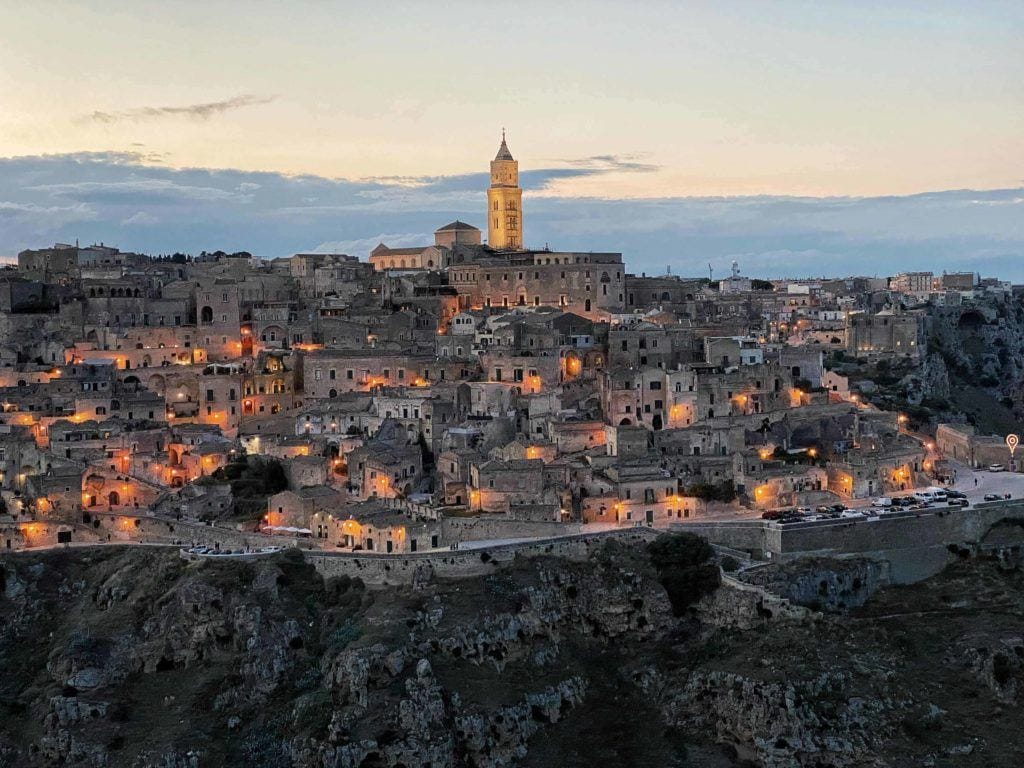
Are you planning a trip to Europe and want to know all the most important travel tips for Italy? You’ve come to the right travel guide.
I’m Italian and live and travel all around Italy. While I’m currently based in Sardinia, Italy, I’ve seen it all. I can use my personal experience to help you plan your next trip to Italy and share the best, most helpful insider thoughts.
Despite being one of the most popular tourist destinations in the world, Italy isn’t all that straightforward. Especially if you don’t speak much Italian, but don’t let that get you down. As long as you come prepared and ready, you’ll have the vacation of a lifetime!
In this guide, I’ll cover all the essential travel tips for Italy. This includes my best advice for planning your trip, packing tips, some fun facts about Italy and other important nuances for all traveling to Italy tips and tricks.
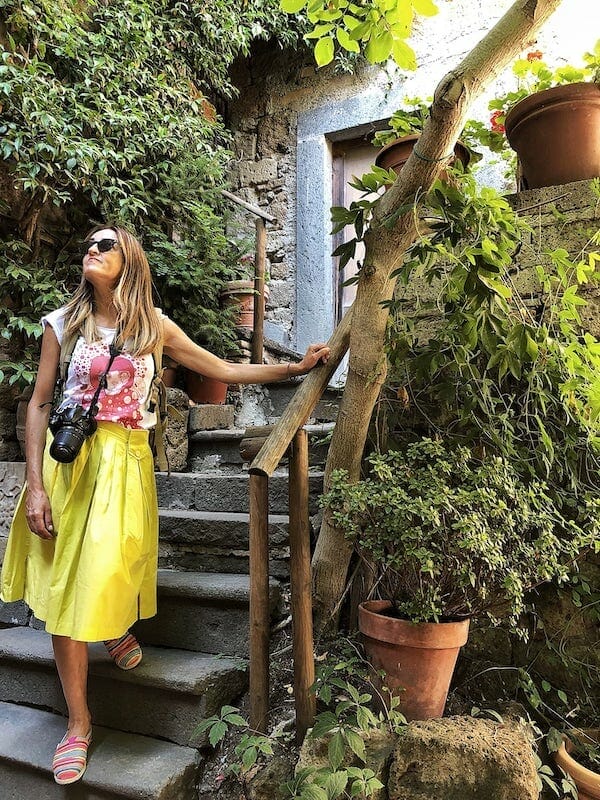
Best Italy Travel Tips From A Local
Pre-planning tips for Italy
Here are a handful of important Italy travel tips you should remember before planning the actual trip.
Where to get information
The first thing you will do when planning a trip to Italy is start gathering information. Thanks to the internet, a wealth of information is available at your fingertips. Here are some suggestions for good sources of information:
- Read travel blogs: Finding good travel blogs, primarily if written by a local, can be one of the best resources online. You can read more about personal experiences from people who have taken the same trip you’re dreaming of. Of course, this site should be your first source of information.
- Ask locals: Of course, locals like myself know the most about their country. If you know any Italians, you can ask their opinion on different activities and things to do. You can also join social media groups to find out more specific information.
- Ask other travelers: Many travel social media groups can also be great tools. You can hear about other travelers’ personal experiences, avoid any mistakes they might have made, and maybe get more inspiration.
- When in doubt, do a guided tour: Tourist destinations have a plethora of guided tours. These are great because they make the planning easier for you, and they’re usually with a local guide who will teach you even more about the activity you are joining and the history of the place you are visiting. It’s usually a little more money, but it’s definitely a lot easier.
My post How To Plan Your Trip To Italy is a step to step guide that will help you with the various phases of the planning.
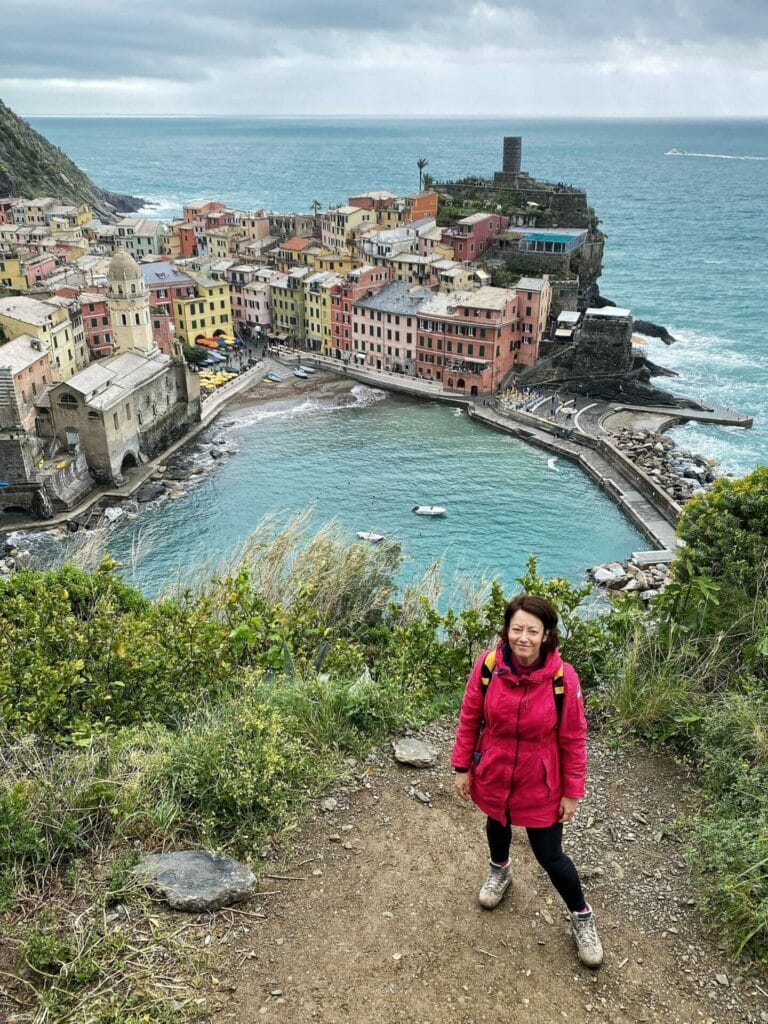
Triple check visa requirements first
One of the first things you should do as soon as you start planning is make sure you have all your ducks in a row regarding visa requirements. Until recently, certain countries (like the United States and Canada) did not need a visa to visit Europe.
However, Europe is rolling out the ETIAS (European Travel Information and Authorisation System), which will be required for travelers from a visa-exempt country (this includes tourists from the United States).
Make sure to check with official sources regarding your visa.
The UN official website explains the traditional Schengen visa, its requirements, and the process. They also have a page explaining ETIAS. You can also check with the Italian Ministry of Foreign Affairs or even the official government of your home country. For example, The U.S. Department of State lists all visa requirements for U.S. citizens traveling to Italy.
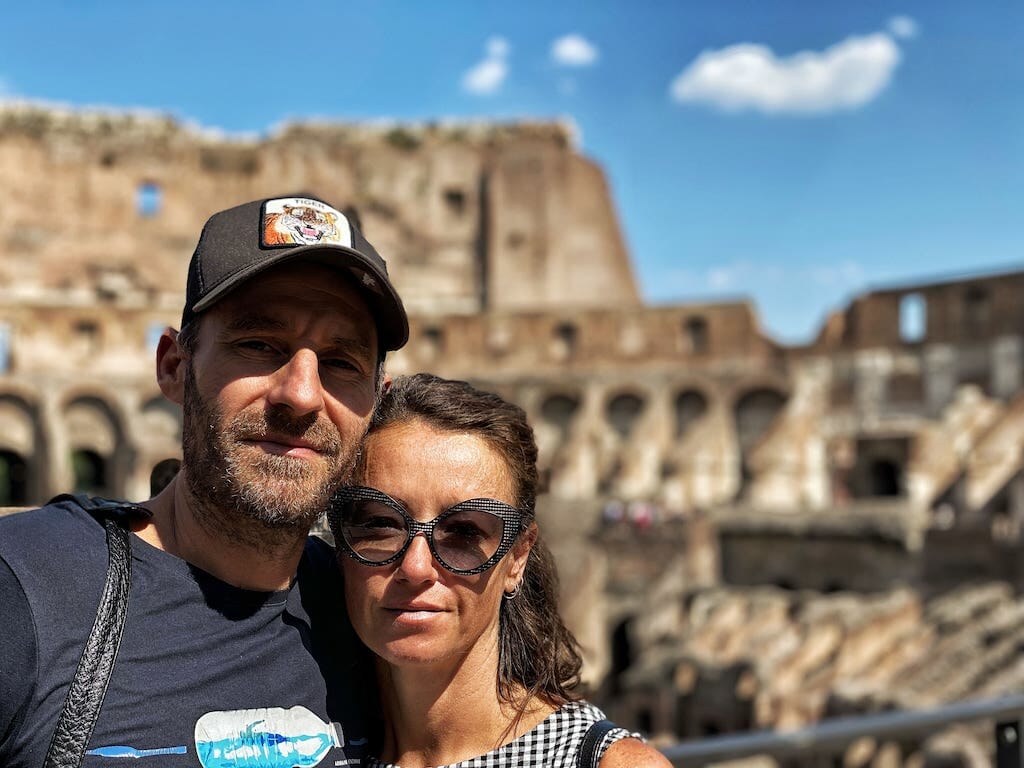
Check for travel advisories
This is also true when traveling to foreign countries. It’s always a good idea to check international travel advisories if you’re worried about getting caught up in an unfortunate situation.
For example, the U.S. Department of State currently has Italy at a Level 2-Exercise Increased Caution due to terrorism. It specifically lists events related to Florence, Milan, and Naples regarding caution.
Of course, you should also take some information with a grain of salt. The U.S. almost always has various travel advisories out. The majority of the time, they are more precautionary than anything. However, it’s really important to stay informed when traveling to a foreign country, so it’s something to keep in mind.
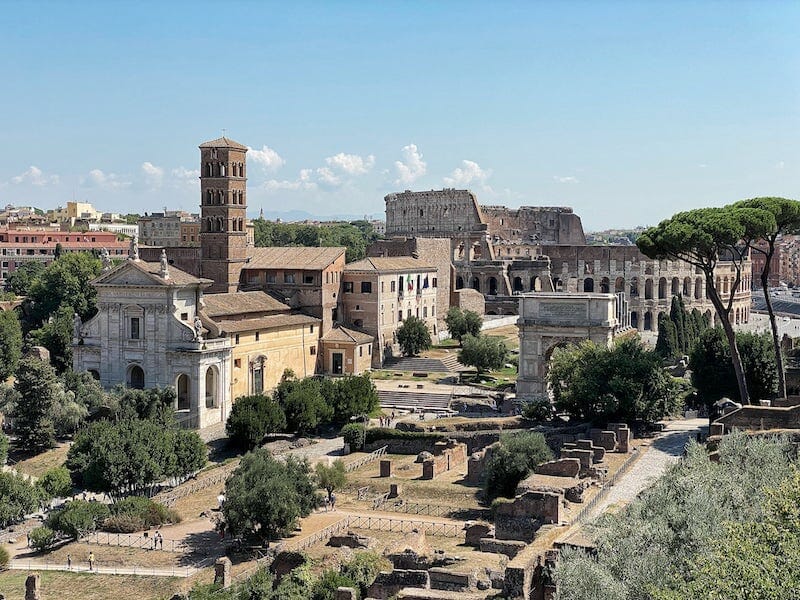
Book everything in advance
This goes for the “pre-planning” and the “planning” state for visiting Italy. It’s important to remember that things can sell out quickly, especially during peak season.
You should book everything as soon as possible. This includes flights (book them whenever you think the price is reasonable, and remember last minute flights are more expensive), hotels, transportation arrangements, tours, and even entry tickets to the museums and sites you plan on visiting.
The last thing you want to do is plan a trip to visit all the ancient monuments in Rome, only to find out that many of the entry tickets are sold out on the days you’re going to be there.
Waiting to book flights and hotels can also cost a lot, as well. So, you might be able to save some money by thinking ahead and booking sooner rather than later.
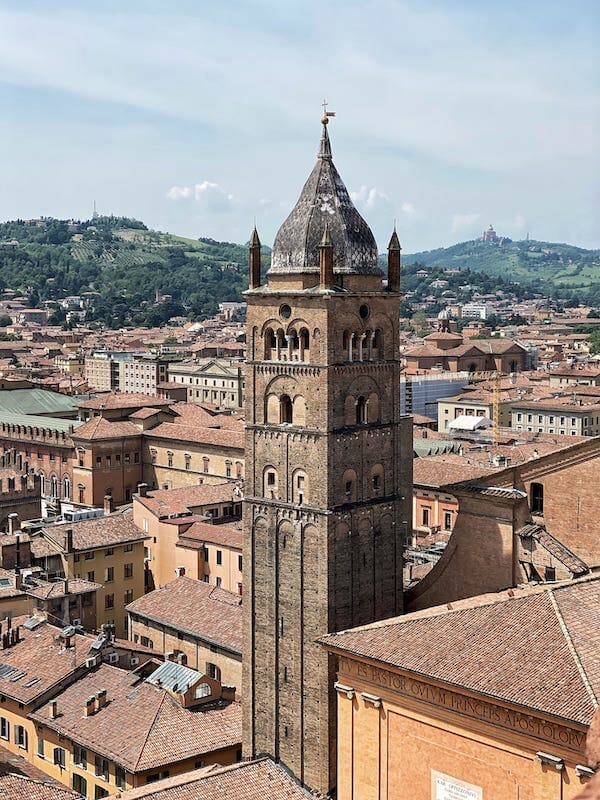
Planning tips for Italy
Once you’ve laid out the background details for your Italy travels, you’re ready to begin planning slowly. These are some important travel tips for Italy for the planning stages.
Be realistic with your itinerary
You’re ready to start forming your itinerary and decide where to go and how long to visit each place. However, it is absolutely essential that you be realistic about yourself and the destinations you plan to visit.
For example, I’ve seen people try to squeeze in ten different cities in Italy in a 7-10-day vacation. This is simply impossible, and you won’t even enjoy it with all the running around.
Don’t rush things. Instead, make sure you have enough time and then some to avoid getting travel burnout or exhausting yourself too early.
Many people set aside just one day for Rome, and that’s simply not enough time. I recommend at least two days in Rome, but if you can do more, up to five days is good, too. There are just so many great things to do, and some interesting day trips from Rome. You really don’t want to rush it.
This goes for most places to visit in Italy. One day in any city is not enough time; try to budget at least 2-3 days in each location before moving on.
Try to include a “rest day” in your itinerary, especially if traveling for more than 7-10 days. Believe it or not, traveling can be mentally exhausting. And if you’re traveling for longer, you’ll want at least one day without the pressure of being somewhere or doing something.

Save money and energy by avoiding peak season
The high season in Italy is from June through the beginning of September and around Easter and Christmas. During these months, it becomes packed and overwhelming in places.
Not only will you be battling the worst crowds of the year, but things will be a lot more expensive.
In my opinion, the best time to visit Italy is during the shoulder seasons (Spring and Fall months). There are usually fewer people traveling, and the weather is also pleasant in most areas.
That said, if you absolutely must travel during the peak season, go for it. Italy is beautiful all year, and I’m not just saying that because I’m a local. It’s more conveient to avoid these months, but it also shouldn’t deter you from visiting Italy if you have no other choice.
Do NOT skip the tourist hot spots
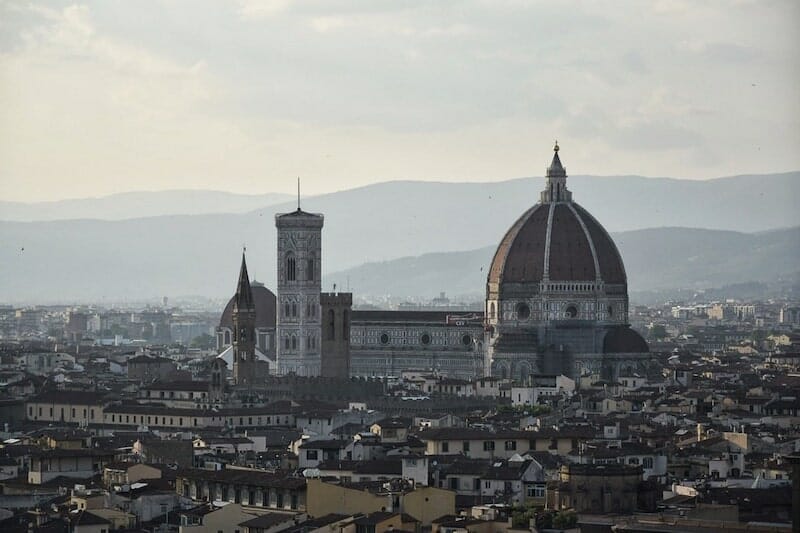
Some travelers don’t like “overrated” destinations that are crowded with tourists. But honestly, the ones in Italy are tourist hot spots for good reason and if it is your first time visiting Italy, you should definitely go.
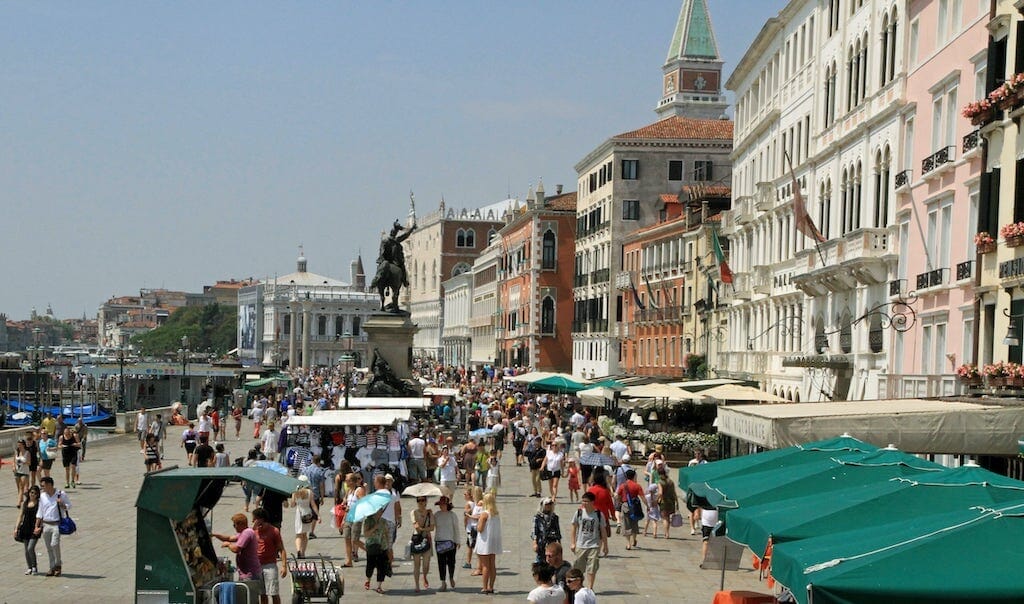
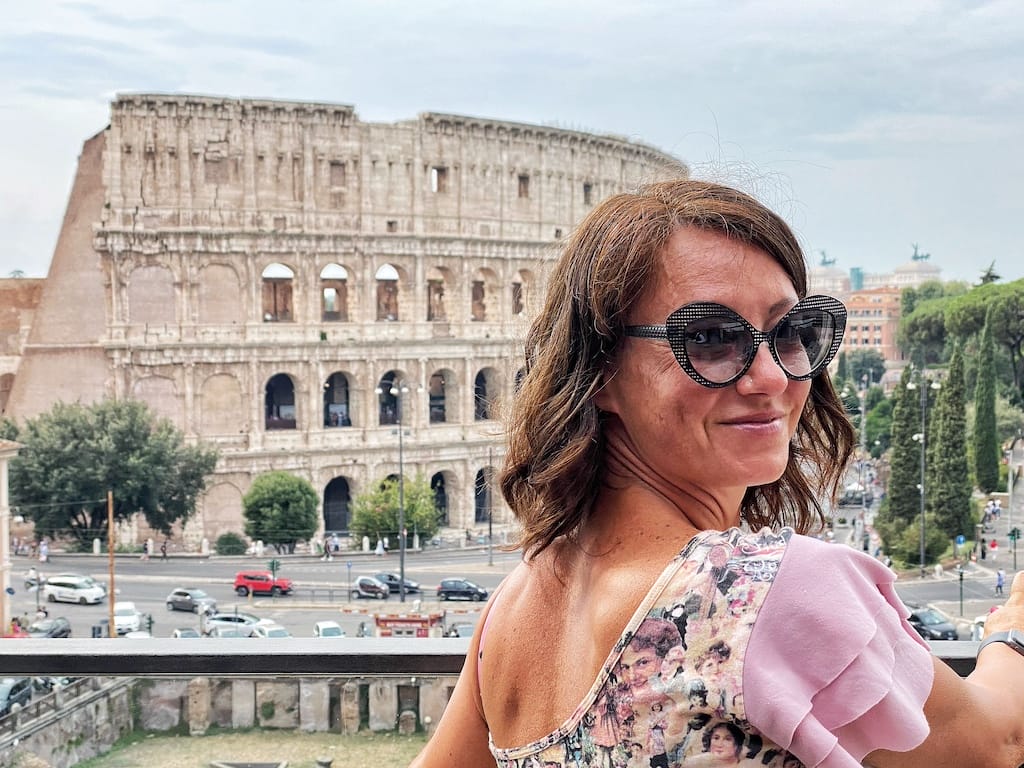
The major travel destinations in Italy are Rome, Florence, Venice, the Amalfi Coast, and Cinque Terre. Despite their crazy popularity, they are worth visiting. After all, the magnificence and history of places like the Colosseum are some of the best reasons to visit Italy in the first place.
Make sure you visit these places. I recommend going to all the Italian classics on your first visit. Then, when you come back (and you will want to come back), you can get a little more off-the-beaten path.
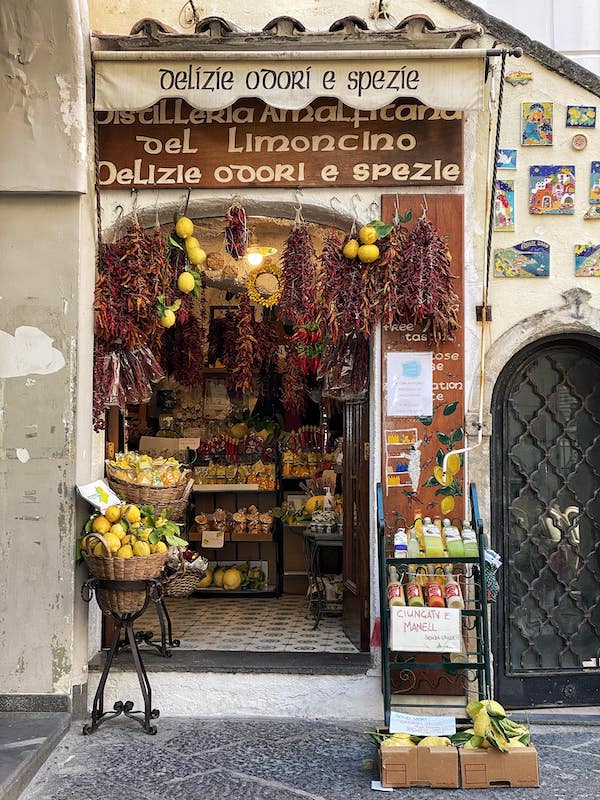
Factor in business hours, holidays, and closing times
Speaking of tourist hot spots and popular Italy attractions, it’s also important to double-check the opening and operating hours when mapping your Italy itinerary.
The easiest thing to do is check the official website for the attractions you plan to visit and look for their calendar and operating hours.
Most museums and businesses will close for national holidays, and transportation will become more limited. Additionally, many museums in Italy are closed on Mondays (with the exception of the Vatican Museums, which are closed on Sundays).
But definitely venture to the unknown
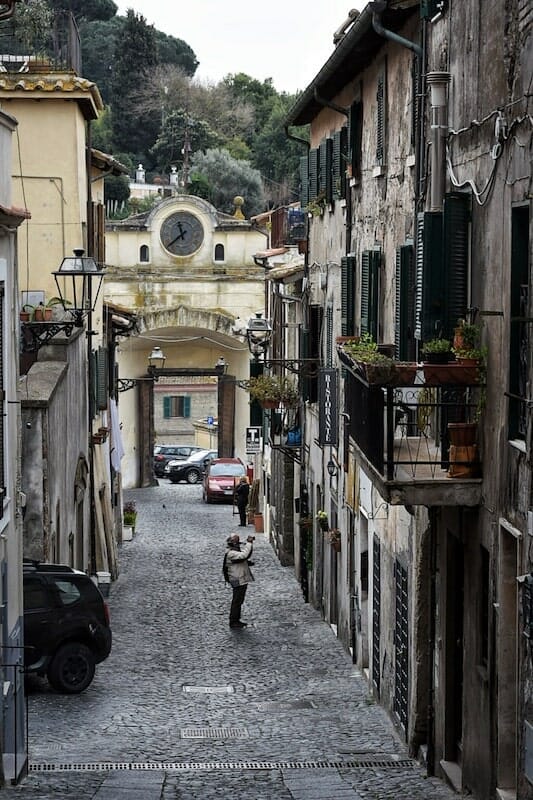
If you’ve visited Italy before or have more time to dedicate to all the Italian classics and elsewhere, try to immerse yourself more into the local culture and traditions and visit Italy off the beaten path.
While you will find Italian culture and history even at the most famous tourist destinations and cities, it’s not the same as a small village nobody outside of the country has heard of.
You should try to observe the Italian way of life. After all, one of the best things about traveling is experiencing different cultures and societies. If you’re not from Italy, you may even learn a thing or two.
Understand Italy’s regions
Italy may not be a large country, but there are still 20 different regions, and they are all very different.
The north is very different from the south, just like the beaches are very different from the mountains. You should visit a few different regions to get a taste of the country. But try not to get overwhelmed.
Look at the different regions and activities to determine which aligns best with your travel preferences. Here are a few amazing activities and areas to visit in Italy:
- The islands: Italian islands are among my favorite places in the world. Sicily and Sardinia are two of the most popular islands, but there are dozens more to choose from.
- The beaches: Sicily and (especially my homeland) Sardinia also have some of my favorite beaches in Italy, but many people love Puglia. The summertime is the best time to visit Italian beaches.
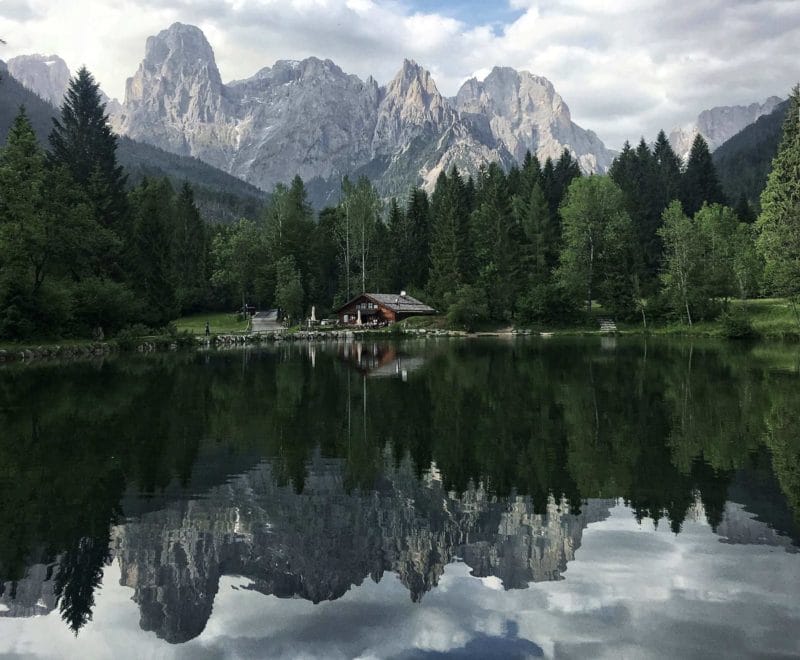
- The mountains: I swear that the Dolomites in northern Italy have some of the best views in the world. If you’re visiting in the summer, you can easily spend days just hiking and exploring. And if you’re visiting in winter, you can enjoy some of the world-class skiing and snowboarding.
- The volcanoes: Italy has 13 Holocene volcanoes throughout the country, and some of these you can even climb! I recommend making time to hike at least one of them. Mount Etna and Stromboli are two of my favorites to explore.
You might not have time for everything, but definitely try to be efficient with your Italy itinerary to make the most of your time and explore as many regions as you can fit (without overdoing it or rushing through, of course).
Think about your route
One of my most important travel tips for Italy is to plan your itinerary as efficiently as possible. Some itineraries are better for time management than others.
Here’s an example of a short itinerary that simply doesn’t make sense: You have 10 days in Italy. You’ve decided to spend 3 days in Rome, 2 days in Milan, 2 days in Sicily, and 3 days in Tuscany.
Considering Rome is in central Italy, Milan is in the north, Sicily is in the south, and Tuscany is north central Italy, it simply doesn’t make sense.
Instead, you could start in Milan, head down to Tuscany, then Rome, and finally to Sicily. In Sicily, you could easily fly back to Rome or Milan for your departure flight.
While Italy isn’t huge, you don’t want to spend too much time traveling and getting from point A to point B when you can plan more efficiently.
Start practicing your Italian
Once you’re in the planning stage, booking your hotels and tours, and mapping out your exact itinerary, you should also start practicing your Italian – it’s one of my go to Italy travel tips for first timers.
You don’t need to speak Italian to visit Italy (most people speak at least a bit of English), but it helps a lot once you’re here. Speaking from personal experience, Italians are generally very welcoming and hospitable, regardless of their language skills.
But we also appreciate it a lot when visitors make an effort. And you’ll likely come across some people who don’t speak any English.
Here are some useful Italian phrases that may help while visiting Italy:
- Good morning: Buongiorno
- Good afternoon: Buon pomeriggio, but we most often simply say buona sera
- Good evening: Buona sera
- Hello: Ciao (more informal)
- Please: Per favore
- Thank you: Grazie
- Do you speak English?: Parla Inglese?
- I’m sorry: Mi dispiace
It might also help to look up numbers in Italian when shopping in more local regions.
There are so many different ways to pick up some basic Italian. A lot of people swear by Italian-English podcasts, so you could try that out starting a few weeks before your trip. You can also bring a small English-Italian dictionary with you. Or just download a translator app for offline use (in case you lose reception).

Familiarize yourself with the Euro (€)
If you don’t come from one of the 20 countries in the EU that use the Euro, you should familiarize yourself with it before leaving for Italy.
It’s always good to know how much something costs in the local currency in your head rather than handing over random amounts of money and trusting the process.
Mastercard and Visa are accepted at most stores and restaurants (although American Express is less common). However, you should always carry some cash with you, just in case.
Accommodation travel tips for Italy
Now that you’ve planned your Italy trip and completed all the basics, it’s time to start booking your hotels. Here are a few travel tips for Italy regarding hotel bookings.
Book well in advance
Advanced booking was mentioned earlier, but it’s important, so it’s worth bringing up again. Hotels can fill up quickly, especially in popular tourist destinations. You should try to book your hotel as far in advance as possible.
Don’t expect to find a great deal on accommodation in a popular tourist destination in Sardinia for August (very peak season) if you book in July. Advanced planning is key!
Your hotel will ask for your passport
This might be surprising to some because not every country does it. But your hotel will need to make a copy of your passport, and therefore, they’ll ask for it upon check-in to do so.
Many people are very protective of their passports, so this might be concerning at first. But it’s normal, and every hotel you stay at will ask for the same.
You might have to pay a tourist tax
Some cities in Italy have a mandatory tourist tax, usually around €2 or €3 a night. You’ll have to pay for this at your hotel when you check in.
Florence, Milan, Bologna, Naples, and Rome are a few that have a tourist tax. But your hotel receptionist will inform you, as well.
AC will be your friend
Italy can get very hot in the summer, sometimes reaching 32°C (90°F) at the height of the day – if not more during a heat wave. If heat bothers you, you should try to book a hotel with decent air conditioning and double-check with them upon booking.
The air-conditioning can make sleeping more comfortable on warm evenings. However, here’s a word of warning from a local: we don’t keep the air conditioning here nearly as cold as they do in the US, so don’t blast it when you are in Italy!
A comfortable temperature for your room is usually between 24°C and 26°C (between 75°F and 79°F). That allows you to sleep well with just a thin bed cover. Some cities also have strict regulations on the temperatures hotel can keep – this is done in order to save energy consumption and to protect the environment.
Splurge on central location
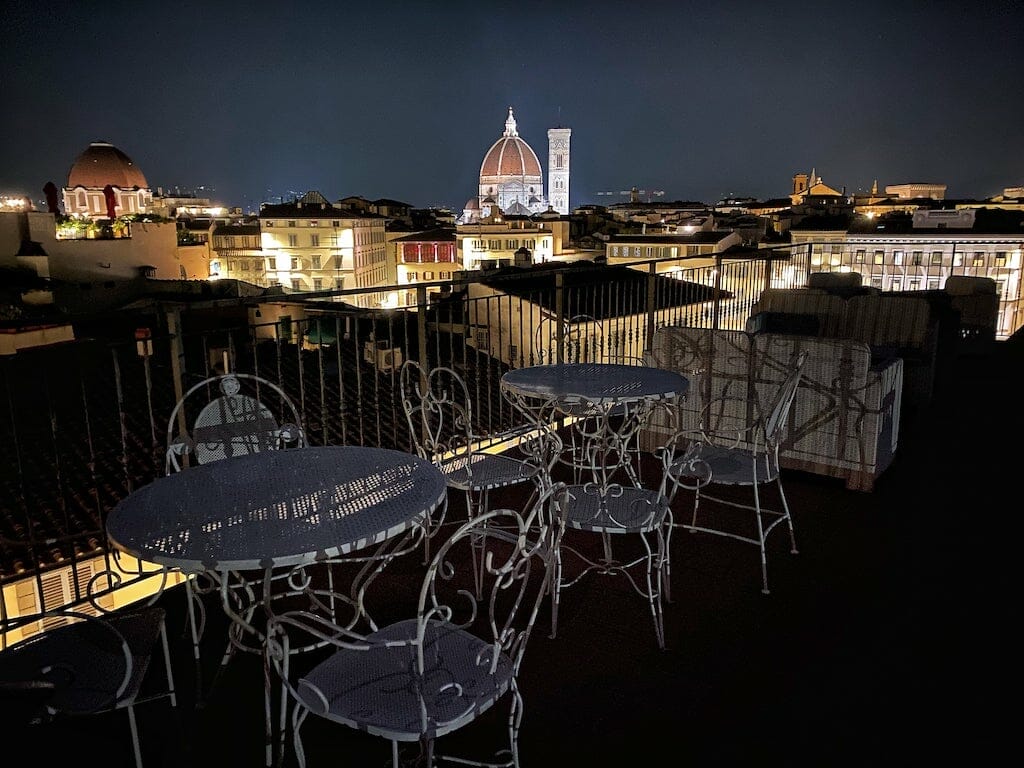
Generally speaking, the hotels and apartments closer to the city center or near all the main tourist attractions will be more expensive. While it might be tempting to save some money and stay further away, it can also be a pain if you have a lot of activities planned.
Try to look at what you plan on doing in each location, and get a conveniently located hotel.
This is especially true if you are short on time or have mobility issues.
Think about laundry needs
If you think you’ll need to do laundry while visiting Italy, one of my biggest travel tips for Italy is to factor in laundry needs to your hotel or apartment bookings.
Almost everyone hangdries their clothes in Italy, so very few places have a dryer. Some nicer hotels may offer laundry services, so this might be a useful tidbit for traveling to Italy tips.
There are also self-service laundromats where you can do your laundry yourself. However, this can be time consuming. You can also find full-service laundromats where you’ll drop off your laundry and pick it up later, but this can be expensive.
Some people bring travel laundry detergent and wash simple things (like underwear and bras) in the sink, then hang dry on the balcony.
Packing for Italy travel tips
Packing for Italy is pretty straightforward, but there are a few things to remember that might be easily overlooked.
Suitcase or backpack?
This question gets asked a lot in travel groups regarding European travel, and it’s a tough call. Suitcases with wheels are much more comfortable to walk around with, but that isn’t always the case here.
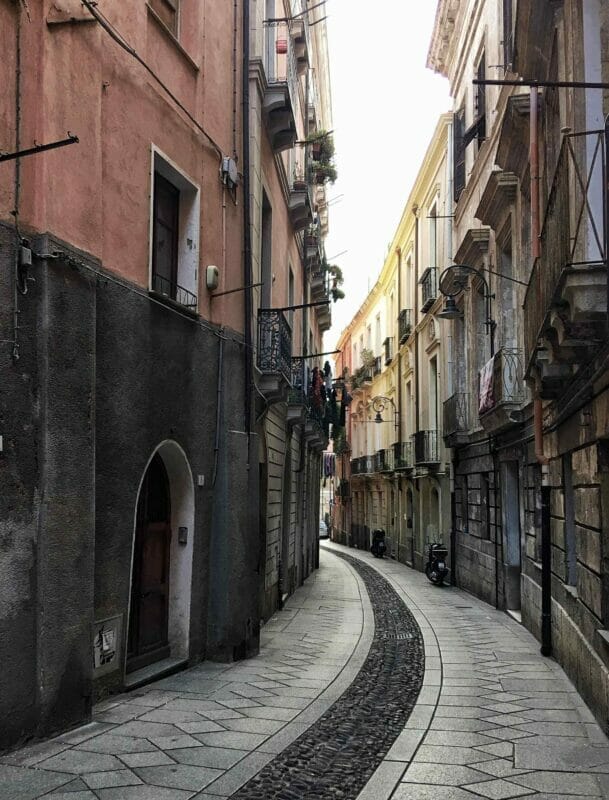
Italy has many old, cobblestone streets with uneven roads and steep hills. Dragging a suitcase around can be very uncomfortable. For that reason, many opt for a good backpack instead to make mobility a little easier.
However, you can get around with a suitcase. The most important thing is to focus on the quality of your suitcase or backpack. You’ll want something that can hold up on our rough streets.
What you end up using really depends on where you are going and how you are moving around.
If you are staying in one of the Cinque Terre villages, where there are no cars and lots of stairs, you will want something that’s light easy to carry. If you are staying in an all-inclusive resort by the beach and have an airport transfer lined for you, it’s ok to use a suitcase.
Pack your adapter first
The most important thing in your suitcase will be your travel adapter. Unless you are traveling from somewhere with the same outlets as Italy, you’ll need this to ensure all your electronics can charge in our outlets.
Pack for the weather
One of the most important of my travel tips for Italy regarding packing is to prepare for the weather. The contents of your luggage will look very different depending on when and where you’re visiting.
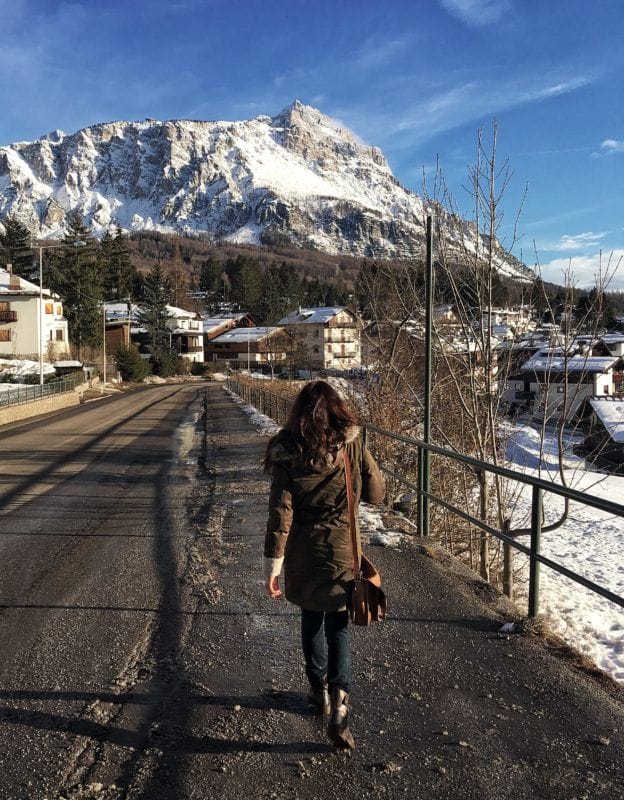
Northern Italy can get very cold in the winter, so you’ll want to bring a lot of warm clothes. However, temperatures are milder in the south, so you won’t need a full-body parka.
I recommend checking the local weather forecasts for your Italian destinations during the month you’ll be there and packing accordingly.
Bring modest clothes for religious sites
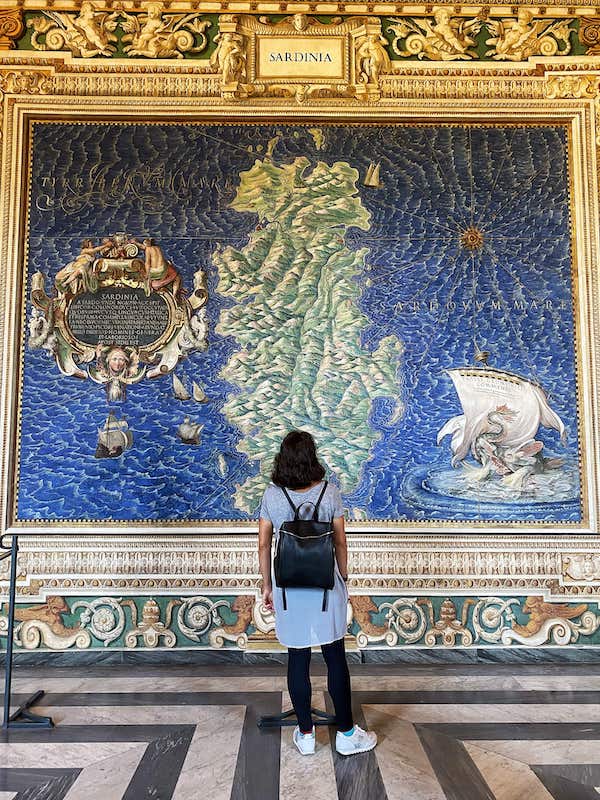
Italy’s religious sites are some of the most popular tourist attractions, and they’re worth visiting. However, show respect and cover up while there. You should make sure your shoulders, knees, and chest are all covered—nothing too revealing.
Bring comfortable walking shoes
You’ll likely be doing A LOT of walking around Italy, no matter where you visit. Make sure to have good, quality, comfortable walking shoes and sandals when visiting Italy. It can make a world of difference after a long day of walking and exploring.
Dress like a local?
I’ve seen many American tourists ask, “How do I dress like a local? How do I blend in?“
The truth is, you can’t blend in. If you’re from the United States, we can spot it (or hear it) from a mile away. You may be the one that drinks cappuccino or iced tea with a plate of charcuterie (please don’t do that!). In any case, I wouldn’t worry much about “blending in” and focusing on your comfort.
One main difference is that Italians (and Europeans) rarely wear sweatpants or pajama pants in public, and we definitely don’t wear socks with sandals. Most people do put in a little bit of effort during the day and a good amount of effort during an evening out.
Transportation travel tips for Italy
Now that you’ve mostly planned your itinerary, booked your hotels, and begun packing, it’s time to consider transportation. Here are my top transportation travel tips for Italy.
Figure out how to get from the airport to your hotel
One of my biggest Italy travel tips for first timers is figuring out how to get from the airport to the hotel before arriving.
Unfortunately, scams, including taxi scams, are common in big tourist hot spots. For example, you will see people outside the arrival terminal asking if you need a taxi. These aren’t legitimate taxis – which will be outside the terminal. You will have to line for them.
Most airports in Italy have official taxi services that charge a flat fee for each destination. These services are much more reliable than someone you find on the corner. There are also trains and buses from the airport to the city center, which are perfect if you are traveling solo or on a budget.
Knowing hot to get to your hotel after you arrive in any city in Italy can save you a lot of money and stress.
One of the best resources for planning transportation is usually the airport itself. Most airports have a very thorough website that explains taxi information and even bus/train. For example, Rome’s ADR airport has a whole page dedicated to describing the official airport taxis and instructions on how to take one.

Get to the airport early
Some of Italy’s major airports can be chaotic between the check-in counters and the security points. I recommend getting there early to be on the safe side. I’d say 3 hours before your flight for large airports and 2 hours before your flight for small airports.
Also, triple-check that you’re going to the correct airport. Many major cities have more than one airport, and they are all used. So, just confirm the right airport before heading there.

Take advantage of Italy’s train system
Honestly, trains are the best way to get around Italy, in my opinion. Not only are they usually a little more scenic, but they’re also fast, comfortable, and usually affordable.
And you can get almost anywhere in Italy by train!
The main types of trains are the high-speed train and the regional train. As the name suggests, the high-speed train is much more efficient and very fast. It connects major tourist destinations like Rome, Milan, and Venice.
The regional trains are slower and have many more stops. However, they’re also cheaper and are the only way to reach more secluded spots, like Cinque Terre.
I recommend using apps like Omio to see the best or cheapest routes to move around by train. You can also buy your tickets there (or directly on the website of Trenitalia). Once you get your tickets, you will need to use your QR code to validate your ticket at the gate.
If you’re traveling by train and book your ticket in advance, you will usually get a PDF file with your tickets. In some cases, you will need to check in before you travel, and you will have to scan your ticket to be allowed on the platform.
If you buy a physical ticket at the station, make sure to validate it. If you don’t, you’ll likely get fined. You can validate tickets at any of the machines that are scattered around the train station and platform – they are labeled as “convalida” can can be green and grey or yellow and orange.

Watch for transportation strikes
One of the only downsides to traveling by train in Italy is that transportation strikes are common. These strikes will take certain trains and routes out of service for around 24 hours.
Fortunately, all transportation strikes are announced in advance, so you should be able to check before your departure.
You can just do an online search for transportation strikes in Italy around your time of arrival/departure, and there are usually several news articles about the most recent one.
If a transportation strike affects your ticket, you can change your reservation date or make a new one.

You can also get around by bus
If trains aren’t your thing or there are no trains available, you can get almost anywhere by bus. In my opinion, this isn’t anywhere near as comfortable or fun, but it’s still pretty cheap and convenient.
You can buy your bus tickets at a tabaccheria, like a mini-convenience store. They sell bus tickets, newspapers, magazines, snacks, candies, and other little trinkets. You can usually identify them by a big “T” on the sign out front. Alternatively, you can get tickets at the bus station and most companies now sell them online too.

Renting a car is another great option
There are also many advantages to renting a car in Italy. You have much more freedom and independence, and the car can allow you to explore more remote places.
There also are places where having a car is factually essential to move around. For example, you will need a car in Sardinia if you are visiting in the summer and want to do some beach hopping.
Driving in Italy is relatively easy, especially on Italy’s toll roads. Just make sure you follow all the road rules and drive carefully. Roads are much narrower than in places like the United States and Canada, so that’s something to keep in mind.
For directions, apps such as Google Maps, Maps.me and Waze are all good options – they will warn you of traffic jams. You can also use them to find a parking spot near your location.
Most people in Europe drive manual or standard cars, so if you need an automatic, clarify this with the rental company or when you are booking simply select “automatic car” in your filters.
If you rent a car, avoid ZTL zones, which are areas of a city restricted to non-residents. Speed cameras are also very common in busy parts of the country. If you get a ticket or a fine, make sure to pay it before leaving – but your rental car company will notify you of it anyways. Otherwise, the fees and such can rack up (and possibly even follow you to your home country).
My go-to company for car rental is Discover Cars. It’s a comparison site that you can use to find the best rates and compare the reviews. I have used it widely in Italy and other countries and have always had a great experience.
Head over to my post A Guide To Car Rental In Italy for more tips on picking the best car rental for your needs.
Download ride-share apps before arriving
You also want to ensure you have at least one ride-share app downloaded before arriving. Inside the cities and towns, you can likely walk everywhere. However, it’s very convenient if you need to get somewhere quickly or stay outside the city center.
Uber and Lyft, the same apps used in the United States, are becoming popular in most Italian cities. FreeNow (formally MyTaxi) and ItTaxi are other widely used rideshare apps in most of Italy.

Food etiquette for tourists In Italy
Believe it or not, some of my biggest travel tips for Italy revolve around our food, coffee, and wine culture. These are all major symbols of my country; we’re proud of them. I’ll share a handful of the most important Italy travel tips related to our food and drink etiquette.
Know your coffee
We love our coffee, and it’s likely very different from your traditional cup of coffee (depending on where you’re from).
In the United States, ordering just a regular cup of coffee is common. In Italy, that just won’t do. We have so many different coffee drinks in Italy. Some of the most popular are a simple cup of espresso, cappuccino, macchiato, mocaccino or marocchino (which is similar to a mocha, but smaller in size), and caffè dek (decaf coffee).

Get used to our breakfast
Eggs for breakfast are uncommon in Italy unless you’re staying at a hotel catering to foreigners. Traditional homemade breakfast in Italy consists of yogurt or milk, fruit, granola, cereal, bread and jam, and coffee for breakfast.
If you have breakfast at a typical café (which we call “bar” by the way) you will likely have cornetto (which is similar to croissant, but sweeter) or another kind of pastry, with a drink – usually cappuccino.
Also get used to later meals
Italians usually have lunch between 12:30 p.m. and 2:30 p.m. and dinner after 8:00 p.m. This is a bit later than other places, especially in North America. Some popular restaurants won’t even be open earlier, and the restaurants that serve food in the middle of the afternoon are likely tourist traps you should avoid.
If you (or your kids) get hungry in the middle of the afternoon when it is not yet (Italian) dinner time, do what any Italian would do: have a “merenda” (a snack). Our favorite snack in the summer is by-and-large gelato. One or two scoops will keep you until dinner.
Step out of your comfort zone and try a food tour
Everyone knows Italy because of its pizza and pasta, but there’s so much more here than that. Don’t get me wrong—we have the best pizza and pasta in the world. But you should also try some of our other specialties.
We also have a lot of excellent meat and seafood dishes and fresh and tasty vegetable-based cuisines.
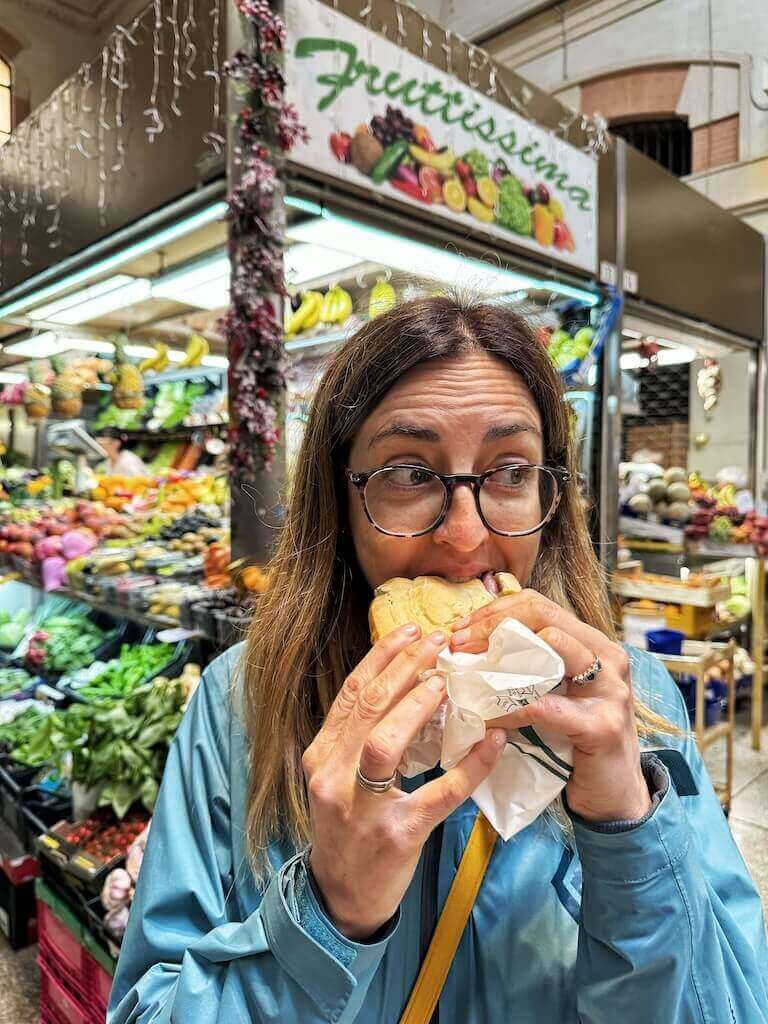
The easiest way to experience the best of Italian cuisine is to try a local food tour. This will not only take you to some popular local spots but also force you to try something other than pizza and pasta (and you won’t regret it).
If you are visiting Rome, you could join this Tastes & Traditions of Rome: Testaccio Food and Market Tour – I have taken the tour myself last time I visited Rome and it is excellent. The tour starts with a traditional breakfast in a local bar, continues with a visit of the market where you try various bits (including a typical sandwich) and finishes at a restaurant where you try 3 different kinds of local pasta.
If you are in Florence, my recommendation is for this Tastes and Traditions of Florence: Food Tour with Sant’Ambrogio Market Visit which I obviously took myself. First of all, it goes to a lesser visited area of Florence. During the tour, you will get to try some very local specialties such as lampredotto.
Finally, if you are in Bologna make sure to join this Tastes & Traditions of Bologna: Food Tour with Market Visit during which you try local staples such as tortellini in brodo and panino con mortadella. You even sit down to taste tagliatelle alla bolognese!

Make reservations at popular restaurants and stay away from tourist traps
One of my best travel tips for Italy when it comes to dining is to research ahead for the best restaurants in the location you are visiting. Check reviews with a grain of salt, visit their website to have an idea of their menu and go through their socials to take a look at the photos of their dishes.
If there’s a restaurant you’ve heard a lot about, you’ll likely need to make a reservation for it. Most waiters in popular tourist destinations can speak basic English, so you should be able to call and set your date and time without problems.
Many restaurants also have a website and you can directly book online, so you don’t even have to worry about the language barrier.
You should also avoid tourist traps when it comes to dining out, as the food is often not goo there.
Most tourist traps tend to be located around very popular tourist attractions. The view may be great, but the food often isn’t.
In general, avoid any restaurant where servers are soliciting outside. A real, authentic restaurant won’t need to solicit customers. Likewise, don’t dine at a place that serves spaghetti at 5:00 pm. No local would dream of eating pasta at that time, so chances are that restaurant mainly targets tourists.
Eat spaghetti properly
As an Italian, this is one of the biggest travel tips for Italy because we do care about food etiquette (whether we tell you or not).
Do not roll your spaghetti on a spoon thinking it’s polite or how we do it – we generally don’t. Oh and do not cut your spaghetti.
This is simply not done here, and doing so will make you stand out like a sore thumb (or it might make the chef cringe a little on the inside).

Don’t order spaghetti alla Bolognese outside of Bologna
Bolognese just means “from Bologna,” so if you’re not in Bologna, it’s not spaghetti alla bolognese. In fact, in Italy we don’t really find spaghetti alla bolognese at all (it’s just a common misconception about Italian food), because that sauce is typically served with tagliatelle. And the full name for it would be tagliatelle al ragù alla bolognese.
If you see spaghetti bolognese on the menu anywhere, simply get out of there because it can’t be good.

Don’t drink coffee or iced tea with everything
My sister visited a local restaurant the other day and she literally called me to say how horrified she was that some tourists next to her were having iced tea and cappuccino with their plate of mixed cheese and charcuterie.
I have come across a few restaurants lately that clearly state on the menu that they refuse to serve coffee / coffee drinks with their food and clarify coffee is to be had after the meal and not during.
There’s a good reason for that: coffee has such a strong flavor, that it will cover the taste of whatever food you may be having. The same can be said about iced tea, which here in Italy is usually very sweet and flavored with lemon or peach.
So here’s one of my traveling to Italy tips: If you don’t want to stand out as a tourist, having wine, beer or simply water with your food is the way to go.
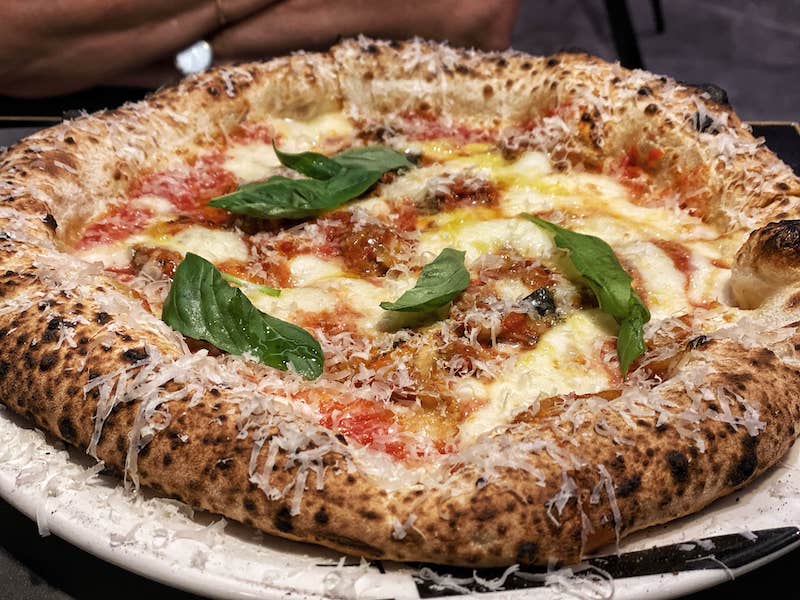
No chicken nuggets for the kids
Italy is a fantastic place to travel with the family, but there are a few things to get used to. One of those is we don’t often have kids’ menus. Some tourist places might have them, but they are rare in Italy.
Most children grow up eating the same thing as adults, so there’s never been a need for it.
Fortunately, pizza and pasta are two staples on the regular kids’ menu, so finding good food for the little ones shouldn’t be too hard.
Pineapple does not belong on pizza
I’ll just end this age-old debate right now: pineapple does not belong on pizza (coming from an authentic Italian).
Chicken is another famous American topping that shouldn’t be on your pizza (in fact, not even on your pasta). You won’t find it here, and I beg you not to ask for it.

Water is not free at restaurants in Italy
This is perhaps one of the most shocking things for people in North America traveling to Europe. Restaurants will not give tap water or offer free water refills, even though tap water if safe to drink in Italy.
If you want water, you can order acqua naturale (still) and frizzante (sparkling). You’ll be served bottled water, though now many places have filtered water too.
Fortunately, bottled water in Italy is much more affordable than elsewhere and shouldn’t break the bank.
My post Can You Drink Tap Water In Italy? shares more information on the safety of drinking water in the country and where to get it.

Take your time when eating out (and expect servers to, as well)
Eating at a restaurant is very much a social experience in Italy. People don’t usually go out for a quick meal at a restaurant, and servers aren’t jumping all over to take care of you, either.
Servers will provide good service, but usually at a distance. They won’t rush you to leave or continue to check on you throughout your stay.
You’ll also have to ask for the check when you want to leave. The waiter probably won’t bring it over on their own. They’ll happily let you sit there, talking and laughing for hours without a second glance.
Expect to pay a coperto when eating out
Most restaurants charge a coperto or cover charge, which is added to your bill. It’s usually per person and will be the same regardless of how much you order. The fee covers bread and overall maintenance of the restaurant. This is a standard charge, not a scam.
Don’t stress about tipping
Tipping is not mandatory or expected in Italy, though it’s always appreciated. If you decide to tip, you can always round up and leave the change. For example, if your bill is €19, you can round up and leave €20 total for the waiter.
Remember that the coperto is included in the bill, and the waitpersons are paid a normal working wage – it’s not like in the United States!
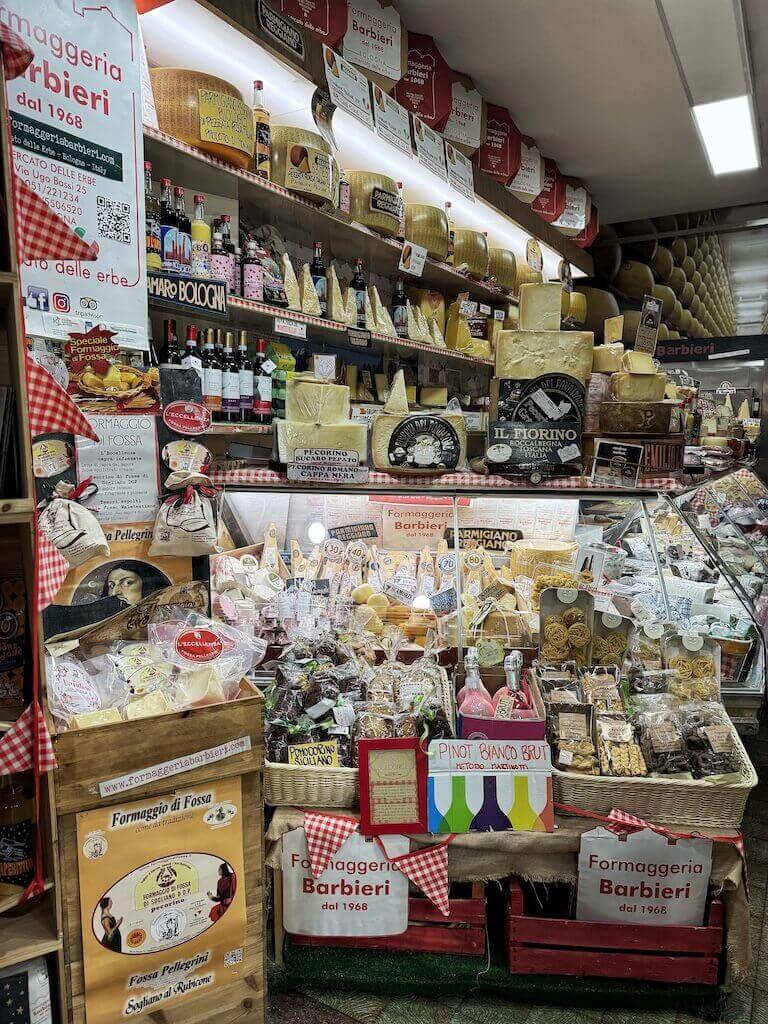
You can (and should) grocery shop, too
If you want to save some money or just make your own meal and are staying in a self-catering apartment, don’t be afraid to go grocery shopping in Italy!
Italy has many different grocery stores, including large chain stores and small fruit and vegetable shops. And there are also markets, which are always fun places to visit. You’ll likely be near a good handful, so go shopping as you please!
Just bring a reusable canvas bag because grocery stores here charge for bags (and they’re bad for the environment).
If you’re buying fruits or vegetables in a large store, you must use a glove to pick them up. If you’re at a smaller produce shop, wait for staff to help; don’t touch the produce yourself.
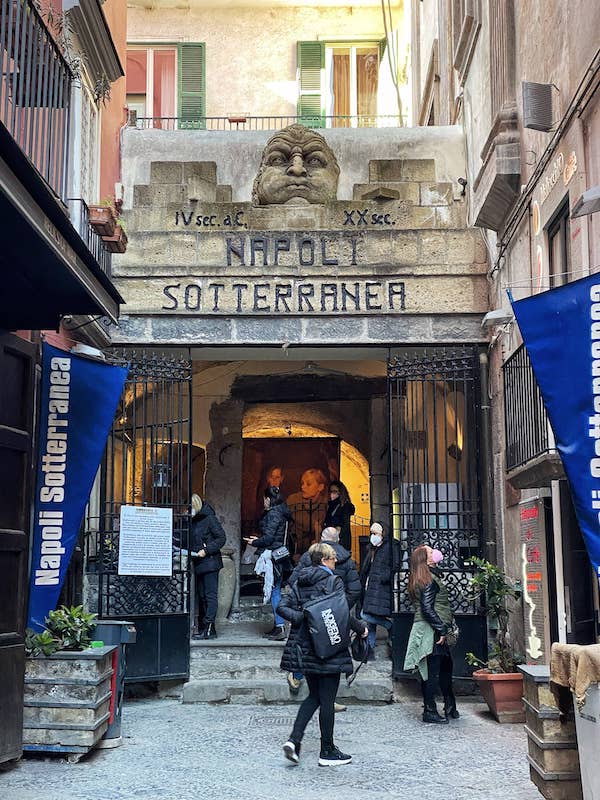
Italy travel tips for first timers (upon arriving)
There are a few more travel tips for Italy that will be more useful upon arriving in the country. Here are some of the most important.
Get a local SIM card
One of the first things you should do upon arriving in Italy is get a local SIM card. This will be much cheaper than an international data plan, and also cheaper than getting an online e-SIM, and it’s super convenient.
The most popular cell-phone companies are Windtre, Vodaphone, and TIM.
If you’re flying into one of the major international airports, there will be kiosks all around with SIM card services and installation for travelers. This is probably the easiest way to go about it. However, if you want to have data as soon as you land, I recommend getting an eSIM online and install it before you arrive.
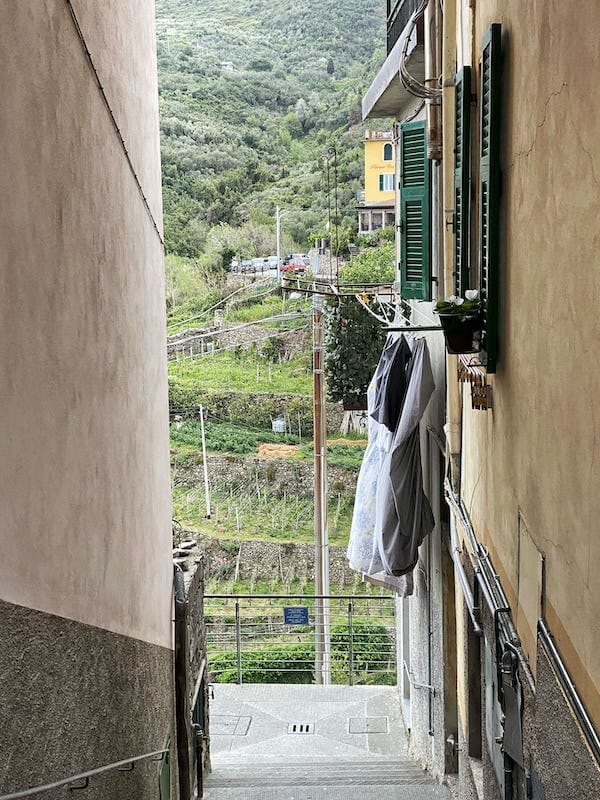
Carry tissues at all times
Honestly, one of my Italy travel tips is good advice for anywhere in the world, not only for traveling to Italy. Tissue can be very useful whether you need to blow your nose, wipe something down, or even use toilet paper. Some restrooms could be out of toilet paper, so it’s nice to have your little stock.
Carry a form of ID with you
We Italians are required to carry an ID on us at all times, and so are tourists. It doesn’t have to be your passport (although that’ll work too). You can just bring your Driver’s License or another government-issued form of identification.
You’ll likely never get asked, but you don’t want to deal with not having it if you pass through a checkpoint.
Beware of scammers
Unfortunately, Italy, like many other tourist destinations in the world, has its fair share of scams and scammers. You should just be on the lookout for and maybe even skeptical of overly friendly people who congregate around major tourist attractions.
I’ve personally never been scammed in Italy – though they definitely tested my alert skills. But then again, I’m Italian. I’ve also heard many stories and even seen them occasionally. Here are a few of the most common scams:
- The “friendship” bracelet: An overly friendly person will normally approach you and make conversation. After a few minutes, they’ll pull out “friendship bracelets” and maybe ask if you want to try one (or, if they’re super aggressive, try to put it on you right away). They’ll then demand payment for the bracelet despite implying it was a simple “friendship” bracelet.
- The oil print scam: Sellers will set up a bunch of large oil paintings on the ground in very inconvenient locations. If you accidentally step on one (which is actually easier than you’d think, given these locations), they’ll demand that you buy it.
- Classic pickpocketing: Pickpocketing is one of the biggest threats and forms of thievery against tourists. Sometimes, they work in large groups, making it even more confusing. They usually happen on buses or in other overcrowded locations. For example, if you leave your bag on the floor at a restaurant, they will use distraction techniques to snatch it.
- “Helpful” locals: Some people will pose as overly helpful or cautious people, just trying to help the tourists out. Then, they’ll take advantage of you right away. An example is someone coming up to you to tell you to be careful with your phone or wallet and then snatching said phone or wallet. Or there could be someone at the ticket vending machine at the station suggesting they can help you (they are just waiting for you to take out your wallet).
These are just a few of the many different scams you’ll find around the country. The important thing is to stay vigilant, don’t trust overly friendly people in overly touristic locations, and remain aware of your surroundings.
Don’t let this deter you from enjoying your time in Italy, either! Besides a few bad eggs, most of us are kind and welcoming to foreigners!
My post Safety Tips For Italy shares more guidance on how to stay safe in the country. You can also read my post The Most Common Scams In Italy which shares tips on how to avoid a scam or react to it.
Summary On The Best Travel Tips For Italy
You might feel a bit overwhelmed if you’re traveling to Italy, especially if it’s your first time visiting Italy. After all, there’s so much to see and do, and things might work differently than where you’re from.
However, as long as you take it one step at a time and prepare as best you can with these Italy tips and tricks, you’ll have an absolute blast in Italy, I’m sure of it!
My home country is a beautiful place, and hopefully, going along with these best travel tips for Italy, you’ll see that for yourself on your next holiday.
PIN IT!


Claudia Tavani
Claudia Tavani was born and raised in Sardinia, and after moving between the United States and the United Kingdom, she's now back living in her hometown, Cagliari. She's a travel blogger and certified travel designer who loves planning trips and publishing guides, travel tips, and packing lists so that you don't have to. Owner of Strictly Italy, cat mom to Minnie. Loves pizza, hiking, archeology, cities, beaches, swimming, and running. Hates peppers.