
Planning a trip to Italy can be overwhelming, especially if it’s your first time.
One of the biggest challenges people have when it comes to Italy trip planning is figuring out where to go. After all, despite being a relatively small country, there is so much to see in Italy. It has 59 UNESCO World Heritage Sites, 53 of which are cultural and 6 are natural.
It’s also home to some of the world’s most famous and visited cities, including Rome, Milan, and Florence. And you can’t forget the incredible food, culture, and festivals, among the top reasons to visit Italy.
There’s no need to get overwhelmed, though. I was born and raised in Italy, and I’ve lived here almost my whole life (this is where I am currently based) and have traveled all over my home country. As a local travel expert, I’m here to help you figure out how to plan an Italy trip.
Ready to learn everything you need to know about planning a trip to Italy and some interesting Italy facts? This travel guide will provide the best information to consider when beginning the planning process and the common mistakes many people make. Let’s get started!
10 Steps For Planning A Trip To Italy
Step 1: Do you need a Visa?
The very first thing you need to do with any international trip is look into visa requirements. Some beginner travelers might overlook this step, not thinking much about it, and find themselves at the airport being refused the flight.
That’s right. Without a visa (if required), you won’t even be able to board your flight.
Italy is part of the Schengen Zone. So, if you’re a citizen of a country in the Schengen Zone or already have a valid Schengen visa, you’re welcome to travel here.
Citizens from the United States, Canada, Australia, and New Zealand don’t need a visa to visit Italy. There has been an exemption for these citizens; they simply have to show travel documents upon arrival to enter the country for up to 90 days.
However, Italy (and other EU members) are rolling out the ETIAS (European Travel Information and Authorization System), which will require some minor preparation and paperwork ahead of time for those from visa-exempt travelers.
The ETIAS is set to go into effect around May 2025 (though it has already been pushed back a few times).
It’s important to check visa requirements and information from an official source rather than asking around. Different countries have different visa requirements, so something true for another traveler may not apply to you, depending on where you’re from.
You can check current visa requirements through the Italian Ministry of Foreign Affairs. You can also check it out on your government website. They usually have sources for traveling citizens. For example, the U.S. Department of State lists up-to-date requirements for U.S. citizens traveling to Italy, including required documentation, vaccine requirements, blank passport pages needed, and more.
Step 2: When do you want to visit Italy?
Once you’ve gotten your visa ducks in a row, it’s time to figure out the best time to visit Italy. I think you should travel whenever you can fit it in. Don’t let certain aspects of Italy travel hold you back if you only have one window.
For example, you can come during summer break or holidays if you’re traveling with kids. If you only have 10 days off work in October, come in October. Please don’t put it off forever because you think it isn’t the ideal month to visit.
That said, there are still a few things to consider when deciding the best time to visit Italy.
First, Italy has four seasons. Winters get cold, and summers get hot and humid. It may vary from region to region, so you can always find a place in Italy that fits your needs and preferences better than others.
Second, the peak season in Italy is from May through September. During high season, it’s very crowded and usually more expensive.
Here are my recommendations for the best time to visit Italy, depending on what you’re looking to do:
SIGHTSEEING – The shoulder seasons (spring and fall) are the best times for sightseeing because they are slightly less crowded and the weather is mild.
BEACH VACATION – If you’re looking for the best beach vacation in Italy, visit in the summer. The water is too cold for swimming before June and after September, and the weather is better. However, Italian beaches are more crowded in the summer.
SKIING – Italy offers fantastic skiing—visit between December and March, when the Alps have the most snow.
FESTIVALS AND CARNIVAL – Carnival in Italy is special. I recommend visiting between the start of Carnival (February) and May but try to avoid the Easter holiday, as things get really chaotic.
OVERALL BEST TIME TO VISIT ITALY – In my opinion, the end of September to the end of October is the best time to visit for general traveling. It’s just at the end of the busy season, so fewer people visit. But it’s also not cold yet.
However, if you don’t have many flexible travel dates, come to Italy when you can.
Can’t decide when to visit? My post When Is The Best Time To Visit Italy? will help you decide.

Step 3: How long will you stay in Italy?
Now that you know when you’ll visit, you want to determine how much time you’d like to travel around Italy.
My biggest piece of advice for planning a trip to Italy is to try not to rush things. Some people plan a week in Italy and then try to visit five different cities. Other people have two weeks for a Europe holiday, and set aside only a few days in a handful of different countries. You really won’t be able to experience and enjoy Italy if you do either of those things.
I recommend a minimum of 10 days in Italy if you’re traveling from a faraway country and a minimum of 4-5 days if you’re traveling from another European country.
If you’re traveling from the United States and have to take any long-haul flights, you really want to make the most of this trip. You probably won’t be able to come again in the year, and you must also consider the travel time to and from Italy.
However, if you’re already in Europe, you’ll likely be able to visit again relatively soon and won’t have to deal with major jetlag or exhaustion upon landing.
Step 4: What’s your budget?
It’s important to consider your budget before booking anything in Italy. Italy is overall much cheaper than most places in North America or Australia, but it can be relatively expensive, especially if you don’t plan things beforehand.
It’s not the most expensive place in the world, but it can eat away at your wallet.
You need to book all your flights, hotels, guided tours, and transportation in advance, which makes budgeting much easier.
I recommend setting aside between $50 and $100 USD a day for dining out, some money for souvenirs if you’re planning on buying some, and a few dollars for the tourist tax (usually between €1 and €3) if it’s applicable, and some more change for unexpected expenses.
In total, you should need between $100 and $250 USD per day for food, activities, and other expenses, depending on whether you’re a budget traveler or a luxury traveler. And remember there’s no such thing as tipping in Italy.
Step 5: What’s your Italy itinerary?
Now it’s time to plan your Italy itinerary. This is where the fun begins!
One of my biggest tips for visiting Italy for the first time is to stick to the most popular tourist destinations. The classic sights in Italy are world-renowned for a reason, and they really can’t be missed.
Some people want to avoid overcrowded tourist sites, but the tourist spots in Italy are worth it.
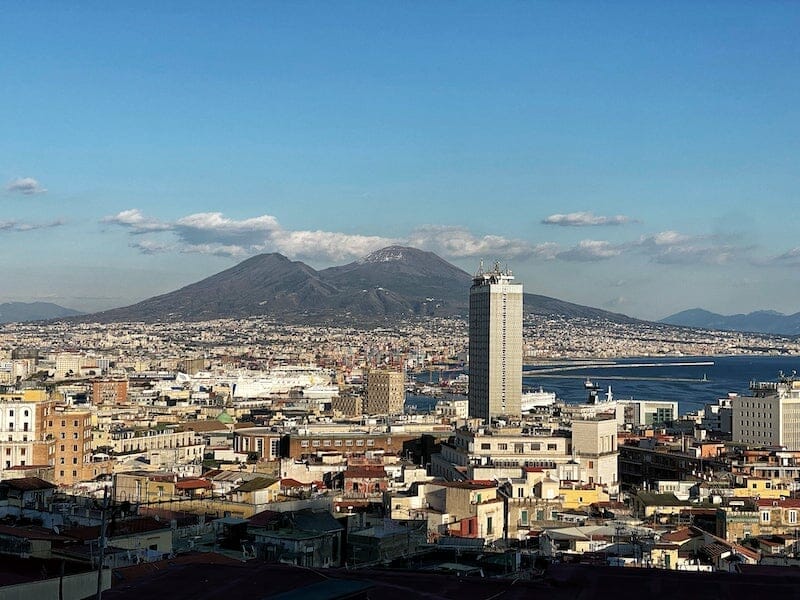
These places include the Colosseum, the Pantheon, the Roman Forum in Rome, the Vatican Museums, Florence, the Cinque Terre, Naples, Pompeii and the Amalfi Coast, and Venice, to name a few.
When you return to Italy, or if you’ve already been to all the famous spots, you can venture a little more off-the-beaten path.
The Dolomites are the best place for skiing and hiking, and Sardinia is the best island with some incredible beaches and coastal hikes (although I live in Sardinia, so maybe I’m biased). There are also tons of little villages filled with hidden gems.
If you’re too overwhelmed to plan an Italy itinerary, you can also book a full-fledged Italy tour or package. This will be a bit more expensive, but it will take care of all the planning and booking for you, so it’s a good idea for beginners.
And if you want, I can help you with your Italy trip planning via my Italy holidays planning and travel consultancy service.

Step 6: Ready to book your flight?
When planning a trip to Italy, the first thing you’ll probably book is your flight. Unfortunately, so many people ask me about the best time to book a flight, and I don’t have a straightforward answer.
Sometimes, booking the flight well in advance (6-12 months before your travel dates) can save some money. However, travel deals can pop up at any time.
Certain flight services, like Skyscanner, offer tracking services. This can help you monitor prices and see how they fluctuate. However, you’ll just have to use your judgment. If it seems like a reasonable price, go for it. Try not to wait until the last minute because that can cause anxiety and limit your options.
Rome Leonardo Da Vinci-Fuimicino and Milan Malpensa are the two largest airports in Italy, with the most international arrivals and departures. Therefore, they’re likely the most affordable to fly into. You can easily get a connecting flight from one of those airports to a smaller Italy destination on a budget airline.
I strongly recommend booking your flights directly with the airline, even if it’s more expensive than booking through travel agent websites. If there are any problems, you’ll get more support and be entitled to more refunds/reimbursements when dealing with the airline than a standard online travel agent. Otherwise, booking with a physical travel agency is also a good idea.
Step 7: How will you travel from the airport to your accommodation?
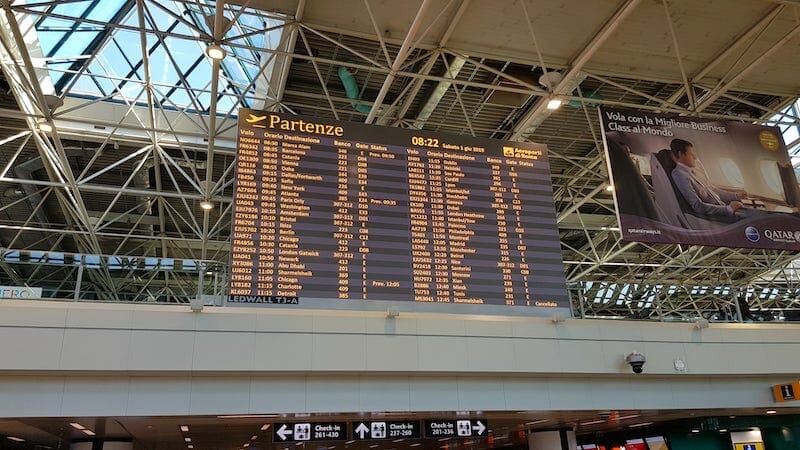
Many travelers overlook this step and regret it. Getting to the airport, the city center or your accommodation can be a pain, especially in a country where you don’t speak your native language.
Fortunately, most international airports have a lot of information for travelers. I recommend checking out the website of the airport you’re landing in for taxi or transportation options. They usually have a section with complete details.
Some airport taxi services operate on a flat rate basis to take you to the city center, but if that is not the case, you can also book a private transfer with companies like Welcome Pickups – I have used them widely in many places (including Italy) and always found them impeccable.
Otherwise, you can also do quick online searches for more information. If you’re traveling to a popular tourist destination, there will be a plethora of transportation information across blogs and websites.
You may also want to consider how you’ll pay for transportation from the airport to your accommodation. If you book a taxi directly through airport services, they’ll likely accept credit cards. If you take a bus and wish to pay on board, you will need cash. You should be able to exchange your local currency for euros before your trip easily, or you can pull money from an ATM in the airport if your bank doesn’t have high international fees.
Step 8: Have you booked everything in advance?
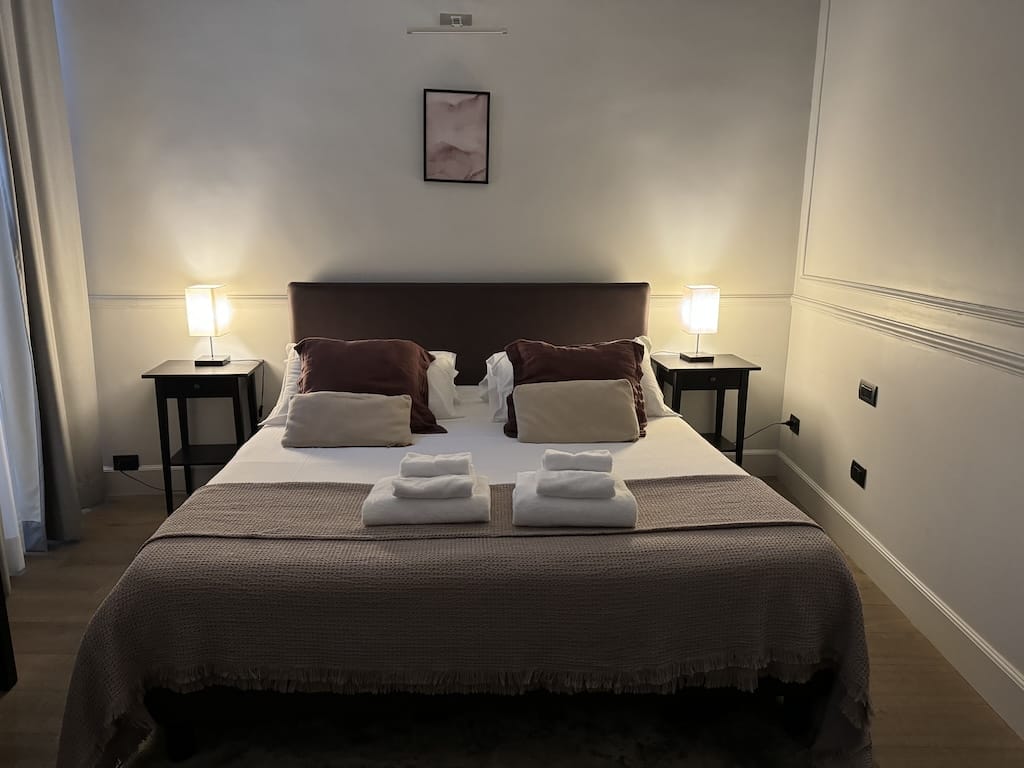
As mentioned, your flight isn’t the only thing you should book in advance. For Italy, especially if you’re traveling during peak season, I strongly recommend booking everything in advance. This includes your accommodation, tours, museum tickets, rental car, etc.
Booking your hotels
I recommend booking your accommodation 3-6 months in advance and your tickets, tours, and car rentals shortly after. Italy is very popular, and there are almost always a ton of tourists. Prices might go up closer to your trip.
There is no shortage of hotels, especially in the cities. But you want to get good value for your money. There’ll be something for every budget, including luxury and boutique hotels, guest houses, and even small apartments.
If you’re visiting the countryside, I highly recommend an agriturismo like a farm homestay.
My favorite accommodation search engine is Booking.com – it’s what I use whenever I travel in Italy and even outside of Italy, and have always found good hotels. You can also select holiday rentals, conveniently priced apartments and even villas and agriturismo.
Booking your tickets and entrances
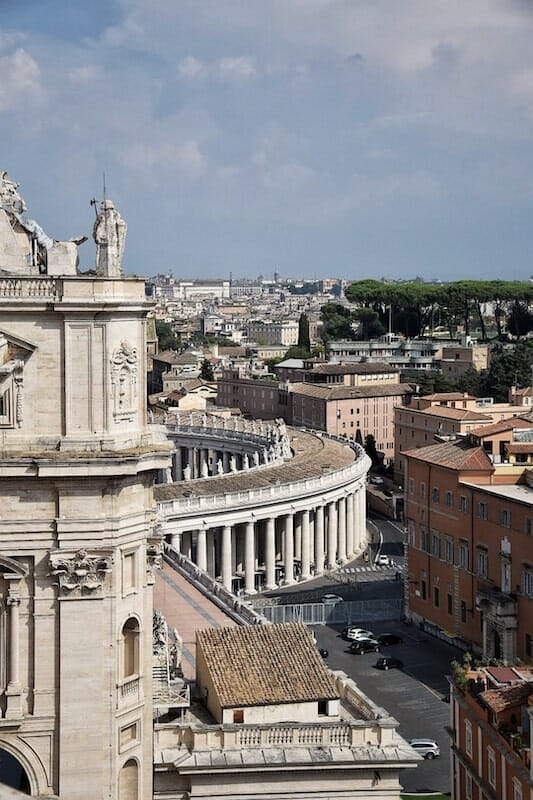
You should book attractions and tickets at least 30 days in advance (some attractions won’t let you book earlier, unfortunately). This includes your tickets for the most popular places. Here are a few that you’ll want to look into:
- The Colosseum
- The Sistine Chapel
- The Vatican Museums
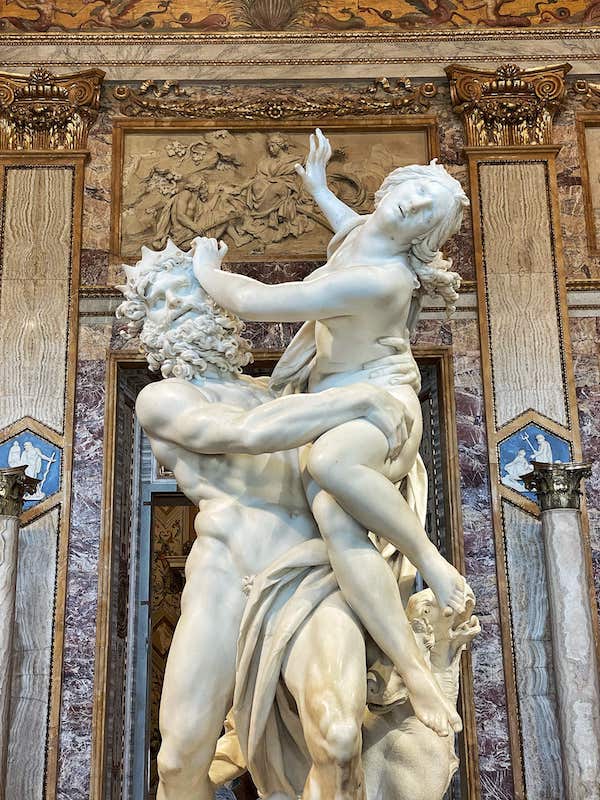
- Borghese Gallery
- St. Mark’s Basilica
- Doge Palace
- Last Supper
- Uffizi Gallery
- Galleria dell’Accademia
- Pisa Leaning Tower
You can usually find more information about advanced bookings through their official website. You can also book tours ahead of time that include entry tickets. For example, this Rome: Priority Access Colosseum, Roman Forum, and Palatine Tour is a great option that includes entry, a professional guide, and transportation.
Booking your rental car
You should also book your rental car as soon as possible. Generally, the earlier you book, the better the price.
I don’t necessarily recommend renting a car in Italy. You won’t need it if you are planning to only visit cities. However, depending on the regions in Italy, you will be better off having your own car. This is certainly the case in Puglia, in the Dolomites, in Sicily and in Sardinia.
Not only is it the easiest way to get from City A to City B, but it also gives you a lot of time flexibility and freedom to explore more of the country.
Driving in Italy is pretty safe, and even safer on Italian toll roads. We do have a reputation for being a bit reckless on the road, but things have improved a lot and as long as you’re careful and follow the rules of the road, you’ll be fine. And you’ll love the independence and scenic routes throughout the country.
If you can’t drive a standard/manual vehicle, select an automatic car upon booking. Most Europeans drive standard, so this is pretty widely accepted around here. However, they do have plenty of automatic vehicles, as well.
I recommend using Discover Cars to book your car rental in Italy. It is a comparison site that allows you to compare the prices and the reviews of various car rental companies in a destination, so you can find the best one for your needs. I have used it widely in Italy and elsewhere and it never failed me. They have excellent customer support!
My post Renting A Car A Italy Made Easy explains everything you need to know for a good car rental experience.

Booking train tickets
If you don’t want to rent a car, that’s okay. You can also take the train almost anywhere in Italy. And honestly, our trains are very comfortable and efficient.
You can book train tickets up to two months in advance. I recommend doing so simply because it’ll ensure you get a seat and make your life much easier upon arrival.
You can buy your train tickets directly with Trenitalia or via the Omio App. However, if you’re traveling by train, check online for train/rail strikes. This might shut down a few routes for a day or so, but they are always announced in advance.

Step 9: Have you packed wisely?
Now that you have everything planned and booked, it’s time to start thinking about packing. This is harder than it sounds, especially if you’re visiting during the winter, spring, or fall, as the weather can be unpredictable.
Here are a few recommendations you have to think about while packing for Italy:
THING ABOUT YOUR DATES – Your travel dates greatly influence your packing list. If you’re visiting during winter, you’ll definitely need warmer clothes. However, in summer, things are more casual. Make sure to pack for the weather for your travel dates.
PACK MODEST CLOTHES FOR RELIGIOUS SITES – You’ll want to be more conservative at chapels, ancient sites, monasteries, and the Vatican Museums. You should cover your shoulders and knees, in general, just don’t be too scandalous.
PACK AN ADAPTER – If you’re traveling from somewhere with a different outlet, then make sure to bring an adapter so you can still charge your electrics here. The C Type 2-pin plugin will fit all wall plugins in Italy.
USE PACKING OR COMPRESSION CUBES – This is a general packing tip but very useful. Packing cubes can make your life a million times easier by helping you organize, freeing up more space, and even keeping things clean.
BRING A REFILLABLE WATER BOTTLE – You can drink tap water in Italy, and you’ll likely be doing a lot of walking and exploring, so make sure to have a water bottle to fill.
DON’T FORGET A POWER BANK – This is another little useful device that should be a must-have for any traveler. It can come in handy more than you’d ever imagine, especially if you plan to be out all day and take tons of photos.
If you want to be space-efficient and well-prepared, start thinking about packing long before you begin packing. It’s better to go in with a good plan than winging it.
In any case, the good news is that Italy is a great shopping destination and you’ll find whatever you need here, in case you forgot something at home.

Step 10: Do you have travel insurance?
Travel insurance is a must-have for all travelers, and I’m always surprised by how many people skip this step. For your safety, you really shouldn’t.
Italy has decent public healthcare that is good for most people. But travel insurance will provide even further reassurance. Good travel insurance might include non-medical things, like travel delays, stolen/lost belongings, and other inconveniences.
I recommend using Heymondo as a reliable travel insurance worldwide. It’s what I have been using in the last few years and I find their service excellent.
Make sure to read my post Is Italy Safe? for more information about safety in the country.
10 Don’ts When Italy Trip Planning
Winging it
My opinion on this matter should be obvious, as I’ve stressed the importance of booking and planning in advance. But this is such an important one that it’s worth bringing it up.
Some travelers enjoy “winging it” and “going with the flow.” This is all fun and dandy until hotel prices skyrocket, museum tickets are all sold out, and you can’t get anywhere easily.
Italy is not a place to wing it and go with the flow, especially if you’re visiting the most famous Italy tourist attractions. Book well in advance and come prepared with at least a rough itinerary planned out.
Cramming your schedule with too much
You might be excited to come to Italy, and there might be too much to see. But do not cram your itinerary with too many places where you’ll only spend 1 day in each city, or even less.
You should take your time, enjoy the country, and not rush through. If you’re going too fast, you won’t get the true Italian experience and won’t enjoy it as much. This is also why it can be helpful to plan your itinerary so far in advance: it’ll prevent you from having a messy travel schedule.
You should also plan carefully for places that are important to you. Rome is a good example of a place where things often get messed up regarding travel days.
For example, some people spend just one day in Rome. There is no way this is ever enough time to experience Rome. I recommend a minimum of three days in Rome. Some people even spend five to seven days in Rome – there’s certainly plenty to do, if you don’t have to set aside more time for other places, and many easy day trips from Rome you can enjoy too.
Only visiting major cities
I mentioned earlier that you should visit all the “Italy Classics” for the first time in Italy, but you should also try to visit some places in Italy that are off the beaten path. Don’t only do Rome and Florence, because then you won’t have truly experienced Italy.
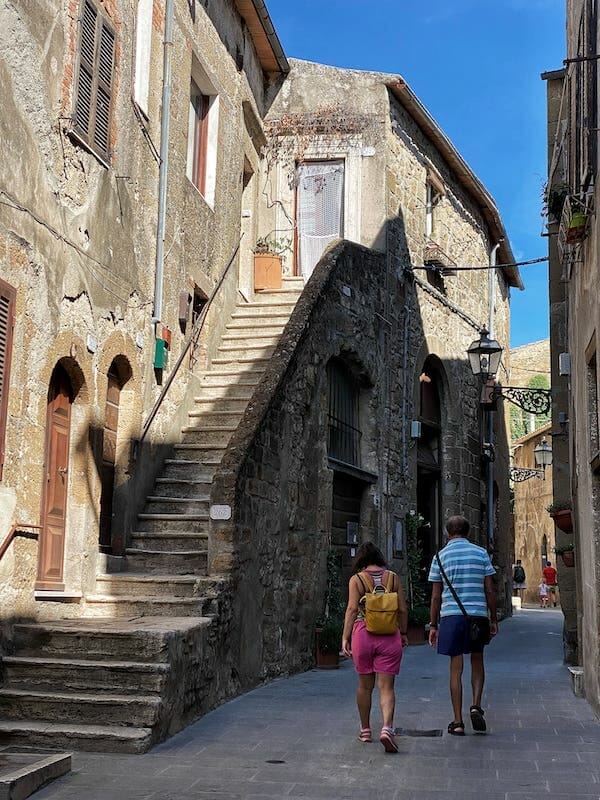
Some good places to squeeze into your itinerary include Lecce in Puglia, Verona in Veneto, and Sardinia. But really, the idea is to leave the city and explore some of the small villages and towns. Often, these places feel more like Italy (and even have better food).
My post The Best Cities To Visit In Italy guides you through the most famous cities and the lesser known ones too.
Not having your banking sorted out
One of the biggest travel mistakes people make when planning a trip to Italy is not arranging their bank cards and finances ahead of time.
You should first check your checking account(s) and credit card account to find out the foreign transaction fees and ATM fees. Some banks have no foreign transaction fees, and some checking accounts will reimburse ATM fees.
The important thing is knowing the situation and the charges to expect and planning accordingly.
You might also need to inform your bank accounts that you’re traveling. I’ve heard many horror stories of banks locking cards and other items while the owner is abroad because of suspicious activity.
Not getting an Italy SIM card
Italy SIM cards are very cheap, convenient, and reliable. You could likely get an international data plan from your home country, and you can even get an eSIM before your trip, but it’ll easily be more expensive than getting a local SIM card here.
There are SIM card booths all over the airports, so you can install one as soon as you land. Alternatively, I recommend getting an eSIM card online which you can easily install and have running as soon as you land.
If you’re traveling to Italy from the United States, you’ll probably have to get your phone unlocked first. You must call your cell phone provider and double-check that it’s unlocked and capable of supporting a foreign SIM card. If you’re currently on a payment plan for your phone, they will not unlock it.
Taking taxis or Ubers everywhere
It seems convenient to hop in a taxi or rideshare to get around any city, but you’re missing out. Not only will the prices stack up over time, but Italy has some excellent public transport.
Cities like Milan, Rome and even Naples have a great web of subways that are very easy to use. In Milan, you don’t even need to get tickets: you can use your contactless card to touch in and out.
All other cities will have a public bus system and in many cases there will be a local app that you can use to get tickets, or you can just go to a local newsagent to get a stack.
You can usually get almost anywhere you want to go by bus, on foot, or on the train. So, take advantage of this!

Eating only pizza and pasta
Italy is famous for its pizza and pasta, and I’m not going to lie—we have the best pizza and pasta in the world. But that isn’t all we have.
Italy has such a diverse range of cuisine, it’s really important that travelers try some other things. If you’re staying along the coast, you should try some seafood dishes. But you should also research the region you’re traveling to.
Different regions in Italy have different cuisines, and you must always try the local specialty. So, research ahead of time when planning your trip to Italy and try to step outside the realm of pizza and pasta (at least a little bit).
My post The Best Regional Food In Italy explains the nuances of Italian food and what to eat in each region.

Not knowing a drop of Italian
You don’t need to know Italian to visit Italy, but it can help. Not only will it come in handy if you meet people who don’t speak any English, but it also shows signs of respect to the locals, and it’s fun to try at the very least!
Here are a few common Italian phrases/words that might help while traveling around Italy:
- Parla Inglese?: Do you speak English?
- Non parlo Italiano: I don’t speak Italian
- Buongiorno: Good morning
- Buonasera: Good afternoon
- Ciao: Hello/bye (this is more casual)
- Grazie: Thank you
- Prego: Please/thank you
Learning a little more Italian may help, but the basics are good enough for beginners in Italy.
Falling for scams
Unfortunately, tourist scams are becoming increasingly common in all major European tourist destinations. There are many of them, and they’re often hard to avoid.
My biggest piece of advice is always to stay aware of your surroundings, not let strangers get too close to you, and to be overly skeptical of overly friendly strangers at major tourist attractions (like the Colosseum) or in major transportation hubs (like Termini Station).
One of the most viral tourist scams is the “friendship bracelet.” This is when a stranger comes up to you, makes a pleasant conversation, and eventually puts a friendship bracelet on your wrist. Then, they demand you pay for it.
But scams are constantly evolving, things are changing, and people are being more creative with them. Just try to enjoy yourself while watching out. Being aware of tourist scams while planning a trip to Italy is a good starting point.
If you get scammed, don’t let it get to you too much. Unfortunately, it happens. Sometimes, it’s almost impossible to avoid, no matter how vigilant you are. Don’t let it ruin the rest of your travels in Italy.
My post The Most Common Scams To Avoid In Italy will help you identify scams in the country and avoid them.

Not carrying tissues or wet wipes with you
This seems minor, but it’s a very important piece of advice for those planning a trip to Italy. For several reasons, you should always have tissues or wet wipes.
First, some public restrooms might be out of toilet paper, so it can be very important to have it on hand.
Second, you don’t want to make a mess of yourself before taking any vacation photos. For example, a friend told me about her trip to Rome, how she was eating some amazing gelato, and how it dripped all over her shirt. She had no wet wipes or tissue, so she spent the rest of the day with gelato smudges on her blouse.
You wouldn’t consider this a big deal, but the memory stays with you. So, try to be as prepared as possible!
Summary For Planning A Trip To Italy
Italy is arguably one of the world’s most popular “bucket list” destinations. At any given moment, hundreds of people are planning a trip to Italy, and thousands of people land there every day.
It’s a popular tourist destination, and because of that, it’s very well-equipped for tourism. However, trying to plan the perfect Italy trip is still overwhelming.
Hopefully, these 10 dos and 10 donts for planning a trip to Italy have given you the motivation and inspiration to begin. As long as you follow along with this travel guide, you’re sure to be well-prepared for a trip of a lifetime.
PIN IT!


Claudia Tavani
Claudia Tavani was born and raised in Sardinia, and after moving between the United States and the United Kingdom, she's now back living in her hometown, Cagliari. She's a travel blogger and certified travel designer who loves planning trips and publishing guides, travel tips, and packing lists so that you don't have to. Owner of Strictly Italy, cat mom to Minnie. Loves pizza, hiking, archeology, cities, beaches, swimming, and running. Hates peppers.