When it comes to breakfast, Italy does things differently. Rather than the hearty spreads common in other countries, Italian breakfast is simple, yet delicious.
Growing up, my typical Italian breakfast, or colazione, as it is known in Italian, was often pretty straightforward. Honestly, it was usually just a glass of warm milk (at times with a drop of coffee) and a few cookies, or yogurt and cereals.
In recent years, breakfast culture in Italy has expanded beyond these classics. As more Italians and visitors alike embrace the meal, you can now find a variety of new and exciting options that seem to be even more popular with foreigners.
So, if you’re curious about how Italians do breakfast, let’s discover the most popular choices you might encounter during your morning in Italy.
Do you also want to know more about regional foods that are common for lunch and dinner? Then make sure to read my article, Must-Try Traditional Italian Food By Region. There’s a lot of variety across the country, so it’s good to know the regional cuisine.
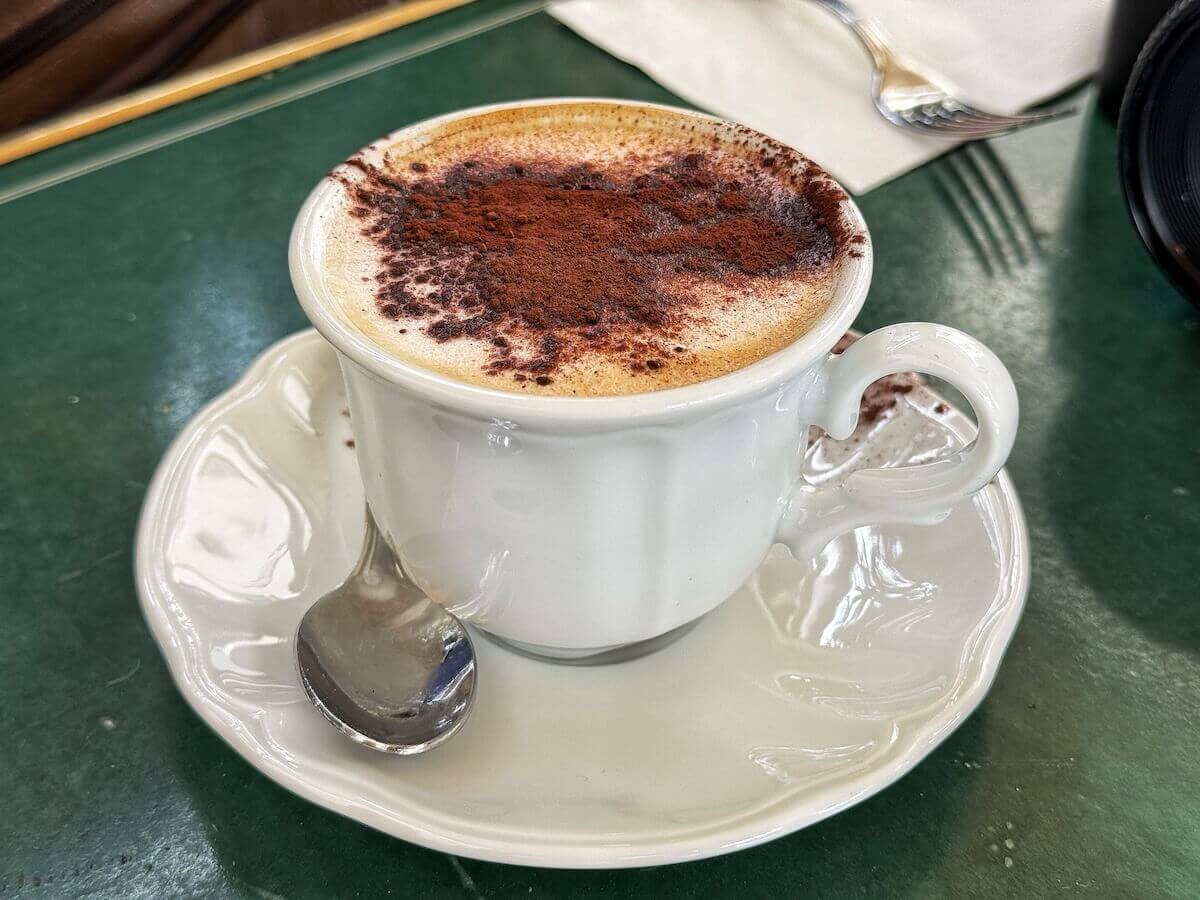
Café Culture: Traditional Italian Breakfast At A Café
Colazione al bar (breakfast at a café)
In Italy, the concept of a “bar” is quite different from what you might find in the US. Here, a bar isn’t about staying out late with friends or catching live music; it’s an integral part of daily life.
Italian bars are bustling hubs where locals stop in for their morning espresso and a quick bite. Often, these establishments are open from as early as 6 am until around 8 pm (some even later), making them a convenient option throughout the day.
Bars in Italy are not just coffee shops; they often collaborate with local pastry shops to offer fresh, delectable pastries each morning.

While some bars bake their goods on-site (in which case they are known as bar pasticceria, meaning they are both things), many prefer to source their pastries from nearby bakeries (pasticcerie, in Italian) to ensure a high standard of quality and freshness. This tradition of quality and convenience makes the bar a beloved institution in Italian life.
A bar in Italy also serves alcoholic drinks – usually after a certain time in the morning. You can find a selection of beers, wines, spirits, and even basic cocktails such as Aperol Spritz.
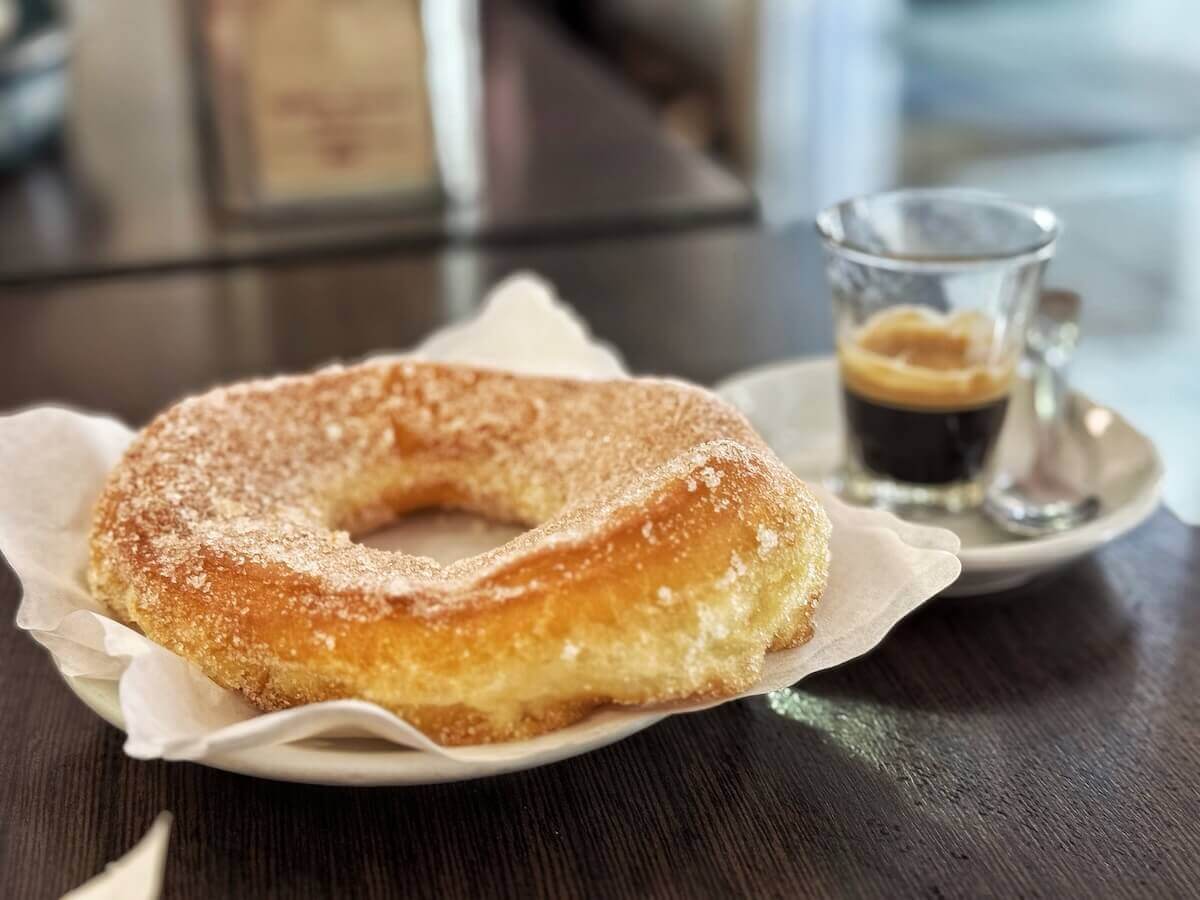
What’s a popular breakfast at a café?
The breakfast foods will be different depending on the province and region, though. You might be able to find more traditional American or English breakfasts in major tourist places, but these options really aren’t all that common in Italy.
Here’s a look at some of the most beloved breakfast pastries you’ll find in Italy:
Cornetto: The shape of a cornetto resembles that of a French croissant, but the flavor and texture are different. Italian cornetti (that’s plural for cornetto) are sweeter, more doughy and less buttery, and can be plain or stuffed with custard, jam (usually apricot), or even nutella or pistachio cream. Italians love to have them with a good cappuccino.
Bomba (Bombolone): Aptly named “bomb” for its size and flavor, the bombolone is akin to a giant, soft donut stuffed with rich custard. Its sugary exterior and creamy center make it a decadent morning treat.

Pesca: Shaped like a peach, this pastry consists of two donut-like halves soaked in a light red liqueur called alchermes and joined together with a generous amount of custard. The combination of the sweet liqueur and creamy filling creates a unique, flavorful experience.
Maritozzo: A Roman specialty, the maritozzo is a fluffy pastry generously filled with whipped cream. It’s a rich and satisfying choice for those who enjoy a cream-filled indulgence to start their day. It’s the perfect accompaniment to a good espresso.
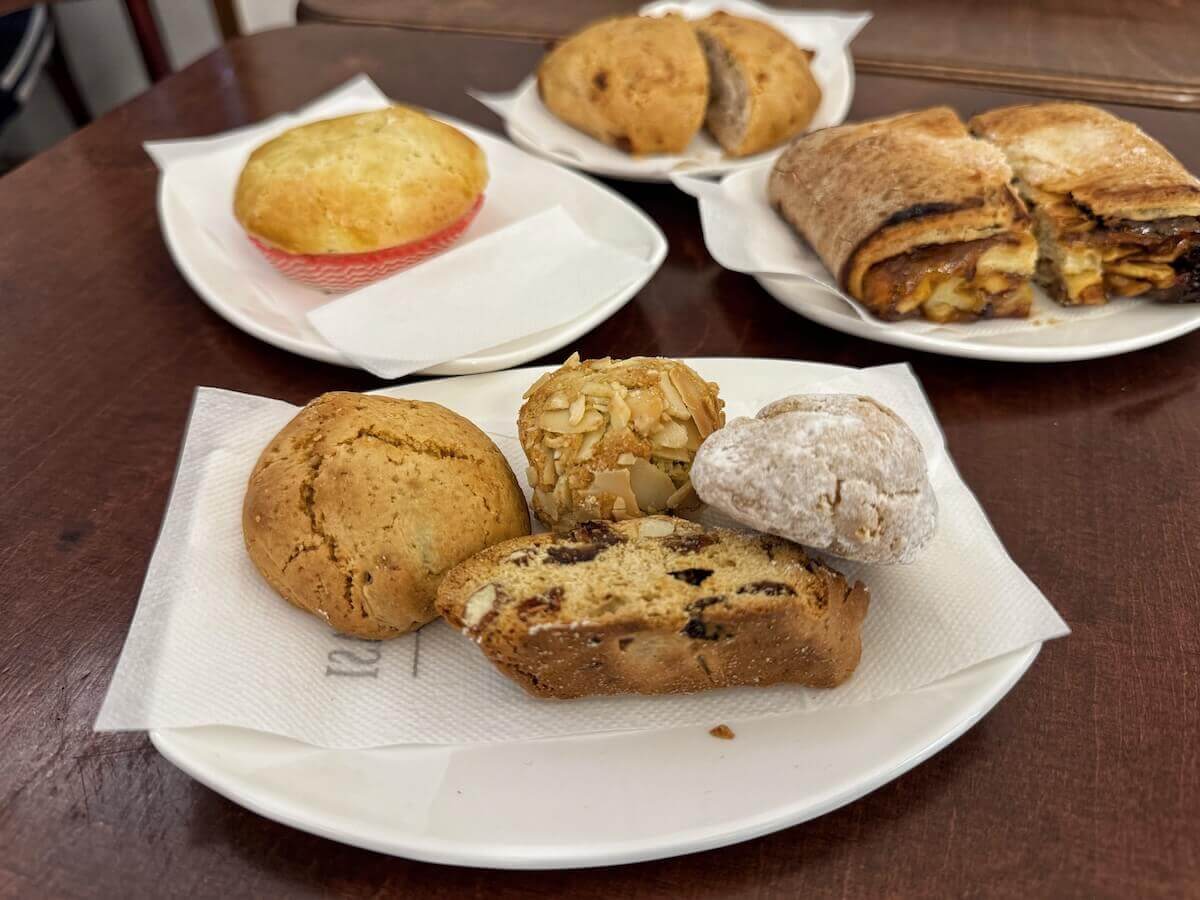
Brioche: Particularly popular in Sicily, this pastry resembles a soft, sweet brioche bread. Its light, airy texture, and subtle sweetness make it a versatile option that pairs beautifully with coffee. In Sicily, they often pair it with granita – a sort of frozen dessert made with ice, sugar and a variety of flavors (the most typical for breakfast is coffee).
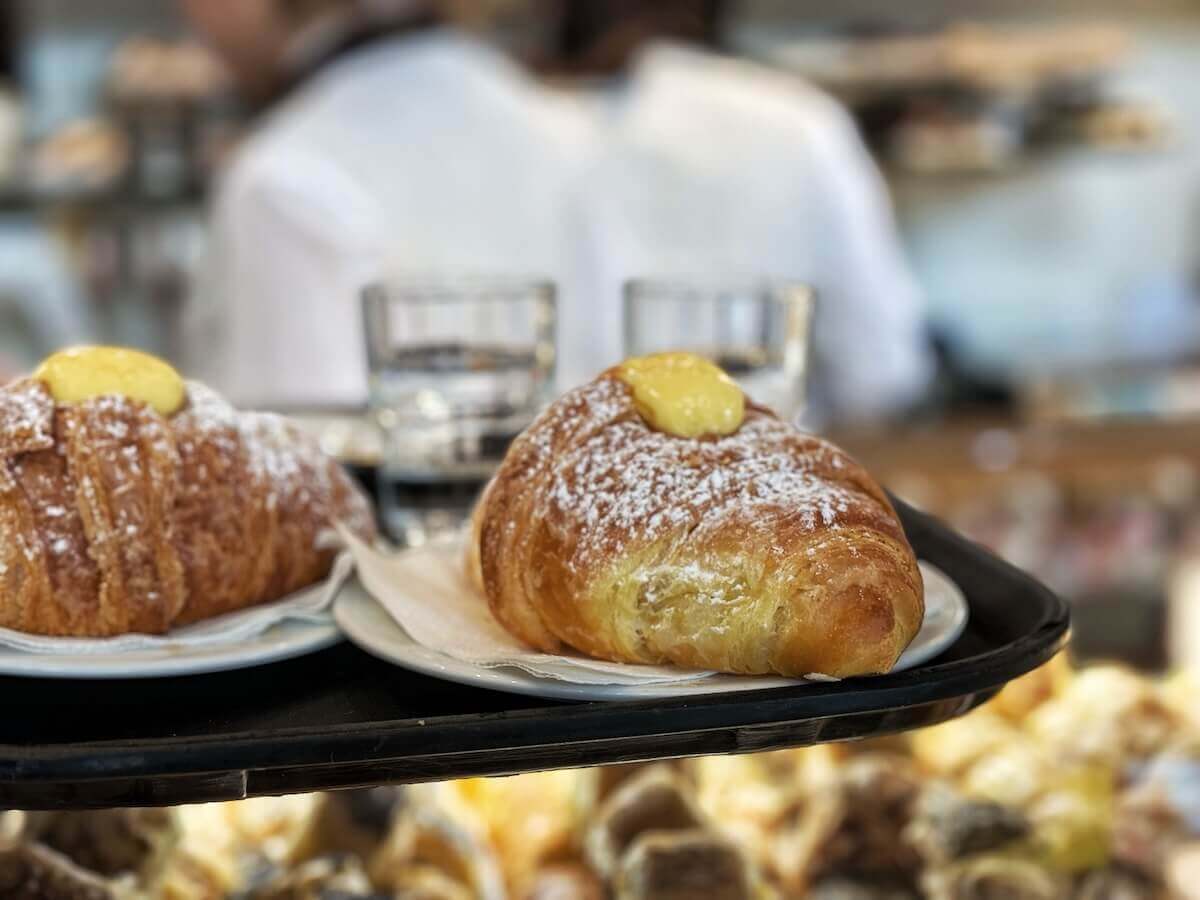
Fatti Fritti: Originating from Sardinia, fatti fritti are large, fried pastries that resemble donuts (but taste completely different). Their crispy exterior and soft, slightly sweet interior make them a beloved treat in the region.
Pasticciotti: Hailing from Lecce in Puglia, pasticciotti are small tarts with a harder crust and a rich custard filling. While traditional custard is common, modern variations include flavors like chocolate, apple, and pistachio.
These pastries are more than just breakfast; they’re a flavorful representation of Italy’s diverse culinary traditions.
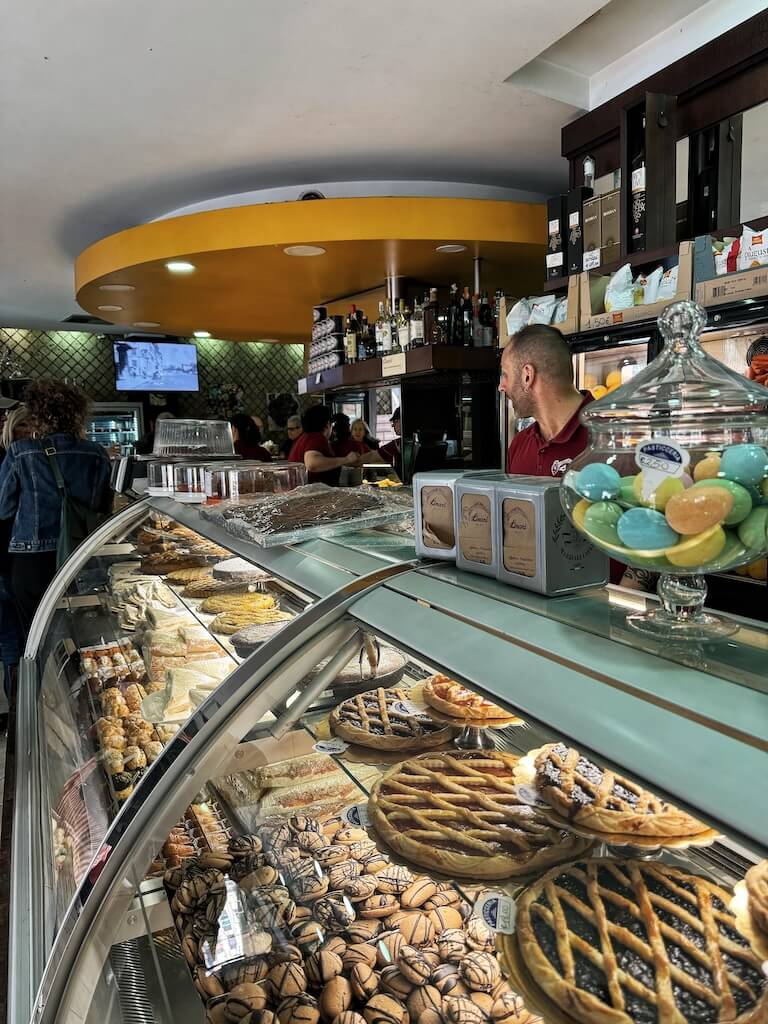
Should I sit or stand?
Standing at the bar is the classic Italian way—quick, casual, and perfect for a fast start to the day. You get your coffee and pastry, and you’re out the door, mingling with the local hustle and bustle.
But sitting down is a great option if you’re in the mood to savor your cappuccino and cornetto. Many bars offer seating where you can enjoy a more relaxed breakfast, taking your time to soak in the atmosphere. Personally, I love sitting down and enjoying the slower pace—it’s the best way to really appreciate the moment and enjoy a delicious breakfast.
No matter what you choose, both options are part of the local breakfast experience. Whether grabbing a quick bite or lingering over your coffee, the café scene is an essential part of daily life in Italy.
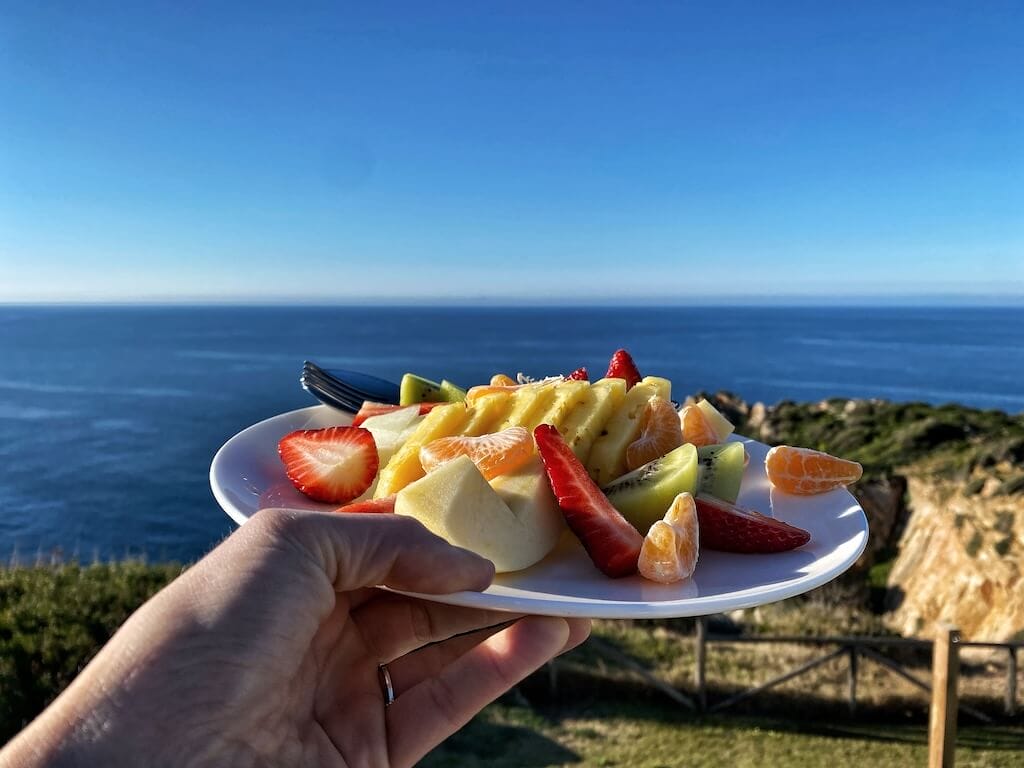
Classic Italian Breakfast At Your Hotel
What’s included in your hotel?
In Italy, if you’re not staying at an Airbnb or somewhere that specifies otherwise, breakfast is usually included in the price of your room. While it might not be a gourmet feast, it’s worth enjoying, especially since you paid for it. What you get can vary depending on where you’re staying.
At some hotels, the breakfast spread might resemble what you’d find at a local bar (in fact, some small guest houses will actually give you a gift card of sorts that you can use at their recommended bar for your breakfast). You’ll find fresh pastries delivered daily from a nearby bakery. Here’s what you can typically expect in different accommodations in Italy.
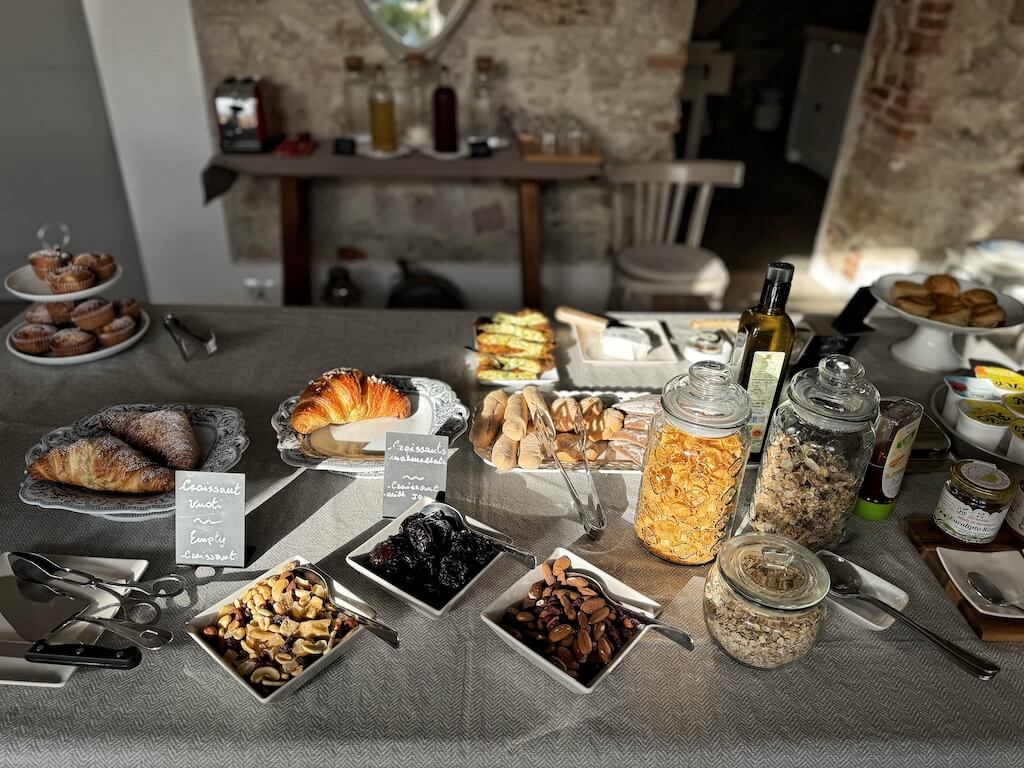
Larger hotel chains
You’ll find a breakfast spread as big as their rooms at bigger hotels. Expect a buffet loaded with both savory and sweet options. You’ll have your pick from cheeses, ham, salami, eggs cooked just as you like, and fruit, yogurt, cereal, and milk. Some places even whip up pancakes if you’re in the mood for something extra.
Of course, the nicer and more expensive the hotel is, the nicer the breakfast should be. As you can tell, most major hotel chains are really moving toward the large American breakfast, so you should be able to find many of the classics.
While some hotels are embracing the coffee machine trend of endless caffeine refills, many still have a friendly waiter who’ll take your coffee order at the table (and deliver real Italian coffee).
If any place in the country is most likely to dish out stereotypical dishes, it’s the large chains. Read my travel guide, Common Misconceptions About Italian Food (From A Local), so you know the main meals to avoid completely.
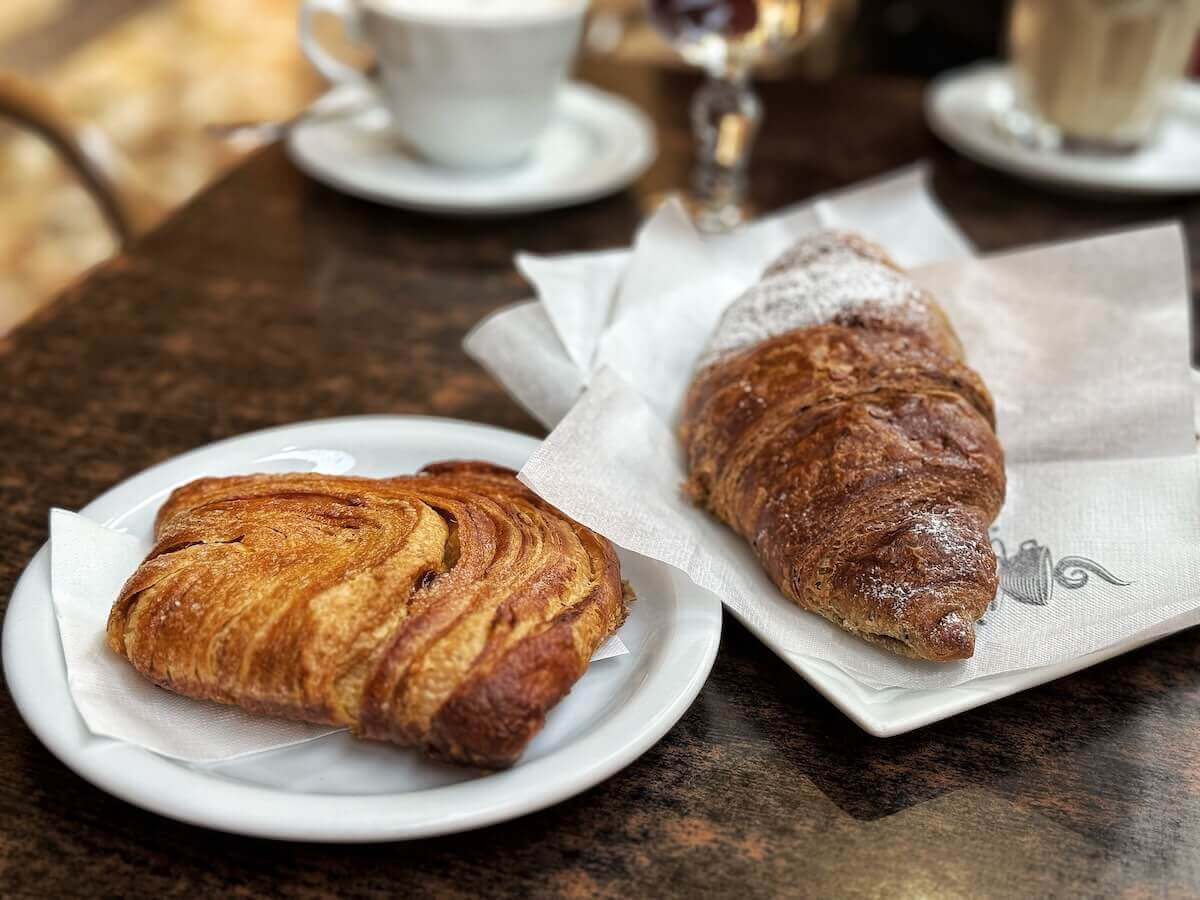
Family-run hotels
At cozy, family-run spots, breakfast feels like a warm, homey affair. Not only do you get to experience more of an authentic Italian life, but you’ll also get more of a genuine breakfast experience.
You’ll usually find a mix of packaged baked goods (which is what we actually have at home for breakfast), yogurt, fresh fruit, and the basics like milk, tea, and coffee made just the way you like it.
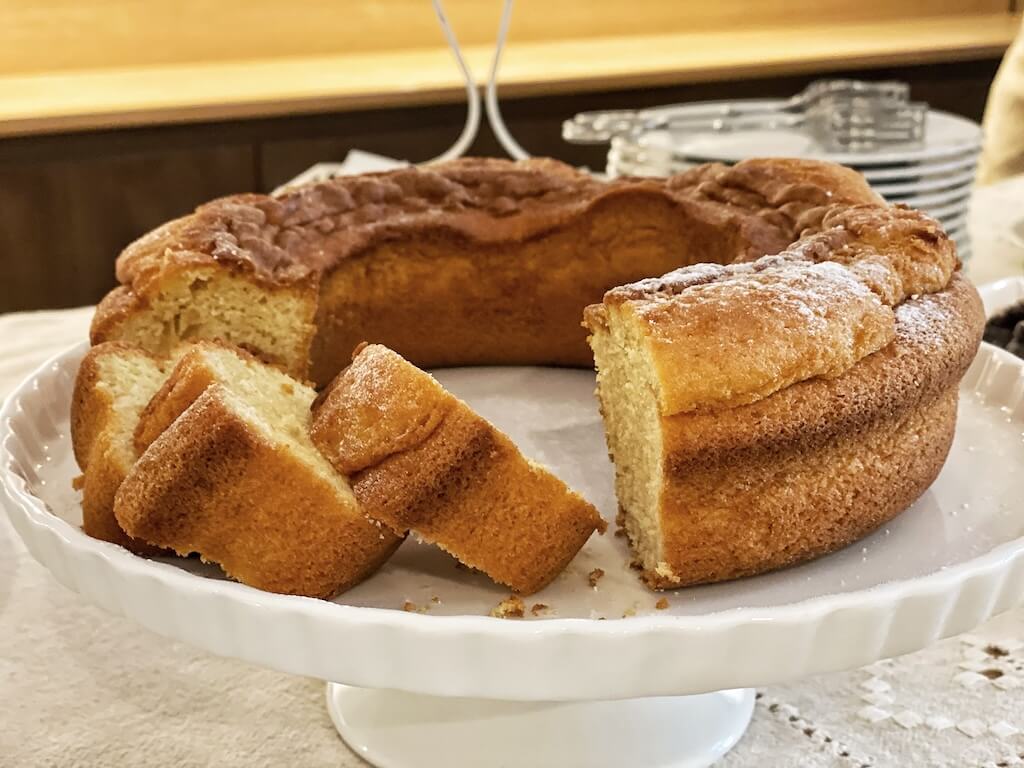
But here’s the real treat: in the best of these places, you might get to enjoy homemade cakes, cookies, and even jam. You’ll likely find a simple, delightful breakfast that adds a personal touch to your stay (and your Italy travels, in general).
One thing to keep in mind is that the kind of breakfast you get at a family run guest house in Italy varies depending on the license they have. Typically, a bed and breakfast does not have a license to cook but can only serve pre-packaged goods.
Agritourism (agruturismi) accommodation
Agriturismi are farm stays that blend rustic charm and local flavors. When you stay at one, you’re usually in for a farm-fresh breakfast experience. Expect to find a spread of traditional cookies and cakes, often made right on the property.
You might also enjoy other agricultural treats, like fresh goat milk or yogurt from a local producer.
Usually, coffee and tea are made to order, adding a personal touch to your morning. It’s a warm and inviting way to start your day, with breakfast that connects you directly to the local area and its traditions.
Italian Breakfast With The Locals (At Home)
As an Italian born and raised in Sardinia, I can tell you that most of us prefer starting the day at home. For me, it’s all about taking things slow in the morning. Plus, I’m just not a fan of eating out for breakfast.
Back when I grew up, breakfast was minimal—a quick glass of milk for the kids, with a cookie or two, or an espresso for adults. But now, our breakfast is a bit more varied, though it’s still all about simplicity and carbs. Coffee remains a staple, usually made with a moka pot. Waking up to that fresh coffee smell is unbeatable!
Despite the changes, breakfast in Italy stays straightforward. Many Italians, including me, shy away from savory options first thing. Instead, we enjoy milk in different forms—plain, hot or cold, or mixed with coffee (caffellatte). Personally, I’m also a yogurt fan.
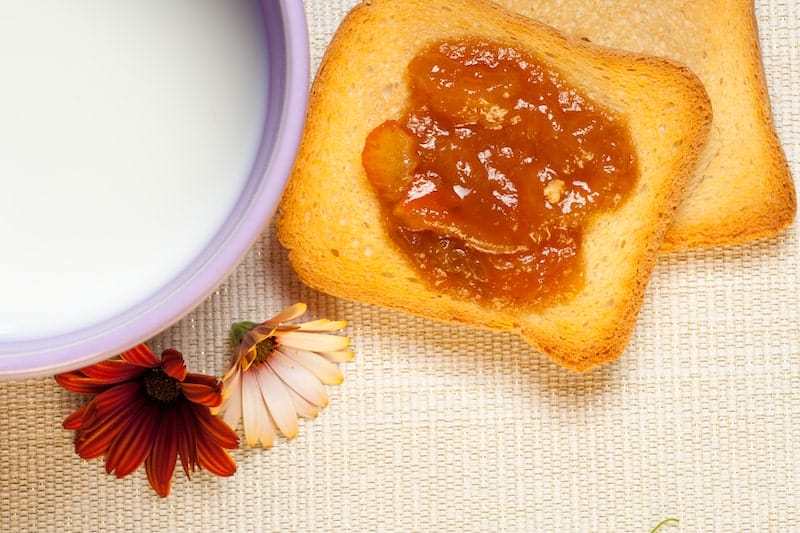
Typical breakfast items include hard cookies, fette biscottate (sweet, toasted bread slices), jam and Nutella. Other choices might be merendine (sweet baked goods), homemade cakes, fresh bread with jam or Nutella, and cereal or muesli. I also like to add some fruit or a splash of fresh juice to my morning routine.

Typical Italian Brunch
A few years ago, brunch in Italy was basically an extended apericena—think cold buffets with pasta, meats, and other fare served earlier than dinner. It wasn’t quite the brunch experience you might expect.
But guess what? Times are changing!
Thanks to social media’s influence, more Italian cities are catching on. Now, you can find some restaurants offering a true brunch experience with pancakes, French toast, avocado toast, and eggs cooked every which way. It might not be traditionally Italian, but if it tastes good, who’s complaining?
Check out I Sarti del Gusto and Bliv for a fantastic brunch in Cagliari. In Rome, Marigold is the place to go. Whenever I visit Milan, my local friend takes me to Pan, a lovely place in a less touristy part of the city, or else we go do Fred.
What Are We Drinking With The Italian Breakfast?
When it comes to breakfast in Italy, drinks play a central role. Here’s a roundup of what you’ll typically find Italians sipping on with their morning meal:
Caffè: The classic espresso. Strong, small, and perfect to kickstart your day.
Caffé Macchiato: Espresso with a shot of milk – it can be cold or hot and foamed.
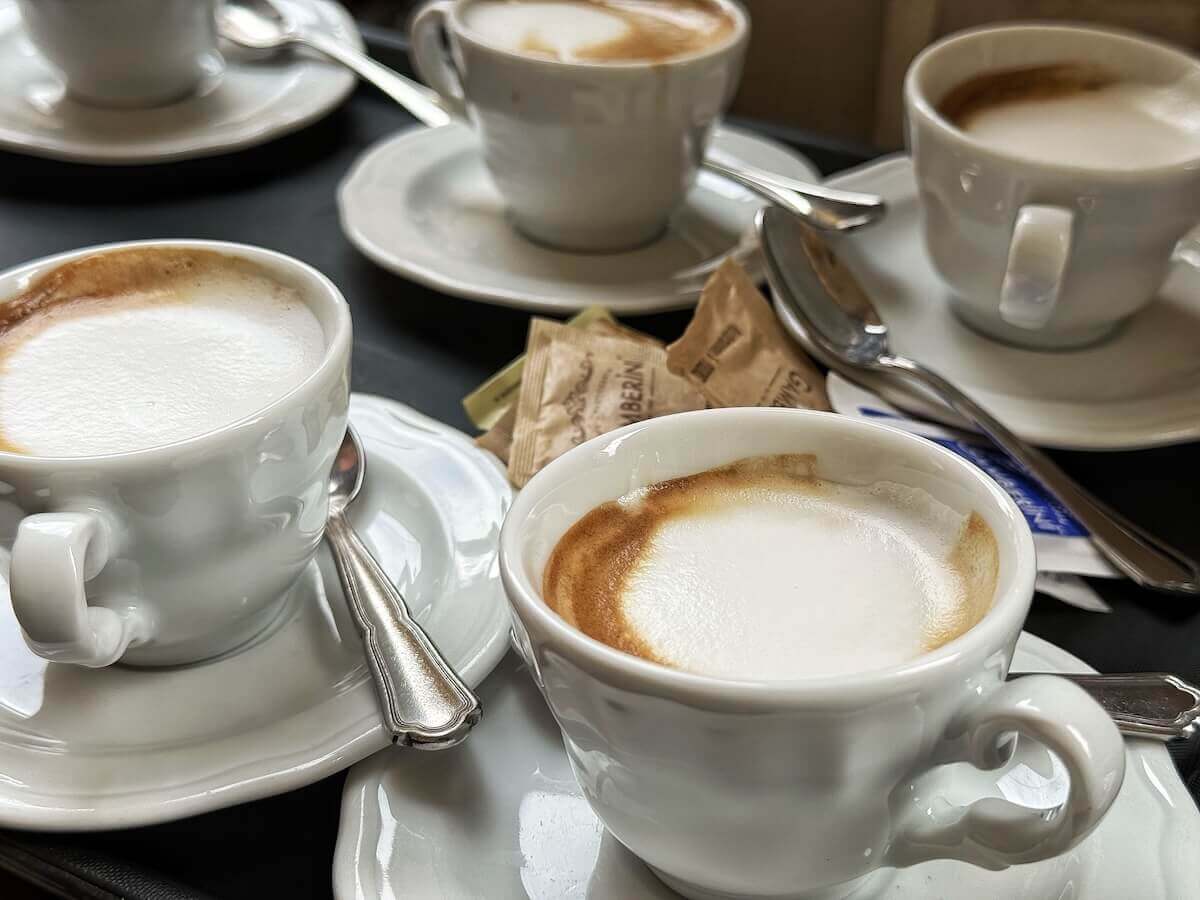
Cappuccino: Espresso with steamed milk and foam. A bit frothy and slightly sweet.
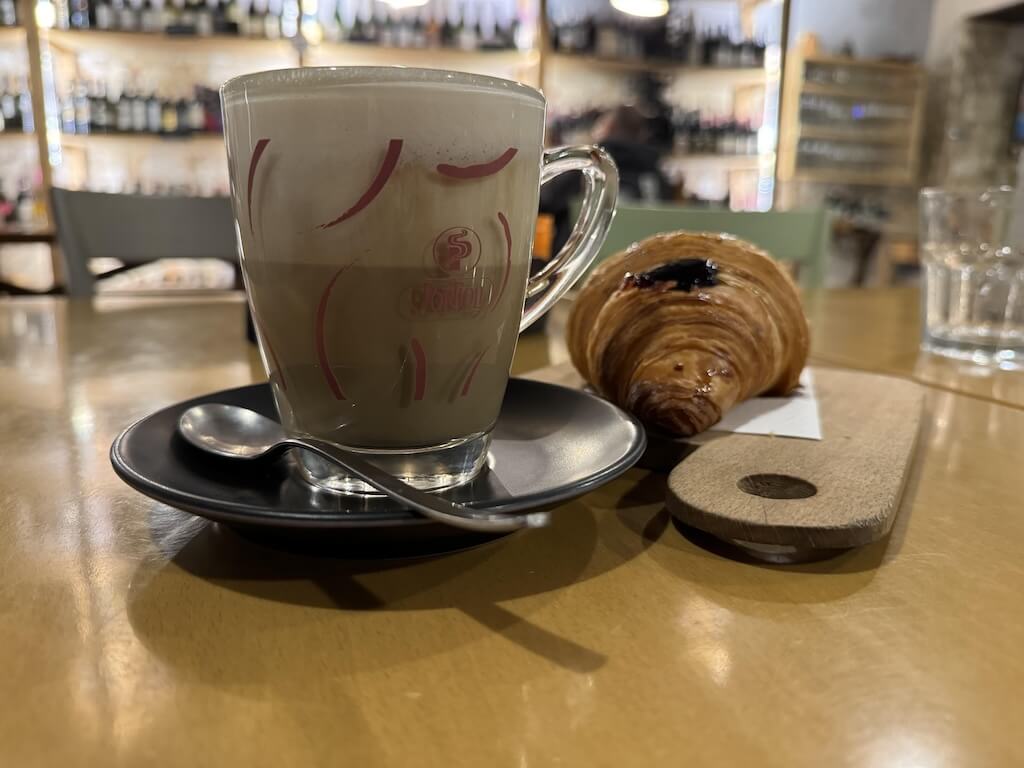
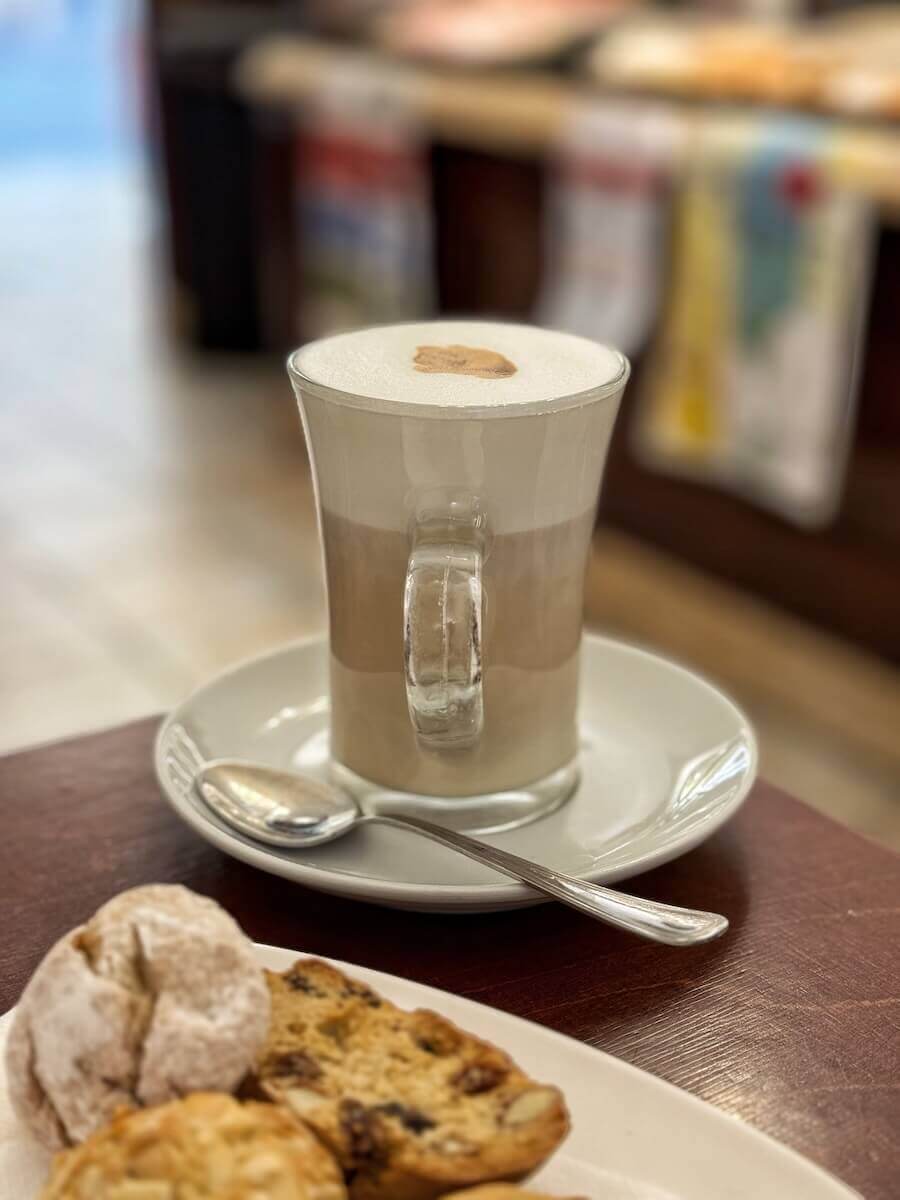
Latte Macchiato: Steamed milk with a splash of espresso. This one’s a bit milder, offering a lighter coffee flavor.
Caffè Latte: Similar to a latte macchiato but usually has more coffee in it.
Caffè Corretto: Espresso “corrected” with a splash of liquor, often grappa. It’s a bolder choice and might be enjoyed occasionally (it just might be perfect if you’re on vacation, though).

Caffè Americano: Espresso diluted with hot water for a milder, larger coffee. It’s not traditionally Italian, but it’s catching on (I drink it all the time!).
Tea: Less common but still enjoyed by some, usually with a splash of milk or lemon.
Fresh Juice: Often orange or grapefruit, it’s a refreshing alternative to coffee, especially in the summer.
Milk: Plain milk, hot or cold, is a simple choice that pairs well with cookies and cereals.
Many Italians drink coffee for breakfast, but other popular alternatives include a refreshing juice, a warm cup of milk, or even tap water. For example, I drink a glass of water as soon as I wake up.
FAQs on Italian Breakfast
Italians typically have breakfast between 7:00 am and 9:00 am, before heading out for work or school. It’s not uncommon, as you wander the streets of any Italian city early in the morning, to hear the sound of espresso machines and espresso cups coming out of “bars” (the word we use to refer to cafés).
Breakfast at home in Rome is no different from breakfast in the rest of the country – and it’s typically charged with carbs. But if you go to a bar, you’ll see that lots of people eat something more typical from Rome, like maritozzi con la panna, a popular local pastry made with a light dough and stuffed with lots of whipped cream.
Breakfast in Italy differs depending on whether we eat at home or at a bar. When at home, most locals prefer to have a hot drink (coffee, tea, or caffellatte) with some sort of cake or pastry. Others have yogurt and cereals. At a bar, most Italians would opt for a cornetto (similar to a croissant, but more doughy) and a cappuccino.

Conclusions On The Perfect Italian Breakfast
Breakfast in Italy might not be as extravagant as some might expect, but it reflects the Italian way of life—simple, satisfying, and steeped in tradition. From the quick café breakfast to the leisurely hotel spread, each option offers a taste of Italian culture and daily routines.
As an Italian myself, I cherish these morning rituals, whether it’s enjoying a strong espresso at the bar or savoring a homemade cake. Breakfast in Italy may be modest, but it’s filled with warmth and authenticity that truly capture the essence of Italian living.
So, next time you’re in Italy, regardless of which Italian city, take a moment to enjoy a classic breakfast and savor the simple pleasures of the morning.
Recommended Readings

PIN IT!