
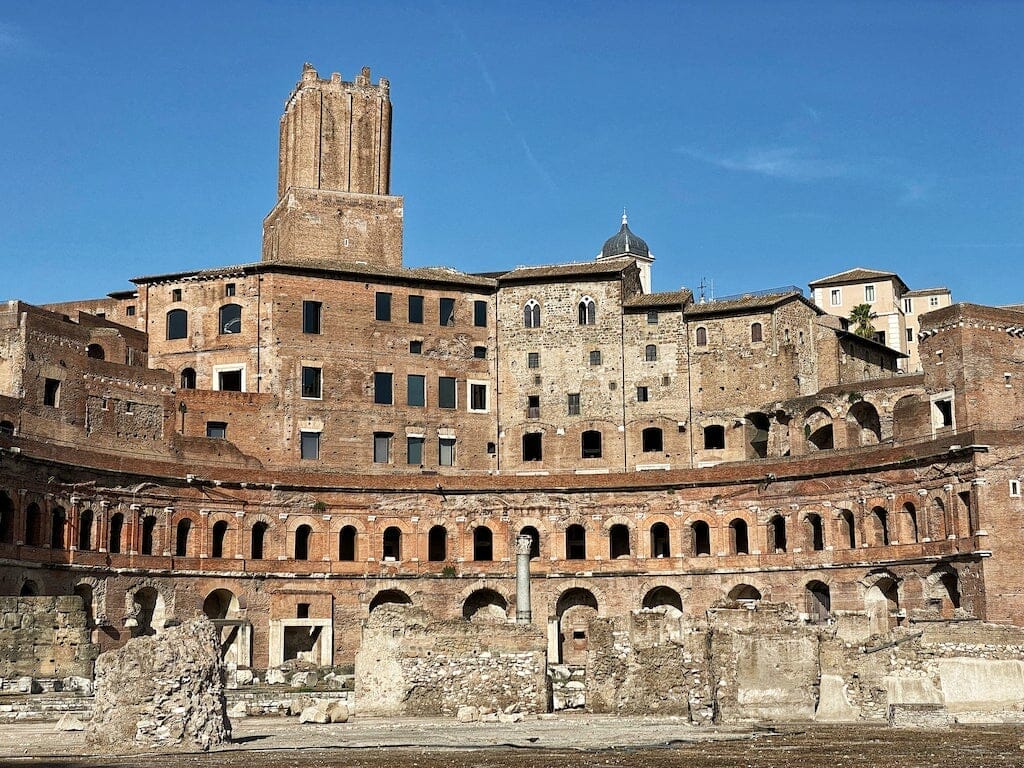
What are the scams in Italy you should avoid? Learn from a local! I am Italian, I’ve lived in Italy my entire life, and have never really been scammed (though my bag was stolen once in Rome). I have seen all sorts of scams happening to tourists. At times, I have managed to save them; at times, I did not get there in time. I even got threatened by a guy who was trying to run a scam.
So, don’t let these scams scare you away from planning a trip to Italy.
Italy is easily one of the best countries in the world if you’re looking for history, culture, and delicious cuisine. That said, nowhere is perfect, and there are a small handful of scams in Italy that can really dampen your holiday.
You might hear of some of these on social media or in the news, but they aren’t as common as they seem. I promise.
Almost all of the popular scams in Italy are also easily avoidable, so as long as you know what to watch for, you shouldn’t have anything to worry about. Italy is generally a very safe country, with millions of international visitors each year, so you likely won’t run into any problems if you’re prepared.
Are you ready to learn about the most common scams in Italy, how to avoid them, and other general travel advice for Italy?

15 Scams In Italy You Should Know About
General pickpocketing
COMMON IN: All major cities and tourist destinations, particularly common in more crowded areas like train stations
Unfortunately, pickpocketing can happen in any major city, at any time, and to anyone. Sometimes, it’s almost impossible to avoid and spot the pickpocketers. It’s most common in crowded tourist areas but can happen anywhere.
One study from a UK company found that Italy had the most pickpocketing scams in Europe (with France, Spain, and Germany trailing behind). The study found that in Italy, there are roughly 478 mentions of pickpocketing per one million tourists.
The same study found that Rome was by far the most likely place for a pickpocket to occur, with the Trevi Fountain, the Pantheon, and the Colosseum being the most popular places in Rome. In fact, a restaurant close to the Colosseum is where I had my bag stolen in September 2022.
In Milan, you have to be extra careful around the Duomo di Milano, and in Florence, hold on tight to your belongings when at the Uffizi Gallery.
How to avoid getting pickpocketed
Sometimes, it’s hard to avoid getting pickpocketed, but it’s not impossible. My best piece of advice is to wear a secure cross-body bag with tons of zippers and little pockets. Keep the bag across your body with everything zipped up, including the main pocket and any small pockets.
You can also opt for a money belt. The most secure ones go under your clothes, making it almost impossible for a pickpocket to access your money.
If you have a backpack, wear it in front of you in crowded places, tourist destinations, and on the train. Don’t leave your bag on the back of the chair or on the floor when sitting at a restaurant – especially if you are sitting outside.
Also, try to stay vigilant and avoid “distraction” pickpocketing. In Italy, this is a specific type of pickpocketing scam in which someone creates a distraction and pickpockets you while you’re less aware.
When my bag was stolen in Rome, I was sitting at a restaurant and the thieves took advantage of a lot of people who went in and out. I had my bag on the floor and they snatched it in a matter of moments.

Mime artist scam
COMMON IN: Central squares in Florence, Italy
This type of pickpocketing scam seems to be very effective and is becoming more popular in Florence. It’s pretty simple: there are usually two mimes walking around the tourist squares; one will create a distraction, and the other will pickpocket.
They might target families in Italy, as children tend to be really interested in them, but they can target anyone with something as simple as a headshake.
How to stay away from the mime artist
The easiest way to avoid being scammed by a mime artist is to avoid them. If you see one walking around, steer clear of them, and don’t make eye contact or show interest in whatever they’re doing.

Pickpocket Express (Route 64 Bus)
COMMON IN: Route 64 Bus Line in Rome
Route 64 Bus in Rome has been nicknamed the “pickpocket express” for years now. This is the most popular bus route for tourists as it stops at many of the major tourist attractions in Rome.
The bus is usually pretty busy, and with so many tourists around, it’s like a buffet for pickpocketers.
How to not get pickpocketed on Route 64
Typically, the pickpocketers are only looking for easy targets, so just don’t be an easy target. Don’t keep your phone or wallet in your back pocket. Keep your bag on you in the front, and don’t be too flashy.

The helpful local
COMMON IN: All major cities and tourist destinations in Italy
The helpful local, or the over-friendly local, is one of the most common scams in Italy. It can appear in many different ways.
One of the most common ones is at train station ticketing machines. When you go up to the machine to get a ticket, it might take you a moment to figure things out. In the meantime, a “helpful local” will come up to you and help you out and pickpocket (or just take your money).
It happened to me too once, in Rome. I had just arrived and as I was carrying my backpack I looked like a tourist. I was trying to get subway tickets from a vending machine and a woman insisted she’d help me. I told her I didn’t need help a few times, and as she persisted I told her if she didn’t leave I’d call the police.
Another place you might get approached by a helpful local is at ATMs. They might walk up to you to tell you that a certain ATM is broken and guide you to one that “works” when, in reality, that’s the one with a card reader on it.
How to spot the helpful local
My best advice for avoiding helpful local scams in Italy is to be a bit distrustful of strangers. If someone seems overly eager to help, they likely have ulterior motives. That’s not to say everyone is out to get something from you, but in tourist hubs, it’s safest to at least assume that.
If a “helpful local” insists on helping you, threaten to call the police and this will make them desist.
Greedy photographer
COMMON IN: Rome and Florence
The greedy photographer is one of the most up-and-coming scams in Italy that’s really such a shame because everyone likes photos when they travel.
The photographer will approach you and whoever you’re with and offer to take a photo for you. Afterward, they’ll insist you give them a tip for taking the photo.
How to avoid the photographer
All you have to do is not have a stranger take a photo of you; then, they have no grounds to ask for a tip! If I want a photo and have to ask someone, I try to ask other tourists. I’ll offer to take a photo of them first, and afterward, I’ll ask if they would take one of me.
Oil painting scam
COMMON IN: Milan and Florence
This is one of the newest scams in Italy that is becoming more and more popular in Milan and Florence. Basically, an oil painter leaves their paintings on the sidewalk, usually in places where it’s really easy to accidentally step on them.
If a tourist steps on one and leaves a mark, they’ll stop them and demand that they pay for the damages. Some might even damage the paintings themselves to have a reason to stop tourists.
How to handle the oil painting scam
You can just watch where you walk carefully, especially if you spot these oil paintings laid out on the ground. If they do accuse you of stepping on one of their paintings and demand payment, just stand your ground. If it comes to it, you can always call the police to get it sorted legally.

Immoral “foreigner tax”
COMMON IN: All major cities and tourist destinations in Italy
The foreigner tax is not to be confused with a “tourist tax” in Italy, which is a legitimate tax on tourists entering a certain city and spending a night there. Usually, this tax is only around €1 to €5 per day/per person and you would pay it at your hotel.
The “foreigner tax” is most often seen at restaurants. Basically, they charge tourists more for the exact same thing that would cost a local much less. This is obviously unfair and immoral.
It’s also not to be confused with a coperto or servizio at a restaurant, both of which are legitimate and standard charges some places include on the menu. Basically, they are charged in place of tipping in Italy.
How to identify the foreigner tax
If you’re suspicious, you can double-check the prices on your bill and compare them with the menu prices to make sure they match. You should also make sure you have the official menu when ordering.
Taxi scams
COMMON IN: All major cities and tourist destinations in Italy
Taxi scams are one of the most frustrating scams in Italy because they happen when all you want to do is get from point A to point B.
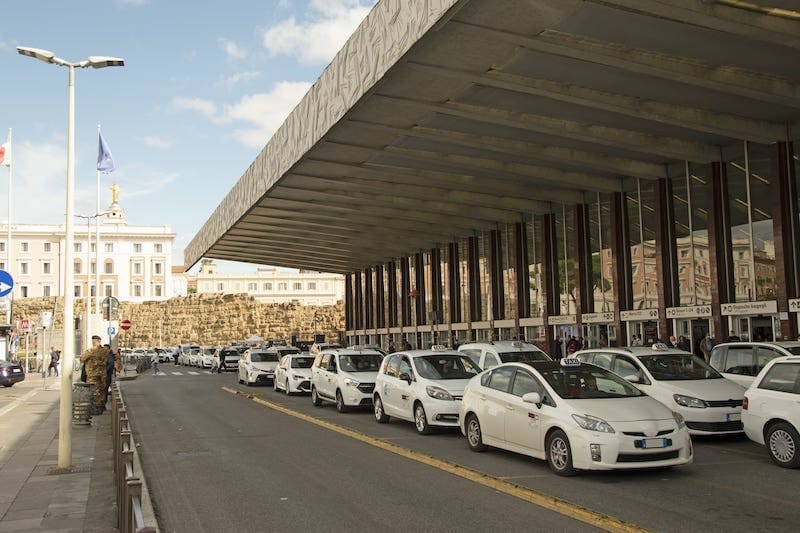
Italy actually has strict regulations on taxis, but there are tons of illegitimate taxis in all major cities in Italy, tourist destinations, and outside airports.
At airports, they always line up in arrivals terminal, so just walk out where the official taxis are waiting for customers in the car, and in a clear line. Usually, the simplest scam is simply overcharging you (sometimes by a lot).
They might claim the meter is not working, so they’ll give you a fixed price, hoping you don’t know the going rate (beware many airports in Italy work on a fixed rate to the city center). Or, they might even tell you the meter isn’t working halfway into your journey and give you an extremely high fixed price.
If they do use a meter, they might take a very roundabout route to your destination to ultimately extract more money.
How to not get scammed with the taxi
The easiest way to avoid getting scammed in Italy by shady taxis is to not take one. There are official taxi stands just outside the airport and near all the main tourist destinations.
Also, avoid flagging down a taxi from the side of the road and try to find an official stand instead. These ones are marked with T sign and there will be “taxi” written on the ground. They are regulated and never really have any problems.
Uber and rideshare apps are also becoming more popular, but only in the last year or so. Sometimes, they’re actually more expensive than official taxis, but they can also provide a little peace of mind if you’re really stressed about getting scammed.
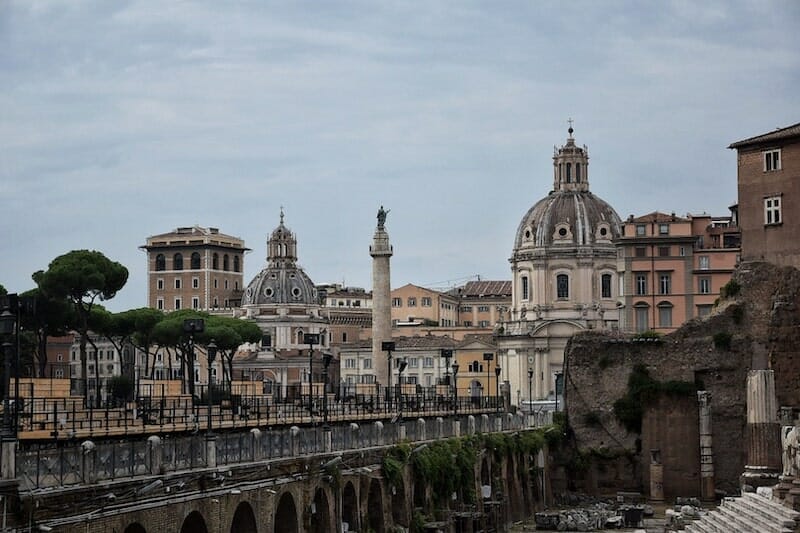
Friendship bracelets
COMMON IN: All major cities and tourist destinations in Italy
Unfortunately, friendship bracelets are one of the most common scams in Rome and throughout Italy (actually, in Europe). I’ve actually seen this one several times, and I even interfered on one occasion.
Basically, a friendly person (not necessarily a local and often a hawker selling souvenirs) approaches you with some light-hearted banter. During the conversation, they’ll slap a colorful “friendship” bracelet on you and tell you some story about its meaning or background.
Once you’ve shown interest or not returned it immediately, they’ll ask that you pay for it. And they’ll usually ask for an amount higher than the actual value of the simple little bracelet.
How to avoid getting a friendship bracelet
The best thing you can do is try to avoid this situation and these people entirely. Don’t let anyone get too close to you and invade your personal space enough to put something on your wrist. If they’ve got you, you should just give the bracelet back right away and walk away. If it goes even further, tell them that you’re going to call the police.
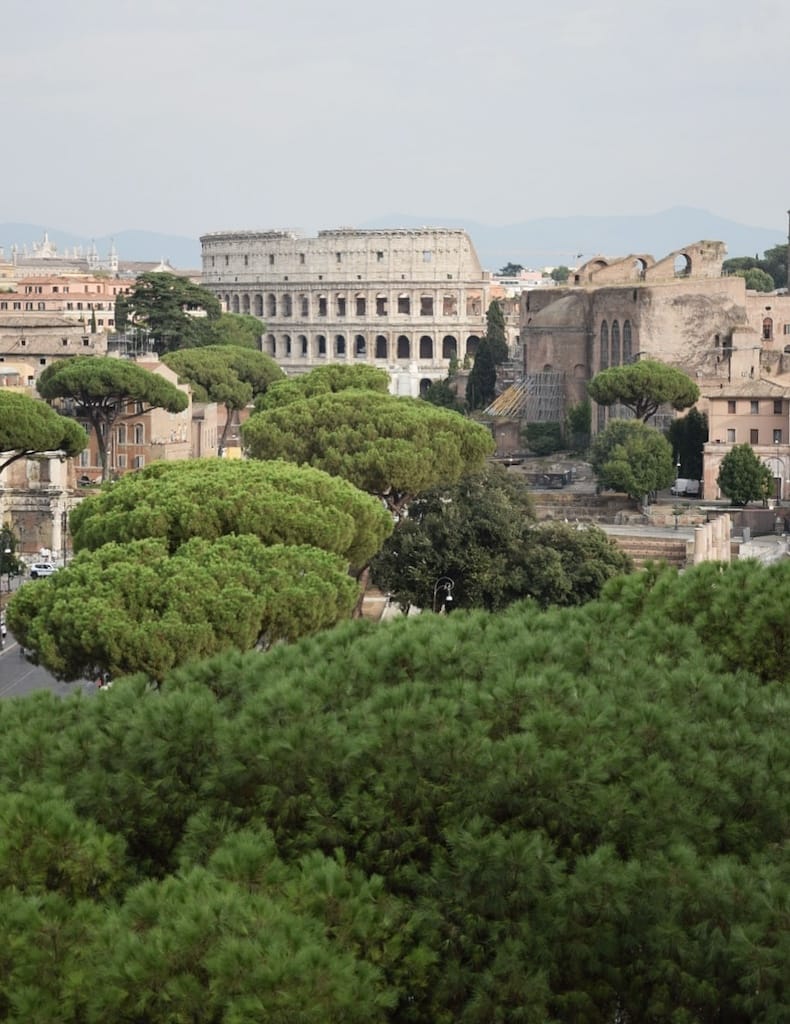
Tours and tickets on the street
COMMON IN: Rome, Milan, and Naples
Unfortunately, you find a lot of fake or simply overpriced tours and tickets being sold on the street.
There’s even a word for it: a bagarino in Italian translates to ticket tout. A bagarino is a person who sells tickets at a higher price than you’d pay if you booked in advance. They also like to brag about their “skip-the-line” tickets at certain attractions, which can seem extra appealing once you see long lines at a tourist attraction.
There are also fake tour guides. These ones might actually give you a real tour (or, more likely, they’ll just disappear after you’ve paid), but they aren’t good, and they are not certified. In Italy, there are actually very strict regulations on tour guides, all of which must be officially certified and licensed.
How to not end up with fake tickets
You should book tickets in advance through official tour companies, online tour providers, or even directly through the official website of the attraction you’re interested in. Don’t even entertain people on the street who chase you down to sell you tickets or tours.

Fake souvenirs
COMMON IN: Everywhere in Italy
This is one of those scams that’s not unique to Italy. In fact, I see it literally everywhere I go. That said, it’s still something to watch out for. Basically, a lot of souvenir vendors brag about how their souvenirs are Italian-made, handcrafted, and super authentic.
When in reality, you’ll find these identical souvenirs in every major city in Italy. They are not unique if you can find them everywhere, and it’s possible they’re even made somewhere outside of Italy.
How to identify fake souvenirs
Usually, it’s pretty obvious. If you see the same thing everywhere, it’s probably not handcrafted and authentic. If you want to find real souvenirs, try shopping at official shops and look for more unique gifts.
Also, if you really want to buy one of these mass-produced souvenirs, go for it. There’s nothing illegal about it. It’s just not as Italian as you might think it is.
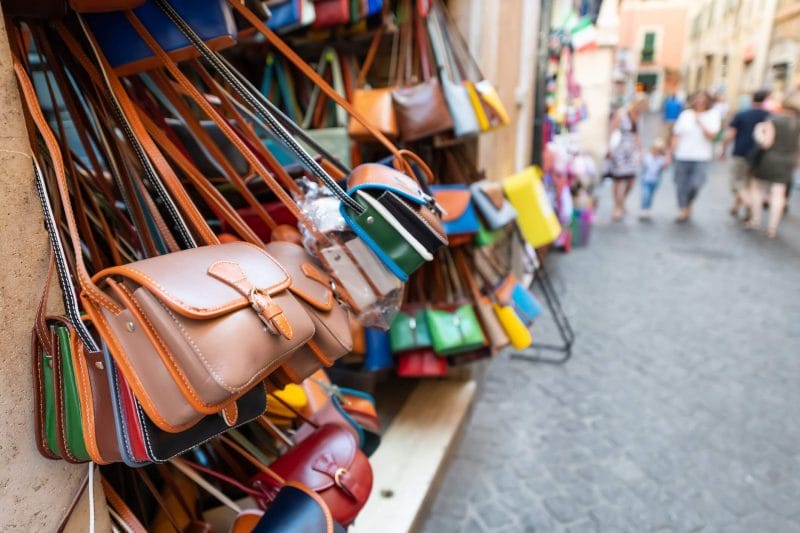
Fake brand-name products
COMMON IN: All major cities and tourist destinations in Italy
While buying mass-produced souvenirs is not against the law, buying fake name-brand products is, and you can actually get fined for this one.
You’ll usually find these fake name-brand goods from street vendors. They’re still very expensive, but they are cheaper than the real deal, and the vendor may even swear up and down that it is the real thing.
However, if you get caught with a fake brand-name product in Italy, you can receive a fine.
How to spot fake brand-name goods
Sometimes, it’s obvious; sometimes, it’s not. The best thing you can do is simply not buy anything designer at any street stalls. If you want something like that, go to the store itself and do a little shopping.

Requests for tips
COMMON IN: All major cities and tourist destinations in Italy
This isn’t so much a scam, but it’s still really annoying and becoming more popular. Basically, more and more businesses and people are requesting tips from tourists (specifically near the main tourist hubs).
If you don’t already know, tipping is not very common in Italy, so asking for tips from foreigners (specifically Americans) because they know they might tip is a little low.
How to know when tipping is appropriate
I just recommend reading up on tipping in Italy. We don’t tip that much, and only in very specific scenarios. For eating out, we usually tip 10% or less at nicer restaurants, and most of the time, just the change from the bill.
If someone asks for a tip in a situation when tipping isn’t expected, feel free to just say no. That’s well within your right.
If you’d like more information about Italy’s tipping culture, make sure to read my article, Tipping In Italy: The Ultimate Guide, From A Local. The article shares a lot more detailed information on when/if tipping is expected.

Fake police officers
COMMON IN: All major cities and tourist destinations in Italy
The fake police officer scam is one of the most frustrating scams in history because it’s honestly difficult to detect, and everyone’s instinct is to comply with a police officer.
Basically, the scammer will be dressed in fake police officer clothing or normal clothing and just tell you they are police and show you a badge. They’ll stop a tourist and insist on a security check, where you’ll have to show your passport and identification, and when you’ll likely pull out your valuables.
During the security check, money or other valuables might go missing, and you won’t even realize it.
This irritating scam can happen in any major city, though it seems to be more common in Rome. But fortunately, it’s pretty rare. I’ve never seen it with my own eyes. I’ve only heard of it.
How to know if it’s really a fake police officer
This one is hard to avoid because official police officers are entitled to stop anyone for a security check, and sometimes, it can be close to impossible to differentiate between scammers and the real deal.
I recommend that you follow your instincts. If you’re skeptical of the police’s legitimacy, you insist that the search be carried out at the police station and not on the street.
Disabled people asking to sign petitions and donate
COMMON IN: Rome
This is yet another frustrating scam and is becoming more and more common worldwide. I see it around Rome a lot, and this is what it looks like:
A group of children or young adults approaches you and asks you to sign a petition for a specific cause with a small flyer explaining the cause. If you try to talk to them, they point to their ears or mouths, implying that they can’t hear or talk with you.
While you’re signing the petition, one of the children might pickpocket you. Or, after you sign the petition, they might start demanding money for the cause.
This scam, in various variations, is found in basically every tourist city around the world. I’ve encountered a similar scam in Paris, New York, London, Medellin, and Phuket, just to name a few.
How to know whether it’s a good cause or not
It’s hard to say no to this one because, of course, you might want to help out the community, especially children. It’s a really nice thought, and it’s considerate to give back to the community when you travel.
However, 99% of the time, this is nothing but a scam. Most legitimate charity organizations won’t send children or individuals out to ask for money from tourists. They’ll have some sort of event or official showcase for the cause.
Try to avoid these people entirely, and never let yourself get overrun by children because it becomes very easy to become disoriented and lose track of your valuables.
If you want to give back to the city you’re traveling in, there are other ways to do it. You can look for legitimate charities and donate time, resources, or money. You can also shop locally, which is another great way to support the community!

General Tips About Scams In Italy
Stay aware and follow your instincts
One of the best tips for traveling to Italy (and anywhere in the world) is to stay aware and follow your instincts. This really isn’t just for Italy; it applies to visiting any foreign destination.
Your mind picks up a lot more than you realize, and it will cue you in if it detects something unusual nearby. Follow your instincts; if you feel uneasy, it’s for a reason, so don’t ignore that feeling.
Use a cross-body bag with pockets
If you travel with a purse or bag, I recommend using a cross-body bag or some sort of sling purse that can sit in the front. The more zippers and secure pockets it has, the better. You can keep it in the front, in your sight, and place valuable in secure zippers.
This High Coast Crossbody Bag is a great choice for travelers. It’s on the larger side, so it’s perfect for a full day out of the house. There’s also an interior zipper pocket and several other pockets. For men, this Atom Sling Bag is a classic. You can wear it in the front or back, and there are several zipper pockets.
Whatever you do, don’t keep valuables loose in your pockets, and definitely not in your back pocket, where they can be easily snatched.
If you’d like to be extra cautious, you can also get a money belt that’s thin enough to wear under your shirt, like this Lewis N. Clark RFID Blocking Money Belt. The ones made for travel are usually thin enough to wear under your clothes, so it’s close to impossible to pickpocket from there. The downside is they can be uncomfortable to wear all day and not as easy to access if you need something out of it yourself.
Don’t make yourself a target
I don’t like to blame the victim. You should be able to wear what you’d like and do what you’d like without the risk of getting scammed or pickpocketed. However, that’s unfortunately not the way the world works at the moment.
If you’d really like to minimize the chances of getting targeted, then don’t make yourself a good target. Don’t wear super flashy jewelry (you don’t need this on vacation, most of the time, anyway), don’t leave your wallet, bag, or purse out in the open, and don’t casually hold your phone out while walking down a busy street. All of these things make you an “easy” target.
Basically, you want to make it as difficult as possible for someone to scam/rob you.
If you’re scammed, act fast
If you find yourself in an unfortunate situation where you are scammed or robbed, make sure to act as quickly as possible.
If your wallet or cards were stolen, cancel them all right away. If your phone was stolen, make sure to change the passwords to all your bank, social media, and email accounts. If your passport was stolen, go to your embassy ASAP.
You should also file a police report as soon as possible. They might not be able to find the perpetrator, but it’s really useful information for them to have on file, and maybe it’ll help them prevent it in the future. If your passport or ID is stolen, the police will also give you a signed document to use until you get an emergency passport.
Spend less time in overly tourist areas
Scams and pickpockets are much more common in tourist areas and cities. If you want to escape scams in Italy, you can venture to some more off-the-beaten-path places in Italy. You can also visit more local neighborhoods in major cities for a more authentic experience.
Not only will you likely meet more genuine people, but you’ll also be able to see a different side of Italy that many people miss.

Conclusions On The Common Scams In Italy
Unfortunately, scams in Italy can happen. The most common types of scams in Italy are related to pickpocketing. But the truth is that scams can (and do) happen anywhere.
The most important thing is to know what to expect, how to respond to them, and do your very best to avoid them. That’s really all you can do.
Scams can absolutely ruin a vacation. They’re one of the most frustrating things that can happen, and it’s only made worse if you end up losing your passport and/or credit cards. It’s nothing but a headache.
But they aren’t that common. While they happen, they don’t happen to everyone, and most scams in Italy can be avoided.
With the right preparation and expectations, you can easily travel all over Italy without any of these hiccups or events happening.
PIN IT!



Missed the most common scam. Supermarket. Paying for things you didn’t buy scam. Only seeing later if one checks the receipt.
I have never experienced that, or seen it here in Italy. I have seen it in other countries for sure (Morocco for example). Where did it happen to you?