
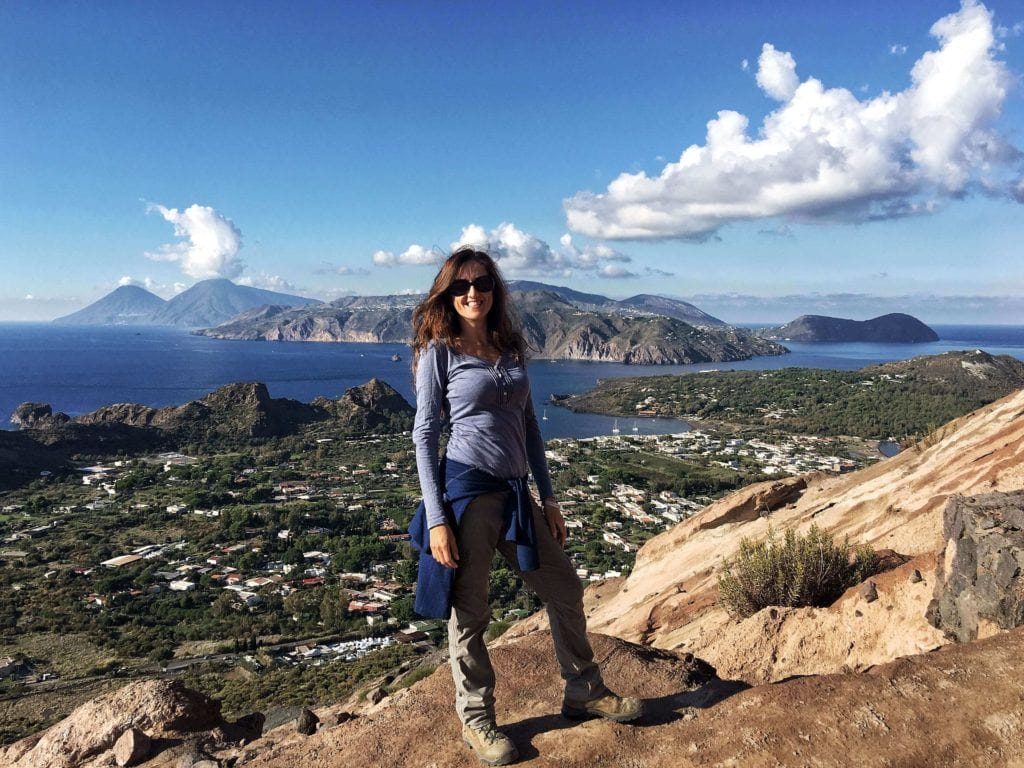
Is Italy safe? You’ve probably heard some horror stories about pickpocketing in major cities throughout Europe, some scary natural disasters, and other travel concerns, but how safe is Italy itself?
The short answer is that Italy is very safe, especially if you’re prepared and know what to expect. As someone from Italy, I know the ins and outs of this country very well. I’ve also traveled all around the world, including to some parts of the world that are generally deemed more “dangerous.”
Italy, in comparison to many places, feels much more secure.
That said, Italy is not without its faults. There is some truth in the tenacity of pickpocketers, especially in major cities like Rome and Naples (I was a victim of a pickpocketer in Rome myself!). And don’t forget that like many countries worldwide organized crime exists in Italy.
So, it’s always better to be prepared and to know what to expect in all aspects of safety. In this guide, I’ll share the biggest concerns regarding safety in Italy and some safety tips to help you be as prepared as possible.

Is Italy Safe?
Italy is located in western Europe. It shares borders with Slovenia, Austria, Switzerland, and France in the north. The rest of the Italian Peninsula is surrounded by sea. It’s a beautiful country with a volcanic landscape, mountains, pristine beaches, islands, and bustling cities.
Italy is also a very safe country, especially when stepping back and looking at the big picture. It is ranked the 22nd safest country in Europe (out of 41 on this ranking), above other popular European destinations like France, Greece, the United Kingdom, and Turkey.
In data collected by the World Popular Review on countries’ criminality and safety, Italy falls about right in the middle. Of 197 data points, Italy sits about halfway up the chart in the same caliber as New Zealand, Sweden, the United States, and the United Kingdom.
Keep in mind that Italy is also one of the most visited countries in the world. Millions of tourists flock to places like the Colosseum in Rome, the Grand Canal in Venice, the Leaning Tower in Pisa, the Amalfi Coast in Campania, and other popular places throughout the country. And most have incredible travels without even the slightest problem.
So if you are wondering is Italy safe? The short answer is yes, Italy is safe.
But there are some things to note before planning a trip to Italy. Understanding the most common scams, realizing climate threats, and staying away from protests and civil unrest will help your trip go smoothly.

Practical Information About Italy’s Safety
Italy crime rate and statistics
A very detailed report from Statista shares crime statistics in Italy over the years and has a promising conclusion. Almost all crime in Italy has been on a steady decline (with the exception of pickpocketing), including homicide rates and femicides.
The same study also found that mafia-related associations have been on the decline since 2005.
Theft and scams are the most prevalent crimes in Italy, with Milan having the highest theft rate in the country in recent years, and Naples often perceived as unsafe, but actually being much better than other cities. But no matter where you are, theft and pickpocketing are things all tourists should be aware of.

Official travel advisory for Italy travel
If you’d like more detailed information and travel advice for Italy before booking anything, you can always check official government travel advisories. These usually examine the country’s current crime trends and other factors that may prove to be dangerous.
The U.S. Department of State classifies Italy as Level 2: Exercise Increased Caution due to terrorism threats. Italy posts alerts about specific protests and demonstrations, though these are rarely dangerous to tourists. Currently, the Canadian government also issues a warning to travelers to Italy to exercise an increased level of caution due to terrorism.
The U.K. Travel Advisory on Italy currently issues a warning about volcanic activity from Etna and Stromboli in the south of Italy and warns travelers about the high levels of activity from both volcanoes.
Keep in mind that travel advisories change regularly and are often quite alarmist. They are updated constantly and revised to reflect the most recent events. So, make sure to check regularly before your trip to see if anything new has come up.

Safety in public spaces
For most people, the biggest concern when traveling in Italy is the threat of scams and pickpocketing. Therefore, public spaces are where you need to be the most aware and cautious.
There are a handful of common scams in Italy, and Rome is one of the most famous cities in Europe for sneaky, clever, and persistent scammers.
Be extra aware in crowded areas
The most common places for pickpocketers and scammers are crowded tourist areas and major bus and train stations in Milan and Rome. If you’re in a tourist area or on a crowded station, be extra aware and keep your belongings close and out of reach of potential pickpocketers.
Don’t put things in your back pocket, don’t leave your bag unattended or even out of site at a restaurant, and don’t fall victim to distraction techniques.
One of the most successful forms of pickpocketing in Italy happens with distraction techniques. A distraction technique can be as big as a fake fight set up in a tourist area to distract people while someone goes through and pickpockets them or something as small as a sudden bump on the shoulder when walking to throw you off.
The point is that they try to distract you while then pickpocketing you.
Be cautious of overly friendly locals in tourist areas
Italians are very nice, open, and generous. However, not all have the best intentions, especially in major tourist hubs. The “overly friendly local” is a common form of scam where someone just comes across as extra nice, trying to help a tourist with something, and then they get you with a scam.
The “friendship bracelet” is a common scam in some major cities. Someone (often not a local, to be fair) will come up to you and make pleasant small talk. Once you’ve responded, they’ll put a bracelet on your hand or hand you one without your permission.
When you try to give it back, they’ll refuse the money and say it’s a gift, tell you a tragic story that’s likely made up, ask for a tip, and follow you around.
Unfortunately, the best way to completely avoid any possibility of a scam from an overly friendly local is to just ignore any strangers on the street who seem to want to chat in the tourist areas. This is really only an issue in major cities in Europe and near the big tourist attractions.
Transportation safety in Italy
Transportation in a foreign country can feel overwhelming, and even more so if you have to worry about scams or other dangers. But it’s really not as scary as it seems, and you have to remember that issues on public transport in Italy are rare.
Be careful with taxis
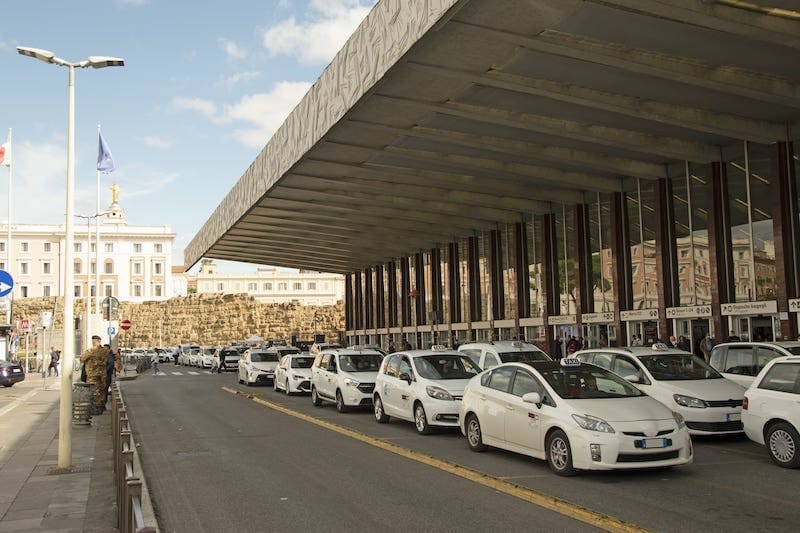
Taxi scams aren’t super common, but they do happen, unfortunately. Usually, it’s just the driver who won’t turn on the meter (or turn it on and opt for the longest route) and has a base fare rate way higher than the official one.
Just take official taxis, and you should be fine. There are designated taxis at the airports, train stations, and throughout the city.
Most cities in Italy have Uber or other local rideshare apps, but believe it or not, these are usually more expensive than taxis (besides, in many cities when you call an Uber you still get a taxi). However, they have their advantages, as there’s a much lower risk of getting scammed.
Hold your belongings on public transportation
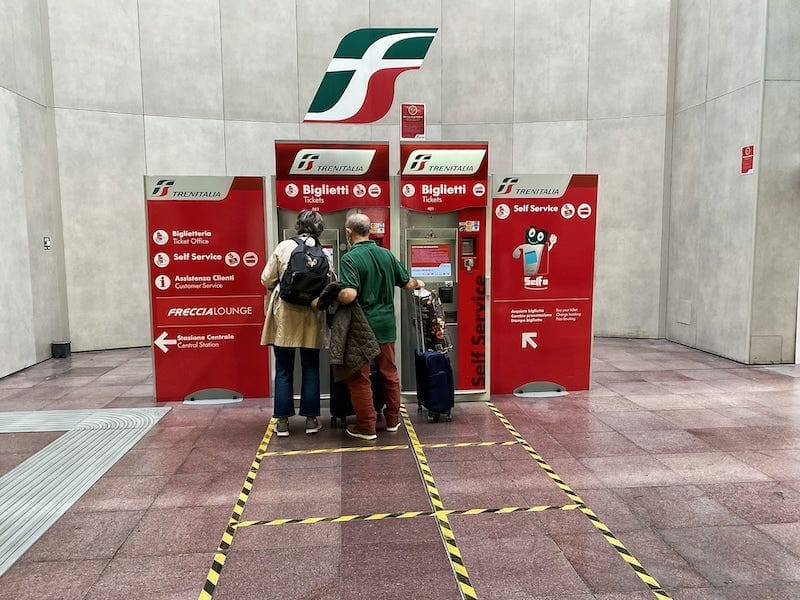
Public transportation is the easiest, cheapest, and usually the best way to get around in Italy – within a city, and between different cities and towns. However, some routes can get crowded. So, it’s important to keep your valuables in a safe spot and out of reach of pickpocketers.
I’ve actually heard some people call Bus 64 in Rome, which goes from Termini Station to Vatican City, “Pickpocket Express” because it’s so much more common that pickpockets occur there. So, be extra cautious when taking public transportation in ultra-touristy areas.

If you rent a car, follow the road rules
Driving in Italy is really fun and a great way to explore some more off-the-beaten-path spots around the country. It’s also pretty safe, and most of the roads and routes are well taken care of. However, you should always make sure to follow the rules of the road.
If you get a ticket, please pay it before your departure (or pay it as soon as your rental car agency notifies you). I’ve heard some horror stories where the rental car company sends the unpaid ticket to the renter’s home country and can even take legal action, making it much more expensive and annoying in the long run.
You don’t really need to rent a car in the cities in Italy, but it’s really fun to have for little road trips or to explore some lesser-known destinations near the tourist hubs. If you decide to rent a car, I recommend DiscoverCars. It’s a great international car rental service where you can compare cars and prices, and it has rental cars all over the country (and the world).

Food and drink safety in Italy
Food and drinks are totally safe in Italy. You can drink tap water, and there isn’t an abnormally large risk of food poisoning or anything like that. Considering Italy has some of the best food in the world, the biggest concern is making the most of your time and not wasting any of it on a bad meal.
You’re more likely to come across some not-so-great Italian foods if you aren’t aware of common myths about Italian food, so make sure to also read my article, Shocking Misconceptions About Italian Food (From A Local).

Bring a water bottle
You can drink tap water in Italy, so bring a water bottle and remember to fill it up whenever you get the chance.
Restaurants in Italy don’t give you massive cups of free ice water like they do in the United States, so just remember to keep yourself hydrated. Luckily most Italian cities have an abundance of water fountains where you can fill up.
I highly recommend this LifeStraw Water Bottle for travel (and even regular use). It’s a stainless steel water bottle that also filters out microplastics, bacteria, and parasites. Bacteria and parasites shouldn’t be an issue in Italy at all, but it’s nice to have for future travels, as well.

Avoid overly touristy restaurants
I strongly suggest you stay away from the overly crowded, touristy restaurants. They’re usually centered around the main square or along the streets near the most popular tourist attractions. You can also easily identify them based on the menu.
These restaurants are more likely to have Americanized Italian food on the menu, or items that aren’t regional (ie lasagne in a restaurant in Rome). You likely won’t get sick at these restaurants (although they might not prioritize cleanliness as other places), but you definitely won’t enjoy your meal as much.
Instead, go where the locals go and find some more hidden gems. If you’re still at a loss where to eat, don’t be afraid to ask the reception at your hotel or even join a guided food tour.
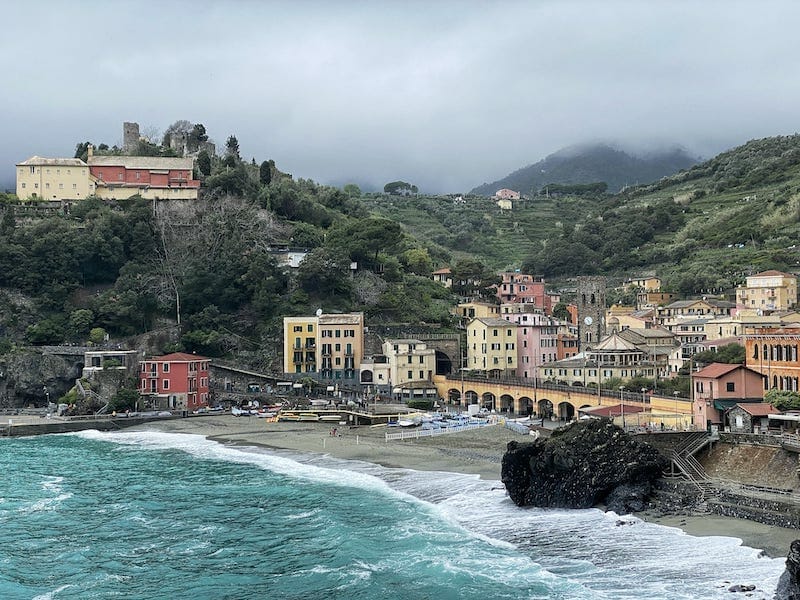
Natural disasters in Italy
Is Italy safe in terms of natural disasters? Well, natural disasters are one of the biggest threats to Italy. According to the World Risk Index, Italy is the 52nd most disaster-prone country in the world and has the highest World Risk Index report in all the European Union.
Volcanic eruptions, landslides, earthquakes, avalanches, and floods are all possible throughout Italy.
In May 2023, intense flooding in Emilia-Romagna evacuated thousands and resulted in over a dozen deaths. In February 2024, an avalanche in the Italian Alps killed one and seriously injured two. Another avalanche in March 2024 blocked a tunnel in Aosta Valley, which would’ve been very scary to be caught up in.
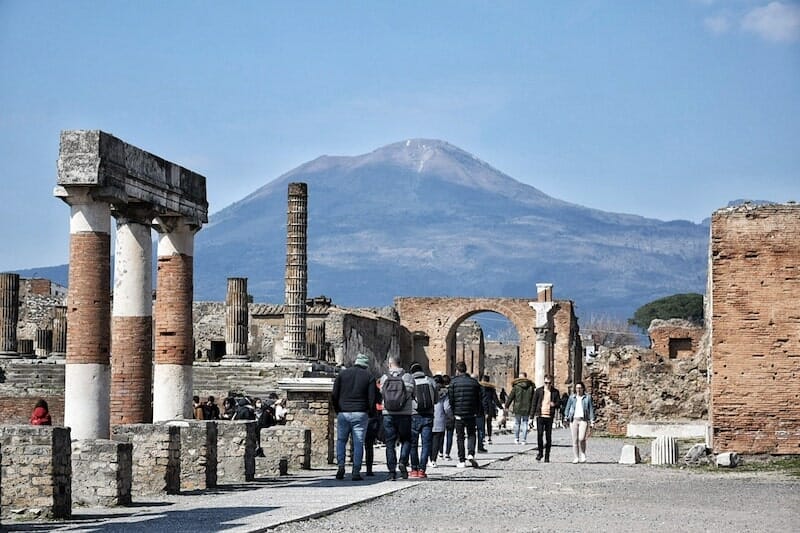
In July 2024, Etna and Stromboli (two of Italy’s most active volcanoes) shut down airports and caused some travel headaches. And don’t forget about the world-shattering eruption from Mount Vesuvius that buried the city of Pompeii.
Don’t let this scare you
None of this is meant to scare you away from Italy. Italy is a hotspot for natural disasters, but they’re still relatively rare. And fortunately, there are some of the brightest minds in the world on our side. There’s almost always a ton of warning before any natural disaster strikes.
So, not only are the chances of being involved in an epic disaster during your travels slim to none, but as long as you follow the advice of the government and environmental organizations in the event of an emergency, you should be fine.
Again, millions of people travel to Italy each year, and most travels go on without any volcanic disruption, earthquakes, or avalanches.
Stay up-to-date with alerts and weather
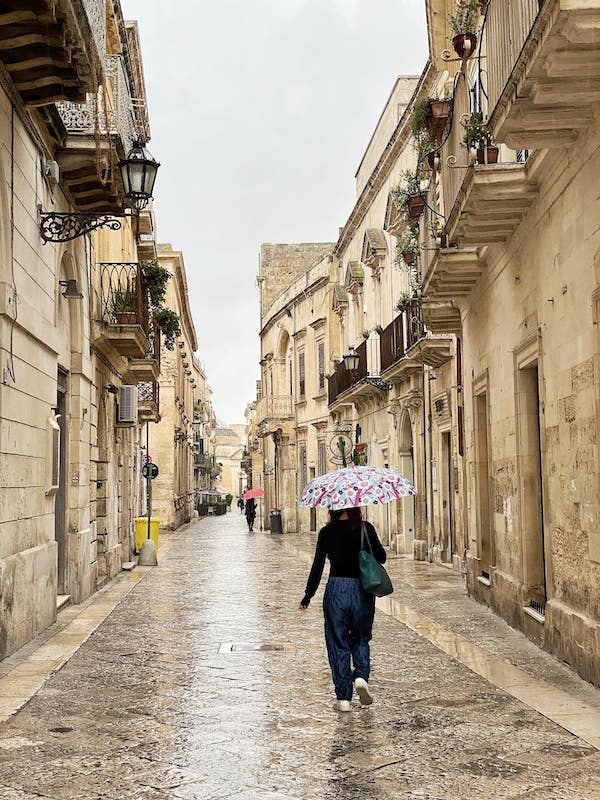
The best thing you can do to avoid unpleasant weather is to stay up to date with travel advisories and warnings before you travel to Italy.
If you’re traveling to the Alps for some winter skiing, make sure to check with your resort about mountain/trail closures due to an avalanche and follow all the advice given for your trip.
If you’re traveling to a place at risk of flooding, check the forecast ahead of time and try to avoid a chaotic place if a flood warning is issued. Likewise, there may be extreme hot temperatures alert during the summer months, in which cases the best advice you will get is to stay hydrated and to avoid staying out in the peak hours of the day.
You should also read my article, When Is The Best Time Of Year To Visit Italy? I share more insider tips about the weather and the regions during the different seasons.

Social unrest in Italy
Italy is not the most volatile country, but there are protests and some social unrest here and there. They usually don’t turn violent, but they can get a little intense, especially for travelers passing through.
Most protests happen in the city center, near government buildings, and sometimes on major highways (specifically designed to disrupt transportation to gain attention).
Don’t get involved in protests as a tourist
My best advice is to simply not get involved in a protest as a tourist – and this apply to anywhere in the world. If you’re passing through and you spot a protest, just keep walking. Most of the time, they are peaceful, and nobody will get hurt, but it’s not really something a tourist needs to get involved in.
Check ahead for protests/strikes
If you’re traveling around Italy by car or train, check ahead of time for strikes and roadblock protests. There are semi-regular strikes that shut down the trains and buses for a day or so, but these are always announced ahead of time, so it’s easy to plan around them.

Is Italy Safe For Solo (Female) Travelers?
Is Italy safe for solo travelers? And, importantly so, is Italy safe for solo female travelers?
Yes, Italy is safe for solo travelers and solo female travelers. There are risks all over the world when traveling alone, but Italy is not known as a particularly dangerous location for solo backpackers and female travelers.
And if you stick to more tourist areas, you’ll also be able to meet other travelers very easily. So, don’t stress, Italy is one of the best places for solo travel, and the community is equally as warm to solo female travelers.
If you’re traveling alone, here are a few additional safety tips to help make your travels as smooth as possible.

Don’t trust someone who’s just too friendly
As mentioned above, one of the biggest scams and threats anywhere you may travel is the “overly friendly local” who begins the conversation, wins over your attention and proceeds with some sort of hidden scam.
Solo travelers are a prime target because they tend to be more open to casual conversation with a stranger.
If you’re traveling alone in Italy, you’ll certainly come across some really lovely locals (hey, I may be one of them!) and meet some incredible people. But when you’re visiting the super tourist spots, like the Colosseum, or around a busy train or subway station, be cautious of locals standing around and seeming almost too eager to help you.
Ask reception for tips
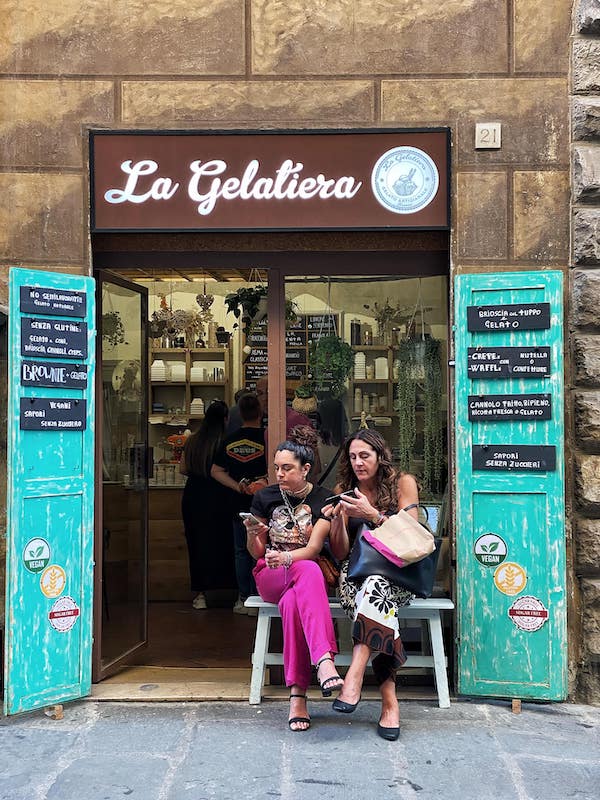
One of the hardest things about traveling alone is trying to find the best places in Italy to eat, drink, and see amazing things. When in doubt, ask a local. Your hotel reception or concierge can give some really wonderful local tips, so just ask them if you don’t know where to go.
They’ll likely point you in the direction of great restaurants, bars, and other tourist activities. They come across solo travelers all the time, so you can also ask nearby places to meet other people, and they might have some good tips for you.
Don’t be afraid to ask “tourist” questions. That’s how you’ll find some of the best little hidden gems.
Want some additional local tips? Check out my guide, Must-Read Travel Tips For Italy. I’m from Italy, live in Italy, and have traveled all over the country, and have some wonderful tips to share.

Book guided tours
Planning tourist activities can also be a little more challenging if you’re traveling solo, so an easy workaround is to join some guided tours.
The guided tours usually handle transportation and entry fees, and sometimes even lunch. It makes planning a million times easier, especially in Italy, where you really need to be on top of things and book everything well in advance.
You can also meet other travelers on the guided tour, so it’s a good place to meet friends. Furthermore, you can ask your guide for some local recommendations, and you don’t have to worry as much about scams and all that if you stick close to the group.

Share your location with family and friends
This isn’t unique to Italy or traveling in Europe, but whenever I travel alone, I always keep my friends/family updated with my location whenever possible.
Most likely, nothing bad will happen to you in Italy. But having someone you know and trust in the loop can relieve some anxiety and make you feel less alone.
You can share your location on some phones and through different apps. I know you can permanently share your location with another phone in the United States. In WhatsApp, you can set your phone to share your live location for a designated amount of time.
Just be careful, as this can eat up your data (for this reason, one of my best safety tips is to get a local SIM card or even an eSIM such as this one). You can always share it while you’re in transit.
Be careful when drinking alone
Going and drinking alone in Italy isn’t all that different from other Western countries, but it’s always something to be careful about (especially as a solo female traveler).
The last thing you want is for something bad to happen and for your entire trip to be ruined. Unfortunately, it’s up to us women to practice some basic awareness measures to just make sure we’re doing what we can.
Never accept drinks from strangers, don’t stay out too late, and try to go out with other solo travelers from your hotel/hostel/tour if that’s possible.
Conclusions On Safety In Italy
So, is Italy safe?
Italy is as safe as any place in Europe and, honestly, much safer than some places in South America and other parts of the world.
There really isn’t much violent crime (especially against tourists), and the popular cities are built to handle large groups of tourists, even during times of natural disasters.
So, please don’t let any of these Italy safety tips make you anxious or scare you away. While it’s good to be aware of the risks, scams, and pickpocketing that do happen on occasion, the reality is that nothing significant happens to a majority of travelers in Italy.
Come prepared and know what to expect so you can enjoy the amazing Italian culture, food, scenery, and history. After all, are there any better reasons to visit Italy than the culture, food, scenery, and history?
PIN IT!


Claudia Tavani
Claudia Tavani was born and raised in Sardinia, and after moving between the United States and the United Kingdom, she's now back living in her hometown, Cagliari. She's a travel blogger and certified travel designer who loves planning trips and publishing guides, travel tips, and packing lists so that you don't have to. Owner of Strictly Italy, cat mom to Minnie. Loves pizza, hiking, archeology, cities, beaches, swimming, and running. Hates peppers.