

There is a grand total of 20 regions of Italy (although some will argue 21 regions because Trentino-Alto Adige/Südtirol is further split into two autonomous provinces).
Italy regions are often divided and sorted into four categories: Northern Italy, Central Italy, Southern Italy, and the islands of Italy. It’s important to recognize the distinctions between the regions, as their differences are based on history and cuisine.
It’s also good to understand the geography of Italy if you’re planning to travel to Italy.
As an Italian who loves to travel around her own country, I’ll share with you the 20 regions of Italy, some main defining characteristics, and some of the best places to visit within each region.
The travel guide follows a geographical order from north to south, concluding with the two island regions of Italy. Are you ready to learn all about the regions of Italy?

Brief Explanation Of Regions, Autonomous Regions, And More
There are 20 regions in Italy, but some people count 21 because the Trentino-Alto Adige/Südtirol region is further divided into two autonomous provinces.
Out of the 20 (or 21) regions, five autonomous regions exist: Aosta Valley, Trentino-Alto Adige/Südtirol, Friuli-Venezia Giulia, Sicily, and Sardinia.
These areas have autonomy about the region’s economy, administration, and legislation but are still part of Italy.
Italy also has two independent states within its borders: Vatican City and San Marino. While they share borders with Italy and look like a small region on a map, they are completely independent of it.

Describing The 20 Regions in Italy
Northern Italy
Aosta Valley
We’re starting with Aosta Valley, the smallest and least populated region in Italy. It’s located in the northwest, north of Piedmont, and borders France and Switzerland.
Because of its location, there’s a lot of diversity. In fact, French is an official language alongside Italian in Aosta Valley. Less than 2% of residents speak French officially in Aosta, but it’s still there.
Aosta Valley is most famous for being home to Gran Paradiso National Park. The Alps, including Mont Blanc and the Matterhorn, dominate it. So, it’s truly a nature lovers paradise and is the perfect travel destination in Italy or a day trip from Milan.
Aosta Valley is rich in historical and cultural knowledge. The town of Aosta has an ancient Roman theater, the Arch of Augustus, and other relevant sites. So, it’s the perfect place for a little mix of culture, education, and nature.

Things to do in Aosta Valley:
Here are some of the best places to visit and things to do in Aosta Valley:
- Aosta Town is the regional capital and is known for its Roman ruins and medieval architecture.
- Gran Paradiso National Park is Italy’s oldest national park and the best place for hiking and wildlife spotting.
- Cogne is a small, charming village with traditional crafts and beautiful surroundings.
- Bard is home to the impressive Fort of Bard, a historic fortress with great views.
Piedmont
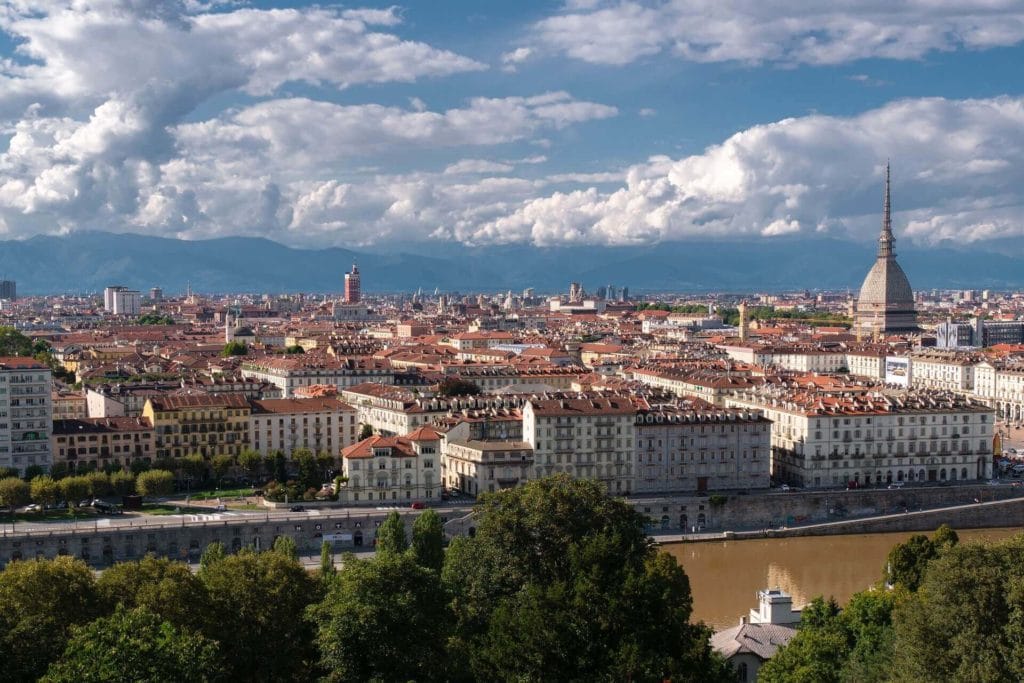
Just south of Aosta is Piedmont, home to the Po River, the longest river in Italy. It runs through Piedmont, Lombardy, Veneto, and Emilia-Romagna, flowing from west to east and ending in the Adriatic Sea.
Piedmont is located right at the base of the Alps, so it’s no surprise that there are also some incredible viewpoints (you can see the Alps from Turin) and endless rolling hills.
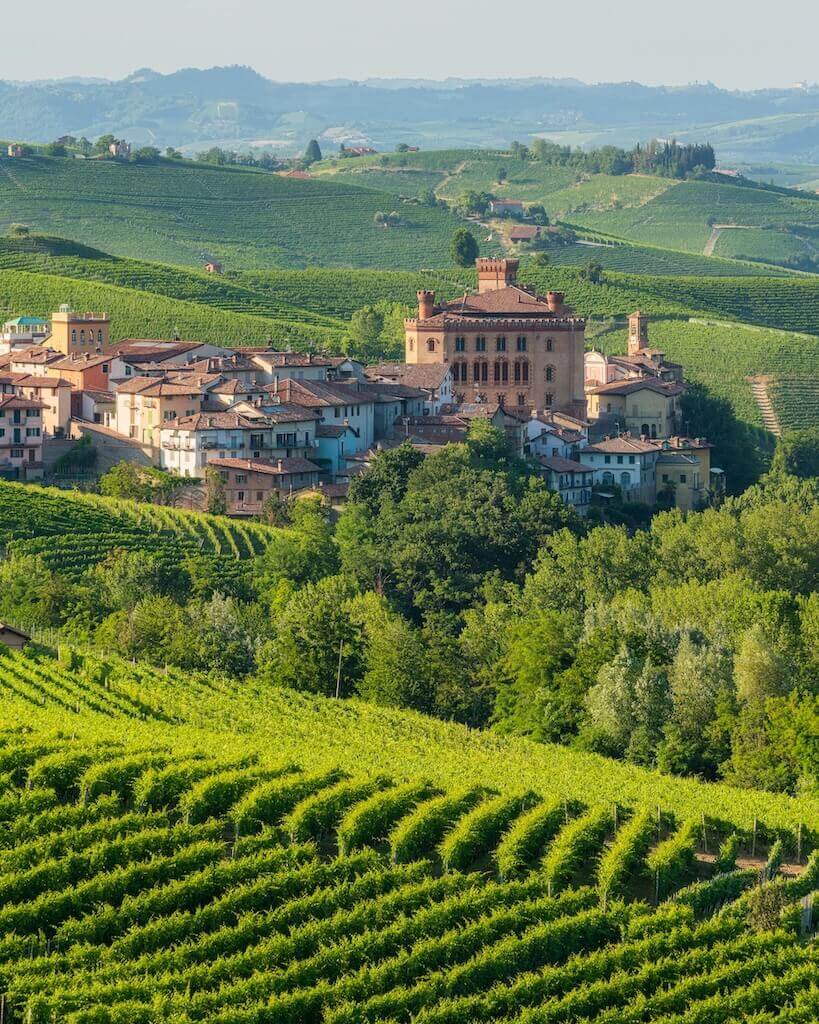
So, Piedmont is a great option if you’re looking for a laid-back place near the Alps to sample some local wine and truffles.
Things to do in Piedmont:
Here are some of the best places to visit and things to do in Piedmont:
- Turin is the capital city and is known for its baroque architecture, the Mole Antonelliana, and the Egyptian Museum.
- Lake Maggiore is a beautiful lake where you can visit the Borromean Islands and several charming lakeside towns.
- Alba is famous for its white truffles and the annual truffle fair.
- Lake Orta is an underrated lake in northwestern Italy. There’s a fascinating island there and many other fun lakefront activities.
- Barolo is a small town famous for its world-renowned red wine. Barolo and Barbaresco wines are must-tries in Italy, and if you’re in Piedmont, this is the best place to visit a local vineyard.
Liguria
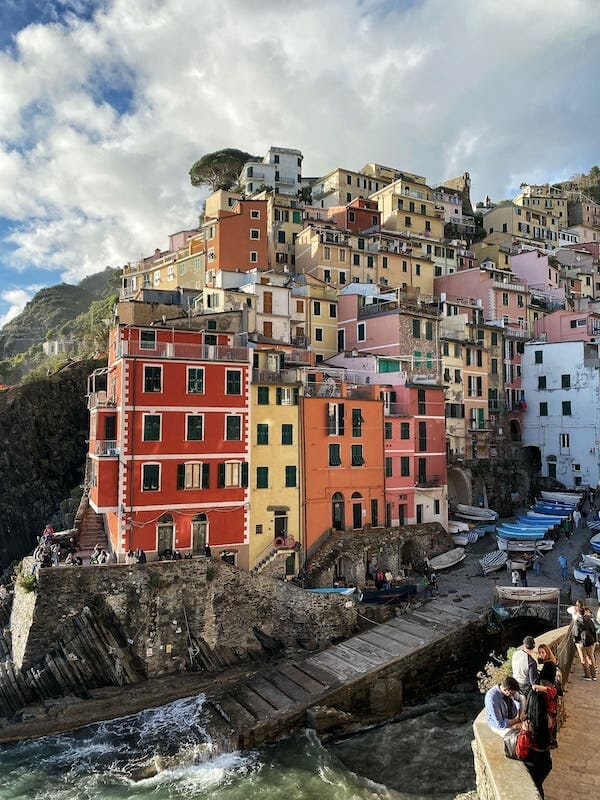
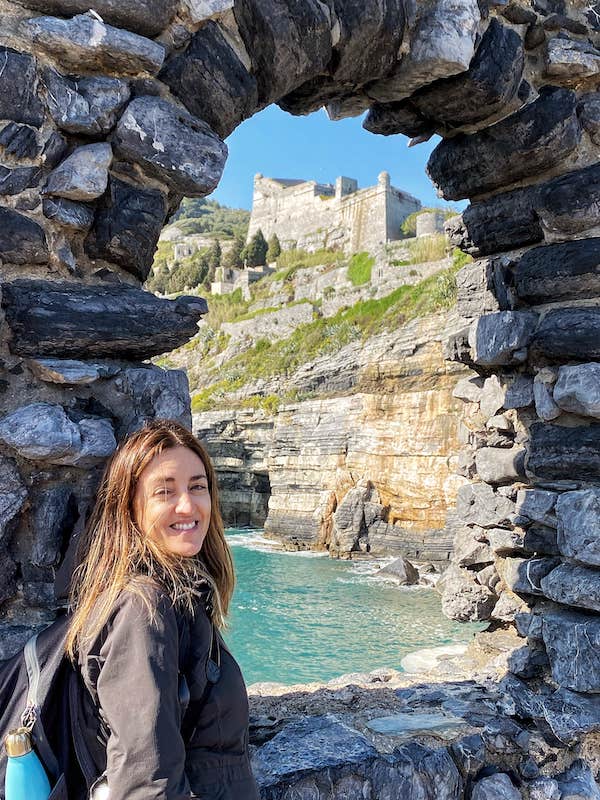
South of Piedmont, right on the coast, there’s Italy’s Liguria. This region, also known as the Italian Riviera, is full of rugged coastlines, picturesque villages and towns, and even some great swimming beaches in the right month.
Almost everyone knows about Cinque Terre in Liguria, but the region also has Genoa (the capital) and several underrated destinations, like Camogli on the coast.
This region is also famous for olive oil production. Most olive oil in Italy comes from the south, but Liguria does have some good olive oil, made right on the Italian Riviera with its nutrient-rich soil.
Things to do in Liguria:
Here are some of the best places to visit and things to do in Liguria:
- Genoa is the historic port city and capital of Liguria. It has a complex maritime history and beautiful palaces.
- Cinque Terre consists of five picturesque villages along the coast. The villages are recognizable by their colorful houses and hiking trails.
- Portofino is a famous seaside village with a traditional harbor, often filled up with luxury yachts.
- Camogli is a little hidden gem on the Italian Riviera. It’s a small fishing village with charming buildings and is home to the Dragon Castle.

Lombardy
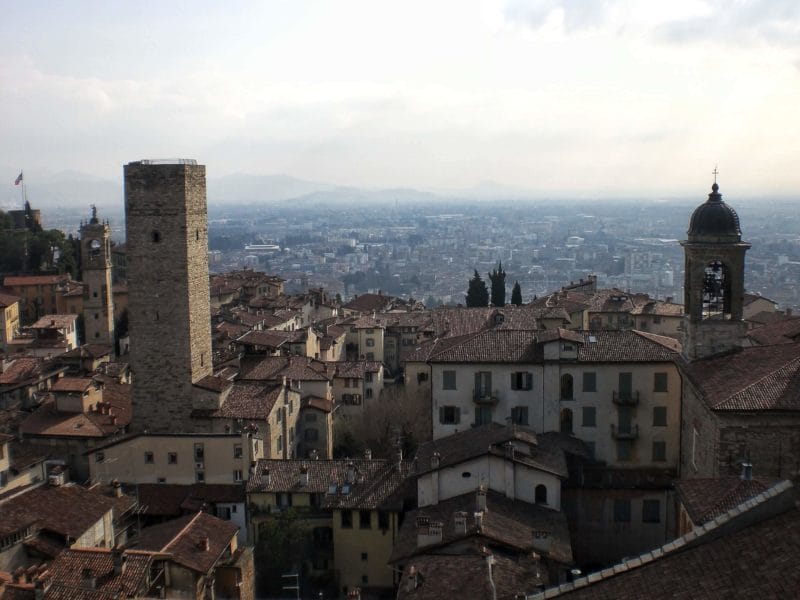
Lombardy (or Lombardia) is one of Italy’s most popular travel destinations. It is in the north of Italy, with Switzerland to its north, Piedmont to its west, and Veneto to its east.
Lombardy is perhaps one of the most fun regions in Italy to visit. It’s actually the most populated region in Italy, which is no surprise as Milan (the region’s capital and one of Italy’s most populated cities) is located on the western side of the region.
One of the best things about Lombardy is its diverse landscapes. It’s actually divided into three main terrains: hills, mountains, and plains. Large cities, small villages, and lake and river towns are scattered all over the region, so there’s a lot of diversity and variety within this one region.
Things to do in Lombardy:
Here are some of the best places to visit and things to do in Liguria:
- Milan is the capital city and Italy’s fashion and design capital. It’s home to the Duomo and Leonardo da Vinci’s “The Last Supper.”
- Lake Como is world-renowned for its lavish villas, gardens, and picturesque towns, including the famous Bellagio.
- Bergamo is a city with a charming old town (Città Alta) and impressive Venetian walls.
- Mantua is another Renaissance city with stunning buildings such as the Palazzo Ducale and the Palazzo Te.
Trentino-Alto Adige/Südtirol
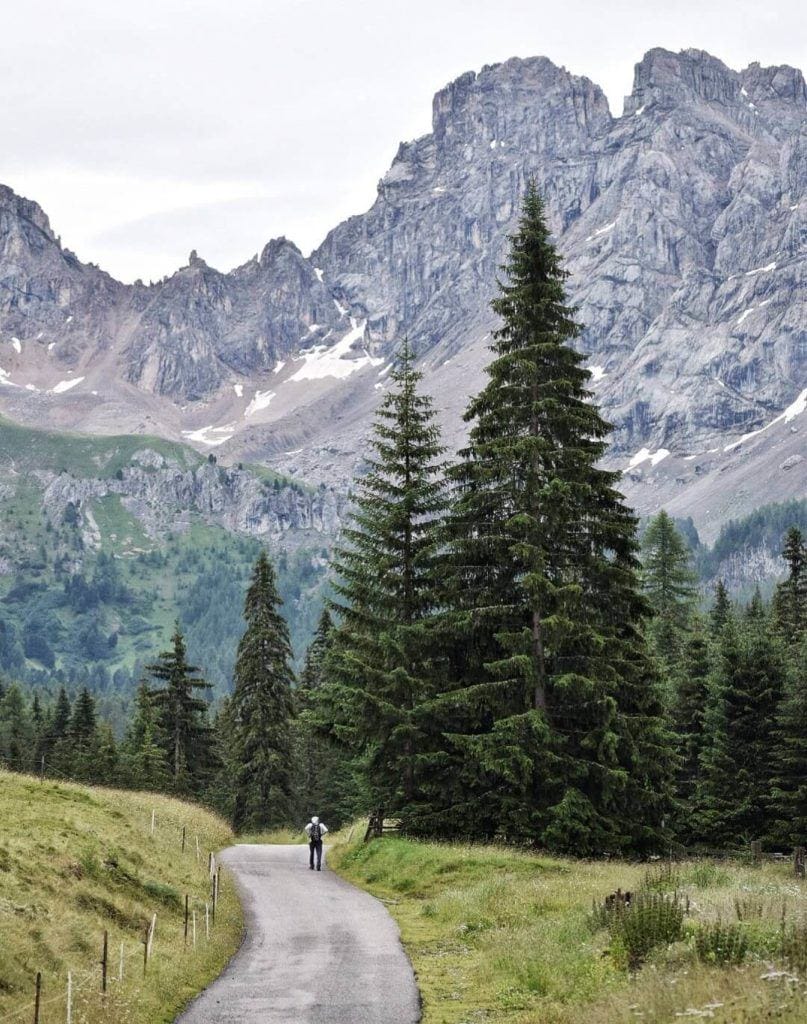
Trentino-Alto Adige/Südtirol, to the east of Lombardy, is the reason that there’s sometimes some dispute over whether there are 20 or 21 regions in Italy. This region is technically one autonomous region of Italy, but it’s further divided into two autonomous provinces: Trento and Bolzano.
This region is unique in that it is not only autonomous but also heavily Austrian-influenced. Many locals speak both German and Italian, and some villages on the outskirts have a German dialect (and Ladin, another minority language) spoken at home.
It also has some characteristics that are popular in that part of the world, including lavish Christmas markets. Overall, it’s a really unique cultural experience that’s worth visiting.
If you’re traveling to Trentino and the Trento area, make sure to look into the best times to visit Italy and decide which season/climate is better for your interests. Summer and winter can be pretty different in the Dolomites.
Things to do in Trentino-Alto Adige/Südtirol
Here are some of the best places to visit and things to do in Trentino-Alto Adige/Südtirol:
- The Dolomites are a UNESCO World Heritage Site and are perfect for hiking, skiing, and breathtaking views.
- Trento is famous for its Renaissance architecture and the Buonconsiglio.
- Bolzano is a city with a mix of Italian and Austrian cultures, known for the South Tyrol Museum of Archaeology.
- Merano is a relaxing spa town with beautiful gardens.
- Lake Braies is a stunning alpine lake known for its clear waters and scenic natural surroundings.
Veneto
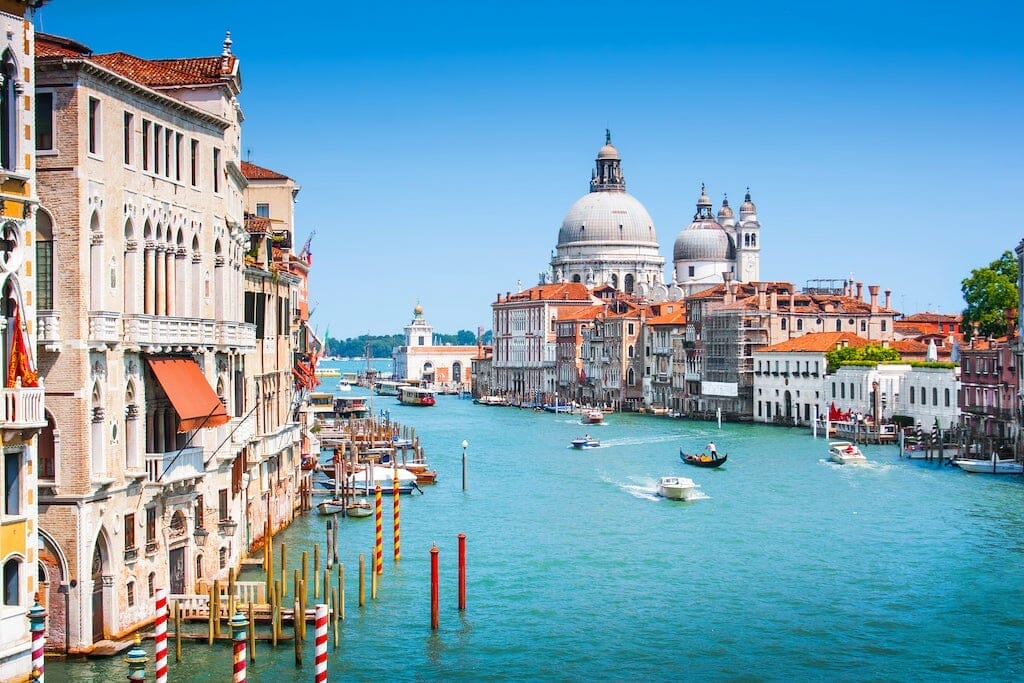
Veneto is one of the most popular regions in Italy because of Venice. Venice is located on the eastern coast of Veneto.
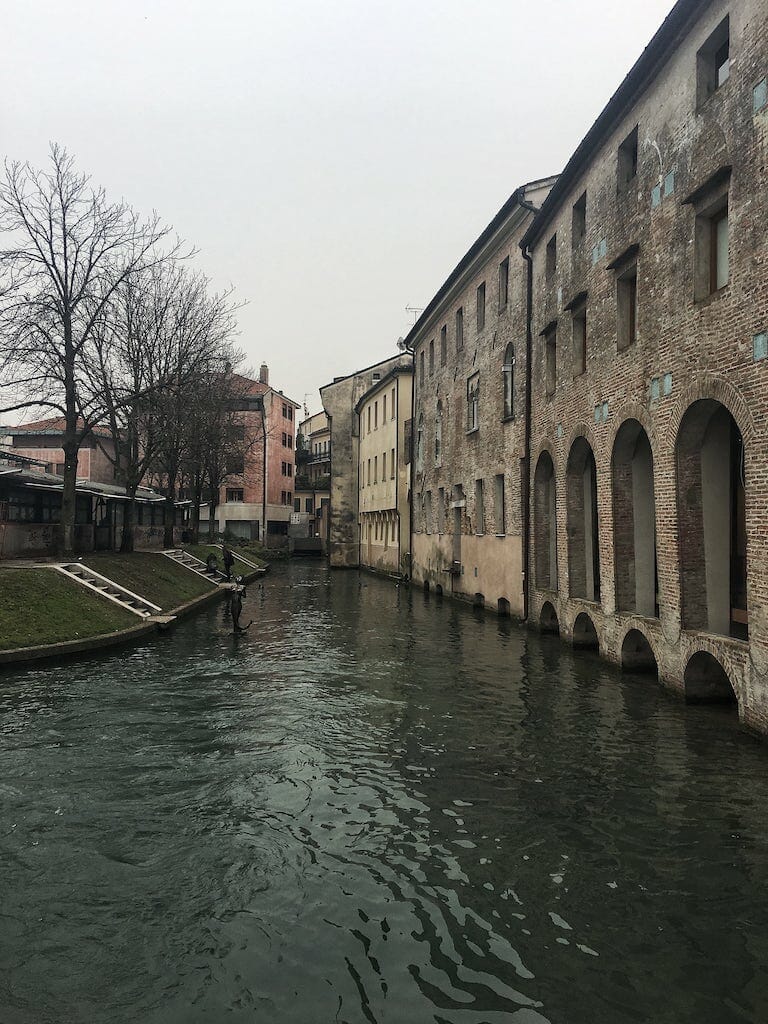
Veneto offers some of Italy’s most beautiful landscapes, including lakes, canals, and the Dolomites. It’s also perfect for history and art lovers, as Venice has amazing museums and activities.
Additionally, Verona, another city, is said to have some of the best wine in the country. So, if you’re a local wine and spirits fan, sample some in Verona.
Things to do in Veneto
Here are some of the best places to visit and things to do in Veneto:
- Venice is the capital city and is famous for its canals, St. Mark’s Basilica and Doge’s Palace, and the epic Grand Canal, among many other romantic sites.
- Verona is known for its Roman amphitheater, Juliet’s House from Romeo and Juliet, and medieval architecture.
- Padua is home to the Scrovegni Chapel with Giotto’s frescoes and the historic University of Padua.
- Treviso is the original producer of Italy’s Prosecco wine and has picturesque cobblestone streets and small canals. It’s easy to visit on a Venice day trip.
- Lake Garda is Italy’s largest lake, and it has several lakeside towns and many activities.

Friuli-Venezia Giulia
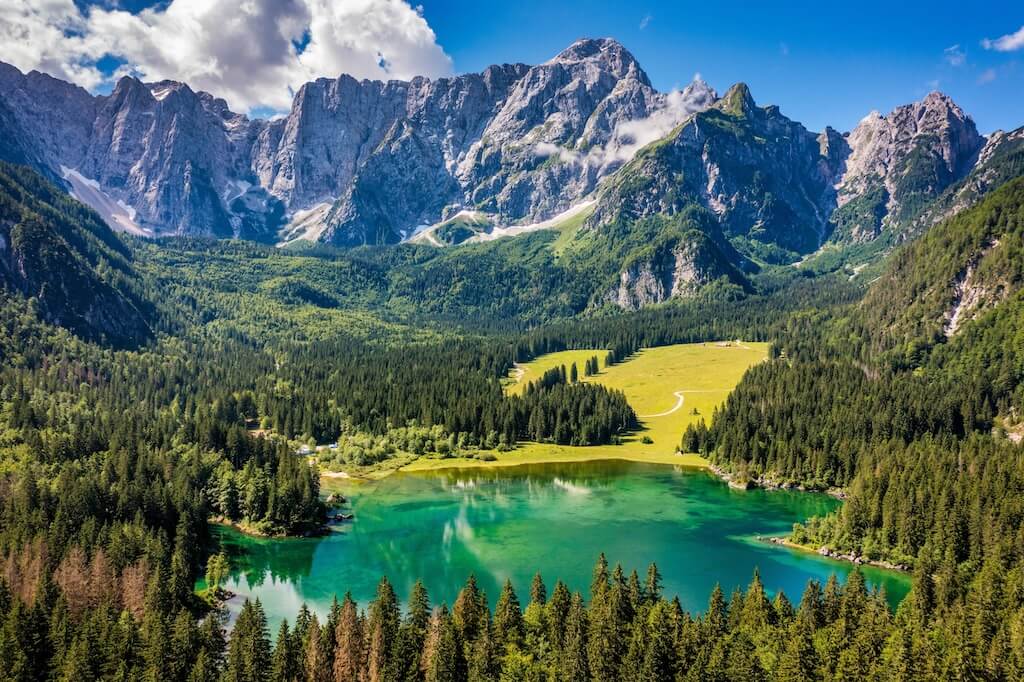
Friuli-Venezia Giulia is in Italy’s northeasternmost region. It is next to Trentino and north of Veneto. The area is known for its incredibly diverse landscapes, from the Alps to the Adriatic Sea. It also has endless natural beauty and many historical sites.
Like another region in northern Italy, Friuli-Venezia Giulia has a unique blend of Italian, Austrian, and Slovenian influences, making it a good place to explore more diverse and complex relationships.
This is one of the best places to go in Italy if you want to avoid cities completely. This region is full of little hidden gems, great outdoor regions, good wine, and everything else you might want in the countryside.
Things to do in Friuli-Venezia Giulia
Here are some of the best places to visit and things to do in Friuli-Venezia Giulia:
- Trieste is a port city with a mix of Italian, Austro-Hungarian, and Slovenian influences.
- Val Rosandra Natural Reserve has some great hiking, cycling, caving, and several archeological sites.
- Cividale del Friuli is a UNESCO World Heritage Site with rich history.
- Gorizia is another multi-cultural town with a mix of Italian and Slovenian cultures.
- Fort of Osoppo is a great historical outdoor activity, but it is not super well-known.
Emilia-Romagna
Emilia-Romagna is the last region in northern Italy. It’s north of Tuscany and south of Veneto and Lombardy. It almost stretches from the Adriatic Sea to the west coast of Italy, so it also has diverse landscapes.
It’s well-known for several reasons. The University of Bologna is the oldest university in the Western world and is still open today. Bologna is also nicknamed “La Grassa” or “The Fat” because of its vibrant and unique local cuisine.
Food in Italy varies by region, and Emilia-Romagna is known to have some of the best. From Bolognese (not to be mistaken with spaghetti bolognese, which doesn’t actually exist in Italy) to Parmigiano Regiano cheese, mortadella, and so much more.
Emilia-Romagna is a must-visit for food lovers, and there are many fun activities, things to do, and places to see.

Things to do in Emilia-Romagna
Here are some of the best places to visit and things to do in Emilia-Romagna:
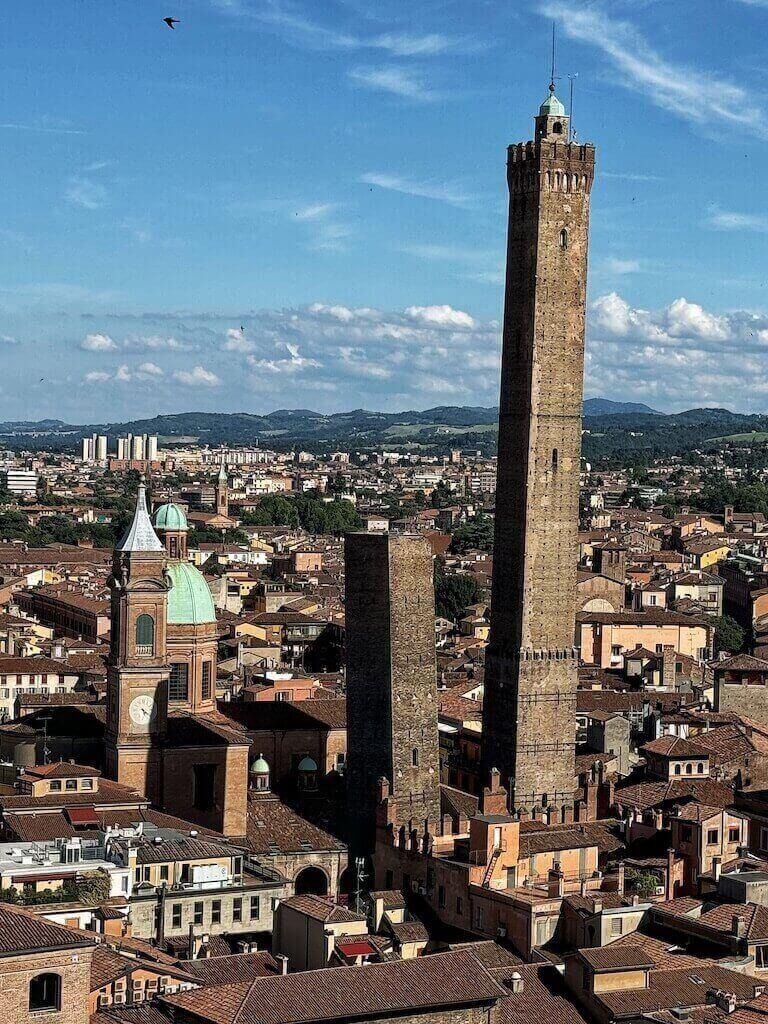
- Bologna has the famous medieval Torre degli Asinelli and Torre Garisenda towers (among others), porticoes, and, of course, some incredible regional cuisine.
- Parma is famous for its prosciutto and parmigiano reggiano cheese and its beautiful cathedral in the historic center.
- Ravenna has eight UNESCO World Heritage Sites and some stunning Byzantine mosaics.
- Rimini is the place for beachfront nightclubs, lively nightlife, and sandy beaches.
- Modena is the birthplace of balsamic vinegar, Ferrari, and the UNESCO World Heritage Site of Modena Cathedral.
Central Italy
Tuscany
Tuscany is on the northern side of central Italy, just south of Emilia Romagna. The region is particularly famous for its wines and vineyards, with Chianti wine being one of the most famous wines worldwide.
Chianti is a dry, red wine typical of certain parts of Tuscany. The vineyards in Tuscany are the most famous parts of the region, with tons of movies, shows, and social media posts centered around the rolling hills and picturesque views.
But Tuscany is also home to the Accona Desert, a semi-arid region with a unique series of domes and hills.
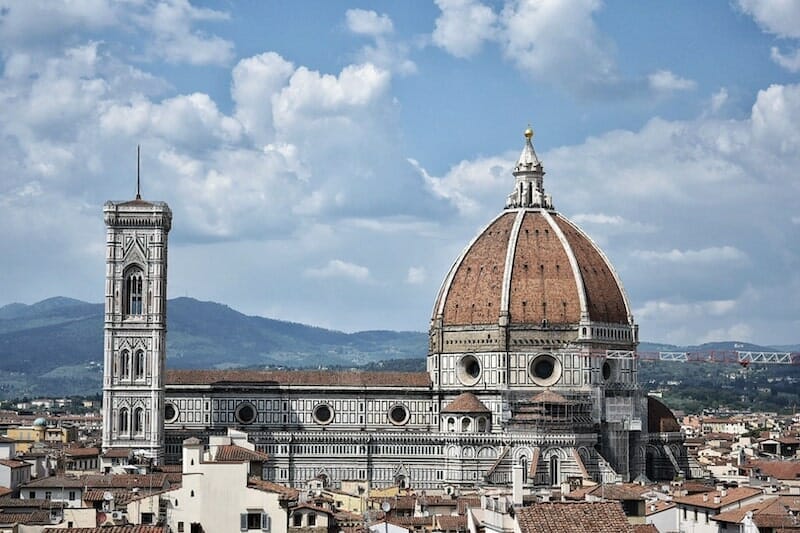
Furthermore, Tuscany is the birthplace of the Italian Renaissance, which is said to have spread and influenced the Renaissance throughout the 16th and 17th centuries. The Italian Renaissance began in Florence (the capital of Tuscany) when now-famous artists reinvented classical ideas to pave the way for a new era of art.

Things to do in Tuscany
Here are some of the best places to visit and things to do in Tuscany:
- Florence is the capital city, known for its art, architecture, and museums.
- Siena is famous for its medieval cityscape and the Palio horse race.
- Pisa is home to the iconic Leaning Tower of Pisa.
- San Gimignano has a beautiful skyline of medieval towers, a nice historic center, and hilltop views.
- Lucca is a charming city (although becoming increasingly more popular) with well-preserved Renaissance walls.
- Val d’Orcia is home to gorgeous small towns like Montalcino, Montepulciano and Pienza.
Umbria
Umbria is very different from other regions of Italy in that it has very few popular tourist destinations. It’s also the only region of Italy without either a coastline or any international borders. It’s truly landlocked in the center of Italy.
It’s also nicknamed “Il cuore verde d’Italia” or “the green heart of Italy” in English because of its lush landscapes and green towns and cities. This makes it the perfect place for those who want to explore a more low-key area with fewer tourists and lots of rolling green hills.
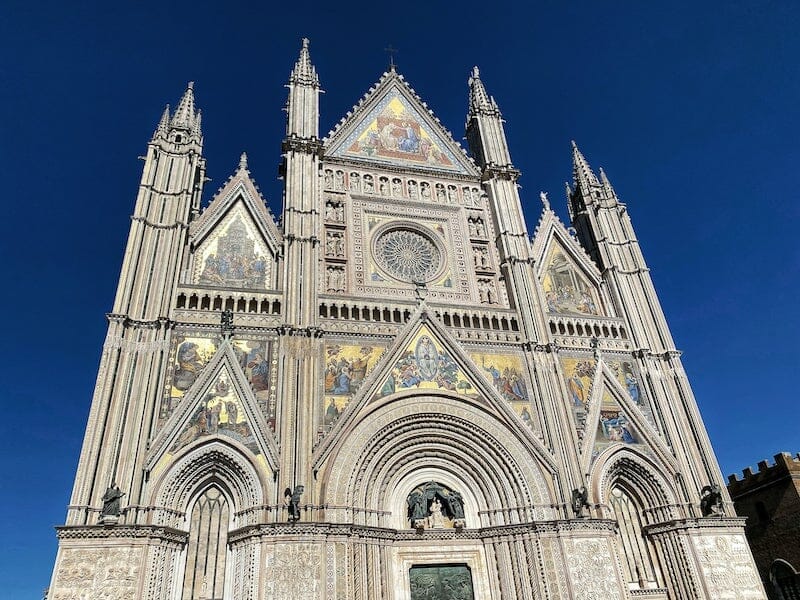
Despite its relatively quiet atmosphere, Umbria has a surprising number of good places to visit, especially for history and nature lovers. For example, Assisi in Umbria is a really hidden gem. It is famous for being the birthplace of St. Francis and has a gorgeous basilica.
Orvieto is another must-see, with underground tunnels and stunning architecture.
Things to do in Umbria
Here are some of the best places to visit and things to do in Umbria:
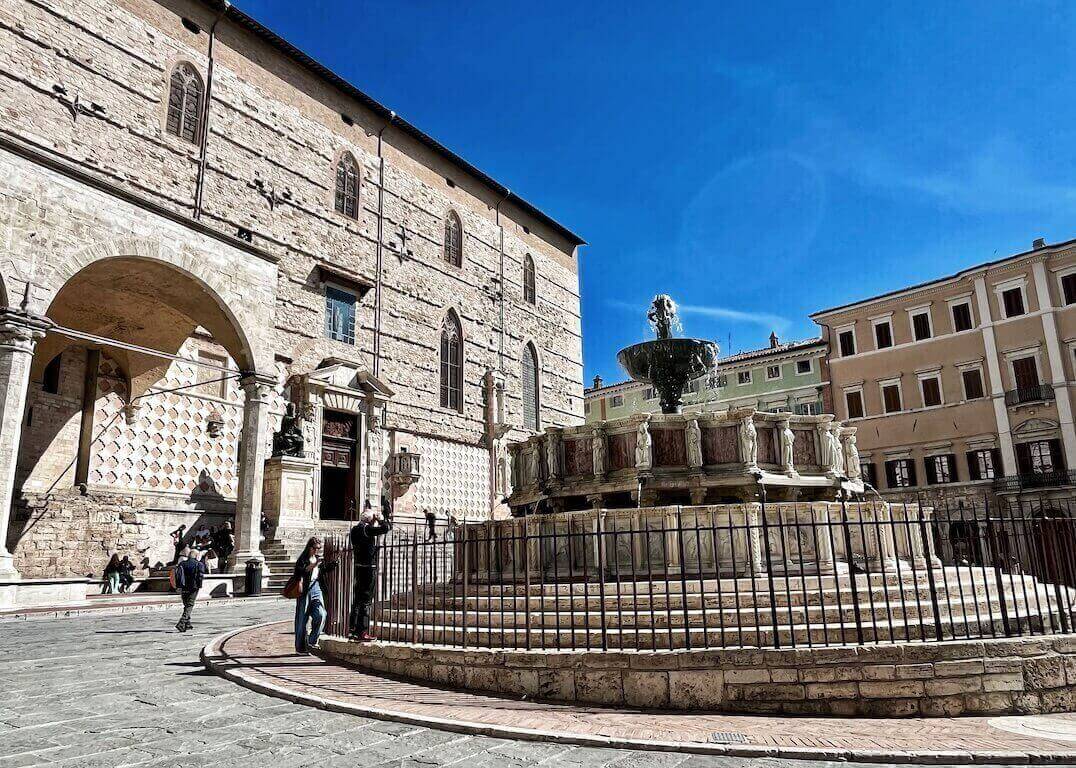
- Perugia is the capital city and is most known for its tasty chocolate.
- Assisi is the birthplace of St. Francis and has a stunning basilica.
- Orvieto is famous for its cathedral and the fascinating underground tunnels.
- Spoleto is known for its historic architecture and the Festival of Two Worlds, which has been held in Spoleto since 1958.
- Spello is famous for its flower festival.
- Gubbio is a medieval town with a rich history and beautiful scenery from the Piazza.
Curious to find out more about Umbria? My post Where Is Umbria? shares the most important facts and inspires you to visit.
Marche
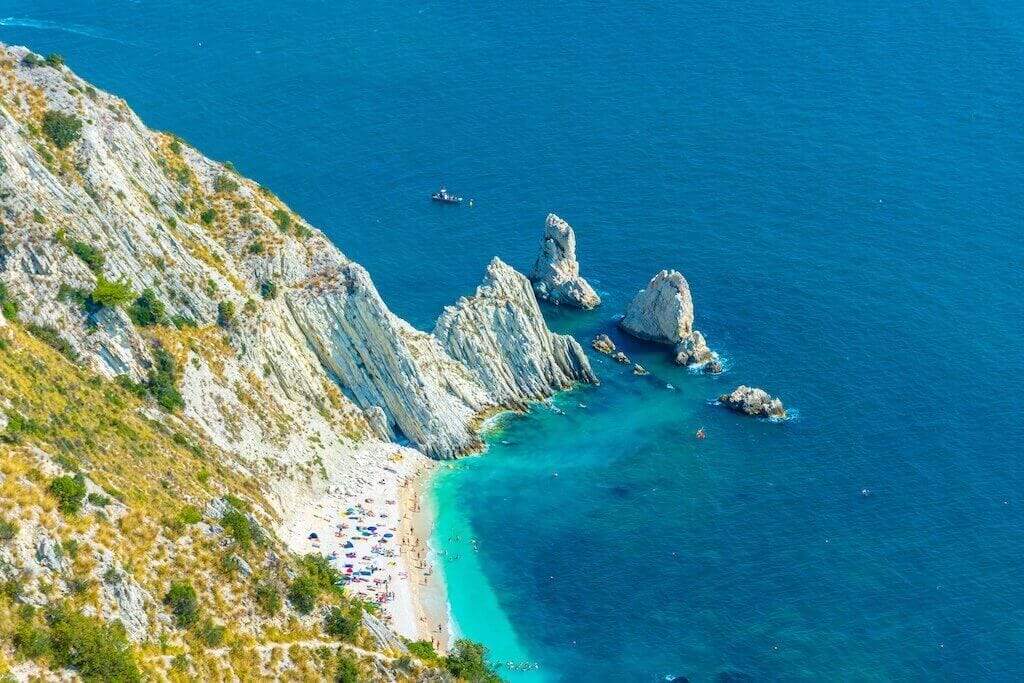
Like Umbria, Marche is one of the lesser-visited Italian regions. However, it’s full of so much charm that it’s still worth visiting. The region is located on the east coast of the Italian Peninsula, right next to Umbria. It has a nice mix of mountains and beach experiences, making it feel more diverse.
Since there are fewer tourists, the region feels much more authentic, as less personality and atmosphere have been lost to tourists and foreigners. So, it’s a really great place to go for authentic food and to see what the other side of Italy is like.
Marche is actually the birthplace of Raphael and Rossini, two key figures in the Renaissance era. Although they eventually moved out of Marche, they left their impressions on their home region. Marche is also a great place to explore medieval towns and Renaissance art.
Things to do in Marche
Here are some of the best places to visit and things to do in Marche:
- Ancona is the capital city and is known for its large port and historic sites.
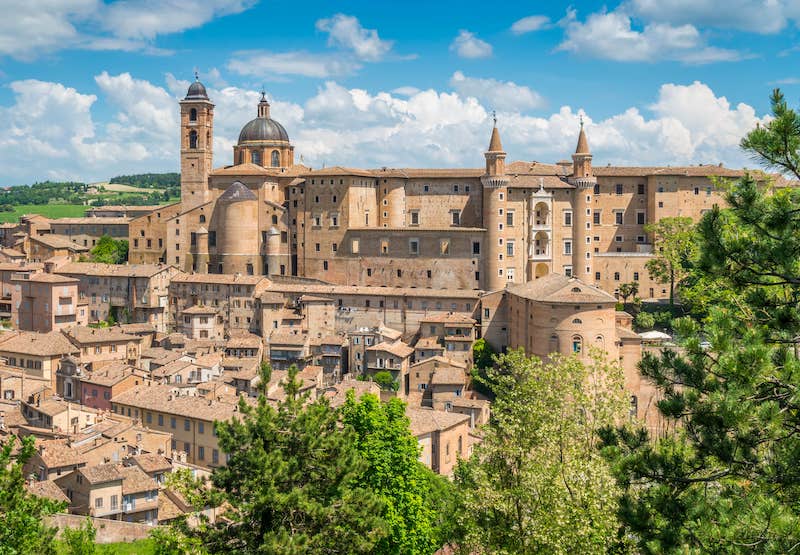
- Urbino is a UNESCO World Heritage Site and the birthplace of Raphael, a famous Renaissance artist.
- Ascoli Piceno is famous for its medieval architecture and the Piazza del Popolo.
- Pesaro is a coastal city with beaches and is nicknamed the “City of Music.”
- Loreto is home to the Basilica della Santa Casa, a major pilgrimage site.
- Parco del Conero is a regional park right on the coast with 10+ hiking and biking trails.
Lazio
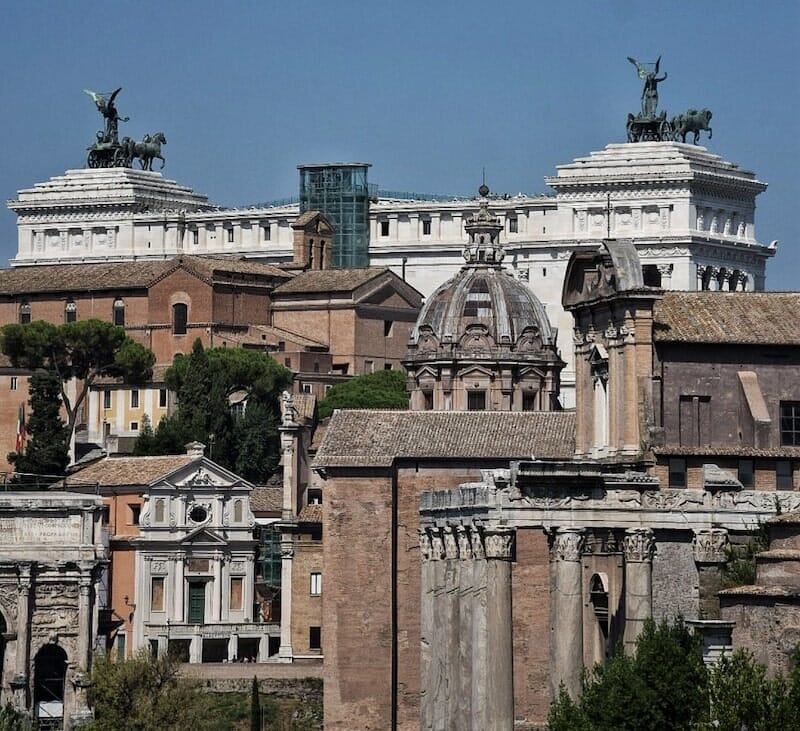
Lazio is the most popular region in central Italy and definitely one of the most popular regions in Italy in general. This is where Rome (among the most famous cities to visit in Italy) is located, the bustling capital and home to the Colosseum, the Roman Forum, the Trevi Fountain, the Vatican City, and a handful of other iconic Italian landmarks and monuments.
Almost everyone will visit Lazio at some point in their Italy travels. Most people just visit Rome for the famous tourist attractions, but there’s actually a lot to see in Lazio outside of Rome and even some great day trips from Rome.
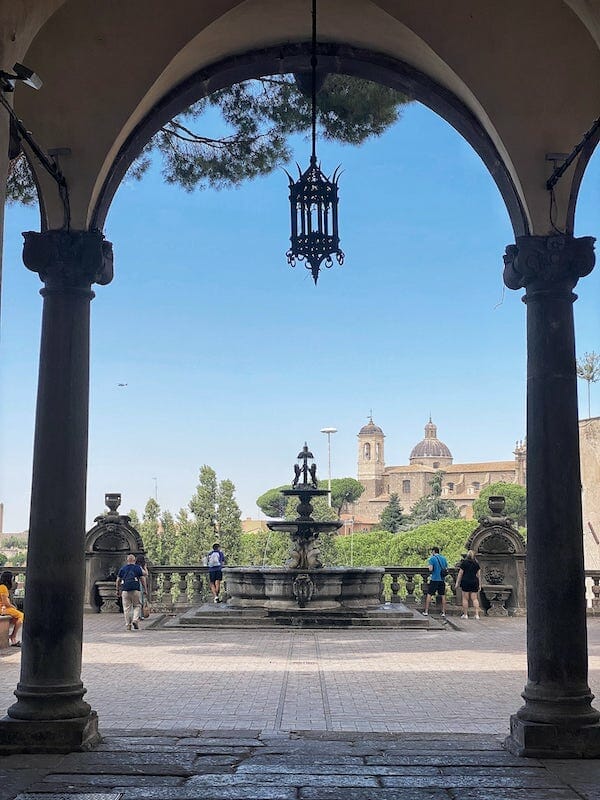
Lazio has a diverse landscape, with lakes, mountains, city life, and even some beaches. Lago di Bolsena is north of Viterbo and is the largest volcanic lake in Europe. There are closer beaches, though, and even a “dying city.”
Things to do in Lazio
Here are some of the best places to visit and things to do in Lazio:
- Rome is the capital city of Lazio (and Italy) and is home to all the most famous Italian tourist attractions, like the Colosseum, the Roman Forum, the Trevi Fountain, and Vatican City.
- Tivoli is a little hidden gem near Rome that has stunning villas, including Villa d’Este and Hadrian’s Villa.
- Viterbo is a historic city with medieval architecture and thermal baths, and the unique Macchina di Santa Rosa festival.
- Civita di Bagnoregio is a hilltop town known as the “Dying City” because it’s slowly falling away due to erosion, and the population is almost non-existent.
- Gaeta is a coastal town with beaches and a handful of historic sites.
Southern Italy
Abruzzo
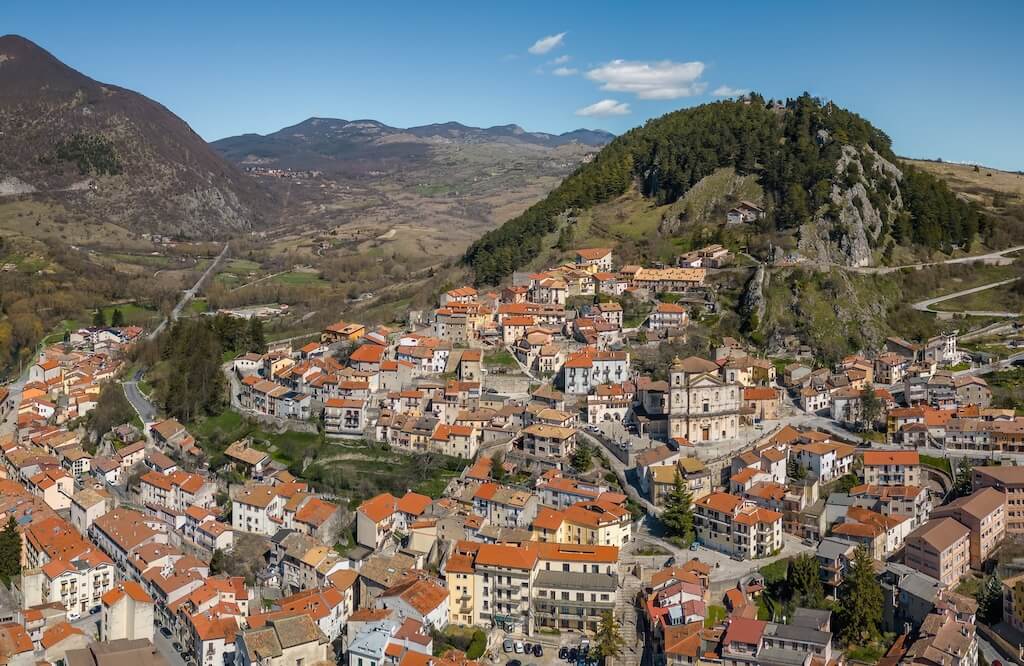
Abruzzo is a southern region of Italy that is east of Lazio. It’s sometimes referred to as “the green lung of Europe” because it has three national parks, several nature reserves, and one regional park.
Abruzzo National Park is mostly in Abruzzo, though it does spread out to Lazio and Molise regions a little bit. It’s truly a hiker and outdoor enthusiast’s paradise. But if that isn’t enough, there’s also Gran Sasso National Park, Parco Nazionale della Majella, and other great places to get outside.
Additionally, Abruzzo has about 130 km (80 miles) of beautiful coastline, meaning you can find some beaches and coves to lounge near. The beaches aren’t characterized by soft, pristine white sand. Instead, they’re often made of small pebbles, but the water is nice in the summer.
Things to do in Abruzzo
Here are some of the best places to visit and things to do in Abruzzo:
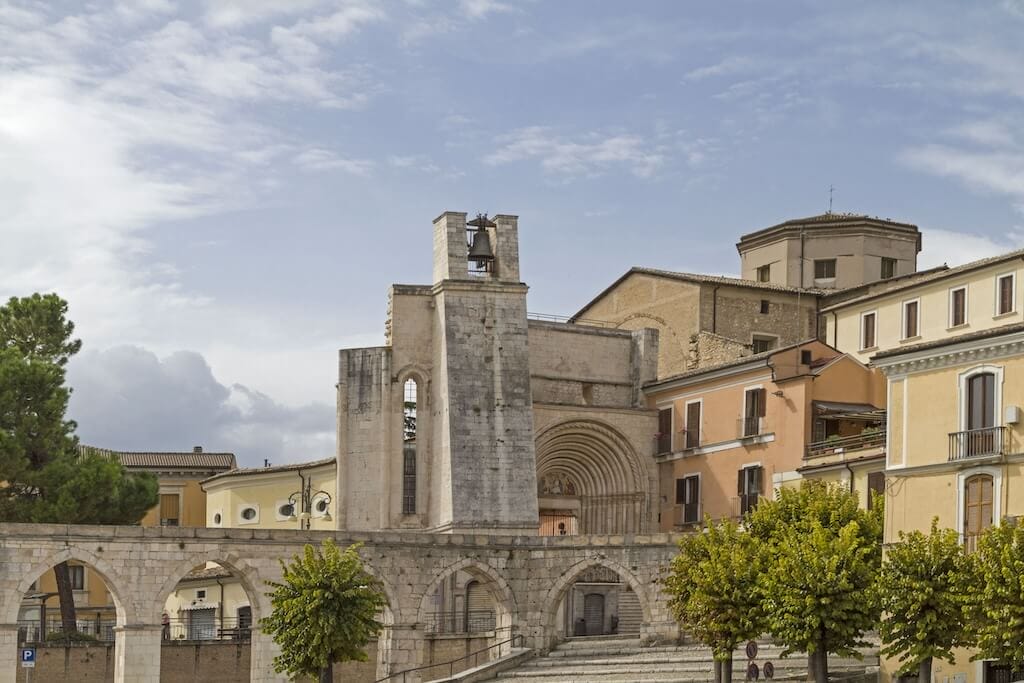
- L’Aquila is the capital city and is known for its historic architecture and the Basilica di Santa Maria di Collemaggio.
- Pescara is a coastal city with great beaches and is the birthplace of Gabriele D’Annunzio, a famous Italian poet.
- Sulmona has the most delicious confetti (sugar-coated almonds) and the stunning Piazza Garibaldi.
- Rocca Calascio is a breathtaking medieval fortress with panoramic views.
- Gran Sasso National Park and Abruzzo National Park are must-visit parks for travelers looking for natural beauty, mountains, and parks.
Molise
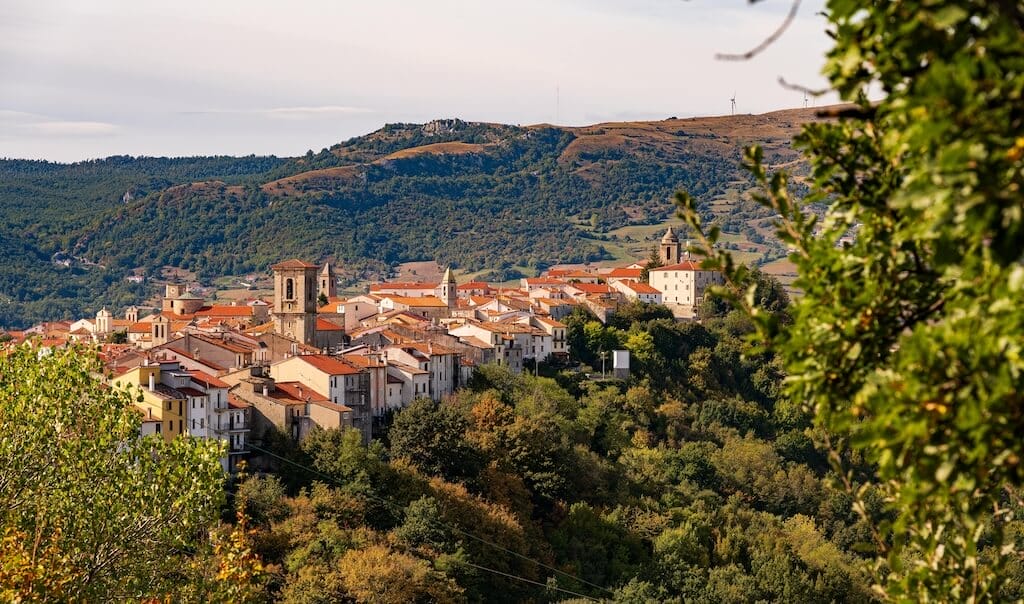
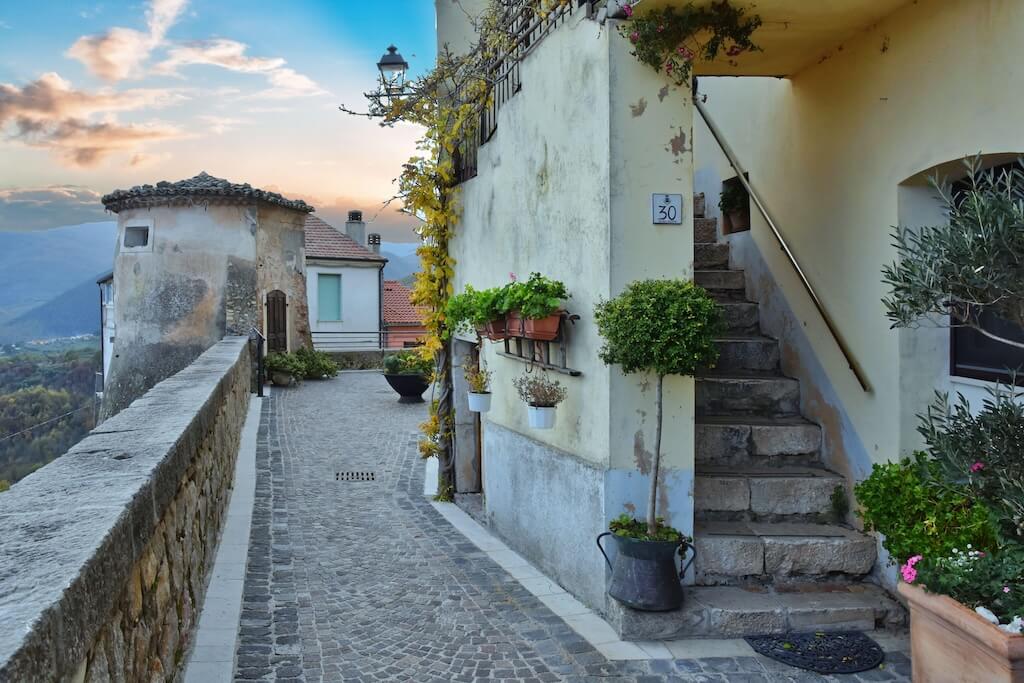
Molise, a tiny region in southern Italy just south of Abruzzo, is Italy’s best-kept secret. In fact, many locals don’t even know much about it. There’s an Italian expression, “il Molise non esiste,” which means “Molise doesn’t exist.” People say it because Molise is so small and rarely ever talked about.
It’s one of the smallest regions in Italy, and there are very few tourists and international visitors, but it is also the newest. It became an independent region in 1963 after years of pressure from the small Molise community. Before that, it was actually a part of the Abruzzi e Molise region.
Molise is a little hidden gem. And it’s so small, it’s really easy to get around if you have a car.
Things to do in Molise
Here are some of the best places to visit and things to do in Molise:
- Campobasso is the capital known for its medieval old town and the Castello Monforte.
- Termoli is a charming coastal town with nice beaches and a small but lovely old town.
- Isernia is famous for its ancient Roman ruins and the Fontana Fraterna.
- Agnone is known for its ancient bell foundry and traditional festivals, like its Christmas Eve festival.
- Saepinum is an impressive archaeological site with well-preserved Roman ruins.
Campania
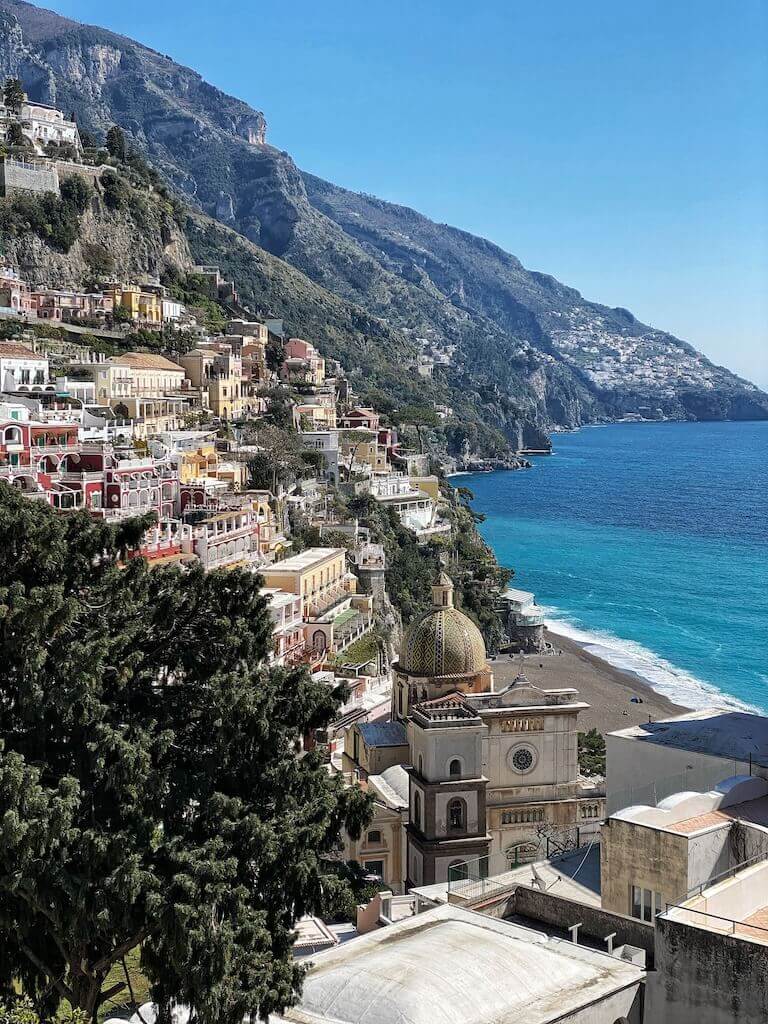
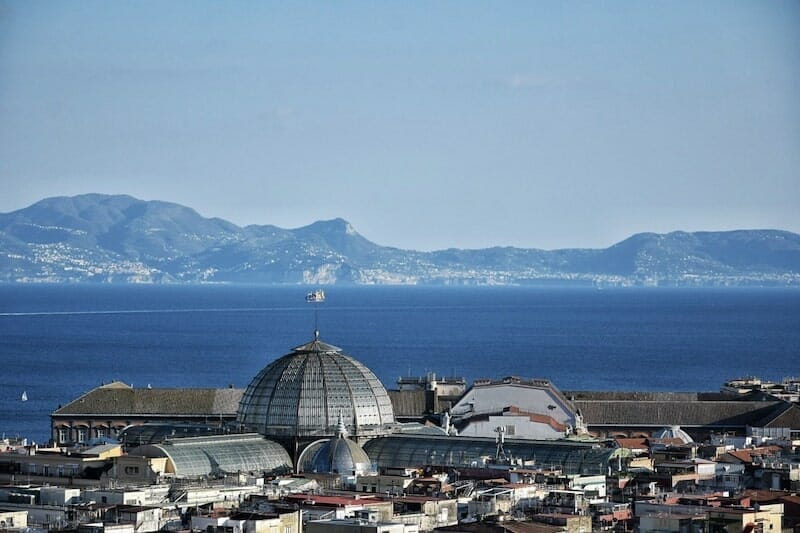
As we’re edging deeper into southern Italy, we have the Italian region of Campania. This is one of the most popular regions of Italy, as it’s home to some of the most famous sites in Italy, like Pompeii, Herculaneum, Naples, and the Amalfi Coast.
The region is also known for its rich culinary traditions, including pizza and buffalo mozzarella. Naples, the region’s capital, is not only the birthplace of Italian pizza as we know it today but also one of the oldest continuously inhabited cities in the world.
Campania is full of so much history, local cuisine, and cultural monuments that you can easily spend weeks in this region alone without getting bored.
Things to do in Campania
Here are some of the best places to visit and things to do in Campania:
- Naples is the capital of Campania, known for its creation of pizza, delicious food, historic center, bustling street life, and museums.
- Amalfi Coast is famous for its stunning coastal views and charming towns encompassed by ocean expanse and dramatic cliffs.
- Pompeii is an ancient city preserved by the eruption of Mount Vesuvius.
- Capri is a beautiful island with a rugged landscape, luxury hotels, and the famous Blue Grotto.
- Paestum is an ancient Greek city with well-preserved temples.
Puglia
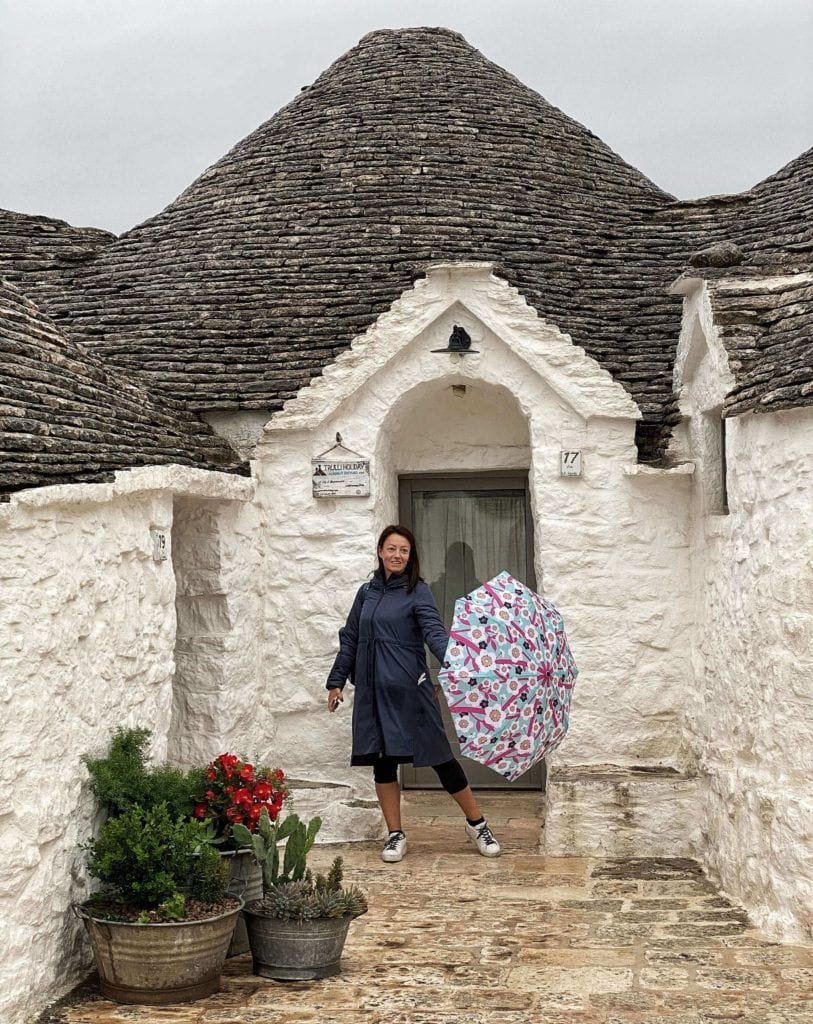
Just south of Campania is Puglia, the region with the longest coastline in Italy (excluding the islands). Puglia has beautiful beaches on both the Adriatic and Ionian Seas.
It’s also one of the country’s largest olive oil production regions. However, this is an interesting topic because while Puglia undoubtedly produces a large portion of olive oil, it doesn’t do so on an industrial scale. So, it produces in a much smaller and more locally sourced way than other olive oil competitors in Europe.
Anyway, sampling some olive oil from Puglia is a must. However, visiting some off-the-beaten-path destinations and setting aside time for the beaches in Puglia is also highly recommended.
Things to do in Puglia
Here are some of the best places to visit and things to do in Puglia:
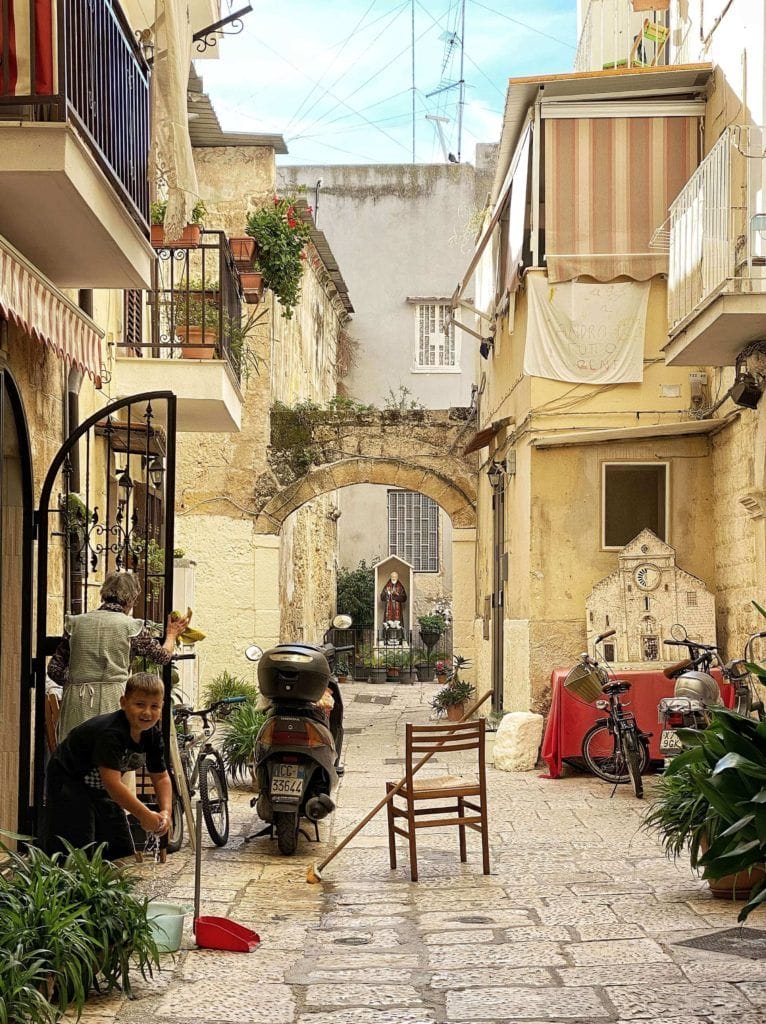
- Bari is the capital and has a nice historic old town and the Basilica of Saint Nicholas.
- Lecce is another peaceful Italian town and is often called the “Florence of the South” because of its Baroque architecture, which mirrors Florence’s.
- Alberobello is a must-visit for its trulli houses.
- Ostuni is known as the “White City” for its whitewashed buildings, a unique site in Italy.
- Polignano a Mare is a picturesque coastal town with looming cliffs and crystal-clear blue waters.
- Locorotondo is another small town with whitewashed buildings.
Basilicata
When people think of southern Italy, most people think of beaches and islands. But Basilicata proves that isn’t true for all the regions of Italy in the south. Basilicata is characterized by its lush forests, rugged mountains, and even a small coastline.
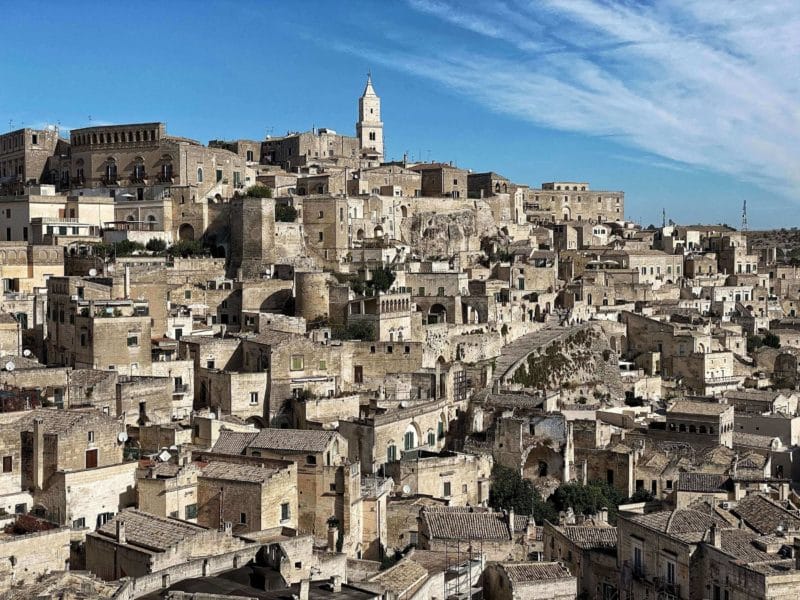
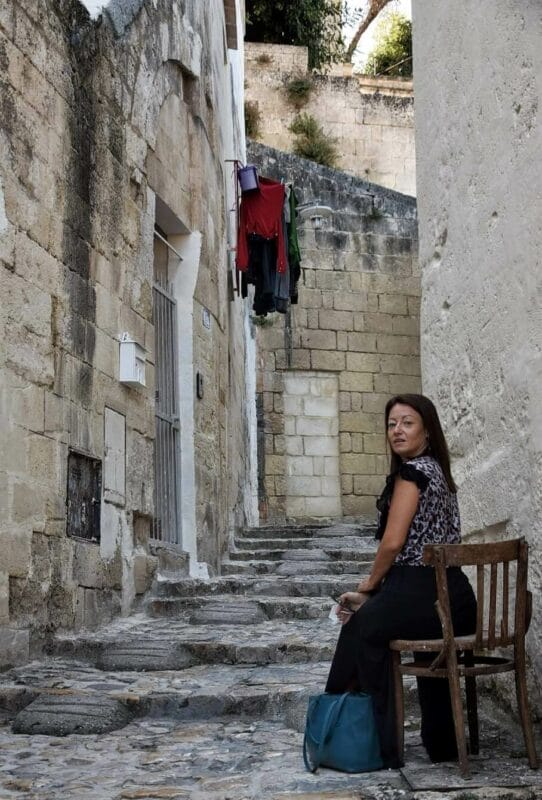
One of Italy’s most interesting places is Matera famous for its ancient cave dwellings (also known as Sassi).
However, Potenza, the capital of Basilicata, is a bustling small city with a quintessential Italian historical center and a beautiful church, the Cathedral of San Gerardo. Overall, Basilicata is a lovely region in southern Italy that is overlooked too often.
Things to do in Basilicata
Here are some of the best places to visit and things to do in Basilicata:
- Potenza is the capital city and is known for its historic center and the Cathedral of San Gerardo.
- Matera is famous for its ancient cave dwelling, known as Sassi.
- Maratea is a coastal town with beautiful beaches and the Christ the Redeemer Statue.
- Melfi is known for its medieval castle and Norman architecture.
- Pollino National Park is Italy’s largest national park, with some great hiking trails.
Calabria
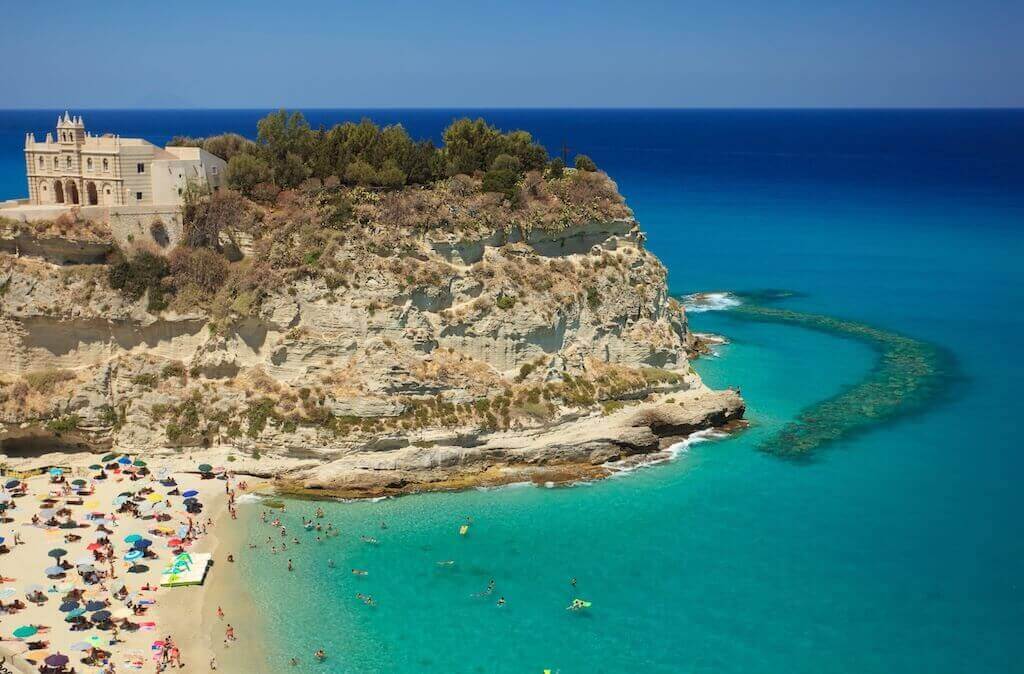
Calabria is arguably one of the best regions in Italy for beach lovers. It’s located on the southernmost tip of the Italian peninsula and offers stunning coastal scenery, a rich cultural heritage, and amazingly spicy food.
If you’re visiting in the spring, summer, or autumn and want good beaches and lots of sun, this is the place to go.
Calabria is popular especially among Italian tourists, but the beaches are worth it. There are also tons of great activities, places to go, and things to see around Calabria.
Things to do in Calabria
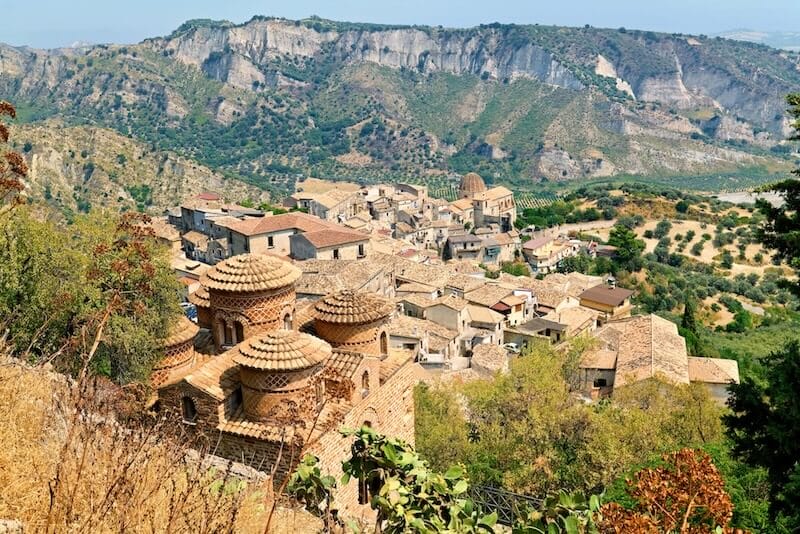
Here are some of the best places to visit and things to do in Calabria:
- Reggio Calabria is the largest city in Calabria known for its beautiful seafront and the National Archaeological Museum.
- Tropea is a picturesque town with great beaches and colorful, historic buildings.
- Scilla is another charming fishing village with a nice beach and Ruffo Castle.
- Cosenza has a lovely historic center and the Norman-Swabian Castle.
- Aspromonte National Park is a beautiful national park with diverse flora, fauna, and great hiking trails.
Islands of Italy
Sicily
There are over 400 islands in Italy, but two main islands are in their own region. Sicily is the largest island in Italy and one of the most popular islands in Europe. However, despite its popularity, it’s really easy to venture out into the more authentic neighborhoods around the island.
There’s a blend of lively city nightlife and laid-back coastal vibes. Palermo is the capital city known for its vibrant nightlife and bustling streets. On the other hand, Agrigento (where you’ll find Valley of the Temples) is home to some of the most well-preserved Greek ruins and a must-see for history lovers.
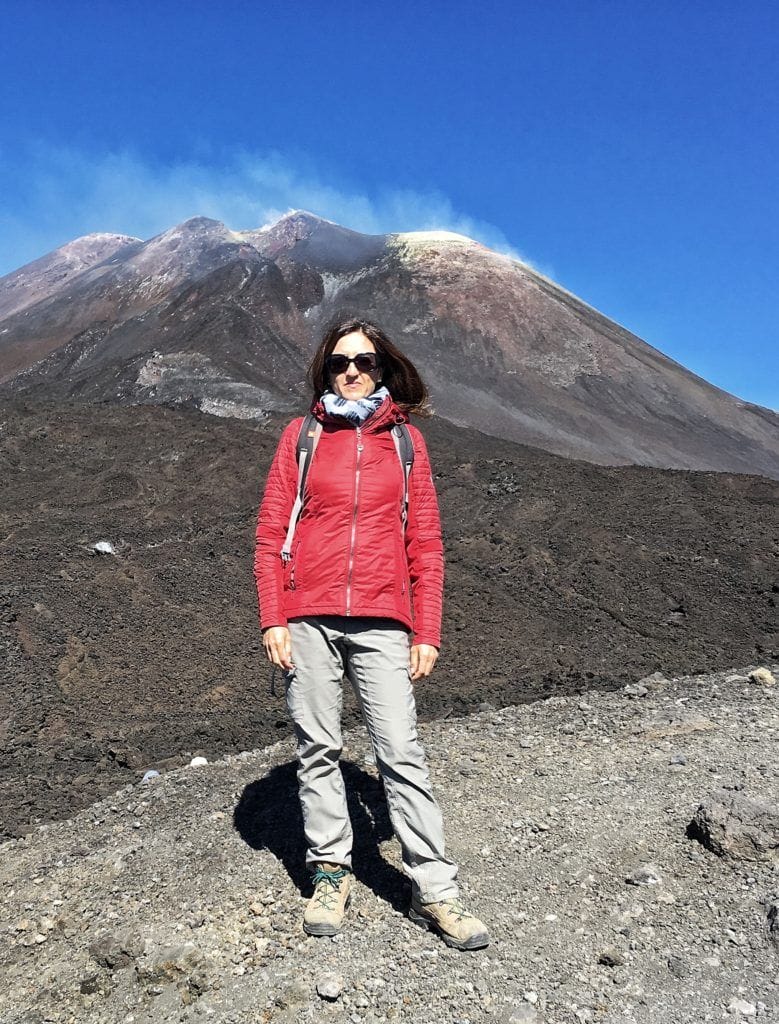
Italy is a very volcanic country. There are 12 volcanoes around Italy, three of which are pretty active. Mount Etna, on the island of Sicily, is one of the most active volcanoes in the world. This usually isn’t a problem for Sicily, though it’s important to keep up with the latest eruptions before visiting, as the eruptions occasionally cause airport closures.
Things to do in Sicily
Here are some of the best places to visit and things to do in Sicily:
- Palermo is the capital city, known for its street markets, nightlife, and historic churches.
- Taormina is an ancient Greek theater that has stunning views of Mount Etna.
- Agrigento is home to the Valley of the Temples, a UNESCO World Heritage Site with well-preserved Greek ruins.
- Syracuse is known for its rich Greek history, archaeological sites, and the beautiful island of Ortigia.
- Catania is a city at the foot of Mount Etna and is known for its baroque architecture and historic fish market.
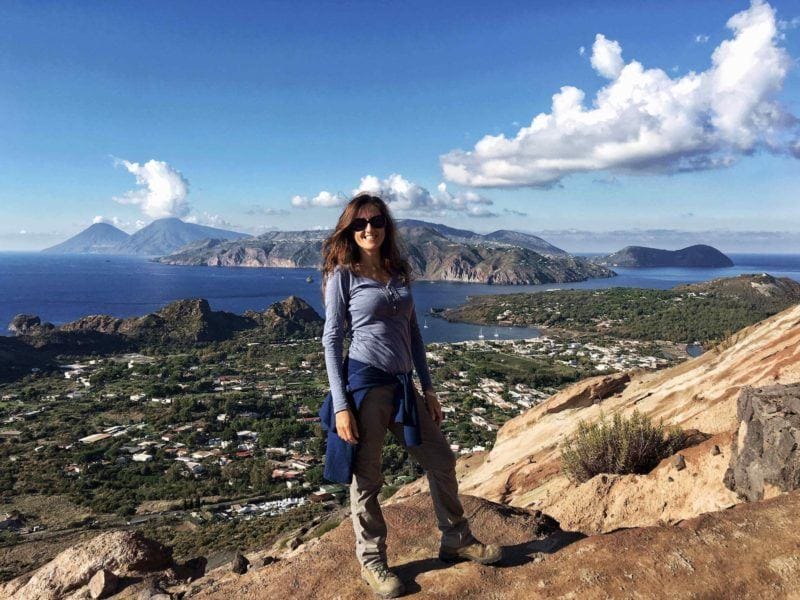
- Aeolian Islands are known for their unique landscape and the intense volcanic activity.
Sardinia
Last but not least, in the regions of Italy, we have Sardinia, my homeland. I was born and raised in Sardinia and am lucky to call it my home today.
Sardinia, the second-largest island in the Mediterranean, is actually pretty far from southern Italy. Sicily is only about 8.5 km (5 miles) from mainland Italy, and the ferry takes about 20 minutes. However, Sardinia is much further out there, so a flight or a 10+ hour ferry ride is your best bet.
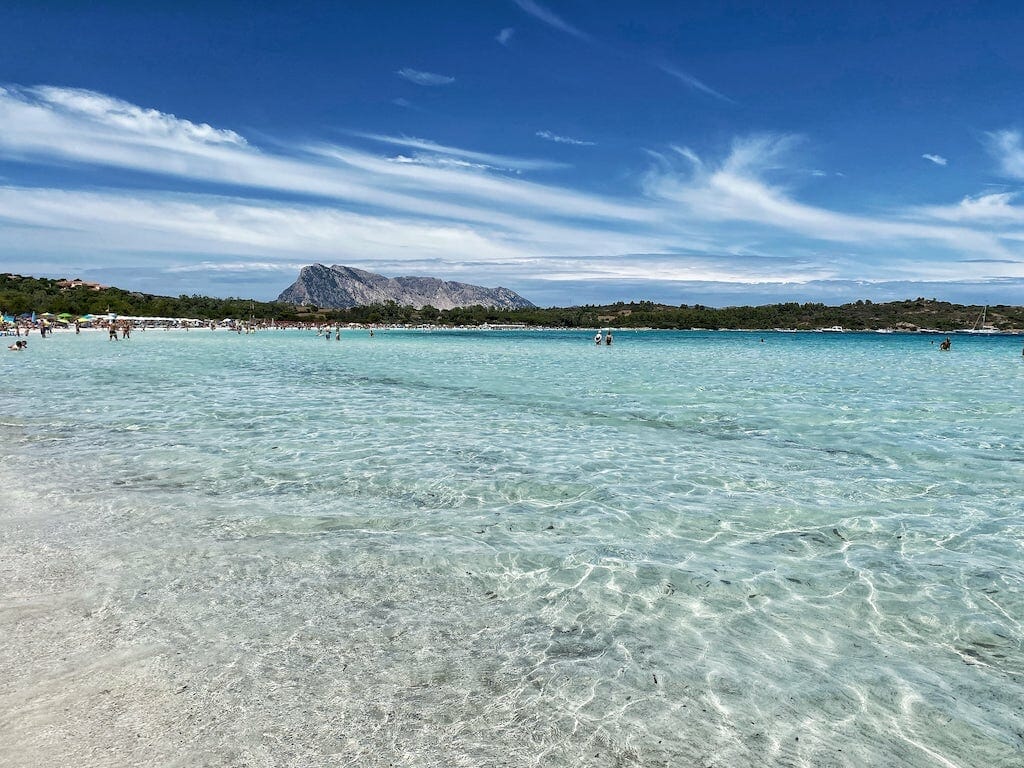
But once you get to Sardinia, it’s definitely worth it. Sardinia is home to the most beautiful beaches in Italy, incredible coastal hikes, delicious and fresh cuisine, and friendly people. It’s a little more authentic than Sicily, but the island is becoming increasingly popular each year.
Things to do in Sardinia
Here are some of the best places to visit and things to do in Sardinia:
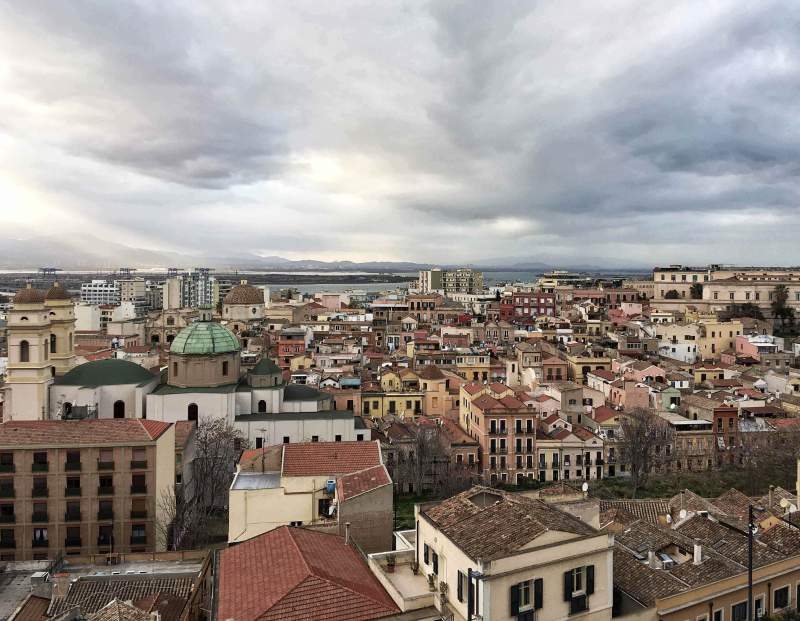
- Cagliari is the capital city, known for its historic Castello district and Poetto Beach.
- Alghero is a charming town with Catalan influences, known for its old town and beautiful coastline.
- Nuoro is located in the heart of Sardinia, with a rich cultural heritage and the nearby Gennargentu National Park.
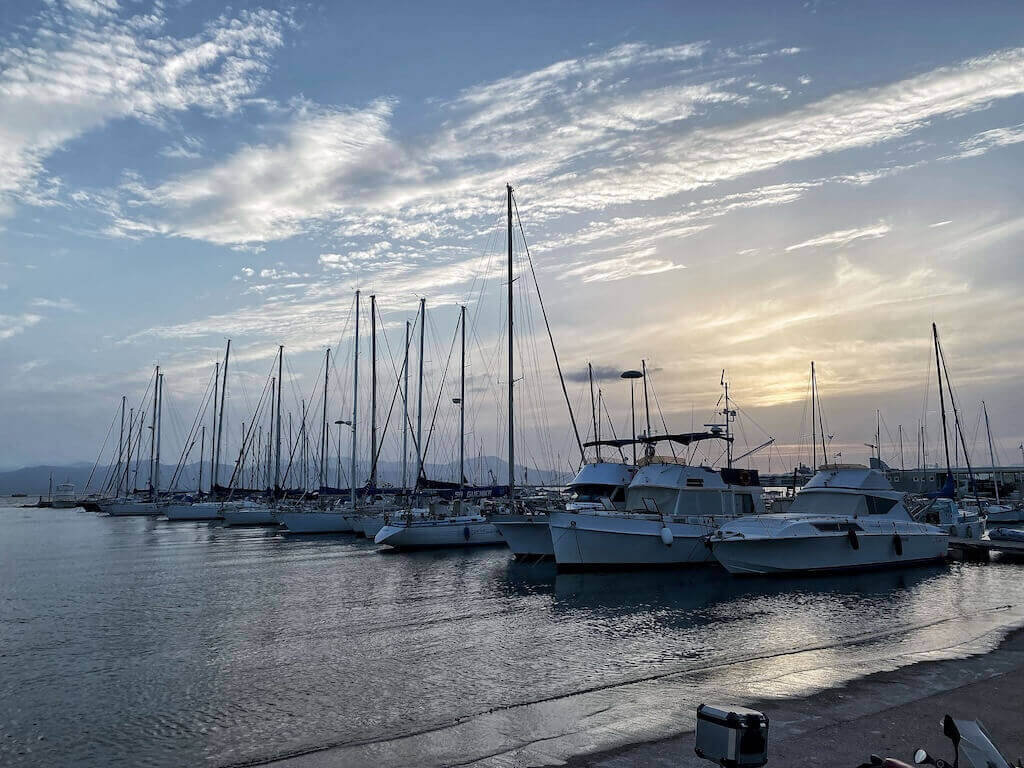
- La Maddalena Archipelago is a group of islands with some of the most beautiful islands in. the Mediterranean.
- Asinara National Park is on Asinara Island on the northwestern tip of Sardinia.
- Su Nuraxi of Barumini is Sardinia’s only UNESCO site and a one-of-a-kind archeological site.
Conclusions On The Regions Of Italy
The 20 Italy regions are all good reasons to visit Italy, honestly. There’s so much natural beauty, culture, and unique history throughout the country. Once you learn more about the regions in Italy, you’ll quickly realize that while Italy may look like a small country, it’s packed full of a lot of variety.
I’m from Sardinia, one of Italy’s five autonomous regions, and I couldn’t be happier. It’s a gorgeous island with so many fun things to do and incredible beaches. However, there’s something in each of the Italian regions worth noting.
The regions vary greatly by season, especially between north, central, and south. So, make sure you look at the best times to visit Italy based on your interests.
PIN IT!

Claudia Tavani
Claudia Tavani was born and raised in Sardinia, and after moving between the United States and the United Kingdom, she's now back living in her hometown, Cagliari. She's a travel blogger and certified travel designer who loves planning trips and publishing guides, travel tips, and packing lists so that you don't have to. Owner of Strictly Italy, cat mom to Minnie. Loves pizza, hiking, archeology, cities, beaches, swimming, and running. Hates peppers.