

Are you thinking of renting a car in Italy? You should!
I get asked so many times, “Is renting a car in Italy necessary?” or “Should I rent a car in Italy if I want to go to X, Y, and Z?” And the truth is, there is no straightforward answer. Whether or not you rent a car in Italy depends on where you’re going, your general travel plans, how comfortable you are driving, and how much time you have.
That said, I highly recommend renting a car in Italy for several reasons if you can swing it.
Italy is not a large country, but it has 20 regions and while the network of trains and buses makes moving around Italy very easy for the most part, there are some places that aren’t easily reachable via public transportation, and some regions (like Sardinia) where having a car will just make your life so much easier.
My post How To Move Around Italy explains the various means of transport you can use to travel seamlessly around the country.
Renting a car in Italy helps you discover hidden gems and explore parts of the country that few get to see, and allows you to maximize your time here, since you don’t have to rely on the public transport schedule.
It isn’t all butterflies and rainbows, though. You need to know tons of things before picking up your rental car in Italy – like where to rent a car, the legal driving age, the necessary documents, how to drive on the highways, and the basic rules of the road.
As a local Italian, that’s what I’m here for. I’ve rented a car in Italy multiple times and in several regions, including last month when my sister and I traveled around Umbria. So, I’m here to share more information about why you should rent a car, a step-by-step guide to renting a vehicle, and other important information you should know before getting your car rental in Italy.
Discover Cars is the best website to rent a car in Italy (actually, the best one to rent a car in most countries). It’s a comparison site that allows you to see the prices of car rentals from a variety of companies. You can book your car directly on the site. They have tons of vehicle variety, insurance options, and really good customer service. I’ve used them personally and can vouch for them in Italy and elsewhere.
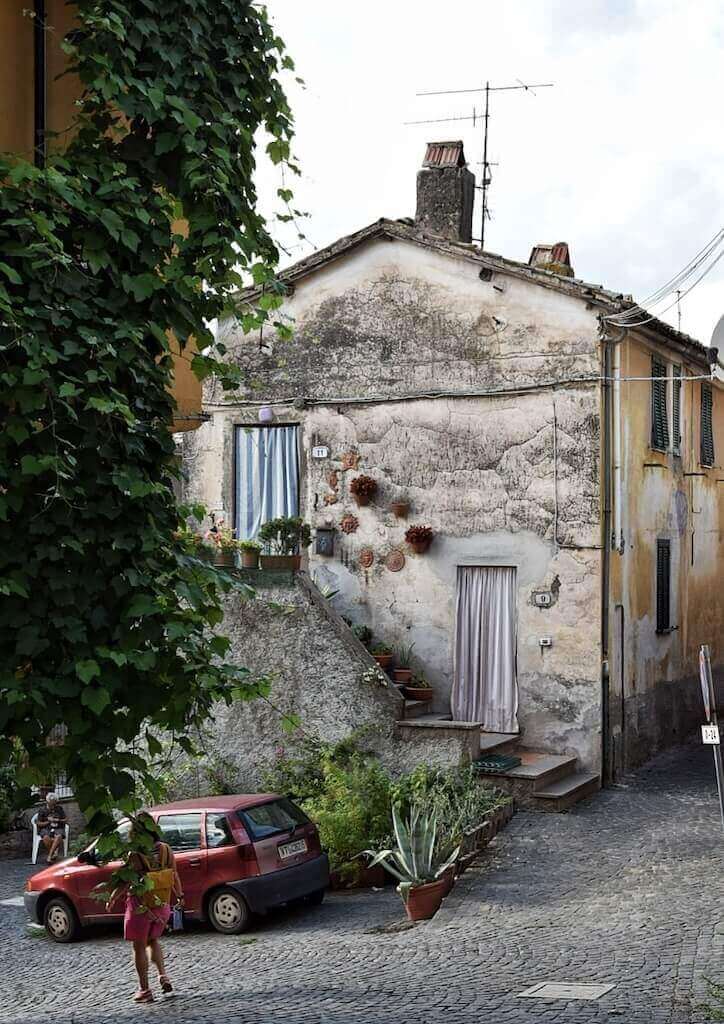
Why You Should Rent A Car In Italy
You can find off-the-beaten-path destinations
Here’s the thing about Italy – while the big cities are easy to get to by train or bus, the real magic often lies in those off-the-beaten-path destinations in Italy. And guess what? A lot of these places are hard to reach without a car.
Take Tuscia, for example. It’s a beautiful historical region just an hour from Rome, where my dad’s family is from. Every time I visit, I rent a car (I usually get it as soon as I land at Rome Fiumicino Airport) because, honestly, without one, I’d feel stuck.
Unfortunately, the bus service to get there is not very reliable, and there are so many small towns to visit that without a car it’d take you months!
I’m also a big hiking fan when I travel across Italy, and the trailhead to most hiking trails in Italy are not reachable by public transportation. I once spent half a day trying to get to a trailhead by bus, only to find out the last bus back had already left by the time I finished my hike. I literally had to hitch a ride back to town!
My post What To See In Italy Off The Beaten Path shares insights on some of the best lesser known places to visit in the country.

You can go on an epic road trip in Italy
I’ve been lucky enough to drive all over Italy, and let me tell you, it’s an absolute dream. The country is practically made for road trips. From the jaw-dropping Dolomites to the picture-perfect Amalfi Coast and the wild beauty of Sardinia’s coastline, there’s so much to see from behind the wheel.
Now, I’ll be honest: some of these roads can be a bit tricky. The first time I drove along the Amalfi Coast, my knuckles were white from gripping the steering wheel so tight! But the views? Totally worth it. If you’re a confident driver who loves a bit of adventure, you’re in for a treat when renting a car in Italy.

You have the freedom and flexibility to explore
Perhaps the greatest benefit of renting a car in Italy is the freedom it provides. Your schedule becomes entirely your own, free from the constraints of bus timetables or train schedules. This flexibility allows for spontaneous detours and last-minute changes to your plans.
With a car, you can linger longer at a beautiful beach (and there are so many gorgeous beaches in Italy!) to watch the sunset or decide on a whim to visit a nearby town for dinner. You can travel at your own pace, whether that means early starts to beat the crowds or leisurely mornings with no fixed departure time.
To sum up, renting a car in Italy does take some extra work, but it’s worth it. If you want to get to know Italy beyond the big cities, having a car is a great way to do it. It lets you create your unique trip tailored to what you want to see and do. You’ll be able to see and do much more than you could with just public transport.
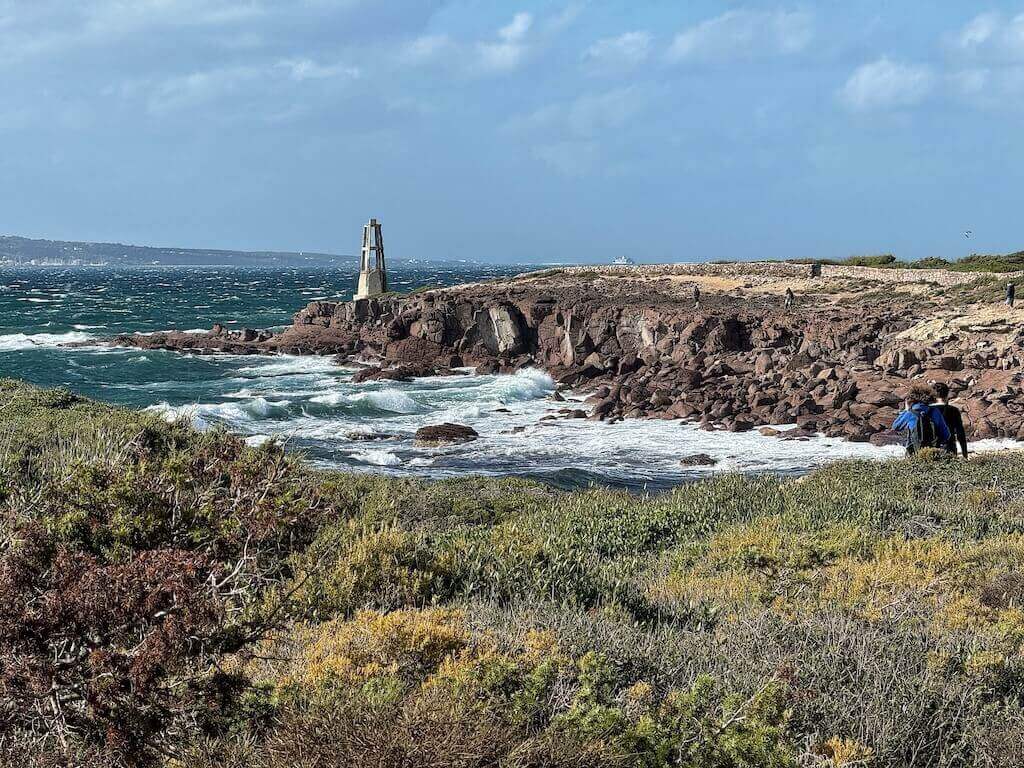
List of the best regions to explore by car
Now that you know why hiring a car in Italy can be so useful, here’s a quick list of some great regions to visit on your road trip:
- Tuscany: This area is famous for its countryside views, old towns, and many vineyards. With a car, you can easily explore Tuscany, ie go on day trips from Florence such as Siena, and San Gimignano, plus lots of small villages in between. Keep in mind I don’t recommend having a car if you don’t intend to get out of town (more about this in a bit).
- Sardinia: Italy’s second largest islands (and my home) has a bit of everything – beaches, mountains, and ancient ruins. Public transport doesn’t reach many exciting places here, so a car is very helpful.
- Puglia: In the ‘heel’ of Italy, you’ll find beautiful beaches, interesting towns, and the famous cone-shaped trulli houses of Alberobello. A car lets you see more of this less-visited region. My sister and I had a car rental when we visited and I don’t think we could have explored as much without.
- Dolomites: For mountain lovers, this northern area is a must-see. Driving here lets you explore high mountain roads and visit small alpine villages that are hard to reach otherwise. You will also need it to reach trailheads.
- Umbria: Next door to Tuscany and Lazio, but with fewer tourists, Umbria has lots of hilltop towns and pretty countryside. A car is great to get from place to place at your own pace. We rented one for our most recent trip there and we got to see lots in just a few days.
Each region offers something different, and having a car gives you the freedom to explore it all at your own pace.
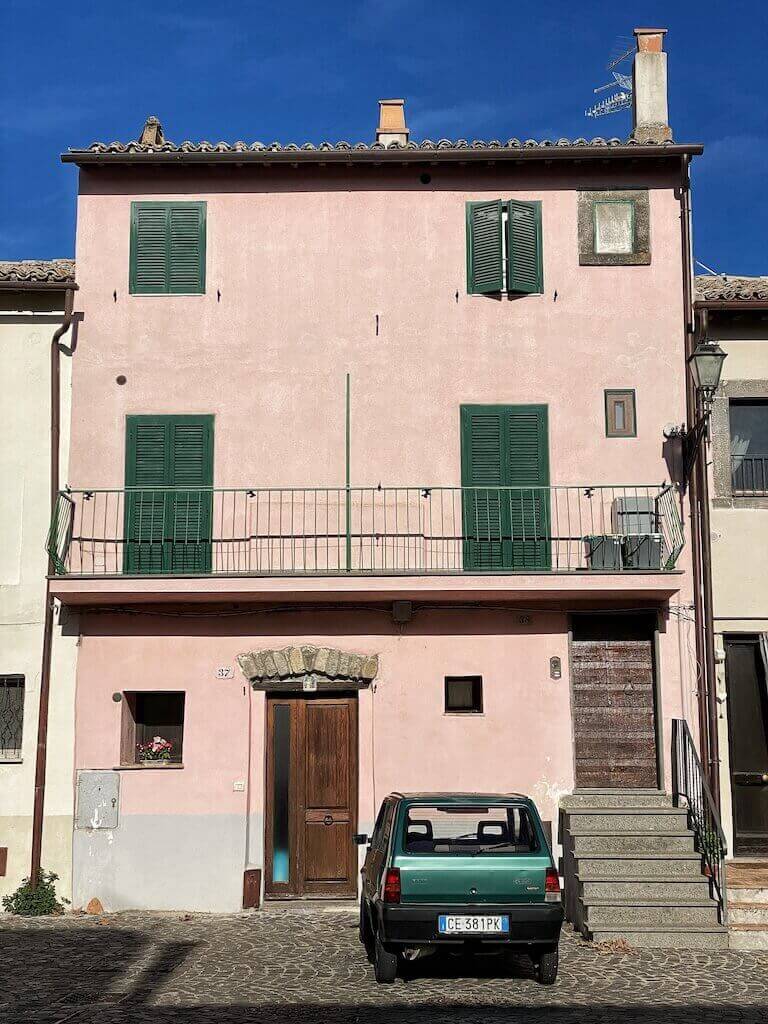
Step-by-Step Guide On Renting a Car in Italy
Step 1: Check prices and book through a comparison site like Discover Cars
When looking for the best car rental deals in Italy, I always use Discover Cars. After trying many comparison sites, I’ve found it helps me find the best prices and customer service. Here’s how to use it effectively:
- Enter your pick-up and drop-off locations. Remember, one-way rentals usually cost extra but can save you time and hassle.
- Input your travel dates and preferred car type.
- Filter results by rating. I suggest a minimum of 8 out of 10 stars. Cheaper options with lower ratings often come with hidden fees.
- Select Full Coverage insurance. It’s an additional €10 per day but covers most potential issues.
- Hit search and review your options.
There are many car rental agencies in Italy, and you’d have to check them all individually to then find the best option. Honestly, Discover Cars is the easiest and most affordable option as it helps you compare the prices, plans and even insurance options in just a few clicks, from your phone (they have an easy to use app) or your computer at home.
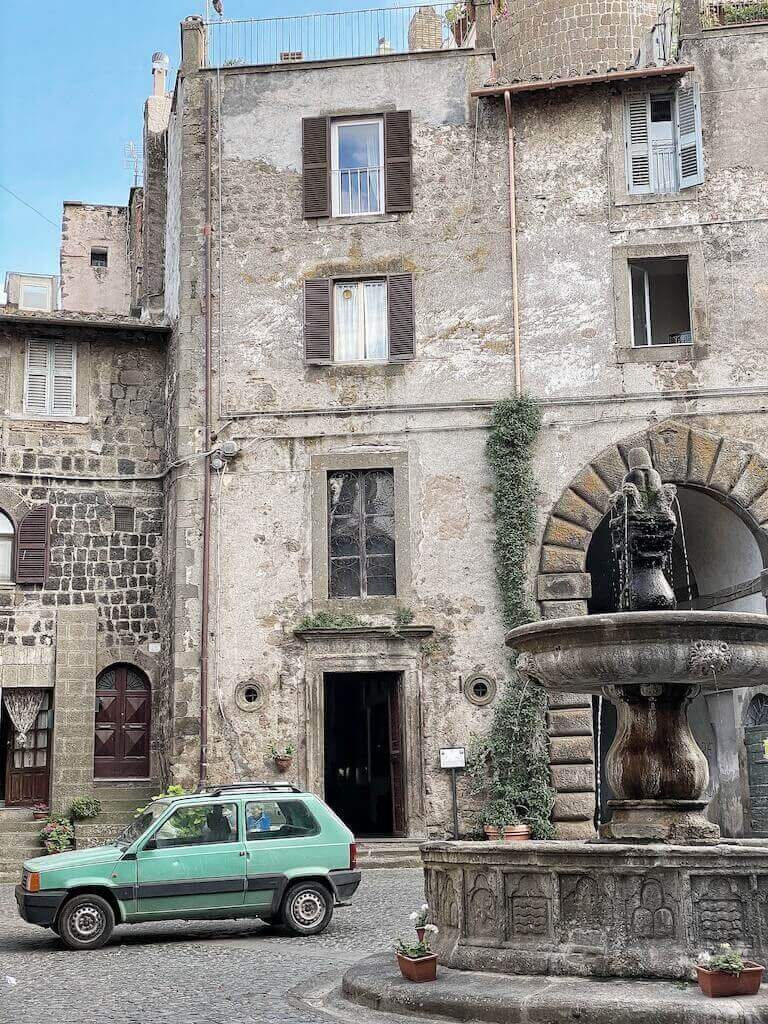
Step 2: Make sure your car is insured
Now that you’ve booked your car, it’s crucial to understand the insurance aspect of your rental. Driving without proper insurance in Italy isn’t just risky – it’s illegal. Let’s break down what you need to know:
What insurance is legally required?
In Italy, you must have Collision Damage Waiver (CDW) and Theft Protection (TP). Most rental packages include these, along with third-party liability insurance.
I always recommend opting for full coverage. This means choosing insurance that will cover you completely, even in case of an accident. While the basic CDW and TP may come with high deductibles, full coverage (often called Super CDW or ‘zero excess’) eliminates that worry.
The key here is that more insurance is always better. Even if it feels like an additional cost upfront, having full coverage means you’re protected against accidents, damage, or theft that could otherwise result in hefty repair bills or fees.
Why you should consider full coverage with Discover Cars
Full Coverage from Discover Cars (about €15/day) is much cheaper than the insurance the car rental company may offer you (often €30/day).
Here’s what Discover Cars Full Coverage policy includes:
- Collision Damage Waiver (CDW)
- Personal liability insurance
- Medical expense coverage for all passengers
- Theft protection
- Coverage for car body damage, tires, glass, windows, lost keys, and towing

Handling the additional insurance push from rental companies
Rental car companies might try to sell you their insurance even if you have Full Coverage from Discover Cars. However, it’s important to know you don’t need to buy it. The company will hold a deposit (usually around €3,000), which they’ll release when you return the car undamaged.
On a trip to Tuscia some time ago, I rented a car at Fiumicino Airport, and the counter agent insisted that I needed their full coverage. It was late, and I was too tired to argue, so I gave in and bought the insurance. Later, when I contacted Discover Cars, they reimbursed me for the unnecessary cost.
The takeaway? Don’t feel pressured into extra policies. If there’s damage, file a claim with Discover Cars. They usually process claims within 48 hours and reimburse up to €3,000. You can easily file claims through their website or mobile app.
You can get your car rental and Full Coverage insurance on Discover Cars, my favorite comparison site for car rental anywhere in the world (including Italy).
Step 3: Choose the right car for your travels
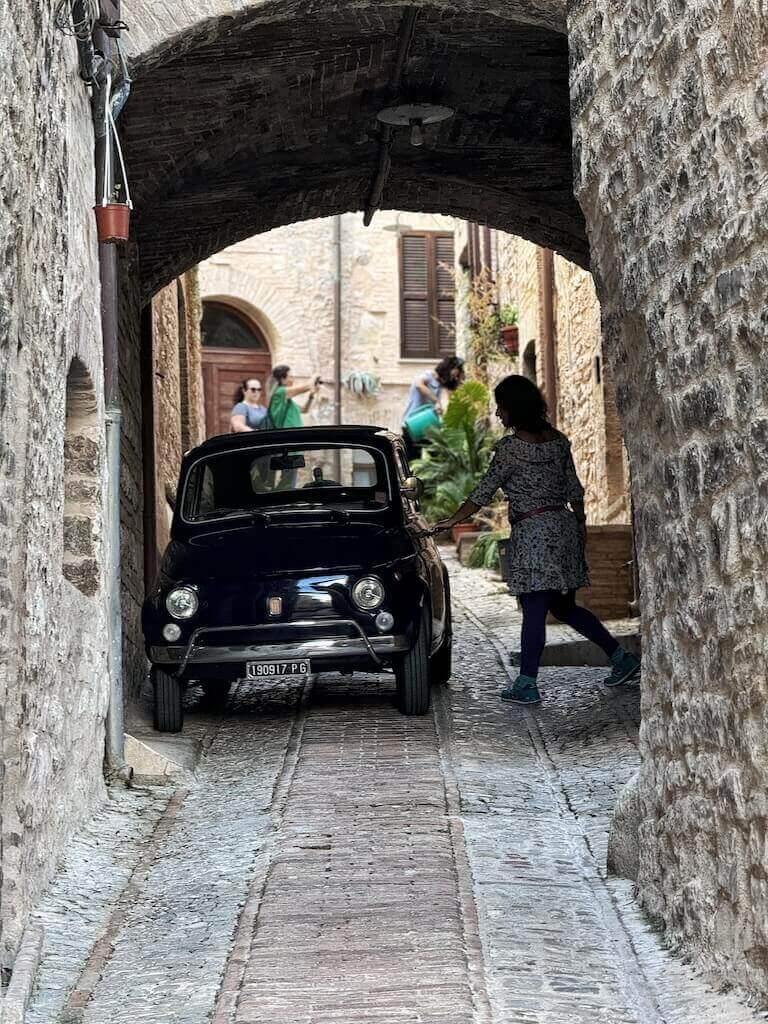
Choosing the right car can make or break your Italian adventure. If you want to explore charming medieval towns with narrow streets, a compact car like a Fiat 500 or Fiat Panda could be your best friend. It’s easy to maneuver and park in tight spaces.
You don’t really need a more powerful car for a scenic drive through Tuscany’s rolling hills or the winding roads of the Amalfi Coast – the roads are narrow and windy there. However, for such trips a mid-size car could offer the perfect balance of comfort and performance.
For families or groups, consider a larger vehicle or even a minivan. The extra space will be a lifesaver for long drives, especially if you plan to do some shopping or if you are carrying lots of suitcases. Remember, bigger isn’t always better in Italy – some roads in historical towns can be narrow.
Here are some factors to consider:
- Group size: Larger groups need bigger cars.
- Luggage amount: Ensure enough trunk space for your bags.
- Trip type: Small cars like Fiat Panda are ideal for city driving and short trips. Consider a more powerful, fuel-efficient option for mountain areas or longer journeys.
- Comfort: Longer trips might warrant a larger, more comfortable car.
Discover Cars allows you to pick the perfect car for your needs. Make sure to input the kind of car you are looking for once you start your search. Smaller cars are usually defined as “economy”.

Manual vs. automatic
Most cars in Italy have manual transmissions – I don’t even think anyone in Italy can get a driving license without knowing how to drive a manual transmission car. If you can drive a stick, you’ll have more options and lower rental costs. Automatic cars are available but are more expensive and less common.
If you’re not comfortable with manual transmission, don’t worry. While automatics are pricier, the peace of mind might be worth the extra cost, especially if you tackle challenging roads like the hairpin turns of the Dolomites or of coastal roads in Sardinia or the Amalfi Coast.
Remember, the goal is to enjoy your Italian road trip, not stress over the car. Choose a vehicle you’ll be comfortable driving, even if it means paying more. After all, the memories of cruising through the Italian countryside will last far longer than the sting of a slightly higher rental fee.
Getting an automatic car is really easy on Discover Cars – you can select all your preferences from the left sidebar on your computer. Automatic transmission is actually the first option, so you can’t miss it!
Step 4: Get your documents ready
Before heading to the rental car company counter, make sure you have these essential documents:
- Valid driver’s license: You must have held this for at least a year. Non-EU visitors also need an International Driving Permit (IDP). While rental companies might not ask for it, police can fine you if you don’t have it. Get an IDP from AAA in the US or the Post Office in the UK.
- Passport: Bring the original, not just a copy. Keep it with you while driving, not just for pick-up.
- Credit card: This should be in the name of the main driver. The rental company will place a hold on the card as a security deposit. Some companies accept debit cards (it’s one of the criteria you can select when searching for your car rental), but this often comes with higher fees.
- Booking confirmation: Bring a printed or digital copy of your reservation.
- Proof of insurance: If you’ve purchased separate insurance, bring documentation.
Remember, if you’re not the person who made the booking, the booker must be at pick-up with their credit card.
PRO TIP: Make digital copies of all these documents and store them securely online. This can be a lifesaver if you misplace anything during your trip.

Legal age for renting a car in Italy
To rent a car in Italy, you must be at least 18 years old, but your driver’s license must have been valid for at least a year. However, many rental companies have stricter rules and may not rent to individuals under 25.
Most rental agencies allow drivers from age 21 to rent, though if you’re under 25, expect to pay a “Young Driver Surcharge.”
While there isn’t a strict upper age limit in most cases, some companies impose restrictions, typically capping the rental age at 75 or 80.

Step 5: Factor in all your costs for a car rental in Italy
When planning a trip to Italy and renting a car, there are a few cost considerations you should be aware of. The price of a car rental in Italy can vary widely, depending on the time of year, the type of car you’re renting, and even where you pick it up.
Booking an economy car during the off-season, like November or February, can cost as little as €10 per day, even with full coverage insurance – a great deal! However, renting the same vehicle in the height of summer might cost at least €35 per day, so timing matters a lot.
My post The Best Time For A Trip To Italy explains everything about Italy tourist seasons and the best time to visit if you are traveling on a budget.
The cost can also depend on whether you’re picking the car up at an airport or in the city, your age (drivers under 25 usually face a “Young Driver Surcharge”), whether you’re returning the car to a different location, and what extras you need, such as child seats, an additional driver or a built-in GPS system.
The best approach is to compare different rental companies and get quotes based on your specific trip details. Only then will you get a true idea of how much renting a car in Italy will cost.
Gasoline prices in Italy
Another thing that will add to the costs of renting a car in Italy is the price of gas. In Italy, fuel is more expensive than in many other countries in the world, especially compared to the U.S.
As of now, gasoline is around €1.76 per liter (that’s around $1.92 USD), whereas in the US it costs around €1.18 ($1.28). So, if you plan on covering a lot of ground, those fill-ups will add up to the overall costs quickly.
Don’t forget to factor in tolls
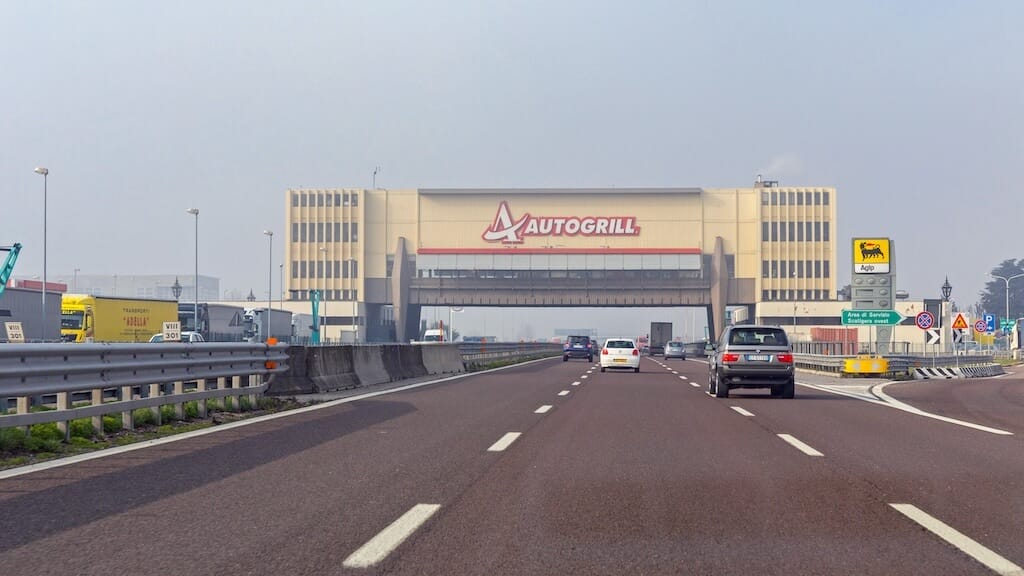
Italy’s highways, or autostrade, are well-maintained but come with tolls that vary depending on your route. For example, if you’re driving from Rome to Florence, you can expect to pay around €18 in tolls one way. It’s a good idea to have extra euros available or see if your rental car company offers a toll pass for more convenience – though be advised that most don’t.
If you’re driving in Italy, you must read my article, How to Master Toll Roads in Italy, to be prepared! Toll roads are a key part of traveling around Italy, and there are probably a few things you don’t know about them.

Step 6: Inspect the car before you drive off (and when you return it)
Before driving off, take the time to inspect the car thoroughly, best if with an agent from the car rental company. Look for any signs of damage, such as scratches, dents, or anything unusual. It’s a good idea to take photos or a video as a record for later reference.
When returning the car, do another check. Make sure there’s no new damage that could be blamed on you. Those initial photos can help with a dispute, as you’ll have proof of the car’s original condition.
Make sure all pre-existing damage is noted in your rental contract so you’re not held responsible for anything that was already there. Also, check the fuel level before leaving—rental cars are usually provided with a full tank, and you’ll need to return it full.
If you notice anything wrong with the car before leaving, report it immediately so the rental car company can handle or replace it.
GOOD TO KNOW: If you purchase Full Coverage insurance from Discover Cars you won’t really have to worry about any damage you may cause to the car as it’ll be covered too!
Must-Read Tips For Renting A Car In Italy
Book early for the best deals
Book your car rental in advance if saving money or sticking to a budget is important. Once your flights are confirmed and your travel dates are set, it’s a good idea to secure your car rental as soon as possible.
This becomes especially important if you’re traveling during peak season (mid-May to October), when demand for rental cars in the country is higher, availability is tighter, and prices can skyrocket.
Waiting until the last minute to book your rental car can lead to higher prices and fewer options. You might find yourself stuck with a vehicle that doesn’t suit your needs or blows your budget. In fact, I had a similar experience recently where I booked too late and ended up with a much larger (and pricier) car than I needed – and had no other choice than get that.
Walking into a rental agency without a reservation is a surefire way to overspend. During busy travel times, selection is limited, and you’ll likely have to pay a premium fee for whatever’s available.
Head over to Discover Cars to pick the best car for your trip to Italy. They work with lots of car rental agencies so that you can compare the prices, and you can also get full insurance coverage through them.
Make sure you have plenty of time to return the car
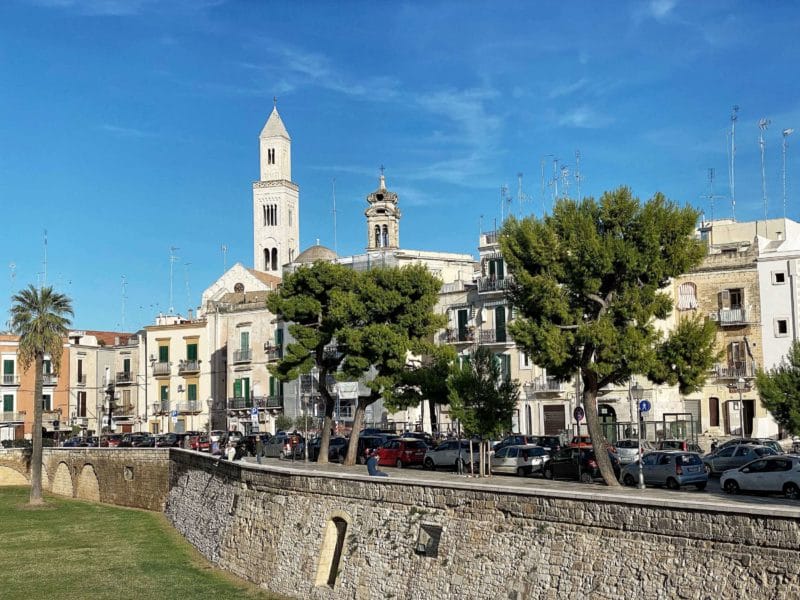
It’s easy to underestimate how long it might take to return a rental car. I faced this issue on a road trip to Puglia with my sister. We got lost on the way to the airport: there were road works and Google Maps was unaware of them, so it kept us sending us in circles. We found no signs directing us to the airport. We barely made it back in time to return the car and board our flight!
This kind of situation can cause unnecessary stress, and rushing to return the car can lead to poor decisions or even speeding. To avoid this, plan ahead and give yourself more than enough time to get back to the rental location.
Make sure your return trip is manageable, and identify gas stations near the airport before you leave for your drive. Topping off the fuel before handing the car back is usually required, so it’s best to know where you’ll need stop.

Use GoogleMaps, GPS, and even a road map
Most rental cars come equipped with GPS, and Google Maps is typically reliable for navigating around Italy (well, except in Puglia it seems!).
Be sure to download maps for offline use before your trip just in case you lose cell service while driving. Keeping your phone fully charged is also key, especially if you rely on Google Maps or similar apps.
While GPS is helpful, it’s still a good idea to have a road map as a backup. I noticed in many years of driving here in Italy that Google Maps often directs you down smaller country roads, which may not be the easiest or quickest route, or it may not account for road construction in more remote areas.
A map provides an extra layer of security if you need an alternative.
Also, keep an eye on road signs, as they’re often the most straightforward way to navigate, but often quite hidden here in Italy (or placed right on the spot where you need to turn, and just so that you miss the turn!).
Paying attention to your surroundings instead of constantly checking a screen can help you stay more focused on the road.

Know the basic rules of the road
Italy is a safe country, and driving in Italy is safe. However, before driving in Italy, it’s really helpful (and safer) to know about the local traffic laws. Knowing the rules, from speed limits to parking, will help you avoid fines and stay out of trouble.
Key traffic laws in Italy
- Speed Limits:
- Highways (autostrada): 130 km/h
- Freeways (superstrada): 110 km/h
- Main provincial roads: 90 km/h (sometimes 70 km/h or 50 km/h)
- Cities: 50 km/h, with residential areas often limited to 30 km/h
- Speed Cameras (known in Italy as Autovelox):
Signs will usually warn you about speed cameras. If cars ahead of you slow down suddenly, there’s likely a camera nearby. Speeding can lead to hefty fines, so stick to the limits even if others around you don’t. - Parking Rules:
- Blue lines: Paid parking (usually Monday to Saturday, 9:00 am to 1:00 pm and 4:00 pm to 8:00 pm, unless otherwise stated). Beach towns may require payment on Sundays too, in the summer months.
- White lines: Free parking.
- Yellow lines: Reserved for disabled drivers.
- Look out for “divieto di sosta” signs, which indicate areas where parking is prohibited.
- Double Parking (Parcheggio in Doppia Fila):
It’s common to see cars double-parked in Italy, especially for quick stops. While this can slow down traffic, it’s a regular practice in some areas. I live in the city center in Cagliari and regularly find a car parked next to mine, blocking my way out of the parking spot. Ask me what I think of it, especially when I am in a hurry!
If you receive a traffic or parking ticket, the rental car company will notify you and request payment (and no, you can’t get away with it), so it’s best to follow these guidelines closely.

Quick basics ZTL zones
Italy’s historic city centers often have restricted traffic areas called “Zona Traffico Limitato” (ZTL). These areas of town are off-limits to most vehicles, except local residents or specially authorized cars. This is done to reduce congestion and protect pedestrians.
- ZTLs are typically active during certain hours (for example, 3:00 to 5:00 pm and 9:00 pm to 6:00 or 7:00 am), though times vary depending on the city.
- Look for signs indicating whether you can drive through or not – either “varco aperto” (gate open) or “varco chiuso” (gate closed).
- Access is monitored by CCTV, so driving through a ZTL during restricted times will result in a fine.
Always look for ZTL signs; when in doubt, avoid driving through restricted areas.

Never drive under the influence
This should go without saying, but drinking and driving is never a good idea, especially in a foreign country. The legal blood alcohol limit is low – just 0.5 g/liter. Exceeding this limit is classified as drunk driving, and trust me, you don’t want to take any chances.
It will be tempting to drink a bit, especially when wine-tasting in places like Tuscany, where the local wines are hard to resist. But if you’re the one behind the wheel, it’s better to avoid alcohol altogether. You won’t carry a breathalyzer, and guessing your limit isn’t worth the risk.
If you’re caught over the limit, the fines are steep and can even result in losing your license. The penalties become harsher as your blood alcohol level rises, so staying sober when driving is the safest bet.
Have travel insurance
While travel insurance won’t cover your rental car, having it in case of unexpected medical issues or other disruptions to your travel plans is still a good idea. It can help you handle emergencies more easily. Also, pairing travel insurance with proper car coverage will keep you well-prepared for any surprises during your trip.
I recommend HeyMondo for travel insurance. It offers the best coverage you may possibly need has never failed me. Unfortunately, I have had to use it, too.
When Renting A Car In Italy Is Not Necessary
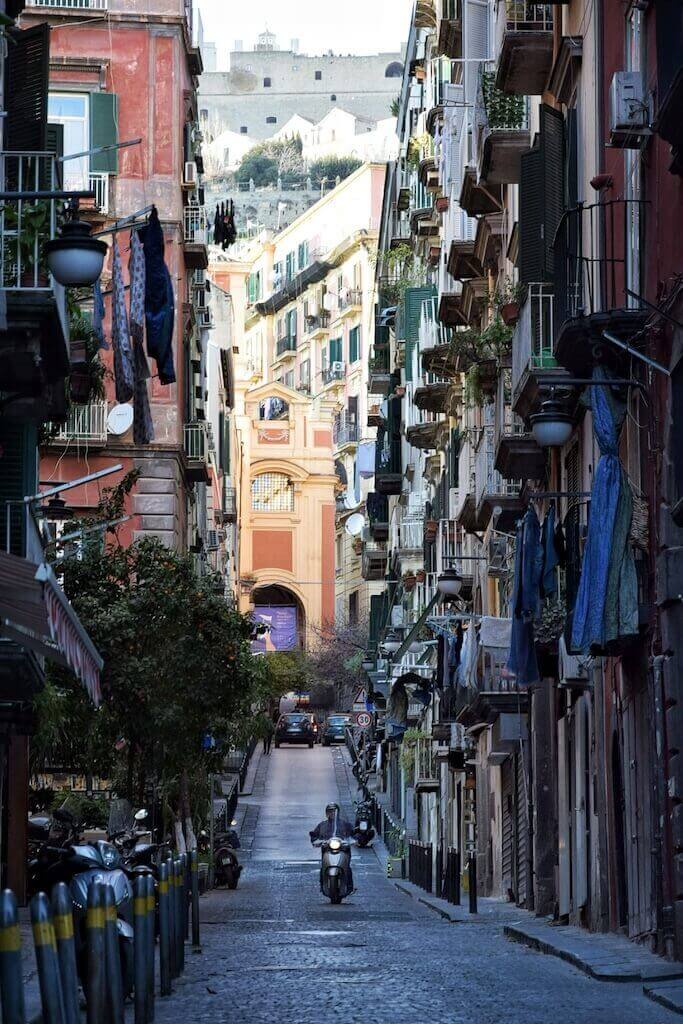
While renting a car in Italy can be convenient for exploring the countryside or smaller towns, it’s often unnecessary (and even impractical) in major cities.
Like most cities in Italy, Rome, Naples, Florence, Milan and Venice have excellent public transportation and (except for Venice) heavy traffic, making driving more stressful than enjoyable. Parking in city centers is limited and expensive, and many areas are restricted by ZTL zones, where non-resident cars aren’t allowed.
If you plan to stick to the main cities, getting around by train or bus is usually easier. Italy’s high-speed train network connects major cities quickly and efficiently, so you don’t have to deal with the headache of driving and parking. Public transportation is more affordable and allows you to relax and enjoy the journey.
In short: if your itinerary mainly includes big cities, it’s best to rely on trains, buses, or walking, which are more efficient and hassle-free for urban travel.

Conclusions On Renting A Car In Italy
Renting a car in Italy is the best way to explore the country, especially if you want to see more beyond the most famous landmarks and the most visited Italian cities. And if you’re renting a car, I highly recommend Discover Cars.
It’s an international car comparison site but you can rent directly through them. They provide insurance options, variety, and fantastic customer service. I’ve used them both in Italy and abroad and have only good experiences to share.
There are a few instances where I don’t recommend renting a car, like if you’re just traveling in major cities. In that case, you can use Italy’s fantastic network of public transportation and walk around the city.
Overall, hiring a car in Italy will make your trip better, especially if you follow this guide and know what to expect.
PIN IT!

Claudia Tavani
Claudia Tavani was born and raised in Sardinia, and after moving between the United States and the United Kingdom, she's now back living in her hometown, Cagliari. She's a travel blogger and certified travel designer who loves planning trips and publishing guides, travel tips, and packing lists so that you don't have to. Owner of Strictly Italy, cat mom to Minnie. Loves pizza, hiking, archeology, cities, beaches, swimming, and running. Hates peppers.