
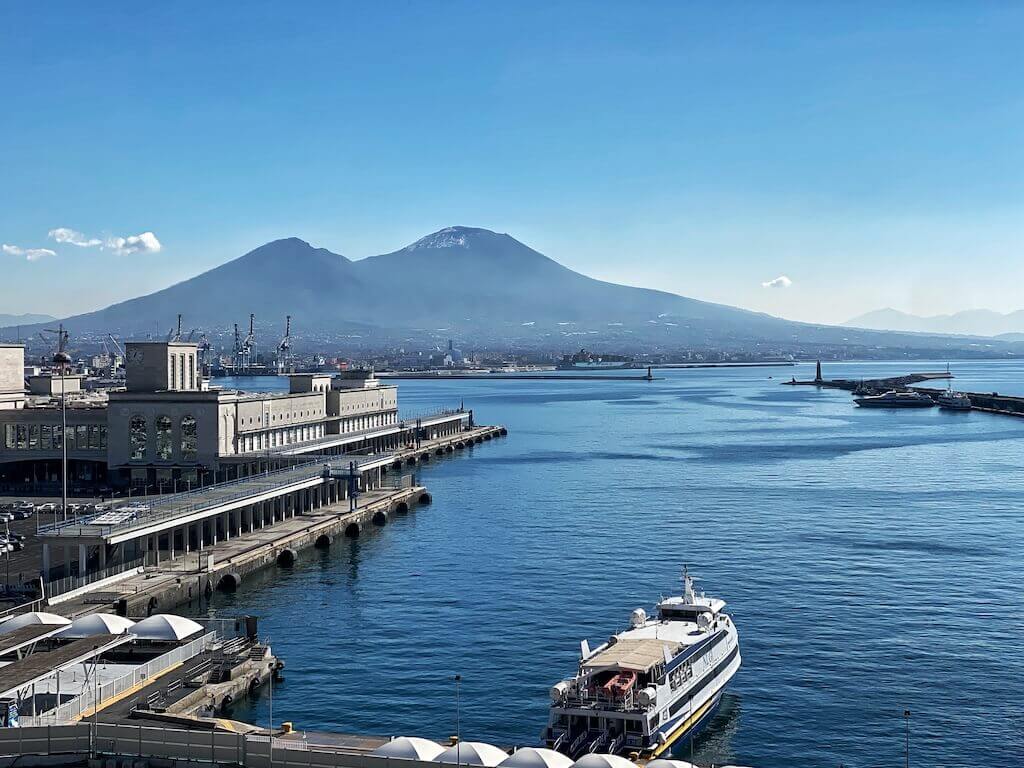
Are you planning a trip to Italy and wondering about the best way to travel in Italy? You’re in the right place.
One of the most overwhelming things about traveling to a foreign country is figuring out the transportation options. Not only is it completely new to you (assuming you haven’t been there before), but who knows if all instructions are going to be entirely in a different language?
So, yes, it can be scary. But there’s no need to worry when it comes to transportation in Italy. Italy has fantastic public transportation that’s usually pretty affordable when planning in advance. It is straightforward, and you can get almost anywhere.
In this travel guide, I’ll discuss how to travel around Italy, including national transportation (like intercity trains and domestic flights), local transportation (easy ways to get around most cities), and some brief tips on how to use Google Maps to optimize your travel experience.
National Transportation In Italy
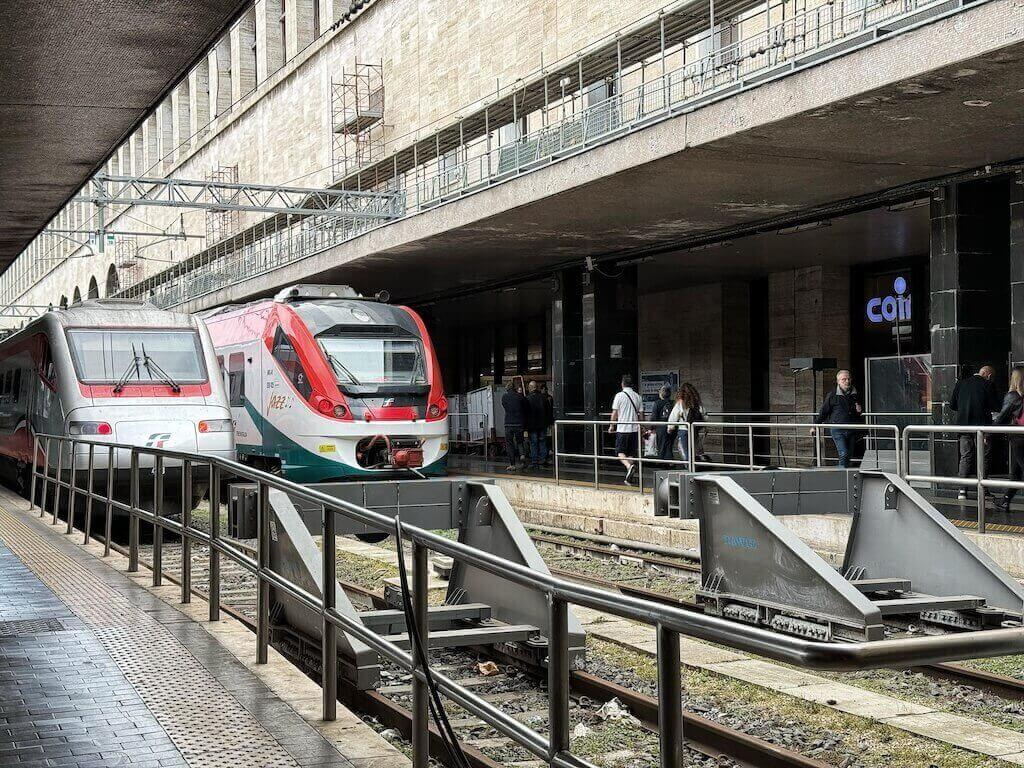
Traveling around Italy by train
Traveling around Italy by train is perhaps the easiest way to explore the country, especially if you have a little more time and want to visit the major cities.
Italy is very well connected. With over 16,000 km (9,900 miles) of railway lines throughout the country, it has the fourth-largest high-speed rail network in Europe. There are over-high-speed trains and regional trains, which are a bit cheaper.
Trenitalia is the main railway company run by the Italian government. Italo is a private company that also operates high-speed trains at comparable prices.
Traveling by train in Italy is highly recommended for people who are short on time and visiting the most popular cities in Italy. They will be well-connected, and you don’t have to worry about a car or anything while within the cities.

High-speed trains vs. regional trains
There are two main types of train travel in Italy.
High-speed trains, called frecciarossa trains, travel at around 185 mph (that’s about 300 km/h) and make fewer stops than regional trains. Thus, they are the fastest train transportation option.
Regional trains, usually abbreviated to REG or R on the train schedule, are slower and more affordable options. They travel around 100 mph (160 km/h) and are often older trains.
The high-speed trains connect major cities across the country, with only a handful of stops between each city. The regional trains make more stops along the way and serve a wider network of cities, towns, and villages in Italy.
High-speed trains are usually the best way to travel in Italy for tourists, as they are significantly faster. But regional trains are better if you want to save a little money, have more time to spare, and/or plan to visit some more remote places in Italy by train.

Useful tips for train travel in Italy
BOOK TRAIN TICKETS AHEAD—One of my biggest travel tips for Italy is booking things ahead of time, especially during busy tourist seasons. This also applies to purchasing train tickets. Train schedules are usually released two to four months in advance, so you should be able to plan ahead and get good seats with time to spare. You can get train tickets directly on Trenitalia or even on the Omio App.
CHECK FOR STRIKES—Train strikes can occur one or two times a month, but most are so small and inconsequential that you won’t even notice them. Few people are involved, and very few routes are affected. Still, it’s something to be aware of, and since the strikes are announced ahead of time, you definitely should take a moment to check if there are any during your travel days that would disrupt your travels.
CONSIDER THE TRENITALIA PASS —The Trenitalia Pass is only available to foreigners living outside of Italy (so I’ve never been able to use it personally, as I’m an Italian citizen), but it’s meant to make extensive train travel more affordable and convenient. You can purchase tickets in advance for the whole family.
VALIDATE YOUR TICKETS—You must validate paper tickets or tickets purchased at the office. There are validation machines at the train station entrance marked “convalida” and they can be grey and green, or orange and yellow. If you don’t validate your ticket, you will be fined, so this is an important one. If you have bought your ticket online, you can scan the barcode to access the platform.
BRING SNACKS AND WATER—All main train stations in Italian cities have stores where you can buy food and drinks, so you can get something to bring on board for longer trips. Depending in which class you travel you may get a snack and water during your train ride or there may be a food cart service or a café on board.
Traveling by car in Italy
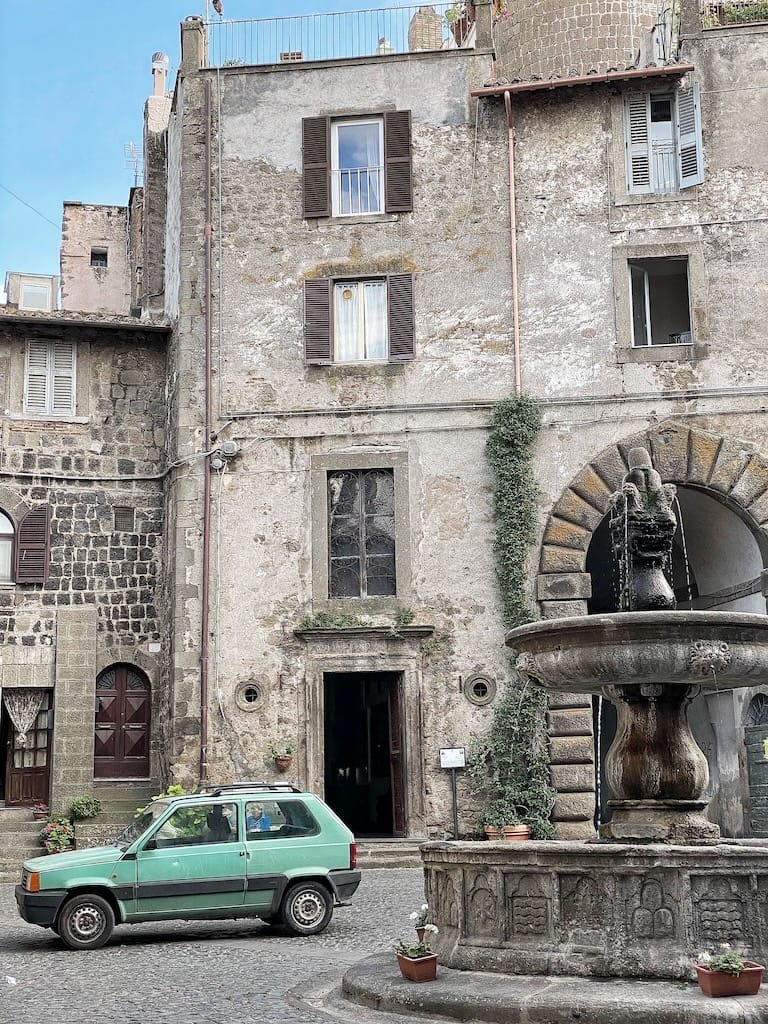
Getting around Italy by car is an amazing way to see more off-the-beaten-path places in the country. Trains can only take you so far, and once you get to your destination, you have to figure out how to get around.
But with a car, you have a lot more freedom and independence, and thanks to the network of toll roads in Italy, it’s easy to get just about anywhere. Most places are very car-friendly, with a few exceptions (ie the historic center of a town or city), and some places you can really only visit with a car.
It’s actually very easy to drive in Italy, especially outside of the overcrowded cities. The autostrade is the Italian highway. When you enter the autostrade, you go through a ticket booth and collect a ticket (that you’ll need when you pay when you get off the highway). The highways are usually very well-maintained, smooth, and clearly marked.
Strade statali is another main type of road connecting cities and towns. It is basically Italy’s national road. Strade statali are also well-maintained and clearly marked.
I’d say Italian drivers are a little more aggressive than most are used to, but our roads are safe, and as long as you follow the rules of the road, you should be safe, too!
If you decide to rent a car in Italy, I recommend using Discover Cars. You can compare cars and rental company prices. I’ve used them for several road trips abroad and in Italy and have only had good experiences.
My post How To Rent A Car In Italy explains the intricacies of the car rental process in Italy.
When to rent a car In Italy?
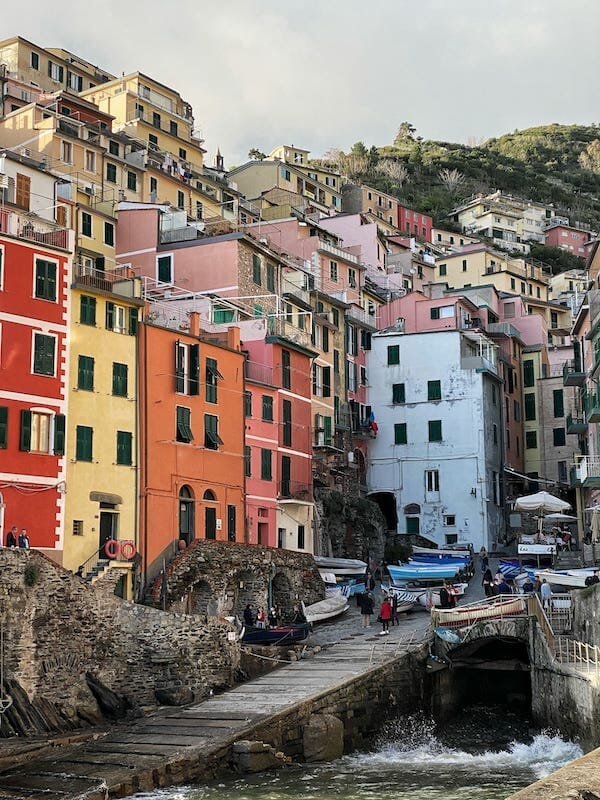
NO CAR NEEDED—I do not recommend having a car in any of the big cities (Rome, Milan, Naples) or in smaller but very popular places (Cinque Terre, or Amalfi Coast, to name a few). The larger cities can be really chaotic, and finding parking can be a big pain. Naples and the surrounding area are a bit infamous for their reckless drivers. If you’re just planning on sticking to the most popular cities in Italy and the main tourist attractions, no car is really needed.
CAR RECOMMENDED—You want a rental car if you plan to visit some hidden gems or places in Italy that aren’t easily accessible by train. There are some really beautiful regions in Italy to explore by car, as well. You want a car to make the most of the Tuscany wine region, the Dolomites, Sicily, and Sardinia, to name a few.

Useful tips for car travel in Italy
RENT YOUR CAR IN ADVANCE—You should definitely rent your car well in advance. Last-minute car rentals likely mean more expensive rates and fewer options.
GET YOUR LICENSE IN ORDER—Check the requirements for driving in Italy and make sure all your paperwork is done well before your trip. If you’re coming from outside of Europe, you’ll need an International Driver’s Permit (IDP).
FOLLOW ALL THE RULES—Regardless of what the locals do, please just follow the rules of the road. This goes for the speed limit, parking restrictions, and everything else. If you do get a ticket, make sure to pay it before leaving Italy because it can (and will) follow you home.
RENT A SMALL CAR—A small car is very beneficial when you’re driving in the city center and in the countryside, on narrow roads, and turning on very tight corners, which is very common in most parts of Italy. If you’re renting a small car, keep this in mind while packing, too. You don’t want more bags than will fit.
PLAN PARKING AHEAD—As mentioned, parking in the cities can be a big pain. So, make sure to look up nearby legal parking spots ahead of time. If you’re renting an apartment or hotel, you should check that they have private parking first.
Flying around Italy
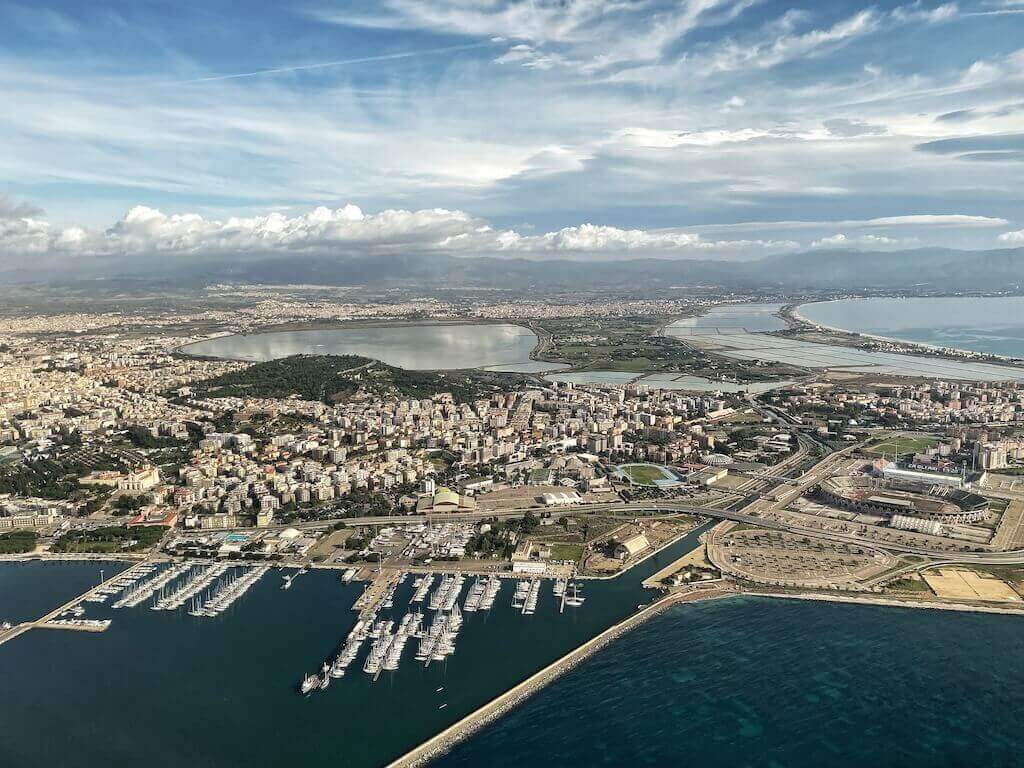
With the rise of budget airlines in Europe, flying is another excellent way of getting around Italy. Booking with a budget airline is pretty affordable and definitely the fastest way to cover the most ground.
Flying is especially recommended if you’re traveling all over the country. For example, traveling from Sicily to Milan, or vice versa can take upwards of 15 hours by train and ferry, but a flight only takes less than two hours.
If you’re sticking to the main cities and making short trips from those cities, flying is definitely the easiest option. You don’t have to worry about parking, rental cars, or train schedules.
But you do have to consider checking a bag (and having to pay extra for it, unless you fly hand luggage only), going through security, and figuring out transportation to and from the airport.

Useful tips for air travel in Italy
PURCHASE TICKETS IN ADVANCE—As with anything in Italy, you should purchase your tickets at least a few months before your travel dates, even with domestic travel. Prices can spike the closer it is to your travel dates, so it’s best to plan ahead.
DOUBLE-CHECK THE AIRPORTS—Some cities in Italy have multiple airports, and budget airlines sometimes fly in and out of a smaller one a bit further away from the city or not as well known. For example that’s the case for Milan and Rome. Make sure to confirm the airport you’re flying out of before leaving for the airport to avoid showing up at the wrong one.
MAP HOW TO GET TO/FROM AIRPORT—On a similar note, make sure to also plan ahead on how to get from your accommodation to the airport and from the airport to your accommodation. Most major airports in Italy have very useful resources on their website, so that could be a nice tool for this.
ARRIVE 2+ HOURS BEFORE FLIGHT—You usually don’t need to arrive more than two hours before a domestic flight, especially if you’re departing from a smaller airport. However, you could get there a little earlier if you want to be extra safe.
THINK ABOUT CHECKING BAGS—Whenever you’re flying, you have to consider whether or not you’re checking a bag. Some budget airlines can be a bit strict on their carry-on allowance. Also, if you’re only bringing a carry-on, remember about the liquid size limits and all that. It might look cheaper to fly than take a train or bus, but when you factor in checking a bag and transportation to the airport, it might even out.

Buses in Italy
Honestly, I would always suggest taking a train over a bus when you have the option. Trains are significantly easier to navigate, with plenty of online information available and clear-cut schedules.
The bus system (if you can call it that because Italy doesn’t actually have a national bus network; they are all regionally operated) is much more complicated, especially for foreigners.
However, sometimes a bus is really the only option. Buses are used more in the countryside and in smaller towns where there aren’t any train stations. Furthermore, you can sometimes get a better price with certain buses, so it can be a good option for budget travelers.

How to buy bus tickets in Italy
As mentioned, there are no national bus companies in Italy. So, every region has its own little network of buses. Very few regions have created a well-organized system for purchasing tickets and the like.
Flixbus is the primary third-party private bus company in Italy. This is the best bus company for long-distance routes, and you can easily buy tickets online via the Omio App, which is an added convenience.
You can also find bus tickets for sale at several central points. Usually, you can find them at bus and train stations. You can also buy them at newsstands (edicola in Italian) and tobacco shops (tabaccheria).
Omio is usually the best website for checking bus routes and companies. It neatly lists all the companies and the schedule for each departure of your desired route. It’s a good way to compare prices, and you can also get Flixbus tickets there.

Useful tips for bus travel in Italy
RESEARCH THE COMPANY—If you aren’t purchasing your tickets through an app, you may have to do a lot of online research to find out which company you need to go with, where to get on the bus, and what routes they serve. Don’t cut corners on your research; try to show up as prepared as possible.
VALIDATE YOUR TICKET—Many buses also require ticket validation. If you miss it, you can be fined once on the bus. There’s either a little box to validate the ticket before boarding, or you can get it validated upon boarding.
LEARN A LITTLE ITALIAN—A little bit of Italian can go a long way when using local transportation, especially if you’re traveling with a company that’s used more by locals. Make sure to also learn the name of your destination in Italian, as sometimes it looks very different from the English translation.
CHECK FOR STRIKES—Transportation strikes affect train and bus travel in Italy. Make sure to double-check before traveling by bus that there isn’t a strike. Again, it’s very unlikely you’ll get slowed down by one, but it is possible.
PACK LIGHTLY—This can always be helpful when traveling Italy and hopping from place to place, but it’s especially useful when traveling by bus. If you’re traveling across different regions or long-distance, you’ll likely be switching buses at some point, and that’s much easier to do with fewer things. Just make sure to keep your valuables on you on the bus at all times.
Ferries in Italy
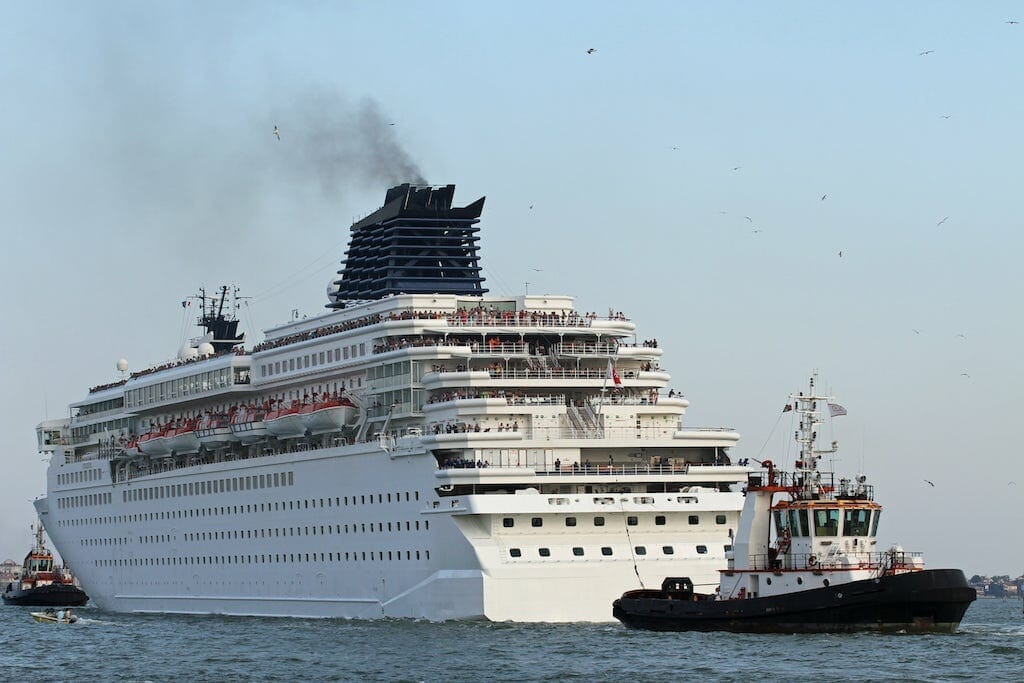
Considering Italy is a peninsula surrounded by water on three sides and has over 400 islands, you might take a ferry at some point.
The most popular ferry routes connect mainland Italy to Sicily and to Sardinia, and even Italy from neighboring countries like Croatia, Spain and Greece. There are almost 60 national ports across Italy and many different ferry companies.
Like buses, there is no national ferry operator that covers the entire country. Because of this, there are different ferry companies in different regions. So again, you’ll have to do some research on the ferry company for your specific route.

Useful tips for ferry travel in Italy
DO RESEARCH—Sometimes, there are multiple companies going from different ports to the same destination. For example, there are several ferry companies connecting Italian ports with Greek ports or mainland Italy to one of the Sardinian ports. You should do your research and check travel time and the departure/arrival ports.
CHECK FOR SEASONAL ROUTES—Most ferry companies operate year-round, but some have different seasonal routes, so make sure to check ahead of time that your ferry and route are operating on your travel dates.
BRING MEDICINE FOR SEASICKNESS—If you get motion sickness, you should definitely bring some medicine, like Dramamine, to help because the boat can be rough sometimes.
BOOK EARLY, ARRIVE EARLY—During the summer months, the ports can get really busy, so it’s best to arrive early, around one hour before departure, if not earlier, if you’re bringing a car onboard. You should also book tickets as early as possible. Some routes recommend booking six months before your travel dates during the busy season.
COMPARE PRICES—Ferries are sometimes the cheapest way to get from point A to point B, but not always. If you’re on a budget, make sure to compare ferry prices with flight prices to double-check. Ferries are usually a little less convenient time-wise, so a flight may be the best bet for long-distance rides. I recommend using Direct Ferries to compare the prices and check the availability of ferry routes.
Local Transportation In Italy
Metro/Subway
The metro (or subway) is one of the easiest ways to get around cities in Italy. It typically connects the historic center with the suburbs and sometimes smaller nearby cities. The metro is usually easy to navigate, more affordable than other options, and pretty reliable.
Of course, only the largest Italian cities have a subway system – namely Rome, Naples, Milan, Turin, Brescia, Genoa and Catania. Many other cities have a system of light rail or overground.

Trams/Buses
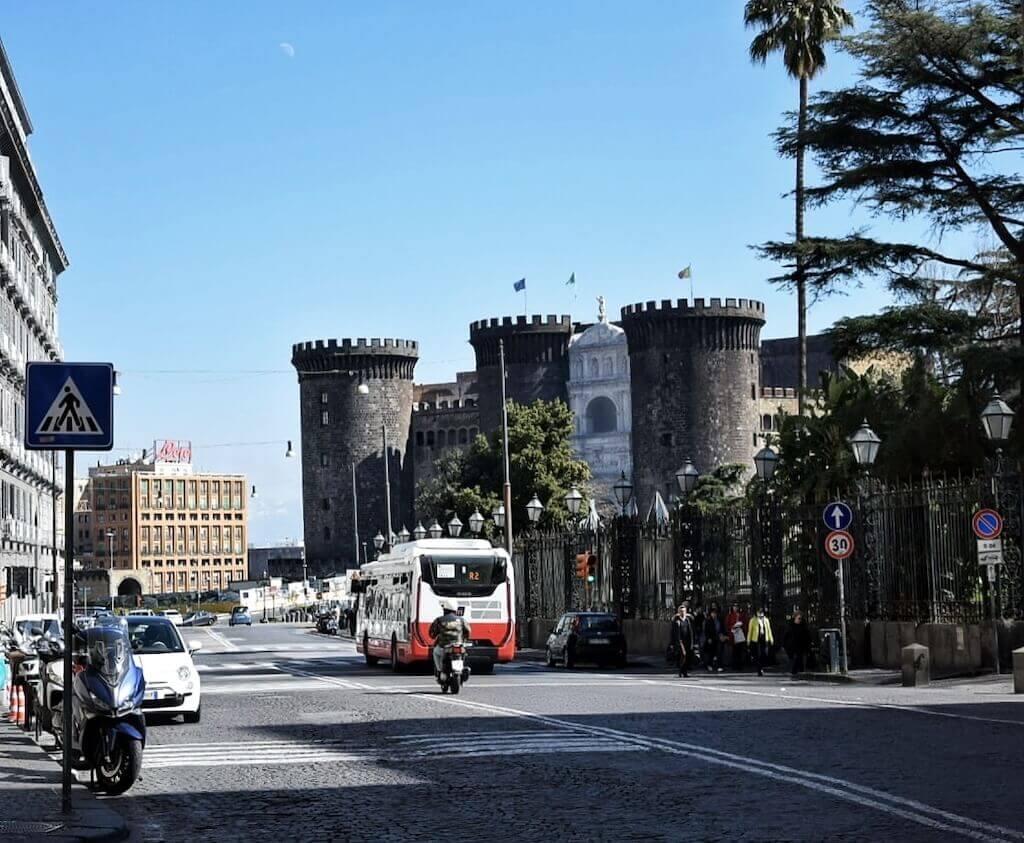
Buses are an efficient way of getting around most cities in Italy. The public transportation network within cities is usually very good, with buses often having a preferential lane which means they don’t get stuck in traffic, and lots of different lines connecting all the corners of the city.
Some Italian cities also have trams, which is a more old-school way to get around. In some cases, these trams are classic looking (like the ones in Milan); whereas in other cases they are more modern.
They usually have more limited routes than the metro or buses, but they hit all the main neighborhoods and areas.
The tram services in Rome are particularly popular and very practical for getting around town. Just make sure you hold onto your belongings to avoid any scams or pickpocketing.
Taxis/rideshares
Taxis and rideshares are another reliable option for getting around in the city or town. They are usually a lot more expensive than the metro or other local transportation, but they’re sometimes faster and more comfortable.
Rideshare apps like Uber are becoming more popular across Italy, but this is a very recent development. Up until recently, taxis have always ruled the road. Uber has only started recently becoming in major cities like Rome, Florence, Milan, and Naples but oftentimes when you call an Uber in other cities you literally get a regular taxi.
Local rideshare apps are also available in Italy, and they are usually more available and affordable. Some of the most popular ones are FreeNow and itTaxi.
Private transfers/drivers
You can also book private transfers or private drivers to travel around Italy. This is true for travel between cities and around a city.
A private transfer is usually much more expensive, but it’s also very convenient. You can travel at your own pace. They’ll pick you up right from your accommodation, and they have more comfortable cars/vans.
This is particularly a good way to travel from major airports into the city, especially if it’s your first time in Italy and you don’t know your way around that well.

By car
Many people want to rent a car in Italy, and this is definitely a fantastic way to see the country and find some hidden gems outside of the main cities and routes. For example, there are several day trips from Rome that are great to do by car.
However, be careful when driving a car in major cities. Traffic can be really chaotic in places like Rome, Naples, and Milan, and the road rules might be confusing if you aren’t used to it.
For example, near the historical centers, there’s usually a zona traffico limitato (ZTL) where cars aren’t allowed to drive without a special permit. You are also not allowed to make a right turn on red like in most places in the United States.
In short, renting a car in Italy is a good idea, especially for incredible road trips or to explore deep into wine country or the mountains. However, be careful in major cities.
On foot
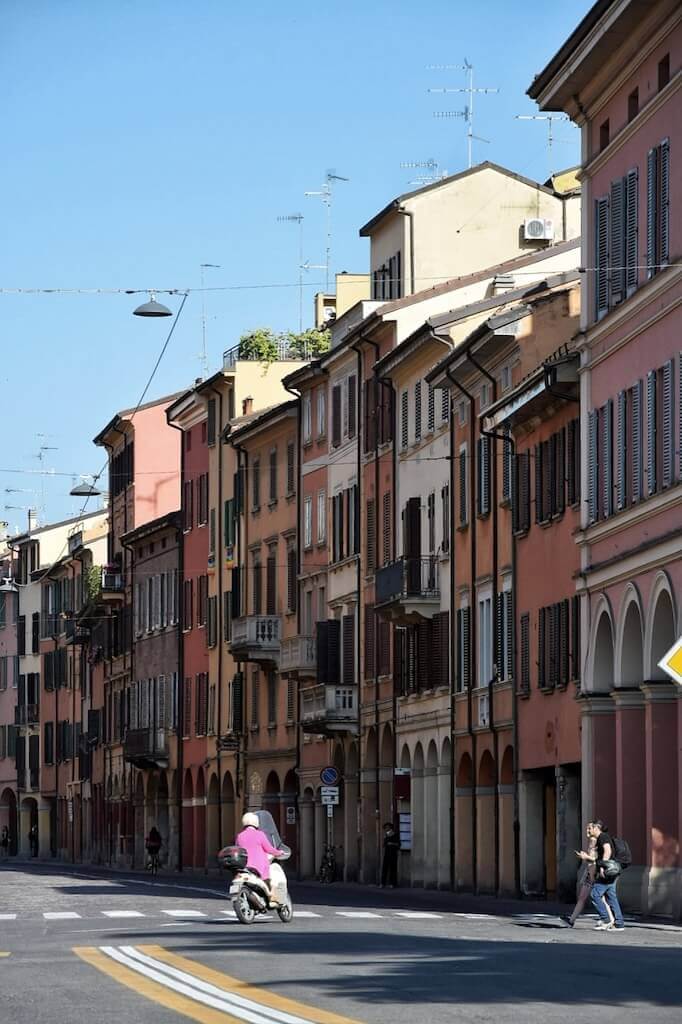
Surprisingly, sometimes the best means of transportation in my country is on foot. You can get around a lot of local cities just by walking, which is a really nice way to explore the historic center, and maybe see a little more of the city.
Most of the major tourist attractions are centered around the historic center and are usually a short 30-minute or less walk from one another.
With having to rely minimally on public transportation, you can really see a lot in just one day in Milan, and the same goes for most major cities in Italy.

Guide To Using Google Maps In Italy
Google Maps is one of the best tools for figuring out transportation when traveling around Italy. It also gets more and more accurate every year.
To use the Google Maps app, you simply type in your starting point and your desired destination (it works the same on a desktop, though).
Once you enter that information, there will be a small bar at the top that shows you directions through the main methods of transportation, including driving, walking, public transport (trains and buses). Choose your desired icon to pick your transportation method, and follow their steps.
It’s not perfect by any means, but it’s the most accurate real-time transportation app for Italy. I wouldn’t rely on it for things like timelines. Don’t schedule the most important meeting of your life solely on Google Maps time travel estimates, but it’s a good way to figure out the best way to travel in Italy.
Conclusions On The Best Way To Travel In Italy
Are you planning a trip in Italy and worried about how to travel around Italy? Don’t worry too much—it’s actually very easy, and there are many options.
Between the trains, buses, ferries, and rental companies, you have a lot of options, and you can’t really go wrong. Transportation here is very good compared to other places, and most locals rely on it, so you shouldn’t have a problem getting around Italy at all.
PIN IT!

Claudia Tavani
Claudia Tavani was born and raised in Sardinia, and after moving between the United States and the United Kingdom, she's now back living in her hometown, Cagliari. She's a travel blogger and certified travel designer who loves planning trips and publishing guides, travel tips, and packing lists so that you don't have to. Owner of Strictly Italy, cat mom to Minnie. Loves pizza, hiking, archeology, cities, beaches, swimming, and running. Hates peppers.