
Pizza is the most popular Italian food. It’s so popular you can almost always find a pizzeria in every city and town around the world. No matter how far away or detached you are from Italy, there’s a pizzeria within reach (whether it’s a good pizza or not, it’s a different story).
If you’re traveling to Italy, you’re probably excited to enjoy the incredible pizza in Italy. And you should, because it’s the best pizza you’ll ever have in your life. However, Italian pizza might be a little different from what you’re used to.
As an Italian who grew up eating pizza (just like every other Italian) and who enjoys eating pizza on a regular basis (once a month as a minimum), I’m here to share everything you need to know about pizza in Italy. That includes the most popular types of pizza, how to order it and what to drink with it, and even some great pizza-making classes.
If you’re interested in local Italian food, make sure to read my article, Must-Try Traditional Italian Food By Region, which covers much more than pizza. You can also check out my post Common Misconceptions About Italian Food (From A Local) to learn more about what you won’t find in Italy.

Kinds Of Pizza In Italy
Pizza Napoletana
Pizza as we know it today was invented in Naples, so of course the most common pizza you’ll find in Italy is pizza napoletana. The dough only uses flour, water, salt, and yeast and must be shaped by hand into a round pizza no bigger than 35 centimeters.
The pizza cooks very fast (just 60-90 seconds) in a super hot wood-fired oven. This creates its special look: soft in the middle with a puffy, spotted crust.
The two most basic types are Marinara, made with tomato, garlic, oregano, olive oil, and Margherita, made with local tomatoes growing on the slopes of Mount Vesuvius, mozzarella di bufala Campana (buffalo Mozzarella), basil, olive oil.
Making pizza napoletana is such an art that the art of the Napolitan Pizzaioulo (pizza maker) have been inscribed by UNESCO as intangible cultural heritage.
In Italy, we eat pizza napoletana with a knife and fork because the middle is quite soft. Many people fold it slightly to keep the toppings from falling off. In fact, a sign of a proper pizza napoletana is the mozzarella sliding off the pizza.
You’ll find this style of pizza in Naples (obviously), but it’s also the most popular kind of pizza in Italy. You’ll be able to get anything from the basic margherita pizza in simple easygoing pizzerie, as well as gourmet pizza with unique toppings and pairings in fancier places.

Pizza Romana
Roman-style pizza is slightly different from Naples-style. The pizza is very thin and crispy, almost like a cracker. The dough has a bit of olive oil, which helps create that crunchy texture, and it cooks longer at a lower temperature than Neapolitan pizza.
Pizza romana typically looks bigger than a pizza napoletana, usually hanging over the edges of the plate. When you pick up a slice, it stays almost completely straight, unlike the softer Neapolitan style. You can thus cut pizza into triangles and enjoy it piece by piece.
Toppings can be quite similar to that of a pizza napoletana. The classic Roman combinations include simple ingredients like fresh tomatoes, anchovies, olive oil, and oregano, though today, you can find all kinds of modern variations.
If you’re interested in Roman cuisine, make sure to read my article, What To Eat In Rome: An Insider’s Guide to Authentic Roman Cuisine. It covers pizza and other popular regional specialties in the city.
Pinsa Romana
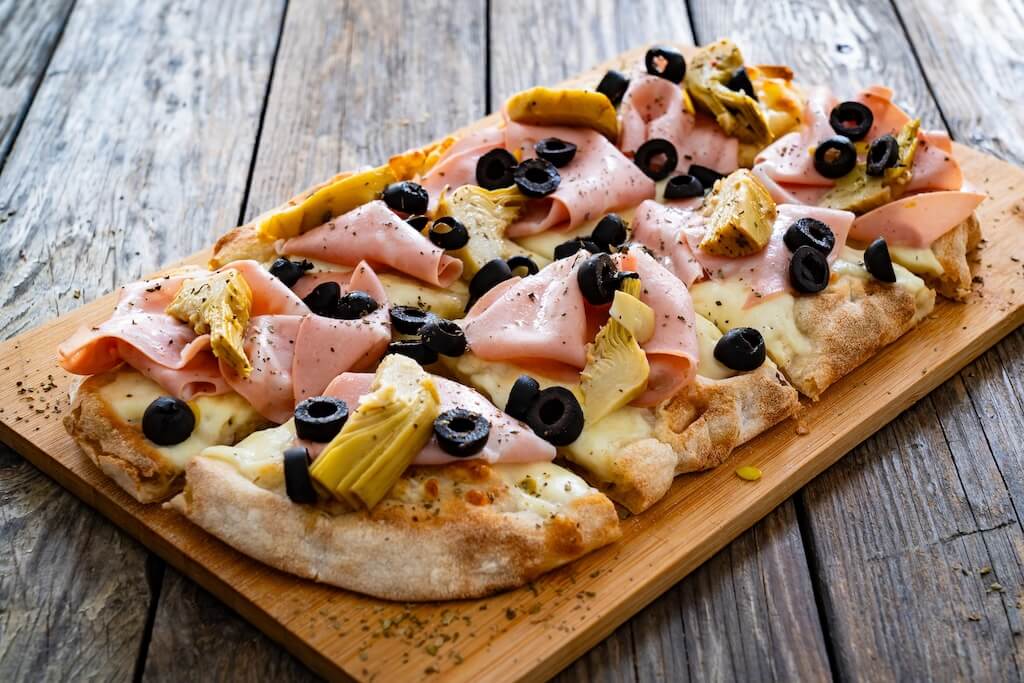
Pinsa is a newer style of Roman pizza, even though some say it has some ancient Rome origins. The special dough combines wheat flour with rice and soy flour, using a very high amount of very cold water and smaller quantities of yeast compared to other kinds of pizza. The dough has to rest for a minimum of 24 hours.
This unique mix creates a light, airy crust that’s crispy outside but still soft inside.
The shape is always oval, never round. Since it’s lighter compared to regular pizza, it’s a popular lunch option.
There are a lot of unique variations, but some of the most popular pinsa toppings include mortadella with crushed pistachios, burrata with cherry tomatoes and basil, and more creative combinations like pumpkin cream with pancetta and provola cheese (which are a bit more seasonal).
Pizza al trancio
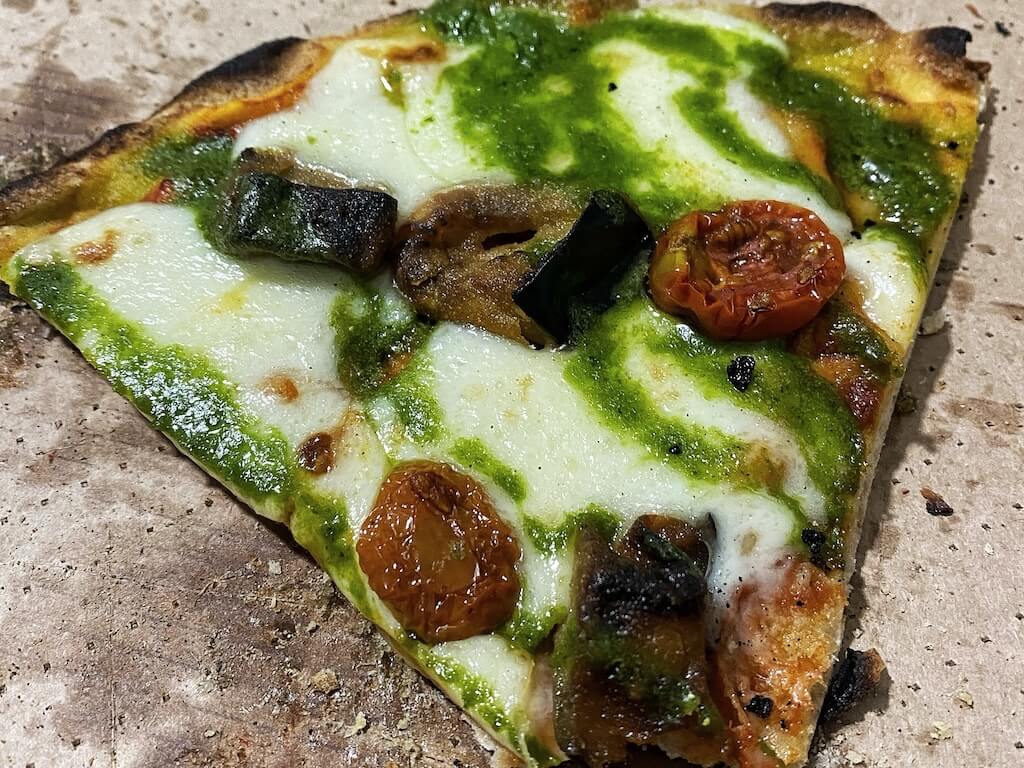
To many, pizza al trancio and pizza al taglio are the same thing. Not in my book – and at least not where I am from (Sardinia). Pizza al trancio is what I would call pizza by the slice – the concept is a bit more similar to that of an American pizza slice.
The dough of pizza al trancio is thicker than that of regular pizza. The dough rises in the same pan it’s baked in, making it naturally fluffy. Pizza shops usually pre-bake the base with tomato, then add toppings and reheat when you order.
Pizza al trancio is the ultimate street food. You’ll find these shops everywhere, selling it by weight or by the slice. Most people eat it as a snack, often while walking or taking it back to the office, but you can buy a whole round pizza for a party.
The texture is what makes pizza al trancio special. Each slice has a crunchy bottom from the pan-cooking, while the inside stays soft and airy.
The classic version comes with tomato sauce, mozzarella, and oregano, but you’ll also find varieties with potato and rosemary, spicy salami, or the popular quattro formaggi (four cheese) with gorgonzola, mozzarella, fontina, and parmigiano. Famous Roman spots like Bonci create artisanal toppings like black fig with Parma ham or pumpkin cream with pancetta.
Pizza al taglio
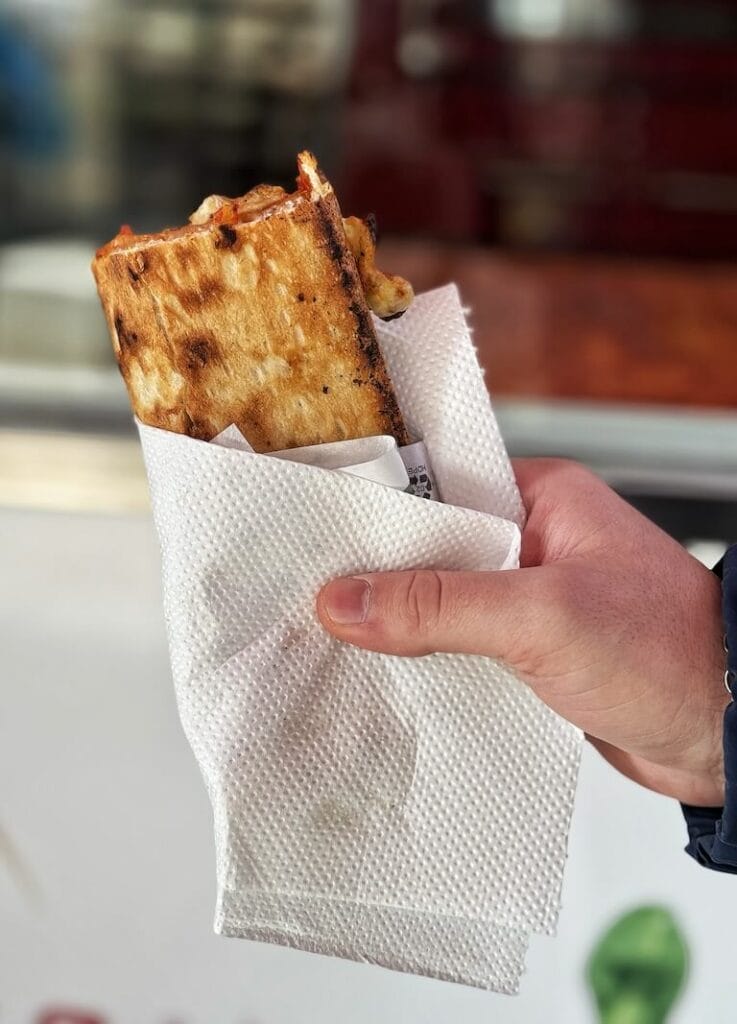
Pizza al taglio is a quick, casual pizza. Originally from Rome, it’s popular in other places too – it’s the most common kind of pizza by the slice we have here in Sardinia, where I grew up.
The dough ferments for at least 24 hours, creating lots of air bubbles that make it light and digestible. It’s baked in large rectangular pans, and the length of cooking time varies based on toppings, usually between 15 to 20 minutes at 350°C.
Each small pizza shop offers its own combinations. My personal favorite is the classic – tomato, oregano and mozzarella; but another popular combination is with anchovies and capers.
The best pizza al taglio places make fresh dough multiple times a day. Good signs of quality include irregular air bubbles in the crust, toppings that look fresh rather than wilted, and pizza that gets reheated in real ovens rather than microwaves.
Pizza a portafoglio
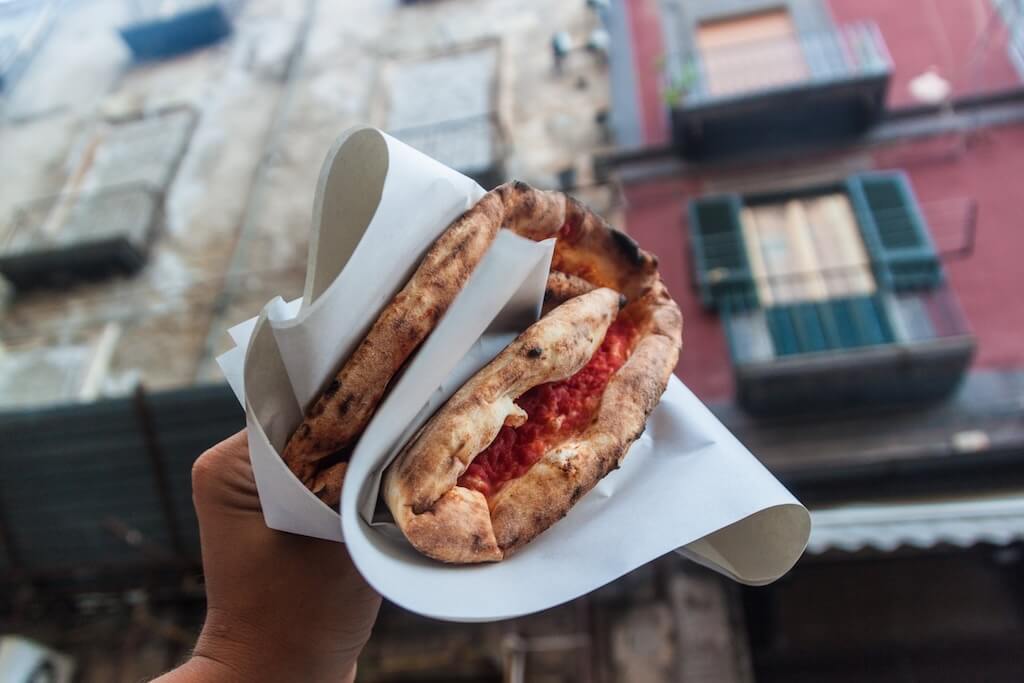
Pizza a portafoglio is pure Neapolitan street food. This simple pizza starts as a smaller version of traditional Neapolitan pizza that gets folded while hot to create a wallet shape. Portafoglio means wallet in Italian, and the shape makes it perfect to eat on the go.
The cooking needs special attention. Pizzaioli makes it slightly crispier than regular Neapolitan pizza, so it holds its shape.
The toppings are always minimal: just a thin layer of tomato sauce and a sprinkle of mozzarella. It’s actually a lot cheaper than other popular styles of pizza, so it’s a good budget-friendly meal. You’ll find the best ones in Naples’ historic center, especially around Via dei Tribunali, but my all-time favorite place is a local shop in Cagliari called Pizzetta d’Oro.
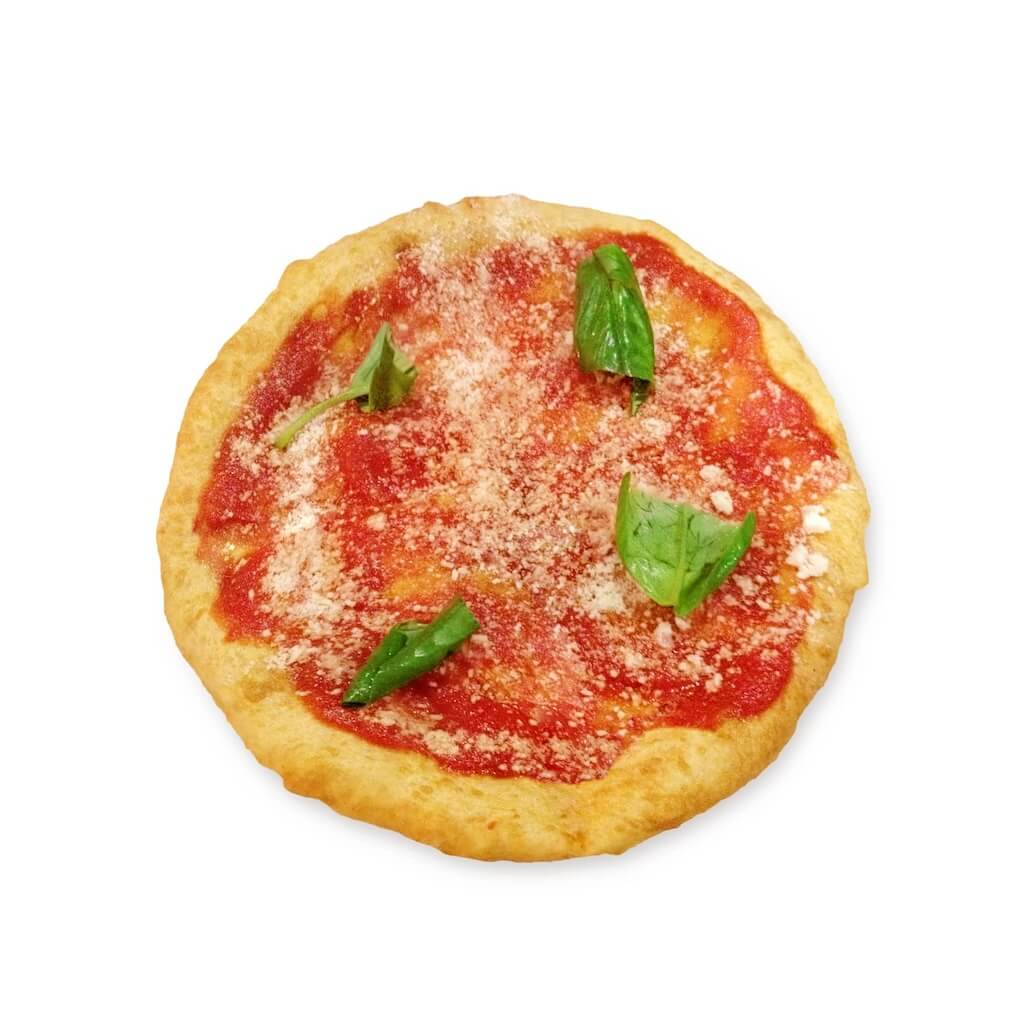
Pizza Fritta
Pizza fritta emerged in Naples during World War II when poverty and bombing damage to wood ovens pushed people to find creative cooking methods. The dough is the same as regular Neapolitan pizza, but it gets fried in oil at 180°C until golden and puffy.
The classic version comes stuffed with ricotta, provolone cheese, tomato, and black pepper. Street vendors called friggitorie sell various versions – a popular one is called battilocchio and has escarole, Gaeta olives and smoked provolone. Other ingredients can be prosciutto cotto (ham) or salami.
Today, famous spots like Antica Pizza Fritta da Zia Esterina Sorbillo or La Masardona in Naples still make it the traditional way. The dough needs expert handling so it puffs up properly in the oil without becoming greasy. Good pizza fritta should be crispy outside but light inside, with no oil dripping when you bite into it.
Unfortunately, this delicious kind of pizza is difficult to find outside of the region of Campania – so make sure to have it when you visit Naples!
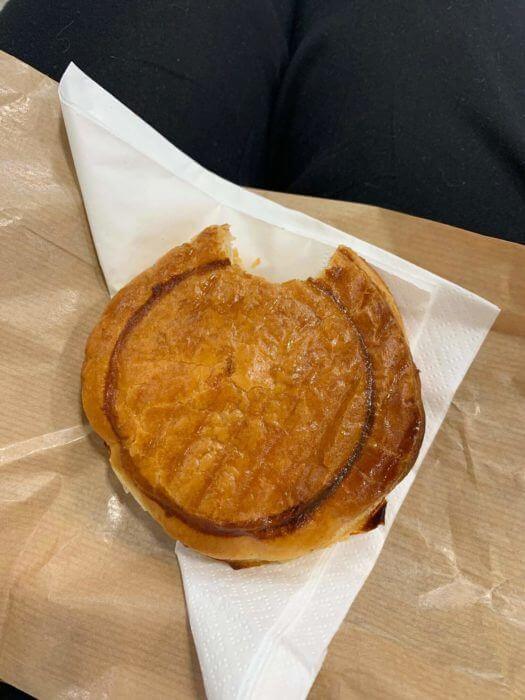
Pizzetta sfoglia (typical from Sardinia)
Pizzetta sfoglia is Cagliari’s special contribution to Italian pizza culture. These small, round pizzas use puff pastry dough, creating dozens of flaky, crispy layers. Local bakeries make them fresh each morning, usually no bigger than your palm.
The traditional topping (or shall I call it stuffing) is a simple mix of tomato sauce with capers and anchovies. Some modern bakeries create versions with regional Sardinian ingredients like pecorino cheese or bottarga.
As I have said, pizzetta sfoglia is so typical of Cagliari that it’s impossible to find it anywhere outside of Sardinia (in fact, it’s not even found in the north of the island). It’s a popular snack, but many people – like my sister – prefer it to a cornetto for their breakfast!
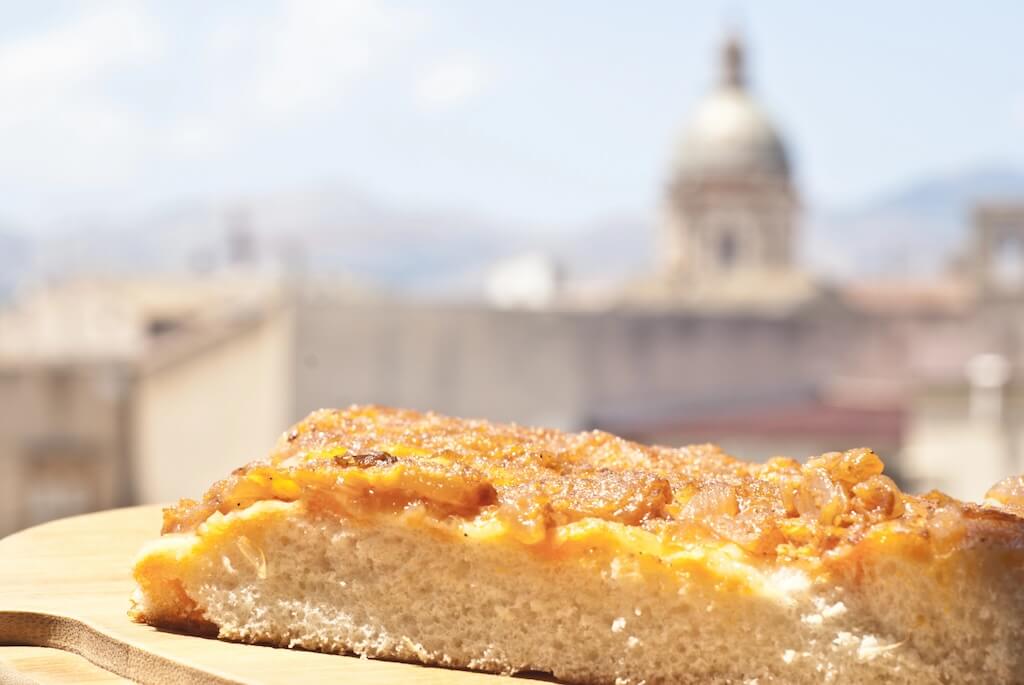
Sfincione
Sfincione is Sicily’s special pizza, particularly popular in Palermo – and while I am including it in this selection of pizza you will find in Italy, I need to be clear it’s nothing like the classic pizza you may have in mind.
The thick, spongy dough uses more water than regular pizza dough and rises twice, making it incredibly soft. The name comes from the Latin “spongia” meaning sponge, which perfectly describes its texture.
The traditional Palermitan topping combines tomato sauce, onions, anchovies, breadcrumbs, and caciocavallo cheese (though most of the time there’s no cheese at all). Unlike other Italian pizzas, sfincione never uses mozzarella.
Street vendors in Palermo sell it at room temperature, and locals say it tastes even better the next day.
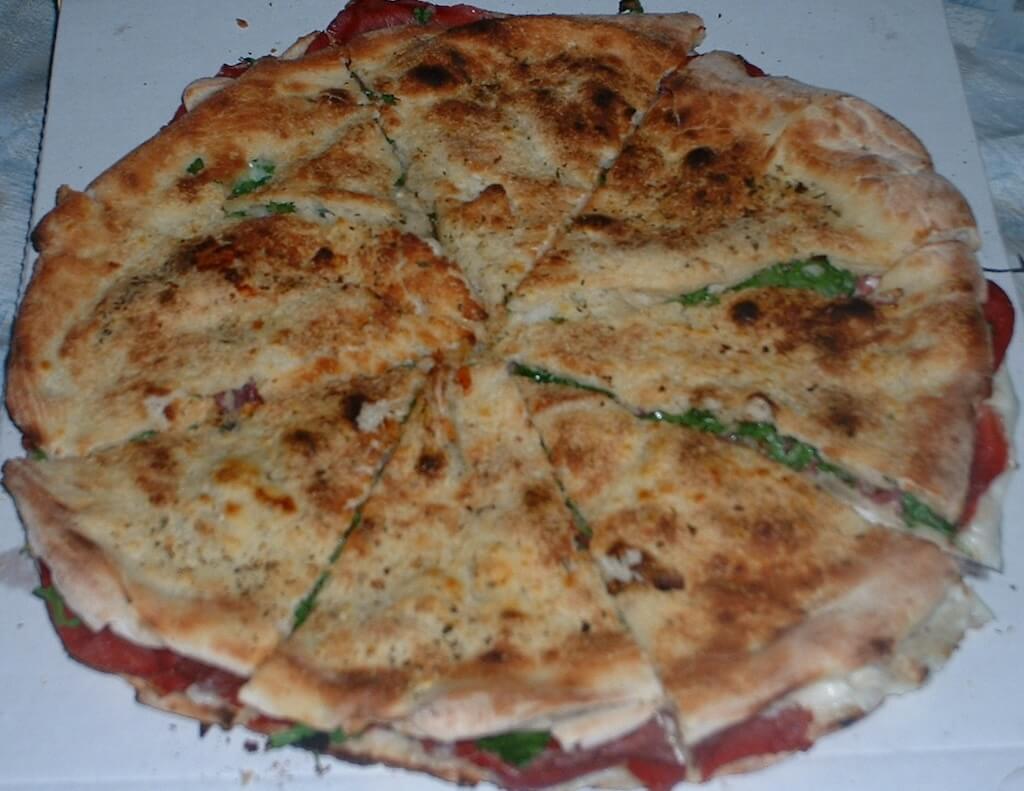
Pizzolu
Pizzolu comes from Siracusa, in Sicily. While it looks like pizza – and in fact it’s referred to as the Sicilian pizza – the concept of it is different.
It is round, and sprinkled with olive oil and oregano, but the thick dough is sliced in half and stuffed like a sandwich, typically with tomatoes, greens, cheese and salami. There can also be a sweet version of it.
Are Pizza And Focaccia The Same Thing?
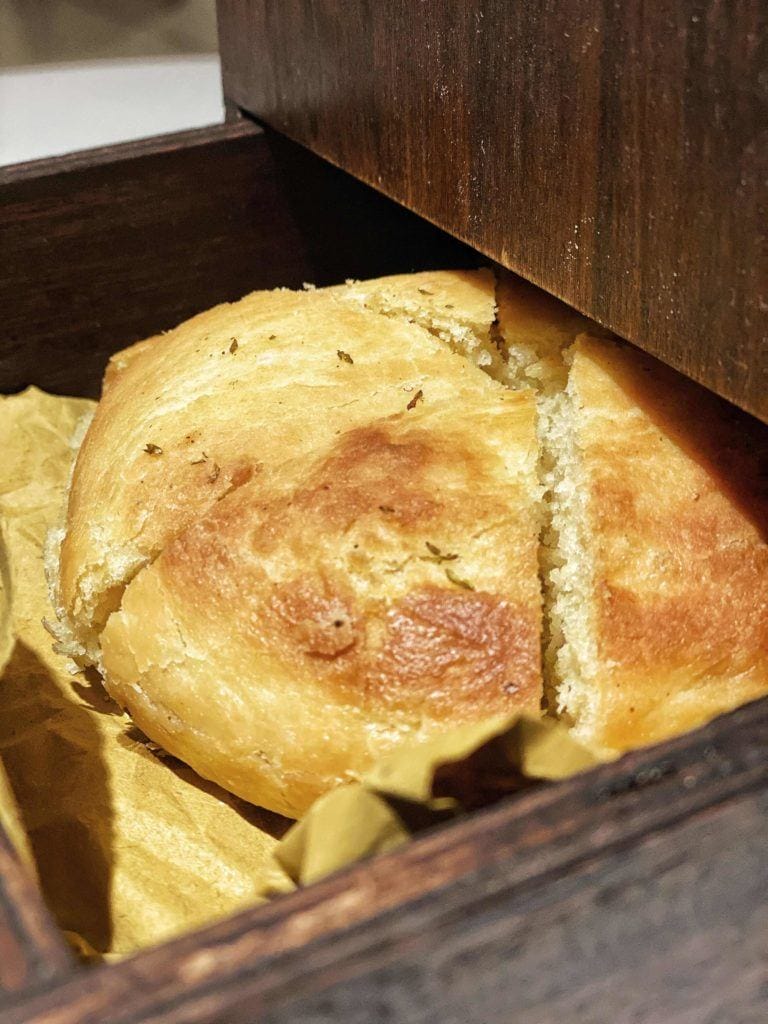
I know where this mistake comes from – because we do it all the time! Here in Italy we often use the word “pizza” to just refer to baked pizza dough brushed with olive oil, sprinkled with salt, oregano and rosemary. At times, we even use the word pizza to refer to what is, indeed, focaccia.
However, it is worth pointing out that pizza and focaccia are two completely different things. Their dough and preparation have nothing in common. Pizza dough is simpler and made with flour, water, salt, and yeast. Focaccia dough includes olive oil mixed into the dough, which completely changes its texture and taste.
Focaccia also requires several rounds of hand pressing to create its signature dimples. These little holes fill with olive oil and salt before baking, giving focaccia its rich taste.
The dough rises for much longer than pizza dough. In Genova, where the most famous focaccia in Italy comes from, bakers create a unique crunchy bottom by adding a salty brine before baking.
How To Order Pizza In Italy
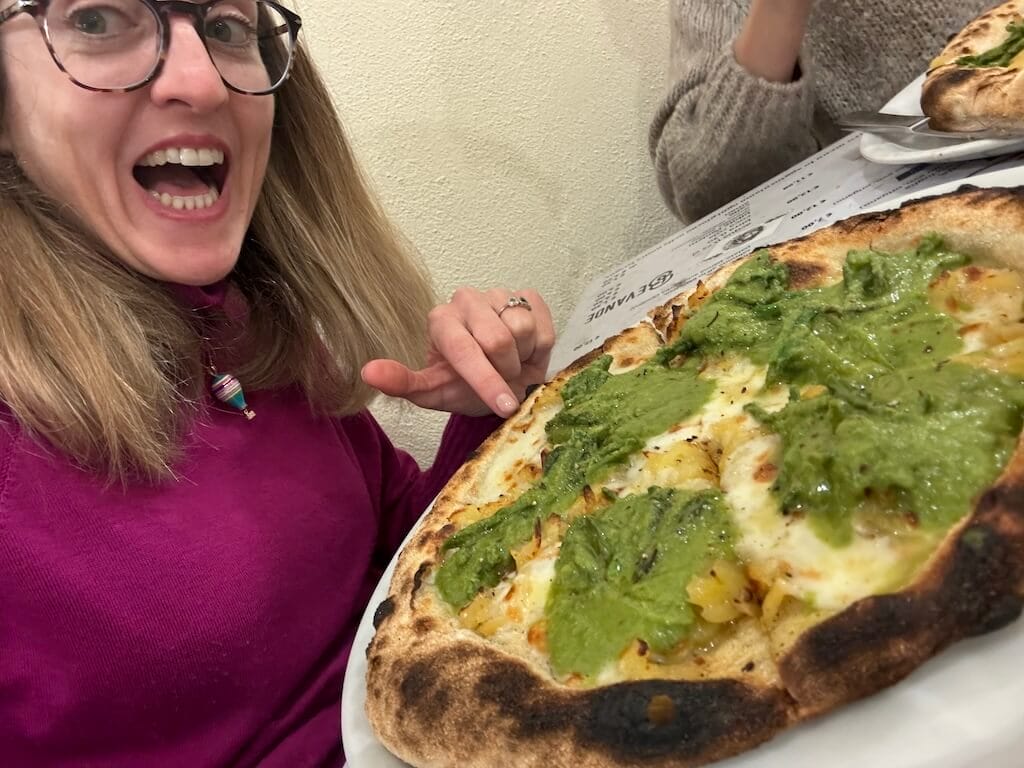
There’s only one size of pizza in Italy
Pizza in Italy comes in just one size, though when I grew up there were some places that sold the regular size and the “gigante” (giant, or large size).
Unlike American pizza places with their small, medium, and large options, Italian pizze are always personal size. Every pizzeria follows this standard, especially for Neapolitan and Roman-style pizze. The only exception is pizza al taglio, which you order by weight.
We don’t share pizza in Italy…
In Italy, everyone orders their own pizza. This might surprise tourists from North America who are used to sharing a pizza, but Italian pizza is meant to be a personal dish. Our pizzas have a thin base and the right amount of toppings for one person. Italians consider pizza a complete meal, not something to split like an appetizer or a snack.
Except if it’s a “giropizza”
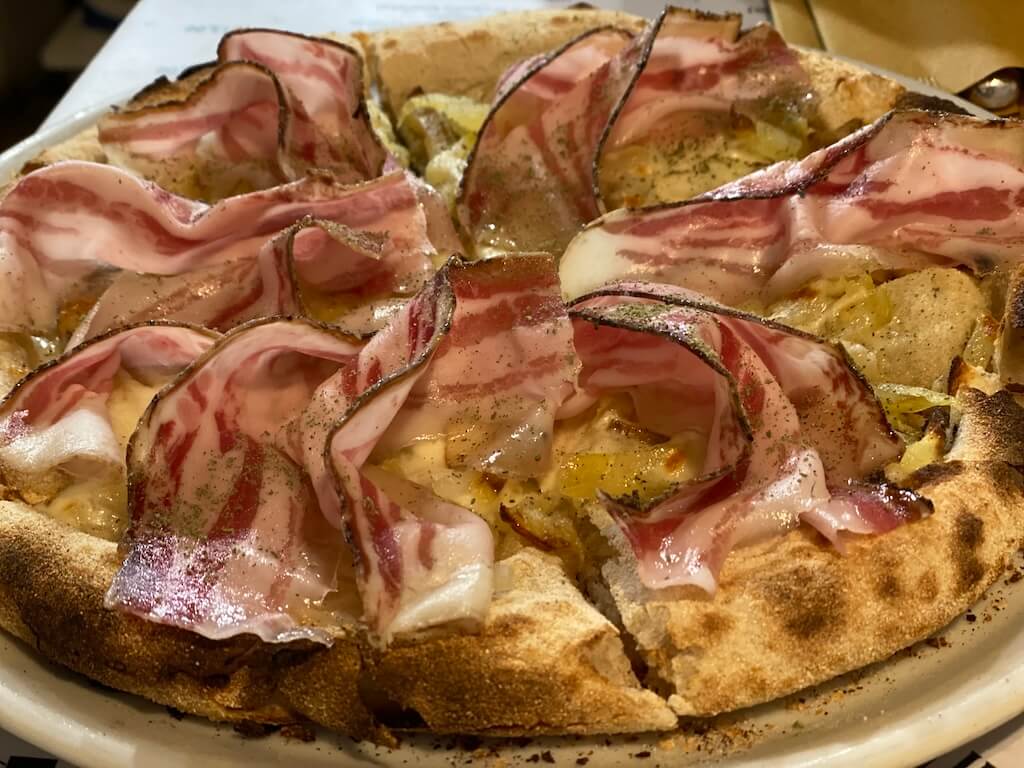
Giropizza is a modern concept where sharing is actually encouraged. It works like this: you pay a fixed price, and the pizzeria serves different pizzas to your table, one after another, cut in slices for sharing.
Each round brings a new type of pizza, from classic margherita to seasonal specials. Giropizza restaurants are becoming popular in Italy, especially around Milan and Turin, but I know pizzerie in Cagliari, my hometown, where the giropizza is encouraged especially for larger groups.
A giropizza usually costs between 15-20 euros per person, without drinks.
It’s ok to eat pizza with your hands
The rules about eating pizza with hands in Italy depend on the style. Neapolitan pizza is usually eaten with a knife and fork because it’s very soft in the middle.
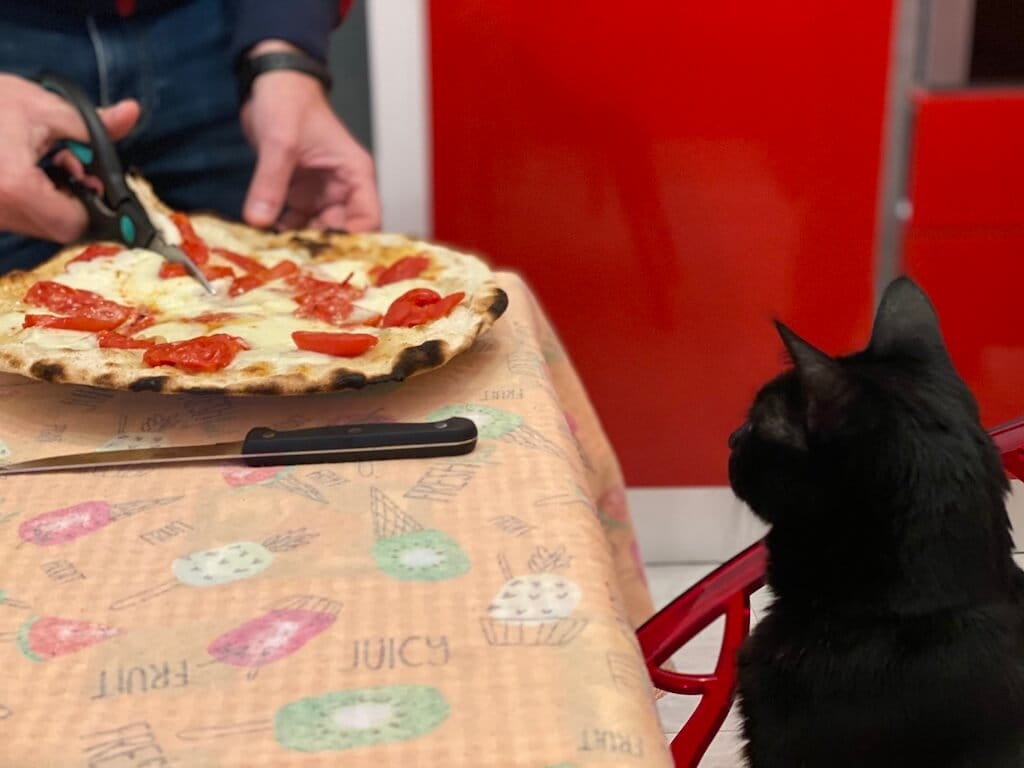
Roman pizza works well with hands because it’s crispy enough to pick up. And here’s a little secret. We often cut pizza with scissors at home (at least my family does).
For pizza al taglio or pizza a portafoglio, we always use our hands as they are considered street food – you literally hold it like a sandwich. Italians won’t judge you either way; just follow what feels natural with the style you ordered.

How much does pizza cost in Italy?
A pizza in a traditional pizzeria costs between 5 and 15 euros, with price variations that tell you a lot about where you’re eating.
In Naples, especially in historic family-run pizzerias, you can still find classic Margherita for 5 euros. These places keep prices low because they focus on high volume and quick table turnover while still using top-quality local ingredients.
Tourist areas in Rome, Florence, or Venice charge more, usually 12-15 euros per pizza. These higher prices come with table service and often include specialty ingredients like DOP buffalo mozzarella or aged prosciutto.
Pizza al taglio is cheaper, around 3 to 5 euros for a piece, and many places offer student discounts or specials that include a drink.
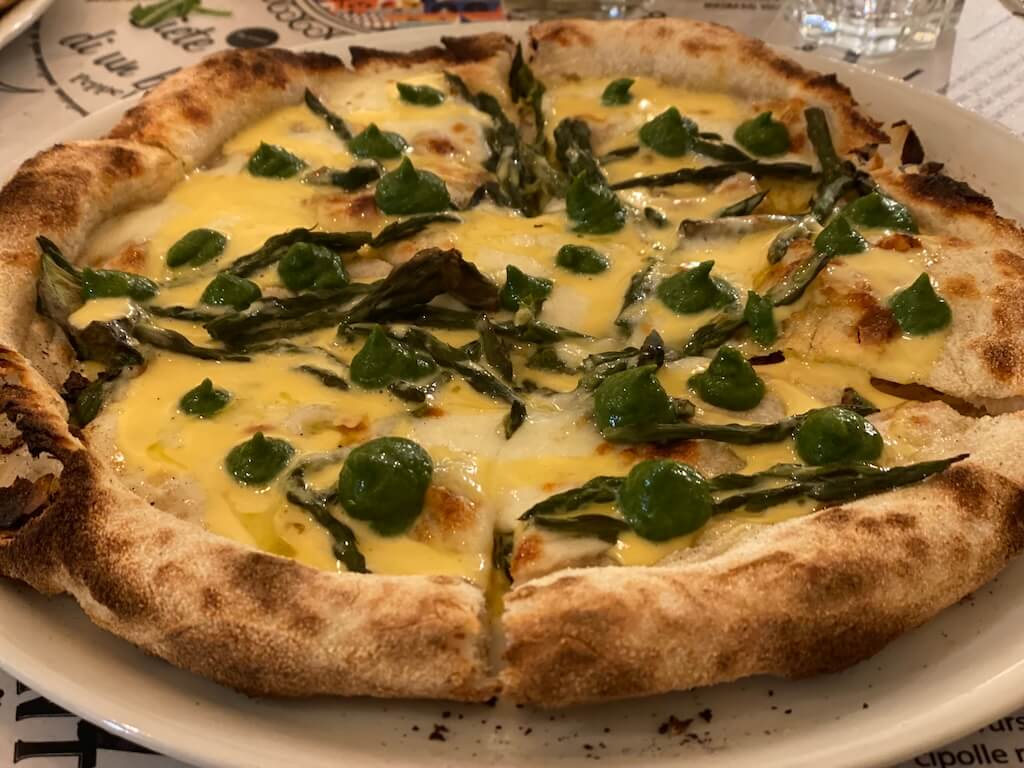
Best pizza toppings in Italy
Traditional Italian pizza toppings are much simpler than abroad. The most popular choices are margherita (tomato, mozzarella, basil), marinara (tomato, garlic, oregano), and napoli (tomato, mozzarella, anchovies).
Seasonal toppings are also common, like fresh porcini mushrooms in autumn or fresh cherry tomatoes in summer. Some ask for extra toppings like spicy oil, fresh basil, or black pepper after the pizza arrives.
Of course, pizza in Italy has evolved a lot and while many (ie my parents) still prefer traditional toppings, gourmet pizzerie now focus on offering unique combination of ingredients. My favorite pizzeria in Cagliari has seasonal pizzas like brock’n’roll, topped with broccoli, spicy Sardinian sausage and mozzarella; or the autumn pizza with pumpkin and fresh pancetta.
One thing we don’t do is pineapple or chicken on pizza. I have never seen it in any legitimate pizzeria in Italy, and in fact I’d steer away of any place serving it.
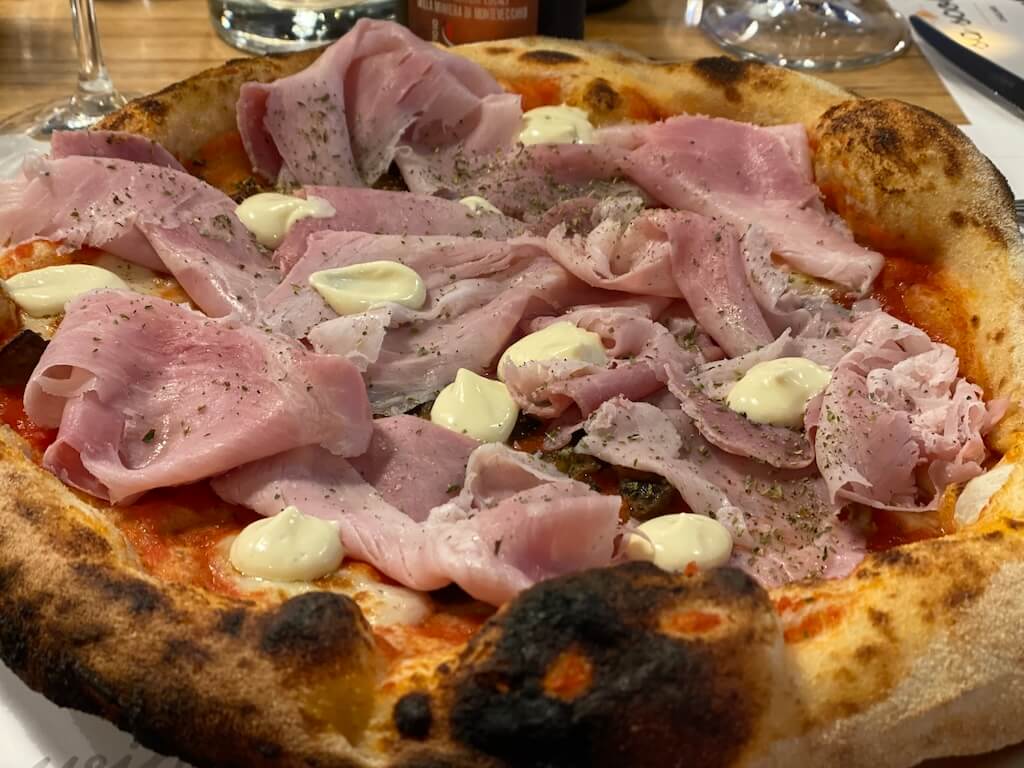
What to drink with pizza in Italy
Beer is the classic choice with pizza in Italy. Many people also drink water, either sparkling or still. Coca-Cola is popular, too, especially with kids.
Wine with pizza is also classic, particularly in modern pizzerias with special pizza and wine pairings.
Some high-end places even create cocktail menus to match their gourmet pizzas – there are a few places that now do it in Sardinia. I must admit I have tried it and I am not convinced, but if you are a cocktail kind of person give it a try.
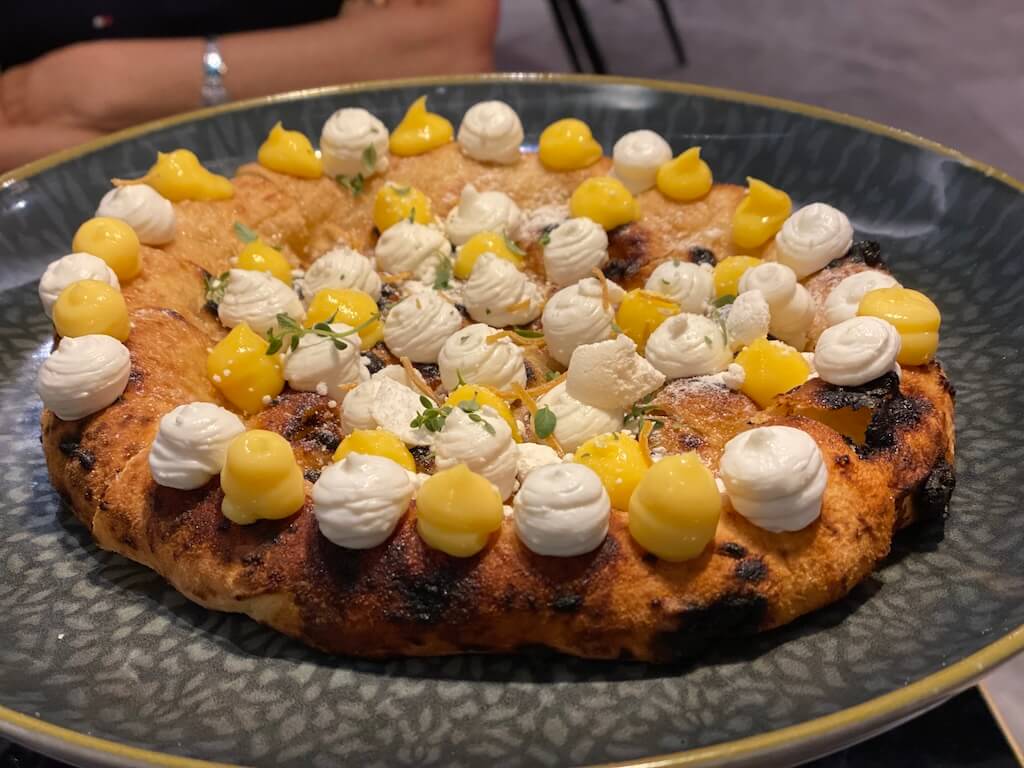
Is there any such thing as sweet or dessert pizza in Italy?
Yes! Some places make a more or less refined version of pizza with nutella. The most basic versions use regular Nutella from the grocery store, spread on hot pizza dough fresh from the oven so it gets melty. More upscale pizzerias make their own chocolate and hazelnut spread with better ingredients.
But there are also more refined dessert pizzas. Some places create versions with ricotta and honey, fresh seasonal fruits, or pistachio cream. Others with marshmallow and lemon curd.
In Naples, you might find pizza with white chocolate and local lemons, while in Sicily, some places top sweet pizza with crushed pistachios from Bronte and ricotta. These dessert pizzas usually use a slightly different dough that’s a bit sweeter than regular pizza dough.

How Often Do Locals Eat Pizza In Italy?
Contrary to common stereotypes, we don’t eat pizza every day in Italy. The average Italian eats pizza no more than once a week or once every two weeks. I tend to eat it about once a month.
This isn’t because we don’t love pizza but because Italian cuisine is so varied that we like to mix things up.
Most Italians eat pizza for dinner, usually on weekends when we go out with friends or family – though most pizza restaurants are open for lunch too. Some eat pizza more often in summer because it’s perfect for warm evenings, especially at pizzerias with outdoor seating.

Best Italian Pizza Making Classes
Learning to make pizza from real Italian pizzaioli is one of the best experiences you can have in Italy. A good pizza-making class teaches you more than just recipes. You’ll learn how to feel when the dough is right, understand how different flours affect the final result, and master the art of stretching pizza without breaking it.
For this reason, you should consider enrolling in a pizza making class during your trip to Italy. Luckily, there are many around the country. I have selected the best ones:
For a pizza-making class in Naples, I recommend the Pizza-Making Workshop with Drink and Appetizer. During this 3-hour hands-on experience, you’ll learn the traditional 600-year-old mozzatura technique from a local chef while enjoying bruschetta and drinks. You’ll make pizza from scratch, discover proper ingredient selection, and leave with a full belly and a pizza-making diploma.
For a central Rome pizza-making experience, try the Traditional Pizza Cooking Class near Piazza Navona. The class starts with prosecco and includes hands-on instruction from award-winning chefs, followed by a full restaurant experience where you’ll enjoy your creation with wine, bruschetta, and limoncello. Since it’s just steps from Piazza Navona, you can easily combine this class with sightseeing in Rome’s historic center.
For an authentic farm-to-table pizza experience in Sorrento, check out this Pizza Lesson at Primaluce Farm. The 3-hour class takes place on a family-run farm overlooking the Gulf of Naples, where you’ll learn pizza-making secrets while enjoying local wine, homemade limoncello, and fresh farm products.
In Tuscany, check out this combined Pizza and Gelato Class at a Tuscan Farmhouse outside Florence. Over the course of 5 hours, the class teaches you both pizza and gelato-making with professional chefs, using fresh ingredients from the estate’s garden, all while enjoying Chianti wine in a scenic setting.

Conclusions On Pizza In Italy
Pizza in Italy is much more than just food; I’m not just saying that as a proud Italian. Each type tells the story of its region, from Naples’ soft pizza to Rome’s crispy thin crust.
While tourists often search for “authentic Italian pizza,” the truth is there isn’t just one authentic style, but many different authentic pizza kinds across our country.
Traditional pizza places continue making pizza exactly as their grandparents did, while modern pizza makers experiment with new techniques and ingredients. This mix of tradition and innovation keeps Italian pizza culture alive and exciting.
PIN IT!


Claudia Tavani
Claudia Tavani was born and raised in Sardinia, and after moving between the United States and the United Kingdom, she's now back living in her hometown, Cagliari. She's a travel blogger and certified travel designer who loves planning trips and publishing guides, travel tips, and packing lists so that you don't have to. Owner of Strictly Italy, cat mom to Minnie. Loves pizza, hiking, archeology, cities, beaches, swimming, and running. Hates peppers.