
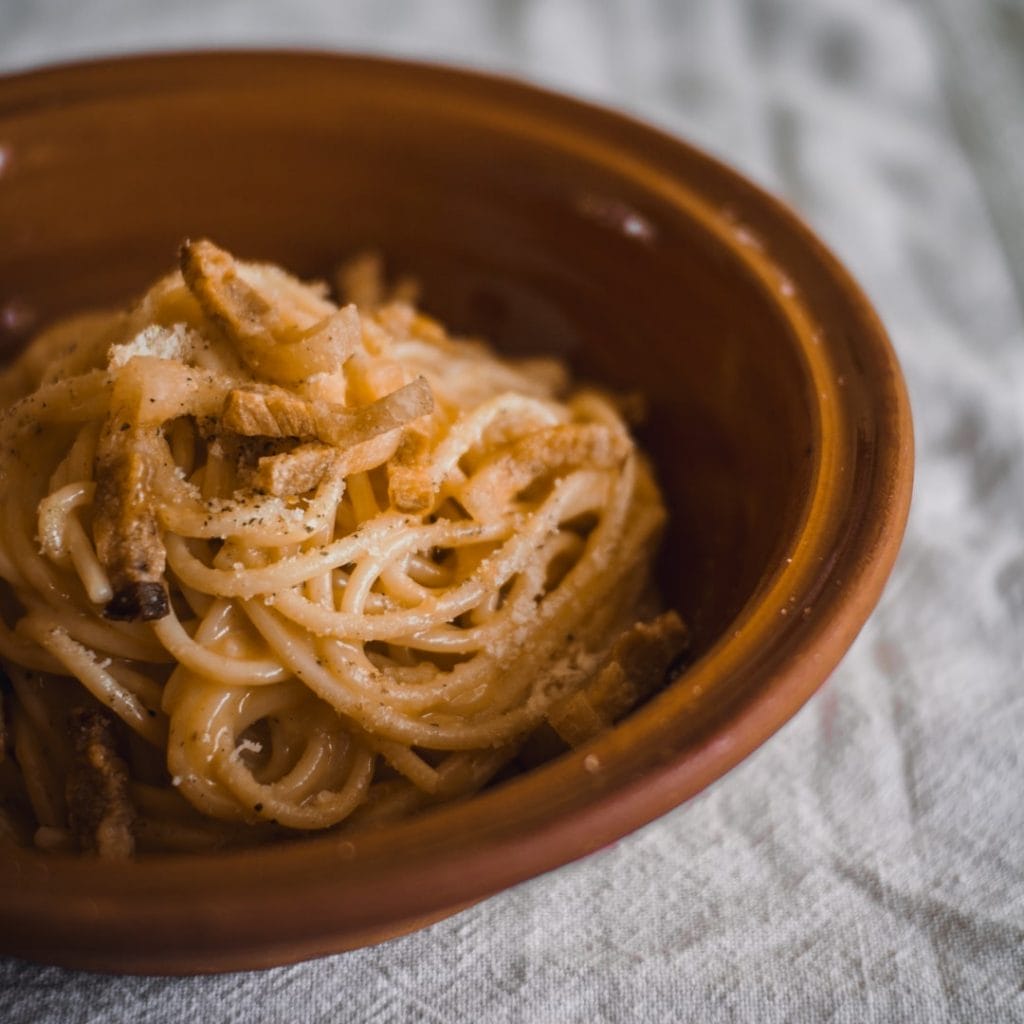
There are many misconceptions about Italian food.
Italian food in Italy (real Italian food) is often very different from Italian food abroad despite being the most popular national cuisine in the world. In fact, it’s close to impossible to find an authentic Italian restaurant that embodies all of Italian culture outside of Italy.
This is shocking, especially when you see how proud we Italians are of our food. Food is very important to us, as it reflects a lot about our culture, heritage, and even family values. The food is also very regional, with many variations between the north, central, and south.
Yet, it seems that Italian food is distorted when traveling from Italy to England, the United States, Canada, or elsewhere around the world. Speaking from personal experience, Italian food in the United States is very different from that here in Italy, even at what you may consider authentic Italian restaurants.
One thing I’ve noticed is that the United States likes to add a lot of cheese or cream, for example. There’s more cheese in the sauces, more cheese (and grease) on the pizza, and cheese in recipes that usually don’t call for cheese. But there are a few other notable differences, as well.
Most people are excited to taste all the delicious, authentic Italian food when traveling in Italy. But it’s also important to understand some of the most common misconceptions and myths about Italian food.
This way, you don’t embarrass yourself by trying to order something that doesn’t exist in Italy and have more accurate expectations of the most popular dishes and cuisines. Ready to learn about these common misconceptions about Italian food?
11 Misconceptions About Italian Food
“Italian Food” you love might not be Italian
One of the most shocking things to non-Italians is how many popular Italian dishes are not actually Italian at all. Here are some of the most common “Italian foods” that are staples in Italian restaurants abroad and basically unheard of in Italy:
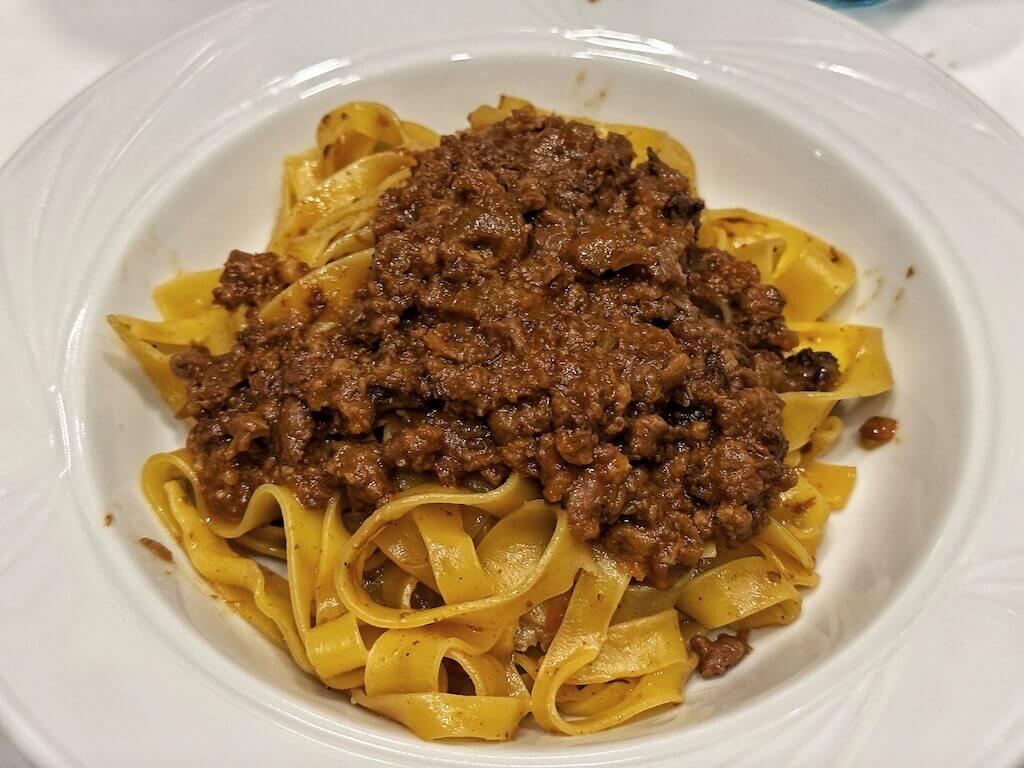
SPAGHETTI BOLOGNESE – Bolognese (ragù alla bolognese) is a meat-based sauce from Bologna, Italy. However, it is never, ever put on spaghetti. In Italy, ragù alla bolognese is almost always served on tagliatelle, a flat egg noodle.
SPAGHETTI AND MEATBALLS – This is another non-Italian concept that has become a staple outside of Italy in Italian restaurants. It does have its Italian roots, likely in the 1900s from Italian immigrants in the United States, but you’ll never see people in Italy putting meatballs on pasta. We have polpette, like small meatballs, but they’re usually served on their own.
FETTUCCINE ALFREDO – Okay, technically, fettuccine alfredo does come from Italy. Reportedly, it was created in Alfredo alla Scrofa in Rome. But honestly, it’s so rare in Italy that it’s hardly considered traditional Italian food.
PEPPERONI PIZZA – Peperoni (with one p) in Italian actually translates to “bell peppers,” so if you try to order a pepperoni pizza at a restaurant that’s not familiar with the “Americanized” pepperoni pizza, you might just get a pizza with bell peppers. You can get a pizza with spicy salami (pizza alla diavola) or, more commonly, pizza al prosciutto (pizza with ham, even better than American pepperoni).
CAESAR SALAD – One of the biggest staple salads in Italian restaurants worldwide is not actually Italian. Caesar salad was actually first created in Tijuana, Mexico (albeit by an Italian restaurant owner who ran out of ingredients for the traditional salad). You won’t find it in any authentic Italian restaurant, though.
These are just some of the most popular “Italian” foods that aren’t actually authentic Italian. Unfortunately, there are many more. And honestly, if you see any of these items on a menu in Italy, I’d get out of there fast. They likely only cater to tourists and, therefore, don’t have that good of food (and are probably very expensive for the value, too).
We don’t eat garlic, really
For some reason, Italian food and garlic have become intertwined outside of Italy. This is one of the most common myths about Italian cuisine, and surprising to me, as we don’t nearly use as much garlic as people outside of Italy think in traditional Italian cooking.
You’ll hardly find any garlic in traditional food in northern Italy. Southern Italy uses it a bit more, but even there, it’s not nearly as common as you would imagine. If we do use it, it’s in really small amounts or maybe infused with our olive oil.
Most Italians don’t have the stomach for garlic (meaning we literally don’t digest it). You will find many Italians (and that includes myself) prefer food to be prepared with little to no garlic, and who find the excessive use of it quite gross. So, if you’ve seen all those Italian cooking recipes that call for multiple cloves of garlic diced up into the pasta sauce, that is entirely foreign to us.
Believe it or not, garlic actually comes from Central Asia. It’s not an Italian thing and not as loved in Italy as the international community seems to think.
On a similar note, garlic bread is not Italian either. I know in the United States, a big dish of pasta with a side of garlic bread is a classic meal. But the closest thing to garlic bread in Italy is bruschetta, lightly toasted bread with a drizzle of olive oil and fresh tomatoes and basil.
We don’t cover our pasta with sauce (or our pizza)
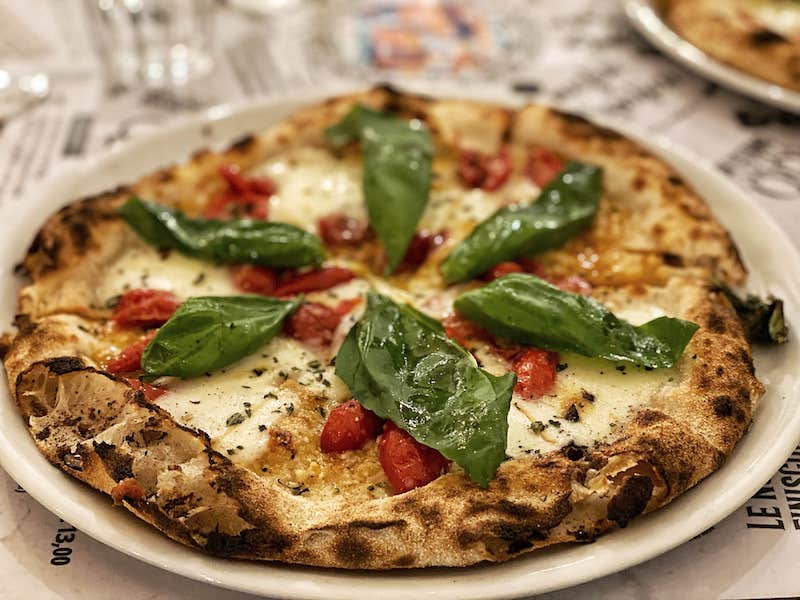
In Italy, pasta has much less sauce than you might find abroad. The pasta sauce, whichever type it is, is meant to enhance the flavors of the dish rather than overrun the dish.
Because of this, the amount of sauce is more modest than what you’d have outside of Italy, and it is blended in together with the pasta. Sometimes, we’ll eat a small bowl of pasta with fresh vegetables and a drizzle of olive oil.
The same goes for pizza. I’ve noticed that pizza abroad has much more sauce and cheese than Italian pizza. Again, the sauce should enhance the flavor, not drown it.
Most of our food is not greasy or heavy
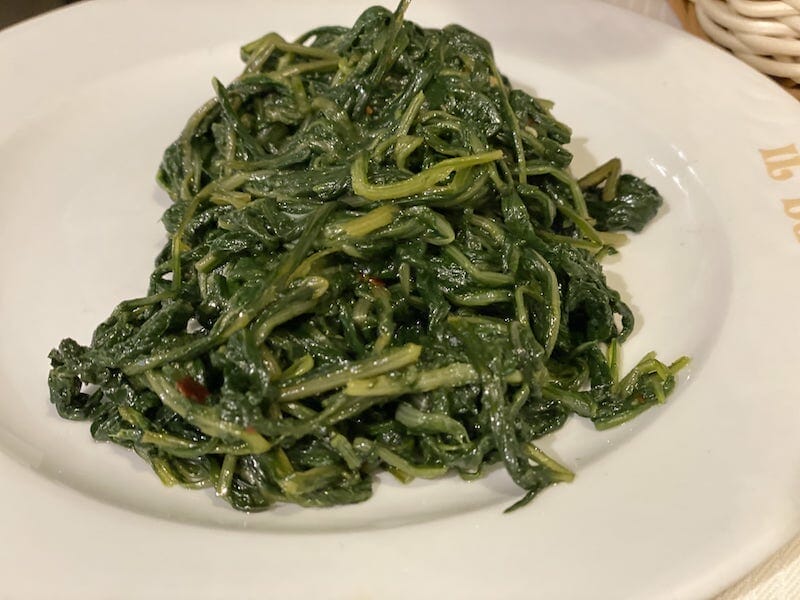
I’ve noticed that sometimes Italian food is seen as “comfort” food abroad. The most popular “Italian” chains are more like fast food or slices of pizza sold on the street. Most Italian food is cooked with so much grease that it feels heavy.
That’s not the case in Italy. The pizza is not greasy like you might find on a street corner in New York City. It’s quite the opposite. The ingredients are light, the dough is thin and usually made with natural yeast, and you don’t feel overly full or stuffed after eating it.
Some people are surprised to hear that an Italian can go to a local restaurant and eat an entire pizza. But our pizza isn’t the same as pizza in the United States. It’s much lighter and healthier than most fast-food Italian dishes elsewhere.
Our food is very regional and cultural
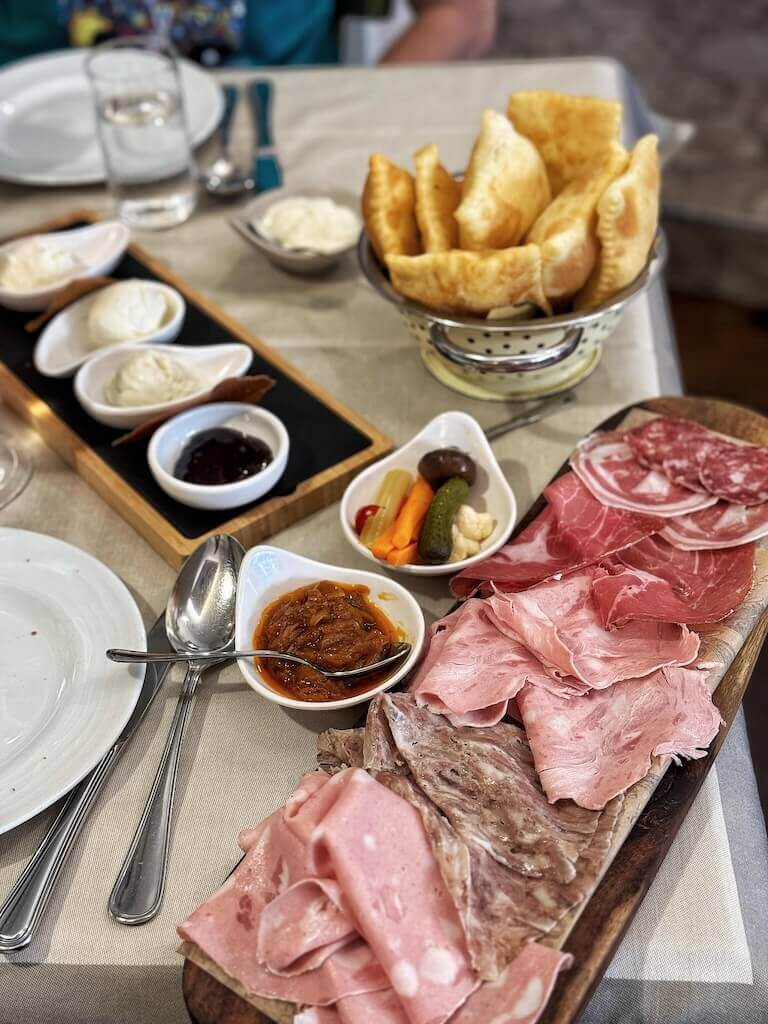
We Italians are very proud of our food, and that’s not just because it’s good. Italian food reflects our culture and past. Our food is inspired not only by local ingredients but also by our recent and not-so-recent history.
Italian cuisine has been heavily influenced by various cultures. It contains remnants of Ancient Roman, Ancient Greek, Etruscan, Byzantine, and even Arabic cultures.
That’s also why some of the food is very regional. For example, Alpine food in northern Italy can be very different from food on the island of Sardinia.
Alpine food, often found around the Trentino region in the Dolomites, utilizes a lot more cheese, dried meats, and, of course, wine. In Sardinia, fresh seafood, beans, garden-raised vegetables, and fruits are some of the main staples.
But regional food in Italy is actually very complex. I recommend visiting Italy and trying the best regional dishes in each area to better understand our local specialties.
For more in-depth information about the regional cuisine in Italy, you must read Must-Try Traditional Italian Food By Region. The guide reviews the best traditional Italian dishes based on the region and district. There are bound to be dozens of local specialties you’ve never heard of.
I also wrote a post on The Best Food In Rome so that you know what to order when you visit.
Quality ingredients matter
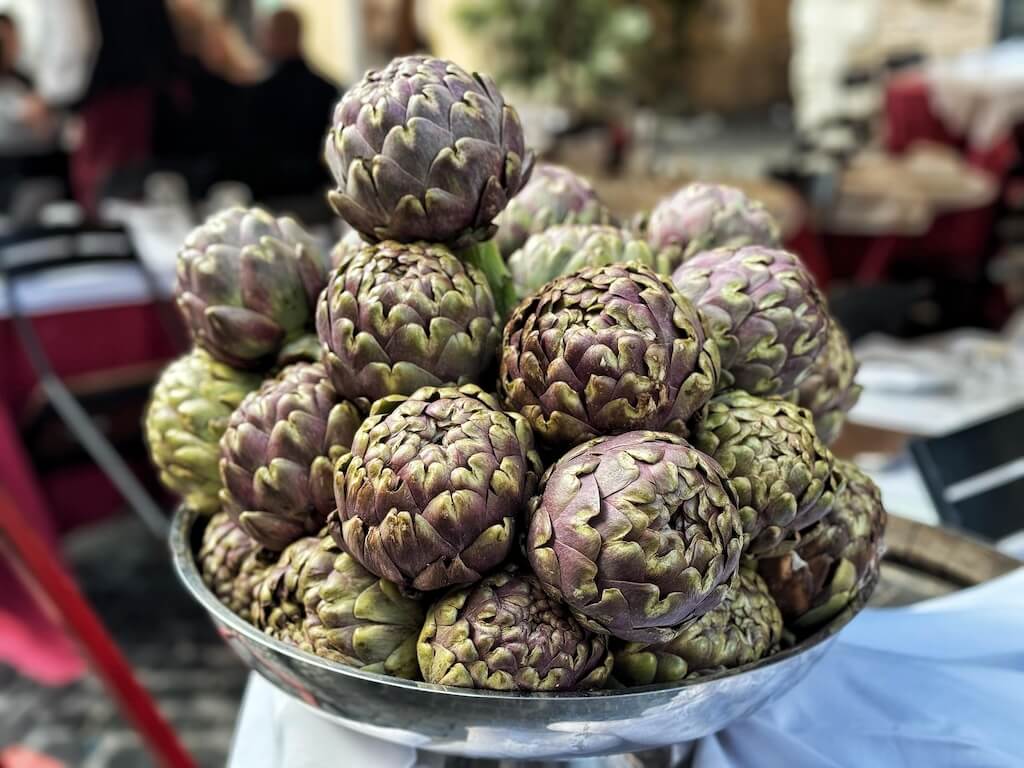
The most important factor in authentic Italian dishes is the ingredients. The more fresh, the better.
We pride ourselves on using fresh, locally sourced ingredients. Most of our most famous traditional dishes were created in Italy based on what was fresh and available that season.
Our food has evolved with our agriculture and the production of ingredients. That’s why you’ll notice some drastic differences between regions in Italy and the local food staples.
That goes for all Italian food. Using local, fresh ingredients is a significant selling point for restaurants, so even popular international meals, like hamburgers, are made with fresh and locally sourced ingredients in Italy (at a good restaurant, that is).
It’s not all pizza and pasta
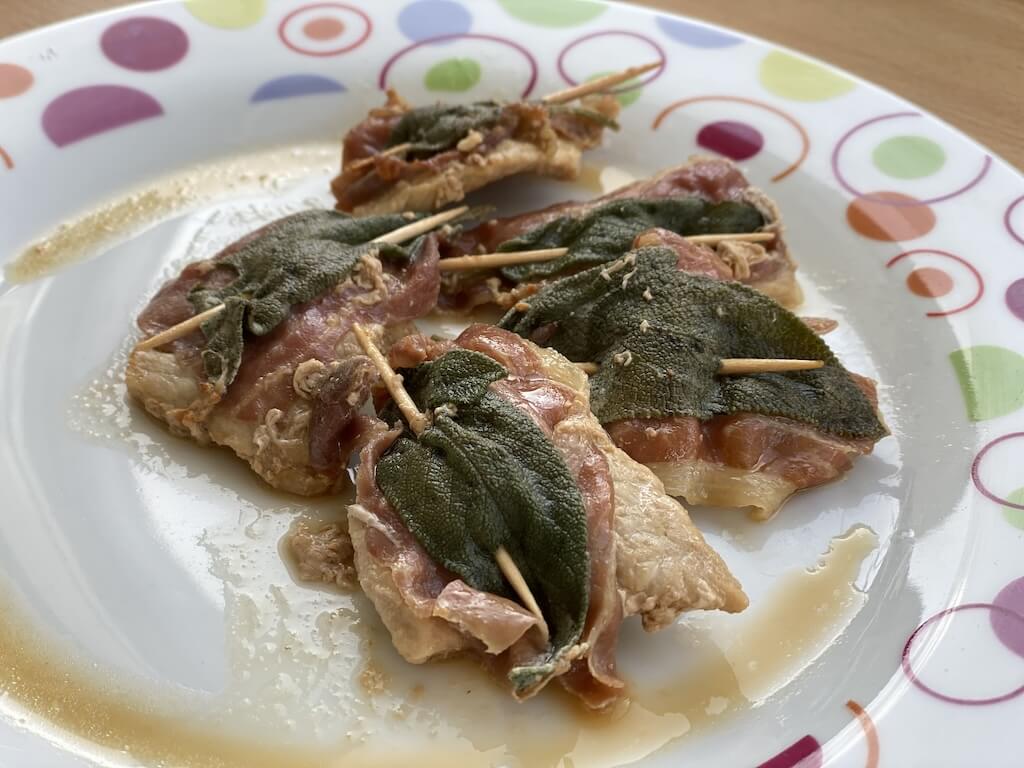
One of the most common Italian food misconceptions is that Italian food is all pizza and pasta.
Believe it or not, there’s still a somewhat large percentage of foreigners who think Italians live off pizza and pasta. And that couldn’t be further from the truth. Sure, we do love our pizza and pasta, but Italian food is much more varied than that.
As mentioned, there is a ton of variation between regions in Italy. For example, southern Italy has many more seafood dishes than the north, where you’ll find more meat-heavy meals. We love a good mixed grilled or fried seafood, or a delicious beef stew or brasato.
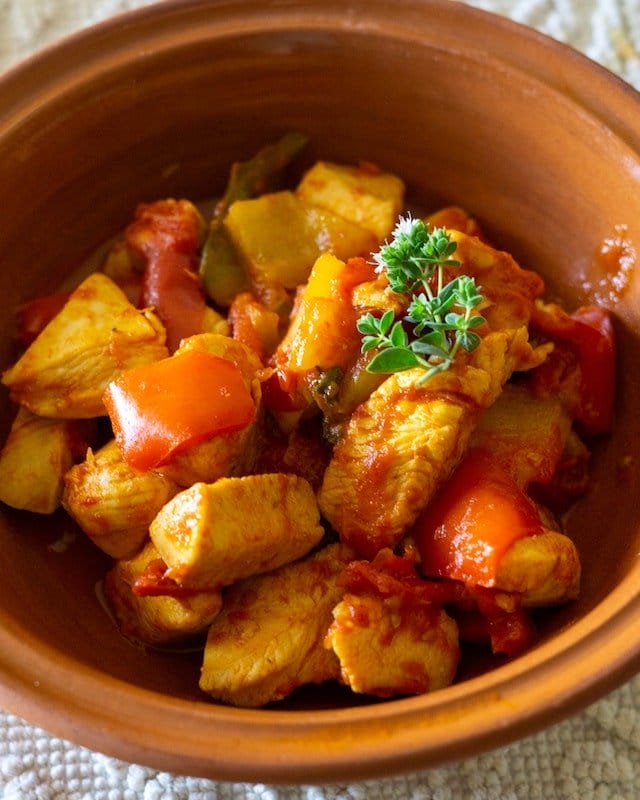
Don’t ask for chicken on pizza or pasta
Speaking as an Italian who loves her Italian food (and pizza), please never ask for or expect to find chicken on pizza or pasta. We do not put the chicken on pizza and pasta (there are very very few traditional recipes where chicken makes an appearance in a pasta dish).
Honestly, chicken on pizza is almost an absurd concept as pineapple on pizza (which is another big no-no in Italy).
I understand that chicken on pasta or pizza is much more prevalent in other parts of the world, but it’s basically unheard of in Italy, and if you ask for it, you’ll likely get weird looks.
We do eat chicken on occasion, but it’s usually served as the main meal, not as an ingredient in other things. Interestingly enough, chicken is also hardly found on any menu in good Italian restaurants – and when it is, that will likely be a place catering almost solely to tourists.
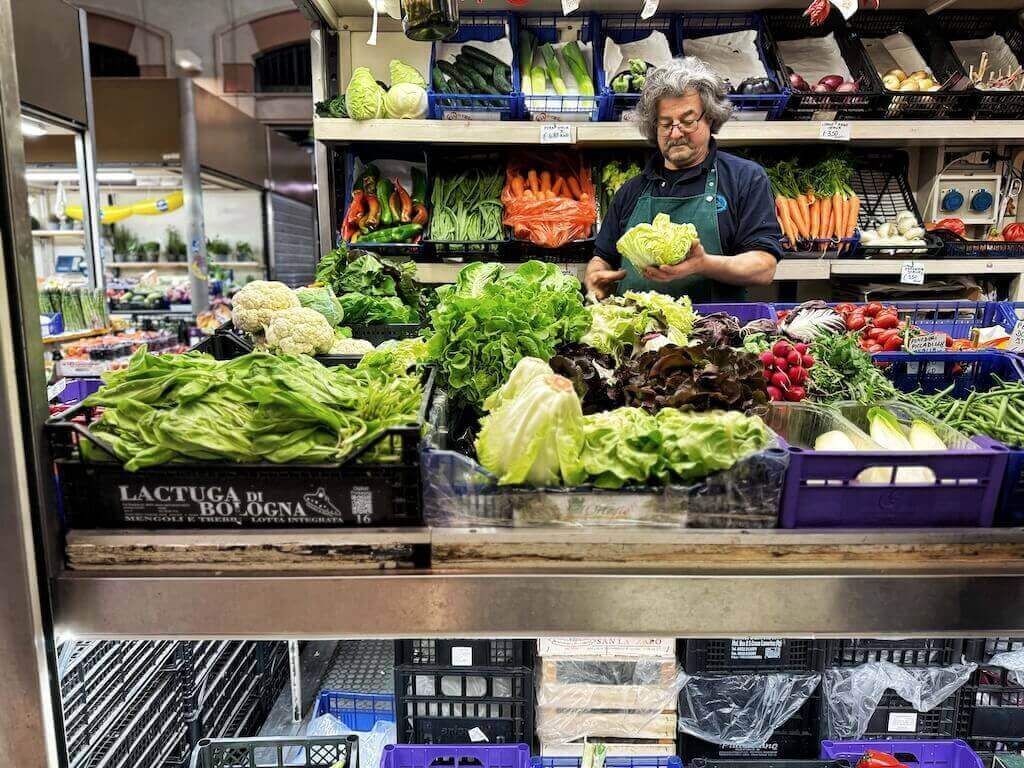
“Italian Salad Dressing” is not Italian
Italian salad dressing, like Caesar salad, is not Italian, and it’s never used here. In fact, Italians rarely use prepackaged dressing.
In Italy, the most popular salad dressings are olive oil, white or balsamic vinegar, and salt and pepper. If you’re eating at an authentic Italian establishment, those will likely be your only options. But that’s okay because, like our sauces, dressing is not meant to drown the dish.
You want your dressing to compliment the freshness of the salad, not mask the delicious taste of all those local ingredients.
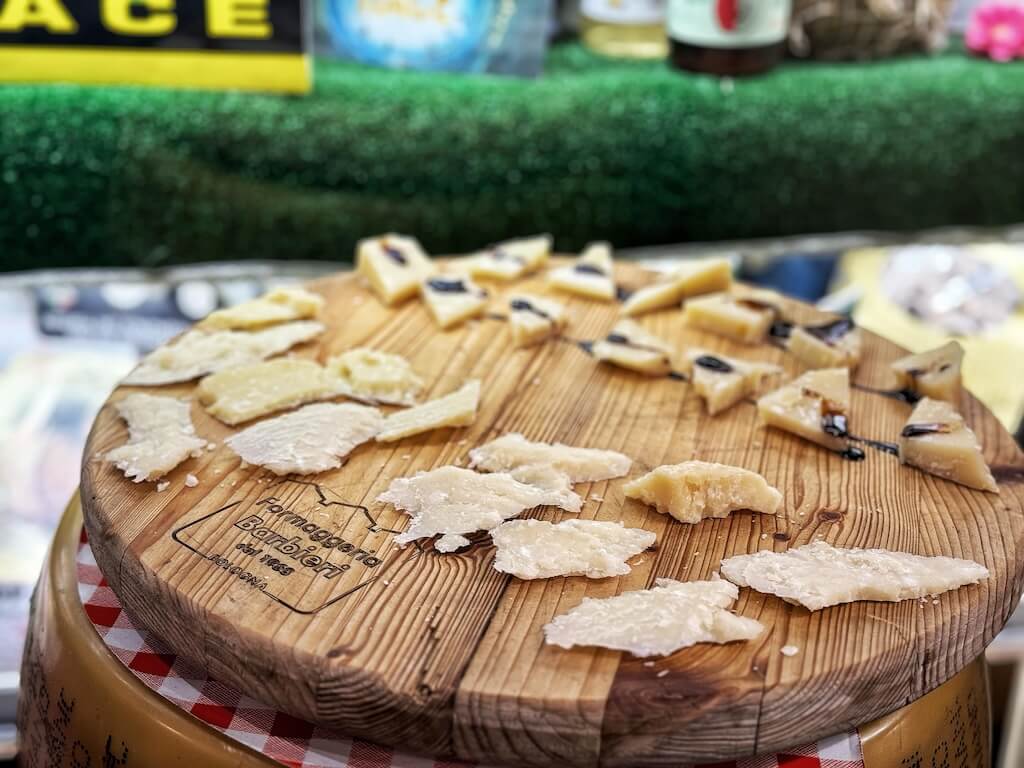
Don’t put cheese on seafood
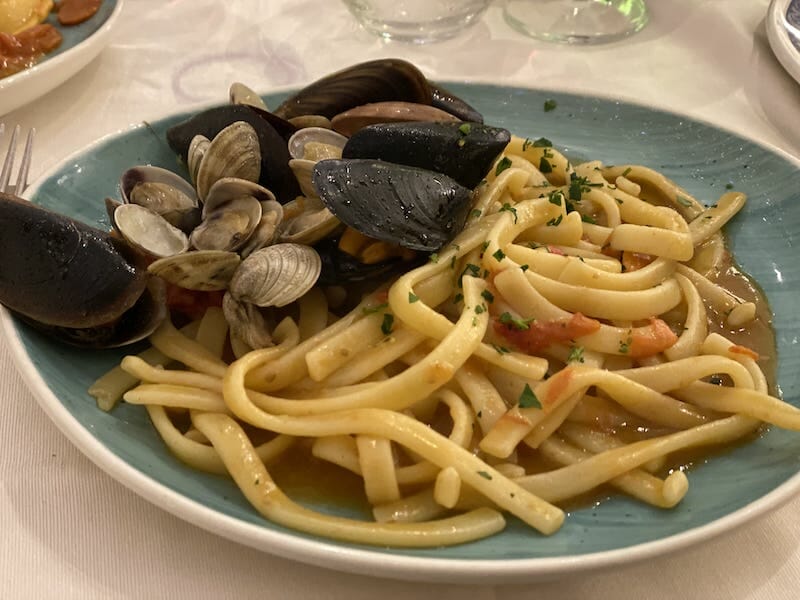
One of the most common Italian food misconceptions is that we put Parmigiano on all our pasta dishes. We don’t. In fact, Parmigiano cheese never goes on any seafood or fish pasta dish because it has a very strong flavor that covers the delicate flavor of the seafood.
The only exception to this rule is sogliola alla parmigiana (sole parmesan) where the fish is cooked with butter and a sprinkle of parmigiano cheese.
Having said so, there are some more modern Italian cuisine dishes where you will find fish or seafood paired with milder cheeses like burrata or stracciatella.

We tip differently than in the United States
This isn’t so much about the food in Italy, but it’s worth mentioning because travelers tend to eat out at restaurants a lot. Tipping is not as big in Italy (and most parts of Europe) as in places like the United States.
If you’re at a sit-down restaurant, a 10% tip or even the change from the cash you paid with is plenty. The staff are all paid an adequate living wage and do not rely on tips.
While over-tipping might seem like a nice thought, it can have a ripple effect on the local economy and cause restaurants to cater towards foreigners rather than the local population who may not be able to afford (and are simply not used to) tipping so much.
If you’d like to know more about tipping, read my travel guide, Tipping In Italy: The Ultimate Guide, From A Local. The guide covers not just tipping in Italy but also tipping culture in general.
Tips On How To Appreciate Italian Food When Traveling In Italy
Visit local markets
One of the best ways to learn more about local foods and ingredients is to explore local markets while traveling.
In Italy, there are plenty of larger supermarket-type stores. However, many people (and restaurants) prefer ingredients from specialty produce markets and food stalls. So, you’ll likely be near a local food market, no matter where you are in Italy.
Take a few hours to walk through different markets and see what fresh ingredients are and what everyone is buying. This will teach you a lot about our food. And there’s usually a lot of street food around these markets, too.
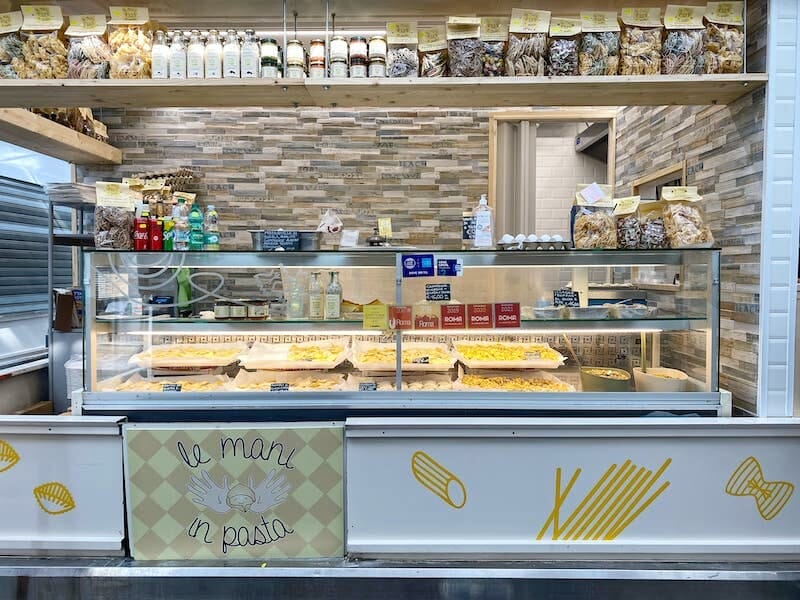
Here are a few of the most popular markets across the country:
Mercato di Rialto in Venice: This is one of the most beautiful markets in the world and is one of the oldest markets in Venice. The market is bursting with color and flavor, and there’s a broad mix of locals and tourists wandering around.
Mercato Centrale in Florence: This is one of the best food markets in Italy. It was once a fish and meat market, but it still has a variety of different foods and stalls.
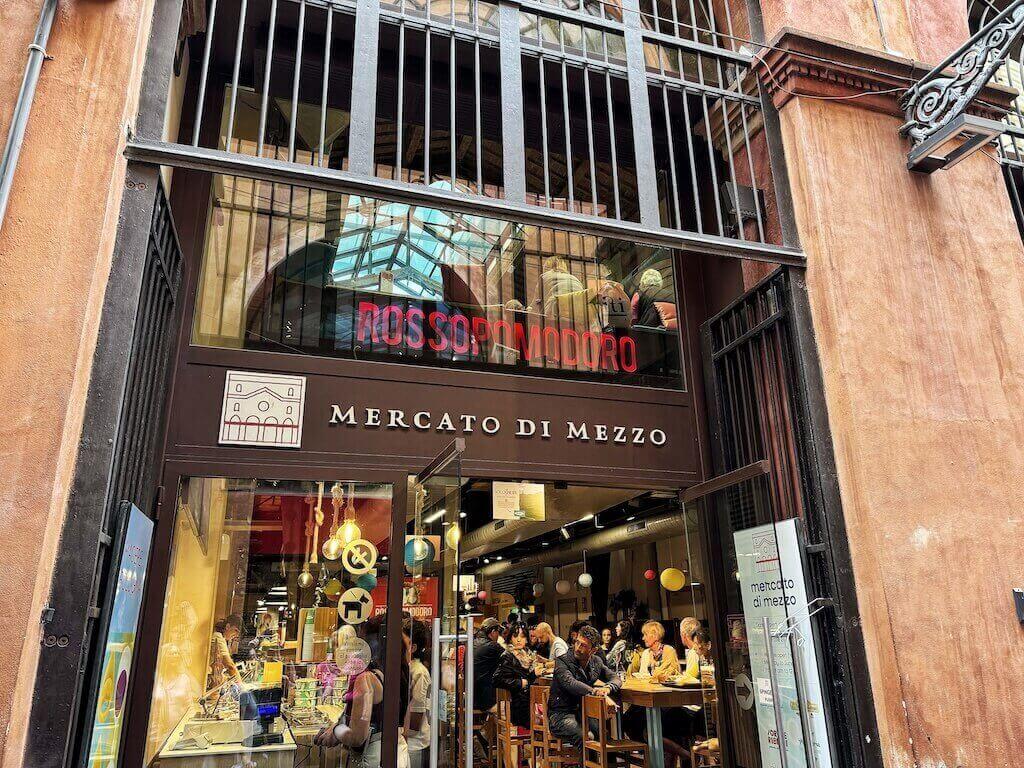
Mercato di Mezzo in Bologna: This is the oldest market in Bologna and the perfect place to go shopping for local foods and ingredients in the city, often referred to as “La Grassa” (or “The Fat”) because of its cuisine.
Mercato Trionfale in Rome: This is one of the most eye-catching and well-organized markets in Italy. Everything is organized by color (vegetables are green, meats are red, fish are blue and yellow, and so on). There’s also so much variety. You can find anything you’re looking for here.
Mercato di San Benedetto in Cagliari: This is one of the largest fish and seafood markets in Italy, but there also is a large meats section and a fruits and vegetable section. It’s located in the center of town, so very convenient to access.
Of course, there are thousands more across the country. There are markets every few blocks in every city and village in Italy. The point is to take a moment to walk through to better understand local ingredients and culture.

Take a food tour
If you’re planning a trip to Italy, one of the best ways to learn more about local food is with a food tour. Almost every major city and tourist destination offers a handful of different food tours.
It’s a bonus if the food tour you go with includes a walking tour of a local market. This is a great way to visit a market with a local and learn more insight.
You have to choose your food tour based on the city you visit. However, this Tastes & Traditions of Rome: Testaccio Food and Market Tour is a popular choice in the capital city. You’ll start with a hearty Italian style breakfast, then visit four local vendors for tastings and chow down on pasta, wine, and gelato.
One of the best places in Italy for food tours is Bologna. There, I recommend this Tastes & Traditions of Bologna: Food Tour with Market Visit. You’ll walk through local markets, learn how to shop, get Italian cooking tips, and try classic dishes.
Try a cooking class
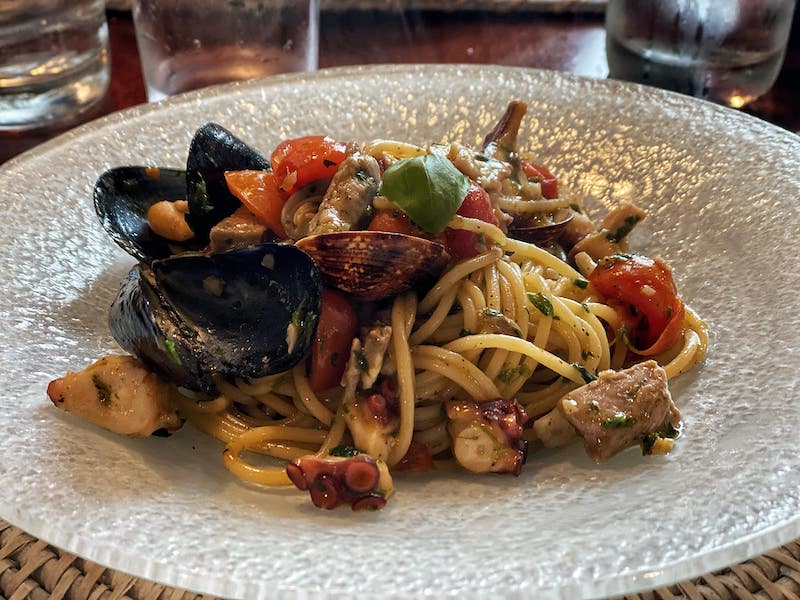
Another way to completely immerse yourself in Italian cuisine and to debunk some myths about Italian food is to take a cooking class. This is an overall enjoyable experience and one of the best things to do in Italy, no matter which of the Italian cities you go to.
A cooking class with a local will not only debunk some popular misconceptions about Italian food but also allow you to bring home an authentic recipe and enjoy a delicious meal made with your very own hands.
Again, almost all major tourist cities in Italy have cooking classes throughout the week. The menu just might change depending on the region.
If you happen to be in Rome, I recommend this Rome: Pasta & Tiramisu Cooking Class with Fine Wine by the Vatican. You’ll learn how to make pasta and tiramisu by hand (trust me, an excellent skill) with instructions from a local chef. It’s an overall really fun experience.
Feel free to travel for food
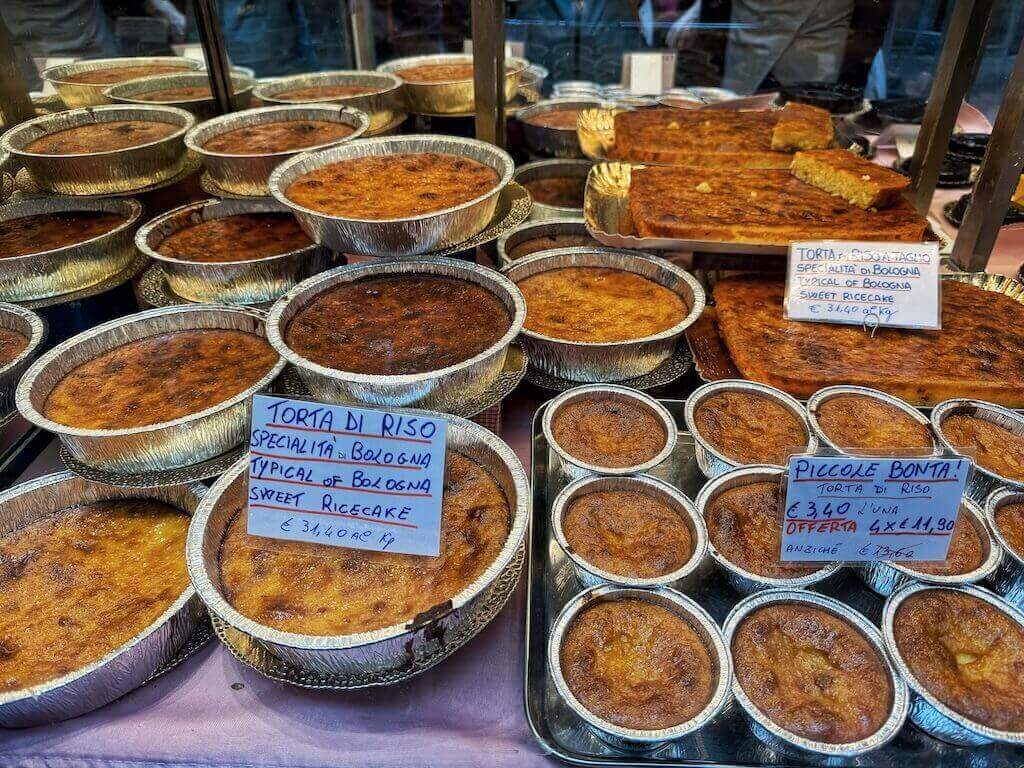
If you’re traveling to Italy and a major foodie, don’t be afraid to go out of your way for food. If you know a little bit about Italian food, you know that some of it is very regional. And there are better places to go in Italy to eat specific dishes.
For example, pizza is from Naples, so Naples is the best place to go in Italy for pizza (although you’ll find good pizza all over the country). Furthermore, Bologna is nicknamed the food capital of Italy and is home to a selection of incredible local dishes. So, consider spending time in the Emilia-Romagna in northern Italy for more delicious delicacies.
Sardinia is also often mentioned regarding health and wellness as a designated blue zone, a region with a higher life expectancy than the world’s average. One reason people are generally considered very healthy in Sardinia is their diet. So, if this interests you, swing by Sardinia and observe it with your own eyes.
After all, Italian food is one of the best reasons to visit Italy in the first place, so why not let it help dictate where you travel in the country?

Ask locals for advice on food
When in doubt, ask a local for advice on food. If you’re staying at a hotel, feel free to ask the reception or concierge about good, local restaurant recommendations. Almost every Italian would be thrilled to share personal suggestions.
And try to avoid eating at the tourist spots, usually centered around the historic center or the main attraction in the city. These are the ones that cater entirely to foreigners and, therefore, might have more foreign-driven dishes. Not to mention that they’re usually so much more expensive.

Conclusions On The Misconceptions About Italian Food
There are so many misconceptions about Italian food that it’s hard to discuss all of them. As you may have heard, Italians are very picky about their food and a little protective when it comes to discussions about our national cuisine.
So, it’s important to understand the most popular misconceptions about Italian food before traveling there. Even if you’re not traveling to Italy anytime soon, this might just inspire your own recipes.
The most important thing is not to expect the super “Americanized” dishes in Italy, like spaghetti bolognese and fettucine alfredo. Also, make sure to come to Italy with an open mind and to try to step outside of your comfort zone.
PIN IT!

Claudia Tavani
Claudia Tavani was born and raised in Sardinia, and after moving between the United States and the United Kingdom, she's now back living in her hometown, Cagliari. She's a travel blogger and certified travel designer who loves planning trips and publishing guides, travel tips, and packing lists so that you don't have to. Owner of Strictly Italy, cat mom to Minnie. Loves pizza, hiking, archeology, cities, beaches, swimming, and running. Hates peppers.