
Coffee in Italy is more than just a morning ritual; it’s a way of life. From the classic espresso to unique local brews, there’s an entire etiquette surrounding how Italians enjoy their coffee, whether you’re in a bustling tourist district in Rome or a quiet village off the beaten path.
Italians drink coffee by the gallon, using it as both a pick-me-up and a social excuse to catch up with friends. One study found that three out of every four Italians are avid coffee drinks (and I am one of them). Coffee breaks, especially when you can sit outside and enjoy the weather, are a staple of daily life here.
But honestly, I’ve found many small differences between coffee here and other parts of the world. So, if you don’t know what to expect and you’re traveling to Italy for the first time, you might feel a little lost when you walk into a bar, order a “coffee,” and get an espresso.
But you’re in luck. As a confessed coffee aficionado, I’m here to spill all the beans on what to expect (see what I did there?). I am about to tell you everything you should know about the delicious world of Italian coffee!
If you’re interested in Italian coffee, you might also want to read about Italian food. Check out my article, Must-Try Italian Food By Region. In it, I discuss all the best Italian foods across the different regions.
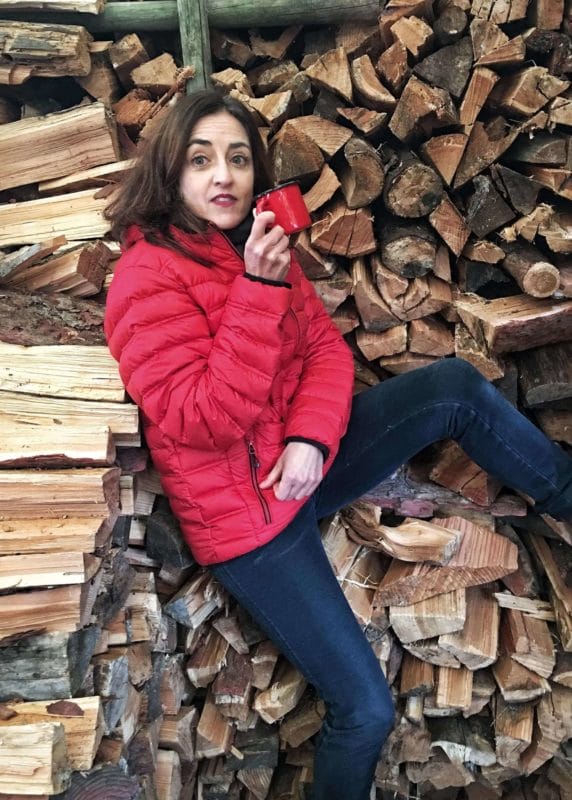
17 Most Popular Italian Coffee Drinks
Caffé
Pronunciation: kah-FEH
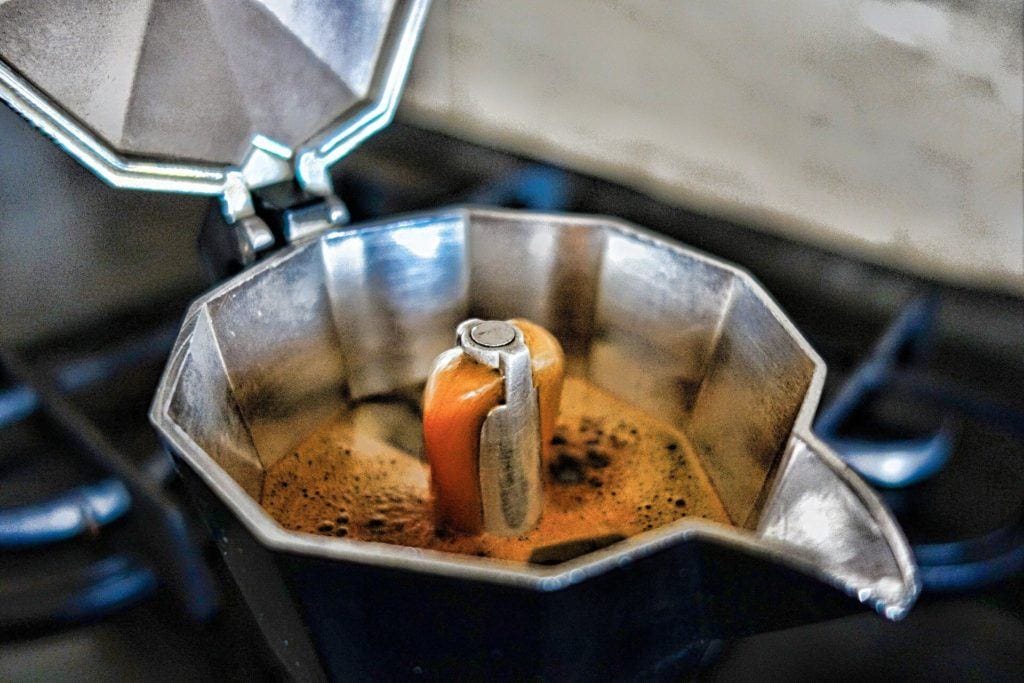
In Italy, “caffé” is our go-to word for coffee, and it usually means a shot of espresso with no milk. At home, we brew it using a moka pot, but if you pop into a café (referred to as bar here in Italy) and order a caffé, you’ll get a rich, strong espresso. Simple and straightforward.
This might be one of the most misunderstood coffee orders in Italy. Many people visiting Italy for the first time expect to get a pot of coffee (like in the United States) when they order caffé, and that’s usually not what happens, so be prepared. It isn’t the only misconception about Italian food, but it’s common.

Espresso
Pronunciation: ess-PRESS-oh
Espresso is the star of the show when it comes to Italian coffee. We often just call it “caffé” instead of actually ordering an espresso. It’s so integral to our daily life that we’re even pushing for UNESCO recognition.
No, you don’t pronounce espresso like expresso. Learning a little Italian can go a long way, especially with foreign coffee drinks. If you want more advice from a local, make sure to read my guide, Must-Read Travel Tips For Italy.
Caffé Lungo
Pronunciation: kah-FEH LOON-go
If you prefer a milder taste, try a Caffé Lungo. It’s essentially a longer espresso brewed with more water, which dilutes the coffee a bit and gives you a lighter, more extended flavor experience without losing the espresso essence.

Cappuccino
Pronunciation: kahp-poo-CHEE-noh
Cappuccino is an Italian breakfast staple. It’s a blend of espresso, steamed (whole) milk, and a layer of foam, and it’s what most Italians pair with a cornetto in the morning. It usually comes in one size, just right for that perfect coffee-to-foam ratio. You might find lactose-free or soy milk options these days, which is great if you’re vegan or lactose intolerant like myself.
A word of warning. For some reason cappuccino in Italy always end up being served warm (at times even just lukewarm) but not hot. I prefer mine hot so I always specify “bollente” when I order it. If you simply say “very hot” the bartender will understand.
Caffé Zuccherato
Pronunciation: kah-FEH zook-keh-RAH-toh
A caffé zuccherato is coffee with sugar, often pre-sweetened, giving it a slightly sweetened kick without needing to fuss with sugar packets and spoons. It’s a simple way to enjoy your coffee with a touch of sweetness.
You won’t actually find a caffé zuccherato at a café (I have never seen it, for sure) but sometimes when people make coffee for guests at home they will add a bit of sugar in the coffee pot and stir it before serving it. If you prefer yours without, you may want to say that before you are being served.

Caffellatte
Pronunciation: kahf-feh-LAH-tay
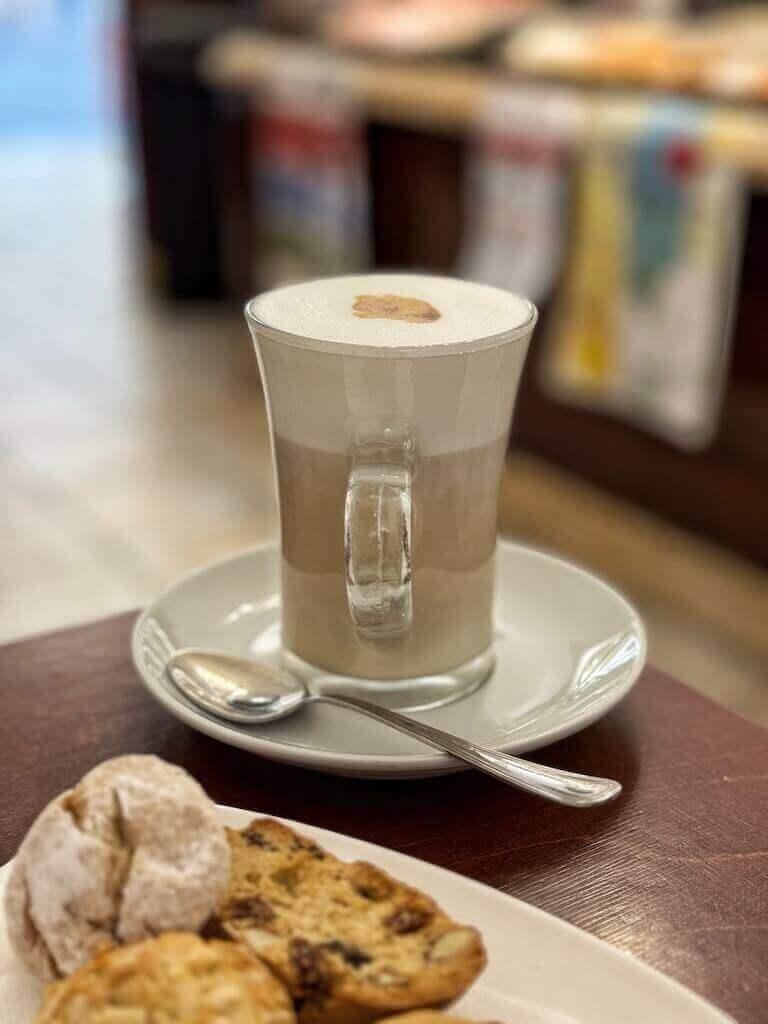
Caffellatte, or caffé latte, is what many Italians (including my sister, my brother in law and my parents) have for breakfast at home. It’s basically hot milk with a shot of espresso. If you order it at a café, you’ll get a large glass of steamed milk with a shot of coffee. It’s bigger and milkier than a cappuccino and has less foam.

Macchiato
Pronunciation: mahk-kee-AH-toh
For a hint of milk in your espresso, go for a macchiato. “Macchiato” means “stained” or “marked,” so you get a shot of espresso with just a drop of milk—either hot (macchiato caldo) or cold (macchiato freddo).

Marocchino
Pronunciation: mah-roh-KEE-noh
The marocchino is like a tiny mocha without the whipped cream. It’s espresso with steamed milk and a sprinkle of cocoa powder. Served in a small glass, it’s a sweet, coffee-chocolate mix that’s perfect for a quick treat – typically mid-morning of mid-afternoon. Nobody orders it after a meal.
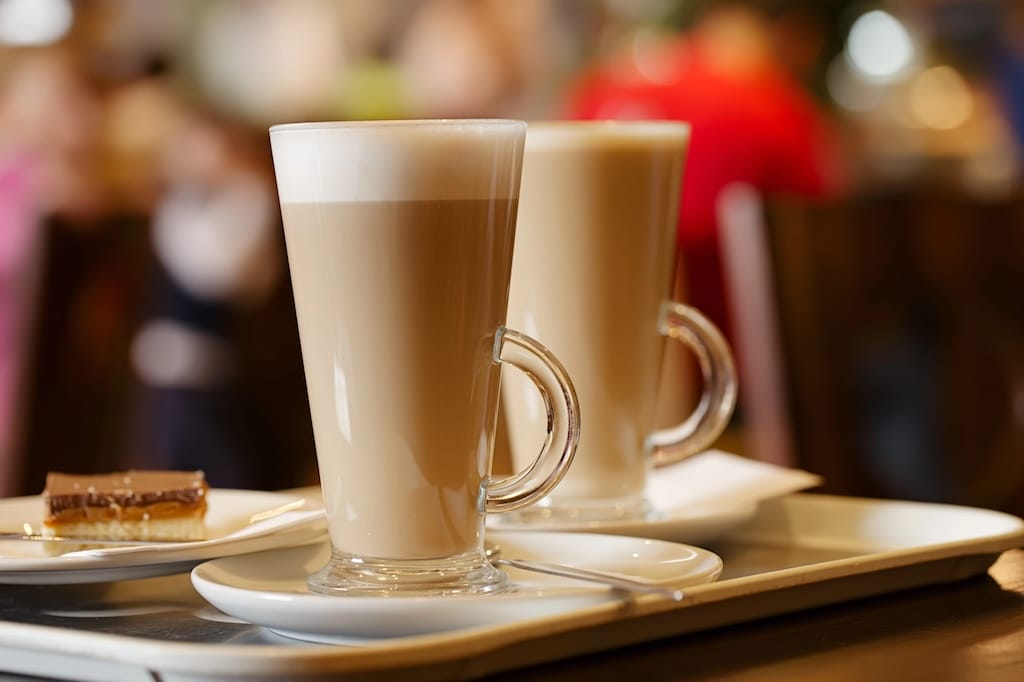
Latte macchiato
Pronunciation: LAH-tay mahk-kee-AH-toh
Latte macchiato is all about the milk with just a splash of espresso. It’s a glass of frothy steamed milk with a hint of coffee—more milk than coffee, so it’s pretty mild in flavor.
Americano
Pronunciation: ah-meh-ree-KAH-noh
An americano starts with a shot of espresso and comes with a side of hot water. You add the water to taste, making it a bit like drip coffee. If you want it stronger, you can ask for it “doppio” to get a double shot of espresso. That’s what I usually order whenever I get coffee at a café.
Caffé corretto
Pronunciation: kah-FEH koh-RET-toh
For those who like a little kick, a caffé corretto is espresso with a shot of liquor, usually grappa or sambuca. It’s a warming drink, perfect for cold days or if you just want something a bit stronger.

Caffé al vetro
Pronunciation: kah-FEH ahl VEH-troh
Caffé al vetro is essentially espresso served in a glass cup instead of a ceramic one. Some people swear the glass enhances the experience, but it’s really just a different way to serve your espresso. It cools down faster, which can make it a bit more bitter if you add sugar because it won’t melt immediately.

Caffé shakerato or freddo
Pronunciation: kah-FEH FREH-doh or shah-keh-RAH-toh
When it’s hot outside, caffé freddo or shakerato is the way to go. It’s cold espresso shaken with ice until it’s frothy. Refreshing and strong, it’s a great way to cool down and get your coffee fix.
Caffé d’orzo
Pronunciation: kah-FEH d’OR-zoh
Caffé d’orzo is a caffeine-free alternative made from roasted barley. It’s mild and similar to coffee in flavor but without the caffeine kick. I have fond memories of my mom making me this with hot milk and letting me dunk my cookies in it.
Decaffeinato
Pronunciation: deh-kah-feh-ee-NAH-toh
Decaffeinato is your caffeine-free option. Just ask for a “decaffeinato” to get an espresso without the buzz. It’s perfect if you’re sensitive to caffeine but still want to enjoy the rich taste of coffee. You can even have a decaf version of cappuccino – or any other coffee drinks mentioned in this post – if you want.

Ristretto
Pronunciation: rees-TREH-toh
A ristretto is a more intense version of espresso. It’s a shorter shot (yes, shorter than an espresso), giving you a stronger flavor without more caffeine. Contrary to popular belief, it doesn’t actually have more caffeine than a regular espresso.
Caffé al ginseng
Pronunciation: kah-FEH ahl JEEN-seng
Caffé al ginseng is espresso mixed with ginseng extract and cream, making it sweet and milky. It’s not a great choice if you’re lactose intolerant, but it’s a unique twist on the classic espresso.

Step-By-Step Guide On How To Order Coffee In Italy
Step 1: Decide on your coffee
Choose Your Coffee Type: Italy offers a variety of coffee options, from a simple espresso to a frothy cappuccino. You might be familiar with some of them, but do some research (this post is meant to give you the essential kinds of coffee you may have in Italy) and decide on your order ahead of time.
If you’re not sure, start with an espresso (caffè) – it’s the quintessential coffee to have here.
Step 2: Place your order
Consider your payment: In many places across Italy, you’ll pay before you receive your coffee. It’s common to hand over cash or use a card at the register. Some cafés might let you pay at the counter when you get your coffee. And if you choose to sit down, you’ll pay after you drink your coffee.
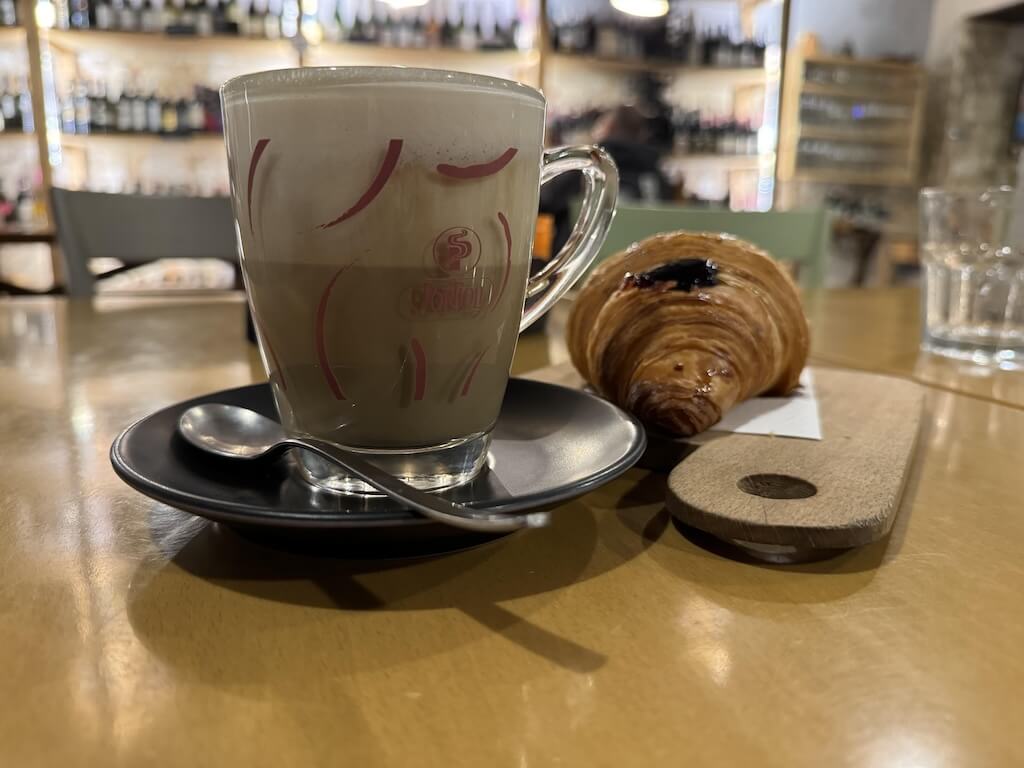
Step 3: Approach the counter
Go to the Bar: You’ll order at the counter in most Italian cafés (bars). This is the norm for a quick coffee fix. You’ll usually find a line, so wait your turn but try to be assertive. Italians tend to cut lines unless you make it a point that you are standing there for a reason.
Order your coffee: Once you’re at the counter, confidently state your order. For example, you might say “Un caffè” for an espresso or “Un cappuccino” if you want something creamy.
Specify your preferences: If you have specific preferences, such as a macchiato with hot milk or a lungo for a longer espresso, make sure to mention them clearly.

Step 4: Enjoy your coffee
Drink it right: If you’re standing at the bar, drink your coffee quickly, as Italians typically enjoy their coffee on the go. If you’ve ordered a drink with milk, like a cappuccino or a caffè latte, it’s often enjoyed standing or seated at a table if you’ve chosen the table service option. There’s an extra cost if you decide to sit at the table.
Respect the local customs: In Italy, cappuccino is a never served with a meal (unless it’s breakfast) or after. It’s perfectly acceptable in the morning, and now many people drink it in the afternoon, but ordering one later will make you stand out.
Italians generally view cappuccino with a meal or after as a no-no—it’s thought to hinder digestion and clash with the meal. If you’re not a fan of straight espresso, a macchiato is a good alternative. While it’s a bit less common, some people do it.
Step 5: Leave a tip (optional)
Tipping: Tipping isn’t a strong tradition in Italy, but if you receive excellent service or are in a touristy area, a small tip is appreciated. Just drop some loose change into the tip jar or leave a little extra when paying.
If you want to learn more about tipping culture in Italy before your travels, read my travel guide, Tipping In Italy: The Ultimate Guide (From A Local). The article explains into all the little intricacies, including when and how much to tip.
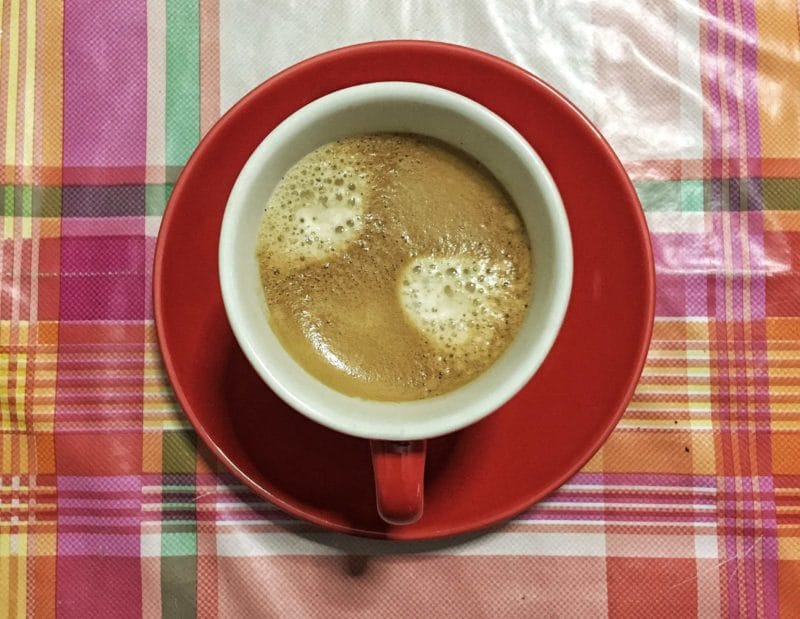
More Useful Information About Ordering Coffee In Italy
How Much Does Coffee Cost?
On average, a shot of espresso will set you back about €1 (I paid €1,20 for a regular espresso in Cagliari the other day, and my sister paid €1,60 for a decaf), while a cappuccino is usually around €1.30.
Prices can vary based on location—cities might charge more than small towns, and you might even find a spot where a coffee costs just €0.80. My brother in law once paid €12 for a coffee at a Michelin-starred restaurant!
No menu? No problem
Don’t expect to see a menu at traditional Italian bars—unless you’re at a more upscale spot with table service. Instead, just remember your favorite coffee options from the list above and confidently place your order when you get to the counter.
Can you add sugar?
Yes, you definitely can add sugar. You’ll find sugar—white, brown, and sweeteners—at the counter or on your table, typically in small bags. Many Italians like a touch of sugar in their coffee, typically about a small spoonful or one sugar packet.
How about coffee to-go?
Coffee-to-go isn’t as common in Italy as it is elsewhere. You might see it at beach kiosks, where you can grab a coffee in a paper cup and sip it under your umbrella. Some city spots are starting to offer coffee to go, especially for office workers. Personally, I’m not a fan—by the time it reaches you, it’s often cold!
Making Italian Coffee At Home
Everyone loves Italian coffee (well, maybe not everyone). In fact, between March 2023 and March 2024, Italy’s coffee exports increased by over 2% (or by over €4.3M)! That’s a lot of coffee. So, if you want to bring home some coffee, or order some online for a taste of Italy, here’s what you’ll need:
ESPRESSO MACHINE: The machine matters. Actually, there’s even the Coffee Machine Museum in Neruda. Invest in a reliable espresso machine. While many options exist, cheaper models often break down quickly. Ideally, choose a machine that gets better with age—frequent use improves the flavor. This Breville Barista Express Espresso Machine is beautiful and makes delicious espresso.
BIALETTI MOKA POT: For a true Italian touch, get a Bialetti Moka pot. These come in various sizes and are perfect for brewing rich coffee, just like the one we enjoy here. I recommend this Bialetti Moka Express. They’re made in Italy and even come with detailed directions. It’s the classic one all Italians have at home.
QUALITY COFFEE BEANS: Use high-quality coffee beans or ground coffee. If you’re in Italy, you might be able to bring some home with you (but make sure to double-check your country’s customs). But you can also order them online. Illy is a top choice for commercial coffee and widely available online, ensuring you get that authentic Italian flavor.
Lately, I have started buying Gardelli Coffee. They have various kinds of coffee beans which they roast twice per week and ship when ready. It’s expensive, but excellent.
ESPRESSO CUPS: Get some sturdy espresso cups. Thick ceramic cups are ideal because they keep your coffee hot longer. You can easily find great options that fit this description online, but these Sweese Porcelain Espresso Cups with Saucers are really cute.

Conclusions About Italian Coffee
So, there you have it—a comprehensive guide to enjoying coffee like a local when in Italy! Italy’s coffee culture offers something for every taste, from the beloved espresso to the creamy cappuccino and everything in-between.
As someone who grew up sipping espressos and savoring cappuccino in Sardinia, I can tell you firsthand that each coffee has its special place in Italian life. Remember, it’s not just about the coffee; it’s about the rituals and the little moments of joy that come with every cup.
I also leave you with a confession: in the last few years, I have actually started drinking French Press coffee at home, in the morning. Most of my friends think this is a sacrilege, and many Italians don’t even know what it is, but I beg to differ!
I hope this guide helps you to easily and confidently navigate Italy’s coffee scene. Enjoy your coffee adventure in my country, and don’t forget—sometimes, the best part of traveling to Italy is simply taking a moment to savor it. Buon caffè!
PIN IT!


Claudia Tavani
Claudia Tavani was born and raised in Sardinia, and after moving between the United States and the United Kingdom, she's now back living in her hometown, Cagliari. She's a travel blogger and certified travel designer who loves planning trips and publishing guides, travel tips, and packing lists so that you don't have to. Owner of Strictly Italy, cat mom to Minnie. Loves pizza, hiking, archeology, cities, beaches, swimming, and running. Hates peppers.