
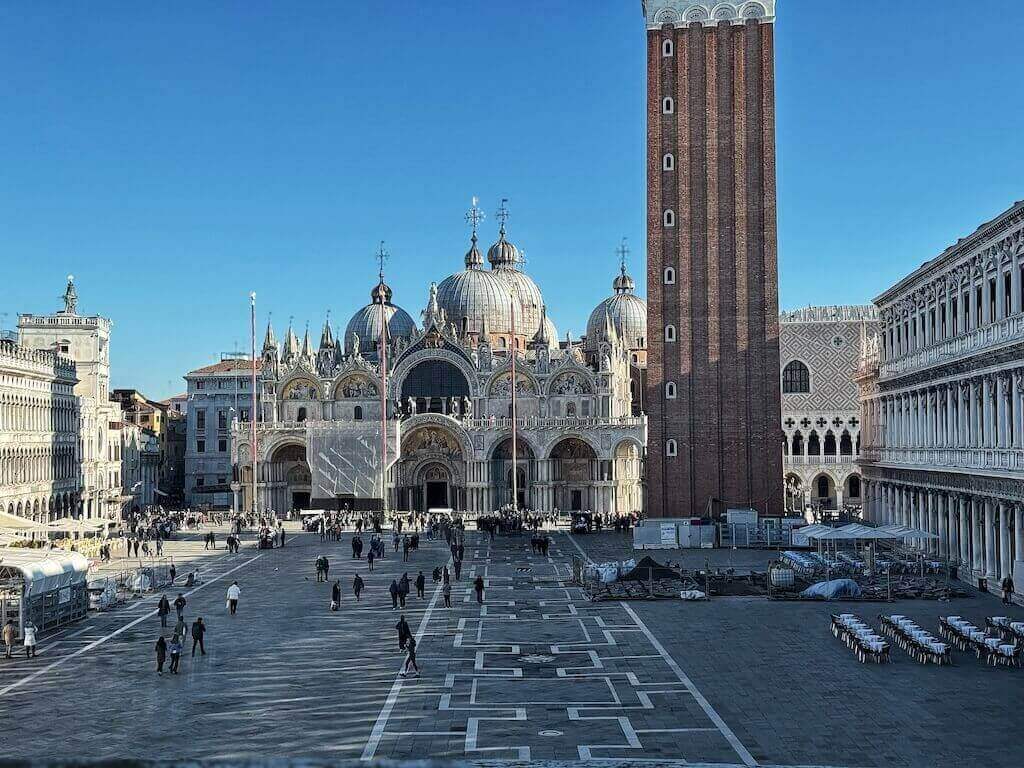
If you’re visiting Venice, you’ll probably want to visit Saint Mark’s Basilica. Whether you have a week, 5 days in Venice, 3 days or even just a day in Venice, you simply can’t skip it.
The Basilica, located in the famous St. Mark’s Square, is one of the best places to visit in Venice. It’s an important part of history and a beautiful piece of architecture. It’s also easy to couple a visit there with other attractions in the square, like Doge’s Palace.
If you’ve never visited Venice before, you might feel a little overwhelming when looking into visiting Saint Mark’s Basilica. Especially if you visit Venice in the summer months, when it’s most crowded with tourists, you need to plan your itinerary in advance. Fortunately, it’s easy to get Saint Mark’s Basilica tickets.
Since I’ve visited St. Mark’s Basilica multiple times (including on a recent trip), I’m here to walk you through everything you need to know about visiting. This includes getting tickets for St. Mark’s Basilica, some recommendations for a St. Mark’s Basilica tour and practical information for your visit.
Are you traveling to Venice and want to visit Saint Mark’s Basilica soon? These are the best tickets and tour options:
My post What To See In Venice highlights more places to visit in the city.
Is Saint Mark’s Basilica Worth Visiting?
St. Mark’s Basilica is the most impressive church in Venice and one of Italy’s most significant religious monuments. The extraordinary blend of architectural styles, historical significance, and artistic treasures make it an essential stop during any visit to Venice.
If you are only spending one day in Venice, you’ll likely focus on the St. Mark’s Square monuments. In this case, you really can’t skip it as it’s a highlight.
Should you be staying longer, there really is no excuse not to visit this masterpiece of architecture and art. Let me tell you a bit more about this church, so that you’ll know why you need to visit.
My post How Many Days Do You Need In Venice? answers all your questions on how long you should stay in the city.
Brief history of Saint Mark’s Basilica
While a basilica existed on this site in the 9th century, the current structure was built in the 11th century as the private chapel of Venice’s Doge.
The church was built to house the remains of St. Mark the Evangelist, which Venetian merchants had smuggled out of Alexandria in 828. The relics gave Venice a new spiritual authority and justified the construction of a church worthy of a rising maritime republic.
The original structure was modest, but by 1063, it was replaced with a grander basilica.
Over time, the basilica became a canvas for the city’s wealth. Gold mosaics, rare marbles, and spoils from Constantinople during the Fourth Crusade in 1204 turned it into a symbol of Venice’s ambition.
Saint Mark’s Basilica was Venice Doge’s a private chapel for centuries. It only became the city’s official cathedral in 1807.
What to see inside Saint Mark’s Basilica
Architectural highlights of St. Mark’s Basilica
St. Mark’s Basilica is Venice’s grand statement of power, faith, and cultural reach. The church was built (in its current version) in the 11th century to house the stolen relics of St. Mark the Evangelist.
It was Venice’s way of aligning itself with Constantinople, the heart of the Byzantine world. You can see that influence everywhere—in the domes, the gold mosaics, and the way space is used to impress. And impressed you will be.
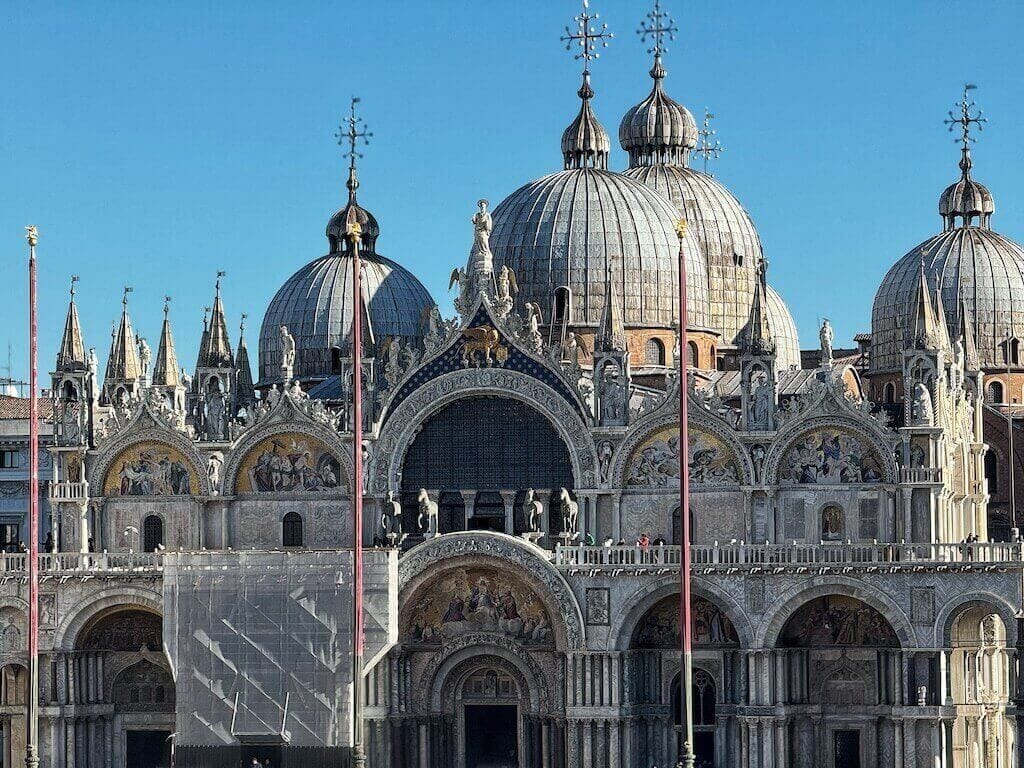
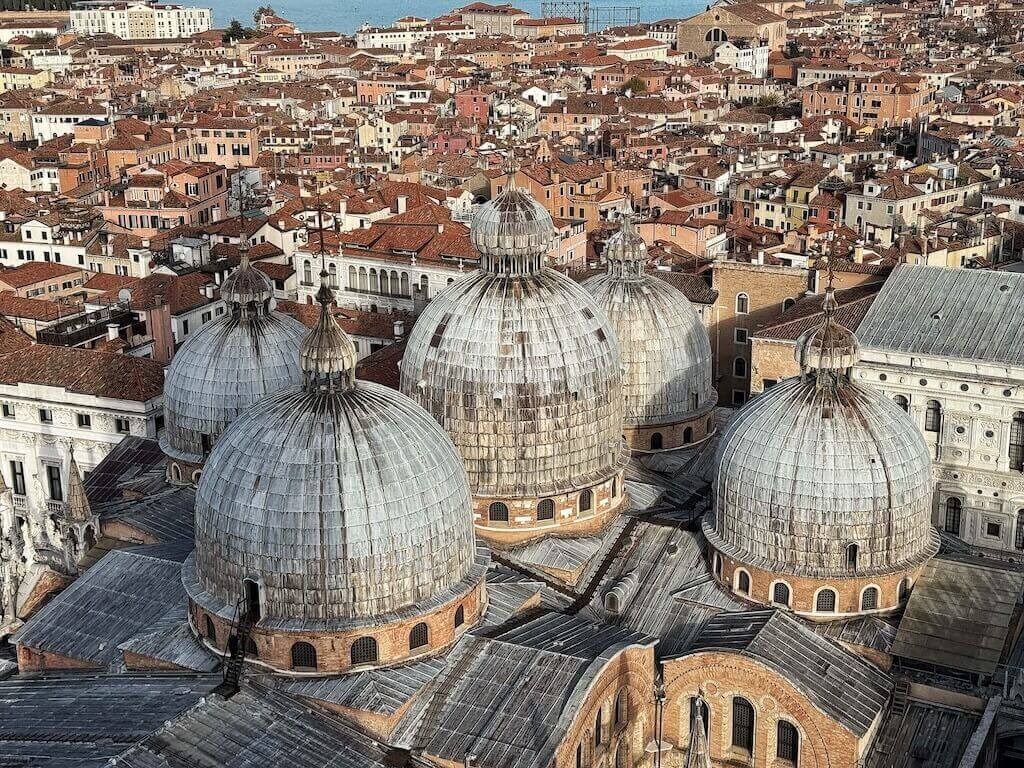
The layout of Saint Mark’s Basilica follows a Greek cross, with a long central nave stretching toward the apse, where the altar sits. Above it, five domes dominate the structure.
This eastern style wasn’t common in the West at the time and symbolized divine presence. The basilica became a visual reminder of Venice’s growing independence and its ambitions beyond trade.

Mosaics
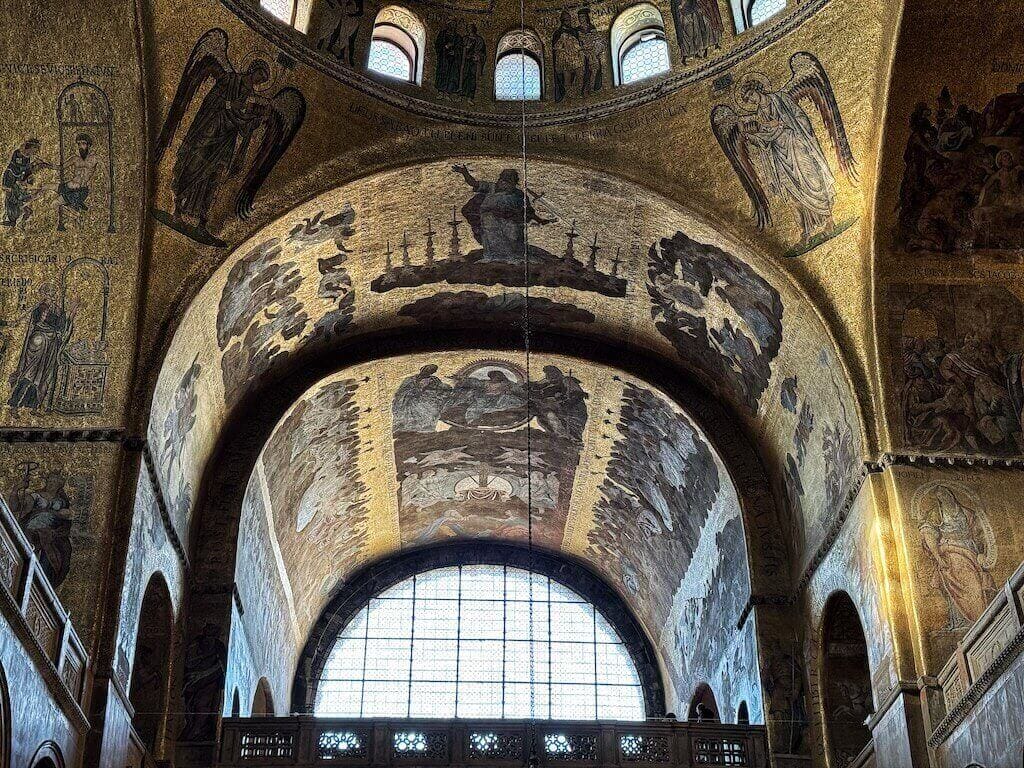
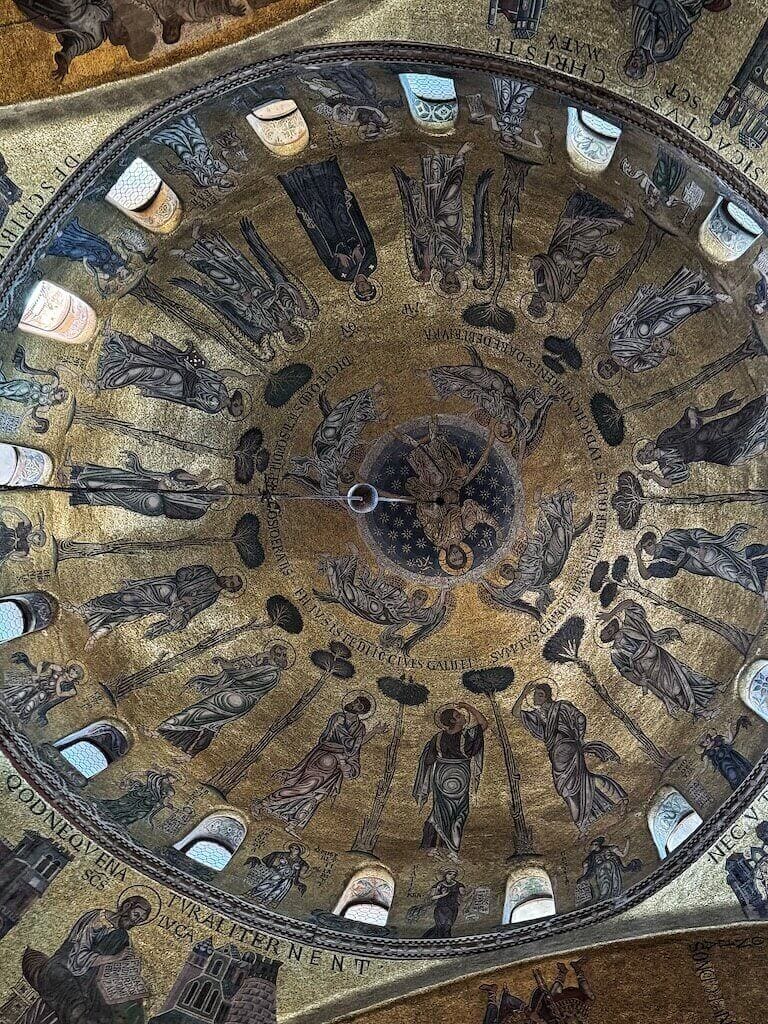
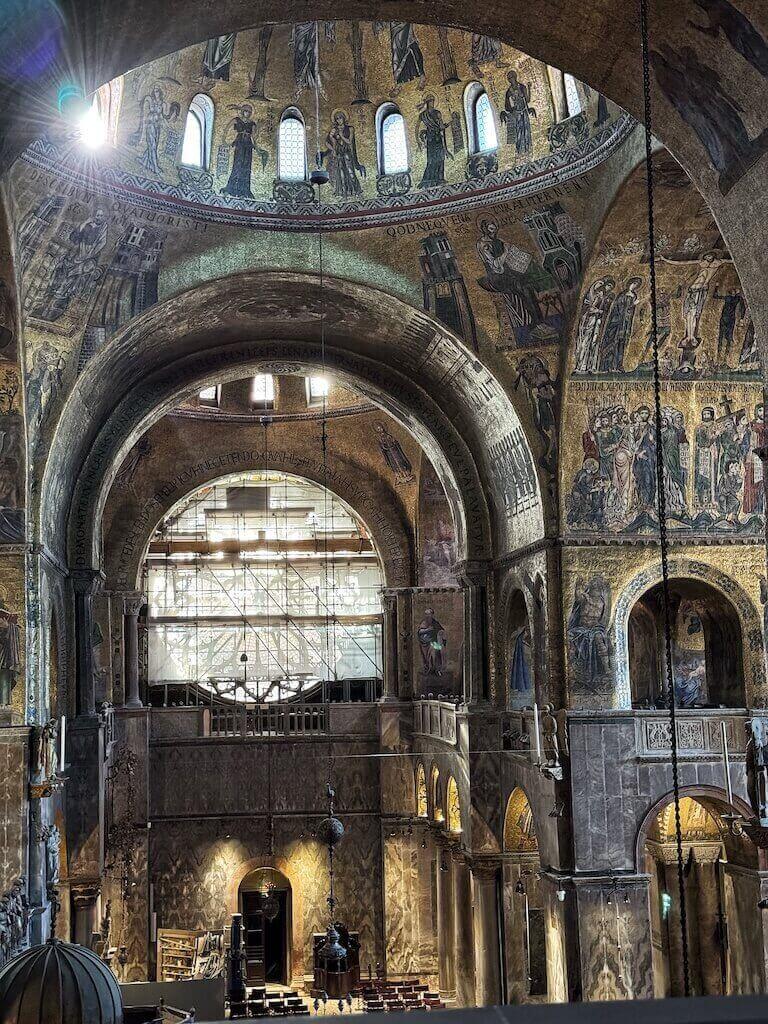
If you ask me, I find that the most impressive sight inside St. Marks’s Basilica is the mosaics. They reflect the light, with their endless gold. You will immediately notice how the church glows inside.
The mosaics cover more than 8,000 square meters.They stretch across the walls, vaults, and domes, turning the whole interior into a shimmering surface of images and stories.
Mosaics were added gradually to the basilica over nearly eight centuries. The oldest scenes pictured in the mosaics follow the Greek-Byzantine style. The later mosaics reflect changing tastes and outside influences—from Gothic touches to early Renaissance ideas. The one thing that’s constant is the use of gold.
The mosaics of St. Mark’s Basilica depict scenes from the Bible. They show moments from the lives of Christ, Mary, and St. Mark.
The Pala d’Oro
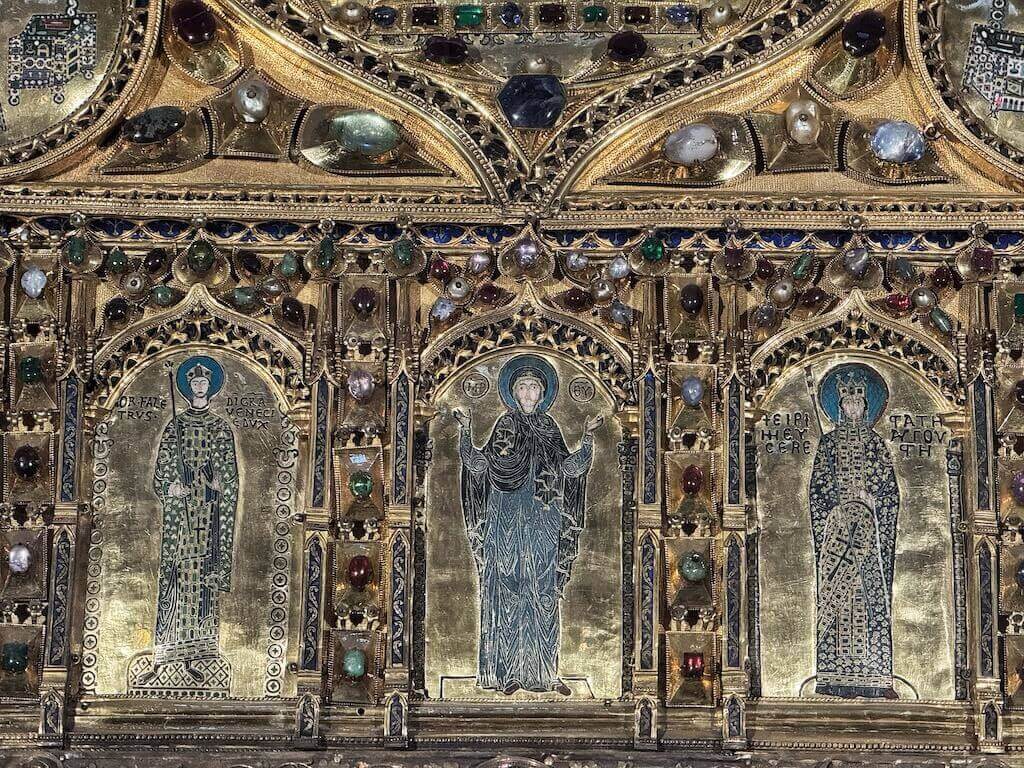
The Pala d’Oro is the high altar’s golden retable of St. Mark’s Basilica. It is also one of its most valuable treasures. Commissioned in the 976 by Doge Pietro Orseolo, it was first expanded in 1105 under Doge Ordelafo Falieri.
This is a masterpiece of medieval goldsmithing. The front is made of gold and silver, set with a multitude of gems—sapphires, emeralds, rubies, pearls—all arranged around enamel panels.
These enamels, made in Constantinople, depict scenes from the life of Christ, the Virgin Mary, and St. Mark. The central part shows the Archangel Michael surrounded by apostles and saints. The craftsmanship blends Byzantine and Western techniques, showing Venice’s role as a cultural and commercial bridge.
Most of the enamel panels of the Pala d’Oro were crafted in Constantinople or Italy in the Byzantine style. However, some were likely taken from Constantinople during the Fourth Crusade in 1204 and later brought to Venice.
The final intervention on the Pala D’Oro took place between 1343 and 1345, when Doge Andrea Dandolo commissioned two Venetian goldsmiths to reframe the entire altarpiece. They added a Romanesque arch above, and a Gothic one below. They also carefully arranged the 1,927 precious stones and gems throughout the design.
St. Mark’s Museum
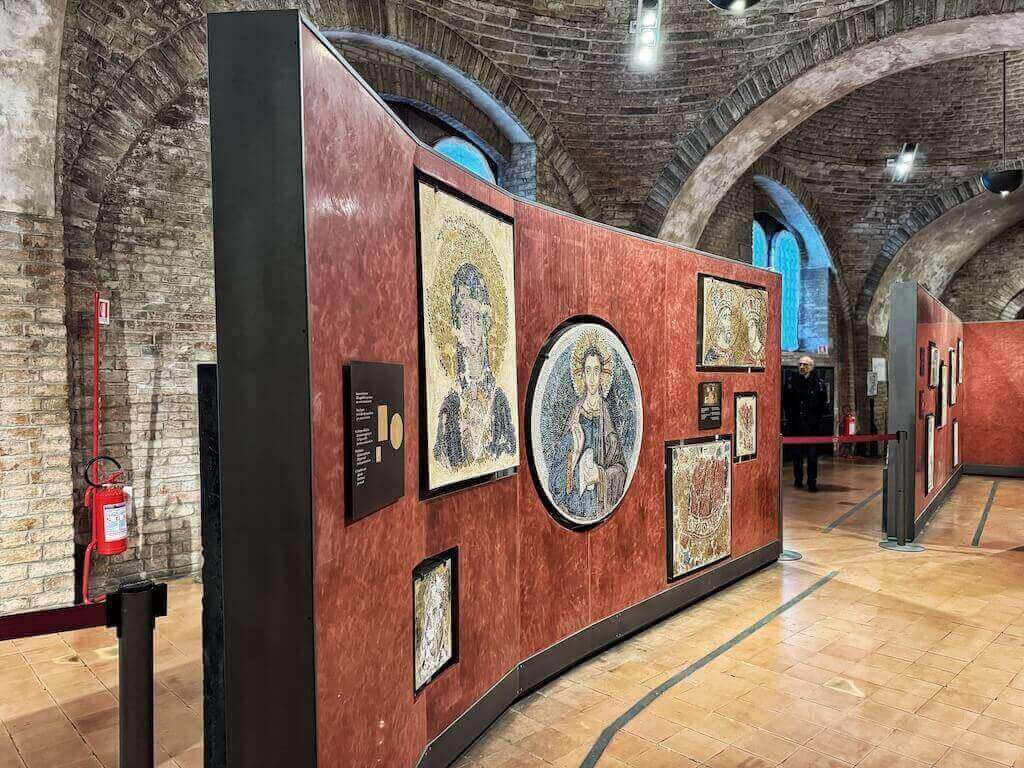
St. Mark’s Museum was founded in the late 19th century and recently reopened with an expanded layout. It now stretches from the basilica’s original vestibule area into the former Sala dei Banchetti, which was once part of the Doge’s palace.
The museum is an interesting place to visit to learn more about the church’s history. You can see liturgical items, artworks, and fragments collected over centuries, as well as mosaic fragments and tapestries.
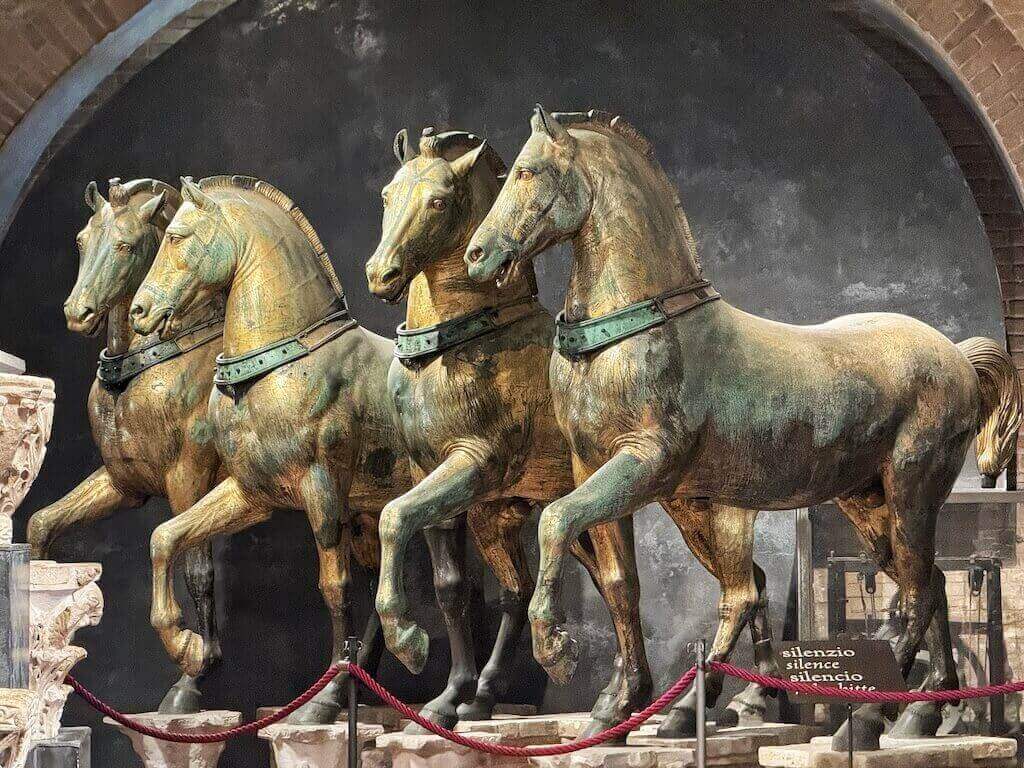
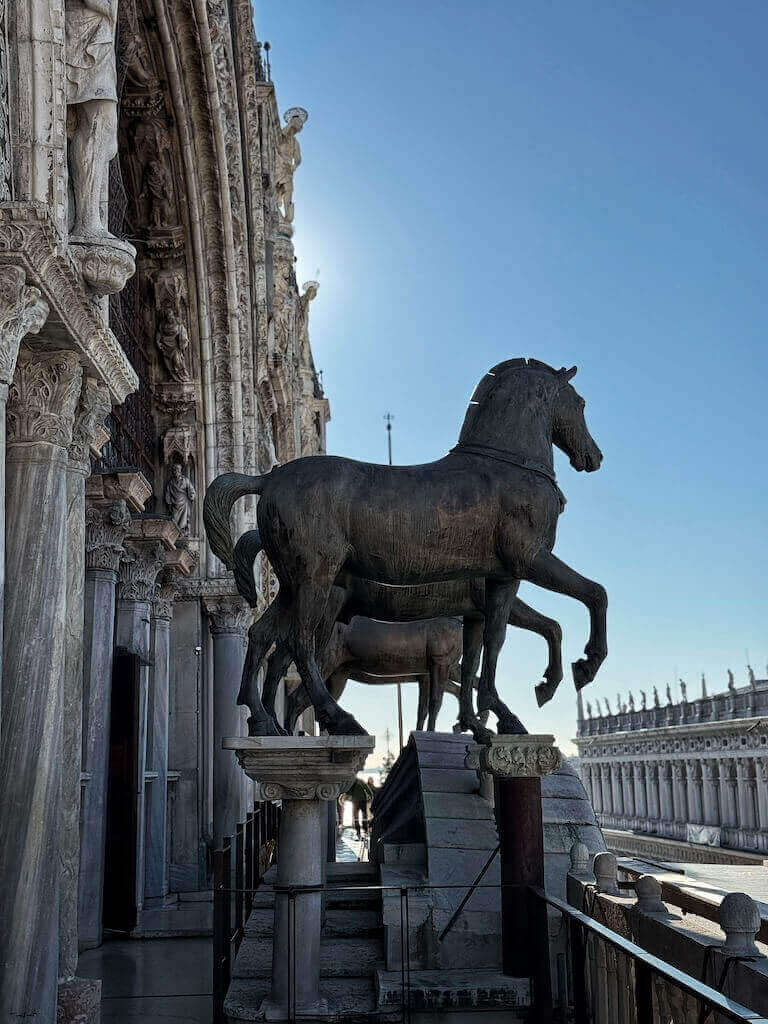
My personal favorite piece is the original Quadriga of St. Mark, the bronze horses that once stood on the basilica’s façade and were moved indoors for protection after recent restorations.
Don’t miss the Sala dei Banchetti, where you’ll find a mid-14th century panel by Paolo Veneziano, once used to cover the Pala d’Oro during the week.

St. Mark’s Bell Tower
St. Mark’s Campanile is Venice’s tallest structure, standing just under 99 meters (about 325 feet). It’s actually detached from the basilica, but still in St. Mark’s Square – so you shouldn’t miss it.
Originally built in the 12th century above what was likely a watchtower, St. Mark’s Bell Tower was rebuilt in the 16th century. It has a copper-clad spire and a rotating statue of the Archangel Gabriel acting as a weather vane.
The tower collapsed suddenly in 1902 as a result of imprudent construction works, but it was rebuilt just as it used to be and inaugurated again in 1912.
Only one of the original five bells survives. The rest were destroyed when the tower collapsed in 1902. At the base you can see a marble and bronze balcony by Jacopo Sansovino, built between 1537 and 1549.
More than anything else, St. Mark’s Bell Tower is the best place to get views of the city, that spans across the lagoon, over to St. Giorgio Maggiore island and the rest of the city.
For more panoramic spots, read my post Where To Get The Best Views In Venice.
How To Buy St. Mark’s Basilica Tickets
All visitors need to select a time slot and purchase a ticket in advance in order to visit Saint Mark’s Basilica.
Official website tickets
The official St. Mark’s Basilica website is the most affordable booking option for St. Mark’s.
You select a 30-minute time slot for your visit and receive confirmation via email. Reservations remain available until 10 minutes before the intended visit time.
These tickets cannot be modified or refunded once purchased. The reservation confirmation will display on your mobile device without printing.
Various ticket options are available:
- Basic admission: This includes entry to the main basilica where you can admire the stunning golden mosaics and architectural details. It doesn’t include the Pala d’Oro.
- Combination tickets: These bundle the basilica visit with access to attractions like the Pala d’Oro which is inside the Basilica, the Museum and Loggia dei Cavalli, offering better value if you visit multiple sites. You need an entirely separate ticket to go up the bell tower.
The official website doesn’t offer guided tours except for night tours.
Children under 6 years old require a reservation but can get in for free.
For current ticket prices and to book your preferred time slot, visit the official St. Mark’s Basilica website.
St. Mark’s Pass
The Saint Mark’s Pass offers the most comprehensive way to experience all the main attractions in St. Mark’s Square. This all-inclusive pass provides fast-track access to every major site, making it an efficient choice for visitors who want to explore everything the square has to offer.
The pass includes:
- Fast-track entry to St. Mark’s Basilica
- Access to Doge’s Palace and Bridge of Sighs
- Entry to St. Mark’s Bell Tower
- Access to St. Mark’s Museum
- Entry to the Archaeological Museum
- Access to Correr Museum
- Brief introduction by a certified guide
One of the most convenient features of the pass is its flexibility. You can book time slots for each attraction on a single page and spread your visits across different days during your stay in Venice. The pass helps you avoid multiple booking processes and offers better value than purchasing individual tickets for each site.
You can book the St. Mark’s Pass ahead of time and access everything at your fingertips. It’s recommended if you want to combine all the main attractions and have a lot of time for sightseeing.
There’s also the option for a Venice City Pass, including even more attractions, a gondola ride or Murano and Burano boat tour (a great day trip from Venice), a digital audio guide, and discounts on other attractions. This is perfect if you are spending a few days in the city.
Looking for more places to visit from Venice? My post The Best Day Trips From Venice tells you about the places you should not miss.

Third-party booking platforms
When official website slots fill up, reliable third-party sites like Tiqets and GetYourGuide offer alternative booking options. It’s also a little easier to navigate these sites than the official ones.
The main reservation I have about using third party booking sites when it comes to plain tickets is that prices are higher than those official tickets, these platforms include additional features such as:
- Downloadable audio guides
- Mobile maps
- 24/7 customer support
- Easy booking interface
- Free cancellation 24 hours before the activity
- Free rescheduling 24 hours before the activity
If you’re looking for a straightforward option, you can look for St. Mark’s Basilica Tickets via Tiqets, one of Europe’s best third-party booking platforms. You have the option of a plain ticket, or one that includes the Pala d’Oro and the Museum.
Combination tickets
Saint Mark’s Basilica is in St. Mark’s Square (Piazza San Marco). This is the heart of Venice, with several of the city’s most important attractions within steps of each other.
Besides Saint Mark’s Basilica, you’ll find Doge’s Palace, the towering St. Mark’s Bell Tower (Campanile), and several museums, including the Archaeological Museum and the Correr Museum. The latter one my favorites in Venice. From there you can enjoy impressive views of the square.
Given their proximity and historical connection, it’s easy to explore all the sites in the square together. St Mark’s Basilica and Doge’s Palace tickets are particularly popular, as these two monuments share centuries of interconnected history.
If you’re looking for St. Mark’s Basilica and Doge’s Palace tickets, I recommend the St. Mark’s Basilica: Skip The Line + Doge’s Palace entry. With your ticket, you’ll get fast-track admission to the Doge’s Palace, and access to the Bridge of Sighs and the Armory.
Best Saint Mark’s Basilica Tours
A guided tour of St. Mark’s Basilica brings your visit from simple sightseeing into a historical journey. Local guides bring the basilica’s stories to life, explaining the significance behind the stunning mosaics and architectural details you might otherwise miss.
Tours typically range from one to three hours, depending on whether they focus solely on the basilica or include other St. Mark’s Square attractions. Most guided visits include skip-the-line and access to areas that aren’t always open to general visitors.
For an in-depth exploration of the basilica, I recommend the Venice: St. Mark’s Basilica Guided Visit & Terrace Access tour. A local guide leads you through the basilica’s golden mosaics and masterpieces, including access to the museum and terrace where you can enjoy spectacular views of St. Mark’s Square from beside the famous bronze horses.
You can also check out Doge’s Palace & St. Mark’s Basilica with Terrace Access Tour. The three-hour guided tour includes priority entrance to both monuments and access to the basilica’s terrace.
Exclusive night tour experiences
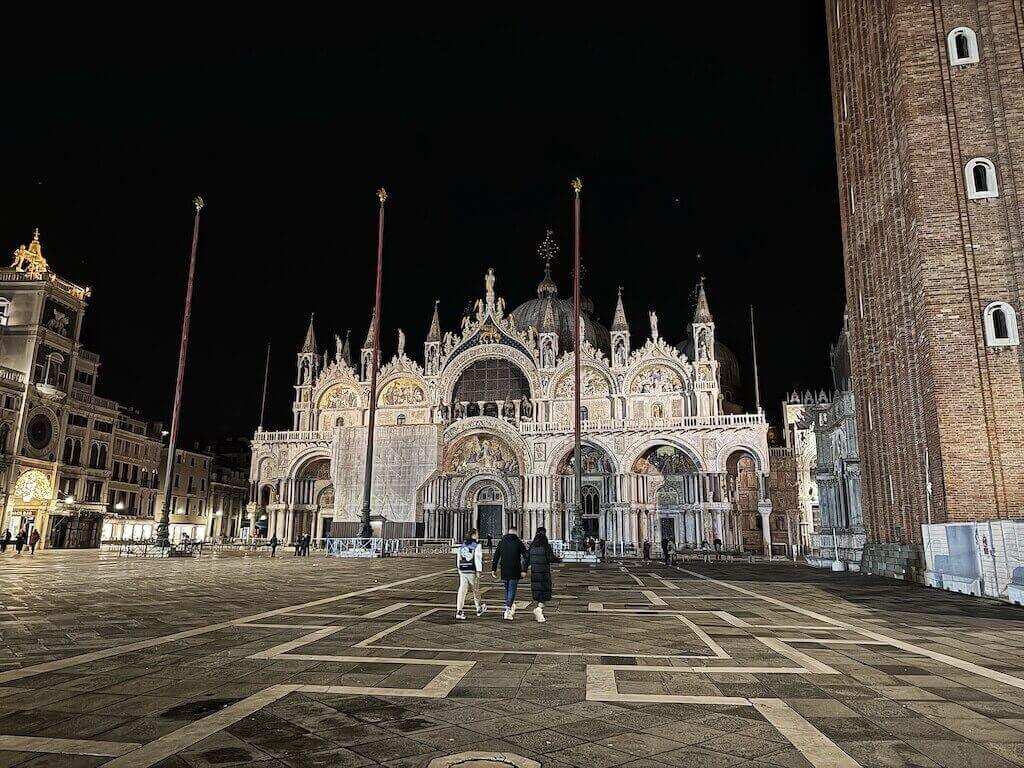
Night tours of Saint Mark’s Basilica offer a different perspective from daytime visits. These exclusive after-hours experiences allow you to explore the basilica when regular tourists have left for the day.
Night tours typically run with smaller groups than daytime visits, providing a more intimate experience. Many include access to areas often closed during regular hours, such as the crypt. The quieter environment also allows guides to share more detailed explanations and stories about the basilica’s art and history.
For an unforgettable evening experience, I recommend the Exclusive Alone In St. Mark’s Basilica After Hours tour. This intimate after-hours visit gives you rare access to the basilica when it’s closed to the public, including special entry to the crypt and an up-close view of the magnificent Pala d’Oro altarpiece, all guided by a local historian.
Another excellent evening option is the Venice: After-Hours St. Mark’s & Doge’s Palace VIP Tour. This exclusive experience combines both landmarks after closing hours, letting you explore the glittering mosaics of the basilica and the opulent rooms of the Doge’s Palace in peaceful tranquility, with special access to the basilica’s crypt.
How To Visit Saint Mark’s Basilica
Opening hours and best times to visit
Saint Mark’s Basilica maintains seasonal hours, with extended opening times during the busy summer tourist season and shorter hours during winter.
The Basilica is open daily except for major religious holidays, with limited hours on Sundays. The Bell Tower also operates on a seasonal schedule, staying open later during the summer to offer spectacular sunset views over Venice.
For the most peaceful experience, consider visiting in the afternoon around lunch time when morning crowds have typically dispersed. A special highlight is the midday illumination of the mosaics, when natural light creates a magnificent golden glow throughout the interior.
For current opening hours and seasonal variations, you can check the official St. Mark’s Basilica website.
Not sure when to go to Venice? My post Should You Visit Venice In December? may prompt you to visit in the off-season.
How long do you need at Saint Mark’s Basilica?
A visit to St. Mark’s Basilica can take as little as 30 minutes or stretch to 90, depending on how much you want to see.
The main church interior, with its gold mosaics and domes, takes about half an hour to walk through—especially if you’re following the crowd. But if you want to see the Pala d’Oro, climb up to the museum and terrace, or take your time with the mosaics, plan for at least an hour.
When I visited in December, I spent around 90 minutes exploring the church (including the Pala d’Oro) and the Museum.
How to get to Saint Mark’s Basilica
St. Mark’s Basilica sits prominently in Piazza San Marco, Venice’s main square. Depending on where you are staying in Venice, getting there is extremely easy. Last time I was in Venice in December, I was staying in Riva degli Schiavoni and it was just an easy and quick walk from my hotel.
If you’re arriving by vaporetto (water bus), several lines will get you there:
- From Piazzale Roma or Santa Lucia Railway Station, take Lines 1, 2, or 51.
- From Lido di Venezia, use Lines 1 or 52.
If you’re walking from the train station or Piazzale Roma, follow the yellow signs marked “San Marco.” The journey takes about 30 minutes, but I would allow a bit extra time to get lost in Venice’s charming streets.
How to attend mass as an alternative way to visit Saint Mark’s Basilica
If you want to experience St. Mark’s Basilica in its true function as a place of worship, you can attend Mass. While you won’t be able to explore the basilica during services, it offers a unique spiritual perspective on this historic church.
Mass takes place every day at 8:00 am, 10:00 am, and 6:45 pm. On Sundays, there’s an additional service at 12:00 pm. If you attend the earliest morning Mass at 8:00 am, you’ll often have the opportunity to stay afterward to view the church.
You don’t need a ticket to attend Mass, but remember that this is an active religious service, not a tourist activity. Dress modestly and respectfully and maintain silence during the service.
Other Useful Tips For Visiting St. Mark’s Basilica
Dress code requirements and restrictions
Being an active place of worship, like all other churches in Italy St. Mark’s Basilica maintains a strict dress code. All visitors must cover their shoulders and knees. Short skirts, tank tops, and shorts above the knee are prohibited.
In summer, bring a light scarf or shawl to cover up if needed. The dress code applies year-round, and visitors who are not properly dressed will be denied entry without a refund.
Not sure what you should pack for your trip? Head over to my guide What To Pack For Venice for the best ideas.
Security check process and prohibited items
Everyone visiting St. Mark’s Basilica must pass through security screening. Large bags and backpacks are not allowed inside. If you have luggage, use the bag deposit at Ateneo San Basso, located in Piazzetta dei Leoncini, in front of the Gate of Flowers. The security process moves quickly when visitors arrive prepared.
Photography rules and restrictions
Photography is not permitted inside St. Mark’s Basilica. This rule applies to all types of cameras, including smartphones. Video recording is also prohibited.
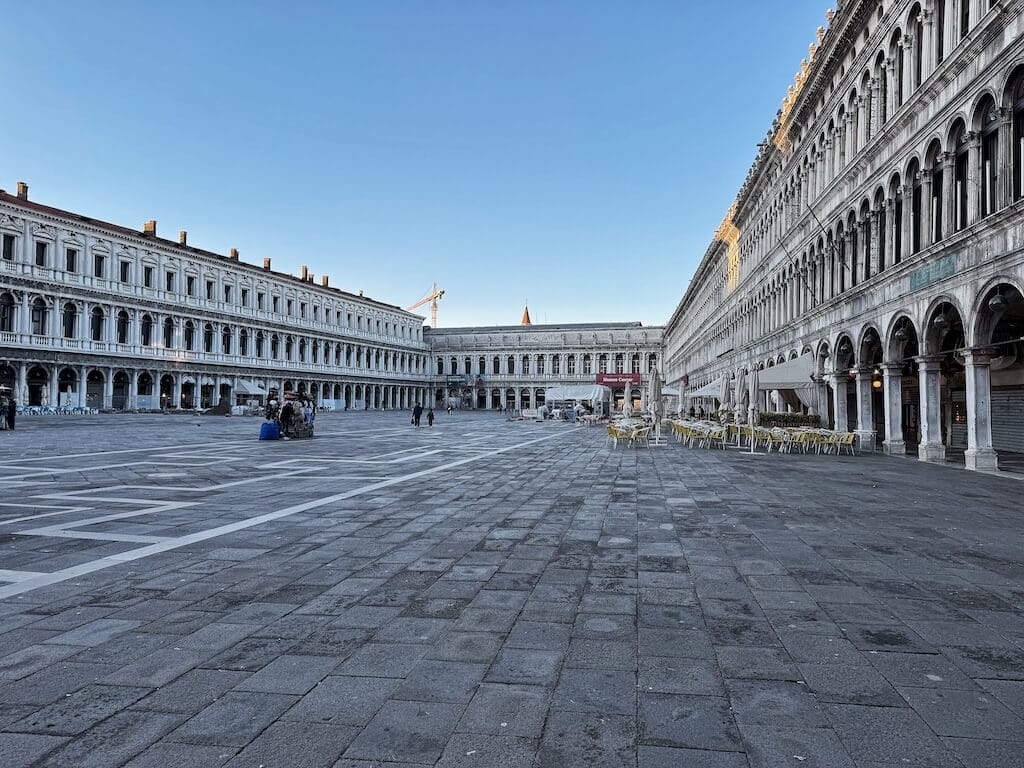
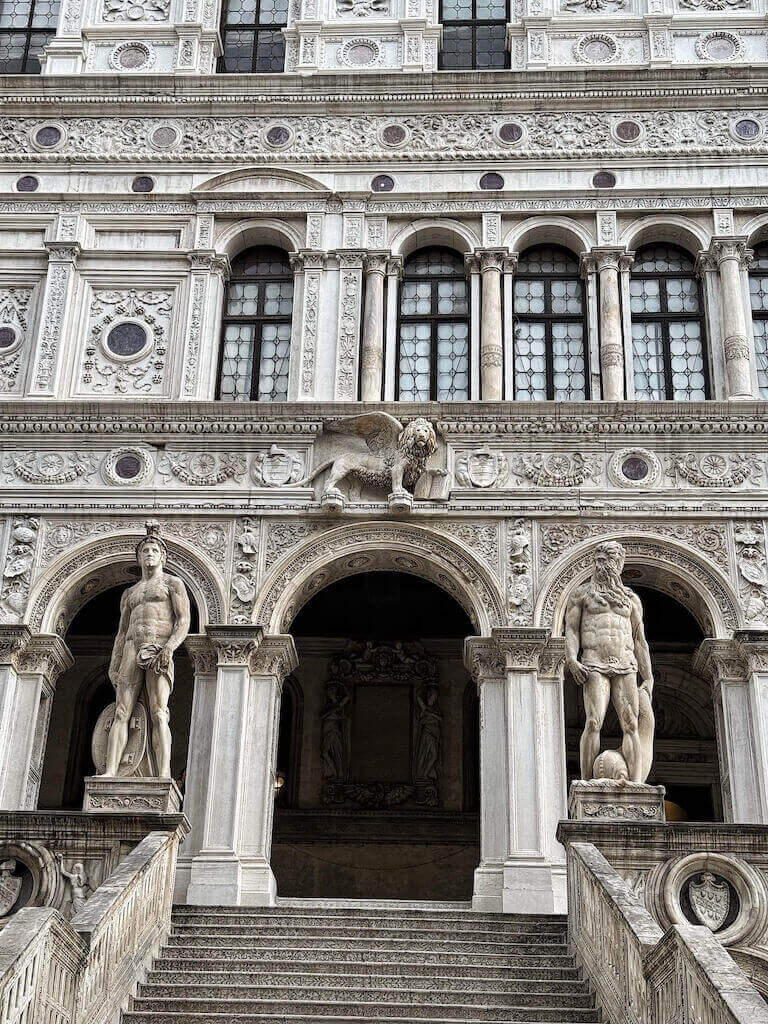
However, you can take photos from the upper level—inside the museum and out on the terrace. You can take photos in St. Mark’s Square outside the basilica and on the terrace if your ticket includes terrace access.
Having said this, last time I visited literally nobody checked and every single visitor was taking photos – likely completely unaware of the no-photography rule.
Accessibility information
St. Mark’s Basilica welcomes visitors with disabilities. Wheelchair users can access the basilica’s main floor through a dedicated entrance. The official website makes no mention of visiting the basilica with a guide dog.
Some areas, such as the museum and upper levels, have limited accessibility due to the historic nature of the building. Contact the basilica staff at the entrance for assistance with specific accessibility needs.
Insider tips for avoiding crowds
St. Mark’s Basilica attracts massive crowds throughout the year, but there are still ways to minimize the crowds during your trip. If you want to be among the first, arrive at least 15 minutes before doors open. Alternatively, wait until after 1:00 pm when morning tour groups have departed and most tourists are at lunch.
Winter months, especially November through February, are the least crowded times. If visiting in summer, book the day’s first or last time slot. Midweek visits, particularly Tuesdays and Wednesdays, typically see lighter crowds than weekends.
Things to do near St. Mark’s Basilica
Several remarkable attractions surround St. Mark’s Basilica in Piazza San Marco:
- Doge’s Palace: The former residence of Venice’s rulers, featuring opulent staterooms and the infamous…
- Bridge of Sighs: The enclosed bridge connecting Doge’s Palace to the former prison.
- St. Mark’s Campanile: The iconic bell tower offering 360-degree views over Venice and its lagoon.
- Correr Museum: Houses an impressive collection of Venetian art and historical artifacts in the former royal palace.
- Archaeological Museum: Displays ancient Greek and Roman sculptures once collected by Venice’s noble families.
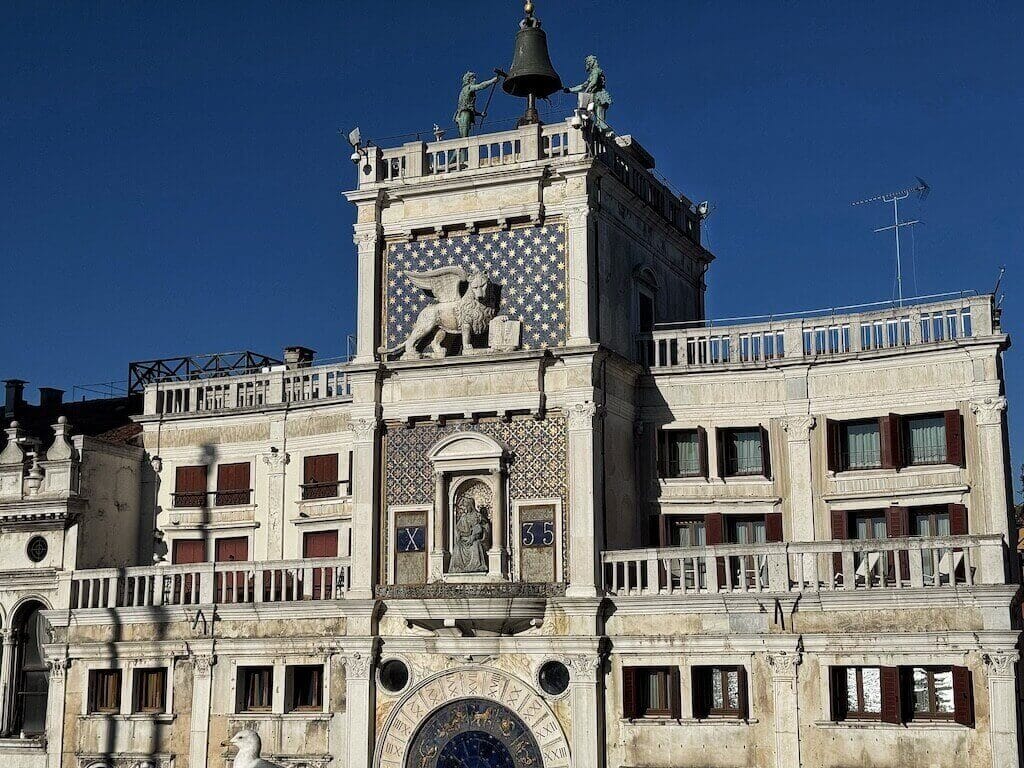
- Clock Tower: A Renaissance masterpiece with an intricate astronomical clock and moving figures.
- Marciana National Library: One of Italy’s oldest surviving public libraries, with decorated halls and precious manuscripts.
If you’re looking to visit multiple attractions, consider purchasing a combination ticket or St. Mark’s Pass, which I mentioned earlier.
Not far from St. Mark’s Basilica, there’s also a multitude of lesser known attractions in Venice you may want to check out.
Personal recommendations for maximizing your visit
After numerous visits to St. Mark’s Basilica, I’ve learned my way around St. Mark’s Square and the best ways to get St. Mark’s Basilica tickets. Here are some of my tips based on personal experience:
- Book the first-morning slot if you’re visiting in peak season.
- Purchase a combination ticket with Doge’s Palace to save money and time.
- Download an audio guide app before your visit for historical context if you aren’t taking a guided tour.
- Visit the Bell Tower first thing for morning photos without crowds.
- Consider an evening or after-hours tour for a uniquely peaceful experience.
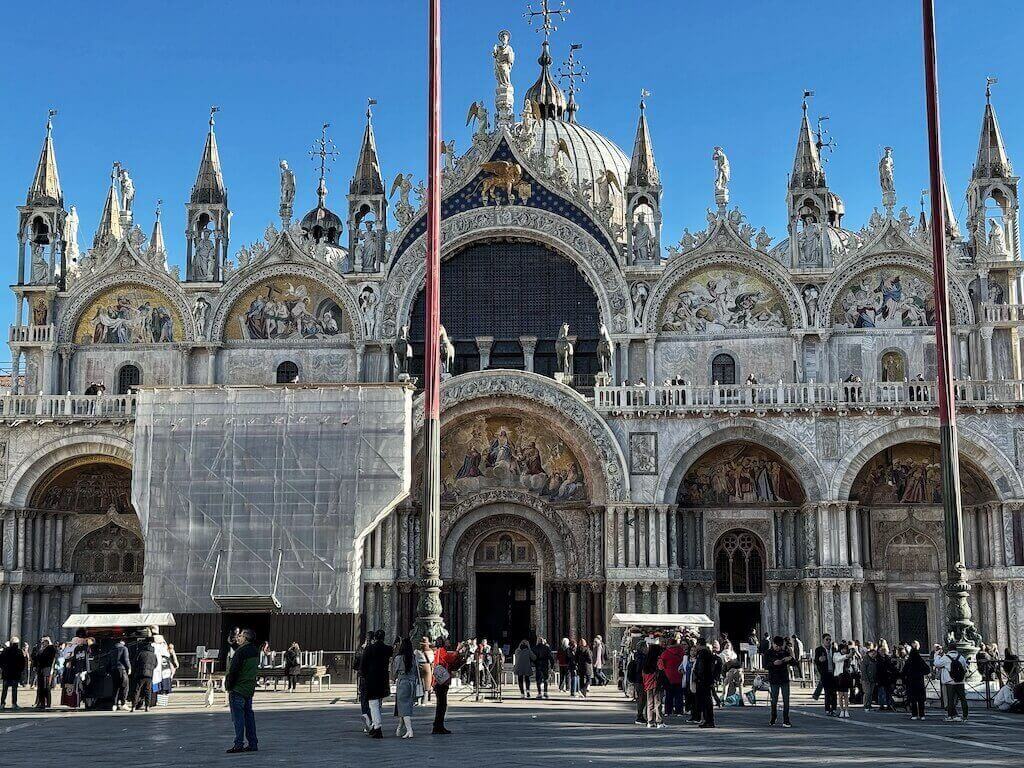
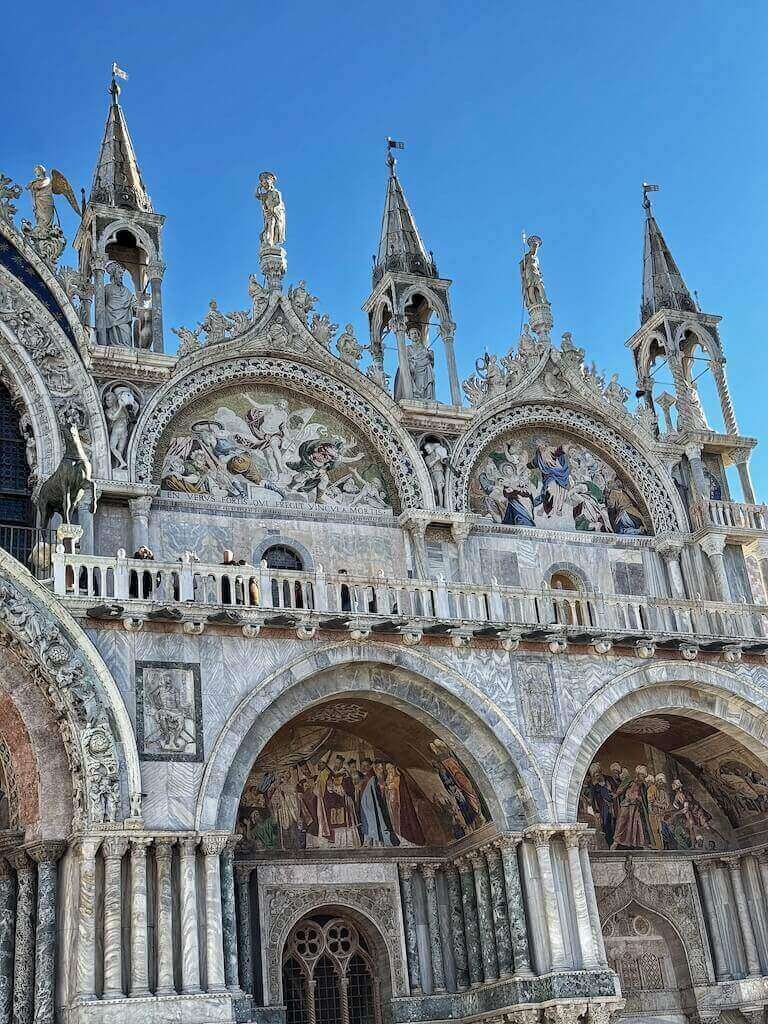
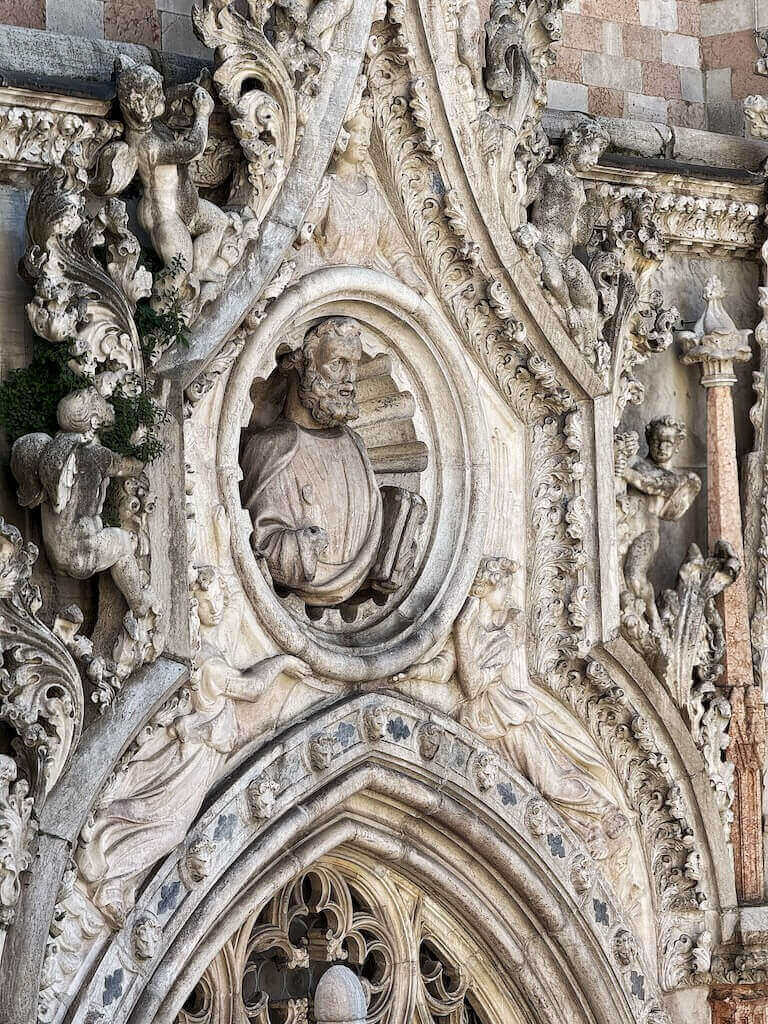
Finally, remember to take time to appreciate the exterior details of the basilica from the square before entering. Each facade tells a different story through its architectural elements and decorations.
Conclusions On Visiting St. Mark’s Basilica
Getting St. Mark’s Basilica tickets might seem daunting at first (like anything in a foreign country you aren’t familiar with), but with some planning, you’ll be good to go.
As one of the most important landmarks in Italy, the Basilica’s booking system is now well-organized with options for every type of visitor. Your ticket includes access to the stunning main hall, and you can easily upgrade to explore more areas or get combination tickets.
While Venice ranks among the most visited places in Italy, particularly in summer, winter visits often provide the best opportunity to fully appreciate this remarkable monument. I last visited in December and while cold, it was extremely pleasant and never crowded.
Further Readings
These other posts will help you plan your trip to Venice:
PIN IT!

Claudia Tavani
Claudia Tavani was born and raised in Sardinia, and after moving between the United States and the United Kingdom, she's now back living in her hometown, Cagliari. She's a travel blogger and certified travel designer who loves planning trips and publishing guides, travel tips, and packing lists so that you don't have to. Owner of Strictly Italy, cat mom to Minnie. Loves pizza, hiking, archeology, cities, beaches, swimming, and running. Hates peppers.