
Venice is one of the best places in Italy, and visiting the Doge’s Palace is a must when in Venice. Known as Palazzo Ducale in Italian, Doge’s Palace is known for being where the Doge (chief magistrate) lived and ruled over the city-state. It’s also an incredible piece of architecture, with stunning exterior and interior: visiting you’ll learn more about the history of the city.
I have been to Venice many times, including one recently, and have visited the Doge’s Palace (Palazzo Ducale, in Italian) many times – also on my most recent trip a month ago.

So I come here with fresh and updated information that will help you plan your visit to Doge’s Palace, what to expect and how to make the most of it. I will also include tips on how to get Doge’s Palace tickets and share information on the best guided tours.
Are you traveling to Venice and looking to visit Doge’s Palace soon? Here are the best Doge’s Palace Venice tickets and tours:
Are you traveling to Venice for the first time? My posts What To See And Do In Venice and What You Need To Know Before Visiting Venice provide useful tips to plan your trip and itinerary.
You should also read my post The Best Places To Stay In Venice for tips on the best accommodation.
Why Is Doge’s Palace Venice’s Most Visited Attraction
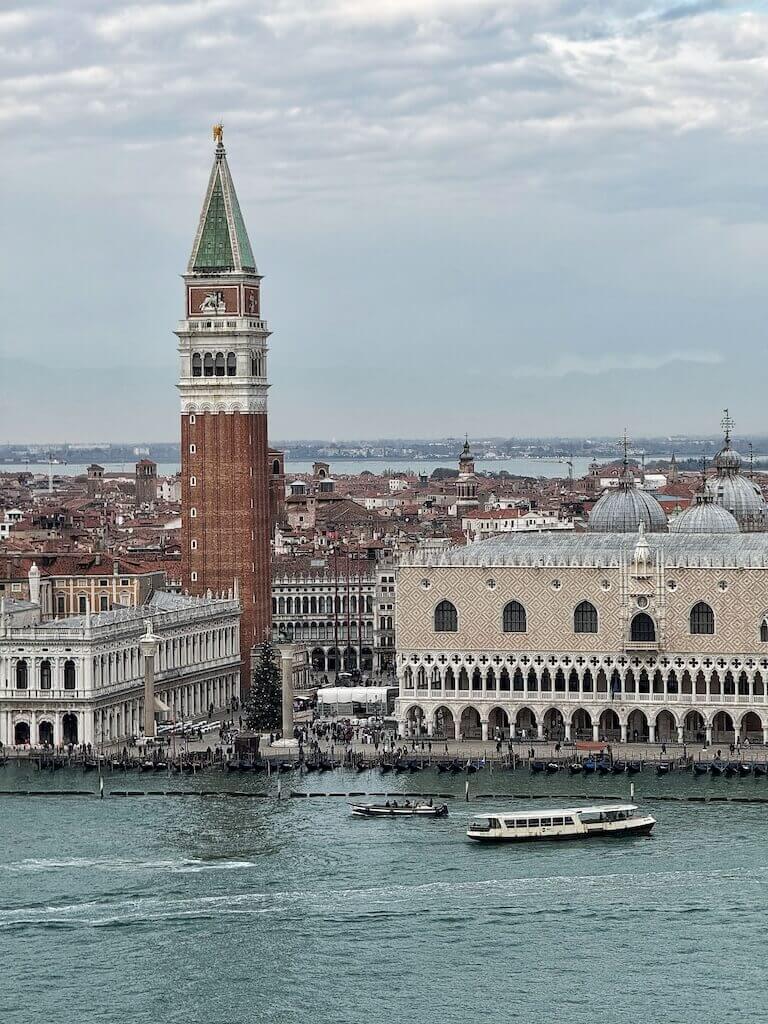
With over 2 million visitors annually (about 5,000 people daily), Doge’s Palace stands as Venice’s most visited attraction, and for good reasons.
The palace offers visitors a glimpse into the power and glory of the Venetian Republic at its height. Visiting Doge’s Palace, you’ll better appreciate the history of the city. Besides, it is an architectural marvel, with impressive art pieces gathered in its halls.
Walking through Doge’s Palace, you follow in the footsteps of doges, senators, and prisoners who shaped Venice’s history.
The palace as we know it today was mainly built in 1340 (though some parts date back to the 10th century), though it went through several changes in later centuries.
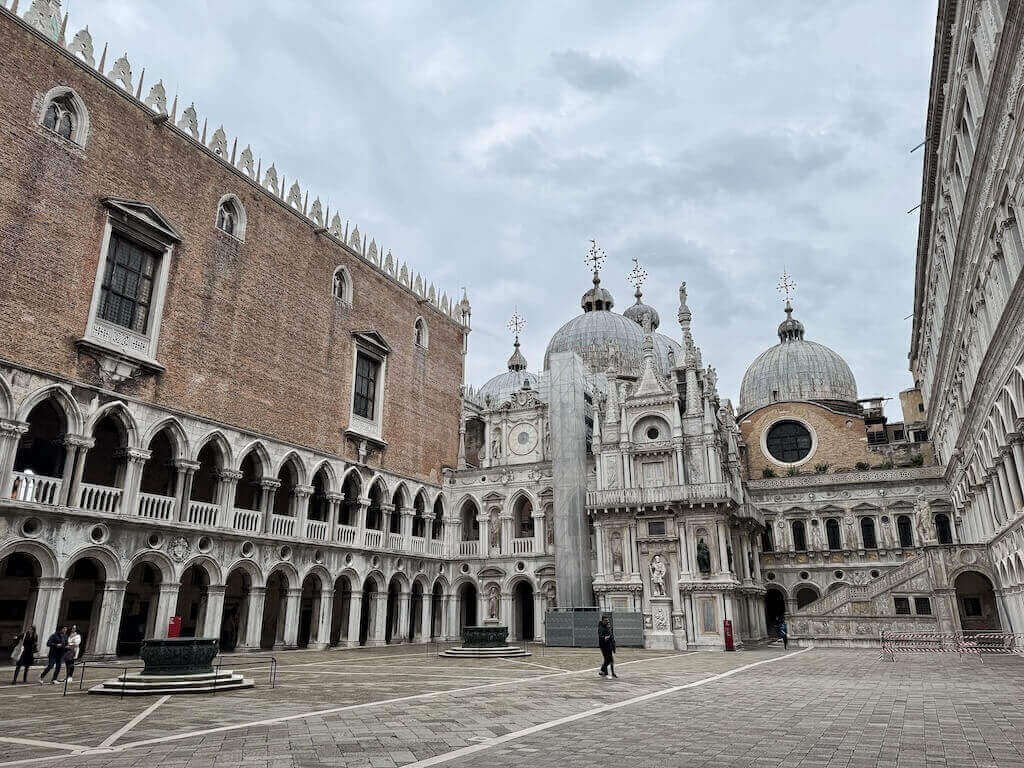
Doge’s Palace served as the beating heart of the Republic of Venice for over 1,000 years, during which 120 Doges ruled over the city. It housed a senate, there was a court and even prisons. It’s where the doges of Venice would live during their mandate (which was a life mandate, once elected).
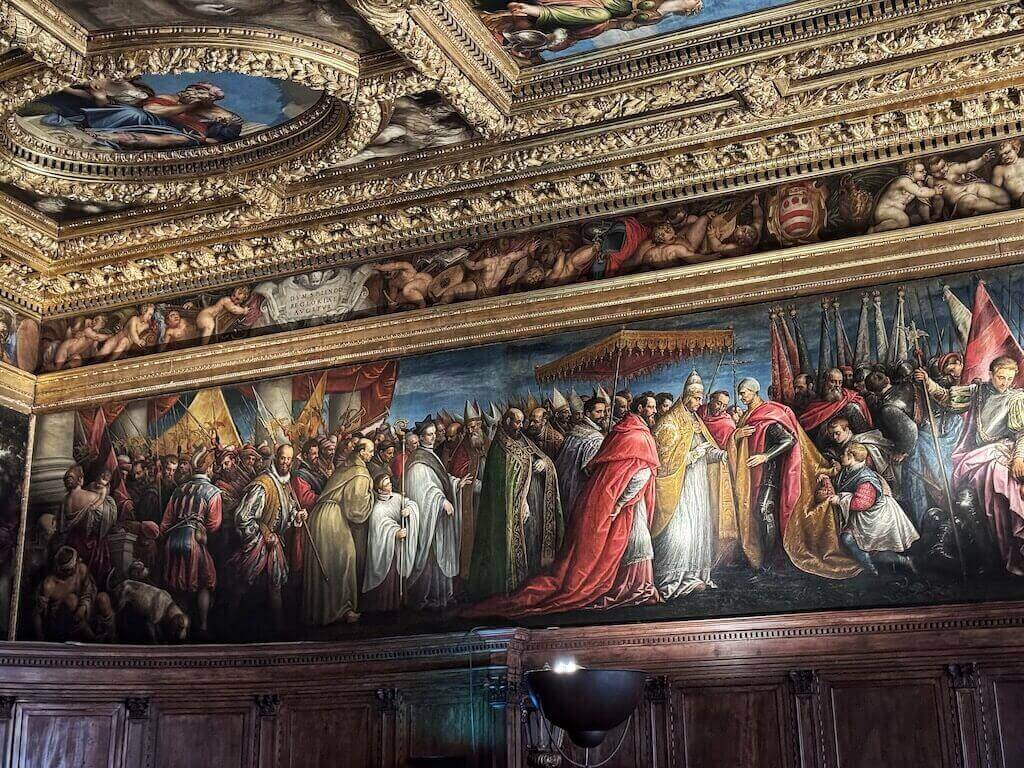
The wealth of Venice – which reached its peak at the end of the 13th century – can clearly be seen throughout the palace. Doges were often patron of the arts, and commissioned a number of paintings and sculptures that continue decorating the palace. You’ll spot pieces by Titian and Veronese inside.
When you visit Doge’s Palace, you’ll also have a chance to walk along the famous Bridge of Sighs, one of the most photographed spots in Venice. The palace’s prime location in St. Mark’s Square also makes it an essential stop on any Venice itinerary, easily combined with visits to other major nearby attractions.
I will explain more of what to see when visiting Doge’s Palace Venice, however let me continue by sharing some practical information to help you plan your visit.
How To Buy Doge Palace Tickets
Here’s the thing: together with St. Mark’s Basilica, Doge’s Palace is the most popular attraction in Venice and you need to plan your visit in advance. Entry is timed. I actually got tickets in advance even when I visited Venice last December, even if it was low season, because I didn’t want to risk being stuck without tickets for whatever reason!
Here’s how you can get Doge’s Palace Venice tickets.
Official website tickets (and prices)
The most budget-friendly way to get Doge’s Palace tickets is through Doge Palace’s official website; when you click on St. Mark’s Square Museums tickets, it’ll send you to Doge’s Palace tickets website. I have to be honest – it’s not the most user-friendly experience.
I’ve tried booking tickets for myself multiple times and often found it frustrating. The website can be glitchy, and the booking process a bit cumbersome.
At the moment, Doge’s Palace tickets on the official site cost between €25 and €30, depending on how far in advance you book (if you book more than 30 days before your scheduled visit, it is cheaper).
Reduced prices (between €13 and €15) are available for students (15-25), people over 65, and children (6-14).
Standard tickets give you access to all the main areas of the palace, and include admission to Correr Museum (on the other side of St. Mark’s Square), the National Archeological Museum, and the Biblioteca Marciana.
Free admission is available for children under 6, people with disabilities and their caregivers.

Third-party booking sites
While many assume third-party sites are expensive, booking Doge’s Palace tickets through platforms like GetYourGuide or Tiqets can be quite cost-effective. The prices typically match the official website, with only occasional small differences of a few euros and the sites are much easier to use compared to the official website.
I’ve had the best experiences with GetYourGuide and Tiqets: for Doge’s Palace tickets, both sites match official prices and the same booking conditions as those on the official site, as well as the same inclusions (Doge’s Palace, Museo Correr, the National Archeological Museum, and Marciana Library).
Combination tickets
Combination tickets offer excellent value if you’re planning to visit multiple attractions in St. Mark’s Square. Let me share two particularly good options I’ve found:
The Doge’s Palace + St. Mark’s Basilica: Skip The Line ticket is a smart choice that gives you fast-track entry to both landmarks. You’ll get access to all the standard Doge’s Palace areas, including the Bridge of Sighs and Armory, as well as to St. Mark’s Basilica.
Another worthwhile combination is the St. Mark’s Campanile + St. Mark’s Basilica + Doge’s Palace tickets. You’ll get entry to Doge’s Palace and its museums, the Campanile (Bell Tower), where you can enjoy some of the best views over Venice, St. Mark’s Basilica, the Museo Correr, Archaeological Museum, and Marciana Library.
Just note that these combination tickets typically can’t be modified or canceled once purchased, so be sure about your travel dates before booking.
Venice City Pass options
Another way to visit Doge’s Palace is through a Venice Pass. These passes come in different versions and can be a smart choice if you plan to see multiple attractions during your stay.
The most comprehensive option is The Venice Pass, which lets you create your custom package of experiences. Along with Doge’s Palace, you can include entry to St. Mark’s Basilica, a gondola ride or a boat tour to Murano and Burano, and a digital audio guide of the city. The benefit here is flexibility – you can choose exactly what you want to experience while saving money compared to booking everything separately.
The St. Mark’s Square Pass is a more focused alternative that covers just the attractions around the square. This can be more economical if you want to concentrate on sightseeing there.
Keep in mind that with both passes, you’ll need to book specific time slots for each attraction, but you don’t have to visit them all on the same day.
Best Doge’s Palace Tours
Of course, I can appreciate that exploring on your own is the best thing to do for many – not to mention, the most budget friendly. But taking a guided tour brings this historic landmark to life in ways that you won’t experience if you visit independently, or even with an audio guide or guidebook.
Last time I was in Venice a month ago, I decided to tour Doge’s Palace and it was a great idea, since I learned so much.
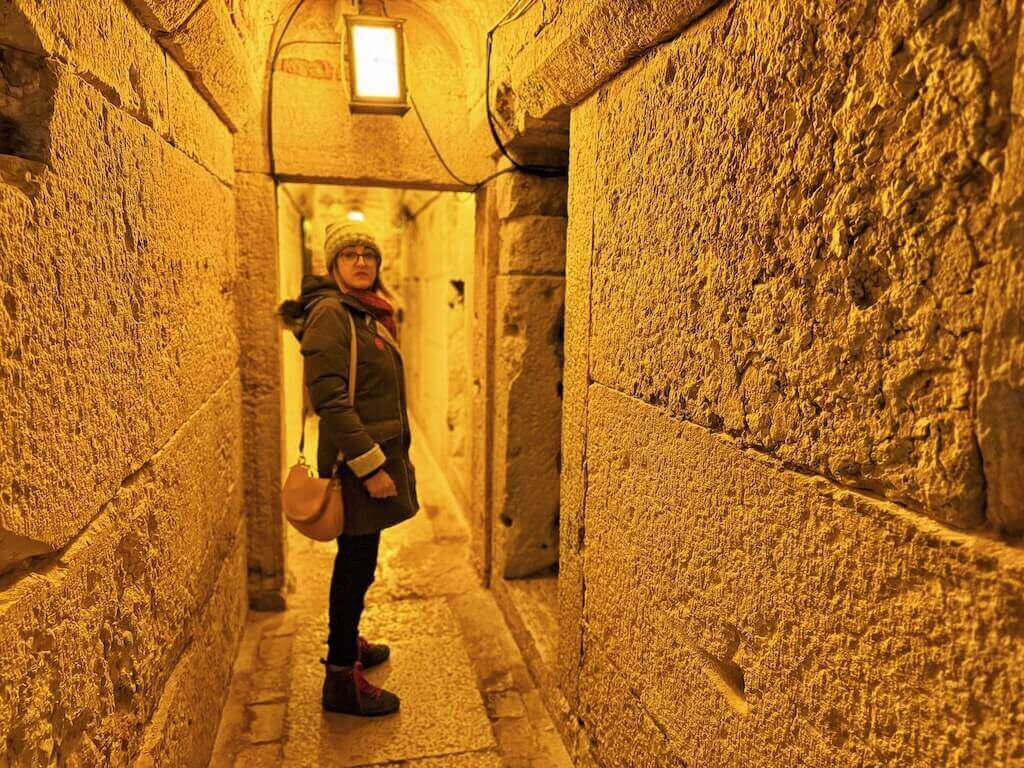
I joined the Doge Palace Secret Itineraries tour, which takes you through hidden passageways and to the historic prison cells, including the one where Casanova was imprisoned before his famous escape. I was really intrigued to visit a lesser known (and less glamorous) part of the palace, and it was honestly quite special.
The tour can be booked via Doge’s Palace official website. There are three daily departures for tours in English. This option is slightly more expensive than a plain ticket, because you’ll be with a guide for one hour and 15 minutes. After the tour you can continue exploring the more famous parts of Doge Palace on your own.
If you plan to take the Secret Itineraries tour, I strongly recommend booking well in advance as spaces on the tour are limited, and it sells out quickly in the peak season.
If you want to take a more comprehensive tour of Doge Palace that also goes to other areas of the building, there are plenty of other options. Here are my favorite ones:
The Legendary Venice: St. Mark’s Basilica & Doge’s Palace Tour is my top pick, especially if you can book the 8:00 am slot (which isn’t available every day). Why? You’ll get early access to Doge’s Palace before it opens to the public – a true VIP experience. You’ll also get special access to St. Mark’s Basilica’s terraces and see everything from the Bridge of Sighs to the Armory and New Prisons.
Consider the Exclusive Alone in St. Mark’s & Doge’s Palace Tour for something truly special. This unique experience happens after hours when both monuments are closed to the public. You’ll explore with just a small group and your guide, seeing these magnificent buildings in a way few visitors ever do.
How To Visit Doge’s Palace Venice
Doge’s Palace opening hours
The palace operates on a seasonal schedule, with extended hours (from 9:00 am to 7:00 pm) during the warmer months (April through October) to accommodate peak tourist season and shorter hours (from 9:00 am to 6:00 pm) during the quieter winter (November through March).
The last admission is always one hour before closing.
For up-to-date information, I always recommend checking the official website anyways.
From my multiple visits to the palace, I’ve found timing can impact your experience. For the most peaceful experience, visit first thing in the morning or late afternoon when tour groups are typically winding down.
INSIDER TIP: if you’re interested in a unique experience, the palace occasionally offers special evening visits. You’ll need to arrange these at least 5 days in advance by emailing [email protected]. You can also book something like this Exclusive Alone in St. Mark’s & Doge’s Palace Tour I recommended earlier.
How long do you need at Doge’s Palace?
From experience, I recommend giving yourself at least 1 hours to explore the Doge’s Palace properly.
With 1.5 hours you can go on a quick visit, if you are in a rush. If that’s the case, however, it’s probably better to join a guided tour that also takes you to St. Mark’s Basilica. Most tours that visit both places last about 2 to 2.5 hours, which is perfect if you have limited time in the city. For example you could consider this guided tour that goes to both attractions.
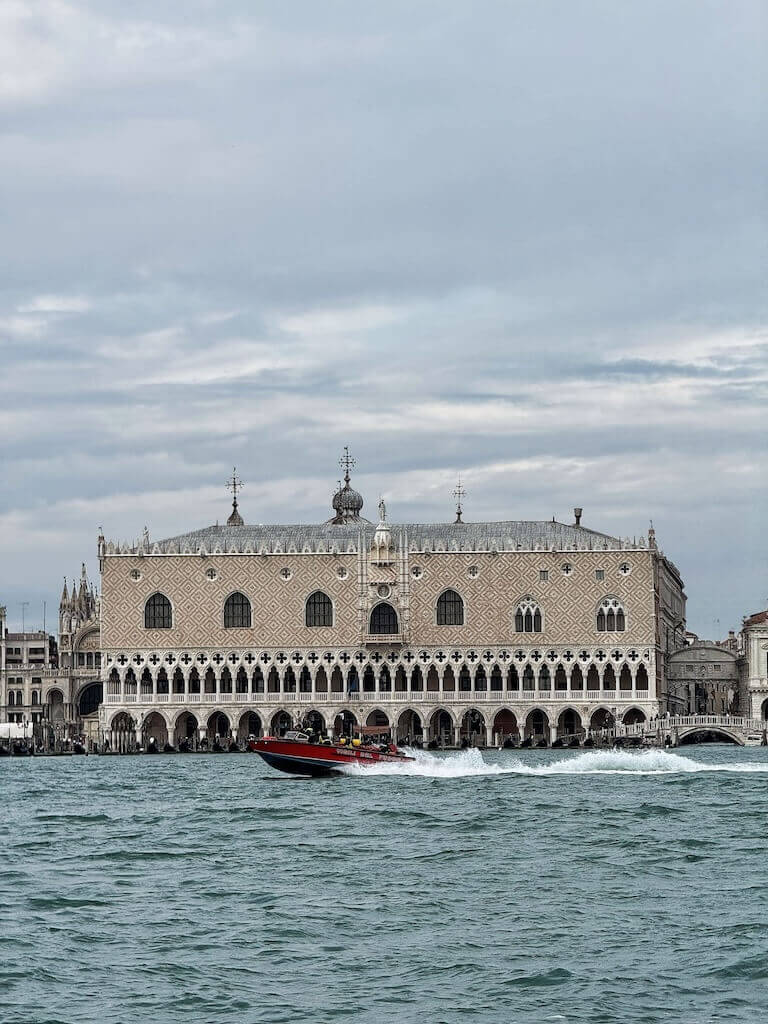
How to get to Doge Palace
Doge Palace is located in Piazza San Marco, close to St. Mark’s Basilica. The entrance is on Riva degli Schiavoni, with the visitor entrance at Porta del Frumento facing the lagoon.
Depending on where you are staying in Venice, the fastest way to get anywhere is to walk. However, if you are quite far you can consider taking a vaporetto (water bus). It’s very easy.
From Piazzale Roma or Santa Lucia Train Station
If you are getting to Venice by car or train, you will be arriving in Piazzale Roma or Santa Lucia Train Station. From there, it’s a 35 minutes walk without any stops. You’ll have to follow signs pointing to San Marco. There are also several convenient vaporetto options to reach the palace:
- Line 1 (scenic route via Grand Canal)
- Line 2 (faster, express route)
- Lines 4.1 or 5.1 (often less crowded)
Each vaporetto should have stops in San Marco or San Zaccaria – both are good options for visiting Doge’s Palace. During summer, the first route option tends to be quite crowded, making the less-busy Lines 4.1 or 5.1 particularly appealing.
From Lido di Venezia:
Staying in Lido? You have two straightforward options to reach Doge Palace:
- Line 1 to Vallaresso/San Zaccaria
- Line 5.2 to San Zaccaria
The journey from Lido takes about 20 minutes. These routes run frequently throughout the day, with extended service during the summer months.

Is The Doge’s Palace Worth Visiting?
Yes, Doge’s Palace is definitely worth visiting. Having visited multiple times, I can say without hesitation that it’s one of the best attractions in Italy.
This magnificent palace perfectly captures Venice’s historic power, artistic legacy, and architectural brilliance all in one place. If you only have time for a few attractions in Venice, Doge’s Palace should be on your list.
The palace wasn’t just the Doge’s residence – it was the center of political power, housing government chambers, law courts, a prison, and grand ceremonial rooms that showcased Venice’s wealth and influence.
What to see inside Doge’s Palace
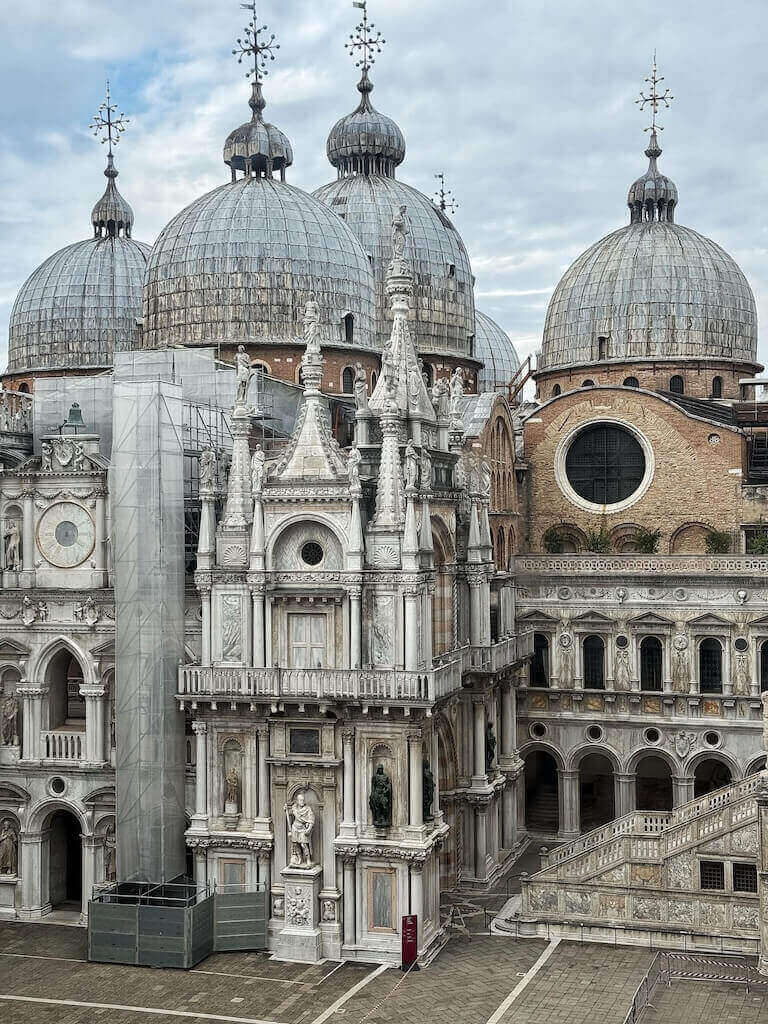
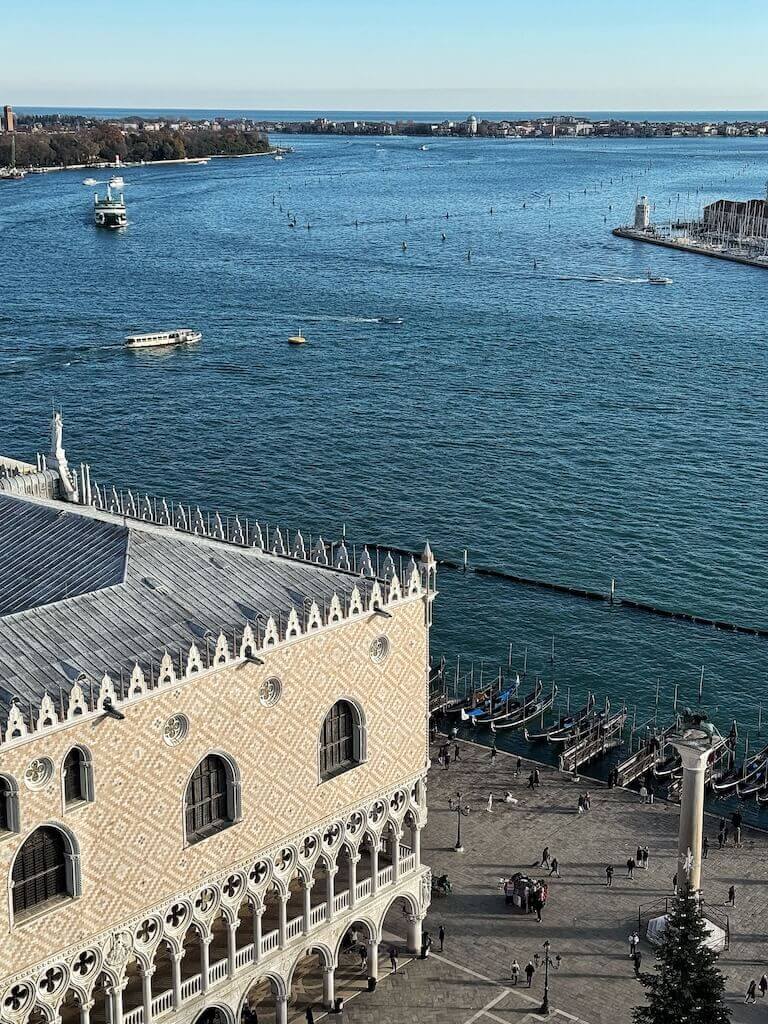
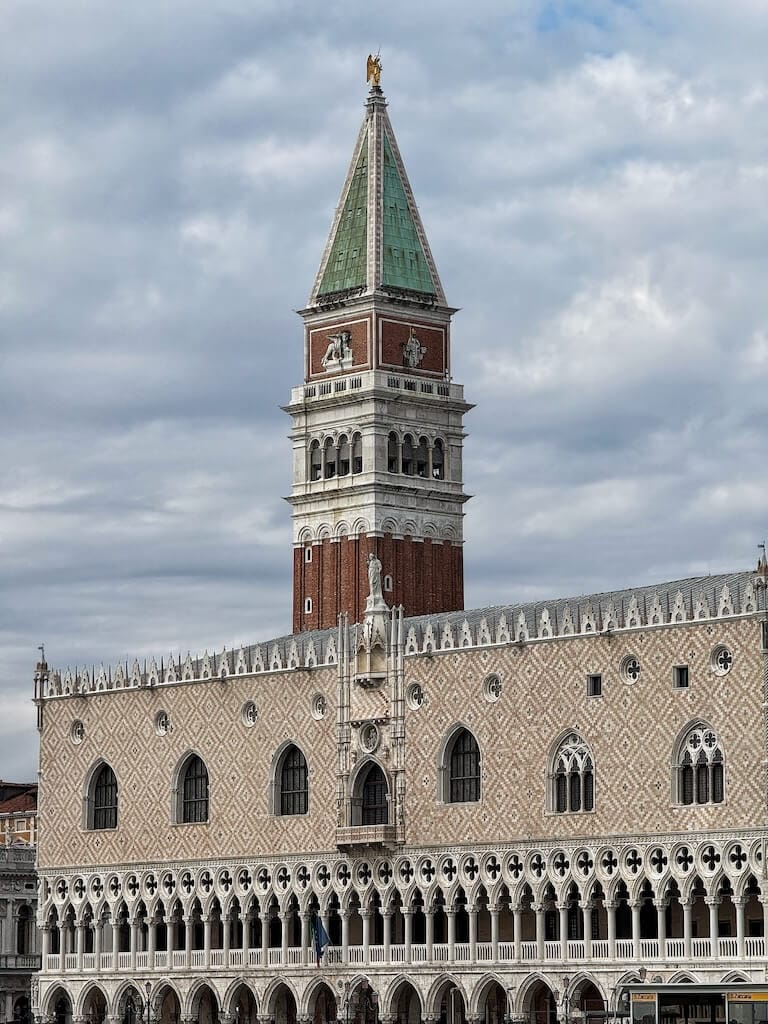
The Gothic exterior of Doge’s Palace Venice is unmistakable. You’ll recognize it by its pink Verona marble – it’s truly unique.
When you step inside Doge Palace, you’ll be immediately struck by the interior’s beauty. The palace houses some of the most impressive rooms I’ve seen in any European palace. Below are some of the best things you can expect to see when visiting Doge’s Palace Venice.
Chamber of the Great Council
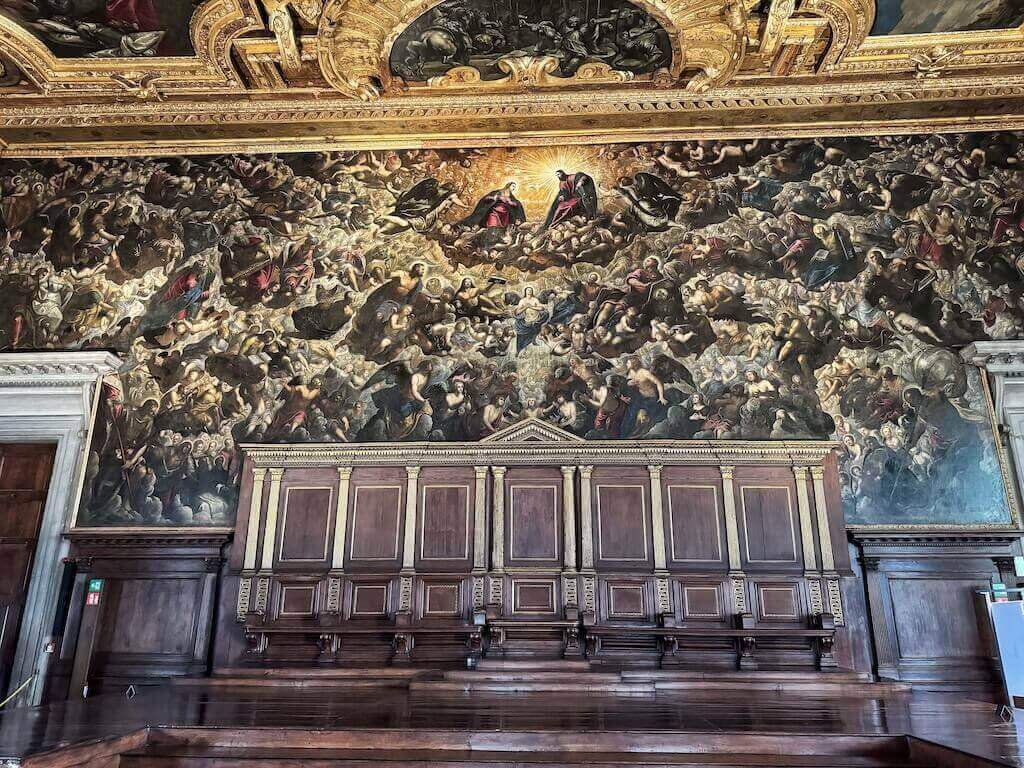
The Chamber of the Great Council (Sala del Maggior Consiglio in Italian) is the palace’s crown jewel. It is a a huge hall (it was one of the largest in Europe) where between 1,200 and 2,000 members of Venice’s noble families would gather for important political meetings.
Its walls and ceiling are covered in magnificent paintings. The most famous one is the world’s largest oil painting, Tintoretto’s “Paradise,” but make sure to also observe the 35 painted panels on the ceiling. The most famous is Veronese’s Apotheosis of Venice, which he painted in 1585.
There are also the portraits of the first 75 doges of the city (others are kept in the Sala dello Scrutinio).
Chamber of the Scrutinio
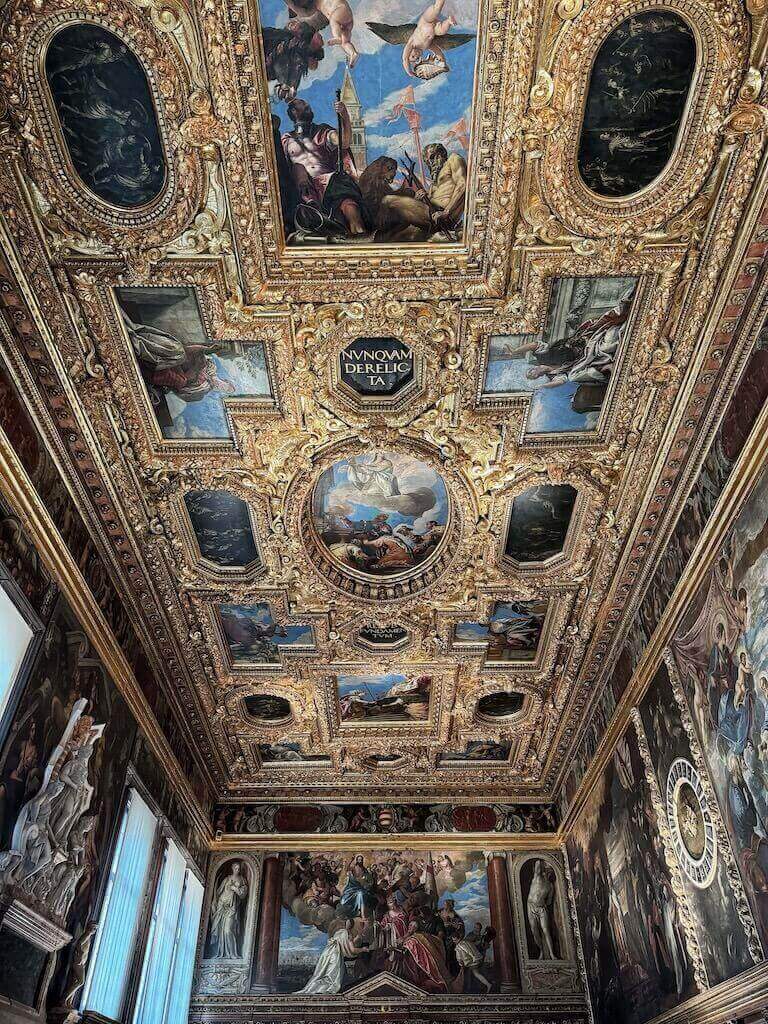
The Chamber of the Scrutinio is located in a part of Doge’s Palace that was built between the 1520s and 1540s, under Doge Francesco Foscari. While initially it was known as the Library, in 1532 it was turned into another government room used to deliberate on the political and economic life of Venice.
Once the Sansovino’s Library was built, the Chamber of the Scrutinio was used only for elections – first and foremost the election of the Doge.
The room is beautifully decorated, with ceilings painted with representations of the military history of Venice by Cristoforo Sorte. Make sure to also spot the 1571 Battle of Lepanto painting by Andrea Vicentino. Here you’ll also spot other doges portraits, much like in the Chamber of the Great Council.
Golden Staircase
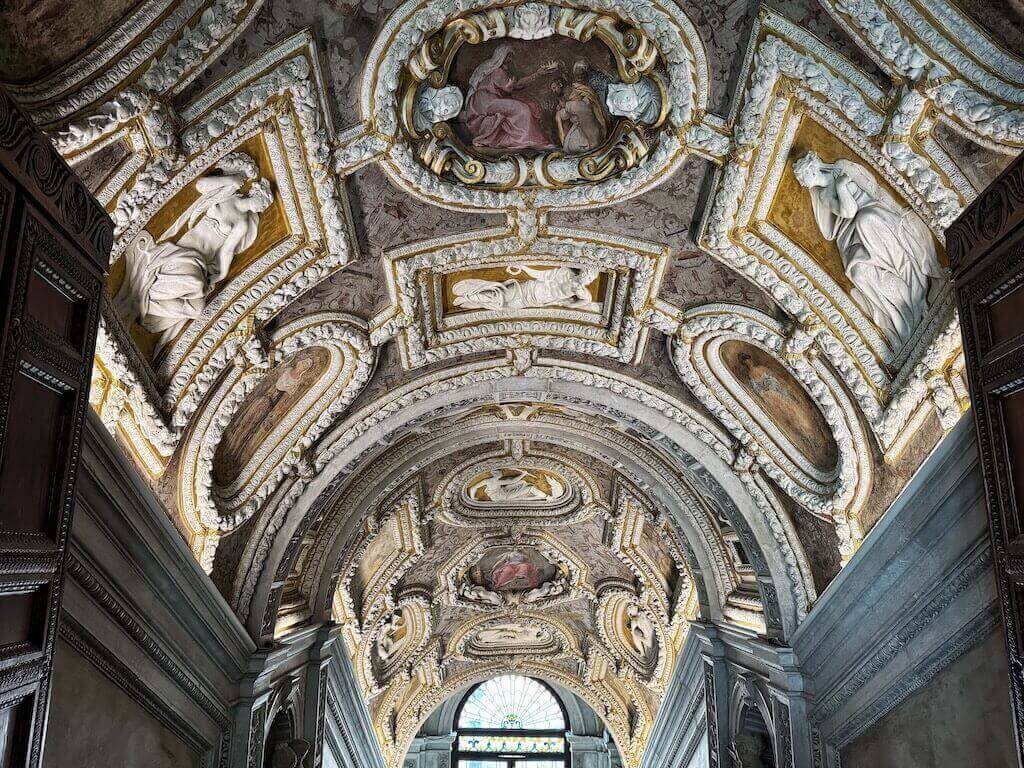
The Golden Staircase (Scala d’Oro) lives up to its name with its golden ornaments, designed to impress visitors as they ascend to the Doge’s apartments. It dates from 1559.

The courtyard
If you follow the recommended route, you will see the interior courtyard and the Scala dei Giganti (Staircase of the Giants) as you exit Doge’s Palace from the Porta della Carta (more about that in a bit).
The courtyard is where members of the senate would gather before government meetings.
The staircase takes its name from the two colossal statues of Mars and Neptune, which represent Venice’s power by land and sea. It was a ceremonial staircase where the doges of Venice used to be coronated.
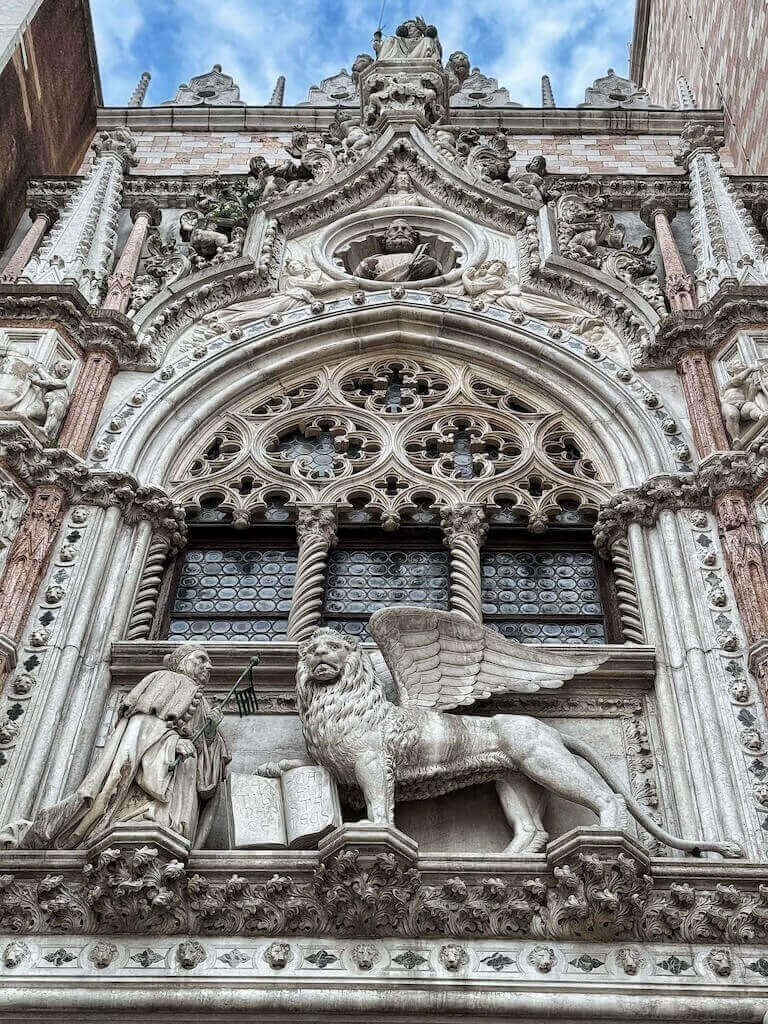
Porta della Carta
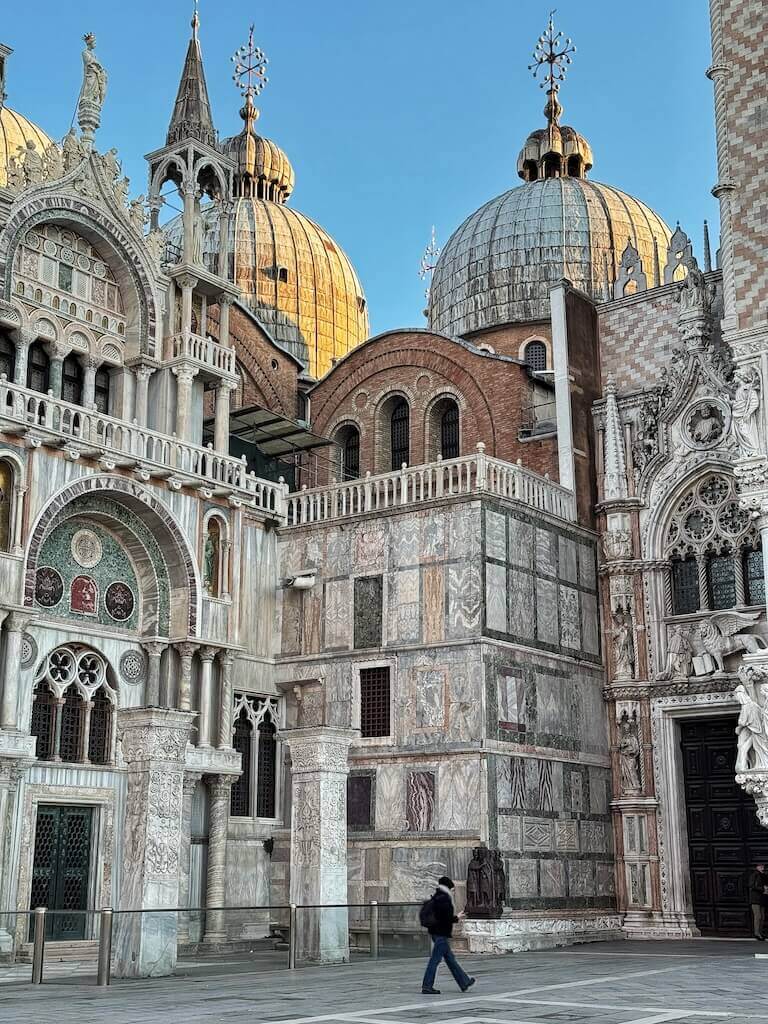
The Paper Gate (Porta della Carta) once was the main entrance to the Doge’s Palace. It connects it to St Mark’s Basilica. It’s where you’ll exit the palace from and dates from the 15th century.
The name likely comes from the fact that scribes had their desks near this gate, though it may also be due to the fact that people would come here to hand their petitions to members of the council.
There’s finally another theory that suggests the name is a direct reference to the activity of the nearby building, where administrative officers would approve and register all paper (carta, in Italian) documents.
Make sure to spot the beautiful statue of Doge Francesco Foscari portrayed as he kneels in front of the lion of Saint Mark. The original statue was destroyed in 1797, during Napoleon’s army invasion, so what you’ll see today is a copy from the 19th century.
Doges’ Apartments
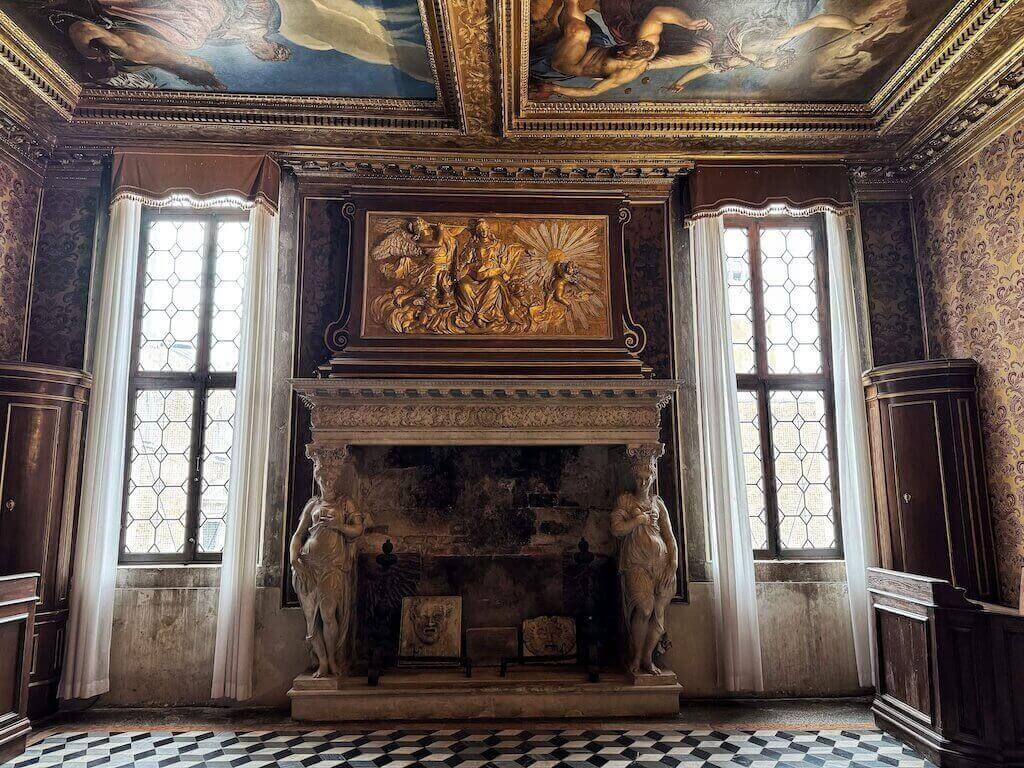
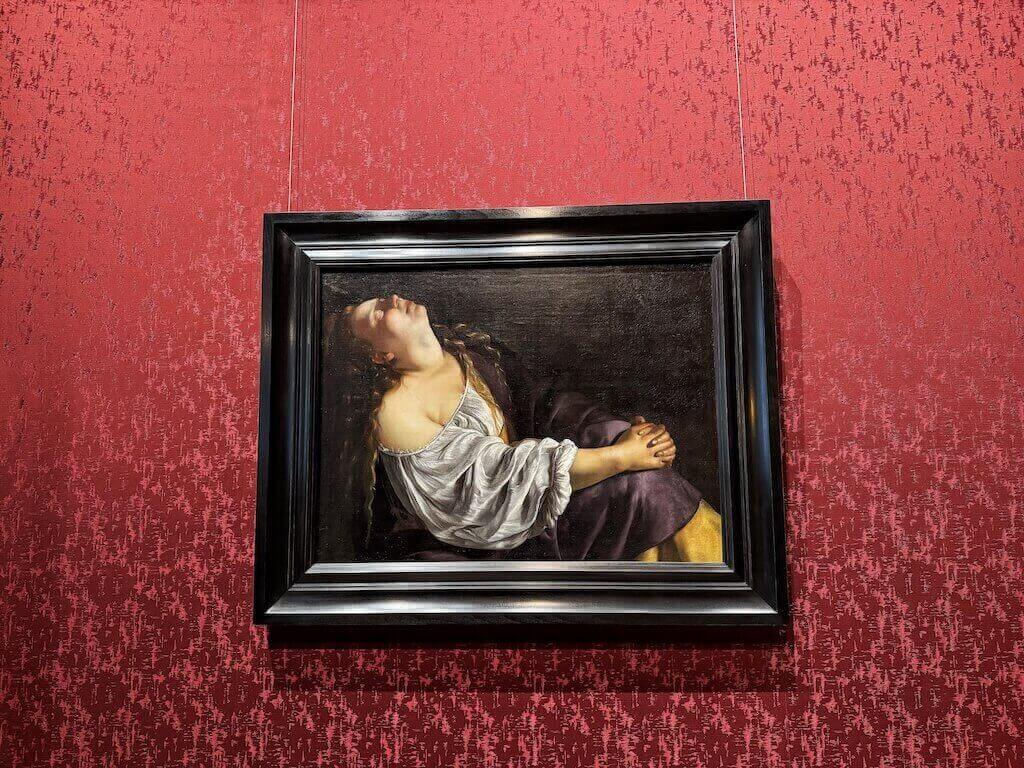
The area where the doges lived was destroyed by a fire in 1483, so the apartments you’ll see now are those built immediately afterwards, in Renaissance style.
You will love visiting the Doges’ Apartments, but keep in mind they are not nearly as lavish as the rest of the palace – not to mention, not as grand as the doges’ private homes before being elected.
Each doge would bring to the apartments his own personal furniture from his private home, and this would be removed upon his death and the election of a new doge who’d then move in the palace.
Senate Chamber
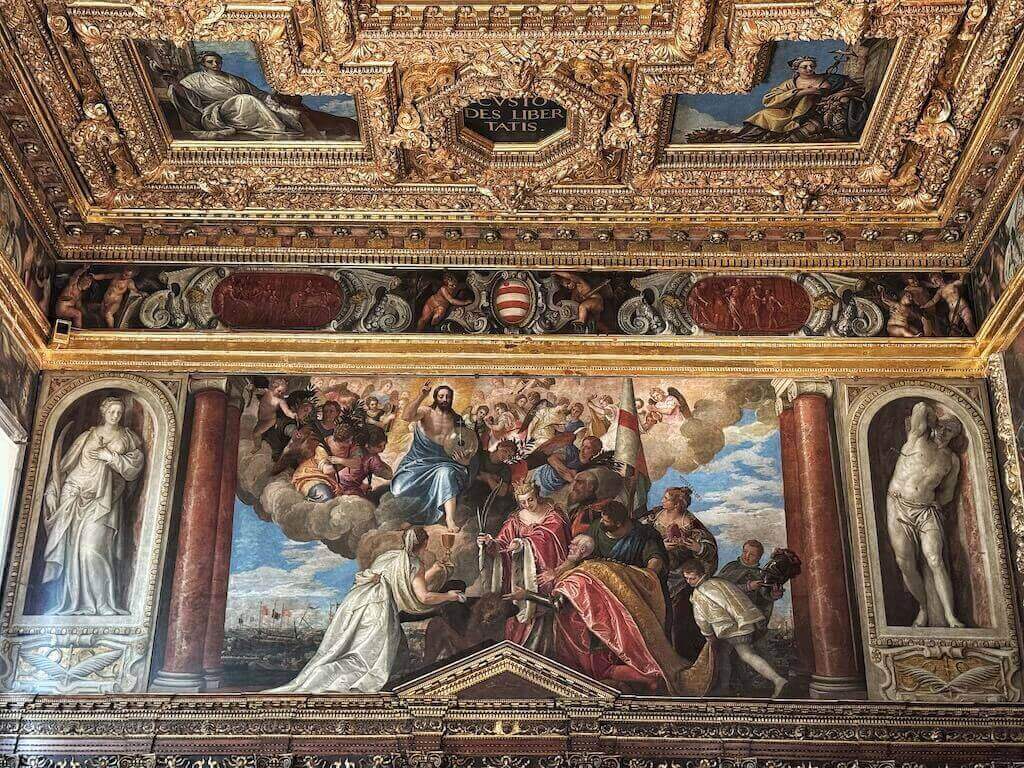
The Senate Chamber is also known as the Sala dei Pregadi. This is where the Doge would meet members of the Senate of Venice, which was first founded in the 13th century.
By the 16th century, the Senate oversaw political and financial affairs, as well as foreign affairs. Its powers were more limited compared to those of the Great Council, whose members came from the wealthiest families in the city. The Senate also held the conclave which elected the Doge.
The room was refurbished after it was destroyed by a fire in 1574. The masterpieces here are by Tintoretto – the Triumph of Venice in the ceiling, and Christ on the wall.

Bridge of Sighs
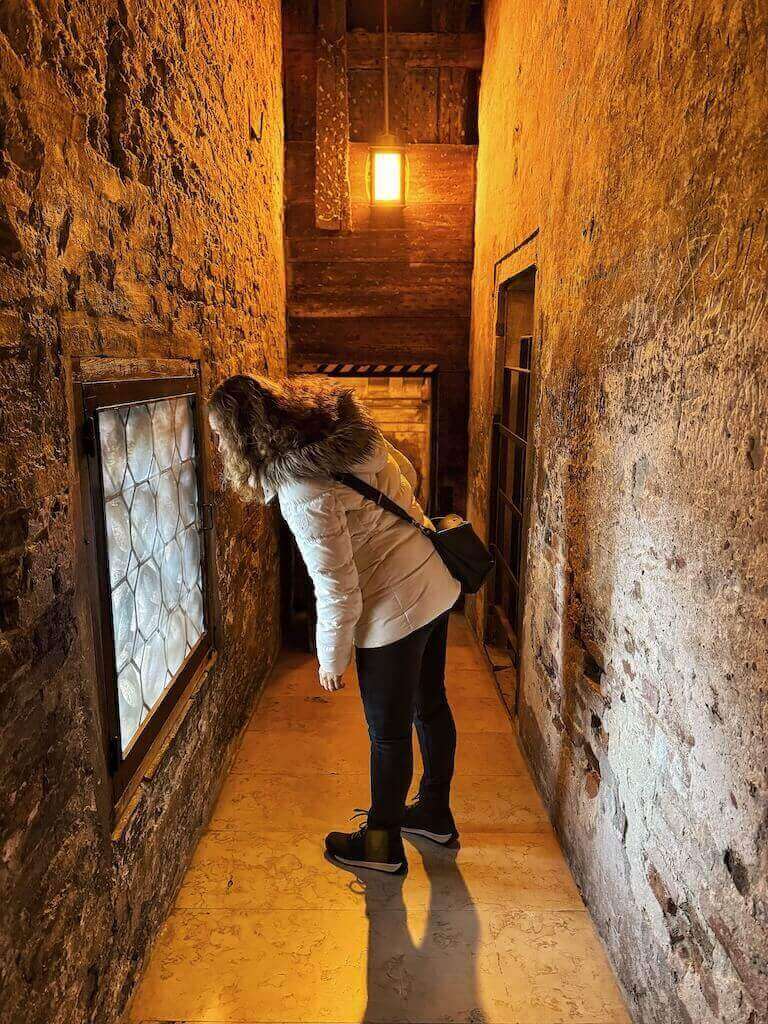
Known in Italian as Ponte dei Sospiri, the Bridge of Sighs is an iconic landmark in Venice. Designed by Antonio Contino, it was built in 1600 to connect the interrogation rooms and courts directly to the prison cells on the other side of the canal.
The name first came about in the 18th century, and comes from the sighs of prisoners taking their last look at freedom through its windows. To be fair, the windows on the Bridge of Sighs are quite small and looking out from them can be quite challenging – not to mention, there are always people wanting to also look out, so you can’t really take much more than a quick peek.
I have written a post on The Best Venice Views where you’ll get ideas on many other spots offering impressive panoramas.
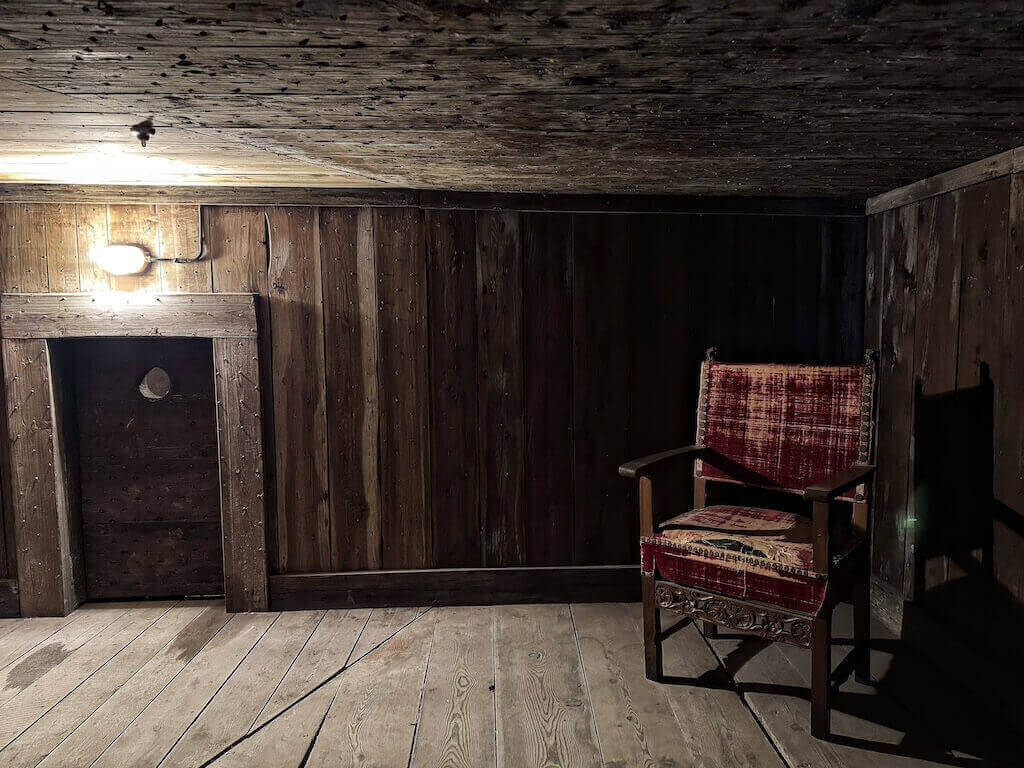
Prison cells
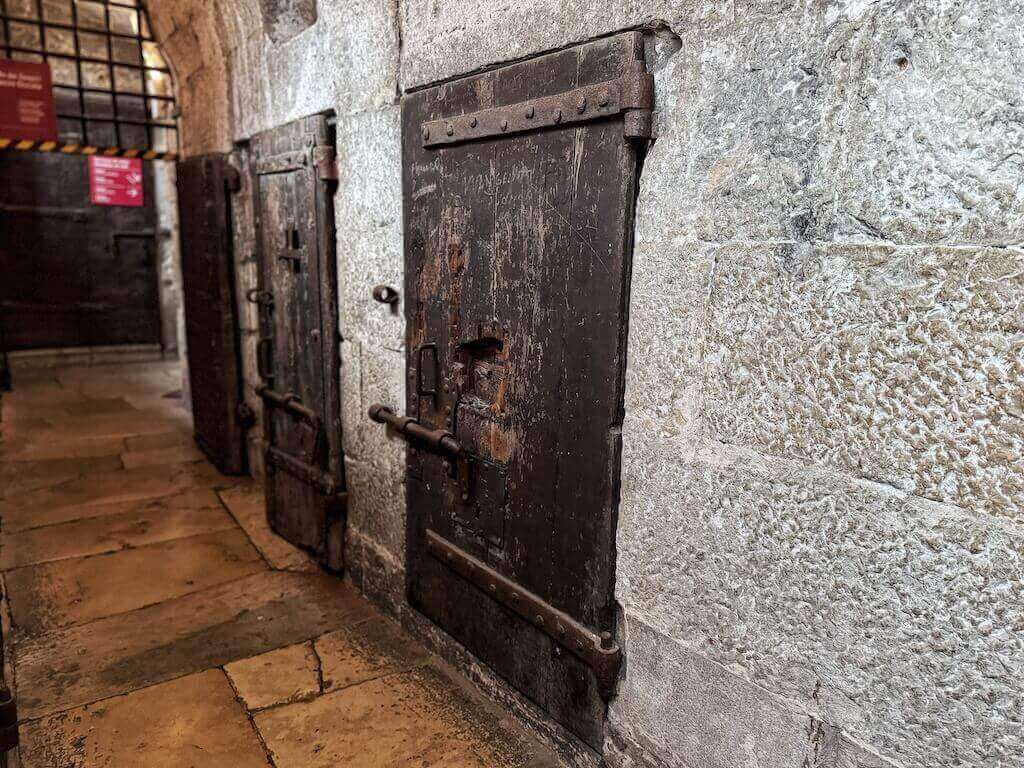
Did you know that Doge’s Palace also housed prison cells? There were quite a few of them.
The Pozzi prisons were tiny cells were the only air came through holes in the stone walls, and lit by oil lamp. They were humid rooms where detainees would have a bucket for their excrements, a shelf for their belongings, and a wood litter.
The Piombi prisons (named after the lead-covered roof under which they are located), which can be visited as part of the Doge Palace secret itineraries tour – were used for the prisoners of the Council of Ten, typically held for political crimes, and for those who were serving short terms.
Conditions in the Piombi cells were certainly better than those in the Pozzi prison cells, as mentioned by Casanova who was famously held in these cells until his extraordinary escape in 1756.
The Prigioni Nuove (New Prisons) were built in the mid-16th century on the other side of the canal, and they were linked to the palace via the Bridge of Sighs. They were meant to provide better living conditions compared to the older ones. It goes without saying that life was albeit better than in the Pozzi prisons, the living conditions here were hardly good.
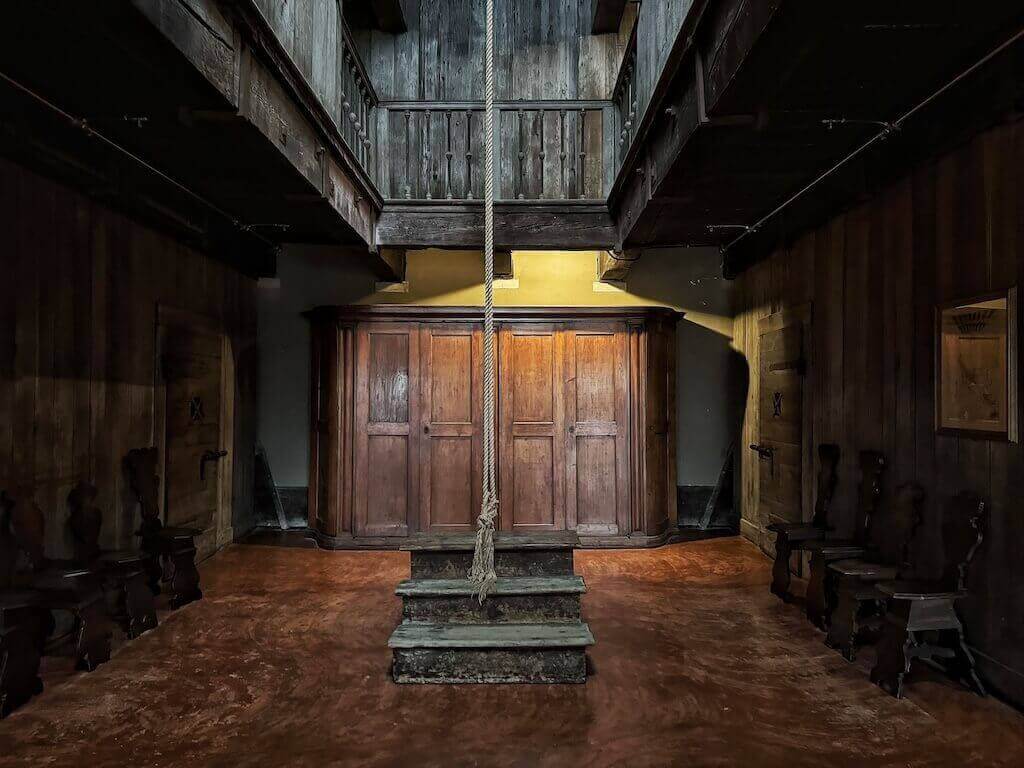
Torture Chamber
Officially called the Chamber of Torment, this is where interrogations were held in front of the judges. The most common torture used was the rope: the prisoner who was interrogated was hung and pulled by his arms tied behind his back.
Starting from the 17th century, Venice started to gradually reduce the use of torture, which was abolished entirely by the 18th century.
You will see the Torture Chamber as part of the secret itineraries tour.
Other Useful Tips For Visiting Doge’s Palace
What to do if Doge’s Palace Venice tickets are sold out
Don’t panic if you find the official website showing no availability for Doge’s Palace tickets for your preferred date – I’ve discovered several backup options through my visits.
First, check third-party vendors like GetYourGuide or Tiqets. These platforms often still have tickets available even when the official site shows them as sold out, as they typically purchase tickets in bulk.
If standard tickets are unavailable, consider joining a guided tour instead. While slightly more expensive, these tours often have reserved allocations and can be your ticket into the palace even on the busiest days. Plus, you’ll get the added benefit of expert commentary and historical context.
If you are visiting last-minute, you may want to try to go during odd hours, particularly during lunchtime (between 1:00 and 2:30 pm) when most people have lunch. You can also try visiting later in the afternoon when the largest crowds have typically dispersed.
Visiting during shoulder season (March-April or September-October) often means better ticket availability while enjoying pleasant weather.
Security checks
Security at Doge’s Palace is thorough but efficient. On my last visit, I had to pass through metal detectors and bag scanning, even though I was on the Secret Itineraries tour and thus had a skip-the-line ticket. Make sure not to bring large bags or backpacks as they are not allowed inside the palace.
Facilities at Doge’s Palace
You’ll find restrooms on multiple floors throughout the building, with accessible facilities available. Baby changing facilities can be found in the restroom areas.
There’s also a café that provides refreshments and a view of St. Mark’s Square, though prices reflect the tourist location. There’s also a nice souvenir and bookshop.
The palace also provides a cloakroom service free of charge, where you can store larger bags.
Accessibility
Doge Palace has made significant efforts to accommodate all visitors. Most areas are wheelchair accessible via elevators, though some parts of the Secret Itineraries tour remain inaccessible – after all, we are talking about a historic building.
Things to do near Doge Palace
Doge’s Palace’s location in St. Mark’s Square puts you at the heart of Venice’s main attractions. St. Mark’s Basilica stands right next door, sharing the same square. The Campanile (Bell Tower) offers panoramic views of Venice and the lagoon.
The Correr Museum, National Archaeological Museum, and Biblioteca Marciana are all included in your Doge Palace ticket. These attractions and the Bridge of Sighs (which you’ll see during your palace visit) can easily be combined into a full day of sightseeing just around St. Mark’s Square.
There are also some of the best hidden gems in the city that are within walking distance from Doge’s Palace.
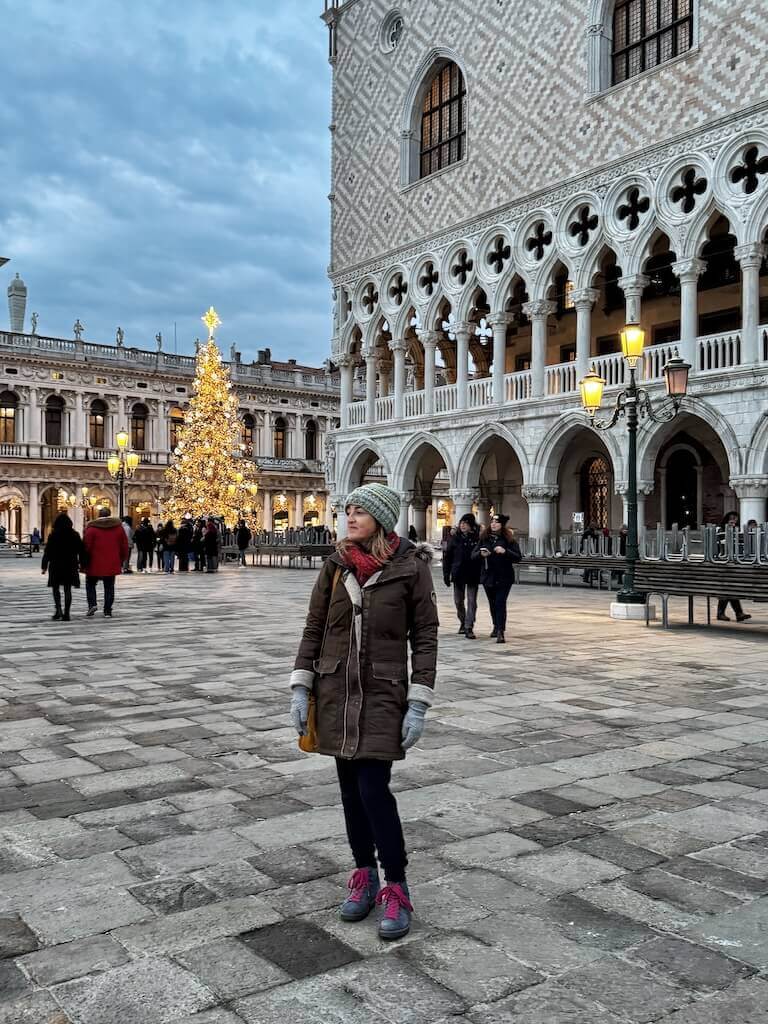
Conclusions On Visiting Doge’s Palace Venice
Doge Palace is the most-visited site in Venice, and whether you have a day in Venice, three days in the city, 5 days in Venice or even a week, you can’t skip it. Planning your visit makes all the difference in your experience. Book your Doge’s Palace tickets in advance – whether directly through the official site or through a third-party vendor – and try to arrive early to dodge the biggest crowds.
As I have already said, I went on the Secret Itineraries tour on my last visit and I think it is worth considering for a deeper look into the palace’s hidden rooms and passages.
Venice itself is just one fascinating corner of Italy’s diverse regions. Once you’ve explored the palace and St. Mark’s Square, you might want to venture beyond the city. There are plenty of interesting spots within easy reach of Venice.
My post The Best Day Trips From Venice will inspire you into more than one place within easy reach from the city.
If you are still deciding about your trip, make sure to read my post How Many Days To Spend In Venice to have an exact idea of how much you need in the city.
Whether you stay in the city or explore further, Doge’s Palace Venice will likely be a highlight of your time in Italy.
PIN IT!




Hello
I liked your detailed info.
Is there a timed entry to Doges palace with purchase of online tickets
Thanks in advance#
BW
Mathad
Yes, entry is timed.