
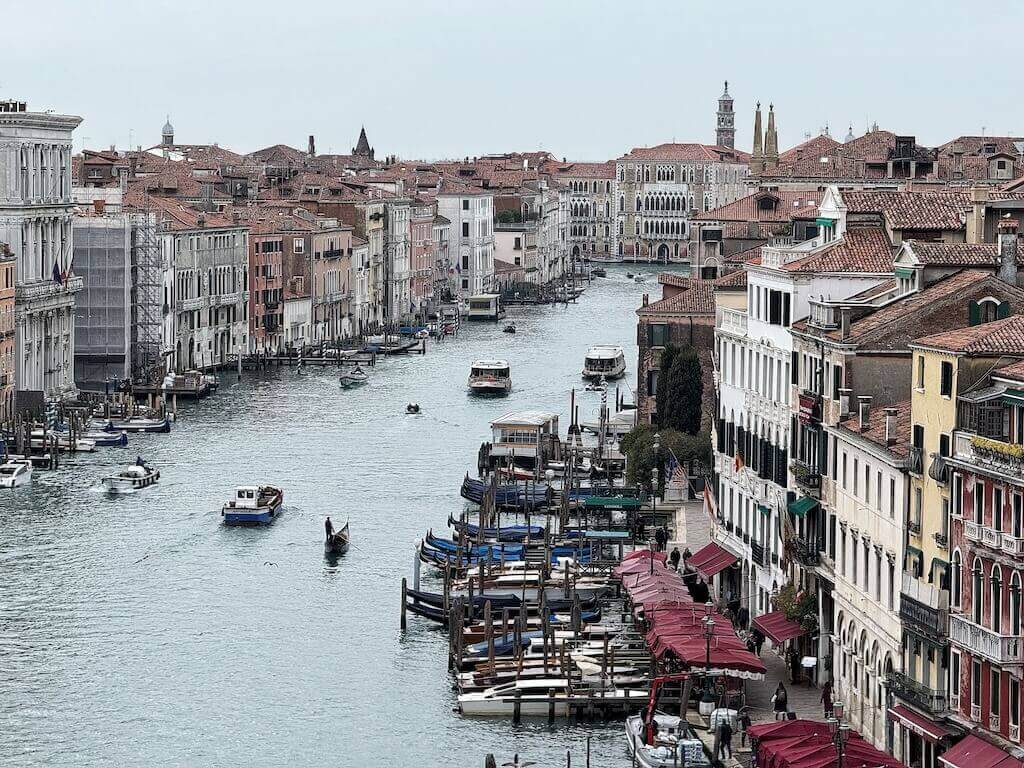
If you’re looking for the Venice travel tips, you’re in the right place. I’ve traveled to Venice many times, and have really learned my way around the waterways and canals.
Venice isn’t everything it’s painted out to be in the movies (i.e. perfect). There are some small intricacies you should be aware of before you visit Venice. For example, food is extremely expensive and it’s hard to find really good food. Therefore, one of my biggest pieces of Venice advice is to spend some time really digging for the good restaurants.
But there are even more things to know before traveling to Venice. To help you plan your next trip, I’ve prepared the most important Venice travel tips based on my travels through Venice – I visited recently with a friend, so they are very fresh and updated!
Are you traveling to Venice soon? Make sure to book these attractions and tours in advance:
Make sure to read my post The Best Things To Do In Venice as it shares guidance on what to do in Venice, and all the unmissable places to visit in Venice.
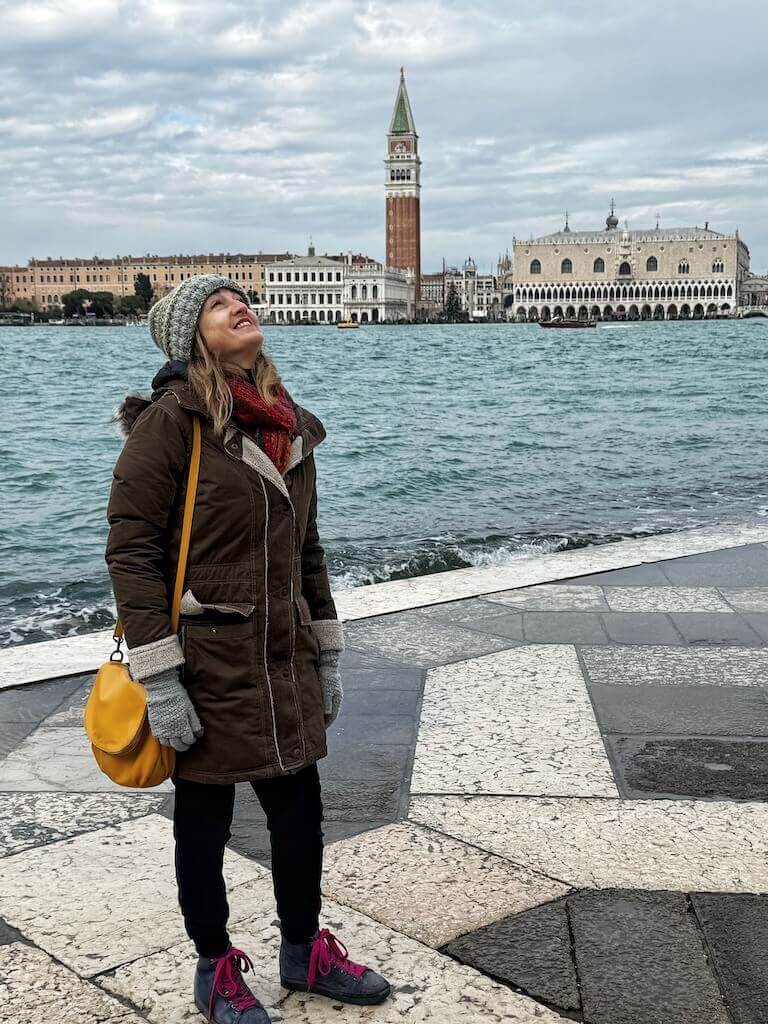
15 Must-Read Tips For Visiting Venice, Italy
The best time to visit Venice
Picking the right time to visit Venice is one of my biggest pieces of travel advice for Venice.
Winter, believe it or not, is one of the best time to visit Venice. My most recent trip to Venice was in the winter – I was there a month ago, in December, and I honestly think it’s the perfect time of year to visit Venice.
Winter in Venice means that there are way fewer tourists, and the city has this calm, magical vibe with its foggy mornings and quieter streets – though don’t assume there won’t be tourists around, because there still are some. Venice winter is very chilly, so pack warm clothes and an umbrella for those rainy days.
Spring and fall are also great times to visit Venice. March and April bring mild weather, while October and November offer crisp air and a more relaxed atmosphere as the tourist crowds thin out. Just remember—even in these “shoulder seasons,” you’ll want to book hotels and tickets early to avoid lines at the ticket counter (or unpleasant surprises).
Summer in Venice can be tough. It’s hot, sticky, there are tons of mosquitoes and the city is packed with tourists. If you’re visiting in July or August, try to stick to early morning or evening activities when it’s slightly cooler and the crowds are lighter. Honestly, it’s all about timing. But again, don’t ever expect to have the city to yourself!
My post When To Visit Italy will help you decide when to plan your trip. I also wrote a detailed guide on What To Know About Visiting Venice In December that may change your mind about visiting in the off-season.
How many days should you stay in Venice?
One of my most important Venice travel tips is to give yourself enough time in the city. One day in Venice is certainly not enough, and I’d say even 2 days in Venice won’t allow you to see everything there is to see!
Most first-time visitors spend 3 days in Venice.
On my latest trip to Venice with my friend, we spent 5 full days in the city (and this is the itinerary I followed). We ticked out all the must do in Venice and enjoyed some more off the beaten path places, and even then we felt we could have used some more time.
Whatever amount of time you have, I recommend not packing your Venice itinerary too much – it’s all about enjoying rather than just seeing. And the city calls for some aimless wandering too – that’s how you discover some of its best spots!
I have written a more detailed post on How Many Days In Venice You Really Need that you should read before your trip.
Only have one day in the city? Don’t worry, I have a fantastic One Day In Venice Itinerary that you can read.
How to get around Venice
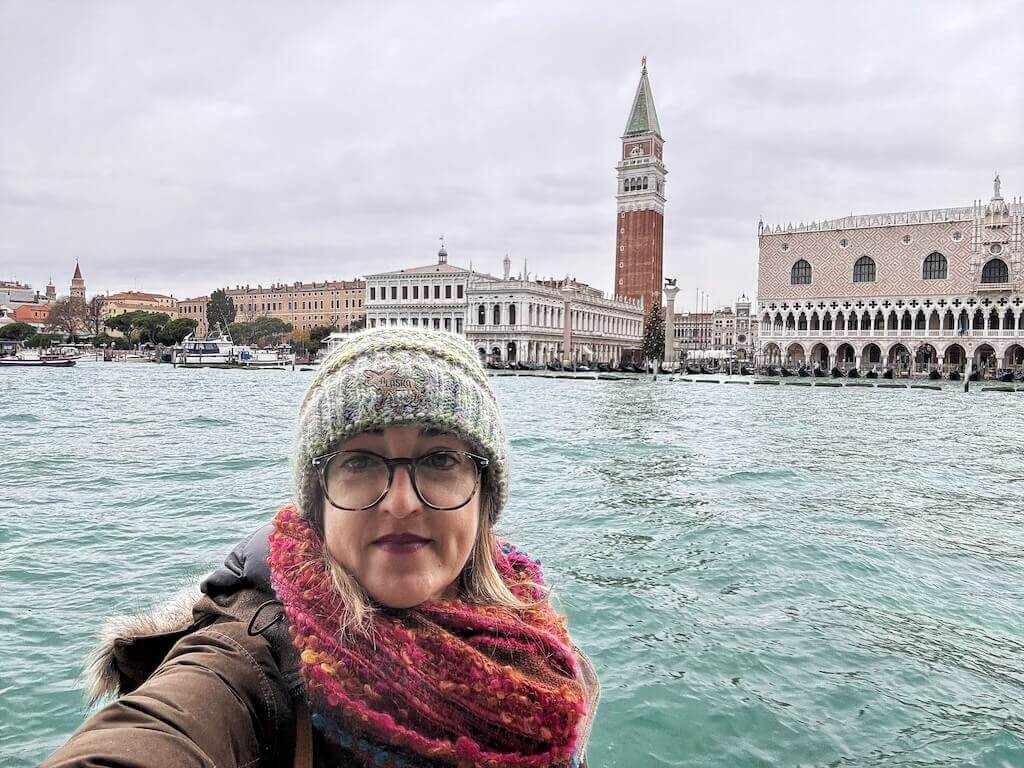
Venice isn’t your typical city when it comes to getting around. Forget cars and bikes—you’ll be walking or taking a boat everywhere.
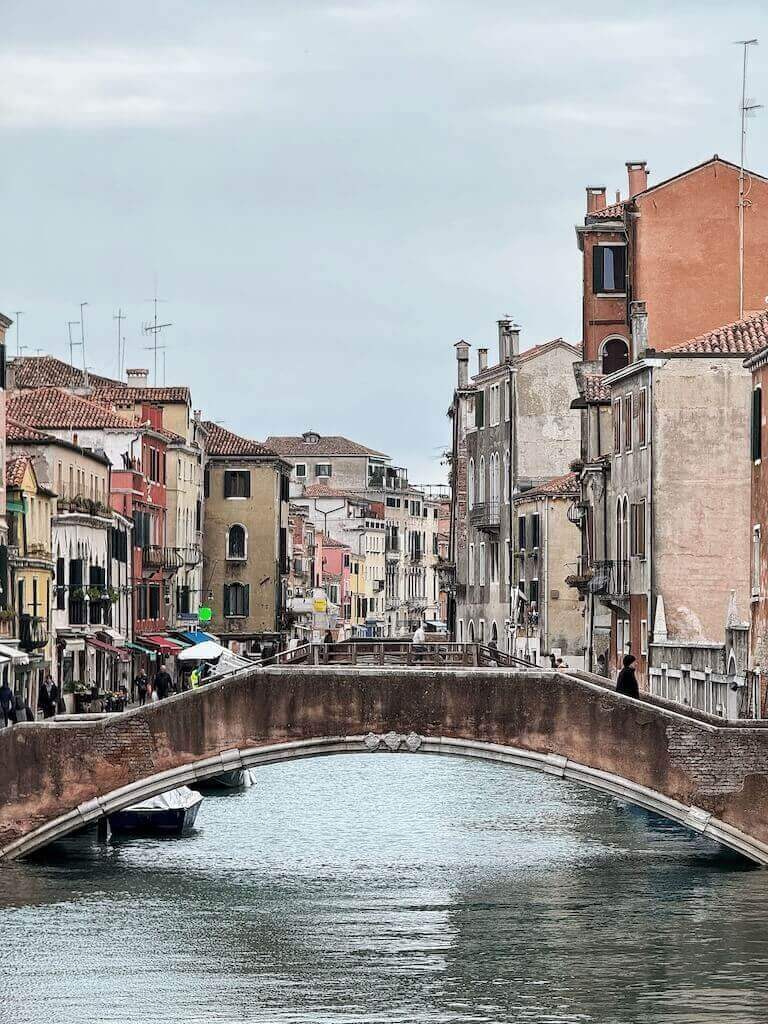
Walking is the easiest way to explore, but don’t be fooled by the small size of the city on a map. The narrow streets, endless bridges, and hidden alleys mean it takes longer than you’d think to get from one place to another. Give yourself plenty of time if you’ve got somewhere to be.
Vaporetto (waterbus)
For longer distances, the vaporetto (waterbus) is a lifesaver and is fun to ride. It’s affordable and goes pretty much everywhere, including the nearby islands. If you’re staying a few days, grab a multi-day pass to save money.
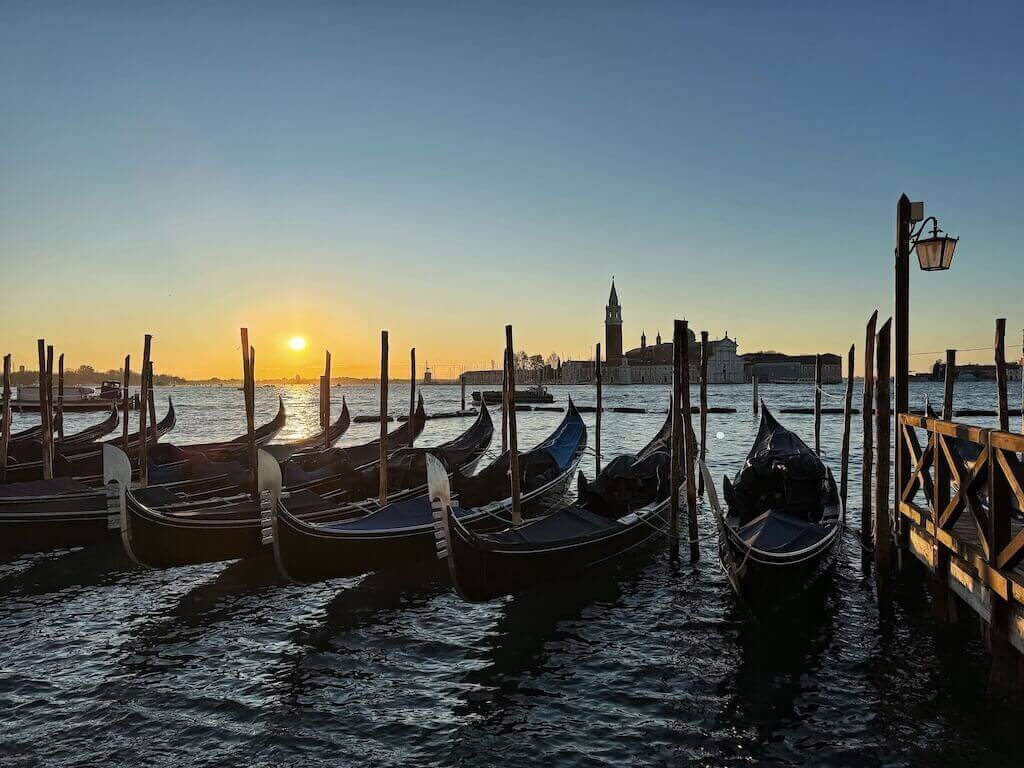
Traghetto (public gondola ferry) and private gondolas
The traghetto is your best bet if you need to cross the Grand Canal quickly. It’s a shared gondola ride that costs just a couple of euros, perfect for short trips. I hopped on one when I needed to cross the Grand Canal to get to Santa Maria della Salute Church and it was quick and easy. Just remember that they only run during the day.
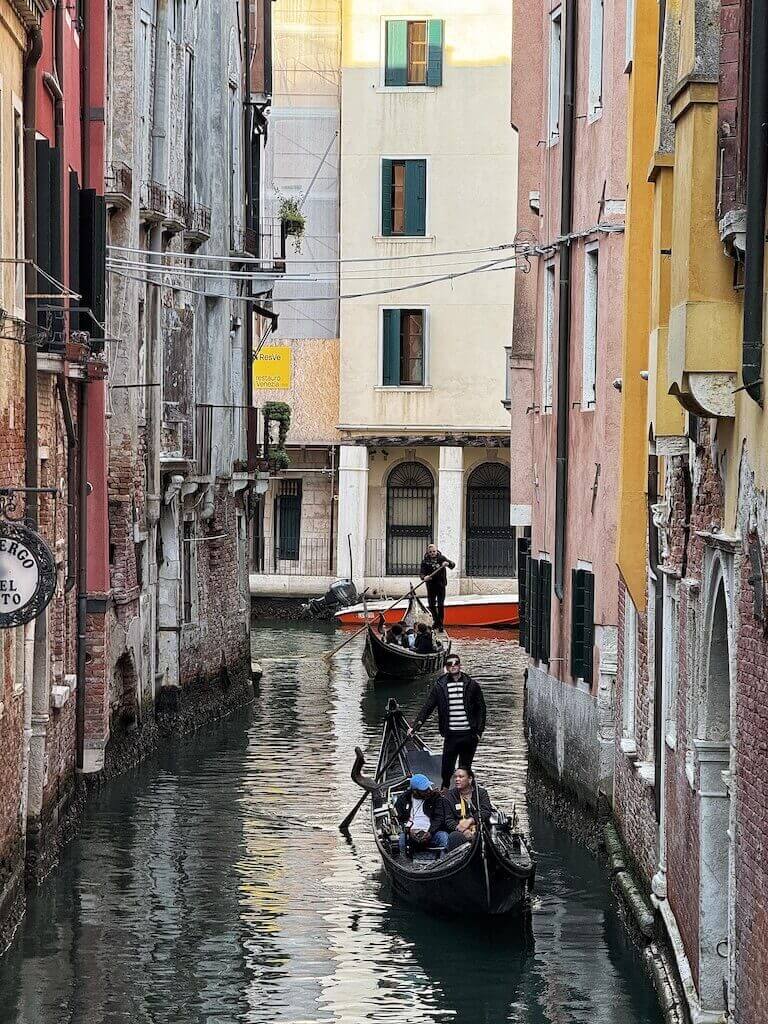
Now, let’s talk private gondolas. They’re iconic, but these days, they’re mostly for the experience—not practical transport. If you want to splurge on a romantic ride, go for it, but don’t expect your gondolier to serenade you (unless you’re really lucky).
If you don’t want to plan the gondola experience yourself, you can also book this Venice: Grand Canal by Gondola with Live Commentary. This experience combines a traditional gondola ride with expert commentary about Venice’s history, taking you past iconic sights like the Teatro La Fenice, Peggy Guggenheim Collection, and beautiful buildings along the Grand Canal.
The water taxi is another way of getting around Venice. It’s fast and convenient, but it’ll cost you (my friend and I asked how much a ride from San Marco to San Giorgio Maggiore would be: a whopping €50 for no more than a couple of minutes!). The water taxi is a good option if you’re traveling in a group or need to get somewhere in a hurry.
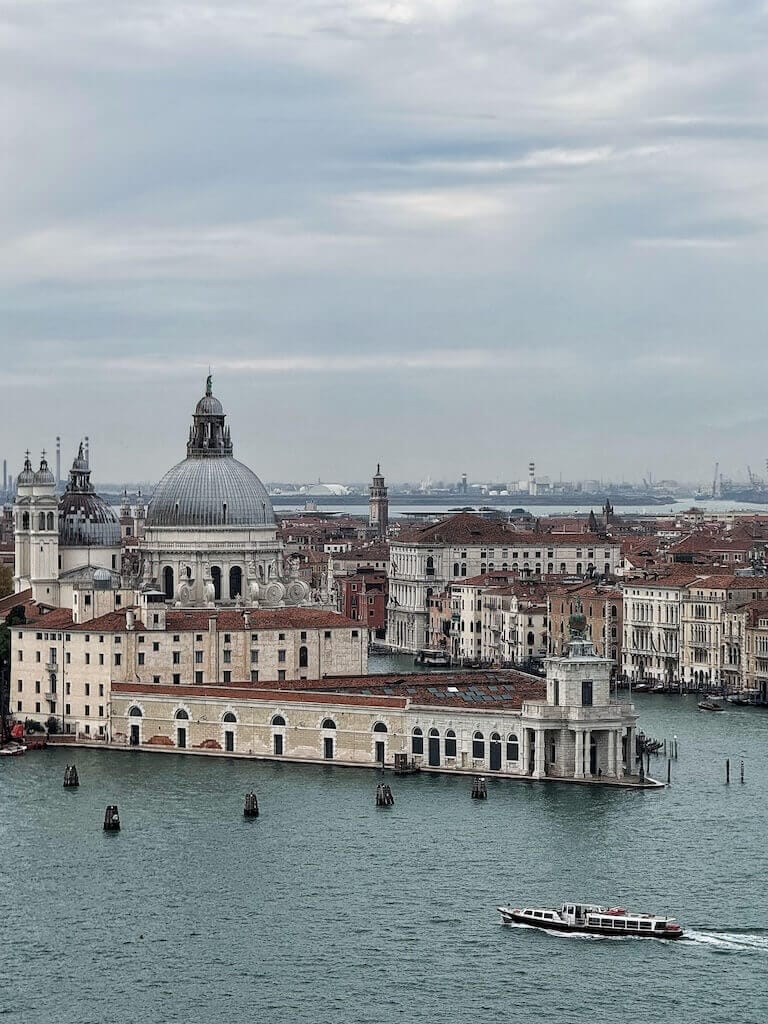
Check out Venice’s layout before your trip
If you want to save a lot of time and confusion, try to familiarize yourself with the city’s layout before arriving. There are no cars, and as I said before everyone gets around on the canals or on foot or uses the vaporetto, but that doesn’t mean you won’t get lost.
Venice’s winding streets and canals can be disorienting, even with Google Maps. The city is divided into six main districts (sestieri): San Marco, Cannaregio, Castello, Dorsoduro, San Polo, and Santa Croce.
The Grand Canal cuts through the city in an S-shape, acting as the main “highway” of Venice. Get familiar with key landmarks like the Rialto Bridge and St. Mark’s Square—they’re helpful reference points when you inevitably get lost (trust me, you will).
The best thing to do is to have access to data so that you can open Google Maps whenever you need it. If you don’t, save offline maps on your phone and pin your hotel location; this has saved me countless times when my data wasn’t working in other countries.
If you do get lost, don’t stress and try to enjoy it. Some of my favorite places to visit in Venice were places I stumbled upon while wandering down “wrong” turns. Just give yourself extra time to get anywhere important, and remember that most streets eventually lead to either the Grand Canal or St. Mark’s Square.
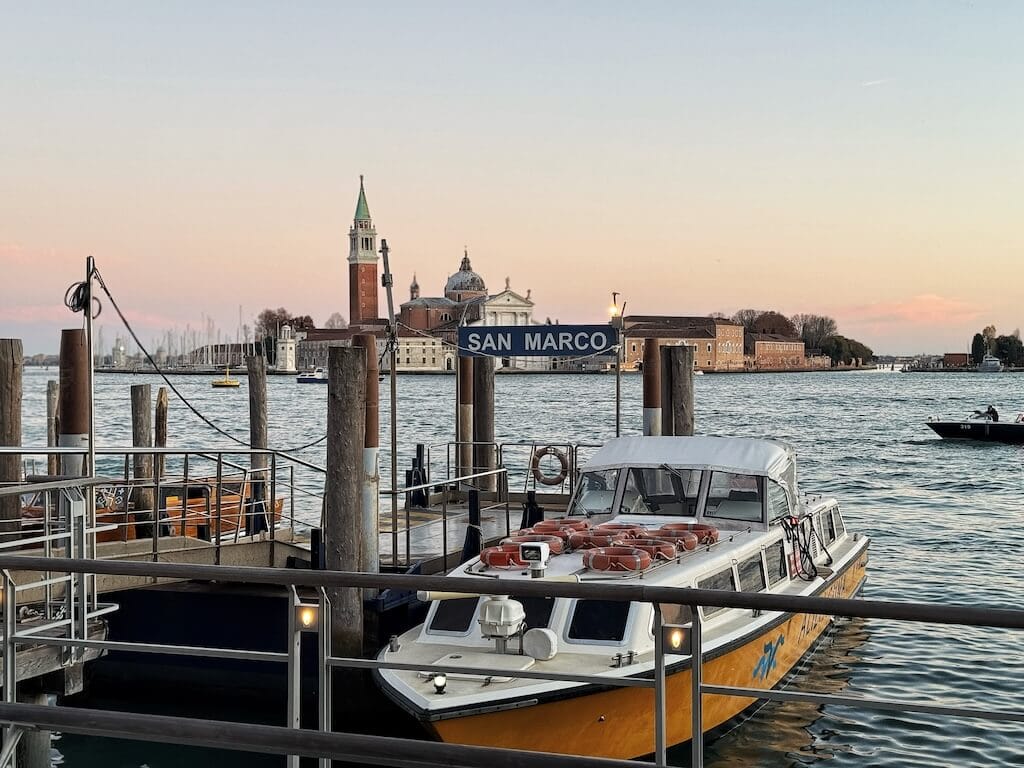
Where to stay in Venice
Venice has several neighborhoods that each offer a unique vibe. Here are a few popular areas where you may want to stay:
- San Marco: The heart of Venice and home to iconic landmarks like St. Mark’s Basilica and the Doge’s Palace. It’s a great spot if you want to be close to Venice bucket list attractions, but keep in mind it’s the busiest area.
- Cannaregio: A more laid-back neighborhood with a local feel. It’s perfect if you want a quieter experience while still being close to major sights. Plus, it’s home to some excellent restaurants and bars.
- Dorsoduro: Known for its artistic vibe, this area is great for art lovers. It’s home to the Peggy Guggenheim Collection and to Santa Maria della Salute Church, and has a relaxed atmosphere.
Once you’ve decided on the neighborhood, it’s time to pick your hotel.
PRO TIP: You really don’t want to wait until the last minute to get your accommodation in Venice, especially if you are traveling during peak season, because not you will you pay a lot more, and may be unable to find a good location.
Here are a few of my top recommendations.
My post Where To Stay In Venice On Any Budget shares more ideas on places to stay in the city.
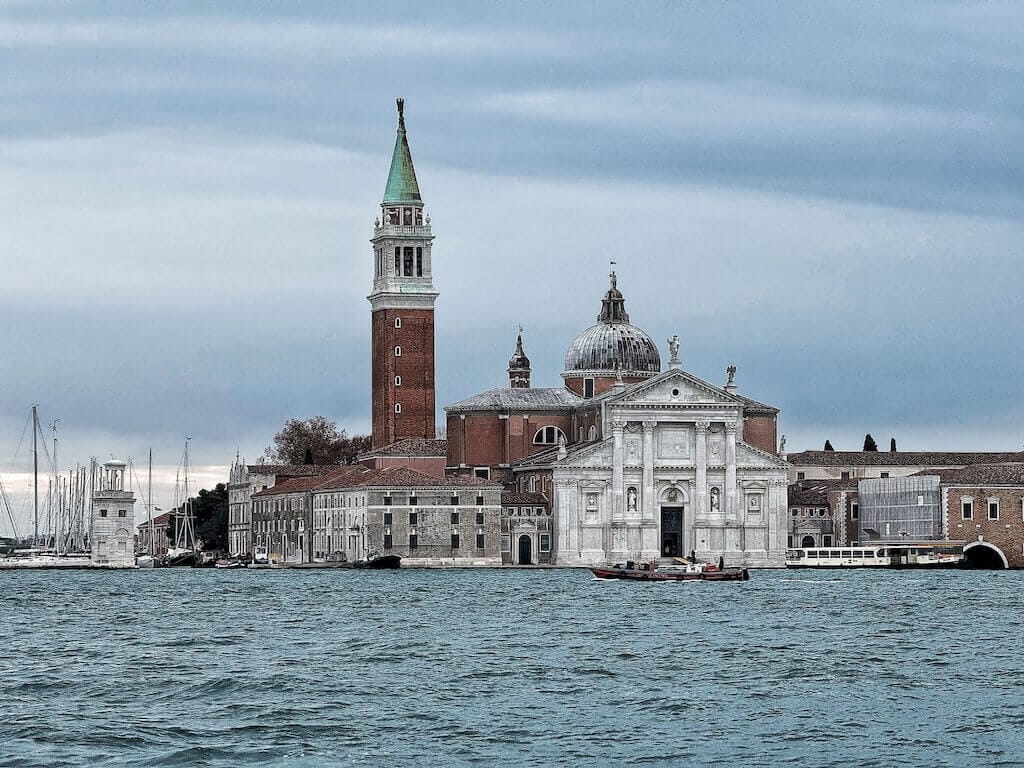
The Gritti Palace (for a splurge)
The Gritti Palace is located right in the heart of Venice’s San Marco neighborhood, making it an ideal spot if your want to stay close to iconic landmarks like St. Mark’s Square and the Doge’s Palace.
This hotel stands out because it combines unbeatable views of the Grand Canal with easy access to Vaporetto stops, making it super convenient for getting around. Plus, it’s perfect for those who want a touch of luxury while staying within walking distance of some of Venice’s best attractions.
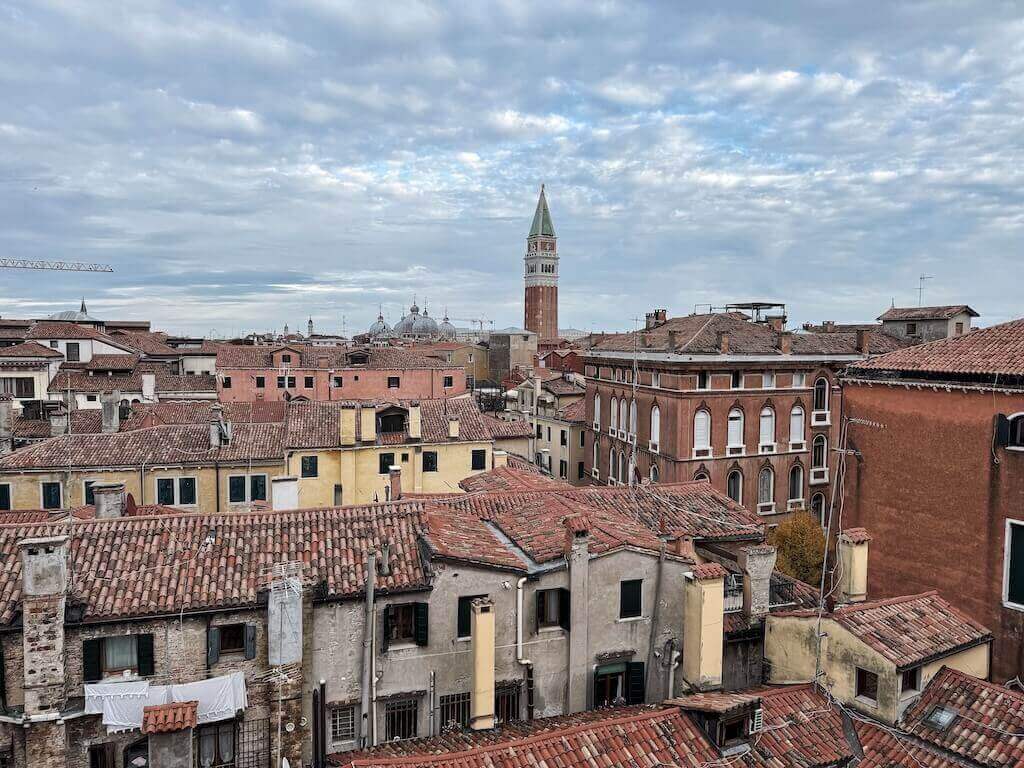
Luxury Suites in Venice (perfect mid-range luxury)
Friendly Venice Suites is a fantastic option for staying in the heart of Venice, just a short walk from Campo Santo Stefano and St. Mark’s Square.
The location is perfect for exploring on foot, and the charming, classic decor makes it feel like a cozy Venetian retreat. It’s perfect if you’re looking for a place that balances convenience with a touch of elegance, and guests rave about the helpful staff and comfortable atmosphere.
Rose Salva hotel (top-notch location)
Rosa Salva Hotel is a fantastic pick for travelers who want to be right in the center of the action without spending a fortune. Located just steps from St. Mark’s Square, this historic hotel is perfectly situated for exploring Venice.
Its modern, minimalist style adds a fresh touch, and the adjacent Rosa Salva Patisserie is a bonus for anyone who loves starting the day with delicious pastries. It’s a great choice for convenience and value in the heart of the city.
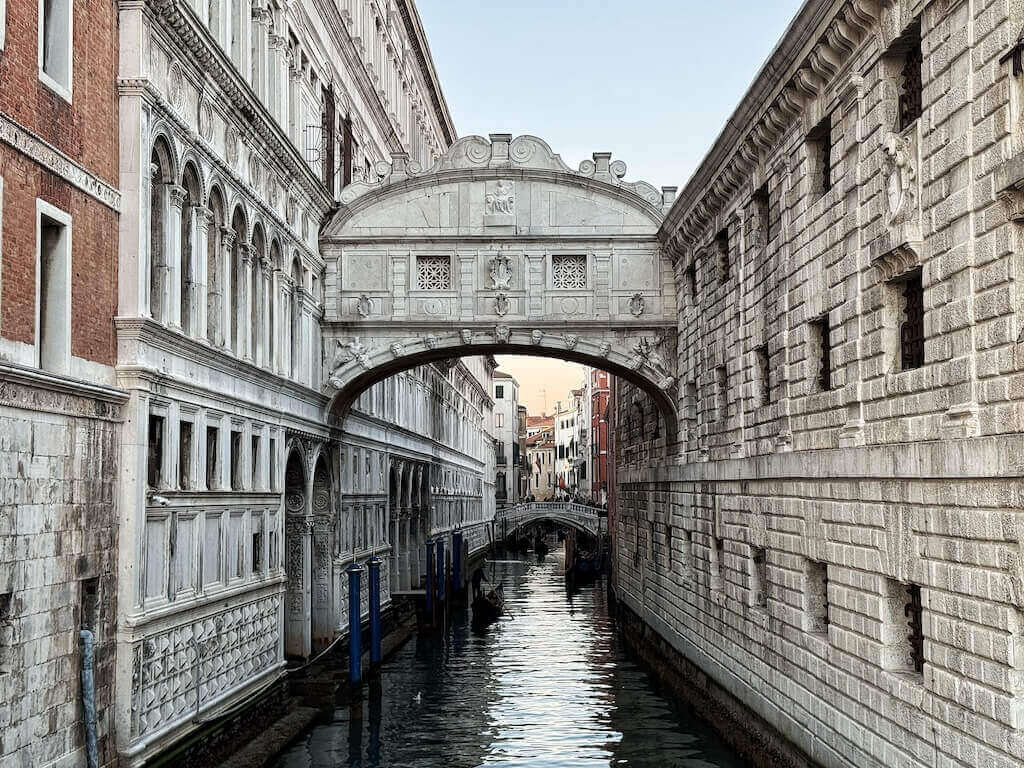
Prebook Venice attractions
One of my best tips for visiting Venice Italy is prebooking your tickets to all (or most) attractions.
Major landmarks like St. Mark’s Basilica and the Doge’s Palace, and even newer attractions like the terrace of the Fondaco dei Tedeschi get swamped with visitors, especially during peak seasons (and while not crowded, there are quite a bit of people when I went in December), and you really must book them in advance regardless of when you are traveling to Venice.
Attractions like the Peggy Guggenheim Collection, La Fenice Opera House, and even the Leonardo da Vinci Museum also offer prebooking options, though in this case advanced bookings aren’t as necessary if you are visiting Venice in the low season.
However, generally speaking planning ahead not only saves time but also helps you structure your day better.
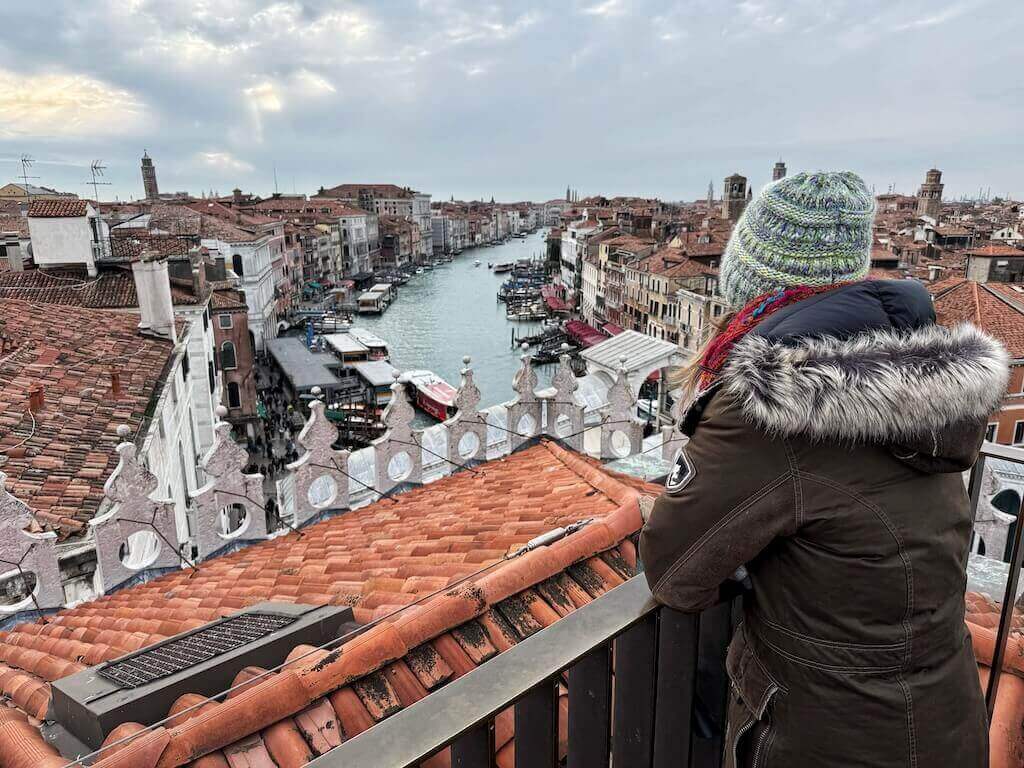
If you’re visiting multiple attractions, look into getting a Venice Pass, which includes entry to several sites and public transport perks.
You can book your Venice Pass online and it provides access to four essential Venice attractions: St. Mark’s Basilica, Doge’s Palace, a choice between a gondola ride or Murano & Burano boat tour, and a digital audio guide of the city. The pass bundles these must-do activities at a discounted rate, and includes a 10% discount on other attractions, making it an excellent value for visitors who want to explore the city’s highlights.
Many half or full-day Venice tours include skip-the-line access. If you’re looking to make the most of your time, I recommend this Venice in a Day with St. Mark’s Basilica, Doge’s Palace, & Gondola Ride tour, which combines all the city’s highlights into one well-organized experience. It includes skip-the-line access to both St. Mark’s Basilica and Doge’s Palace, plus a 30-minute gondola ride.
Another tour I recommend is this Morning Walking Tour is wonderful for getting off the tourist track and discovering Venice hidden gems and history. Your guide will take you through narrow alleyways to see both famous landmarks like St. Mark’s Basilica and lesser-known treasures like the Basilica di San Giovanni e Paolo (where the doges were buried).
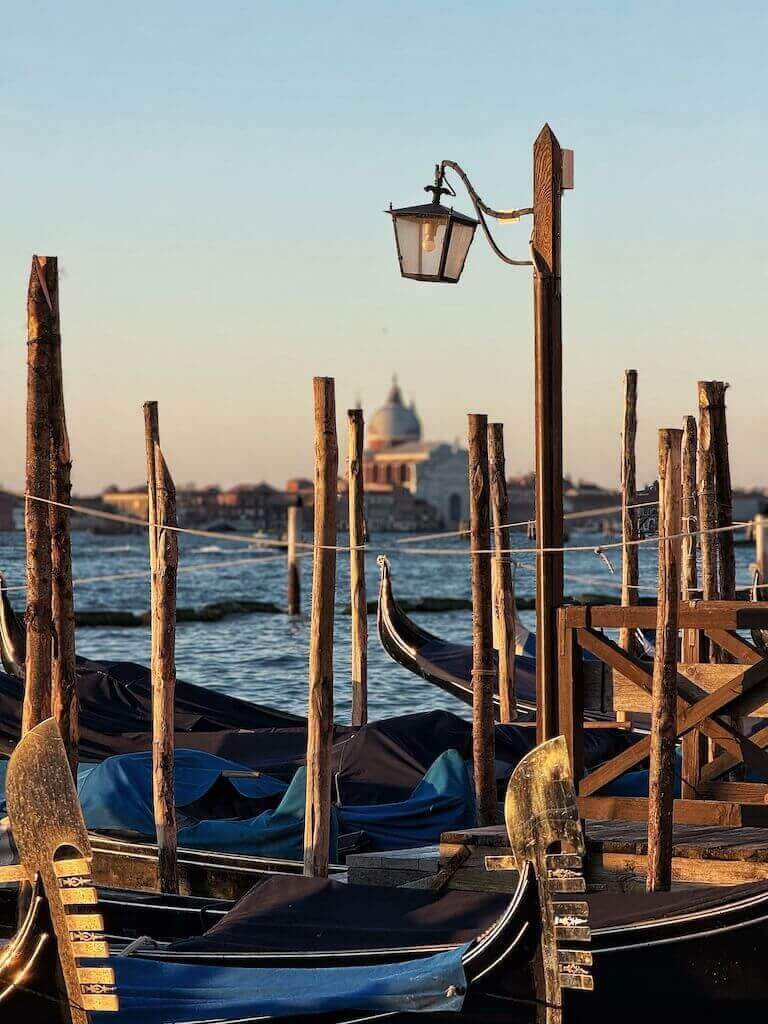
Schedule early morning or evening tours
The busiest times in Venice are usually between 10:00 am and 4:00 pm when most day-trippers and cruise ship visitors flood the city. Though to be fair, when I visited with my friend in December we’d see the first large groups of tourists arrive in town (presumably also day trippers) as early as 7:30 or 8:00 am.
To avoid the crowds, consider starting your day early. Strolling through St. Mark’s Square or the Rialto Bridge before 8:00 am feels almost magical with hardly anyone around.
Evening tours are another fantastic option. Many attractions, like St. Mark’s Basilica or Doge’s Palace, offer night visits with smaller groups and a more intimate atmosphere.
Plus, the city lights reflecting on the canals make for some stunning photo opportunities and some of the best views of the city. Whether you’re exploring by foot or joining a guided tour, planning for off-peak hours is key to a stress-free Venice experience.
If you’re booking tours and want the least-crowded experience, I recommend this Venice: After-Hours St. Mark’s & Doge’s Palace VIP Tour. You’ll get to explore these magnificent landmarks in near solitude as a custodian unlocks the basilica’s doors just for your group. Plus, your guide will share fascinating stories about the powerful doges who once ruled Venice.

Expect more expensive and lower-quality food
Venice’s food scene is unique, but not always for the right reasons. Overtourism has caused many restaurants to cater to visitor demands, resulting in higher prices and less authentic options.
It’s best to go in with proper expectations: Venice does not have the best food in Italy. In fact, it’s rather disappointing, but there are some hidden gems if you put in the work to find them.
If you’re dining near major attractions like St. Mark’s Square or Rialto Bridge, expect menus designed more for convenience than quality. I kept seeing dishes like Carbonara and even “bolognese” on the menu last time I was there, and those aren’t dishes of Venetian tradition!
If your food arrives within five minutes of ordering, it’s probably not going to be good. Places with insanely fast service are catering to impatient tourists, focusing on a larger turnover and not on fresh, high-quality meals.

On a similar note, make sure to read my article, 11 Common Misconceptions About Italian Food (From A Local), if you aren’t super familiar with Italian food. This guide details exactly the types of foods (and restaurants that serve them) you want to avoid in Italy.
One of my Venice travel tips is to look for smaller trattorie where the menus are handwritten and where the staff is Italian – you can’t imagine how many places I saw where the waiting staff could barely speak Italian!
Keep an eye out for cicchetti, bite-sized Venetian appetizers often served in wine bars, which are both delicious and affordable.


Make sure to try cicchetti
I mentioned cicchetti earlier, but it’s worth diving into more detail because they’re such an essential part of the Venetian food experience (and usually the safest bet for good food).
Cicchetti are small, tapas-like bites typically served in traditional bars known as bacari. These snacks can range from creamy baccalà mantecato spread on crusty bread to fried zucchini flowers, marinated seafood, or even mini sandwiches.
Pair them with a glass of local wine or spritz (traditionally in Venice spritz is made with Select, which is more bitter compared to Aperol), and you’ve got yourself a true Venetian treat.
They are also affordable and perfect for grazing as you explore the city. Head to a bacaro, stand at the counter like the locals do, and sample a few different options.
It’s a casual, fun way to try a variety of flavors without committing to a sit-down meal. The Cannaregio and Dorsoduro neighborhoods are especially great spots to find authentic bacari away from the touristy areas. We really liked Tappo, but our absolute favorite was Cantina Aziende Agricole – both are in Cannaregio, but there are some good ones also near San Marco.
You can always try a food tour if you don’t know where to start. If you choose the right one, you’ll get some good cicchetti out of it at the very least. Check out this Street Food Tour with a Local Guide and Tastings, which takes you through the historic Rialto Market and local bacari. You’ll sample authentic Venetian specialties like regional cheeses, traditional pastries, and tiramisu in its birthplace, while exploring less touristy neighborhoods.
Explore the nearby islands
While Venice itself is amazing, the surrounding islands in the lagoon make for one of the best day trips from the city.
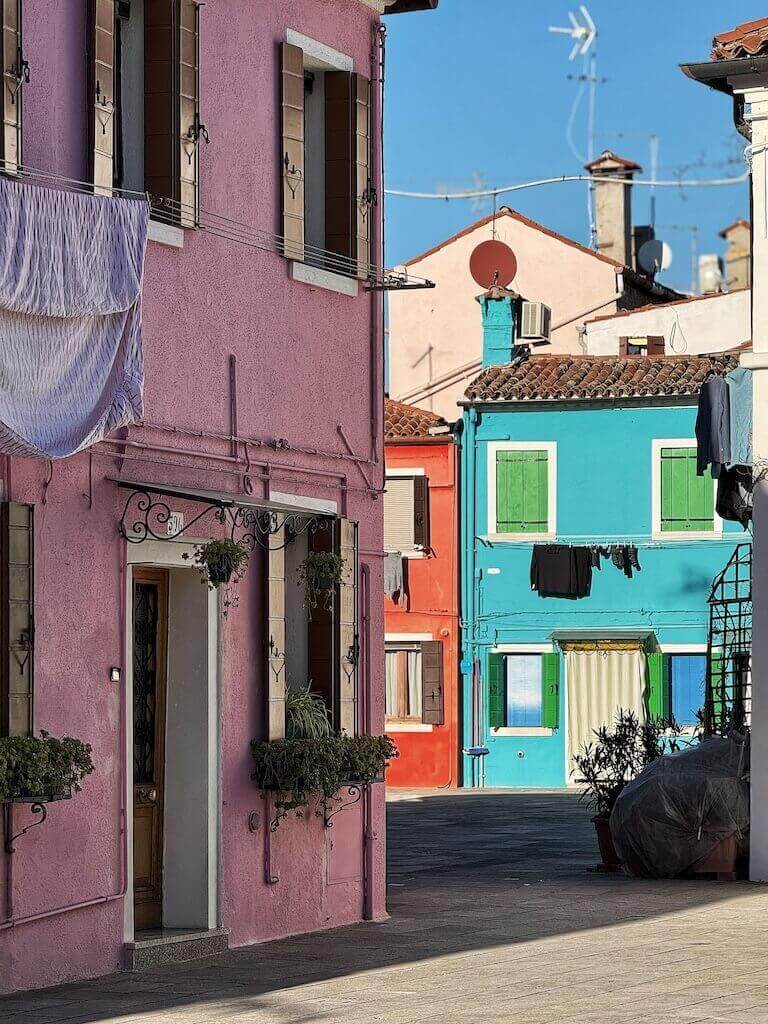
Murano is famous for its glassblowing workshops, where you can watch artisans create intricate glass pieces and even pick up a unique souvenir. Burano, on the other hand, is a photographer’s dream with its brightly colored houses and reputation for high-quality lace-making.
For something more relaxed, head to Torcello, known for its ancient Byzantine mosaics and peaceful atmosphere. Or visit Lido, Venice’s beach escape where locals go to unwind. If you’re interested in history, check out San Michele, the island cemetery where many notable figures are buried.
The islands might not have amazing beaches, but they are really interesting and they each have a lot of personality.
Reaching these islands is easy via the vaporetto, and you can even book guided tours if you prefer a more structured day.
If you’re interested in visiting the islands, I recommend this Murano & Burano Guided Tour by Private Boat. Instead of navigating the vaporetto system yourself, you’ll travel comfortably by private boat to both islands.
Make sure to read my post The Best Day Trips From Venice for more ideas on nearby places to visit. I also have a more detailed guide on What To Do In Burano that highlights its best attractions.

Map out how you’ll get to Venice
Getting to Venice might seem straightforward, but a little planning goes a long way. If you’re flying in, the city is served by two main airports: Marco Polo Airport and Treviso Airport.
Marco Polo is closer and more convenient, offering options like private water taxis, Alilaguna waterbuses (the cheapest option), or shuttle buses to Piazzale Roma. Treviso, often used by budget airlines, requires a longer bus or train ride to reach Venice.
If you’re coming by train, you’ll arrive at Santa Lucia Station, which is right on the edge of the historic center. From there, you can hop on a vaporetto or walk to your accommodation.
For those traveling by car, keep in mind that Venice is car-free, so you’ll need to park at Piazzale Roma or on the mainland and continue by public transport.
Planning your arrival not only saves time but helps you avoid the stress of figuring things out on the spot. Double-check your options, especially if you’re arriving late at night or during peak travel times.
If you don’t want to organize transportation yourself, you can also pre-book transportation from the airport ahead of time through Welcome Pickups. It’s a popular service that works well in Venice. Otherwise, the Alilaguna departs roughly every 20 minutes and stops in San Marco, as well as the smaller islands.
My post How To Get From Venice Airport To The City explains all the options to travel.
Pack appropriately for the season
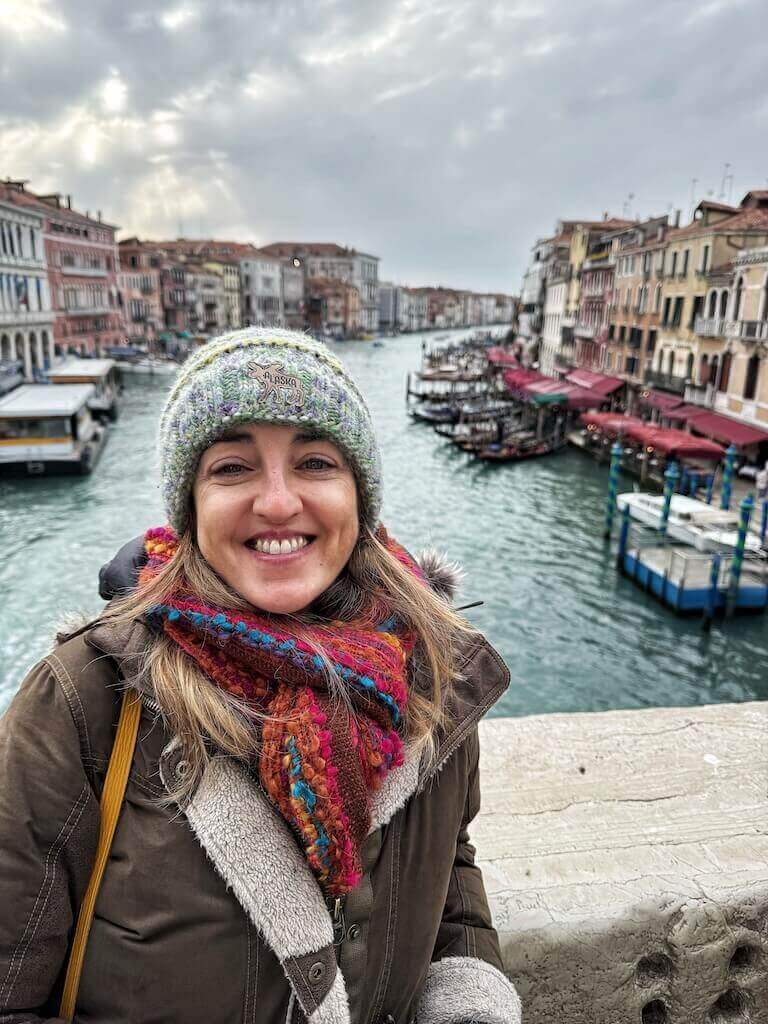
Venice’s weather can be pretty extreme, so packing smart is essential. Winters are cold and damp (even though it’s my favorite time to visit), so you’ll want a warm coat, waterproof boots, and an umbrella—fog and rain are common. I also recommend packing a hat, scarf and gloves, and depending on what you are used to you will also need thermal underwear (I needed it!).
On the other hand, summers are hot and humid, so lightweight clothing, breathable fabrics, sunscreen, and a reusable water bottle are must-haves. Keep in mind there’s a dress code when visiting churches, so don’t go around in shorts and tank tops if that’s what you plan on visiting.
Spring and fall can be unpredictable with fluctuating temperatures, so layers are your best friend. A light jacket or sweater is great for cooler mornings and evenings, while a comfortable pair of walking shoes is a must year-round.
And don’t forget—Venice’s cobblestone streets and countless bridges mean that heels are best left at home.
My post What To Wear In Venice In Any Season will help you decide what to bring and what to leave at home.
Watch out for pickpocketing
Venice is generally a safe city, but like any popular tourist destination, pickpocketing can be an issue in crowded areas. I didn’t have any issue on my last trip, but then it was winter and there were way less tourists around.
Busy spots like St. Mark’s Square, the Rialto Bridge, and the vaporetto can attract opportunistic thieves. Keep your valuables secure in a crossbody bag or an anti-theft backpack, and avoid carrying large amounts of cash.
Be extra cautious with your phone and wallet, especially when taking photos or navigating with maps. It’s also a good idea to spread out your valuables—don’t keep everything in one pocket or bag.

Only buy local souvenirs
There are tons of souvenir shops in Venice, but they don’t all sell good stuff. Popular souvenirs to bring home are Venice masks, stationery, and Murano glass items. If you want to buy a unique thing and want to make sure it’s made locally, there are a few things to keep in mind.
The first thing is the price. Super cheap souvenirs are often not made locally, and definitely not hand made. I noticed this with Murano glass – it’s not cheap! I remember seeing beautiful glasses for €55 each!
Also look at what the shop is selling. A real artisan normally specializes in only one item – ie leather bags, Murano glass, traditional masks. And you should also be able to see their workshop, where you can observe how they work.

Learn some basic Italian phrases
Most Venetians speak English (I actually came across people in tourist restaurants who spoke English and NOT Italian). However, knowing a few Italian phrases can improve your experience and show respect for the local culture.
Start with the basics:
- Buongiorno (Good morning) or Buonasera (Good evening)
- Grazie (Thank you)
- Prego (You’re welcome)
- Scusi (Excuse me)
- Quanto costa? (How much does it cost?)
Even small efforts like saying Ciao (Hi/Bye) or Arrivederci (Goodbye) can make a difference. Locals appreciate when visitors try to speak their language, and it can lead to friendlier interactions during your trip.
Conclusions On The Best Venice Travel Tips
Venice isn’t the easiest city to navigate, especially when it comes to finding good food. While tourist traps and overpriced restaurants are everywhere, don’t let that discourage you.
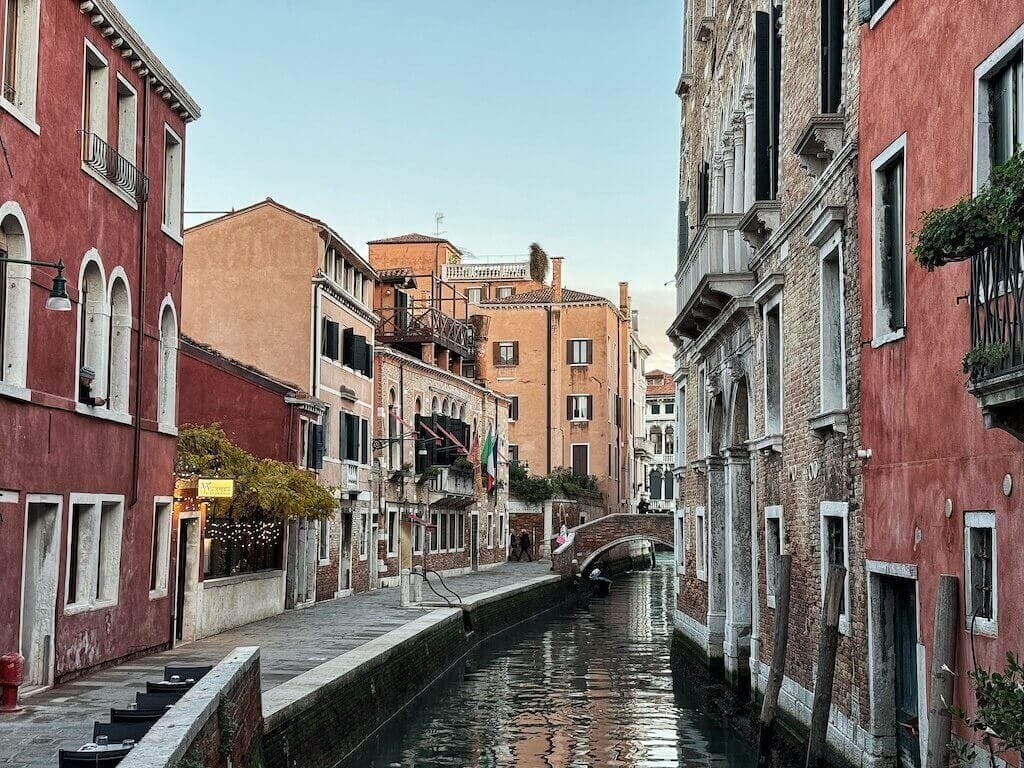
The city’s stunning architecture, peaceful winter mornings, hidden bacari serving delicious cicchetti, and the ability to literally get lost in history make it absolutely worth visiting. With some planning and these Venice travel tips, you’ll love every minute of your trip to Venice.
Just make sure to plan your Venice itinerary carefully, especially if you have limited time in the city!
PIN IT!

Claudia Tavani
Claudia Tavani was born and raised in Sardinia, and after moving between the United States and the United Kingdom, she's now back living in her hometown, Cagliari. She's a travel blogger and certified travel designer who loves planning trips and publishing guides, travel tips, and packing lists so that you don't have to. Owner of Strictly Italy, cat mom to Minnie. Loves pizza, hiking, archeology, cities, beaches, swimming, and running. Hates peppers.