
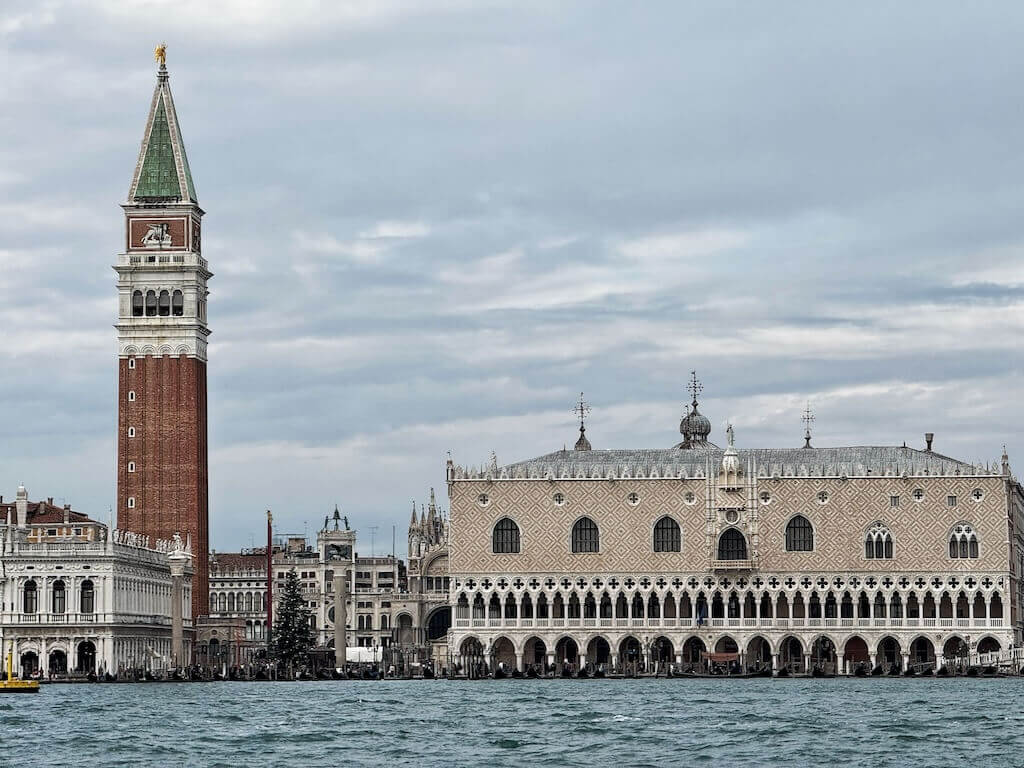
Are you looking for the best things to do in Venice? I was there recently again, and I will share my top picks.
When most people think of Venice, Italy, they think of floating down the beautiful canals on a gondola with relaxing music playing in the background. Maybe they’re with a partner, a best friend, or on their own, soaking up the beauty of one of the most romantic cities in the world. And it just so happens to be one of my favorite cities in Italy.
Riding the gondola down Venice’s Grand Canal is one of the unmissable things to do in Venice for romantics and idealists, but it’s not the only thing to do in Venice. In fact, there are so many incredible things to see and do in Venice that it would take all day to review them all.
I’ve traveled to Venice multiple times (last time I visited Venice in December) and still find fun things to do there. As a local Italian who loves the romance and vibes of Venice, I’m here to share all my tips on the best things to do and places to visit in Venice. Spoiler alert: they aren’t all about the canal, so if gondola rides down the canal aren’t your thing, don’t worry.
These are the top attractions and activities in Venice that must be booked in advance:
I also recommend reading my post The Best Venice Travel Tips for more guidance on how to plan your visit, and my post How To Get To Venice From The Airport for arrival information.
Now, let’s discover the top things to see and do in Venice Italy.
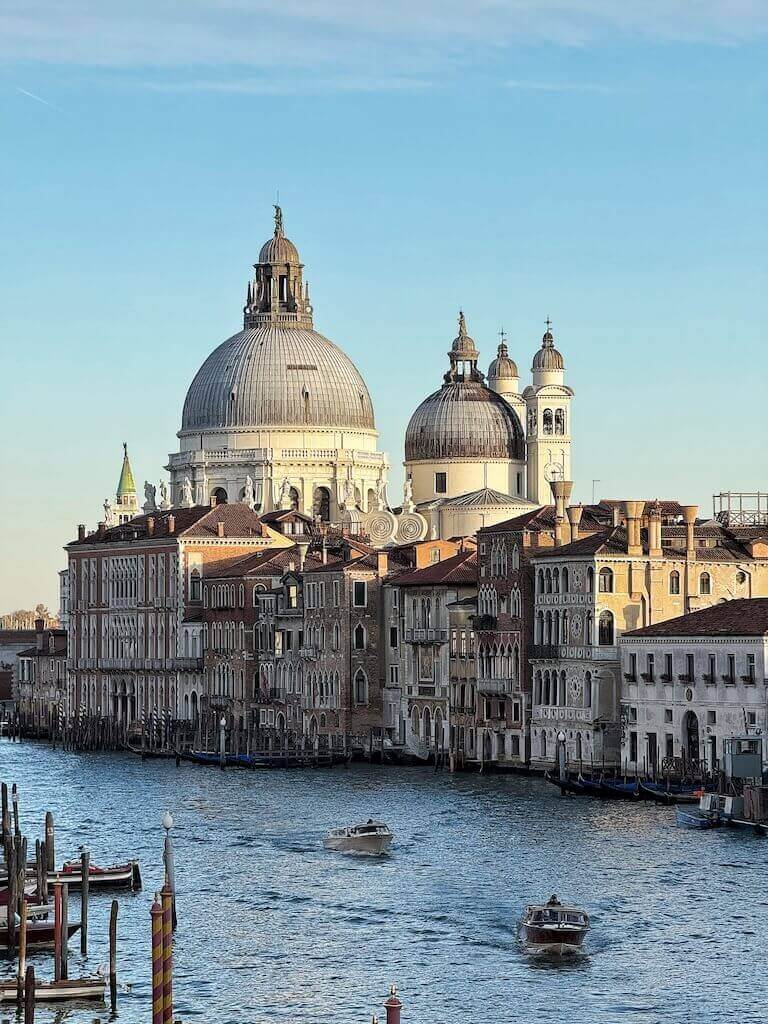
The Best Things To Do In Venice Italy
Venice’s Grand Canal – one of the unmissable things to do in Venice
It’s impossible to talk about the best things to do in Venice without discussing the Grand Canal and the gondola rides along the waterway. There’s no question this is what to do in Venice for romantics and dreamers.
Venice is actually made of multiple little islands, and there are hundreds of little canals and waterways that connect the islands of Venice.
The Grand Canal, or Canal Grande in Italian, is the largest canal in the city and one of the most famous landmarks in Italy. It’s an S-shaped canal that cuts through Venice, with traffic all day. If you compare Venice to a “normal” city, the Grand Canal is comparable to the main highway that connects everything in the city.
If you want to see more of the Grand Canal and the hundreds of buildings built around it, you have to ride Venice’s Vaporetto. The Vaporetto is a water taxi (or water bus), so it’s much cheaper and more chaotic than a traditional gondola.
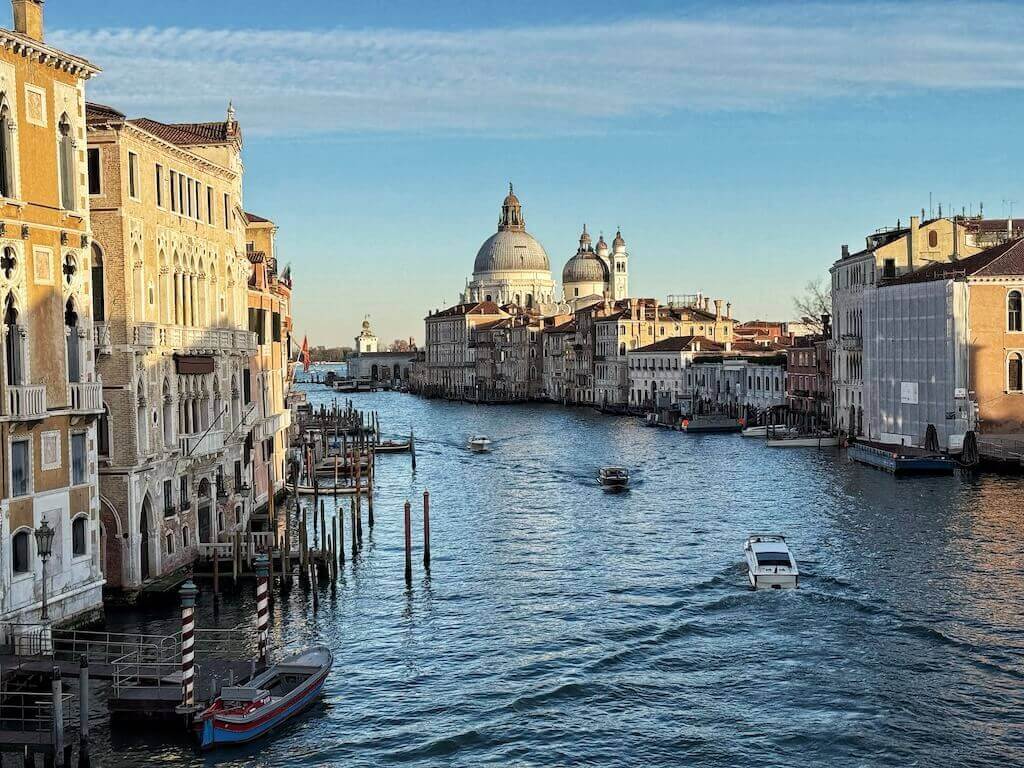
I recommend hopping on the Vaporetto in the evenings when there are fewer people, and you can admire the city’s lights. You can even purchase a one-day Vaporetto Pass in advance.
If you want something more personal, you can ride a private (or shared) gondola up the Grand Canal or one of the smaller waterways. This activity is often featured in movies and other media about Venice.
The official gondolas that run along the canals have a fixed price, so you don’t have to worry about surcharges. But they aren’t cheap. It should be around €90 per 35-minute ride.
Many tours combine a boat tour along the canal with other popular attractions in Venice. For example, this Boat Tour With Grand Canal And Tower Climb is a unique experience in the city. You’ll ride a private boat down the river, visit the San Giorgio Maggiore island, and climb the famous St. Mark’s Bell Tower (more about that in a bit).
If you’re traveling on more of a budget and don’t mind sharing the gondola, you can also consider doing a shared gondola ride to save some money. There are many options online, or you can meet people around the gondolas/in your hotel in Venice to lessen the financial burden. I recommend the Grand Canal by Gondola for a shared gondola ride and mini-tour of the city.
Four bridges across the Grand Canal
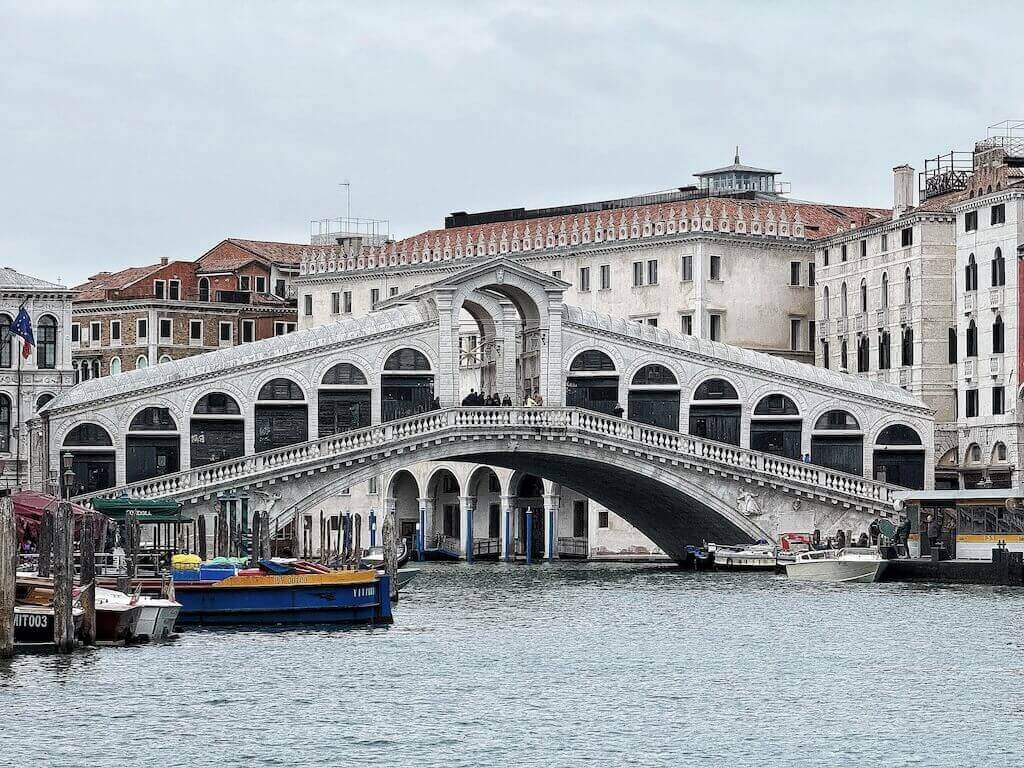
Believe it or not, there are only four bridges that cross the Canal Grande in Venice, Italy. If you spend a few days exploring Venice, you should come across all of them. But make sure you cross each of them because they’re good places to photograph and view the canal.
Here’s a breakdown of the four bridges:
Rialto Bridge (Ponte di Rialto): This is the most famous bridge over the canal and has become one of the most significant Venice attractions. It was actually the first bridge built, so once upon a time, it was the only way to cross the canal. It also leads to Rialto Market, which has tons of little shopping arcades around, so it’s a great place for souvenir shopping.
Constitution Bridge (Ponte della Costituzione): This is the most recent bridge, completed and placed in 2008. It connects Santa Lucia Train Station (the central train station in Venice) to other parts of the city. It’s meant to be both practical and symbolic, welcoming visitors coming in from the train station with great views over the city. The design is much more modern than the other bridges, so it stands out.
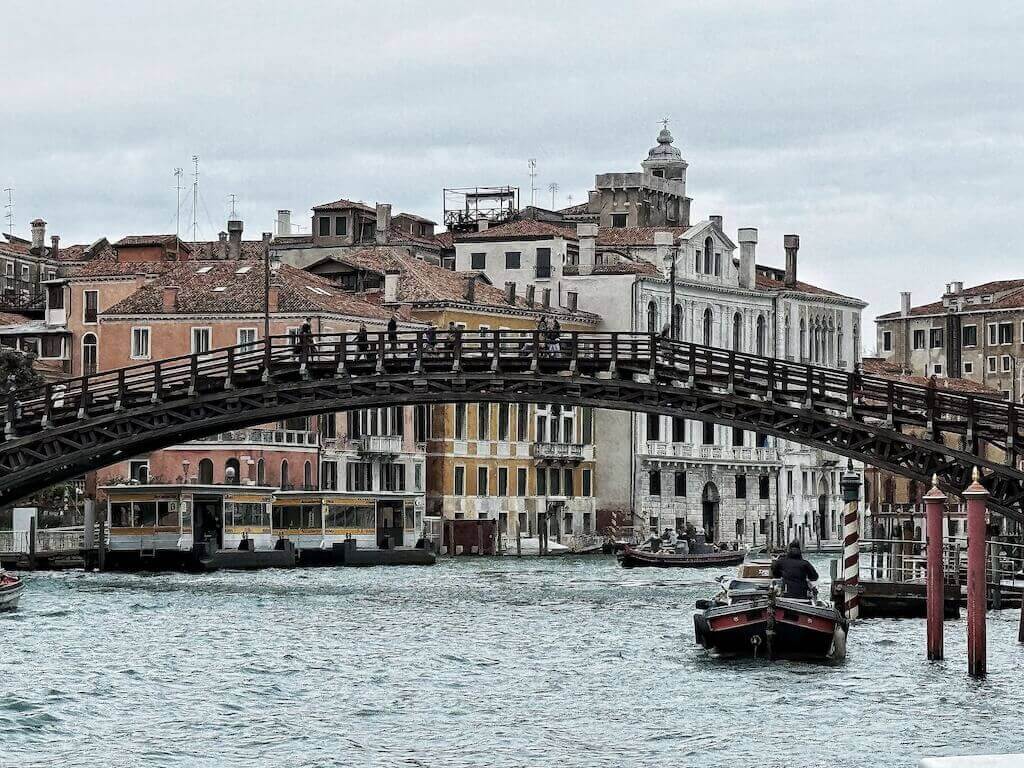
Academy Bridge (Ponte dell’Accademia): This was the second bridge built over the canal and has one of the most iconic views of the Canal Grande. It is a popular walking path as you’ll have to cross it if you’re walking from St. Mark’s Square to the Galleria dell’Accademia area (two very popular things to see in Venice).
Bridge of the Barefoot or Discalced Monks (Ponte degli Scalzi): This was the third bridge to be constructed and was reconstructed to have a similar design to the Rialto Bridge. It gets its unique name because of its proximity to the Chiesa degli Scalzi, or the Church of the Barefoot or Discalced Monks.
Because these are city bridges, visiting them all is among the best free things to do in Venice, although you’ll likely come across them while exploring the city on foot, anyway.
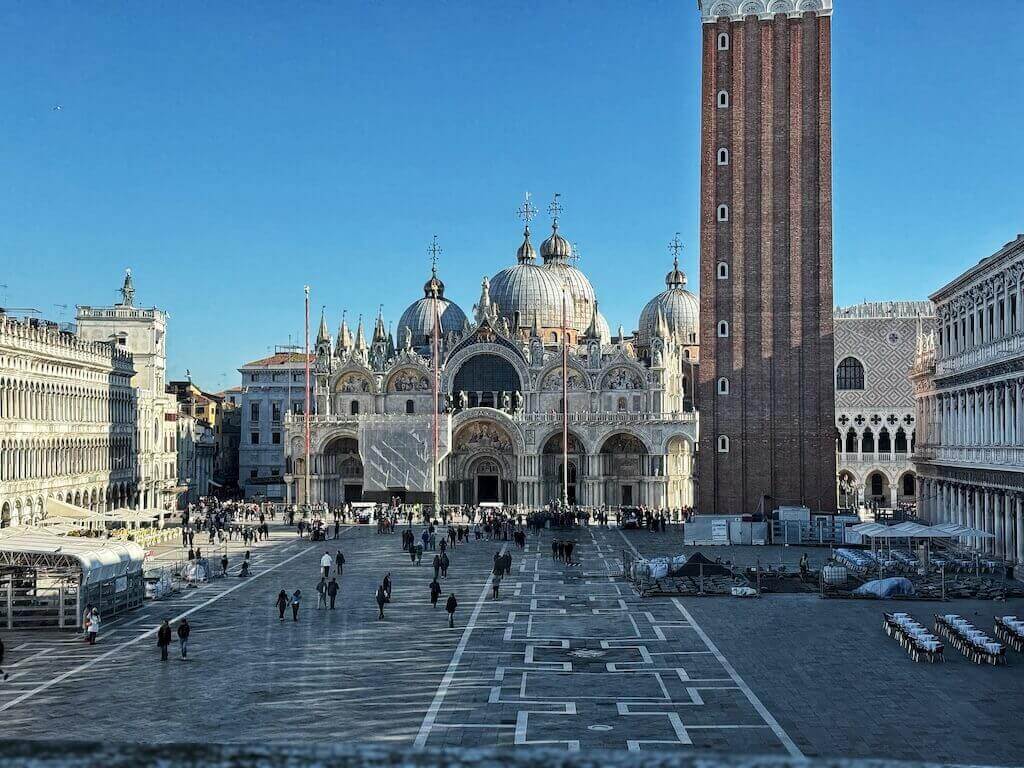
St. Mark’s Basilica
St. Mark’s Basilica, or Basilica di San Marco, is among the most popular things to see in Venice. Whether you have one day in Venice, 3 days in Venice, five days in the city or a week, you can’t miss it. It is located in St. Mark’s Square, where you’ll also find Doge’s Palace, the Clock Tower, and the Bridge of Sighs, among other famous Venice attractions.
St. Mark’s Basilica was built in the 9th century and became Venice’s official city cathedral in the 19th century. It is most well-known for its breathtaking architecture, which blends Gothic, Renaissance, and Byzantine elements, and its religious importance as St. Mark’s resting place.
There are also many fascinating legends and rumors surrounding St. Mark’s Basilica and St. Mark’s Square. One such legend is that when the apostle St. Mark traveled around Europe, he stopped in one of Venice’s lagoons and was told by an angel that the city would be his final resting place.
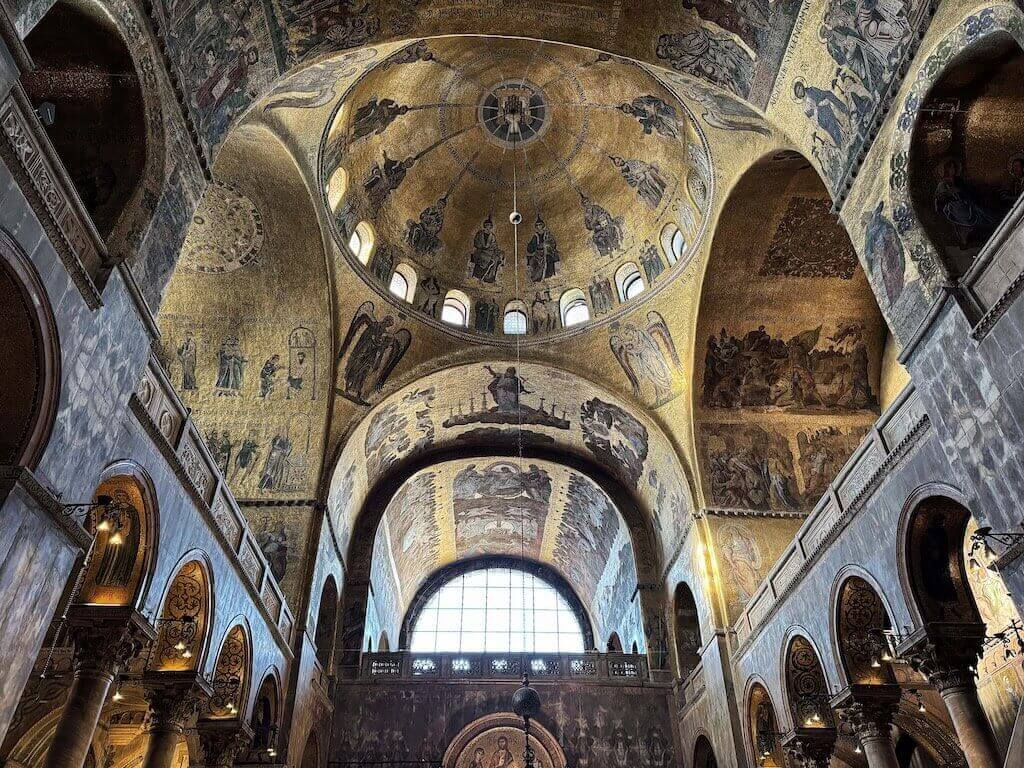
Another rumor is that Napoleon became smitten by St. Mark’s Basilica, declaring it “the drawing room of Europe.”
As one of the most popular Venice attractions, St. Mark’s Basilica gets very crowded. Ty to go early in the morning for fewer crowds. You can also book a tour with a skip-the-line feature, like this St Mark’s Basilica Guided Tour. It’s an excellent guided tour with the option to add on a visit to the museum, the terrace, and Pala d’Oro (which I highly recommend).
You should also look into other tours that include visits to other attractions in St. Mark’s Square. For example, this Doge’s Palace & St. Mark’s Basilica with Terrace Access Tour is the perfect combination. The tour also includes terrace access, which, in my opinion, is one of the best aspects of visiting St. Mark’s Basilica.
Finally, if you’re worried about the crowds, you can opt for an after-hours tour of the Basilica. This is hands-down the best way to experience the beauty of St. Mark’s Basilica without all the daytime tourists. I recommend this St. Mark’s Basilica After Hours tour. The exclusive experience lasts only 1.5-2 hours and includes a tour of St. Mark’s Basilica and the crypts below.
Don’t forget to read my Guide To Visiting St. Mark’s Basilica for more detailed information.
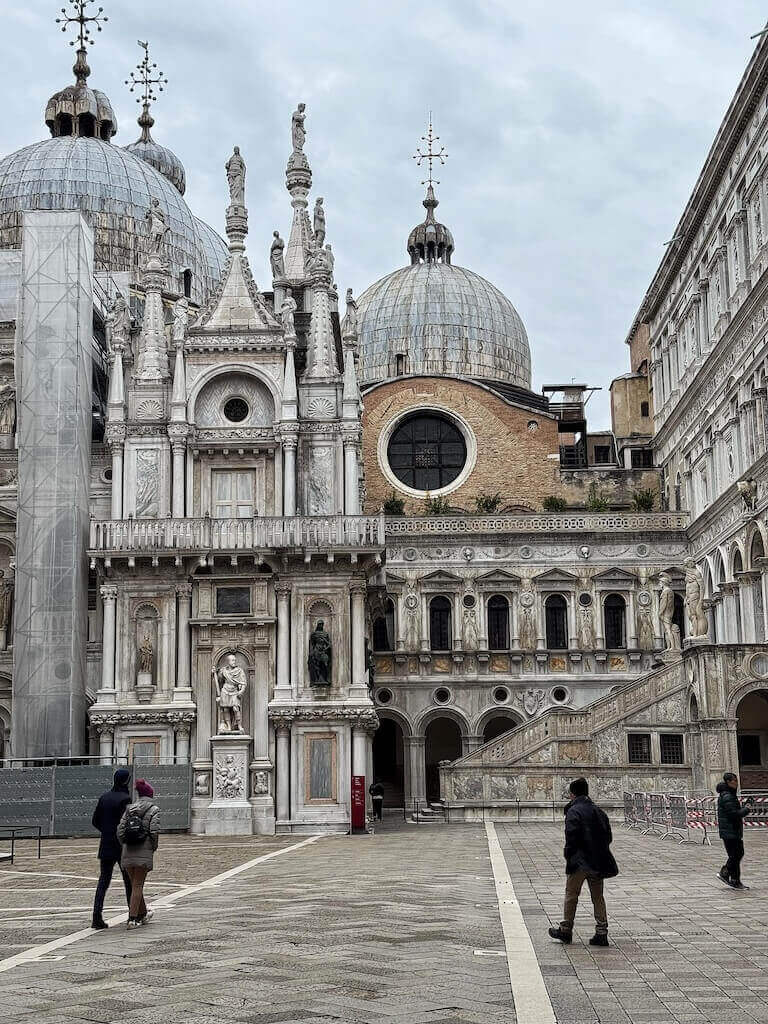
Doge’s Palace
Doge’s Palace, or Palazzo Ducale, is the second-most popular attraction in St. Mark’s Square, and for a good reason. It’s one of the most fascinating museums in Italy, and its history is complex.
Palazzo Ducale was originally a fort built in the 11th and 12th centuries. It was then converted into a palace and the home of the Doge, a supreme leader who ruled over Venice and was elected by the nobles.
Nowadays, Doge’s Palace is a museum where you can learn more about Venice’s unique history. This is where most of Venice’s most important affairs were discussed and decided. Don’t forget that Venice was once one of the most powerful city-states in Europe.
Not only is it an essential piece of the Republic of Venice’s history, but it’s also an architectural marvel. The structure represents Venetian Gothic architecture, and the interior is nothing short of luxury and beauty, from gold ceilings to impressive artwork.
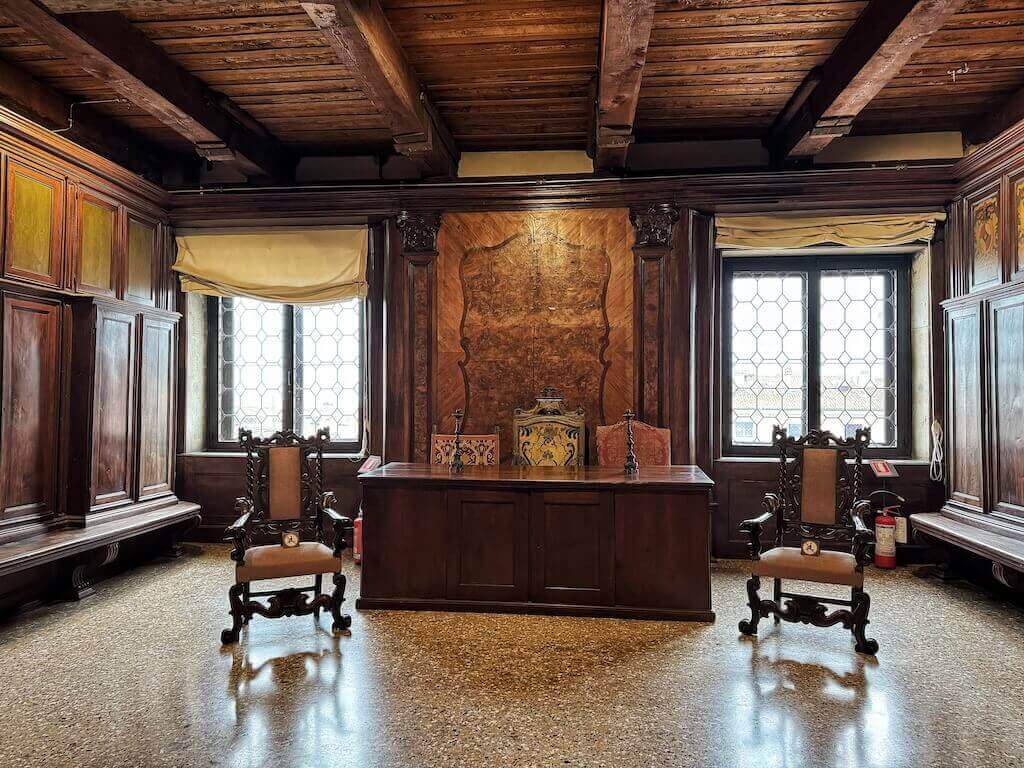
The stunning architecture across the country is actually one of the top reasons to visit Italy, and Doge’s Palace is a fine example of this.
If you were interested in the earlier after-hours tour for St. Mark’s Basilica, you could also take a longer tour of the Basilica and Doge’s Palace after-hours. I recommend this Exclusive Alone In St. Mark’s And Doge’s Palace Tour. It lasts just over three hours and includes a tour of the best attractions in St. Mark’s Square, including St. Mark’s Basilica, Doge’s Palace, St. Mark’s Clock Tower, the Bridge of Sighs, St. Mark’s Crypt, and so much more.
If you’d like a more traditional tour, I recommend this St. Mark’s Basilica & Doge’s Palace Tour. It’s one of the most in-depth tours of St. Mark’s Basilica and Doge’s Palace and is the best way to learn about the history and architecture here. It also includes exclusive balcony access, St. Mark’s Bell Tower, the Bridge of Sighs, and other sights in St. Mark’s Square.
I have a detailed post on How To Visit The Doge’s Palace In Venice that you may want to read before you go!
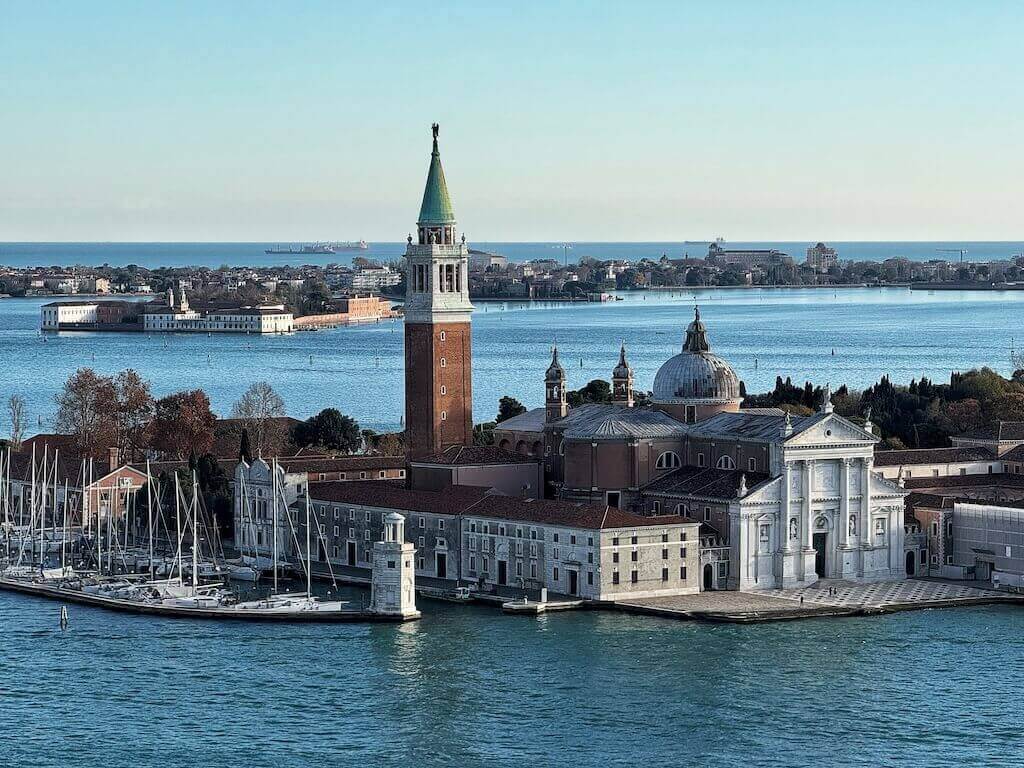
St. Mark’s Bell Tower – one of the greatest things to do in Venice
St. Mark’s Bell Tower, or the Campanile di San Marco, is also one of the most popular attractions in St. Mark’s Square. If you’re already visiting Basilica di San Marco and Palazzo Ducale, make sure to also climb up this bell tower for incredible views.
The tower stands at 98.6 meters (323.5 feet) and is actually the tallest landmark in Venice. It has excellent views beyond. Unsurprisingly, its original purpose was as a watchtower, monitoring the sea and the canals for surprise visitors.
Unfortunately, the bell tower you see today is not the original, but climbing is still a really fun experience and the views from above are impressive.
As with all popular tourist attractions in Venice, the lines can be long here. I recommend booking this Skip The Line Entrance for St. Mark’s Campanile, so you won’t have to deal with the longer lines.
My post The Best Viewpoints In Venice shares more places to visit for stunning views.
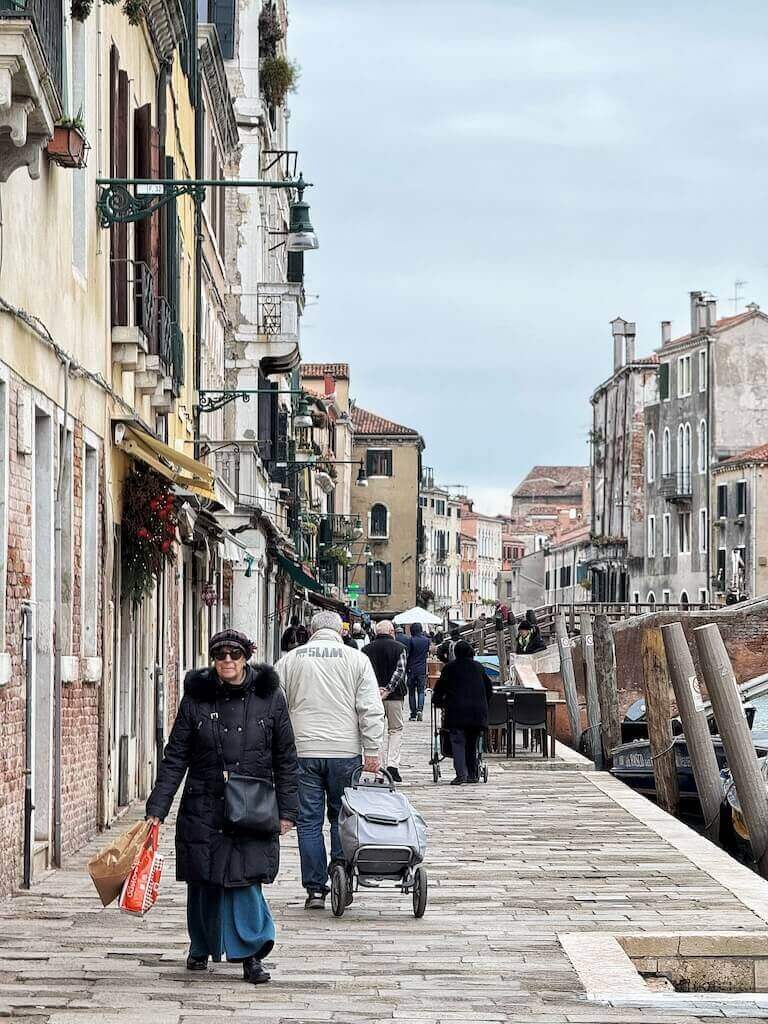
Jewish Quarter – one of the best places to visit in Venice
Once you’ve explored St. Mark’s Square, you’ll be ready to venture out to other neighborhoods and parts of Venice. And the Jewish Quarter, or the Jewish Ghetto, is definitely one of the best things to see in Venice.
Venice’s Jewish Quarter is actually considered the oldest Jewish Ghetto in the world. It’s actually where the term ghetto originated from (the word comes from ghèto, an iron foundry in the neighborhood).
The Jewish community here quickly grew after the ghetto’s formation, with Jews traveling from Spain, Portugal, Germany, and other parts of Italy. They built their own synagogues, restaurants, and shops.
You can visit the Jewish Museum, walk the streets of the quintessential neighborhood, and visit the synagogues. And it’s actually much less touristy than other parts of Venice, so it’s a nice break from the long lines and other popular outdoor attractions in Venice.
If you’re interested in learning more about the history of the Jewish Quarter, I recommend this Jewish Ghetto Walking Tour and Synagogue Tour. It includes a short walkthrough of the Jewish Ghetto (which isn’t very big, anyway) and the option to visit and learn more about the synagogue. Otherwise, you can just get tickets to the Jewish Museum and learn more about the history there.
Want to get even more off the beaten path? Then make sure to read my post The Best Hidden Gems In Venice for more places in Venice without the tourist crowds.
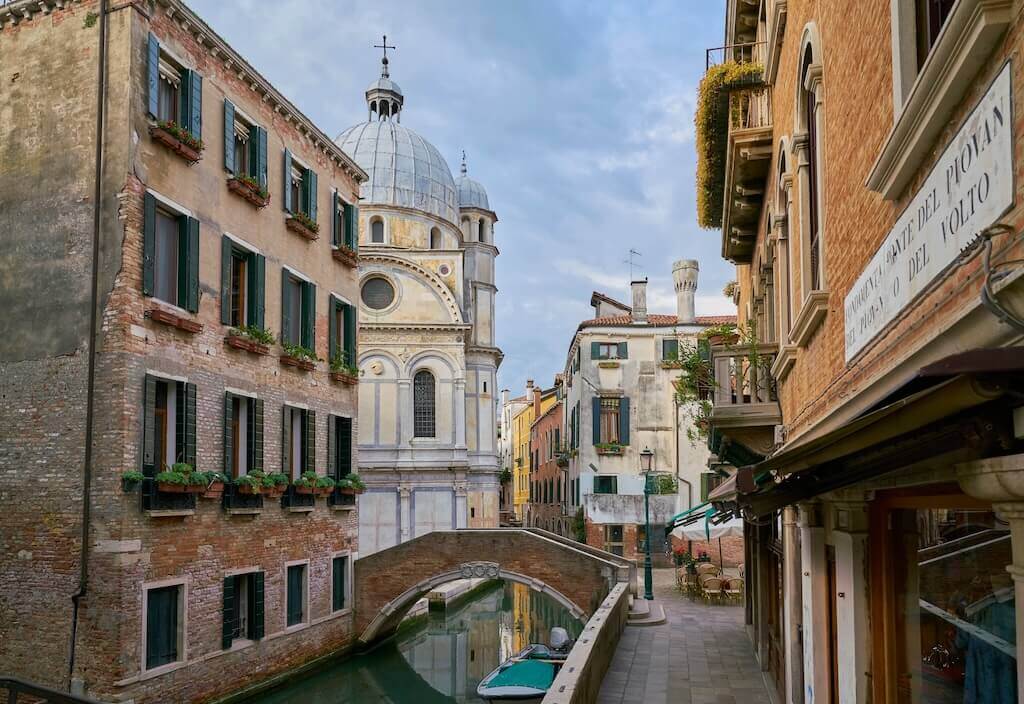
Chiesa di Santa Maria dei Miracoli
The Jewish Ghetto is located in the neighborhood of Cannaregio, where you’ll also find the Chiesa di Santa Maria dei Miracoli or the Church of the Saint Mary of Miracles.
The Church of the Saint Mary of Miracles was initially built to hold the painting Virgin and Child, which was said to bless miracles.
One famous (and gruesome) miracle happened around 1480 when Francesco Bendi tried to stab his sister-in-law to death. It’s said that the sister-in-law looked in the direction of the painting as if to ask for help and got a sudden spurt of energy to call for help. When villagers ran to the rescue, they found the sister-in-law, who had all her injuries healed.
The painting became so famous that the town ordered a small chapel to be built to house it. The chapel has since expanded, and now we have the Chiesa di Santa Maria dei Miracoli.
In addition to visiting the church, you should also explore Cannaregio more. It’s a really nice neighborhood with shops, restaurants, and quintessential Italian alleyways galore.

Basilica di Santa Maria Gloriosa dei Frari
The Basilica di Santa Maria Glorioso dei Frari is the largest and one of the most beautiful churches in Venice. Inside the church, there are several famous pieces of artwork, including Giovanni Bellini’s Madonna and Child with Saints and Titian’s Madonna di Ca’ Pesaro and Assumption.
One of the best things about visiting Frari, however, is the neighborhood it’s in. Frari is in the lovely neighborhood of San Polo, one of six areas (sestiere) in Venice. The mellow neighborhood has lots of places to grab a drink, a meal, or even some souvenirs.
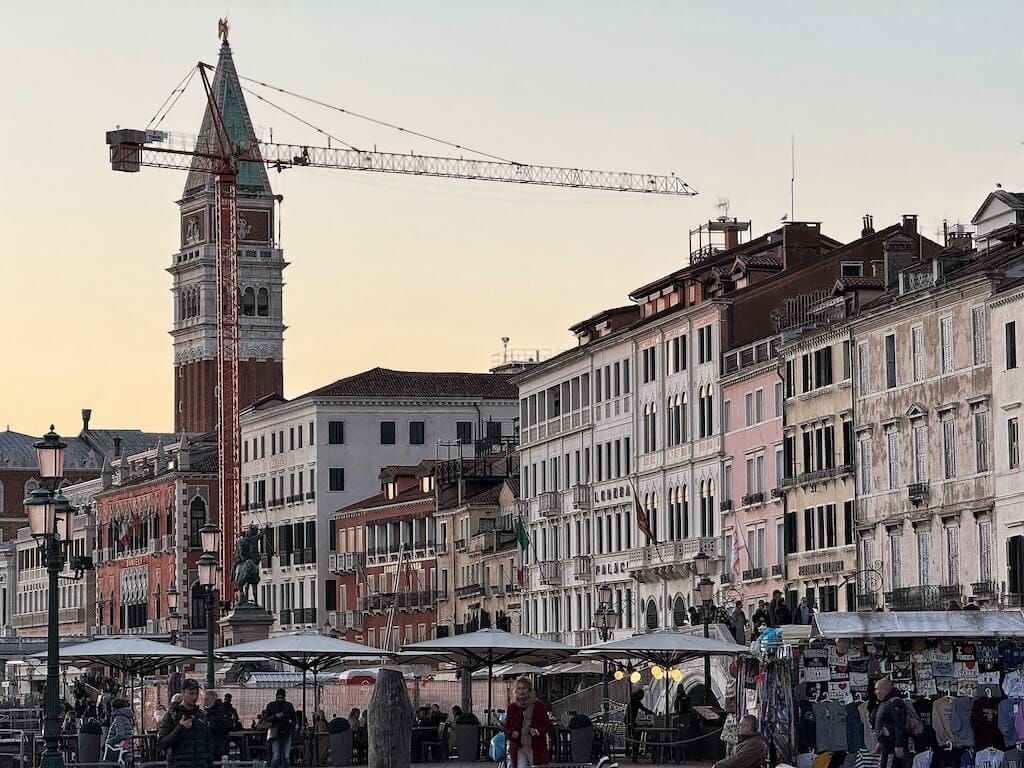
Riva degli Schiavoni – one of the top things to do in Venice
Riva degli Schiavoni is one of Italy’s best walking promenades. It connects two of Venice’s most popular attractions: Piazza San Marco and the Arsenale. If you’re visiting Piazza San Marco, where St. Mark’s Basilica is, you should definitely take a stroll along this waterfront walkway to the Arsenale.
The Arsenale, or Arsenale di Venezia, is a cluster of old shipyards and armories from which most of Italy’s naval power came (and is another of the best outdoor activities in Venice).
Riva degli Schiavoni is a really fun walkway, though. It’s lined with eateries, shops, and vendors (although, try to avoid purchasing from illegal vendors as you could be subject to a fine, too). You can also stop at the Church of Santa Maria Pietà.
Worried about scams in Italy? My post The Worst Scams In Italy helps you identify them and avoid them.

Rialto Market
Rialto Market is the busiest market in Venice, offering a little bit of everything. The first mention of it in literature goes back to 1067, and it’s been an integral part of the Venetian economy for decades.
The market sells both retail and wholesale goods, making it a great place to shop for fresh produce or even buy souvenirs. In the tourist section, you can find everything from fresh fruits and produce to dried fruits, meat, fish, spices, and tons of trinkets.
The market is rather big and overwhelming if you don’t know where to start. You can always take a walking tour or a food tour in Venice that includes a walkthrough of the market to explore with a local.
If you’d like to visit the market with a local, I recommend this Food Tour with Rialto Market Visit. The tour includes eight tastings across seven locally owned secret spots in the Rialto and San Polo neighborhoods. You’ll cross the Rialto Bridge, walk through Rialto Market with your guide, and even go on a gondola ride on the Grand Canal.
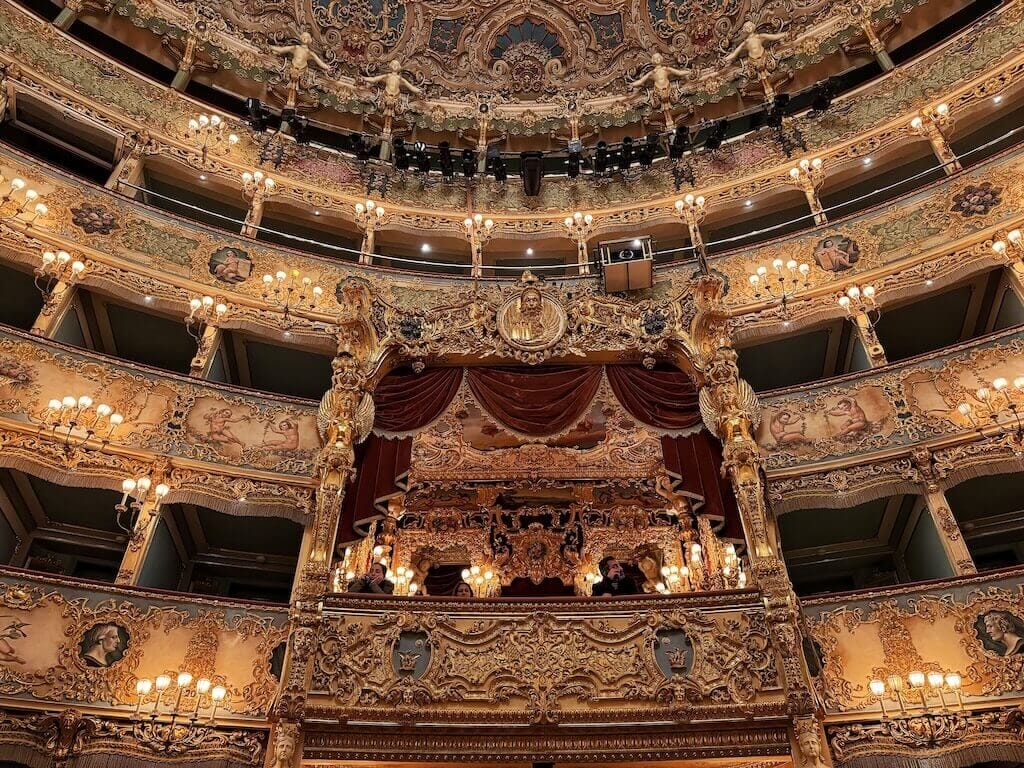
Teatro La Fenice
Teatro La Fenice is one of the most famous and inspirational theaters in Italy (and possibly all of Europe, in my opinion). The name La Fenice translates to The Phoenix in English and represents its history.
The theater has actually burned down three times in three different fires. Each time, it was revived, just like a Phoenix. The name Teatro La Fenice shows how the theater company can rise from the ashes.
Not only does the theater have a fascinating history, but it’s also beautiful beyond belief. The golden interior with red velvet carpets creates a lush and extravagant atmosphere (the emperor’s box is definitely the most beautiful spot in Teatro La Fenice).
Teatro La Fenice still hosts events and shows. They are very exclusive and high-end (you must follow a strict dress code), but definitely worth it. The theater experience here is incredible, and the shows are always amazing. You must purchase tickets well in advance on the Teatro La Fenice official website.
If you can’t catch a show, you can tour the theater during non-performance hours. They have regular guided tours, which are the second-best way to experience the theatre.
If you’re interested in touring the theater, I recommend this La Fenice Opera House: Skip the Line + Audio Guide. You can download the audio guide right onto your phone and explore the theater at your own pace. The skip-the-line access is another bonus because, as we all know, tourist attractions in Italy can get very busy.
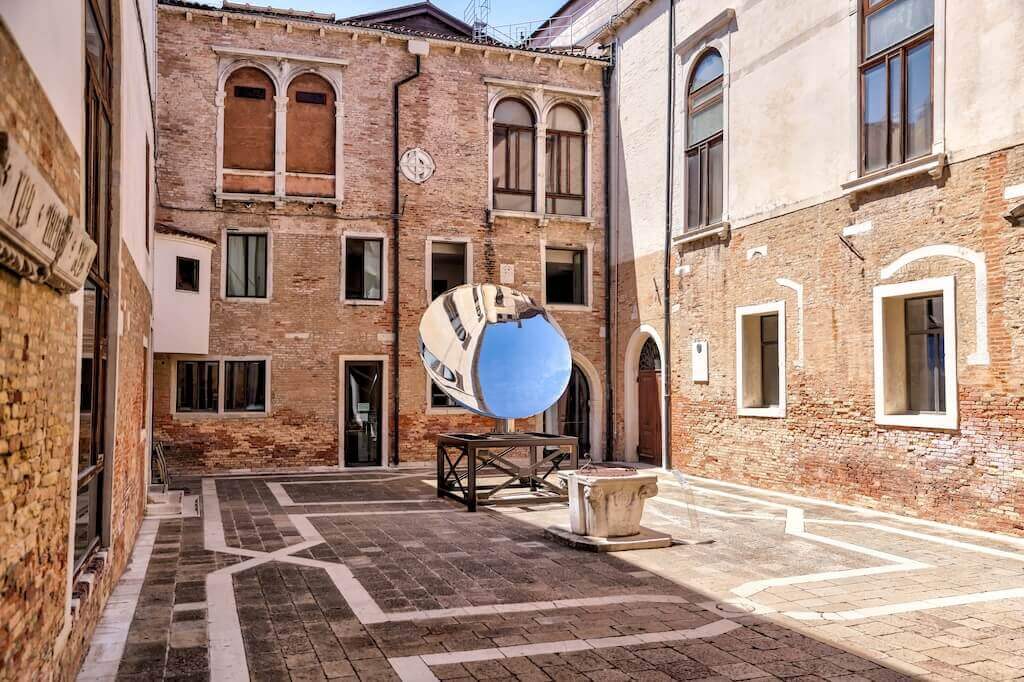
Galleria dell’Accademia di Venezia
The Galleria dell’Accademia di Venezia is one of the best art galleries in Venice and should not be confused with Galleria dell’Accademia di Firenze, which houses Michelangelo’s David and is one of the best places to visit in Florence.
Despite being the lesser-known of the Accademia Galleries in Italy, the Galleria dell’Accademia in Venice is a real gem with some incredible artwork. There are over 800 paintings here, including works from Da Vinci, Bellini, Tiziano, Canaletto, Veronese, and more.
Giovanni Bellini’s Sacra Conversazione (Holy Conversation) is one of the most recognizable pieces in the art gallery. The painting has inspired artists throughout the years for its display of light reflecting and falling over the faces of the three women.
There are some other very interesting collections, including the Destruction of the Temple of Jerusalem, Rinaldo and Armida, and Aristides.
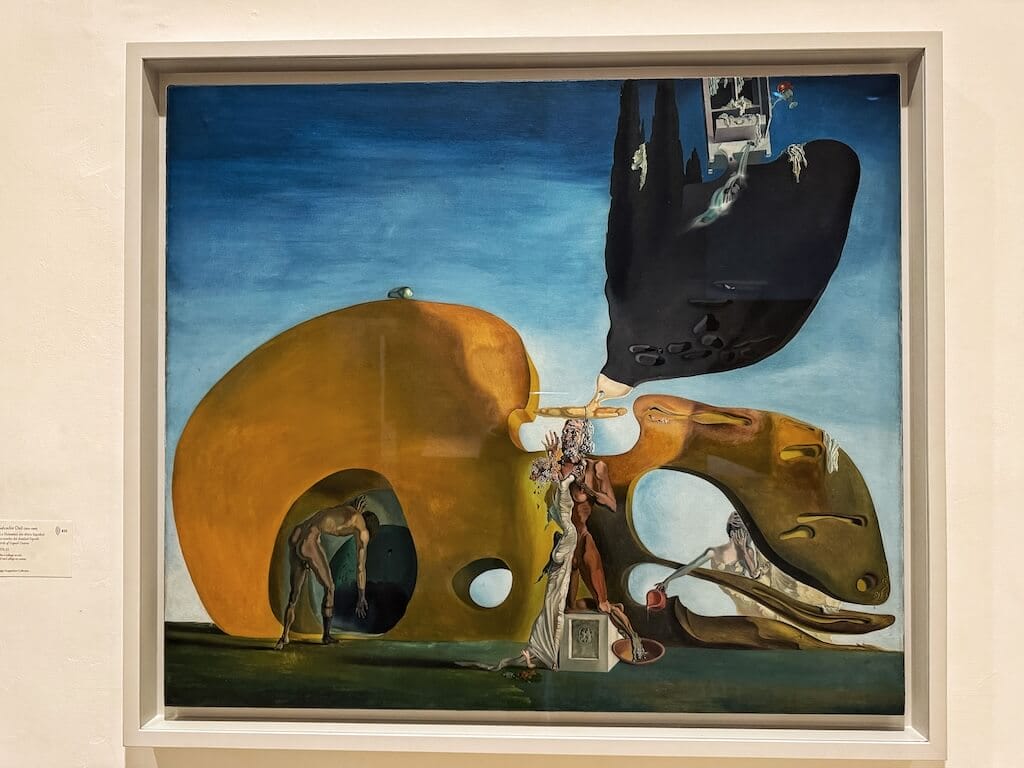
Peggy Guggenheim Collection
If you’re interested in art, the Peggy Guggenheim Collection is another must-see in Venice. This modern art museum is actually just a short walk from Galleria dell’Accademia di Venezia, in the Dorsoduro neighborhood, so it’s easy to visit both in one day.
Peggy Guggenheim was born in New York City and moved to Europe in 1921. She spent years in Europe, living in Paris and London and immersing herself in contemporary art. With time, she made art her life and quickly began collecting it. Later on, she settled in Venice, Italy, in 1947 and exhibited her art collection at the 1948 Venice Biennale.
Now, you can visit her impressive art collection at Peggy Guggenheim Art Museum and see the history of contemporary art through some monumental years all over Europe.
Peggy once said, “I dedicated myself to my collection. A collection means hard work. It was what I wanted to do and I made it my life’s work. I am not an art collector. I am a museum.” And she definitely succeeded.
While you’re visiting the Peggy Guggenheim Collection and Galleria Accademia, you should also take some time to explore the Dorsoduro area. It’s much quieter than other parts of Venice.
Despite being in a quieter part of the city, this art museum can get pretty crowded. I recommend getting this Peggy Guggenheim Collection: Fast Track Ticket so you don’t have to wait in long lines and can skip right to the good stuff.
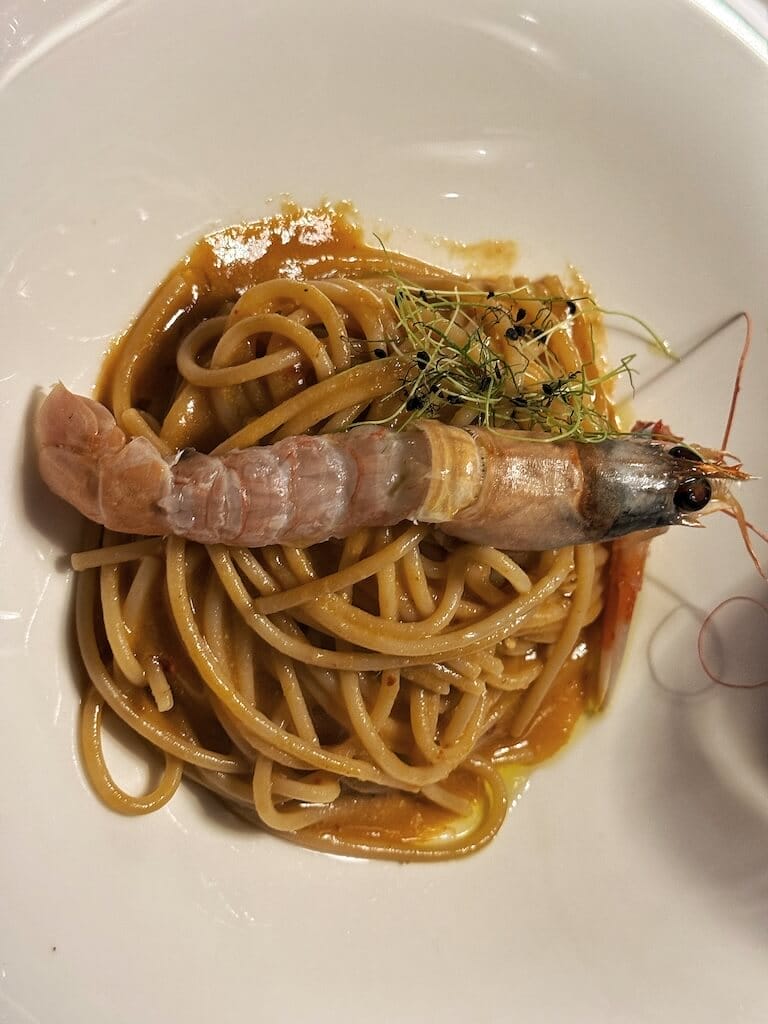
Venetian Cuisine
Italy is constantly ranked as one of the best national cuisines in the world, and Venice has its own delicious specialties, restaurants, and bars. Make sure to enjoy local food and everything else Italian cuisine has to offer.
Most regional specialties in Venice consist of fish and seafood (which should be no surprise as Venice is entirely on the water). For something small, I recommend sampling some cicchetti – comparable to appetizers.
Some cicchetti you might find include fried seafood snacks, fried and marinated sardines (sarde in saor), meatballs made from codfish (polpette), and a small fried sandwich made with anchovies and mozzarella (mozzarella in carrozza).

Another Venetian specialty you must try is the tramezzini. It’s a sandwich made with extra-soft bread and stuffed with tons of fresh ingredients (the type of fillings varies across vendors). What’s unique about it is its shape. The ends of the sandwich are usually pushed together, giving it a moon-like shape.
One of the best ways to learn more about regional cuisine is to join a food tour. I recommend this Venice at Sunset: Cicchetti, Food & Wine Tour. You’ll enjoy seven food tastings, four drinks, and gelato at four locally owned secret gems. It’s a great way to try an extensive sampling of Venetian cicchetti and learn a lot more about the regional cuisine.
If you’re interested in Italian dishes, read my post, Must-Try Traditional Italian Food By Region. The post discusses the different foods all over Italy and is a great beginner’s guide to Italian food. You should also read my post on Tipping in Italy to be prepared for dining out.

Nearby Islands
If you’re running out of things to do in Venice or want more outdoor activities, you can always take a day trip to one of the many nearby islands – some are among the most famous islands in Italy. There are plenty of choices, so the islands around Venice can actually keep you busy for days.
Here are some of the top island day trips from Venice and the main attractions on the islands:
Murano: This island (or series of islands connected by lagoons) is well-known for its glass-blowing factories and the best place to buy glass souvenirs to bring home. It’s also a beautiful set of islands with colorful buildings.
Burano: This island is a bit further away, but still very easy to get to. It’s quiet and peaceful compared to Venice, and the canals are lined with picture-perfect, colorful buildings.
Torcello: Close to Burano but one of the farthest islands from Venice, Torcello only counts 7 permanent residents. It was an agricultural island and it’s home to a gorgeous basilica and a bell tower that affords stunning views of the Venetial lagoon.
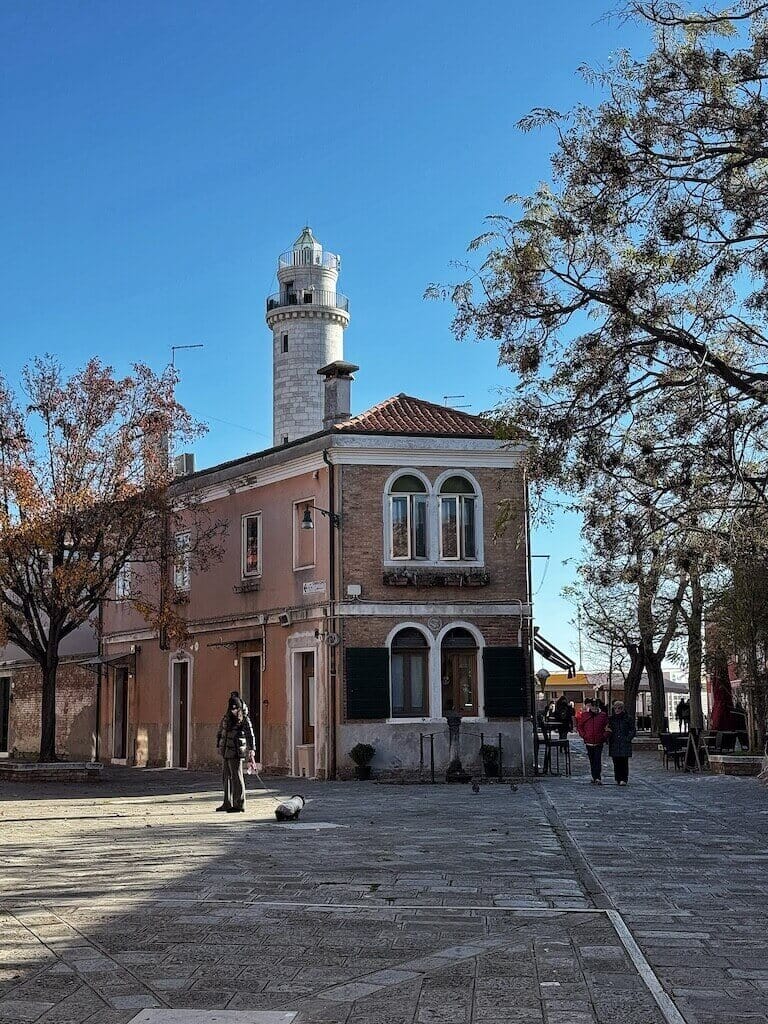
San Michele: This is actually a sacred place rather than a tourist attraction, and it’s one of the best kept secrets of Italy. The island became a cemetery in 1837 and is the best island to visit for more Venetian history.
Lido di Venezia: This is a very popular Venetian island and one of the few with great swimming spots in the summertime. It’s also where the Venice International Film Festival takes place each year.
San Giorgio Maggiore: This is the iconic island you see from St. Mark’s Square, though there are very few tourists on the island. You can visit St. George’s Church on the island and climb the bell tower for views of Venice.
Most of the islands are easily accessible from Venice’s historic center. There are ferry boats going to the islands regularly throughout the day. You can also join a guided tour of various islands.
If you’re interested in a guided tour of several of the best Venetian islands, I recommend this Boat Trip: Glimpse of Murano, Torcello & Burano Islands. The guided boat tour includes free time on all three islands and a 30-minute glass-blowing lesson at one of the most popular factories on Murano Island.
If you want the best weather to visit the islands, read my travel guide, When Is The Best Time To Visit Italy? The guide talks about the different regions of Italy, weather, and festivities.
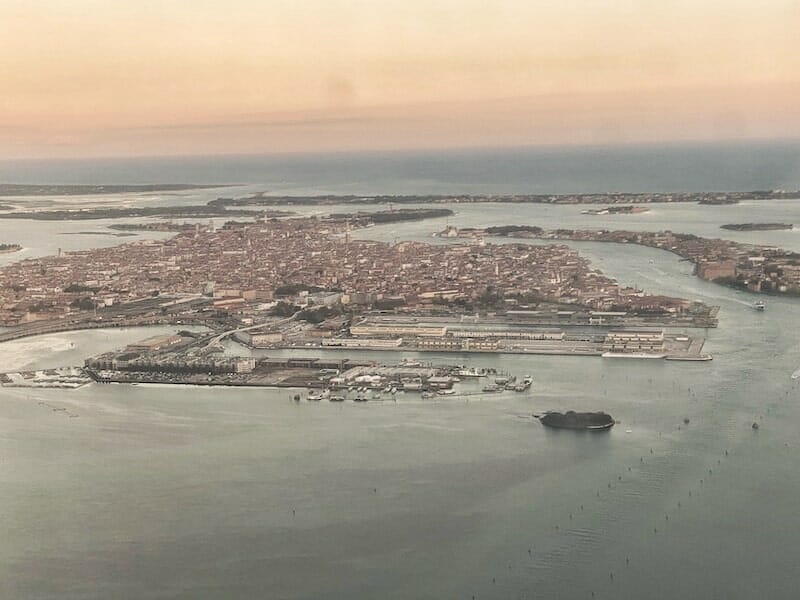
Conclusions On The Best Things To Do In Venice
There are so many things to see and do in Venice. You could spend weeks here and not get bored – I have actually written a guide on How Many Days In Venice You Should Spend.
The hardest part is fitting so many fascinating attractions into a single itinerary – but one of my best tips for Italy is to try and don’t fit too much in your itinerary.
Whether you’re looking for fun outdoor attractions in Venice, like riding along the famous Canal Grande, day-tripping to one (or more) of the islands, or more cultural and religious activities, like visiting one of the many churches across the city, you won’t be bored.
Hopefully, this travel guide has helped you decide what to do in Venice and has made your Italy trip planning less stressful.
PIN IT!

Claudia Tavani
Claudia Tavani was born and raised in Sardinia, and after moving between the United States and the United Kingdom, she's now back living in her hometown, Cagliari. She's a travel blogger and certified travel designer who loves planning trips and publishing guides, travel tips, and packing lists so that you don't have to. Owner of Strictly Italy, cat mom to Minnie. Loves pizza, hiking, archeology, cities, beaches, swimming, and running. Hates peppers.