

Truthfully, the best time to visit Rome is whenever you can make your travel plans work.
Most people don’t have the luxury of cherry-picking the exact weeks and days they can go on an international trip, so if you can come to Italy in August, do it. If you can only make January work, you’ll love it just as much (especially if it’s your first time).
That said, some people are lucky enough to pick exact dates to travel to Italy. In that case, I recommend the shoulder seasons (Spring or Fall) because the weather is still lovely, and there are usually smaller crowds than in summer.
I lived in Rome for a while and have traveled to Rome many times during all the months of the year. If you’d like to know more about the best time to go to Rome, you’re in the right place. I’ll share everything you need to know about the seasons, weather, and events throughout the year to help you plan your next trip to Italy.
Visiting Rome soon? Don’t forget to read my post The Best Things To Do In Rome to select all the best activities, then head over to my other post What To Know Before Visiting Rome for the best travel tips.
If you can’t decide how long to devote to the Eternal City, then my post How Long Should You Stay In Rome? will definitely be helpful.
Best Time To Go To Rome: Quick Answer
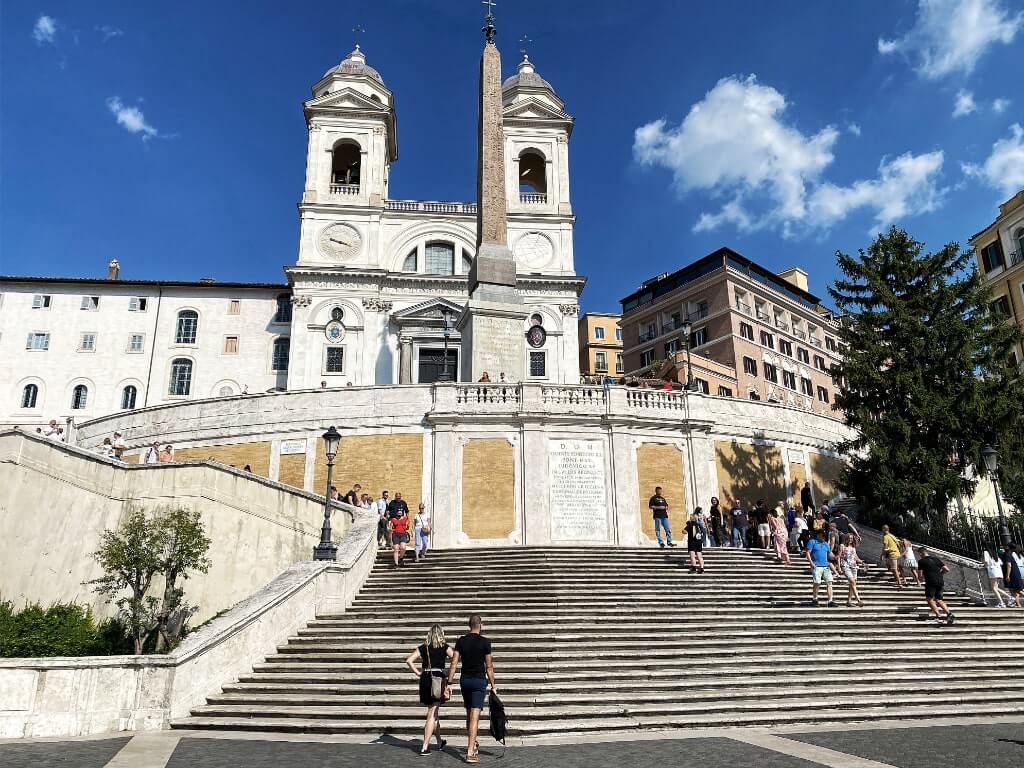
The best time to visit Rome is spring (March to May) or fall (October and November). These months usually have comfortable weather, smaller crowds than summer, and longer days (well, except for November), making exploring everything the city offers easier.
Spring’s mild temperatures make it a great time to stroll through Rome’s neighborhoods and enjoy outdoor dining. Fall is similar, with cooler evenings and fewer tourists than the busier summer months.
If budget is a priority, winter is the way to go. It’s quieter and more affordable, though you might need to pack an umbrella for the occasional rain. On the other hand, summer is best for those who enjoy a busy atmosphere and don’t mind the heat. For most travelers, though, spring and fall strike the right balance.
However, there are many different factors to consider. So, we’ll explore the seasons to help you decide the best time to visit Rome Italy.

Seasonal Breakdown Of Rome
When planning a trip to Rome, understanding the city’s weather month by month can make all the difference. Rome experiences four distinct seasons, each offering travelers a unique vibe and experience.
The chart below provides an overview of the average temperatures and rainfall throughout the year, helping you choose the season that best suits your plans.
You can also check Climates to Travel for a more detailed breakdown of the weather in Rome while deciding the best time to visit Rome for you.
| Month | Average High (C°/F°) | Average Low (C°/F°) | Average Rainfall (mm) |
| January | 12°C / 54°F | 3°C / 37°F | 70 |
| February | 13°C / 55°F | 3°C / 37°F | 70 |
| March | 15°C / 59°F | 5°C / 41°F | 55 |
| April | 18°C / 64°F | 8°C / 46°F | 80 |
| May | 23°C / 73°F | 12°C / 54°F | 60 |
| June | 28°C / 82°F | 16°C / 61°F | 30 |
| July | 31°C / 88°F | 19°C / 66°F | 20 |
| August | 31°C / 88°F | 19°C / 66°F | 30 |
| September | 27°C / 81°F | 16°C / 61°F | 65 |
| October | 22°C / 72°F | 12°C / 54°F | 100 |
| November | 16°C / 61°F | 8°C / 46°F | 115 |
| December | 12°C / 54°F | 5°C / 41°F | 100 |
As you can see, spring and fall bring comfortable temperatures and less extreme weather, making them popular choices for visitors.
Summer can be very hot, especially in July and August, while winter is cooler with occasional rain but much milder than other parts of Europe. Let’s take a closer look at what each season has to offer.
Spring (March to May)
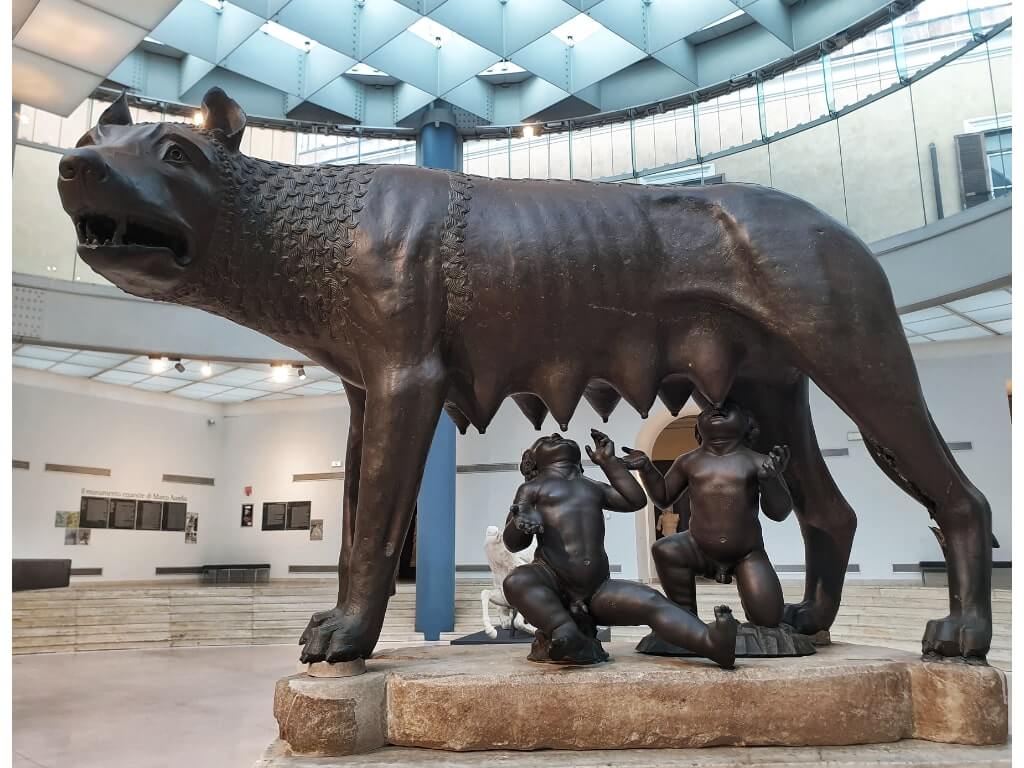
Spring in Rome is one of the most enjoyable times to visit. The weather is mild, with temperatures ranging from 15–23°C (59–73°F), and the days getting longer.
It’s the perfect time to explore outdoor attractions like the Colosseum, Roman Forum, or Villa Borghese Gardens without worrying about the summer heat. By May, flowers bloom throughout the city, adding to its charm. It’s a great time to visit the Botanical Gardens or Rome’s Rose Garden.
Keep in mind that spring can get busy due to Easter celebrations and the Holy Week (you can double check when Easter is, because it changes every year). If you’re visiting during this time, book your accommodations and tickets to attractions in advance to avoid disappointment.

Summer (June to September)
Summer in Rome is hot—there’s no way around it. With temperatures often hitting 30–35°C (86–95°F) in July and August, sightseeing in Rome during the peak of the day can feel exhausting.
It’s also the busiest time of year, with tourists flocking to major landmarks. Popular spots like the Vatican Museums and Trevi Fountain will be crowded, and you’ll need to plan to skip the long lines.
If you visit in summer, take advantage of the city’s shaded parks and piazzas to cool off, and don’t forget to refill your water bottle at Rome’s iconic drinking fountains, the “nasoni” (yes, tap water is safe to drink in Italy).
August, in particular, can be tricky—many locals leave the city for their vacations, meaning some businesses and restaurants may be closed. But you may enjoy the hotter days yourself if you went on a day trip from Rome to a nearby beach town.
Fall (October and November)
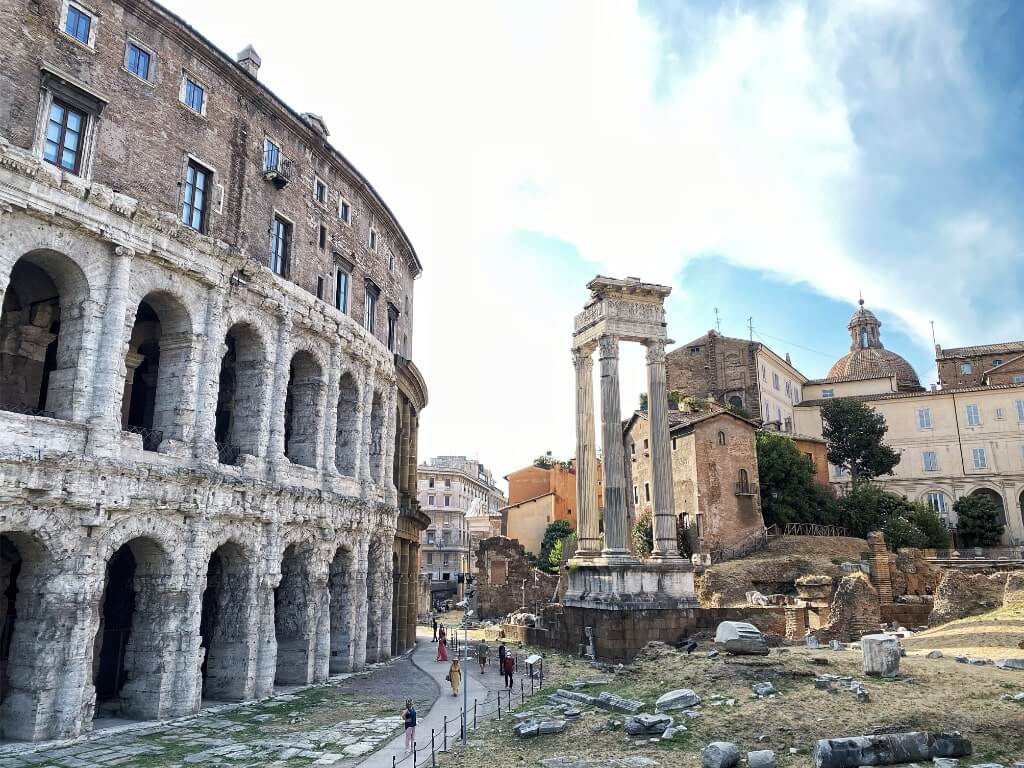
Fall in Rome is a fantastic time to visit, as the summer crowds start to thin and the weather begins to cool. Temperatures drop to a comfortable 22°C (72°F) during the day in October. The city looks stunning in autumn, with its tree-lined riverfront taking on warm hues and markets full of seasonal produce.
Thanks to softer lighting and fewer crowds around landmarks, October and November are also great for photography. However, rain becomes more common in late fall, so pack a light jacket or umbrella just in case.
Fall is an excellent choice for travelers seeking a quieter, more relaxed experience.

Winter (December to February)
Winter in Rome may not offer the postcard-perfect weather of other seasons, but it has its appeal. Temperatures rarely drop below 3°C (37°F), even at night, and you’ll often enjoy sunny days despite the chill in the air. December is particularly festive, with Christmas markets, lights, and decorations creating a cozy atmosphere throughout the city.
The winter months are also ideal for budget travelers. Flights and accommodations are often cheaper, and popular attractions like the Vatican Museums or the Colosseum have fewer visitors.
Just keep in mind that some museums and landmarks may have shorter hours, and the days are shorter, too, so plan your itinerary accordingly.

Rome Travel Seasons And Insider Tips
Peak season (May to September)
Rome’s peak season runs from late spring through summer, drawing large crowds and higher prices for flights and accommodations.
During this time, attractions like the Colosseum, Vatican Museums, and St. Peter’s Basilica are bustling with tourists, and lines can get very long. The summer months, especially July and August, also bring intense heat, making sightseeing a bit challenging during the middle of the day.
If you’re visiting in peak season, start your day early to avoid the hottest hours and the largest crowds. Bring essentials like sunscreen, a hat, and a refillable water bottle—there are plenty of drinking fountains around the city.
For a break from the heat, spend some time in one of Rome’s many parks, sit down with a coffee and take a break, or cool off with a gelato from a local gelateria.
Keep in mind that August, in particular, is when many locals leave the city for their vacations, so some businesses may be closed. However, it might also be a good time to explore some of Rome’s hidden gems.
My post The Best Hidden Gems In Rome shares tips on visiting the best kept secret places in Rome.
Shoulder seasons (March to April, October to November)
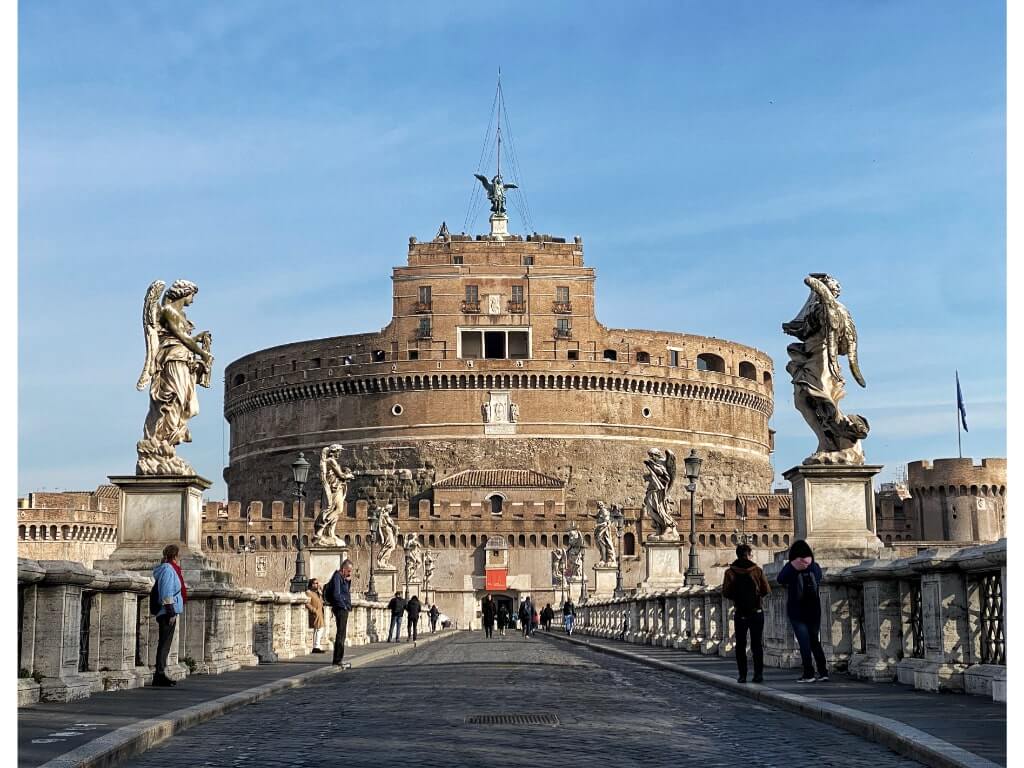
I think one of the shoulder seasons is the best time to visit Rome (and honestly, the best time to visit Italy, in general). The mild weather, with warm days and cooler evenings, makes it ideal for exploring the city without overheating.
Spring is especially lovely, with longer days and blooming flowers, while fall offers beautiful autumn scenery and a quieter atmosphere than summer.
March and April, and October and November still draw tourists, so it’s wise to book accommodations and tickets to major attractions ahead of time.
The days are long enough for sightseeing, and most landmarks operate extended hours from April through October. Just be prepared for occasional rain in the fall—October tends to be wetter than the spring months.

Low season (late November to February, minus Christmas)
The low season in Rome, from late November through February (excluding the two weeks around Christmas), is an excellent option for budget-conscious travelers or those looking to avoid crowds. The city is much quieter, with cooler temperatures and shorter days, allowing for a more relaxed experience at iconic landmarks.
Winter also brings some great perks. Flight and hotel prices are lower, and January and February are the best months for post-holiday sales in shops around the city. While you’ll still see tourists, it’s nowhere near the levels of the summer months.
Be sure to pack for chilly evenings and the possibility of rain, but don’t worry—sunny days are still common during Rome’s mild winters.
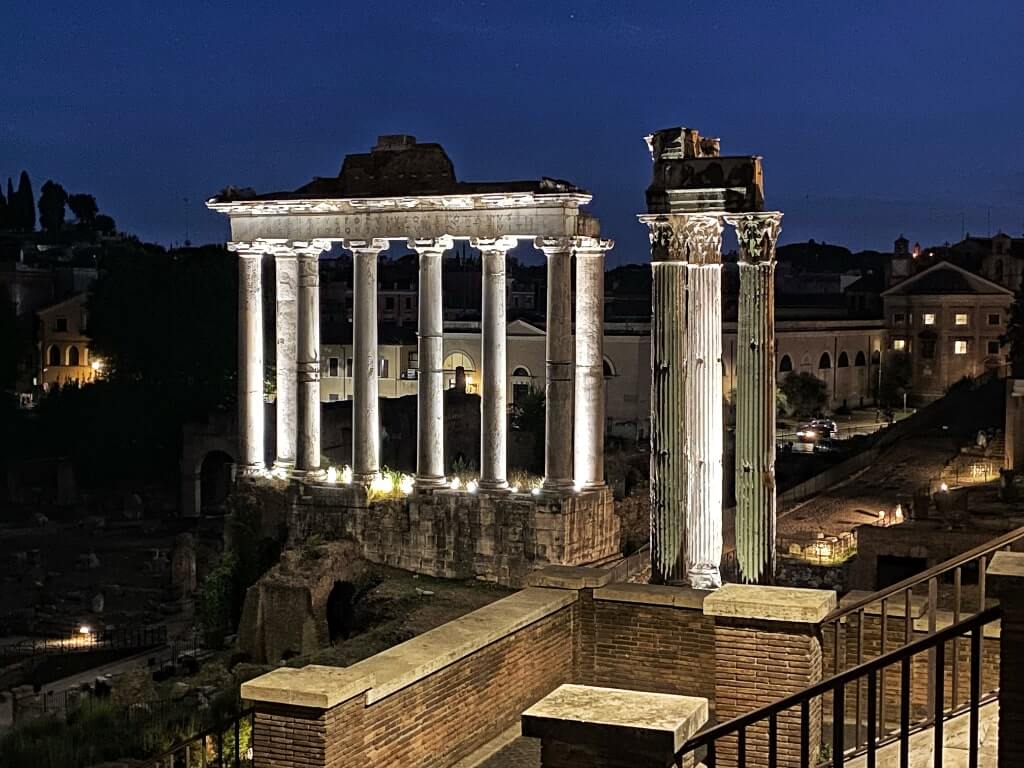
Events And Festivals In Rome Throughout The Year
Rome’s calendar is packed with events and festivals that bring the city’s history, culture, and traditions to life. Something always happens in the Eternal City, from religious celebrations to music festivals and cultural exhibitions.
The chart below highlights some of the most notable events throughout the year, so you can plan your trip around the ones that interest you most or just see what’s going on while traveling to Rome.
| Month | Event + Event Focus |
| January | 1. Befana/Epifania (6 Jan)—Culture/Christmas—loved by children |
| February | 1. Carnival—Culture/Carnival |
| March | 1. Maratona di Roma—Sport 2. Easter Week—Religion (can also be in April) 3. Commemoration of Caesar’s Death—Historical/Cultural |
| April | 1. Rome’s Birthday (21 April)—Historical 2. Easter Week—Religion (can also be in March) 3. Festa della Liberazione (25 April)—Historical (takes place across Italy) |
| May | 1. International Workers’ Day/Labour Day (1 May)—Culture/Human Rights (celebrated with a concert in Piazza S. Giovanni) 2. Italian Open Tennis Tournament—Sport |
| June | 1. Festa della Repubblica (2 June)—Historical (takes place across Italy) 2. Festa di San Giovanni (24 June)—Religion/Cultural 3. St. Peter and Paul (29 June)—Religion |
| July | 1. Rock in Roma (June, July and August)—Music |
| August | 1. Madonna della Neve (5 August)—Religion 2. Ferragosto (15 August) or Feast of the Assumption—Culture (celebrated across Italy) |
| September | 1. Sagra dell’Uva in Marino—Wine Festival |
| October | 1. International Film Festival—Culture |
| November | 1. All Saints (1 November)—Religion 2. Roma Jazz Festival—Music |
| December | 1. Christmas Markets—Shopping 2. Festa dell’Immacolata (8 December)—Religion 3. Santa Lucia (13 December)—Religion |
As you can see, Rome offers something for every season. If you’re interested in attending any of these festivals, be sure to check dates in advance, as some festivals and performances require tickets or have limited availability.
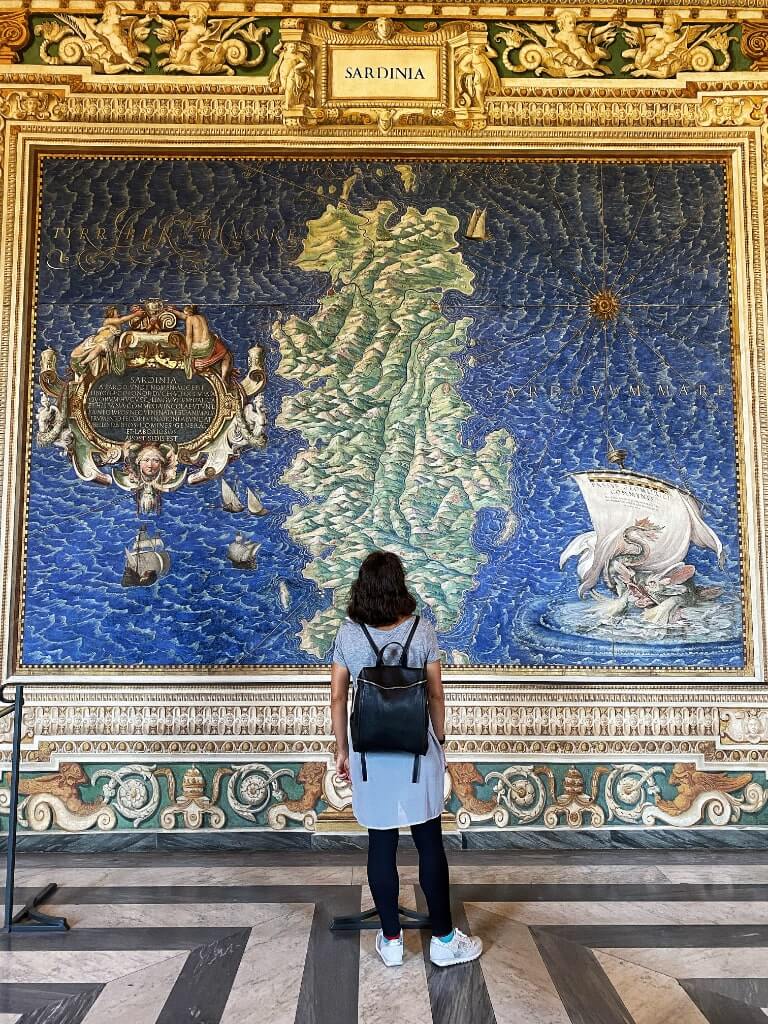
Tailoring Your Trip To Rome To Your Travel Preferences
Best time to visit Rome for sightseeing
If your main goal is to explore Rome’s landmarks, archaeological sites, and museums, the best times to visit are spring (late March to April) and fall (October to early November).
These months offer comfortable weather for walking and long daylight hours, so you can pack more into each day. From the Colosseum and Roman Forum to the Vatican Museums, you’ll have plenty of time to soak in the sights without rushing.
Travel Tip: many museums and archaeological sites observe summer hours from April to October, meaning extended opening times. Avoid weekends if you can, as popular spots tend to get busier, especially around holidays like Easter.

Best time to go to Rome to avoid the crowds
If you’re looking to enjoy Rome at a slower pace without bumping into large tour groups, winter (January and February) is your best bet.
These months are the quietest, with far fewer tourists than peak season. Attractions like the Vatican Museums and St. Peter’s Basilica feel much less crowded, allowing you to enjoy them without the rush.
To avoid even the small winter crowds, plan your visits to landmarks early in the day. If possible, avoid Valentine’s Day and weekends, as they tend to draw more visitors.
Travel Tip: the 2025 Jubilee in Italy started on December 24, 2024. Millions of pilgrims are expected to visit Rome (and other holy cities like Assisi) to experience spiritual renewal, visit the historic places and experience the many cultural wonders of the city. This means Rome will be even more crowded than usual. Book everything in advance!
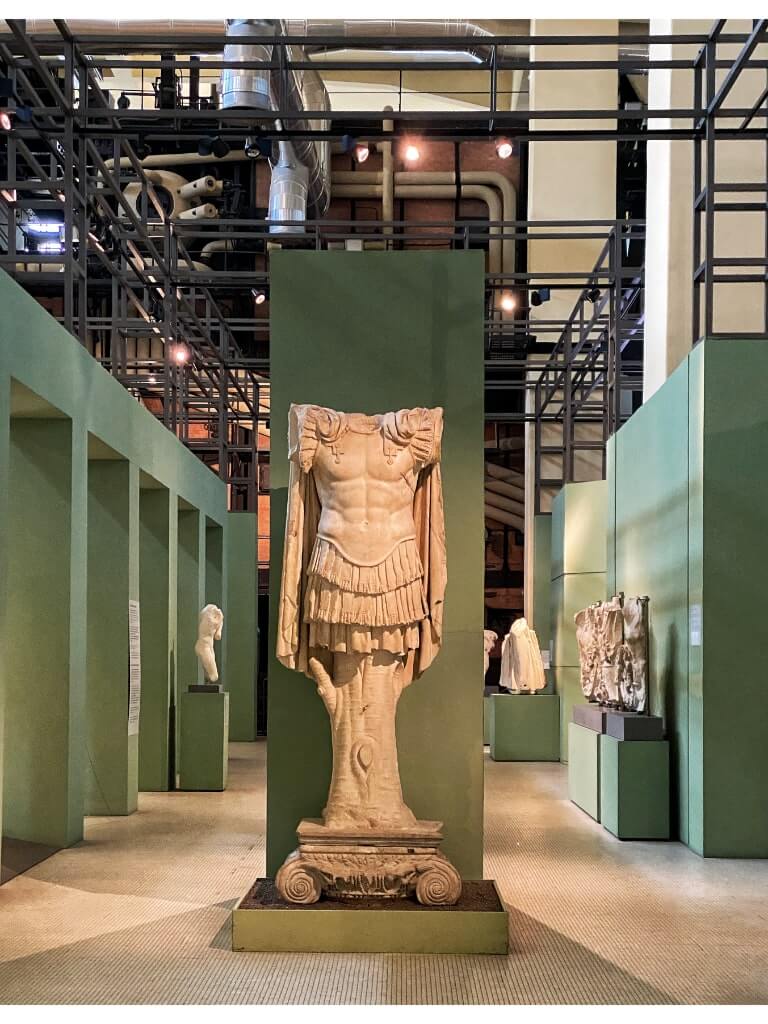
Best time of the year to visit Rome for events
Rome’s vibrant calendar of events means there’s always something happening. Spring is ideal for catching cultural and religious festivities like Easter Week or Rome’s Birthday (April 21), celebrated with parades and reenactments.
Summer brings outdoor concerts and festivals like Estate Romana, while December’s Christmas markets and decorations give the city a festive glow.
If you visit for specific events, check dates and book tickets in advance, as some celebrations attract large crowds or require reservations.
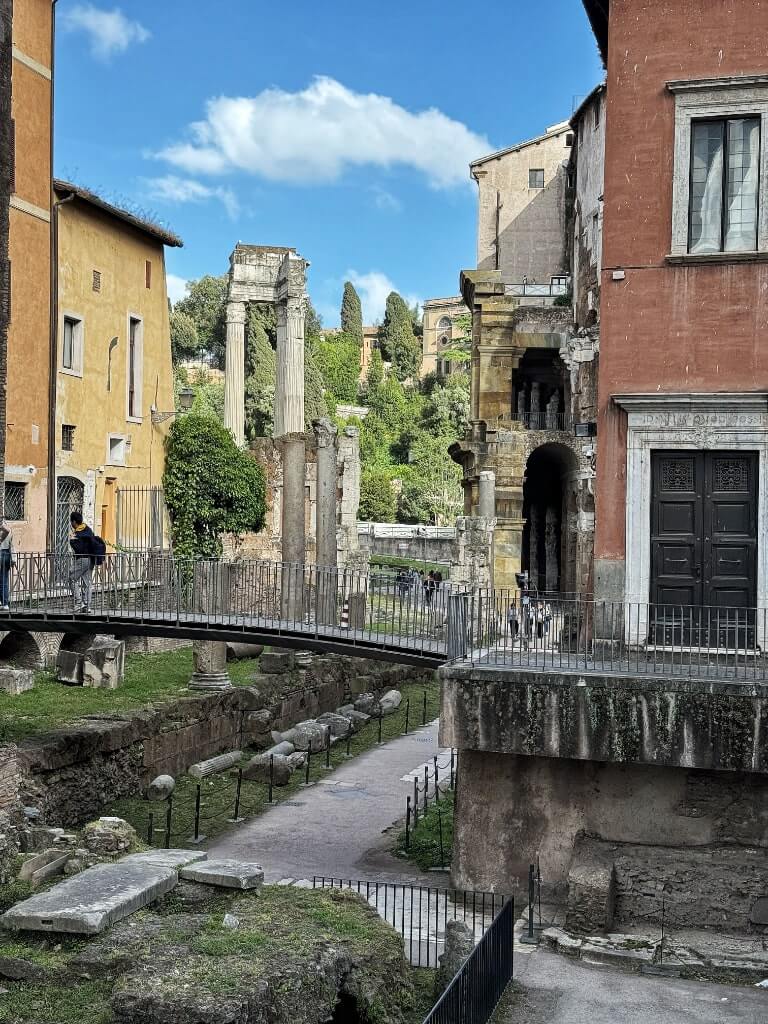
Best time to see Rome for budget travel
Winter is the most wallet-friendly season in Rome, especially from late January to February. Flights and hotel rates are much lower, and restaurants and shops are often quieter. This is also when Rome’s winter sales (“saldi”) are in full swing, making it a great time to score deals on clothing and souvenirs.
While it may be cooler and rainier, there are still plenty of sunny days. Pack some layers and an umbrella to enjoy Rome without breaking the bank.

The Worst Time To Visit Rome
If you have the flexibility to choose, it’s best to avoid August. The heat can be overwhelming, with temperatures often climbing above 35°C (95°F).
Many locals leave the city, meaning some more local restaurants and smaller shops may be closed. Meanwhile, tourist attractions are still packed, and crowds and heat can make sightseeing exhausting.
If August is your only option, consider sticking to the first week of the month or planning activities for early mornings or late evenings when it’s cooler.
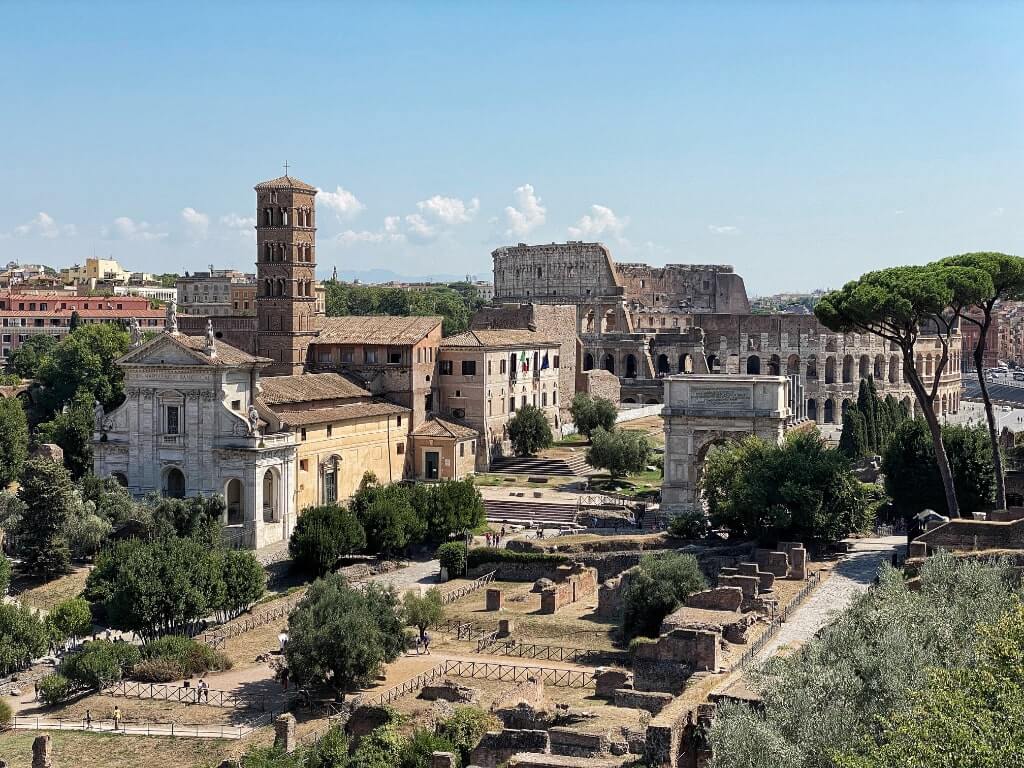
Conclusions On The Best Time To Visit Rome
I’d like to emphasize that I strongly believe there’s no bad time to travel. If you only get three weeks off throughout the year, which are in August, and you’ve always dreamed of traveling to Rome, just do it.
It might not be the most pleasant weather, and there might be a lot of people, but traveling to Rome is an incredible experience, and there are advantages to every month of the year.
If you can’t tell, I’m a big travel advocate, so don’t let the season completely turn you off. This guide is meant to help you understand the weather, events, and seasons in Rome a little better. That way, if you have a lot of flexibility, you know the best time to visit Rome for what you’re looking for.
PIN IT!


Claudia Tavani
Claudia Tavani was born and raised in Sardinia, and after moving between the United States and the United Kingdom, she's now back living in her hometown, Cagliari. She's a travel blogger and certified travel designer who loves planning trips and publishing guides, travel tips, and packing lists so that you don't have to. Owner of Strictly Italy, cat mom to Minnie. Loves pizza, hiking, archeology, cities, beaches, swimming, and running. Hates peppers.