
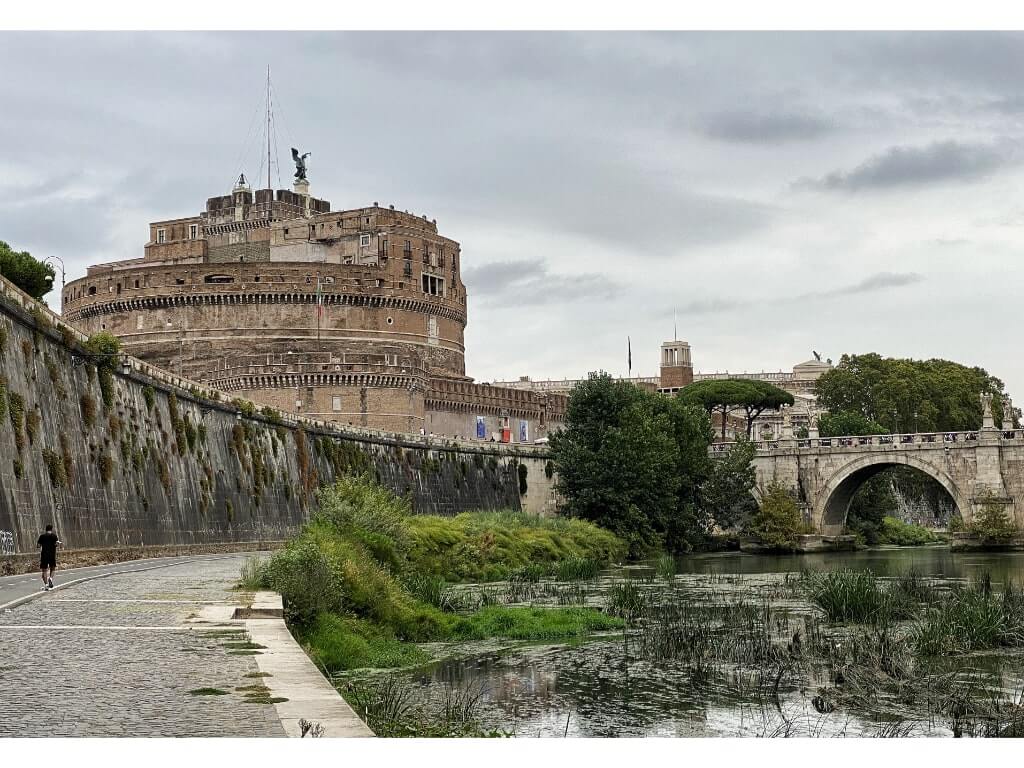
One of the very first questions you might ask yourself when planning a trip to Italy is, How many days do I need in Rome? And that’s not necessarily an easy question to answer.
Based on my experience of living in Rome for a few months and visiting Rome regularly for work and pleasure, I’d say the sweet spot is between 3 and 5 days. However, there are a lot of other factors to consider.
Are you going to have a full day or two of jet lag and exhaustion that’ll cut into your exploration time in the city? Or, is it your first time in the city, and you want to see everything in one go? All of this will come into play when creating the perfect Rome itinerary.
I’ve visited Rome in all types of timeframes—long, short, and medium stays. And I also know the city very well. So, here’s the ultimate guide for figuring out how many days in Rome is enough. I’ll break down all the factors to consider, give some brief itineraries for different stay lengths, and go over time-saving tips for traveling to Rome.
Are you visiting Rome soon? These are the best attractions that you need to book in advance:
Are you visiting Rome for the first time? Don’t skip my post The Best Tips For Visiting Rome to learn all the things you need to know before your trip.
How Many Days Do You Need In Rome?
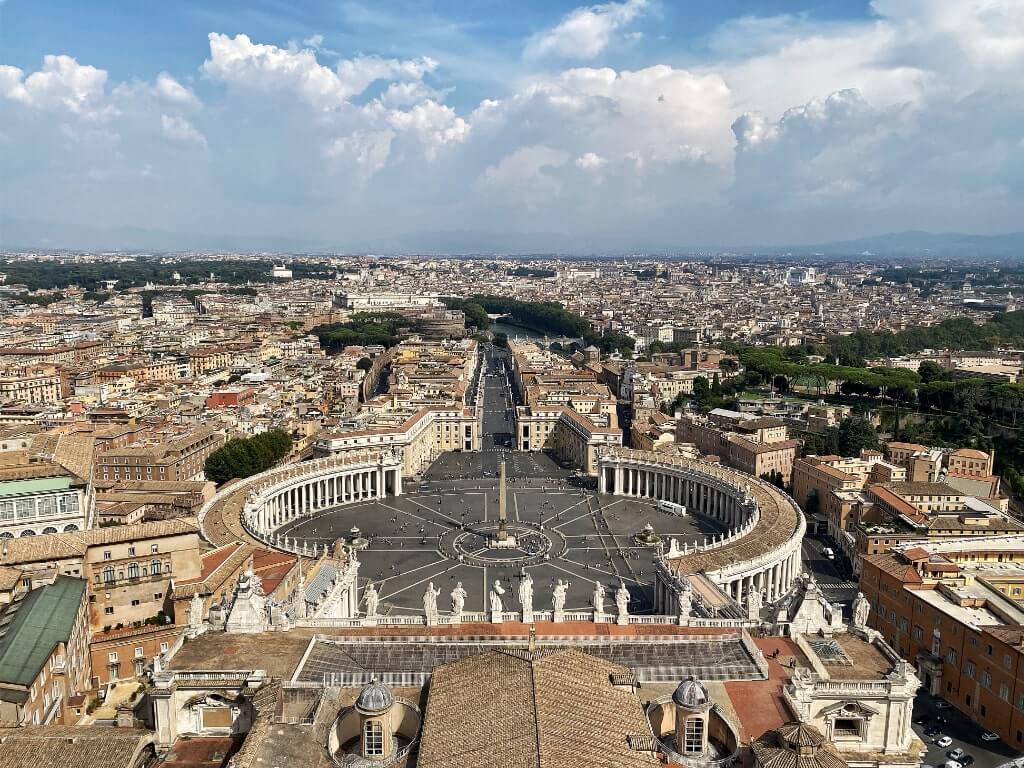
The short answer is that you need 3-5 days in Rome. However, there’s no one-size-fits-all answer to figuring out how many days in Rome is enough.
The city’s depth means you can focus two days on the must-see landmarks or devote a week to exploring its quieter corners. For most travelers, three to four days strikes the perfect balance. It allows you to visit major attractions, indulge in the city’s culinary delights, and leave some room for some Rome hidden gems.
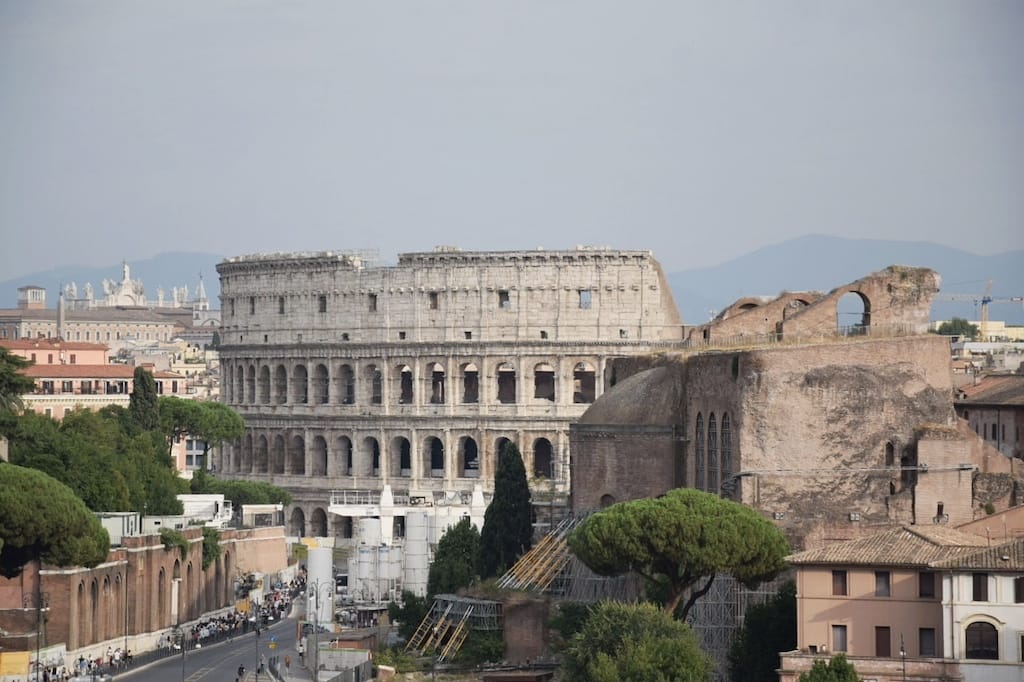
If it’s your first time in Rome, you’ll likely want to focus on the highlights—the Colosseum, the Roman Forum, the Pantheon, the Trevi Fountain, St. Peter’s Basilica and the Vatican Museums. You can see these iconic sites in three full days without feeling rushed.
Adding a fourth day gives you time to explore neighborhoods like Trastevere or test your taste buds with Roman specialties like carbonara and supplì on a food tour.
However, for travelers with a slower pace in mind, even a week can feel too short. Rome’s charm lies not only in its grand sights but also in its street-level moments. Imagine leisurely walks through Villa Borghese Gardens, sunset views from the Orange Garden or the Janiculum Hill, and quiet afternoons spent people-watching in local cafes.
Ultimately, the best way to decide is to align your trip with your priorities.
Do you want to see as much as possible, or do you prefer to savor each moment? Either way, Rome has enough magic to make your visit unforgettable, regardless of length.
Factors To Consider When Deciding How Many Days to Spend In Rome
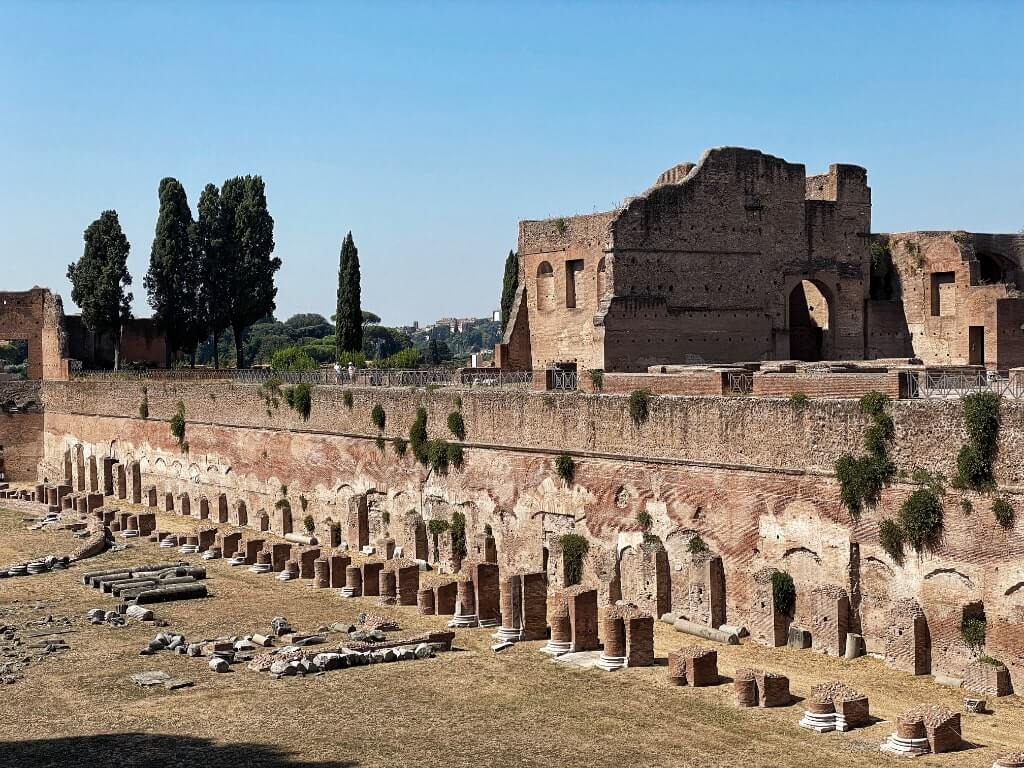
Travel distance and jet lag
Your starting point can greatly impact how much time you’ll need in Rome. For those traveling from nearby European countries, short flights or train rides make it easy to jump straight into sightseeing with minimal downtime.
However, jet lag becomes a factor if you’re traveling from further afield—especially across multiple time zones. Long flights can leave you fatigued, and adjusting to the local time may take a day or two. I know this very well as I regularly fly across the ocean, and during the last 12 months I have been to the United States 3 times and to South East Asia too.
To make the most of your visit, plan an additional day to recover and ease into the Roman pace at the start of your trip. A light schedule for your first day, including a casual meal and a stroll through your local neighborhood, can set the tone for an amazing Italian holiday.
Arrival and check-in times
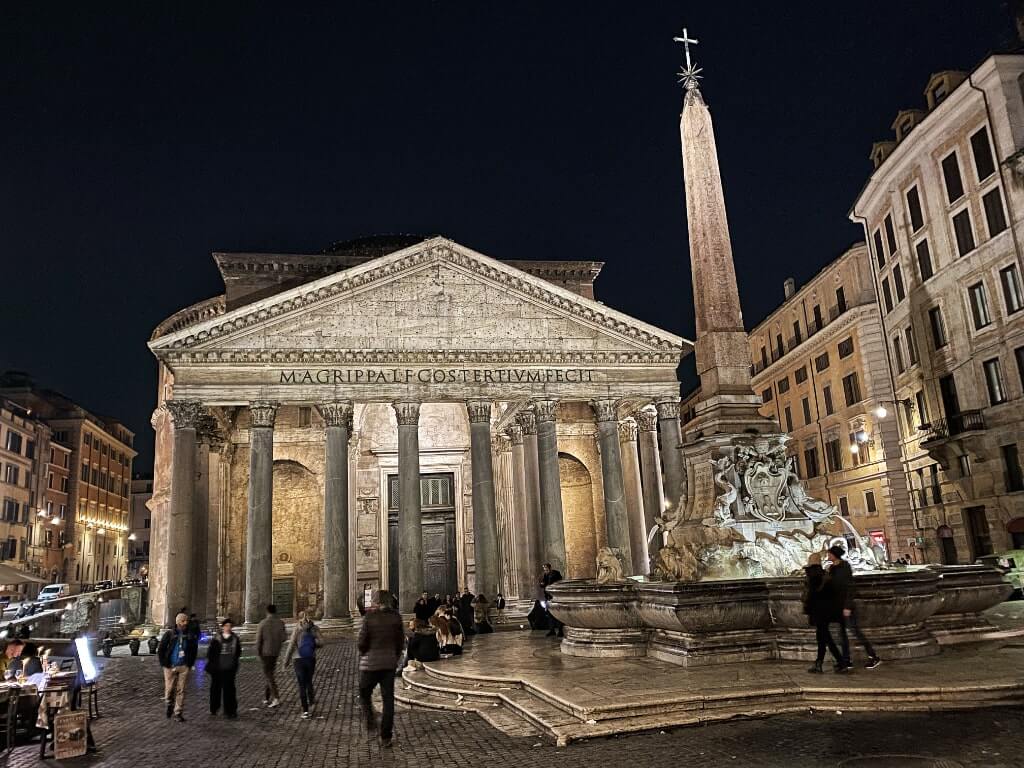
This little factor often gets overlooked, but when booking flights, consider the time of day you’ll land in Rome.
Arriving early in the morning gives you nearly a full day to explore, while an afternoon or evening arrival may limit what you can accomplish on your first day. Similarly, check-in times can affect how quickly you can start sightseeing.
If you arrive before your accommodation is ready, luggage storage becomes essential. Many hotels and Airbnbs offer this service, but if they don’t, facilities like Termini Station or services like Stasher provide secure options. I have used luggage storage myself in Rome and found an automated place near the Spanish Steps that was very convenient.
Planning for these logistics allows you to hit the ground running instead of losing valuable time, and it may factor in how many days you will spend in Rome.
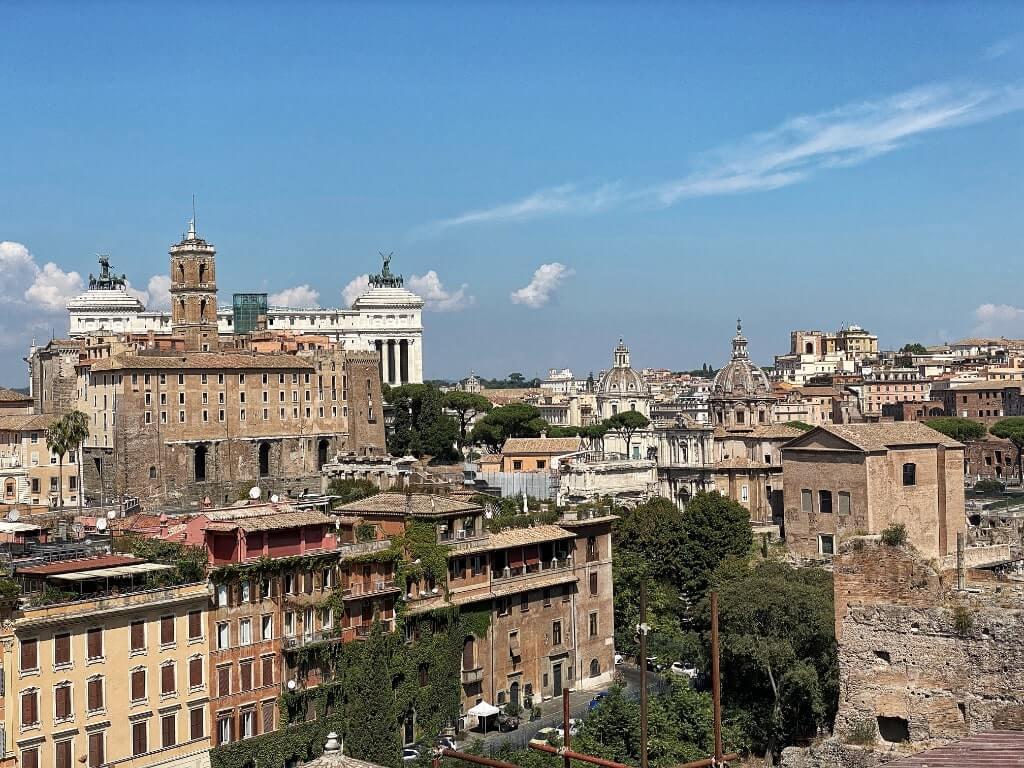
Your budget and travel style
Your budget and preferred travel pace are key factors in determining how many days to spend in Rome.
Travelers on a tighter budget might prefer a slower pace to minimize expenses like transportation and last-minute bookings. Spending more time in Rome can also help you avoid costly shortcuts like central hotels or frequent taxi rides. But on the other hand, a longer stay means more meals out, more nights in a hotel (even the most budget friendly aren’t so cheap!).
On the other hand, if you value convenience and efficiency, a shorter, fast-paced trip with centrally located accommodations and pre-booked tickets might suit you better. Understanding how you want to balance comfort, cost, and speed will help shape the perfect itinerary for your needs.
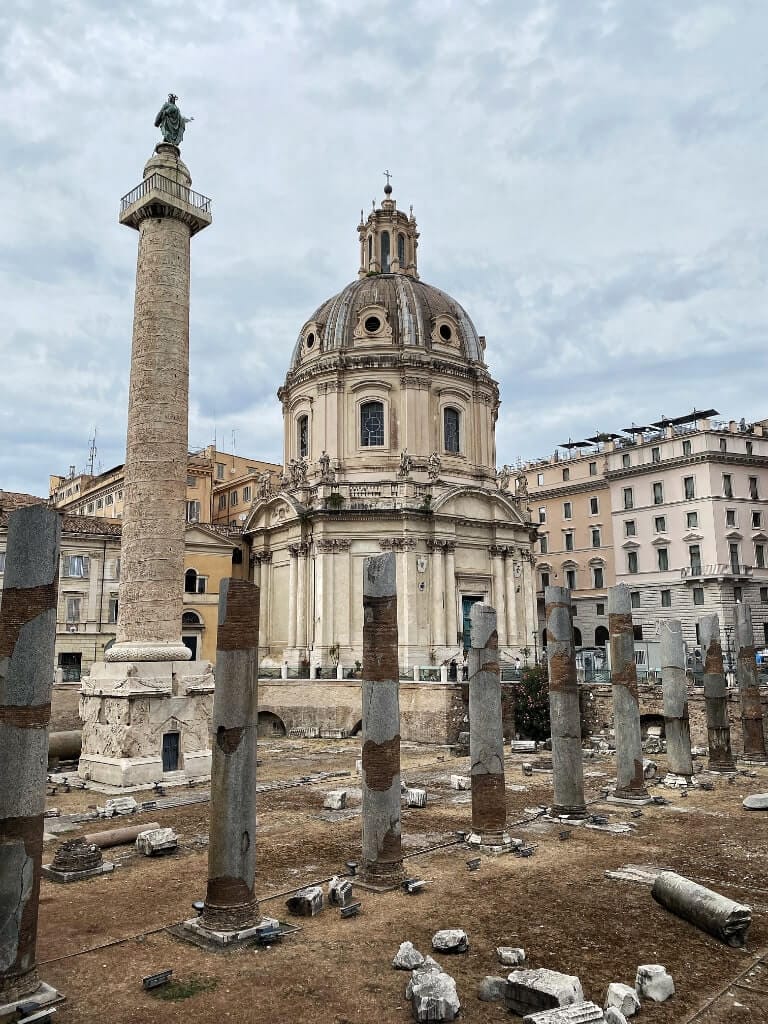
Is it your first visit or a return trip?
First-time visitors often need more time to explore Rome’s iconic landmarks, such as the Colosseum, the Pantheon, and Vatican City.
A minimum of three to five days in Rome is ideal for covering the essentials while still leaving room for authentic experiences, like enjoying a long lunch in one of the trattorie of Trastevere.
Return visitors, however, may prioritize lesser-known attractions or simply want to soak in the city’s charm at a slower pace.
Tailoring your itinerary based on your familiarity with Rome ensures you spend your time meaningfully, whether ticking off bucket list items or diving deeper into the city’s hidden gems.
For example, after multiple trips to Rome of various lengths (I sometimes go just for a day, but in the past I have also spent 3 full weeks exploring), and after having visited the most famous sites multiple times, I now enjoy long strolls in the city, lesser known areas, and a more relaxed pace.
If you want to get off the beaten path in Rome, my post The Best Hidden Gems In Rome will provide plenty of inspiration.
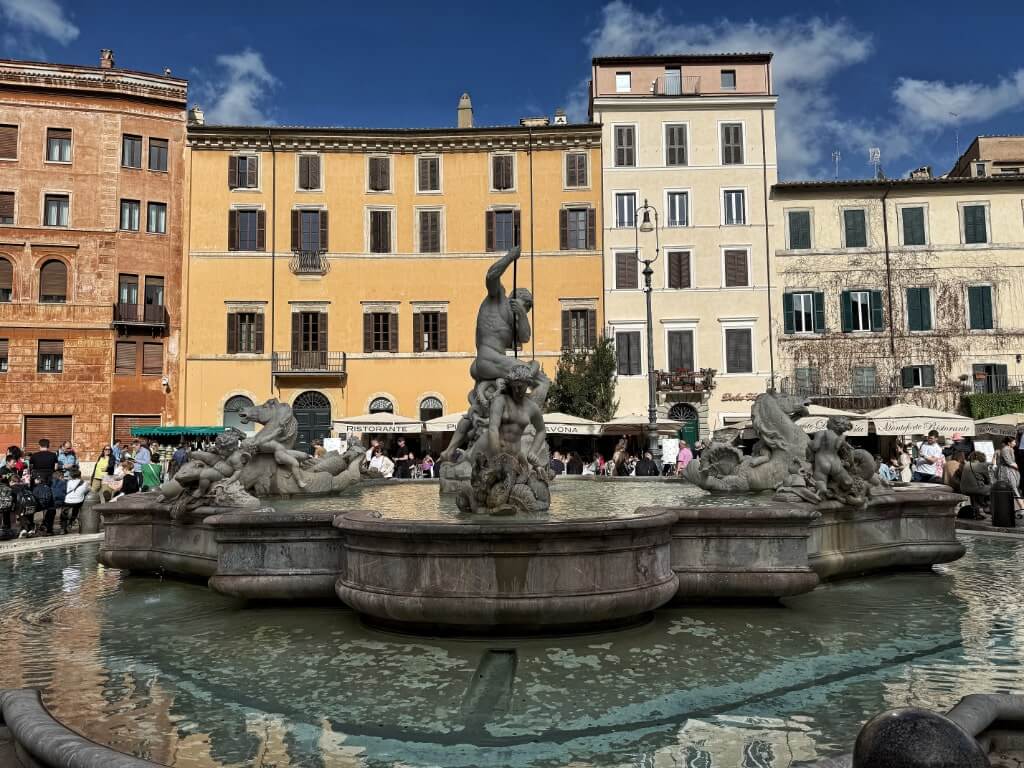
Recommended Itineraries Based On How Many Days In Rome
Rome in one day (only for flashpackers and layovers)
If you have just one day in Rome, focus on experiencing the highlights. With limited time, prioritize the must-see landmarks and use skip-the-line tickets or guided tours to maximize your day.
Begin early at the Colosseum and Roman Forum, then move to the Pantheon and the Trevi Fountain. Depending on your schedule, consider ending your day with a quick visit to the Vatican or a leisurely walk through Piazza Navona.
Transportation options like city bikes, Segways, or hop-on-hop-off buses can help you cover more ground while saving energy.
What to fit in:
- Morning: Colosseum, Roman Forum, Palatine Hill
- Midday: Pantheon, Trevi Fountain
- Afternoon: Vatican Museums or St. Peter’s Basilica
- Evening: Piazza Navona or Trastevere for a meal
These are just suggestions for organizing your time, but it’s important to stay flexible. Rome has a way of surprising you with impromptu discoveries (and public transport disruptions), so be prepared to adjust your plans.
While a single day isn’t enough to see a fraction of what Rome has to offer, it can give you a taste of the city and leave you itching for your return.
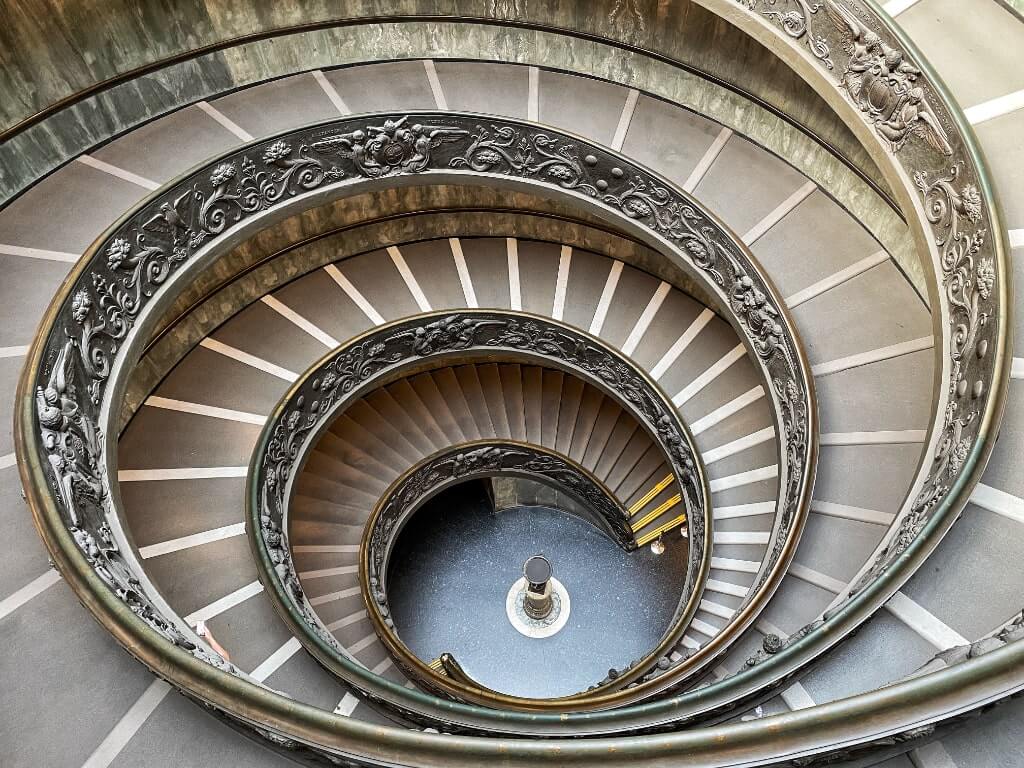
Three days in Rome (a more balanced approach)
Three days in Rome strikes a balance between ticking off major sights and leaving a bit of space for leisurely exploration. With this timeframe, you can dedicate each day to a distinct theme: ancient Rome, Vatican City, and the charming neighborhoods.
You’ll have just enough time to enjoy iconic landmarks like the Colosseum and St. Peter’s Basilica and the Sistine Chapel, with moments to pause in a piazza or at one of the many cafés.
What you can fit in three days:
- Visit the Colosseum, Roman Forum, and Palatine Hill
- Explore the Vatican Museums, Sistine Chapel, and St. Peter’s Basilica
- Stroll through Piazza Navona, Trevi Fountain, the Jewish Ghetto, and the Pantheon
- Wander Trastevere’s cobblestone streets and enjoy authentic Roman cuisine
While three days allows you to see the city’s highlights, it’s a more structured itinerary, and you’ll still need to prioritize what matters most.
For example, visiting the Vatican Museums in depth might mean skipping smaller museums like the Capitoline Museums. This approach works well for first-timers who want to cover the essentials but still wish enjoy the lively vibe of the Eternal City.
Looking for more places to visit? My post What To See And Do In Rome guides you to all the unmissable attractions.

Five days in Rome (ideal for first-time visitors)
With five days, your itinerary opens up to a richer experience. Honestly if you asked me “how many days do I need in Rome as a first-timer?”, as an expert I’d probably suggest to spend five days there. Beyond the major landmarks, you’ll have time to venture into some of Rome’s hidden gems and off-the-beaten-path locations.
In addition to visiting the Colosseum and the Vatican, you can enjoy strolls through neighborhoods like Monti or Testaccio, explore cultural treasures like the Galleria Borghese, and savor Roman cuisine at your own pace.
What you can fit in five days:
- Everything from the three-day itinerary
- Visit the Galleria Borghese and stroll through Villa Borghese Gardens
- Explore lesser-known neighborhoods like Monti or Testaccio
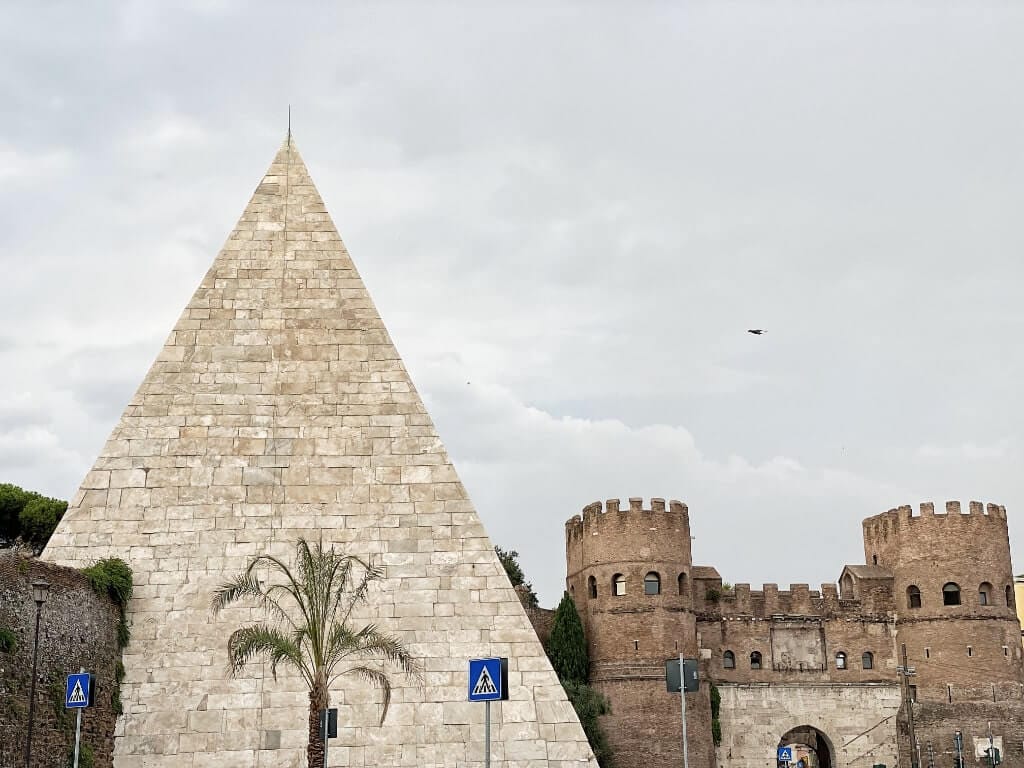
- Walk along the Appian Way and visit the Catacombs
- Spend a relaxed evening at Campo de’ Fiori or Piazza del Popolo
Five days also allows you to balance sightseeing with more personal experiences. You might linger over a long lunch in Trastevere, take a cooking class with a local chef such as this one, or visit a quiet park, like Parco degli Acquedotti.
It’s the perfect option for travelers who want a deeper understanding of the city without feeling rushed.
Seven or more days in Rome (the luxury of slow travel)
A week or more in Rome offers the flexibility to truly immerse yourself in the city’s culture. You can visit all the major landmarks while diving into unique experiences that shorter itineraries often miss.
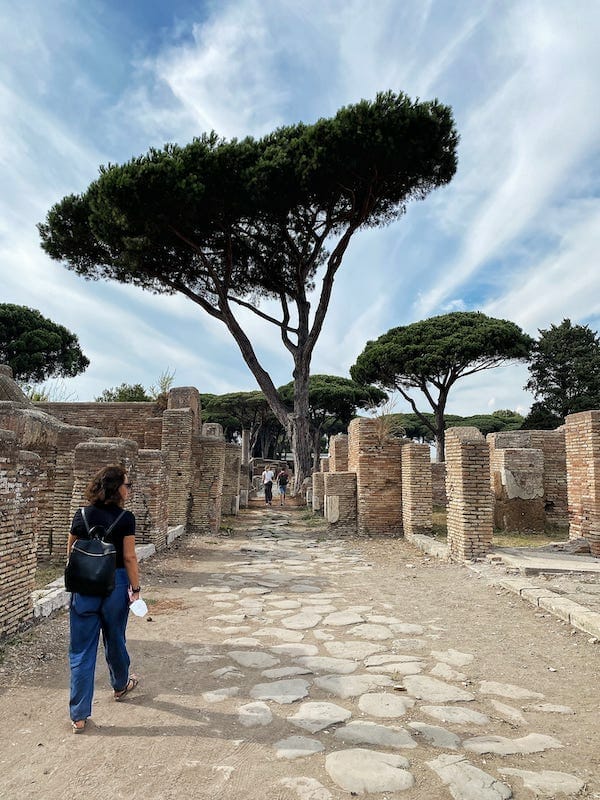
Spend a morning exploring the Protestant Cemetery, wander through the Quartiere Coppedè for its whimsical architecture, or jog along the ancient Appian Way. This extended timeframe also lets you enjoy day trips from Rome to Tivoli, Orvieto, or Ostia Antica.
What you can fit in seven or more days:
- Everything from the five-day itinerary
- Visit hidden gems like the Quartiere Coppedè or the Protestant Cemetery
- Take day trips to Tivoli (Villa d’Este and Villa Adriana) or Orvieto
- Spend time at Rome’s markets or enjoy a food tour
- Enjoy extended evenings in the city’s squares, with plenty of aperitivo time
- Explore the city further afield and visit the EUR District of Rome
With seven or more days, you can integrate more of Rome’s daily life into your trip. This slower pace lets you revisit favorite spots, explore less-touristy areas, or indulge in spontaneous adventures in nearby regions, like the beautiful region of Umbria.
The luxury of time means truly connecting with the city and creating memories beyond just ticking boxes.
For more places to visit near the capital city, my post Where To Go On Day Trips From Rome shares plenty of insights.
Essentials Tips To Make The Most Of Your Time In Rome
Use a local SIM card to save time
Make sure your data plan works in Italy. Otherwise, using a local SIM card in Rome can save you time and stress. Navigating the city’s winding streets and finding hidden gems is much easier with reliable mobile data for maps and travel apps. SIM cards with generous data plans can be purchased at the airport, city stores, or online for delivery to your accommodation.
Vodafone and TIM are solid options, offering widespread coverage throughout Rome and the rest of Italy. Staying connected means you’ll spend less time lost and more time exploring.
If you don’t want to go through the hassle of getting a local SIM card, you can get an eSIM online. There are plenty of options out there, but for ease I recommend this 10GB plan for 30 days which can also cover you for the rest of your trip to Italy. Make sure to disable unnecessary apps to save on data!
Book skip-the-line tickets to make every minute count
Rome’s iconic landmarks like the Colosseum, Vatican Museums, and St. Peter’s Basilica are often swamped with long lines.
Booking skip-the-line tickets ahead of time allows you to bypass the wait and focus on enjoying the sights. Some attractions no longer have physical ticket offices, making booking even more essential.
Consider bundled passes like the Roma Pass for discounts and streamlined access to multiple attractions and transportation – just remember that once you get your pass, you will need to book each attraction individually.
Planning your visits this way keeps your itinerary efficient without sacrificing the joy of discovery.
These are the attractions that you need to book in advance in Rome:
- Colosseum, Roman Forum and Palatine Hill
- Vatican Museums and Sistine Chapel
- Pantheon
- Borghese Gallery
If you’re short on time and want to make the most of a day, you can also book a full-day city tour, like this Rome: Full-Day Colosseum, Vatican Museums & City Center Tour. The tour includes all the main attractions in Rome’s city center, so it’s perfect if you’re just here for one or two days. You’ll also have a guide and the opportunity to learn much more about the city than if you traveled alone.

Pack smart to stay comfortable (and compliant with some dress codes)
Comfort is key when exploring Rome, where cobblestone streets and long days of walking are the norm. Choose sturdy, comfortable shoes to avoid blisters, and dress in layers to adapt to the weather.
If you plan to visit the Vatican or other churches, be aware of dress codes requiring covered shoulders and knees. Packing a light scarf or shawl ensures you’re compliant without sacrificing comfort and saves time if you forget.
Smart packing helps you focus on enjoying the city rather than worrying about your outfit. And contrary to what people think, as the capital of Italy Rome is certainly trendy and glamorous, but people there are also very practical.

Book restaurants in advance to avoid tourist traps
Rome is a culinary treasure trove, but wandering aimlessly in search of food can lead you to overpriced tourist traps – places where waiters wait outside and try to lure customers in, typically close to popular destinations.
Research and plan your meals, incorporating authentic trattorias and local favorites into your itinerary.
Apps like The Fork make it easy to reserve tables at popular spots. Dining where locals eat can save time, provide better food, and avoid unnecessary stress.
Also here’s an extra tip for someone who knows the city really well: the best spots are outside the historic center – in Testaccio, for example. But I also find there are excellent restaurants in Monti (as long as they are away from the Colosseum) and near Largo di Torre Argentina.
If you’re eating out in Rome (or anywhere in Italy), read my article, The Best Food To Try In Rome so that you know what to order!
I also recommend reading my post Tipping In Italy: The Ultimate Guide, From A Local. It’s good to have a game plan on where you’ll eat, but it’s also good to arrive prepared.

Pack healthy snacks to stay energized during busy days
Long days exploring Rome can be tiring, and hunger often strikes at inconvenient times. Packing simple, healthy snacks like nuts, granola bars, or fresh fruit keeps your energy up between meals.
These are easily available at local grocery stores and are a budget-friendly option to tide you over while you explore. And if you suddenly get hungry, opt for a good gelato: it’s the perfect afternoon snack in the summer!

Take breaks when necessary to recharge
Rome is an overwhelming city in size and the sheer number of sights to see. Recognizing when you need a break ensures you enjoy your trip without burning out. Stop for a coffee at a piazza, rest on a park bench with a water bottle (tap water in Italy is safe to drink), or simply enjoy the view.
Short pauses help recharge your energy, making the experience more enjoyable and less exhausting.

Don’t stress about seeing everything in one trip
Rome wasn’t built in a day, and you can’t see it all in one trip. Accept that you’ll need to leave some things for a future visit and focus on enjoying the moments you have.
Prioritize experiences that matter most to you and savor your time in this incredible city. Let go of the pressure to do it all, and you’ll leave with fond memories instead of regrets (for the record, this is what I tell my sister any time we travel somewhere new and she wants to pack the itinerary too much!).
These tips aim to make your trip smoother, more enjoyable, and less stressful while helping you experience the best of Rome.

Conclusions On How Many Days Should You Spend In Rome
So…. How many days in Rome? I’d say three to five days is the perfect balance for most visitors. This timeframe allows you to experience the highlights of the city, including iconic landmarks like the Colosseum, the Vatican, and Trevi Fountain, while leaving room for more laid-back travel around the city.
How many days to spend in Rome ultimately depends on your travel style. If you’re short on time, even one day can provide a glimpse of Rome’s magic, but a slower-paced trip of five to seven days lets you dive deeper into the culture, food, and lesser-known attractions.
Regardless of your schedule, Rome’s charm ensures you’ll leave with unforgettable memories—and, hopefully, plans to return to Rome and other beautiful Italian cities. Trust me: you will want to come back to the Eternal City. It’s addictive (FYI I have another trip to Rome planned at the end of the month!).
PIN IT!


Claudia Tavani
Claudia Tavani was born and raised in Sardinia, and after moving between the United States and the United Kingdom, she's now back living in her hometown, Cagliari. She's a travel blogger and certified travel designer who loves planning trips and publishing guides, travel tips, and packing lists so that you don't have to. Owner of Strictly Italy, cat mom to Minnie. Loves pizza, hiking, archeology, cities, beaches, swimming, and running. Hates peppers.