
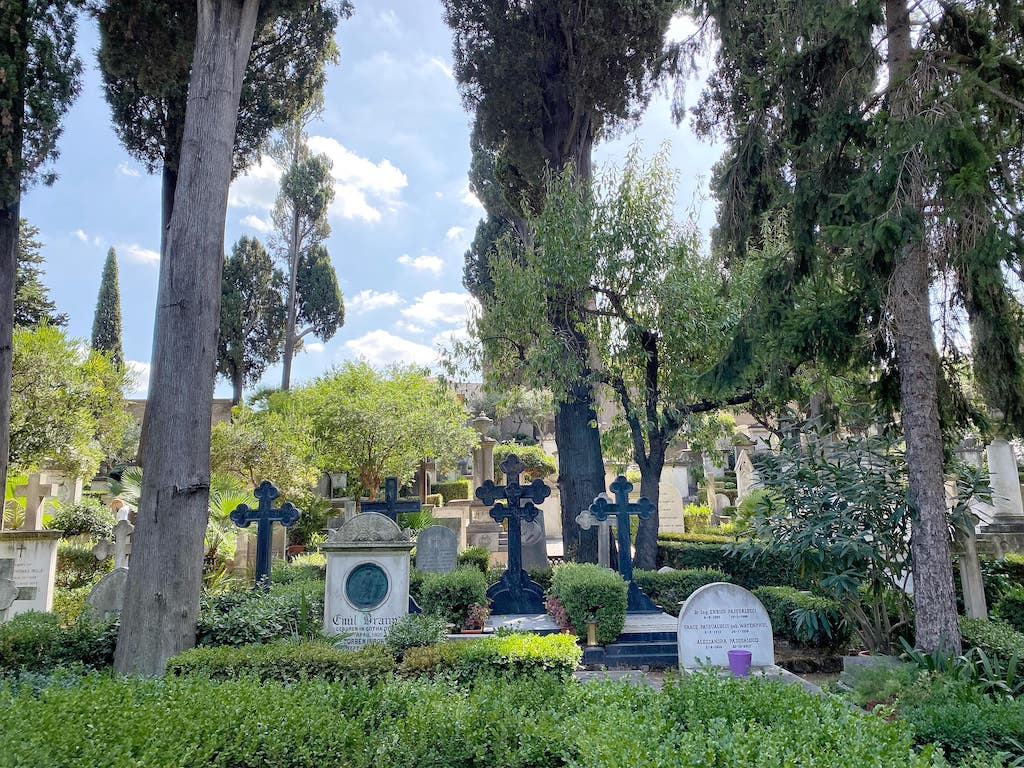
Rome is one of Italy’s most visited places, bringing in thousands of tourists every day. Most people flock to the Colosseum, St. Peter’s Basilica, the Roman Forum, the Pantheon, and the Trevi Fountain. These are all worth visiting, especially if it’s your first time in Rome. But there’s honestly so much more to this city.
I’ve visited Rome dozens of times and lived there for a while, too. It’s one of my favorite cities in the world, and having spent so much time there, and since I visit on a regular basis, I have learned my way around and found some amazing hidden gems in Rome.
These are the kind of places that – while being close to the historic center (if not right there!) – are still unknown to tourist crowds, so they provide a welcome respite from the chaos of the city.
If you have several days to explore Rome, you can try to squeeze in one or two day trips from Rome to escape the hustle and bustle. But you can also try to explore some hidden places of Rome.
So, without further ado, here are the best sights in Rome off the beaten path. I’ve been to all of these, and while some have become a bit more popular in recent years, they’ll all give you a different view of the city than the more traditional sites.
These are the best tours that visit Rome off the beaten path:
If you’re planning a trip to Rome and want more inspiration for traditional city activities, read my post, 15 Best Things To Do In Rome From An Expert. The guide talks more about the Pantheon, the Colosseum, and other must-do activities for first-time visitors to Rome.

Map Of Rome Hidden Gems
Are you looking to find the best hidden gems in Rome? I have created a map that will help you visualize their location.
How to use this Rome hidden gems map: This map points you to top hidden places of Rome. Use your mouse on either desktop or laptop, or your fingers on your smartphone or iPad, to enlarge the map. Click on the star next to the title so that you can save it to your Google Maps account. You can then see it on your smartphone or computer when you click on “Your saved maps” in your Google Maps. To view it in a larger screen, click on “View larger map” in the top right corner.
Now, let’s finally discover the best hidden gems in Rome.

40 Best Hidden Gems In Rome, Italy
Churches and religious sites
San Clemente Basilica
Although near the Colosseum, San Clemente Basilica is often overlooked by tourists, despite its historical significance. The church’s layers reveal a fascinating timeline: beneath the 17th-century facade and 12th-century nave, excavations have unearthed a 4th-century church and the remains of two Roman villas, including a Mithraic temple from the 1st century.
This was a site where early Christians gathered in secret when their faith was still illegal. You can explore these levels independently, with plenty of information panels providing insight into the site’s rich history.
I used to live near this church. So, I’ve visited the outside hundreds of times (I always walked by, so I often liked to stop and look around) and the underground several other times. One of the coolest things to me is the contrast between the underground’s cool, dimly lit passageways and the grandeur above.
The basilica has free entrance, but there’s a small fee to explore the underground levels. You can also take a tour through the underground. I recommend this San Clemente Underground and Basilica Guided Tour. The tour lasts around 1.5 hours and explores three levels of the underground. It’s a really cool experience with a local guide who can share more about the history.

St. John in the Lateran
Despite being Rome’s oldest basilica and the seat of the Pope in Rome, St. John in the Lateran (San Giovanni in Laterano in Italian) is less crowded than other famous places in Rome.
Located in the San Giovanni neighborhood, this stunning church boasts a Baroque facade by Alessandro Galilei and houses the tombs of six popes. Right outside, you’ll find the world’s largest Egyptian obelisk and next to the church there’s the sacred Scala Sancta, believed to be the steps Jesus ascended to his trial.
The basilica is also the site of various religious ceremonies throughout the year, which makes it an active hub of Roman Catholicism and a must-visit for those looking to explore the city’s spiritual side in a quieter, more reflective setting.
I walked by St. John in the Lateran every day on my way to class when I lived in Rome, but it took me months before I finally went inside and I can assure you the interiors are magnificent!
It’s easy to explore the church on your own, but you can also join a guided tour of St. John in the Lateran and other nearby churches. If you’d like to do a package deal with St. John in the Lateran and the above San Clemente Basilica, I recommend this Basilica of St. John Lateran & Holy Steps 1-Hour Tour. It’s short, but it’s very informative and fun to learn more about each of these holy places.
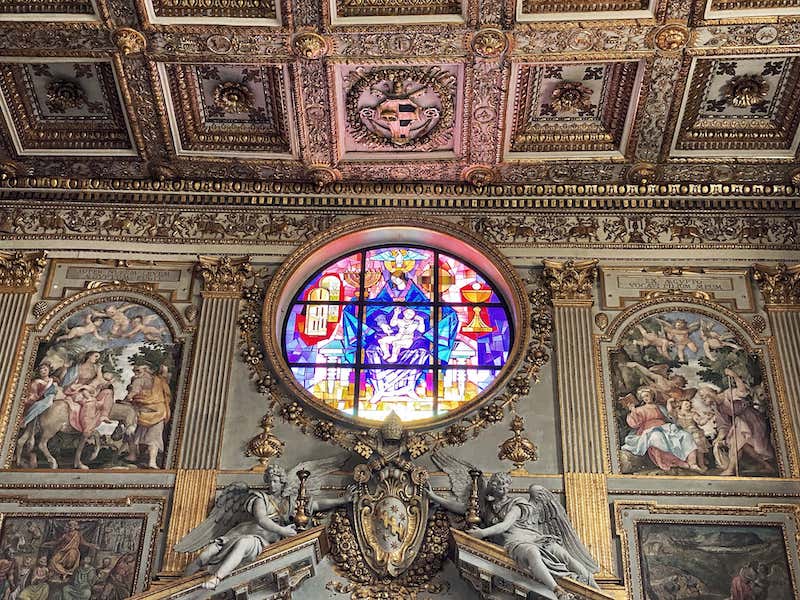
Santa Maria Maggiore Basilica
Santa Maria Maggiore, Rome’s largest church dedicated to the Virgin Mary, stands majestically on the Esquiline Hill. As I lived just a few blocks from the church, near Piazza Vittorio Emanuele, I have been many times and find it impressive.
Built in the 4th century and expanded over the centuries, it blends early Christian, Baroque, and Renaissance styles.
The church is famed for its legend of a miraculous August snowfall, prompting its construction on this site. Inside, visitors find the impressive Sistine Chapel, distinct from its Vatican counterpart, and the tomb of Gian Lorenzo Bernini, one of the masterminds of Baroque Rome.
Adding to its uniqueness, the basilica is also home to an array of precious relics, including what is said to be a piece of the Holy Crib, which draws pilgrims and visitors from around the world.
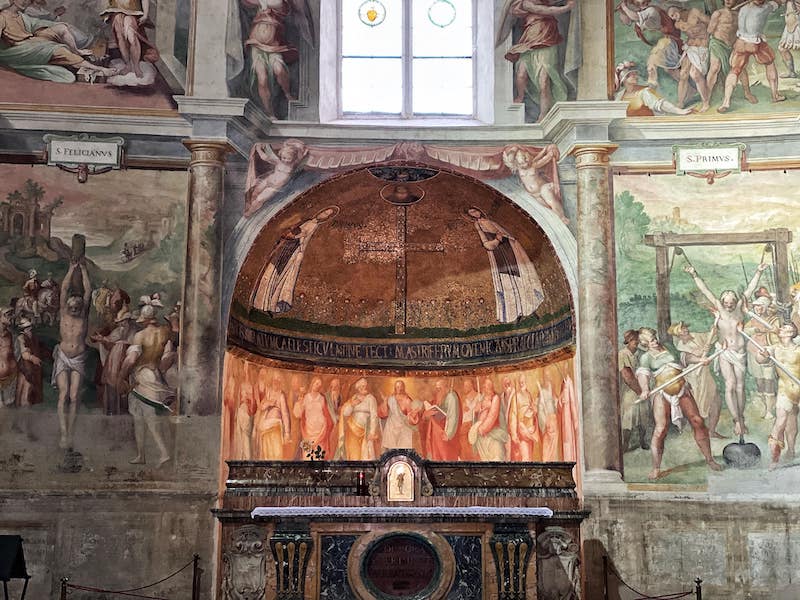
Santo Stefano Rotondo Church
Situated on the lesser-known Caelian Hill, near the Colosseum, the Santo Stefano Rotondo al Celio church dates back to the 5th century. Named after Saint Stephen, the first Christian martyr, and Stephen I, the first king of Hungary, the church is unique for its circular design, with an altar at the center.
I’ve only visited this church on one of my latest trips to Rome, when I was trying to escape the tourist crowds by exploring the Caelian Hill, and I was impressed with its striking beauty and the contrast between the almost understated exterior and the unique interior.
Inside, 34 panels and frescoes from the 16th century vividly depict scenes of martyrdom. The tranquil atmosphere makes it a special place to visit.
Aside from its unique circular design and chilling frescoes, the church also holds a remarkable collection of ancient relics, including bones of early Christian martyrs.
If you are fascinated by Rome’s hidden past, this church offers an intimate look into the city’s early Christian community and its struggle for faith.

Church of Santa Barbara dei Librai
This tucked away church is one of my latest discoveries in Rome – I have been there for the first time last April. It is close to Campo de’ Fiori and Piazza Farnese, so really in the historic center – which means you have no excuse not to check it out.
Dating back to the 10th or 11th century, it was built on the ruins of the Theater of Pompey and dedicated to St. Thomas Aquinas by a guild of booksellers in 1601.
It fell into disuse in 1870 but was restored and reopened in 1982. Today, the quiet square around the church offers a peaceful break from the bustling city. Nearby, you’ll find Filettaro di Santa Barbara, a local favorite for delicious fried cod.
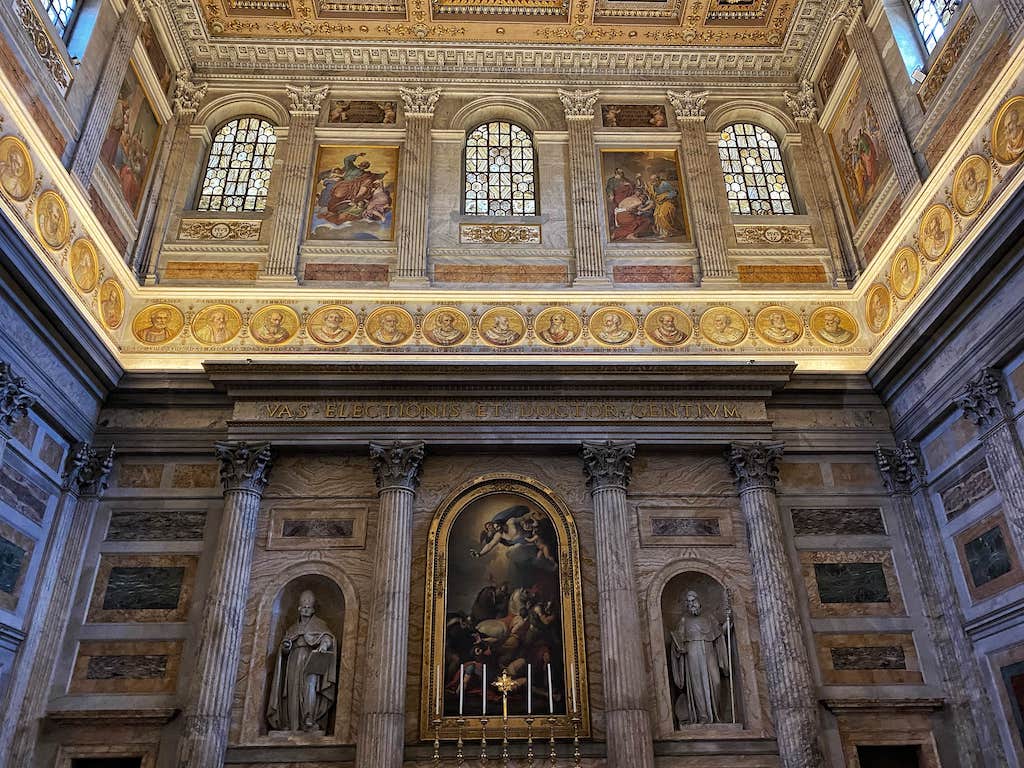
Basilica of St. Paul Outside the Walls
One of my latest discoveries in Rome is actually one of the most important churches in the city, and one of the oldest. Basilica of St. Paul Outside the Walls is a lesser-visited treasure among the city’s many churches. Built over the believed burial site of Saint Paul, it was originally consecrated by Pope Sylvester in 324 and expanded in 402.
Devastated by a fire in 1823, it was rebuilt with the support of donations raised after Pope Leo XII’s call for help. The basilica’s five naves are divided by monolithic granite columns, with marble-clad walls adorned with geometric patterns, frescoes, and tondi. The apse, dating from Pope Honorius III’s time, features magnificent mosaics that survived the fire.
What makes this basilica especially fascinating is its papal connections; mosaics of all the Popes are displayed in a series of portraits along the nave, a testament to its continued importance in Catholicism. The basilica also features a cloister with a serene garden, perfect for a reflective stroll.
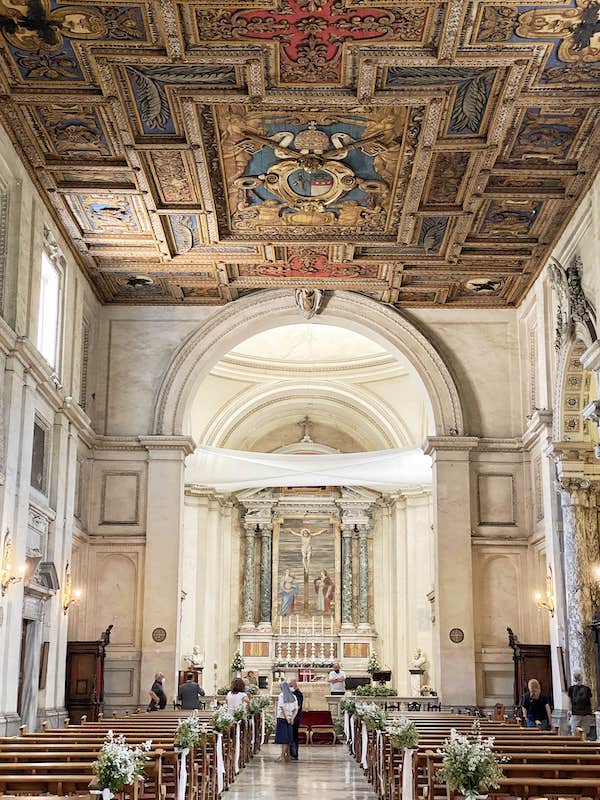
Capuchin Crypt
If you’re into quirky or macabre sights, the Capuchin Crypt is an absolute must. Hidden beneath the Church of Santa Maria della Concezione in Via Vittorio Veneto 27 , this crypt is a truly one-of-a-kind experience in Rome.
At first, you might think it’s similar to the Catacombs, but it’s entirely different. Indeed, you won’t see bones in Rome’s Catacombs but here, the bones of around 4,000 Capuchin friars are arranged into intricate designs, creating a unique, if somewhat eerie, atmosphere you won’t find anywhere else.
The story behind this unusual crypt began in the 17th century when a cardinal ordered the friars to move from their old church near the Quirinal. The Capuchins brought with them the remains of their brothers who had passed away, carefully preserving their bones as part of the new church’s decor.
As you explore, you’ll come across a plaque with a somber reminder: “What you are now, we once were; what we are now, you shall be.” This stark reflection on mortality gives you plenty to think about as you make your way through this unique place.
This is one of the places where a quick guided tour can make all the difference – when I visited, I went with a guide and learned so much than I would have otherwise. I recommend this Capuchin Crypts Skip-the-Line Ticket and Guided Tour. The tour takes you through the Capuchin Crypt with a guide explaining more about its history and significance.
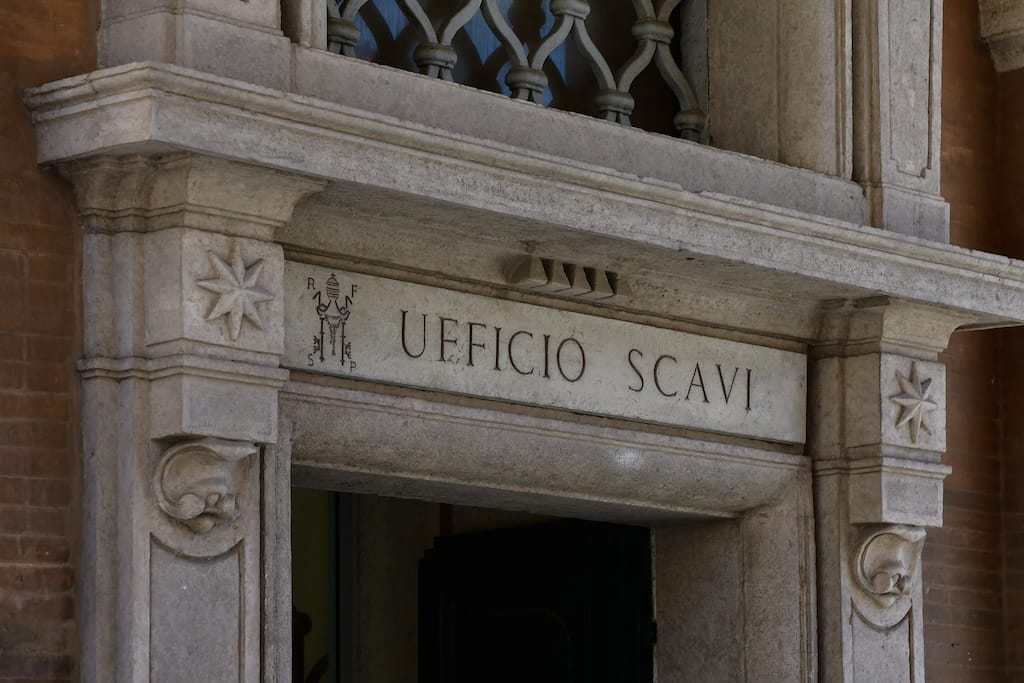
The Vatican Necropolis
St. Peter’s Basilica is a must-see for any first-time visitor to Rome. The Basilica isn’t exactly a hidden gem, but there’s more to St. Peter’s than meets the eye. Beneath its foundations lies a hidden treasure: the Vatican Necropolis.
Discovered in the 1950s, this ancient burial site dates back to the 1st century. It includes over 100 tombs, many of which are believed to belong to early Christians, including the Apostle Peter himself.
Access to the Necropolis is highly exclusive, with just a few small groups allowed each day. This makes it a genuinely unique experience, allowing you to walk through history in a way most visitors to the Vatican never do. It’s an eerie but fascinating glimpse into the ancient past beneath one of the most iconic churches in the world.
For the best experience, book a “Scavi Tour,” which takes you down to the Necropolis level, right to St. Peter’s Tomb, and gives a much deeper insight into the church’s history. Trust me, it’s one of those experiences in Rome that you’ll remember forever.
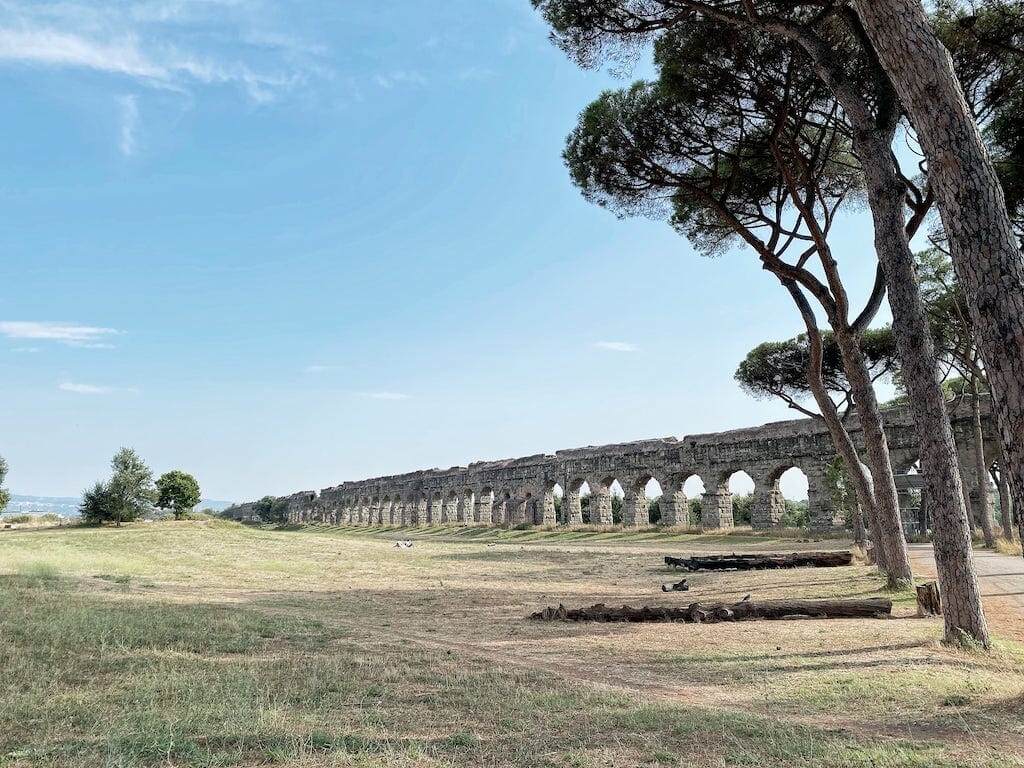
The Catacombs and the Appian Way
If you want to explore one of Rome’s most ancient roads, head to the Appian Way and its fascinating catacombs. This road, built between 312 and 264 BC, is one of the oldest surviving roads in the world, stretching over 713 kilometers (443 miles). It was a vital route for military and commercial travel in the Roman Empire, connecting Rome to Naples and beyond.
A visit to the Appian Way is like stepping back in time. While the road is quieter than more central locations, it’s still accessible — and worth the effort. Walking, biking, or horseback riding are great ways to explore the ruins, tombs, and monuments scattered along the route. You can even see ancient chariot grooves etched into the stones!
Don’t miss visiting the Catacombs along the Appian Way. These early Christian burial sites are a labyrinth of tunnels and chambers, offering an incredible insight into Rome’s early Christian community. You should also try to stop by the Aqueduct Park, one of the prettiest parks in the city.
You can book a guided tour to explore the various places, which also helps you understand the historical significance of this amazing road and its hidden underground treasures.
This Appian Way, Aqueducts & Catacombs E-Bike Tour is one of Rome’s best overall tours. It includes the Catacombs of Rome, the Appian Way, the Circus of Maxentius, the Tomb of Cecilia Metella, and more. And it’s a fun family activity in Rome.
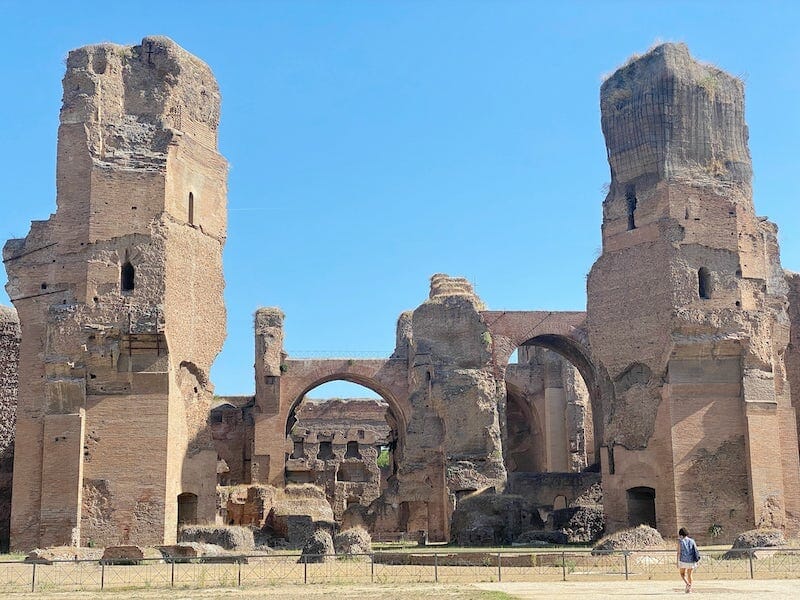
Ancient Roman landmarks
Baths of Caracalla and Circus Maximus
Just a short walk from the Colosseum, you’ll find the impressive Baths of Caracalla. This ancient Roman bathing complex, known in Italian as the Terme di Caracalla, is often overlooked by visitors, which is surprising given its size and proximity to other famous sites. When I visited I was one of very few!
Built in 212 AD, it was the second-largest bath complex in Rome and served as more than just a place to get clean. It was a massive social hub with heated pools, libraries, saunas, and gardens.
For over 300 years, the Baths of Caracalla were a vibrant part of Roman life, but they were abandoned after the fall of the Roman Empire. Today, you can still walk among its ruins, imagining the grandeur it once held. It’s a great spot for those wanting to learn more about Rome’s past without straying too far from the main attractions.
This is another one of those places where a guide can really help you understand and imagine what the place was like in its heyday. I recommend this Caracalla Baths & Circus Maximus. The tour includes the entrance fees and an archeologist guide. You can also choose between a shared or private tour, depending on your preferences and your group size.
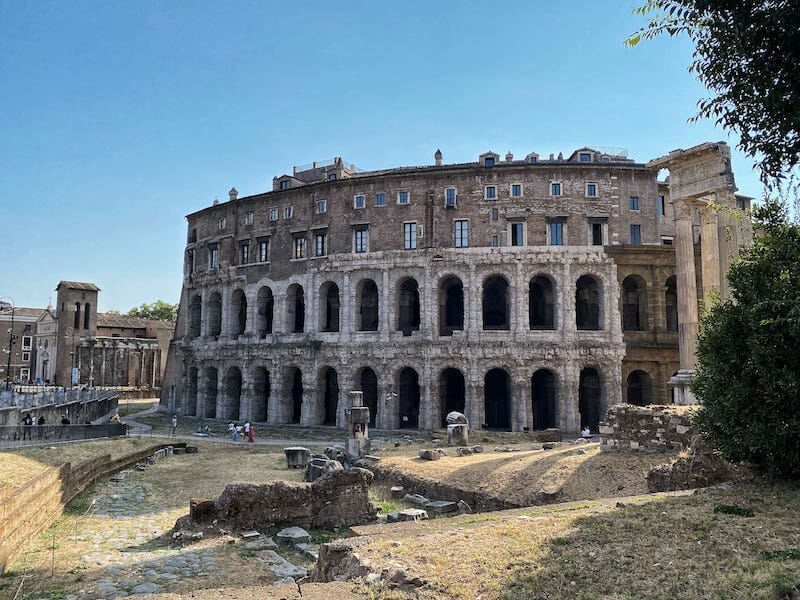
Teatro Marcello
Teatro Marcello is one of Rome’s best-kept secrets, right in the heart of the historic center. Despite its central location, this ancient theater often goes unnoticed by tourists who flock to the more famous Colosseum.
Built in the final years of the Roman Republic and completed in 12 BC, it was a project started by Julius Caesar himself. Though he never lived to see it finished, it was later completed and dedicated to Marcus Claudius Marcellus, Augustus’s nephew.
The theater could originally seat around 20,000 people, rivaling other famous Roman venues. Today, you can only visit it from the outside, but it’s still worth a stop, especially if you’re wandering through the nearby Jewish Ghetto.
The Colosseum may overshadow the Teatro Marcello, but it’s a place worth discovering for its unique history and architecture.
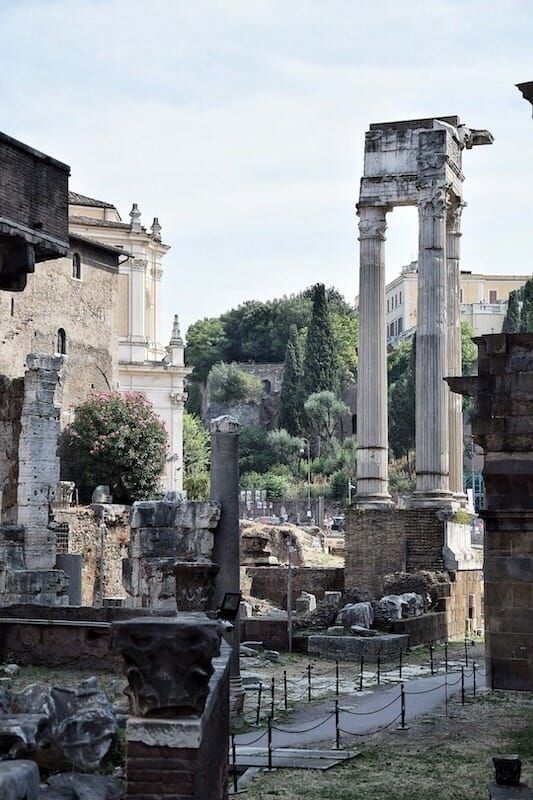
Portico of Octavia
Nestled in the heart of the Jewish Ghetto, the Portico of Octavia is a historical gem often overlooked by tourists, who don’t often venture to this part of the city.
Built in 27 BC by Emperor Augustus in honor of his sister, Octavia the Younger, this site originally housed the temples of Jupiter Stator and Juno Regina beneath its colonnades.
After a fire in 80 AD, it was rebuilt and later used as a fish market during the Middle Ages and up until the 19th century. The ruins still evoke a sense of its layered history, from ancient grandeur to medieval commerce.
Walking around the Portico today, you’ll see surviving columns and fragments of the ancient temple that give a glimpse into Rome’s evolving urban landscape. It’s one of those spots where you can truly feel the city’s rich history away from the crowds.
Not to mention, Rome’s Jewish Ghetto is an amazing historical gem all in itself – and one of my favorite neighborhoods in Rome). Try some local food and explore the area after visiting Portico of Octavia.
I wholeheartedly recommend this tour of the Jewish Ghetto which stops by and also goes to Teatro Marcello. You’ll learn more about the history of this unique area of Rome.
Make sure to read my post A Useful Guide To Rome Jewish Ghetto to discover the best places to see in the area.
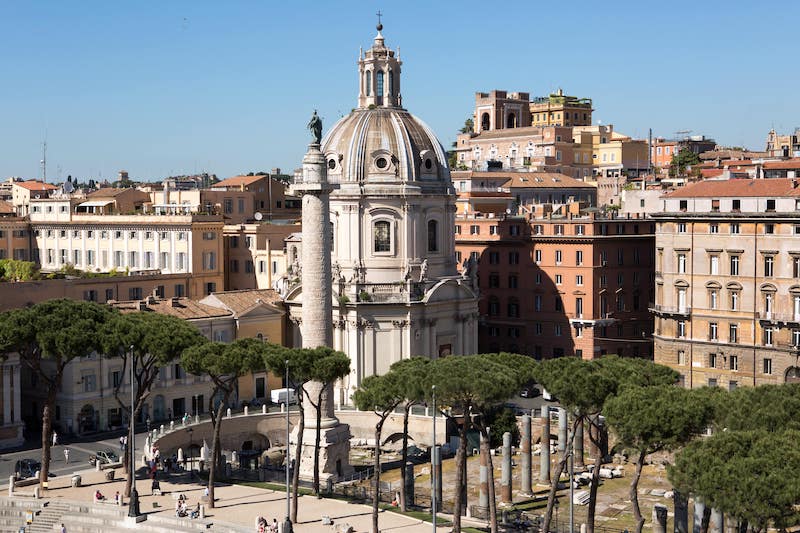
Domus Romane di Palazzo Valentini
The Domus Romane di Palazzo Valentini offers a unique journey into Rome’s past. Located near the Trajan Column by Piazza Venezia, in an area that see enormous crowds of tourists, this site is virtually unknown to most travelers. I went with the specific intention to get away from the crowds!
Palazzo Valentini features two Roman villas dating back to the 1st and 4th centuries AD, visible beneath a glass floor. The Renaissance-era Palazzo Valentini, built in the 15th century, stands above these excavated villas.
Discovered during excavations in 2005, this underground site also revealed a large temple believed to be dedicated to Emperor Trajan and his wife, Plotina.
What makes this visit truly unique is the use of multimedia installations that recreate the villas’ original appearance, providing a vivid sense of life in ancient Rome. Keep in mind you can’t take photos inside.
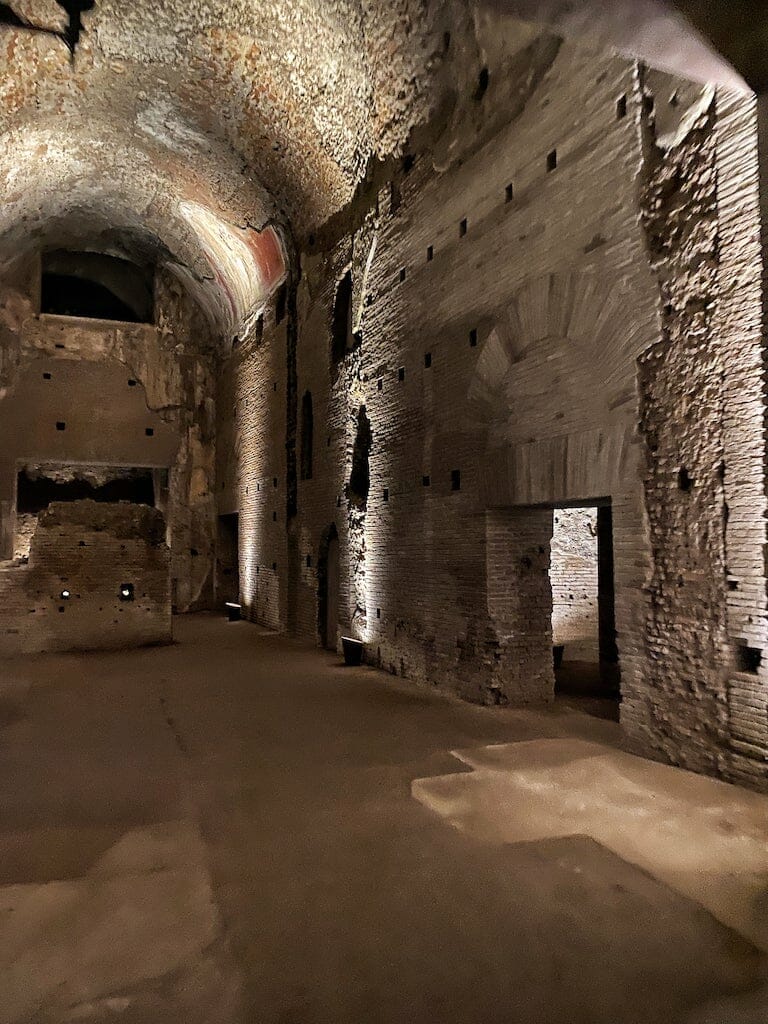
Domus Aurea – Nero’s Golden House
The Domus Aurea, or Nero’s Golden House, was an impressive villa built after the great fire of 64 AD, covering 300 acres of central Rome. It’s really close to the Colosseum, inside the beautiful Parco del Colle Oppio.
This lavish palace featured frescoes, marble decorations, vast gardens, fountains, and even a golden dome, symbolizing Nero’s grandiose vision for Rome. After Nero’s death, the villa was transformed into public spaces and later buried beneath Trajan’s Baths.
Rediscovered by accident in the 15th century, the Domus Aurea influenced many Renaissance artists who marveled at its frescoes and intricate designs.
Only parts of the villa have been excavated today, but you can still visit on guided tours. The site offers a unique combination of historical exploration and modern virtual reality experiences, so you can imagine what life was like then. This is definitely one of the best Rome hidden gems out there.
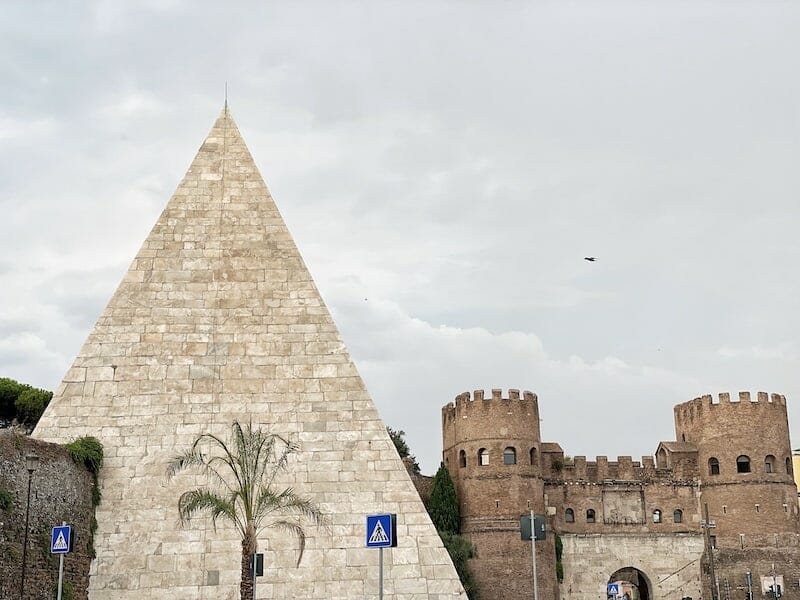
Pyramid of Caius Cestius
Tucked away in the district of Ostiense, the Pyramid of Caius Cestius was built between 18 and 12 BC and served as the tomb for Caius Cestius, a wealthy magistrate.
The pyramid is remarkably well preserved, and its sleek white marble exterior still stands out against the Roman skyline. While you can’t usually go inside—it’s only open on special occasions—it’s still a striking spot for a quick photo while exploring this less-touristed part of Rome.
This pyramid may not be as famous as the Colosseum, but it tells the story of Rome’s ancient fascination with Egypt. When visiting the area, it pairs well with nearby offbeat sites like the Protestant Cemetery, where famous poets like Keats are buried. There’s also a cat sanctuary inside the cemetery, for cat lovers like myself.
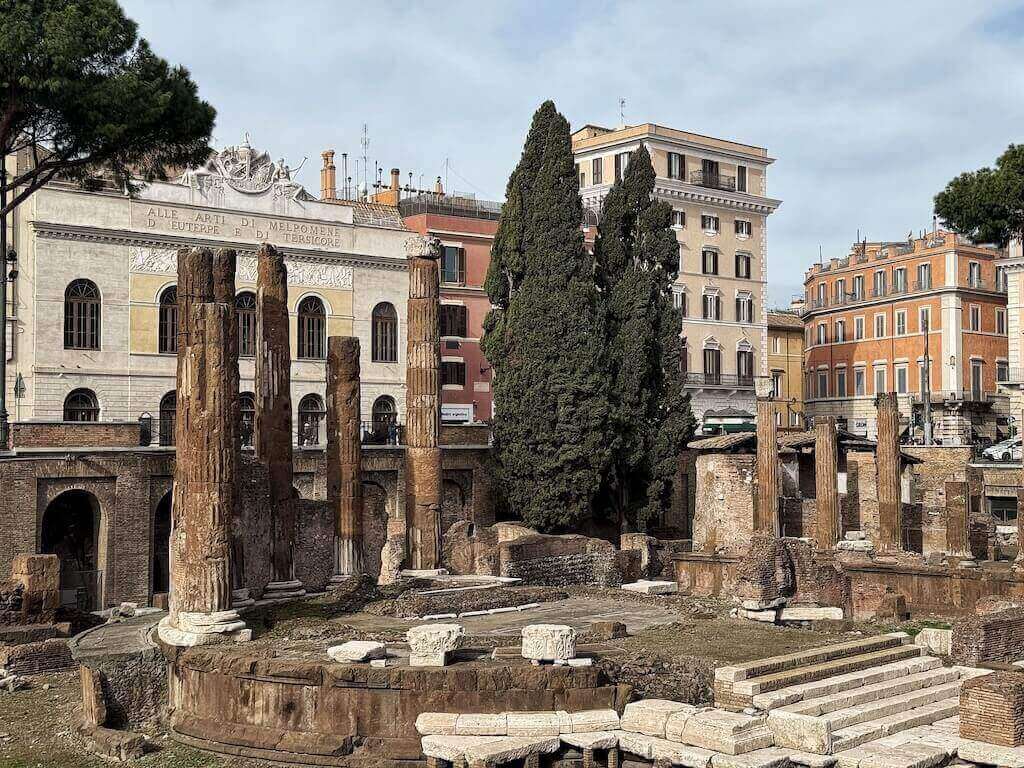
Largo di Torre Argentina
Speaking of cats, I should mention Largo di Torre Argentina, which might seem like just another ruin in Rome, but it holds a chilling piece of history. I first found it quite by chance with my dad on a trip to Rome many years ago, and what caught my eye were the many cats lounging around the ruins!
These ruins mark the location of the Theatre of Pompey, where Julius Caesar met his end on the Ides of March. Excavated in 1929, this archaeological site sits conveniently between Piazza Venezia and Piazza Navona, so you’ll likely stumble across it while exploring the historic center.
Largo di Torre Argentina is also Rome’s oldest cat sanctuary (for me, one more reason to love it). It is home to dozens of cats who live among the ruins and are cared for by volunteers. Visitors can drop by the sanctuary, buy a small souvenir, or make a donation to support their work.
It’s a delightful mix of ancient history and cat charm. This is definitely one of my favorite places in Rome off the beaten path.

Palaces, villas, and gardens
Palazzo Spada
Palazzo Spada is an exquisite Renaissance palace that often flies under the radar for many visitors to Rome. Located in Piazza Capo di Ferro, it houses the Galleria Spada, an art collection featuring works by renowned artists like Titian and Artemisia Gentileschi.
The palace itself is a marvel, with its lavish interiors, impressive decor, and grand setting making it a worthy stop on any off-the-beaten-path itinerary.
However, the true attraction here is the optical illusion in the courtyard created by Francesco Borromini. He designed the colonnade to look much longer than it is, using forced perspective so that objects appear larger than their actual size.
I got lucky when I visited. A staff member demonstrated the trick; it was amazing to see the statue at the end seem so tiny when she walked up to it!
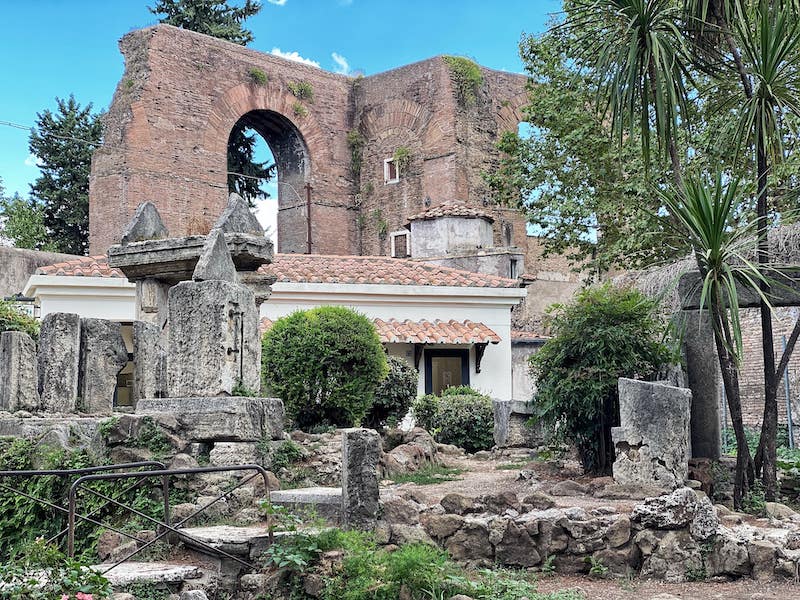
Villa Celimontana
Villa Celimontana is a hidden oasis on Caelian Hill, not far from the Colosseum and Rione Monti. It’s a peaceful park filled with some old historical monuments, like the Palazzetto Mattei—a villa shaped by the patronage of Ciriaco Mattei, who loved art and Caravaggio’s work.
Within its grounds, you’ll also find the remains of the Basilica Hilariana, dedicated to the goddess Cybele, with its beautiful mosaics.
It’s a perfect escape from Rome’s bustling streets, offering a shady retreat and a quiet spot for a picnic, especially during the summer heat (I won’t deny that I ended up there looking for shade on a very hot day!).
What makes Villa Celimontana particularly special is its laid-back charm, contrasting with the more crowded attractions nearby.
The park is free to visit and is dotted with sculptures, an ancient obelisk, and plenty of spots to unwind. It’s a great place to see a different side of Rome, where locals stroll, families play, and visitors can sit and enjoy the tranquil surroundings without the usual tourist rush.

Villa Farnesina
Villa Farnesina, located along Via della Lungara in Trastevere, is one of Rome’s hidden Renaissance treasures. Built in 1506 by Agostino Chigi, a wealthy Sienese banker, this villa showcases stunning frescoes by Raphael, including the famous “Loggia di Amore e Psiche” and “Ninfa Galatea.”
The villa’s history is rich. In 1579, the Farnese family acquired it, and it still stands today as one of Rome’s lesser known galleries, where you can marvel at some of the best examples of Renaissance art.
Walking through Villa Farnesina feels like stepping into a piece of art history, with frescoes that reveal the grandiosity and imagination of the period.
Despite its artistic significance, this villa remains relatively off the radar, offering a more intimate experience than the bustling Vatican (which isn’t far, by the way) or the Colosseum. Whether you are an art lover or just want to escape the crowds, Villa Farnesina is a delightful find.
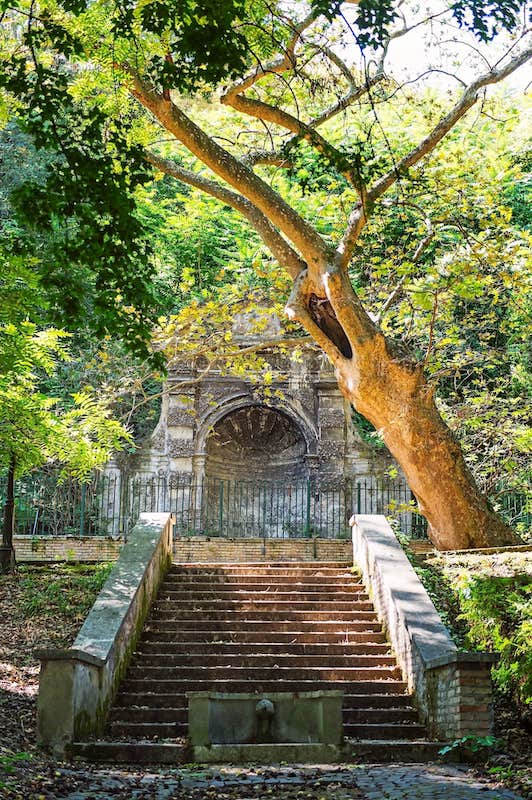
Orto Botanico (Botanical Gardens)
The Orto Botanico is one of Rome’s most serene and lesser-known attractions in the Trastevere district (which is otherwise very chaotic, by the way). Established in 1883, it spans 12 hectares and is filled with diverse plant species—from ancient trees to colorful orchids, aromatic herbs, and unique bamboo collections.
The garden offers a peaceful break from the city’s historic sights. It features areas like the Japanese Garden, Mediterranean Garden, and a vast collection of succulents.
The Orto Botanico is a hidden sanctuary for nature lovers and those looking for a quieter side of Rome. My favorite thing to do here is enjoying the lovely scent of roses in the warmer months.
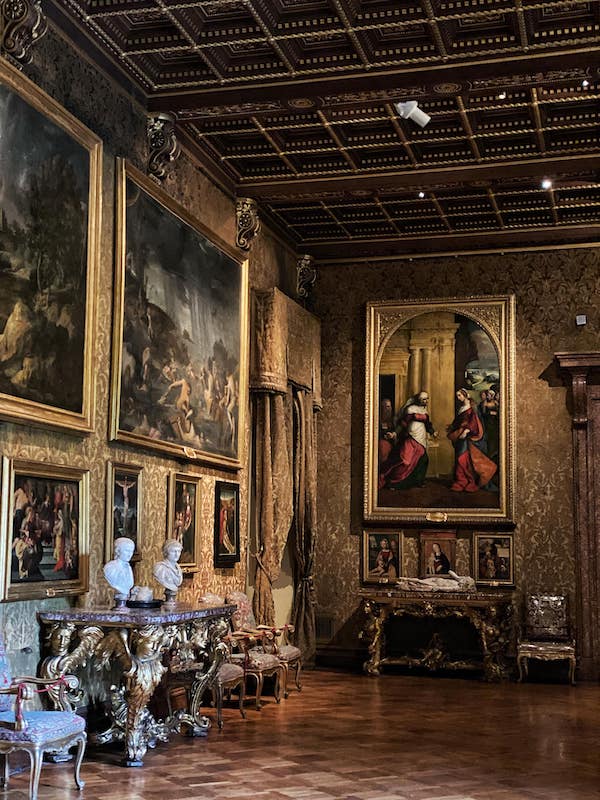
Galleria Doria Pamphilj
Not far from the more famous landmarks like the Spanish Steps and the Pantheon, you’ll find Galleria Doria Pamphilj on Via del Corso, right in the heart of Rome. Despite its central location, it remains a bit under the radar for many tourists. When I visited there were very few visitors!
Built in the 17th century for Pope Innocent X, this lavish palace is still owned by the Doria Pamphilj family.
Inside, you can explore a magnificent art collection accumulated over centuries, featuring works by Caravaggio, Raphael, Titian, Velázquez, and many others. Make sure to look up, as the ceilings themselves are masterpieces.
With so little visitors compared to the more famous Borghese Gallery, you can truly appreciate its grandeur and the quiet elegance of this hidden treasure.
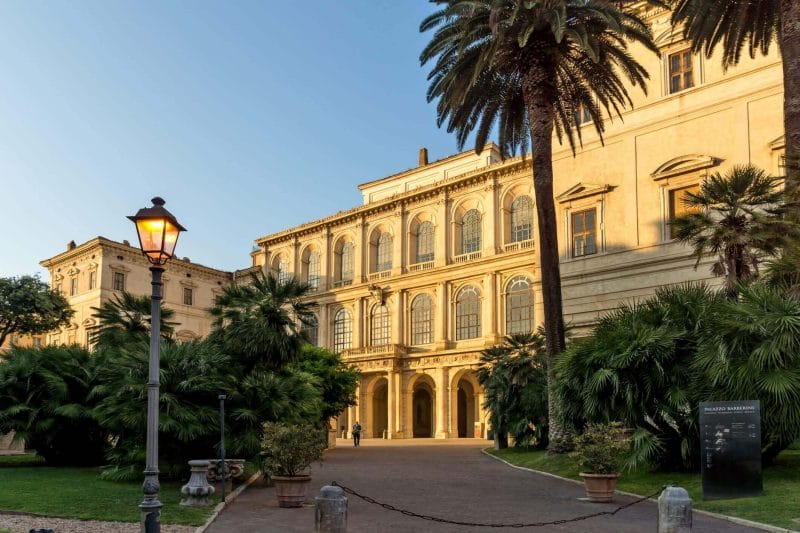
Palazzo Barberini
Continuing with Rome’s lesser-known art spaces, Palazzo Barberini is another must-visit, especially for fans of Caravaggio. Located at Via delle Quattro Fontane, this stunning palace is home to the Galleria Nazionale d’Arte Antica, which houses an impressive collection of Renaissance and Baroque art.
Here, you can admire Caravaggio’s dramatic “Judith Beheading Holofernes,” along with works by Raphael and Bernini. Despite its incredible collection, Palazzo Barberini remains a quieter, more relaxed spot to soak in Rome’s art scene without the crowds.
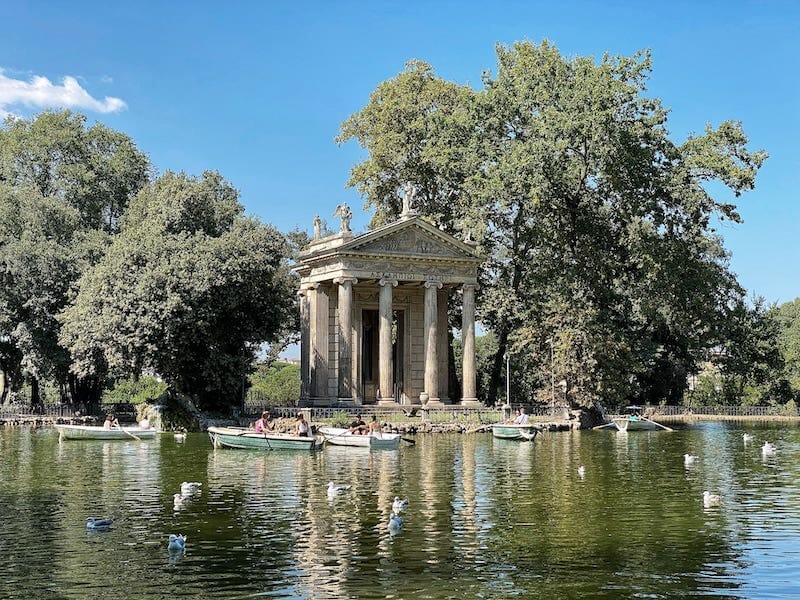
Villa Borghese Gardens
After immersing yourself in the art, a stroll through the Villa Borghese Gardens offers a peaceful escape from the city’s bustle.
While many visitors head straight to the Borghese Gallery, few explore the expansive public gardens surrounding it – though locals love it (it’s also a great place to go for a run, if you are into it).
Accessible from Piazza del Popolo, these gardens are perfect for a leisurely walk, with several hidden gems waiting to be discovered.
Highlights include the unique water clock from 1867, which tells time through water flow, and the Cinema dei Piccoli, the world’s smallest cinema. It’s a delightful place, especially for families with kids.
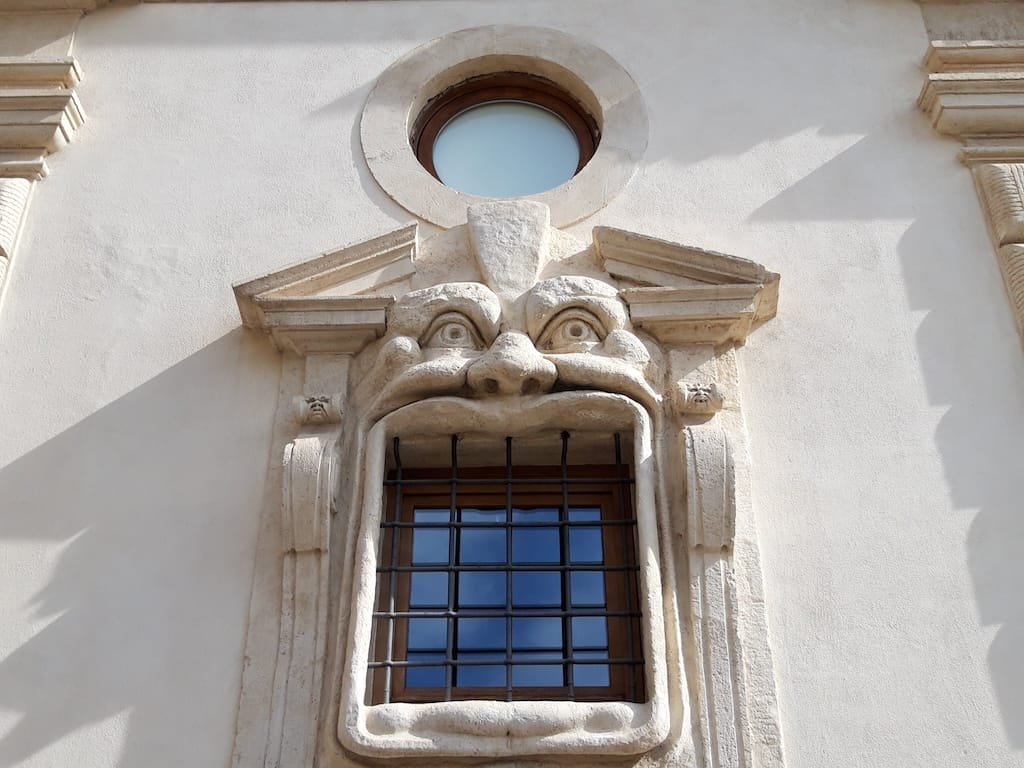
Palazzo Zuccari
Palazzo Zuccari, affectionately known as the “Monster House” (Palazzo dei Mostri), is a quirky, 16th-century building located on Via Gregoriana, near the famous Spanish Steps.
The facade is a sight to behold, adorned with monstrous carvings around its windows and doors that give it a spooky, fairy-tale-like appearance. Although the building currently serves as the Bibliotheca Hertziana under the Max Planck Institute for Art History and isn’t typically open to the public, its exterior alone is worth the detour.
Palazzo Zuccari is particularly entertaining if you’re traveling with kids, who will likely enjoy the monstrous faces that seem to guard the building.
Palazzo Altemps
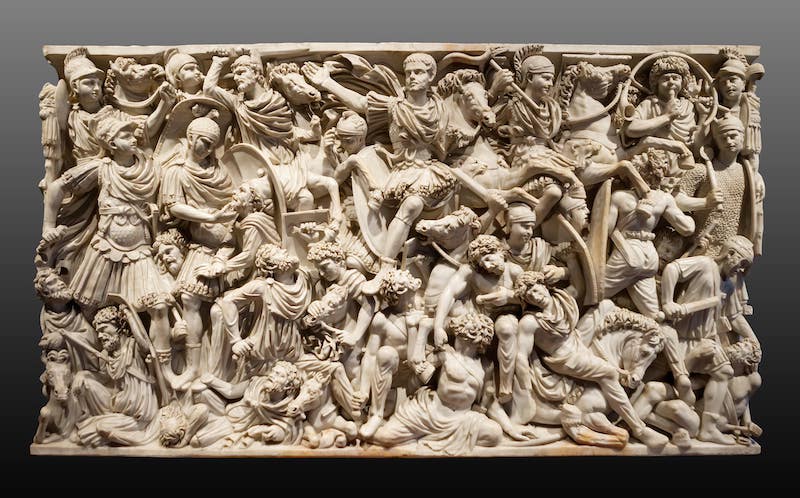
Palazzo Altemps is a Renaissance gem tucked away near the bustling Piazza Navona. Part of the National Roman Museum, it houses an exquisite collection of classical sculptures, including famous pieces like the Ludovisi Throne and the Galatian Suicide. The interiors are richly decorated with frescoes and tapestries.
The palace’s peaceful courtyard offers a tranquil escape from Rome’s crowded streets. At the same time, its rooms reveal a journey through history, featuring everything from Roman gods and emperors to ancient Greek originals.
Don’t miss the chance to admire the palace’ stunning architecture and well-curated exhibits away from the city’s typical tourist routes.
Quirky and unique spots in Rome
Keats-Shelley Memorial House
When exploring Rome, you’ll find not only the famous Italian landmarks but also quirky and unique spots that add an unexpected charm to your journey, and this memorial house does exactly that.
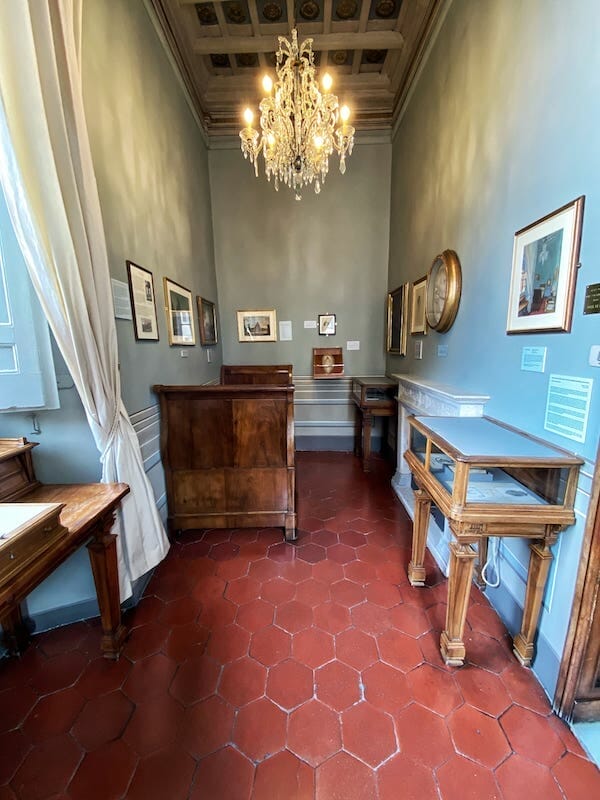
Just steps away from the Spanish Steps, the Keats-Shelley Memorial House is dedicated to the English Romantic poets John Keats and Percy Bysshe Shelley. The museum, located in the apartment where Keats lived and died, features intimate rooms filled with artifacts, manuscripts, and personal items that offer a glimpse into the poets’ lives.
The library, considered one of the finest collections of Romantic literature, boasts over 8,000 volumes. Don’t miss the terraces with stunning views of the Spanish Steps!
Centrale Montemartini
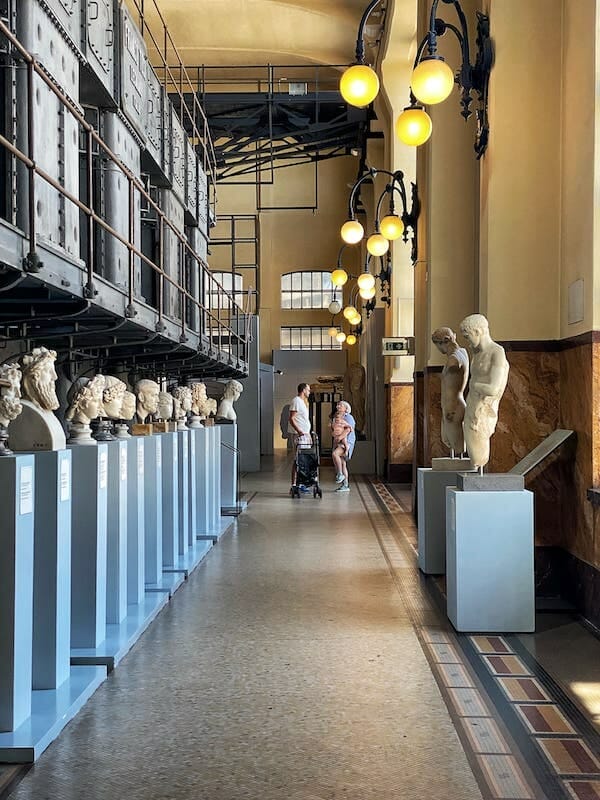
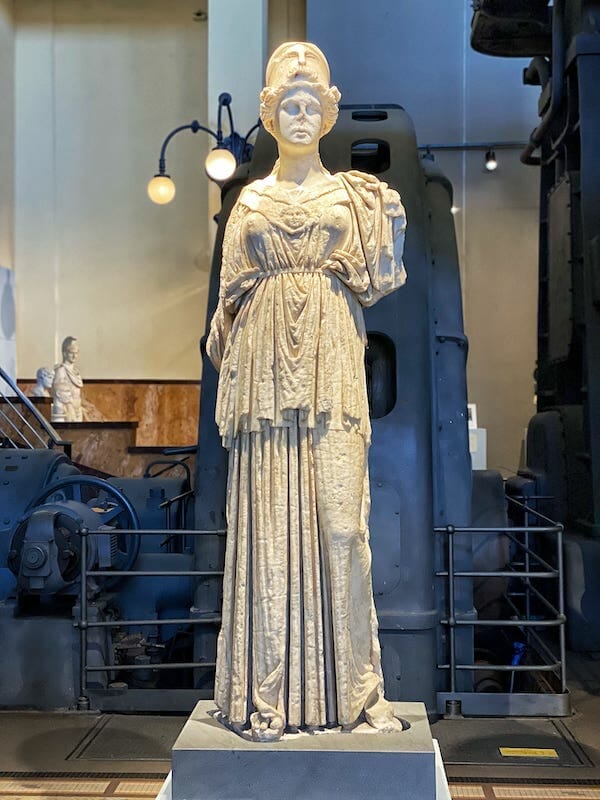
Centrale Montemartini offers one of the most unique museum experiences in Rome – and it’s one of my favorite museums in the city. Originally a power plant, it now combines ancient Roman sculptures with early 20th-century industrial machinery, like turbines and generators.
It’s an unexpected mix—imagine admiring marble statues among steel engines! Located in the Ostiense district, this museum is lesser-known but provides a fascinating contrast between classical art and modern technology. It’s a great choice if you’re interested in history, engineering, or just want to see something different from the usual Roman sights.
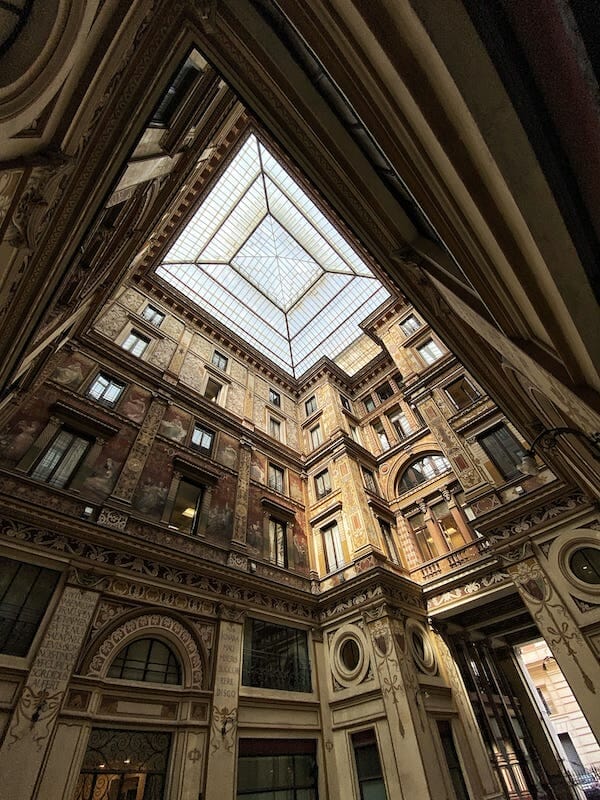
Galleria Sciarra
I first discovered this place by literally stumbling upon it! Tucked away near the bustling Trevi Fountain, Galleria Sciarra is a place art lovers shouldn’t miss.
This covered courtyard, built in the late 19th century, features stunning frescoes that celebrate women and their virtues—like faithfulness and modesty—with vivid colors and elegant details.
Originally intended to be an upscale shopping gallery, it now houses office buildings, making it a quiet, peaceful escape from the city’s crowds. The beautiful Art Nouveau style and glass ceiling make it perfect for a brief stop to admire its intricate beauty while exploring the historic center.
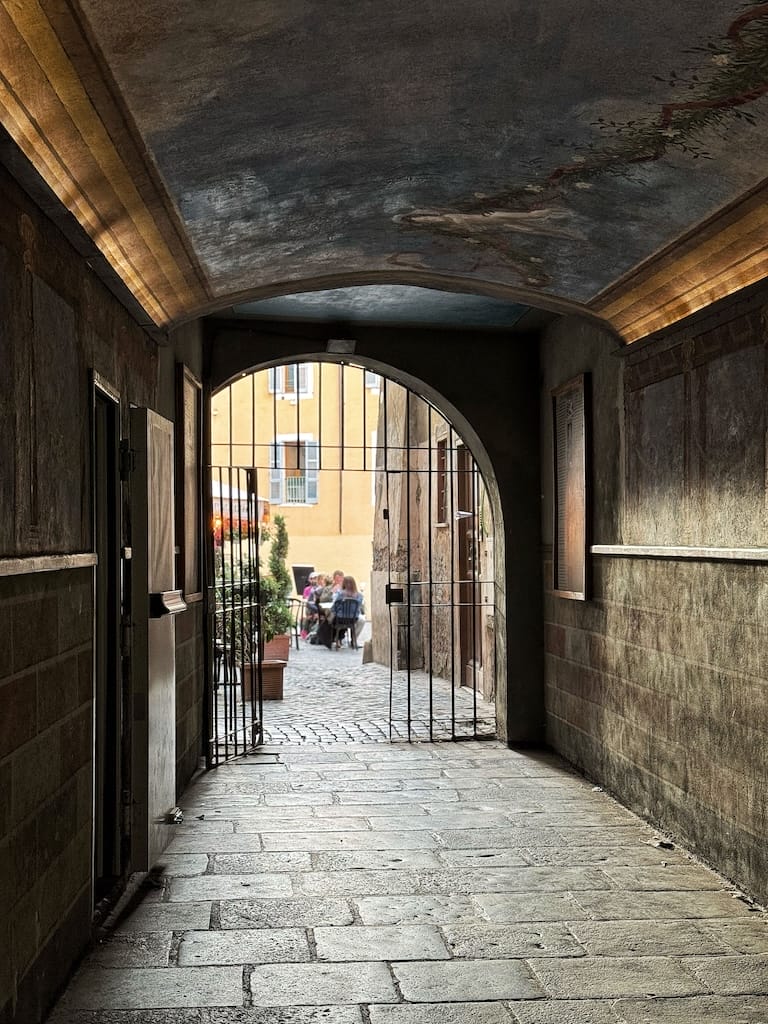
Passetto del Biscione
The Passetto del Biscione is a narrow, cobblestone passageway in the historic heart of Rome, running between Via di Grottapinta and Piazza del Biscione.
It dates back to the days of the Roman Empire and was once used as a shortcut from the Theater of Pompey to the outside world. Named after the snake (“biscia”) on the Orsini family’s coat of arms, it was a hidden passage nearly lost to time until recent restoration efforts in 2016 brought it back to life.
The passage has a unique, almost secretive charm. Take your time to explore this path, marvel at its quiet history, and perhaps even imagine the bustle of ancient Roman citizens who once used this very route.
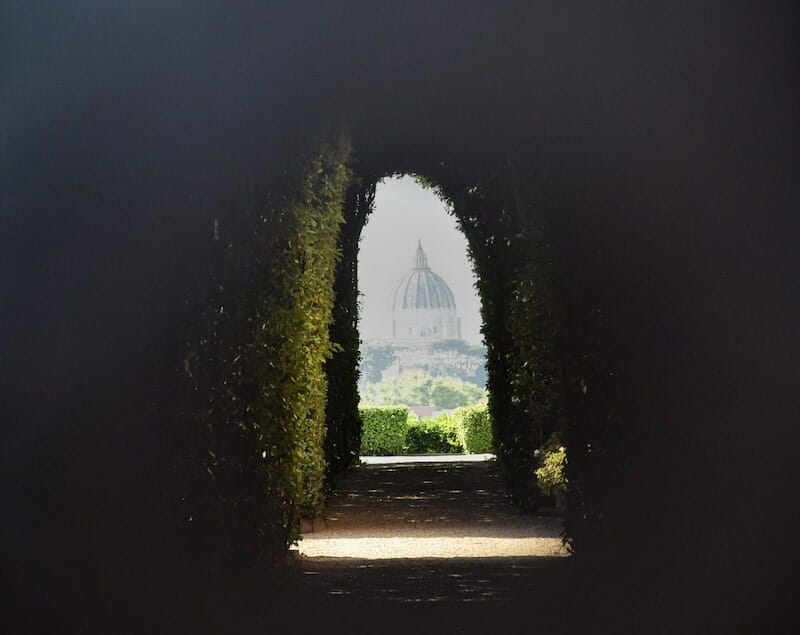
Knights of Malta Keyhole (Aventine Hill)
While the Knights of Malta Keyhole may be more popular than it once was, it’s still one of Rome’s most unique attractions.
Found at Piazza dei Cavalieri di Malta on Aventine Hill, peering through this tiny keyhole offers a perfectly framed view of St. Peter’s Basilica — a sight that feels almost magical. The hill itself is less crowded than other areas of Rome, providing more of an escape where you can explore charming streets, historic churches like Santa Sabina, and the Orange Garden.
Just be prepared for a bit of a wait; the secret is out, and there are usually a lot of other tourists taking photos here. Still, you can enjoy the surrounding neighborhood, which feels like a hidden oasis within Rome.
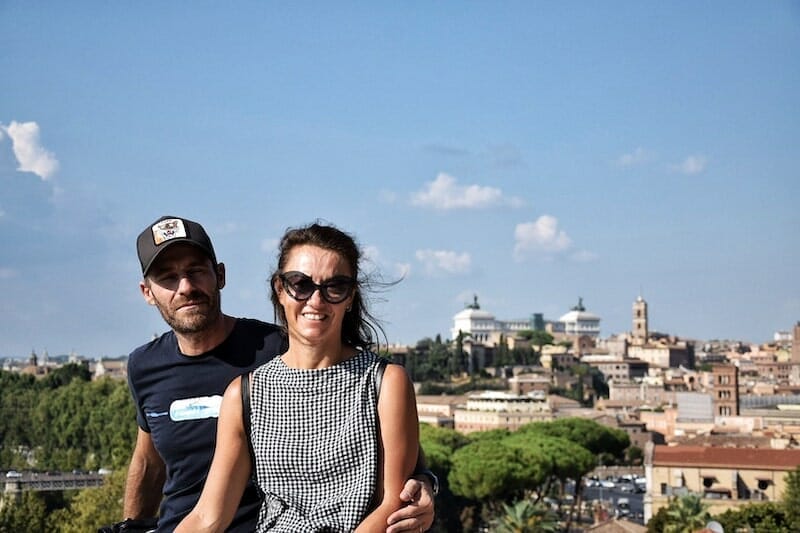
Orange Garden (Giardino degli Aranci)
The Orange Garden, or Giardino degli Aranci in Italian, is a quiet refuge perched on the Aventine Hill, one of Rome’s most serene spots.
Officially known as Parco Savello, this garden is filled with orange trees and offers stunning panoramic views of the city, including a glimpse of St. Peter’s Basilica in the distance, and the Altar of the Fatherland.
The garden was designed in 1932 by Raffaele de Vico, and it has held onto an old-world charm that draws visitors looking for a peaceful retreat. As you wander the paths, take in the fragrance of the orange blossoms and enjoy the romantic atmosphere.
Nearby is the Rose Garden, which is especially beautiful during the blooming season. Both spots offer provide plenty of opportunities to relax, people-watch, and take in the beauty of Rome from above.
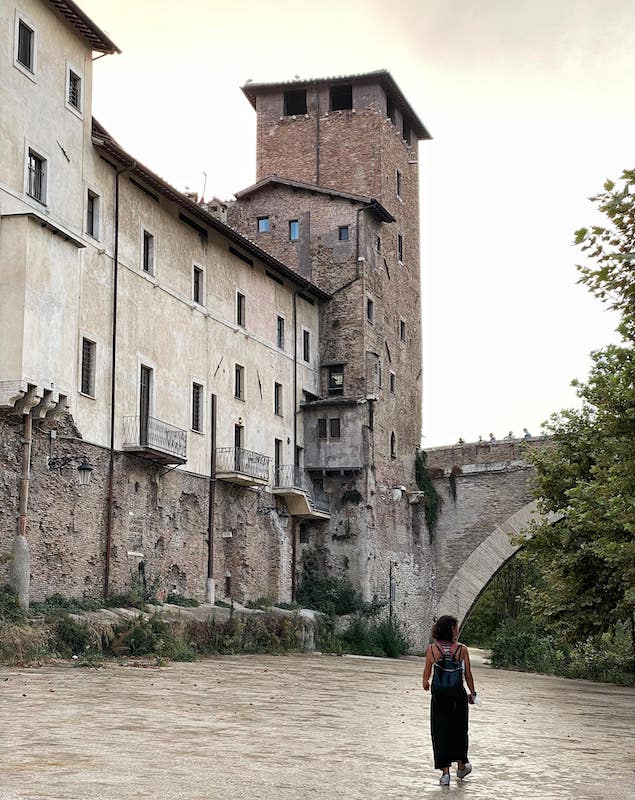
Tiber Island
Tiber Island, known as Isola Tiberina in Italian, is a small but captivating island on the Tiber River. It’s connected to the city by two ancient bridges, Ponte Cestio and Ponte Fabricio. It’s right across the water from the Jewish Ghetto.
Once home to the Temple of Aesculapius, the god of medicine, today it houses the historic Fatebenefratelli Hospital and the Basilica di San Bartolomeo, a church dating back to the 10th century. Wander around its cobblestone streets, soak in the views of the Tiber, and feel the unique vibe of unique place in Rome.
During the summer months, the island becomes lively with outdoor events and a well-known film festival, making it a perfect destination to experience Rome’s local culture.
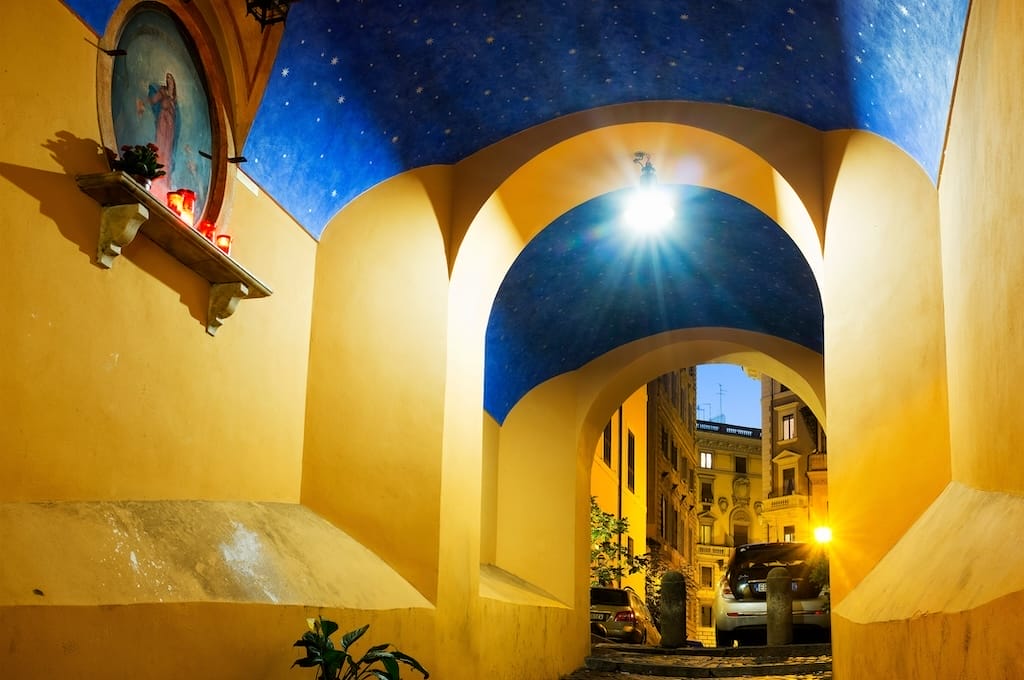
Arco dei Banchi
The Arco della Madonna dei Banchi, or Arco dei Banchi, is a lesser-known but fascinating arch near St. Peter’s in the historic Santo Spirito area.
Once a bustling hub for local merchants, scribes, and notaries, the arch still echoes the commercial life of medieval Rome. A small stone plaque beneath it commemorates the great flood of 1277, showing just how high the Tiber River rose that year.
In the 19th century, a large painting of the Virgin Mary replaced a statue under the arch, adding a touch of historical significance. The spot is rarely noticed by tourists, making it one of the best hidden gems in Rome.
Lesser-known neighborhoods and viewpoints
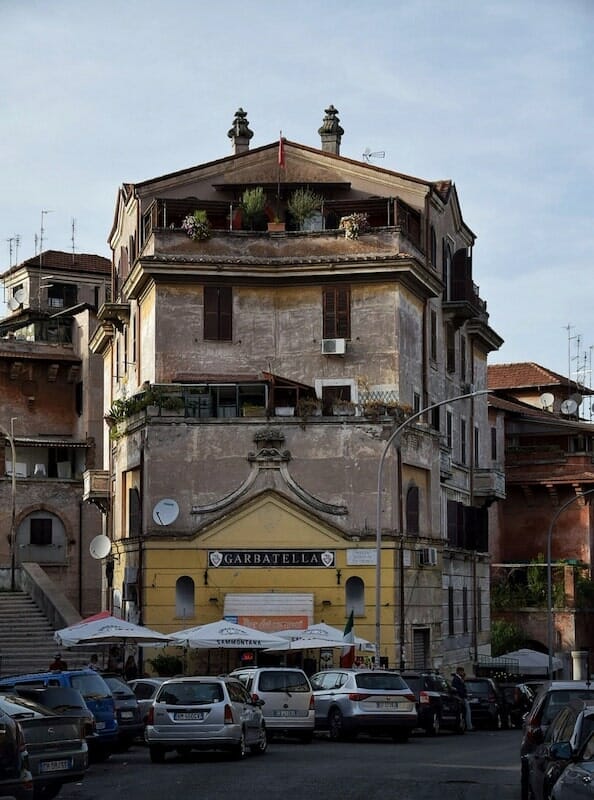
Garbatella
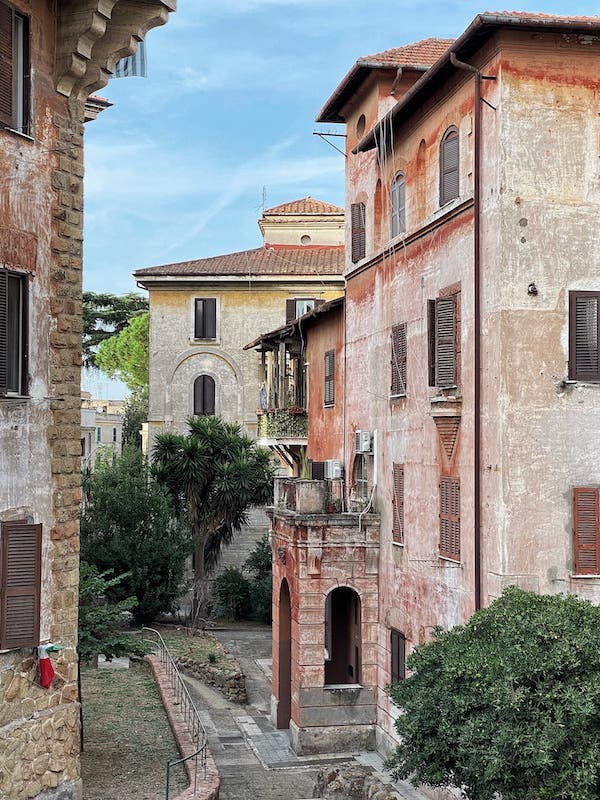
Garbatella is one of Rome’s most charming neighborhoods, though it remains largely off the radar for most tourists. Despite being popularized by a famous Italian TV series, it still feels like a well-kept secret. Established in 1918, it was initially considered a rough part of town but has since evolved into one of Rome’s most beloved districts.
Wandering around Garbatella is a delight. You’ll encounter unique architectural styles, particularly the Alberghi Suburbani, distinctive residential buildings from the 1920s.
These quirky structures have three protruding blocks, each facing a garden or courtyard, offering a rare glimpse into Rome’s 20th-century architectural heritage. It’s a pleasant place to walk around – there are some nice cafés where you can stop for a coffee and just admire local life.
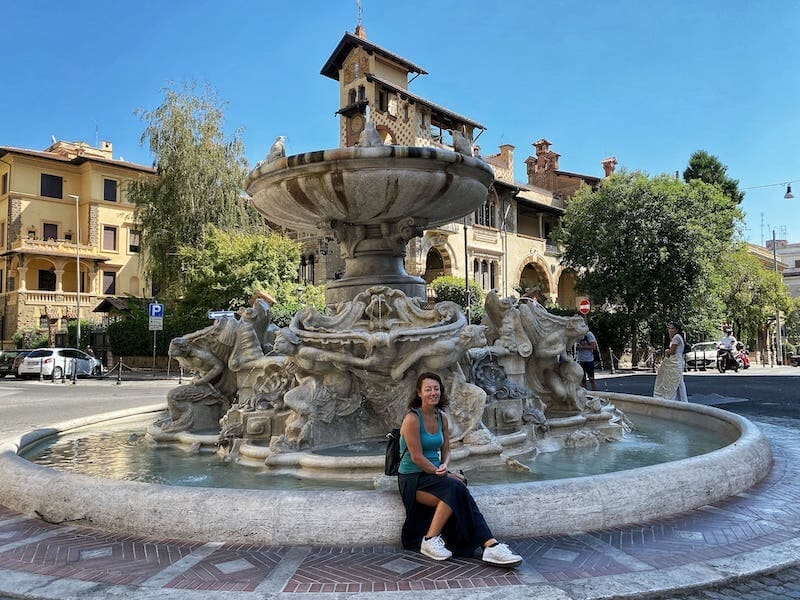
Quartiere Coppedé
Quartiere Coppedé is a whimsical, lesser-known district just a short walk from Villa Borghese. This neighborhood feels like stepping into a fairytale, with an eclectic mix of architectural styles, thanks to architect Gino Coppedè, who began its design in 1915.
Although he passed away in 1927, Paolo Emilio Andre continued his vision, adding elements inspired by Roman Baroque, Mannerism, and Art Nouveau.
Begin your exploration at Piazza Mincio, where you’ll find the enchanting Fontana delle Rane (“Fountain of the Frogs”), a tribute to Bernini’s famed Turtle Fountain.
Wander through the quiet(er) streets to admire the Archway of Via Tagliamento and the intricate designs of Villino delle Fate, the “Little House of the Fairies.” It’s an area that feels worlds away from the typical tourist spots.
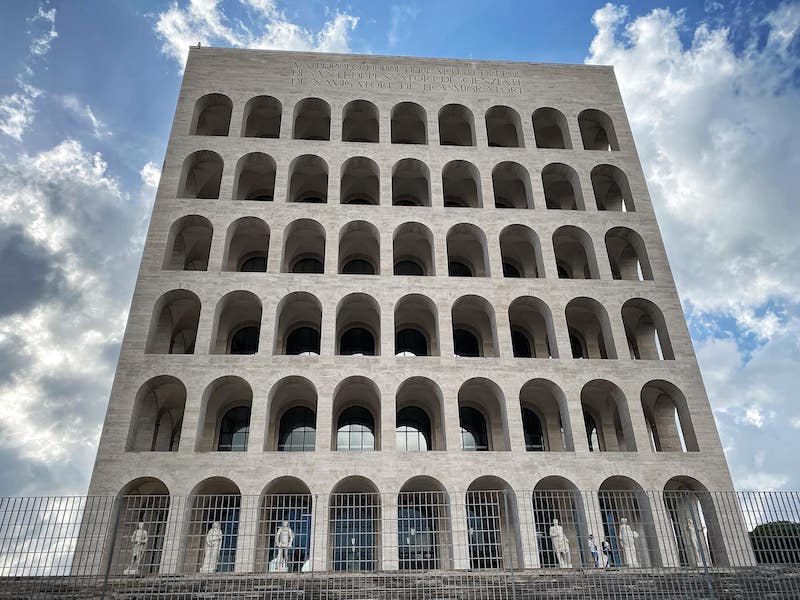
EUR
The EUR, short for Esposizione Universale Roma, is one of the more unusual neighborhoods in Rome. Located in the southern part of the city, this area is a stark contrast to the ancient ruins and Renaissance art for which Rome is famed.
Originally developed in the 1930s for a World Fair planned by Mussolini (which never took place), EUR is an example of Fascist architecture with grand, imposing structures.
Highlights include the Palazzo della Civiltà Italiana, often dubbed the “Square Colosseum,” and the striking Basilica of St. Peter and Paul, which some say is a minimalist nod to St. Peter’s Basilica. The neighborhood is also home to several parks and modernist museums.
Pigneto
Pigneto is a hip, eclectic neighborhood filled with street art, vintage shops, and cool bars. Overlooked by tourists, this district is a favorite among young locals and creative types.
It’s a great place to wander, people-watch, and soak up the bohemian atmosphere. You’ll find a mix of trendy cafes, artisanal bakeries, and vibrant street markets offering everything from fresh produce to handmade crafts.
Make sure to explore the backstreets, where you’ll stumble upon hidden murals and quirky boutiques. At night, Pigneto comes alive with a lively nightlife scene featuring a mix of cocktail bars, craft beer spots, and intimate live music venues. If you want to experience a slice of Rome beyond the usual tourist path, Pigneto is the place to be.
If you are into street art, you could also consider exploring the district of Ostiense (where the Pyramid of Cestius is located, or the Tor Marancia neighborhood. The latter one is a favorite of mine, as it is completely off the beaten track and still very local (I was the only tourist when I visited).
Tor Marancia truly is one of the most hidden places of Rome, so you will be better off having a guide to walk you through the area. I recommend this guided street art tour of Tor Marancia. It’s one of the best rated street art tours in the city, and you’ll learn a lot about the creation of this particular neighborhood, as well as the significant of the art you’ll be admiring.

Janiculum Terrace
If you’re looking for one of the best panoramic views of Rome, the Janiculum Terrace is a must-visit. This viewpoint, locally known as the Gianicolo, sits south of the Vatican and above the bustling Trastevere district. It offers a peaceful escape with breathtaking views.
Aside from the views, there’s plenty to explore. Don’t miss the Fontana dell’Acqua Paola, a grand marble fountain dating back to the 17th century, or the Manfredi Lighthouse, a unique gift from Italian-Argentine immigrants in 1911.
For history buffs, the hill also holds the Church of San Pietro in Montorio and a monument dedicated to Garibaldi, commemorating the 1849 battle when the French army attacked Rome.
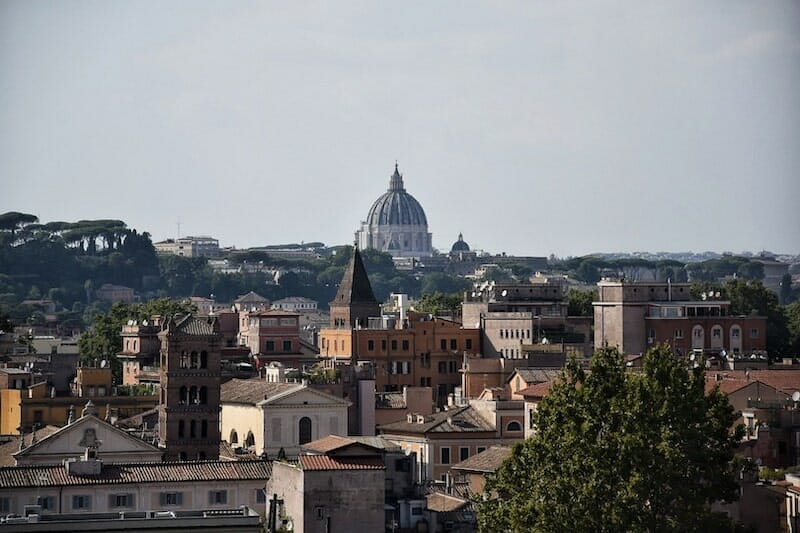
3 Best Rome Hidden Gems Tours
Lastly, I want to share some of the best Rome off the beaten path tours. While you can easily explore the city on your own, walking or taking public transportation to most places, a tour may be more beneficial to some travelers.
For example, you’ll probably learn a lot more about the different sights and places because you’ll be with a guide. Also, a tour is often better for those short on time and wanting to make the most of Rome in just a few days.
So, here are three of the best tours that take you to some amazing hidden places of Rome:
Rome: Off-The-Beaten-Track Private Walking Tour—This is a walking tour of some great hidden gems in Rome. Because it’s shorter (it only lasts around three hours) and doesn’t include sights that require expensive entry, it’s the most budget-friendly option. The secret itinerary includes a beautiful library with a hidden garden and local streets away from the hustle and bustle of tourists. It is private, so it’s also customizable.
Rome: Paranormal Night Walking Tour & Secret Backstreets—This is one of the most unique ways to explore Rome off the beaten path. The tour begins in the evening, after the sun sets, focusing more on Rome’s spooky past. You’ll even hear from fascinating Roman myths and legends. The tour lasts around 2 hours and goes through other hidden gems around the city.
Rome Private Tour: Highlights & Hidden Gems by Vespa or Foot—This is more of a splurge tour because it’s a bit more expensive and also very extensive. It lasts around three hours and is the most fun way to explore Rome off the beaten track. You’ll pass by all the popular sights, including the Pantheon and the Colosseum, but also get to see more of Rome’s “secret” places, like Teatro di Marcello.
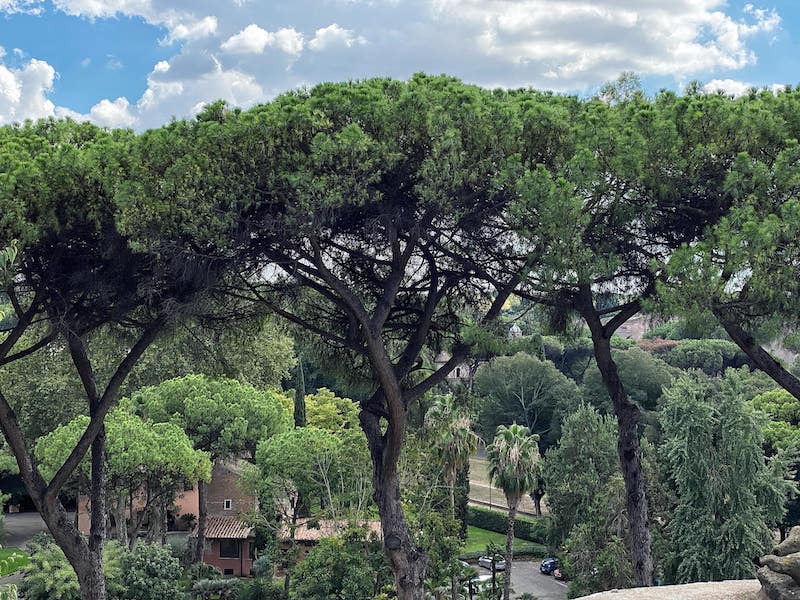
Conclusions On Exploring Rome Off The Beaten Path
Rome is one of the most popular cities in Italy, and for good reason. It has everything we all know and love about Italy: good food, good sights, good people, good art, and more. It’s home to some of the most iconic landmarks in the country, too!
When visiting Rome, you definitely should catch all the most famous sites. But if you have the time and wish to avoid the crowds, you should also try exploring some of Rome hidden gems.
Want to avoid the crowds when in Rome? My post When To Visit Rome helps you pick the best time to go. Also read my post How Long Should You Stay In Rome? to decide how many days you need to book!
There’s so much to see in Rome off the beaten path, and many of these places give you an entirely different perspective on the city.
I’m personally partial to Largo di Torre Argentina, not only for the archeological ruins but also for the cat sanctuary. As far as religious sites go, San Clemente Basilica always caught my eye.
But the point is, you have dozens of options if you’re trying to explore the hidden places of Rome. Hopefully, you can also find your own little gems while visiting.
Do you love to explore off the beaten path? You need to also read my article, Best Hidden Gems in Italy—What To See In Italy Off The Beaten Path. The post discusses lesser-known villages and towns all over the country, so it’s a good way to break the routine and try something new.
PIN IT!


Claudia Tavani
Claudia Tavani was born and raised in Sardinia, and after moving between the United States and the United Kingdom, she's now back living in her hometown, Cagliari. She's a travel blogger and certified travel designer who loves planning trips and publishing guides, travel tips, and packing lists so that you don't have to. Owner of Strictly Italy, cat mom to Minnie. Loves pizza, hiking, archeology, cities, beaches, swimming, and running. Hates peppers.