
Are you looking for the best Rome travel tips? You are in the right place. I go there all the time (I am going there again next week, in fact) and can share all my expert tips to help you plan a wonderful trip.
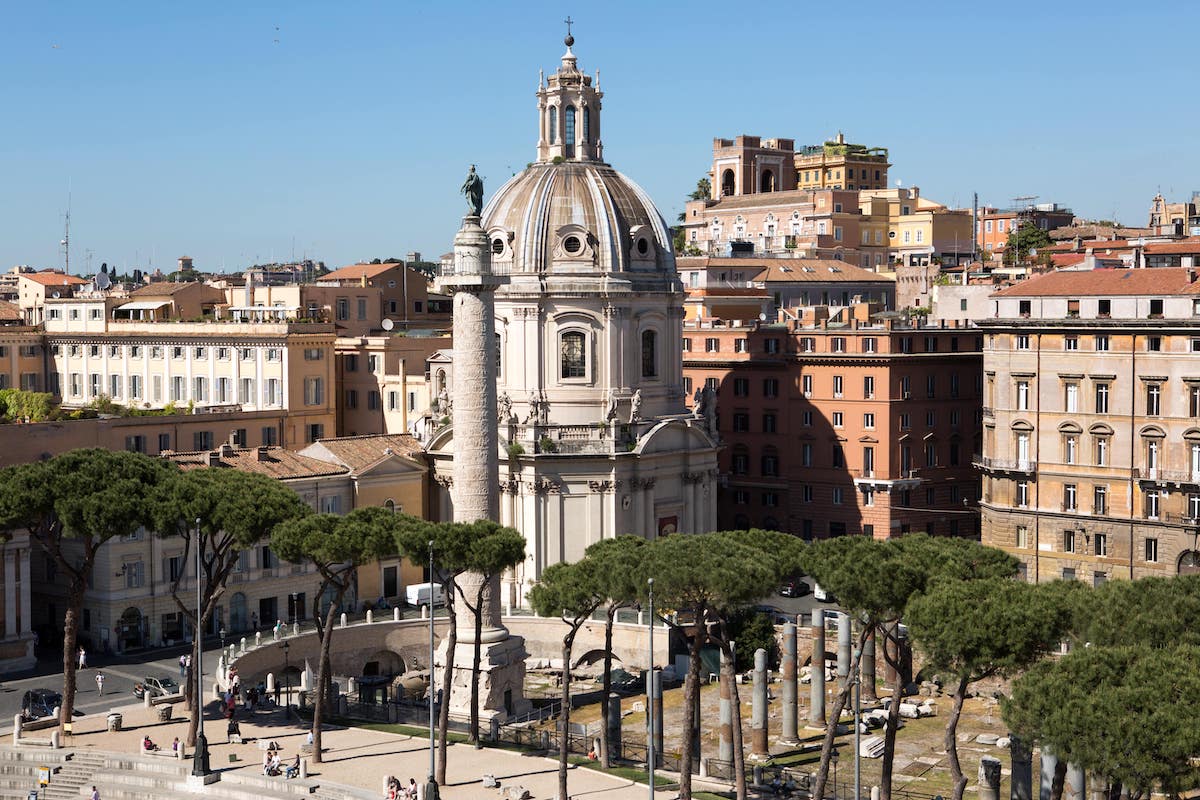
Rome is so much more than just the capital of Italy. It’s home to some of the country’s most iconic landmarks, like the Colosseum, the Pantheon, and the Vatican (ok, that’s in a different country but you get the idea).
It’s a bucket list destination, often called the Eternal City because its ancient history will always keep it alive. Visiting Rome for the first time is truly an unforgettable experience, but surely planning a trip to Rome can be challenging!
Rome is one of my favorite places in Italy. I lived there for a while years ago. I often found it chaotic, crowded, and disorganized. Yet, over the course of a few months, it slowly crept into my heart, and I’ve grown a fond of it – and now I go whenever I can (yes, I have another trip planned).
It helps when you learn how to navigate the city and appreciate its unique charm and quirks. As someone born and raised in Sardinia, more used to Italian island life, I can tell you that you will need some expert Rome travel tips. I have been there so many times that I consider myself something of an expert on the Eternal City.
So, I’m here to share my top Rome travel tips. This list will help you be well-prepared so you can spend more time soaking in the incredible sights and less time dealing with the stress.
Are you visiting Rome soon? These are the top attractions that must be booked in advance:
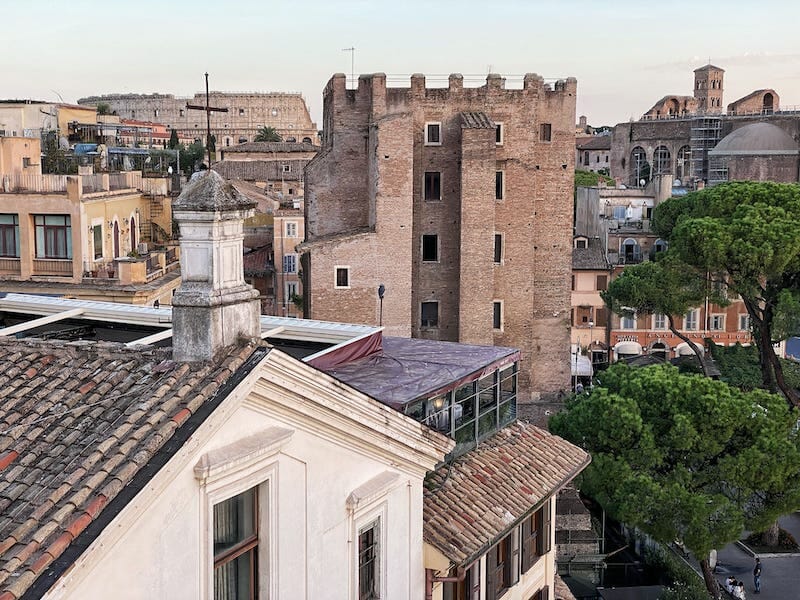
Must-Read Rome Travel Tips
Pick the best time to visit Rome
There really isn’t a bad time to visit Rome. Even with less-than-ideal weather—like the scorching heat in July or the occasional downpours in November—it’s still better to visit Rome than not at all. Honestly, you’ll find something to love no matter when you go.
That said, if you want to make the most of your trip, certain times of the year can offer a more comfortable and enjoyable experience.
Honestly, Rome can feel unbearably hot during the summer months, especially in July and August when temperatures can soar up to 38°C (around 100°F). Strolling around from site to site in that heat isn’t exactly enjoyable.
In August, locals tend to leave the city for their summer vacations, and the city is packed with tourists. You might miss out on some of that authentic Roman vibe the city is known for.
Having said that, one of my top tips is to visit Rome is during the shoulder seasons—March to May (though try to avoid Easter, as it’s still very crowded with tourists) and October to November.
During these months, the weather is more comfortable, the crowds are a bit thinner (though Rome is never truly quiet), and prices are a little more reasonable. September is also a good choice, though it can still be pretty warm.
My post The Best Time To Go To Rome helps you pick the best time to visit based on your interests and needs.
If you want to know more about Italy’s seasons, make sure to read my post, When Is The Best Time Of Year To Visit Italy? The article goes into much more details about the regions across the country and the different seasons, which may be useful while you plan your travel dates.

Plan transportation from the airport to Rome
The last thing you want is to land at the airport in Rome and have no idea where you’re going after that. Before flying into the city, research how to get to your hotel. The airport’s official website usually has many good transportation resources.
Rome is served by two main airports: Fiumicino (Leonardo da Vinci) and Ciampino. Fiumicino handles most intercontinental flights and major airlines, while Ciampino is primarily used by budget carriers with routes within Italy and Europe. Both airports offer several options for reaching the city center, depending on your budget and preferences.
From Ciampino Airport, the quickest way to get into Rome’s city center is by taxi or bus. Terravision is a popular and reliable bus service that offers direct routes to the main train station, Termini. You can get bus tickets once you land.
I have written a detailed post on How To Get From Ciampino Airport To Rome that will help you plan your journey once you land in the city.
If you’re flying into Fiumicino, the express train, known as the Leonardo Express, is often the best choice. It departs every 15 minutes (or every 30 minutes late at night) and takes you directly to Termini station. Tickets can be purchased online, but if you have a paper ticket don’t forget to validate it at the station before boarding!
If you opt to take the train, you can check the schedule and even buy your tickets directly with Omio, one of Europe’s biggest transportation resellers.
However, here’s another tip: if you have lots of luggage and if you are traveling in a small group, it just makes more sense to opt for a taxi or private transfer directly to your accommodation, rather than transit through Termini Station to then figure out how to get to your hotel.
Taxis to the city center have a flat rate of about €50, or you might consider booking a private transfer for a hassle-free start to your trip.
You can also book a private transfer from the airport directly to your hotel. This is more expensive than the train, but it’s also very convenient and more comfortable.
I have written a detailed guide that explains How To Get To Rome City Center From Fiumicino Airport.
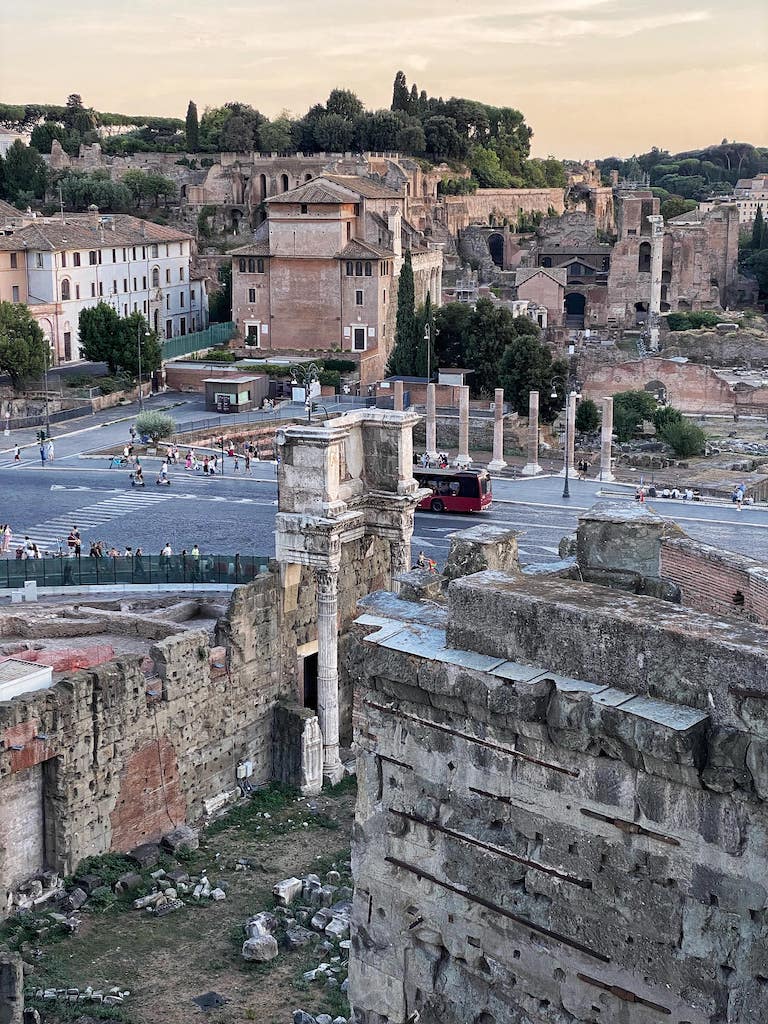
Choose the right accommodation – one of the essential Rome travel tips
Rome has countless great hotel choices, but location is key to making the most of your stay. So one of my best Rome travel tips is to carefully pick where you stay. For easy access to the city’s top sights, consider booking a place in the historic center near Piazza Navona or the Pantheon. You’ll be right in the heart of things.
The neighborhoods of Prati (close to the Vatican) and Monti (by the Colosseum) are also fantastic options, offering a mix of local charm, good restaurants, and lively bars, all within a short distance of major attractions. Plus, these areas are well-connected by public transport, making it easy to explore the rest of the city.
Here are some of my top recommendations depending on where you want to be:
- Polinari Rooms San Pietro Roma—A convenient, comfortable, and budget-friendly hotel near the Vatican. It’s a central location with just about everything you need while visiting Rome.
- My Bed Vatican Museum—This hotel is literally right across the street from the Vatican museums; it doesn’t get more convenient than that.
- Chester Suites—This is a very luxurious hotel in a great location. It’s a ten-minute walk from basically anywhere in the city, including the Vatican museums and St. Peter’s Basilica.
- Ripagrande a Trastevere—This is my top pick in Trastevere, in case you want to stay in a more lively area. Rooms are soundproof so despite being in a very busy part of town, you’ll have no troubles sleeping.
- Residenza Maritti—This is the perfect hotel, just a short walk from the Colosseum and across the Roman Forum. It’s in a central location, has nice rooms (some with views of the Colosseum), great staff, and all the little amenities.
Remember, no matter where you stay, to book well in advance. Especially if you’re visiting during the peak season in Rome.

Know how to get around
Getting around Rome means using its public transport at some point, and despite the occasional delay or crowded bus, public transport in Rome pretty reliable.
The metro, buses, and trams are all relatively easy to use—just don’t forget to validate your ticket before hopping on. Validation machines are located in metro stations and on buses and trams; do this right away to avoid a fine.
While Uber has started to gain some ground in Rome, it’s still not as common as in other cities in Europe. You can also download the FreeNow app (formerly MyTaxi), which makes hailing a cab as easy as a few taps on your phone. You’ll also find official city white taxis around main tourist attractions and near the airports and major train stations.
However, here’s one of my experienced travel tips: in Rome, it’s best to walk everywhere. is one of those cities where getting a taxi’s cheaper and faster. Rome’s narrow streets and hidden corners make it one of the best cities for a stroll.
If you’re staying in the city center, you can get almost anywhere on foot and can almost entirely avoid using public transportation.
If you want to learn your way around the capital on a fun city tour, I recommend this City Center Highlights Tour by Quality E-Bike. With a local guide, you’ll explore all the main sights in Rome’s city center. It’s a great first-day activity because you’ll get a good feel for the city and learn about the sights in more detail.
If you’re interested in learning more about getting around Italy in general, make sure to read my post, The Best Way To Travel In Italy. The post talks about buses, trains, ferries, driving, and so much more. You’ll be ready to tackle our roads in no time.

Buy tickets in advance to skip the lines
If you’re heading to Rome for the first time, you’ll naturally want to check off all the must-see landmarks: the Colosseum and Roman Forum, St. Peter’s Basilica and its impressive Dome, the Vatican Museums, and Michelangelo’s stunning Sistine Chapel, plus iconic spots like the Pantheon, Trevi Fountain, and Borghese Gallery and the surrounding gardens.
The catch is nearly every visitor has the same idea, meaning these sites can get incredibly crowded, with long lines at ticket offices and less-than-ideal experiences.
To avoid wasting precious time standing in queues, it’s crucial to secure skip-the-line tickets for the major attractions ahead of time. Better yet, consider booking a guided tour with priority entry to get the most out of your visit.
Even for places like St. Peter’s Basilica, where entry is technically free, I’d still recommend a guided tour. There’s simply too much to take in there, that having a guide will really help you make the most of it.
Planning ahead is one of my biggest Rome travel tips in general. Remember, Rome is a popular tourist destination with thousands of international visitors coming in every day.
There are skip-the-line tickets for basically everywhere in Italy. If you’re looking for specific recommendations, I’d tell you to look into this Colosseum Roman Forum Experience that includes entry and this Vatican: Museums & Sistine Chapel Entrance Ticket. Both are great choices for first-time visitors in Rome.
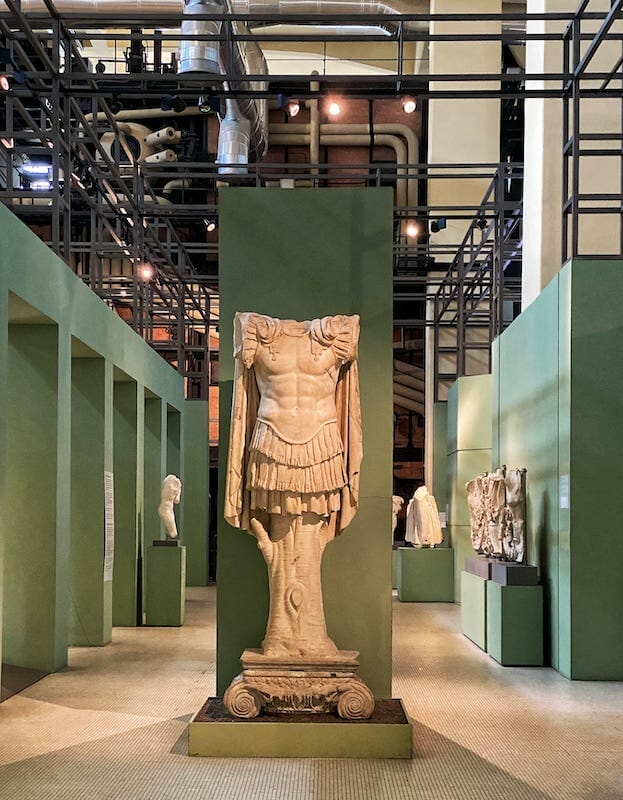
Check for free museum days
If you’re looking to save a bit while visiting Rome’s cultural treasures, keep an eye out for free museum days. Many of Rome’s state-run museums and archaeological sites, including the Colosseum, Roman Forum, and Capitoline Museums, offer free entry on the first Sunday of each month, usually in the off-season.
It’s a fantastic opportunity to experience some of the city’s top attractions without spending a cent, but be prepared for larger crowds, as the free museum days are popular with both locals and tourists alike.
You might also find special occasions when museums open their doors for free, such as during Culture Week or the European Heritage Days in September. Make sure to check the official websites of the museums you want to visit ahead of time so you can plan your visit around these special dates and make the most of your time in Rome!
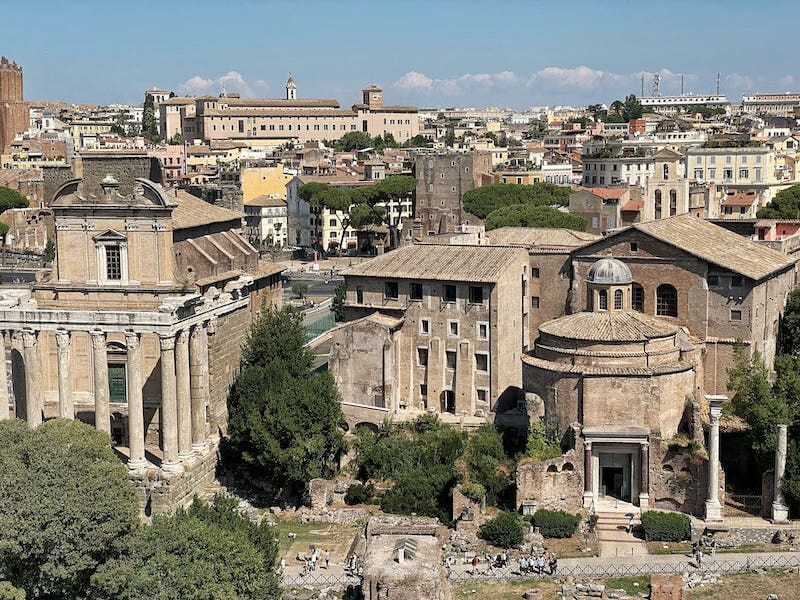
Consider getting a Roma Pass
If you’re looking to save some money, skip lines at top attractions, and navigate public transportation without the hassle of buying tickets each time, a Rome City Pass could be a smart investment. With a pass like this, you’ll get priority access to many of Rome’s must-see sights and various other perks.
These passes typically include fast-track entry to the Vatican Museums and the Sistine Chapel, dedicated access to St. Peter’s Basilica (which, while free to enter, often involves a lengthy wait for security checks), as well as an audio guide to enhance your visit.
You’ll also enjoy skip-the-line access at the Colosseum, Roman Forum, and Palatine Hill, along with a handy audio guide to help you explore the city on your own.
Many passes also provide discounted entry to a wide range of additional attractions, unlimited use of Rome’s public transportation system, and sometimes even a return transfer to the airport.
Keep in mind, though, that with the Roma Pass, you’ll need to book your time slots for specific sites separately and choose the pass duration that fits your itinerary—24, 48, or 72 hours.

Make a flexible itinerary
One of my top tips for visiting Rome, especially if it’s your first time, is to plan your days carefully—but don’t over-schedule yourself.
Make sure you leave some room for spontaneity. Try adding an extra day to your itinerary, even if you don’t need it or think your schedule is already tight. That way, you can wander the streets, explore places that catch your eye, or spend extra time in a neighborhood that feels particularly inviting.
This extra flexibility allows you to stray off the beaten path and uncover hidden gems that most travelers miss—places that might not yet be on any “must-see” list but deserve to be.
If you want some help making your Italy itinerary, read my post, 15 Best Things To Do In Rome From An Expert. You’ll read about some of the most popular activities in the city. I also wrote about The Best Hidden Gems In Rome so that you can visit some lesser known places.

Manage your time appropriately
Spontaneity is important, but planning in Italy is just as crucial—especially when dealing with Rome’s most popular attractions, which tend to get very crowded.
While booking skip-the-line tickets in advance is a must for paid sites, what about those famous landmarks that are free? For these, it’s all about choosing the right moment to visit. You might have to accept that there will be other tourists or try to visit during quieter times for a more relaxed experience.
For example, the Spanish Steps and Trevi Fountain are always bustling, but you’ll find them a little less crowded if you go later in the evening. Heading over after dinner could give you a chance to enjoy these spots without as many people around.
St. Peter’s Basilica is another place that draws big crowds due to its security checks. To avoid the worst of the lines, aim for later in the day when things have calmed down a bit, or consider visiting as soon as it opens at 7:00 am.
If you’re planning to visit the Pantheon, try going just before it closes or be one of the first to arrive in the morning. This way, you can avoid the biggest crowds and enjoy a quieter visit.
Guided tours aren’t always the best way to avoid crowds, but some are pretty low-key. And you’ll definitely learn a lot along the way. For St. Peter’s Basilica, I recommend this St. Peter’s Dome Climb, Basilica, and Catacombs Tour. It’s a popular activity and a great overall experience. Can’t decide how long to stay in the capital city? My post How Many Days In Rome Is Enough? will help you shed light on the issue.

Explore beyond the main Rome tourist attractions
If it’s your first time in Rome, you’ll probably want to start with the major tourist attractions. But keep in mind, Rome has a lot more to offer than just the usual sights! Just a few steps away from the well-known landmarks, you can find some amazing hidden gems that aren’t nearly as crowded.
One of my favorites is the Largo di Torre Argentina, an archaeological site that doubles as a cat sanctuary close to Piazza Venezia. Another great spot is the Aventine Hill, where you can look through the keyhole of the Knights of Malta gate for a surprising peek at St. Peter’s Basilica or unwind in the Orange Garden with its charming city views.
Taking time to visit these off-the-beaten-path places will show you a different side of Rome, away from the tourist hustle. It’s one of my best travel tips for Rome.
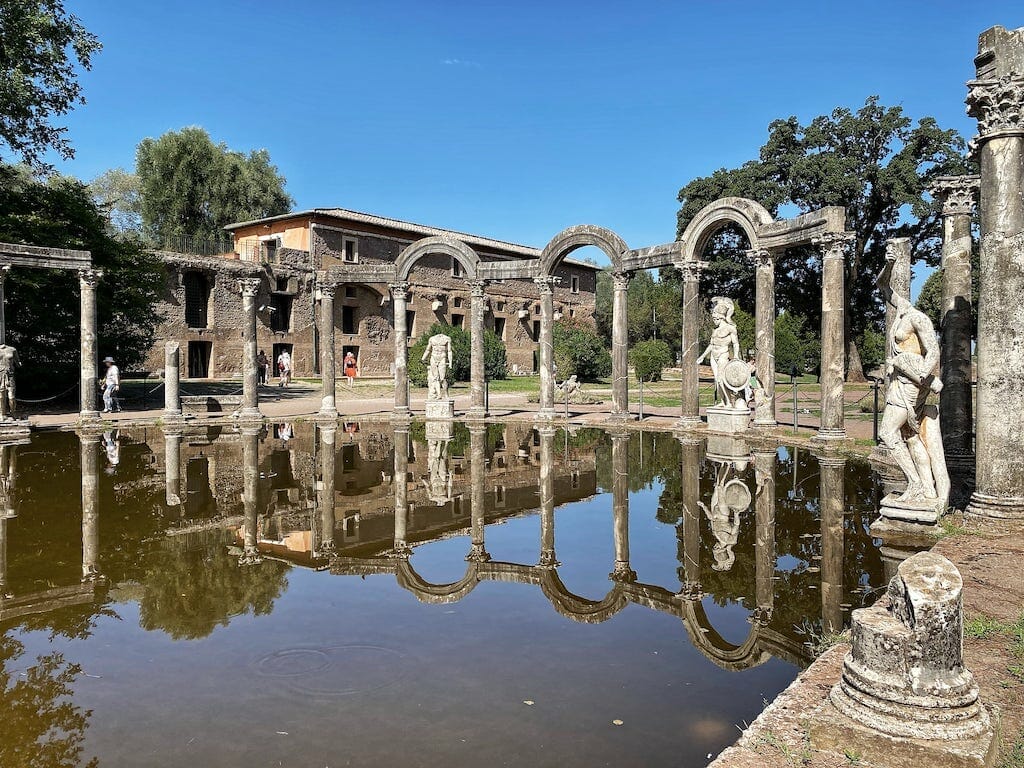
Venture outside the city
If you have time to explore Rome’s hidden gems, you should also consider making time for a day trip or two to more off-the-beaten-path destinations. There are tons of great day trips from Rome, some as close as a 30-minute train ride.
Where you decide to go might depend on the time of year. In the heat of summer, you might prefer heading to the coast or finding a cooler retreat in the hills. Or perhaps you’re a wine enthusiast looking to explore some local vineyards, or maybe small historic villages and ancient ruins are more your style.
One of the most popular day trips from Rome is to Ostia Antica, an ancient port city that feels like a smaller, and way less crowded Pompeii. Hadrian’s Villa and the beautiful Villa d’Este are also fantastic choices.
If you’re up for more adventure, head to Castel Gandolfo and explore the Castelli Romani region, where you can enjoy some excellent wine tasting and visit the Pope’s summer residence.
For something a bit more off the radar, consider Viterbo—the charming capital of the Tuscia region and my dad’s hometown. It offers a beautifully preserved historical center with far fewer crowds than Rome, making it perfect for a quieter day away from the city bustle.
If you have the cushion in your Rome itinerary for a day trip or two, read my article, 15 Best Day Trips From Rome. When I lived in Rome, I loved taking day trips because the city is a bit chaotic, so a day trip is the perfect little break.
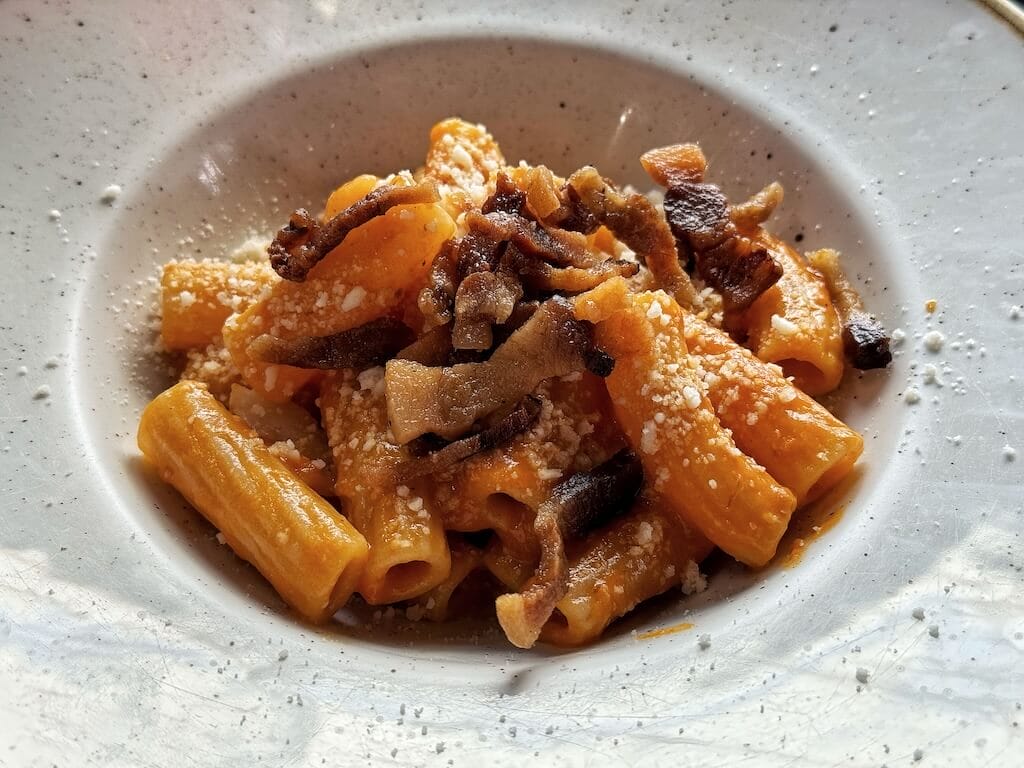
Look for authentic restaurants
When it comes to eating in Rome, you’ll find plenty of options, but not all offer a genuine taste of Italy. The trick is to look for the spots where locals eat—this is where you’ll find the most authentic food at the best prices.
Timing can be a good sign. While many places in Rome stay open throughout the day, Romans generally have lunch no earlier than 1:00 pm and dinner after 8:00 pm. If you see a place packed with people having a full meal in the late afternoon, it’s probably catering to tourists on a different schedule.
Another of my Rome travel tips is to watch out for menus that seem to be tailored to misconceptions about Italian cuisine. If you spot dishes like “Spaghetti Bolognese,” you’re in a restaurant designed more for tourists than locals. We don’t have spaghetti bolognese here – but we do have tagliatelle al ragù alla bolognese (just in Bologna, though).
If you’re not sure where to go, your best bet is to ask for suggestions from locals, like your hotel receptionist. And if you want a personal favorite, try Renato e Luisa—it’s a place I always recommend, and I promise you’ll leave very happy (and also very full).
Ready to try all the Roman food? My post The Best Things To Eat In Rome will guide you to picking the best dish on the menu.

Understand Italian tipping customs
Tipping isn’t customary in Italy, and you won’t see locals leaving big tips for meals, taxis, or hotel services. Unlike in some other countries, staff are paid fair wages that include benefits, so there’s no expectation of an extra percentage on top of your bill.
If you are so inclined to leave something extra, rounding up or leaving a few euros is more than enough.
When dining out, be aware that a “servizio” fee, or service charge, is often added to the bill for larger groups—this covers the tip, so there’s no need to leave anything additional. On the other hand, Lazio has gotten rid of the “coperto” – a small cover charge for bread or table service that is usually added to the check in the rest of Italy,
Enjoy your meals and experiences without stressing over tipping—just relax and savor the Italian way!

Be prepared for dress codes – among the best Rome travel tips
No matter when you visit Rome, whether in the chilly winter or the heat of summer, remember that modest dress is required for entry into churches and holy sites. This won’t be much of a concern during the cooler months, but it is different in the summer.
When temperatures rise, it’s tempting to dress in shorts, tank tops, and flip-flops to stay cool. However, that attire won’t fly at places like St. Peter’s Basilica, where there is a strict dress code, and you can be turned away at the entrance if you’re not dressed appropriately.
To avoid any issues, one of my tips for visiting Rome’s sacred sites is to make sure to cover your chest, shoulders, and knees. Pack a lightweight scarf or shirt in your bag that you can easily throw on when needed.
It’s always a good idea to be respectful when traveling to foreign countries. Places of worship tend to be more conservative, so it’s just something to keep in mind.

Pack comfortable shoes and essentials
Speaking of packing, you’ll also have to consider proper footwear when packing for Italy. As I have said before, Rome is a city best explored on foot, and with so many cobblestone streets in the historic center, bringing a pair of fancy heels is probably not the best idea.
The truth is, sore feet, back pain, or blisters from new shoes can quickly ruin your day of sightseeing. Instead, make sure to pack a pair of comfortable walking shoes that you’ve already broken in. Fortunately, you don’t have to choose between style and comfort—plenty of fashionable options are also easy on your feet!
And here’s a tip: consider packing some blister pads or band-aids, just in case. You’ll be glad you did when you’re navigating those charming Roman streets!

Bring a water bottle and drink from the fountains
And while we’re talking about essentials for exploring Rome, don’t forget to bring a good water bottle with you. You’ll find public drinking fountains all over the city—called “nasoni” because of their nose-shaped spouts—where you can fill up for free with fresh, clean water.
It’s a great way to stay hydrated, especially when you’re doing a lot of walking in the sun. It also saves you from buying bottled water every time you get thirsty.
The tap water in Italy is perfectly safe to drink, so feel free to refill your bottle at these drinking fountains. Just remember, these are different from the decorative fountains, like the Trevi Fountain, which aren’t meant for drinking! Stick to the nasoni, and you’ll be good to go.
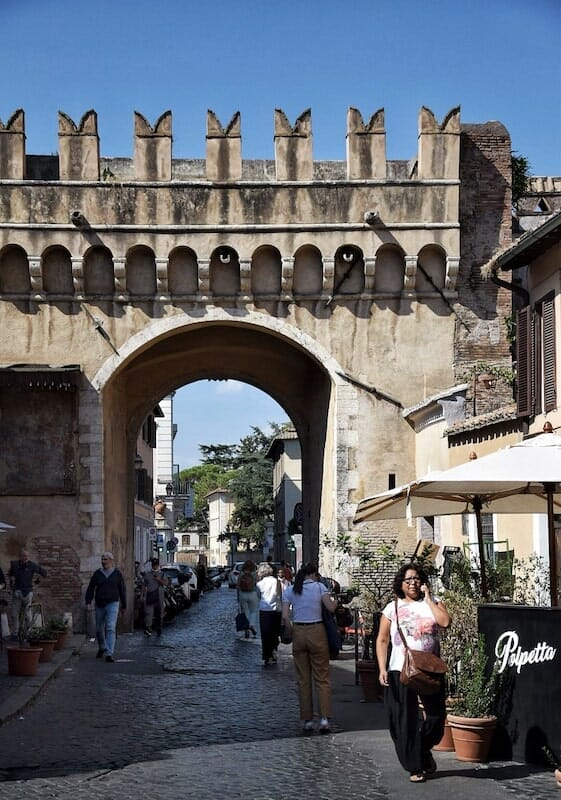
Get a reliable data plan
Before you leave for Rome, make sure your phone’s data plan will work while you’re traveling. Having internet access will help you find your way around the city, use public transport apps, and discover local spots on the go. If your plan doesn’t cover international data, you can still download maps to use offline, which can be a great backup.
If you won’t have data and you’re staying in Italy for more than a couple of weeks, buying a local SIM card is another option. You’ll find them available in many shops throughout Rome, though picking one up at the airport can save time. Companies like Vodafone, TIM, and Wind offer solid network coverage and data packages that are affordable.
Just as easily, you can also get an eSIM card that you can activate as soon as you arrive in Rome.
If you don’t get a SIM card, it isn’t the end of the world. Fortunately, many cafes, restaurants, and even some public spots provide free Wi-Fi, which can come in handy when you need to connect quickly.

Download helpful apps ahead of time
Make sure to download a few helpful apps before visiting Rome. A good map app is essential: Google Maps is usually quite accurate, and you can download maps offline. For walking around the city, Maps.me is a great choice since it offers detailed offline maps that are perfect for getting around on foot.
For public transportation, apps like MyCicero and Moovit are pretty reliable and can help you plan your routes and check schedules for buses and the metro.
It’s also useful to have an Italian translation app or phrasebook, along with TheFork for restaurant reservations and Tiqets or GetYourGuide for getting last-minute tickets to popular attractions.
It’s not super mandatory, but the right set of apps can really make things much easier during your Italy travels.
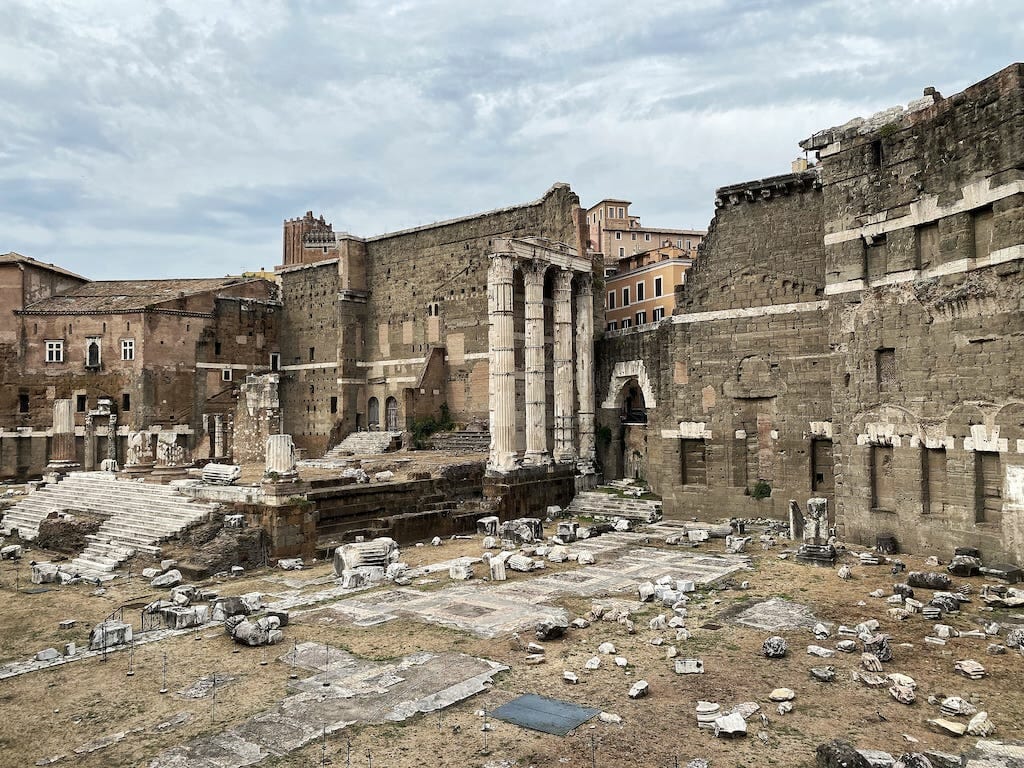
Consider bringing a guidebook
One thing I always rely on during my travels is a good old-fashioned paper guidebook. It provides background on the sites I’m visiting, quick tips on where to eat, and useful emergency information—all without needing a Wi-Fi connection.
You might want to pick up a guidebook for Italy or a more compact version focused solely on Rome. They’re great for getting insights you won’t always find online and can be a lifesaver when your phone runs out of battery, or you’re off the grid (which however isn’t an issue in Rome).
Some might think guidebooks are outdated, but they’re super handy—and fun to flip through. You might even find out about something cool you weren’t planning to see. If you’re traveling solo, they can also keep you entertained while you hang out at a cafe or wait for a train.

Learn basic Italian phrases
It’s always helpful to learn a few basic Italian phrases before visiting Rome. Even if you don’t speak much Italian, knowing a few key expressions can make your interactions easier and show locals you’re making an effort, which they’ll definitely appreciate!
Here are some useful phrases to start with:
- Buongiorno – Good morning
Grazie – Thank you
Per favore – Please
Scusi – Excuse me
Parla inglese? – Do you speak English?
Sono di… – I’m from…
Dov’è…? – Where is…?
Quanto costa? – How much does it cost?
Dov’è il bagno? – Where is the bathroom?
These simple phrases will help you get around, and you might even have fun trying out your new language skills.
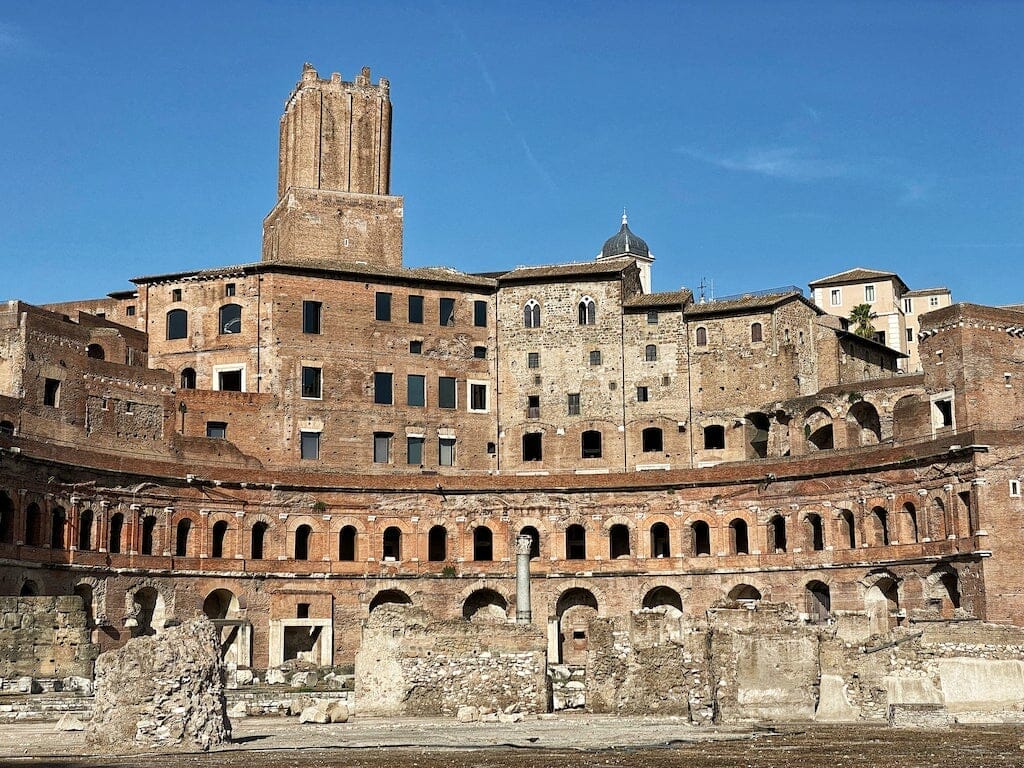
Yes, there are scams
Italy is a safe place, but it’s not perfect. Like any major city, Rome has its share of scams and petty crime. These are most likely to happen in areas with heavy foot traffic—around the Colosseum, near popular landmarks, or in busy spots like train stations and nearby restaurants.
One of my best tips visiting Rome safely is to be wary of anyone who seems overly friendly or insists on helping with your bags or tickets. A firm “no, grazie” or simply ignoring them usually does the trick. If you ever feel uneasy or need assistance, don’t hesitate to call out, “POLIZIA! AIUTO!” (pol-ee-tz-ee-a; ay-u-toh) to get attention.
Falling victim to a scam in Rome can certainly put a damper on your vacation, so do your best to stay aware and avoid any sketchy situations. I know it all too well because my bag was stolen during one my last trips to Rome!
But if something does happen, remember it’s not the end of the world as long as no one is hurt. You’ll still find plenty to enjoy in Rome. Don’t let the fear of scams keep you away—while these issues can happen in tourist-heavy cities, they don’t affect everyone.
To be as prepared as possible, read my post, Most Common Scams in Italy to Avoid. Many of the scams mentioned in the article are common in Rome, so you’ll have a good idea of what to expect (and avoid, of course).

Use luggage storage on your last day
If you have a late flight or train but need to check out of your room earlier in the day, consider leaving your bags at the luggage storage facility at Termini Station. It’s a convenient option, especially if you plan to catch a train or bus to the airport or elsewhere in Italy.
This way, you can make the most of your last day in Rome without being weighed down by your luggage or having to go back to your hotel if it’s far from the station. Enjoy some final sightseeing, grab a nice meal, or do a bit of shopping without worrying about your bags.
Most storage facilities offer hourly or daily rates, so you can choose what works best for your schedule. Just be sure to check the closing times of the storage location to avoid any last-minute hassles – though many now are self-service so you won’t have that to worry about.
You can actually book luggage storage ahead of time online, which makes things so easy. I recommend this Rome Termini Station Luggage Storage. It’s reliable, trustworthy, and pretty straightforward.
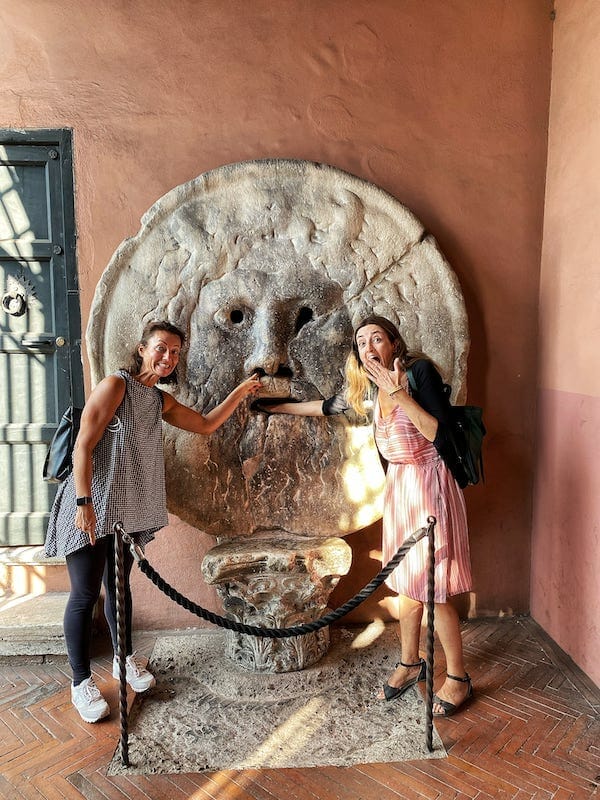
Don’t forget travel insurance
No matter how long you’re planning to stay in Rome—whether it’s a day, a week, or a month—one of the best things you can do is invest in good travel insurance.
It might seem like something you can skip, but it can make all the difference if something unexpected happens. Whether it’s a lost bag, a missed connection, or an unexpected illness, having coverage means you’re prepared for whatever comes your way. It can be a real lifesaver, turning what could have been a major problem into just a small bump in the road.
If you’re still looking for good travel insurance, I recommend HeyMondo. They have several easy-to-understand policies, and they’re a popular choice for all types of international travelers.
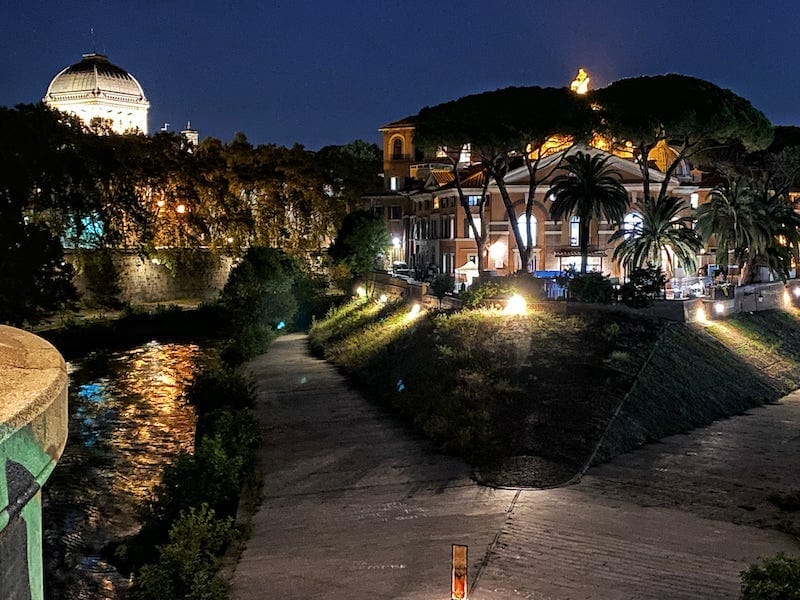
Conclusions On My Rome Travel Tips
If you’re visiting Rome, especially for the first time, the chaotic capital can feel a bit overwhelming, much like other popular cities in Italy. Between the foreign language, the endless activities, the sometimes massive tourist crowds, the scams you hear about in the news, and the conflicting information, it’s hard to know where to start.
But I promise, it’s not all that daunting. One of the most important Italy travel tips I can share is to plan ahead: arrange your transportation from the airport, choose accommodations that suit your preferences, decide on the best days and times to visit the iconic sights, and so forth. Doing this will take so much of the stress away.
With a little preparation, you’ll enjoy the best of Rome without feeling overwhelmed. After all, this city has captivated travelers for centuries—there’s a reason it’s called the Eternal City.
PIN IT!


Claudia Tavani
Claudia Tavani was born and raised in Sardinia, and after moving between the United States and the United Kingdom, she's now back living in her hometown, Cagliari. She's a travel blogger and certified travel designer who loves planning trips and publishing guides, travel tips, and packing lists so that you don't have to. Owner of Strictly Italy, cat mom to Minnie. Loves pizza, hiking, archeology, cities, beaches, swimming, and running. Hates peppers.