
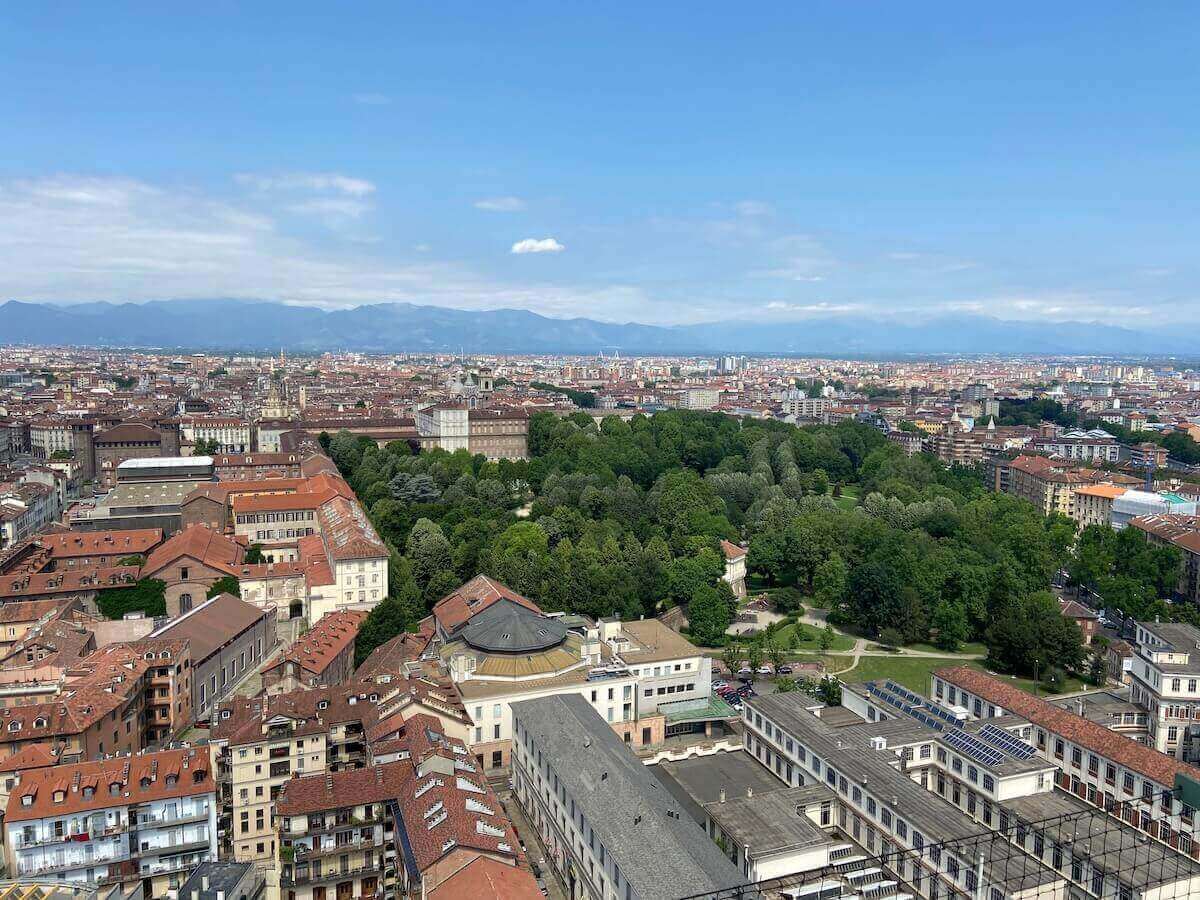
Wondering about what to do in Turin for a day? You are in the right place. While I have been there many times, the last time I visited, I literally only spent a day in Turin on my way back to Tuscany from the Langhe of Piedmont, and I crafted an itinerary to maximize my time in the city.
Turin is the capital of Piedmont (one of the 20 regions of Italy) and is probably the most underrated city in Italy. I recommend taking advantage of the fact that it isn’t yet very popular to visit it at a leisurely pace and with fewer crowds.
Its location is ideal: easily accessible by plane, just two hours from Milan (it can be visited easily on a day trip), as well as from Genoa and the Ligurian coast. It’s not far from the mountains of the Gran Paradiso National Park and France, from which it has drawn many influences.
It’s easy to include Turin in a northern Italy itinerary that allows you to explore the country’s natural landscapes, art cities, and culinary and wine delights.
There’s plenty to do in Turin, so if you have just one day, choose activities that best suit your tastes and follow a set itinerary so that you don’t waste precious moments. Here’s the itinerary I recommend.
What To Do In Turin For A Day
Guided tour of the Egyptian Museum
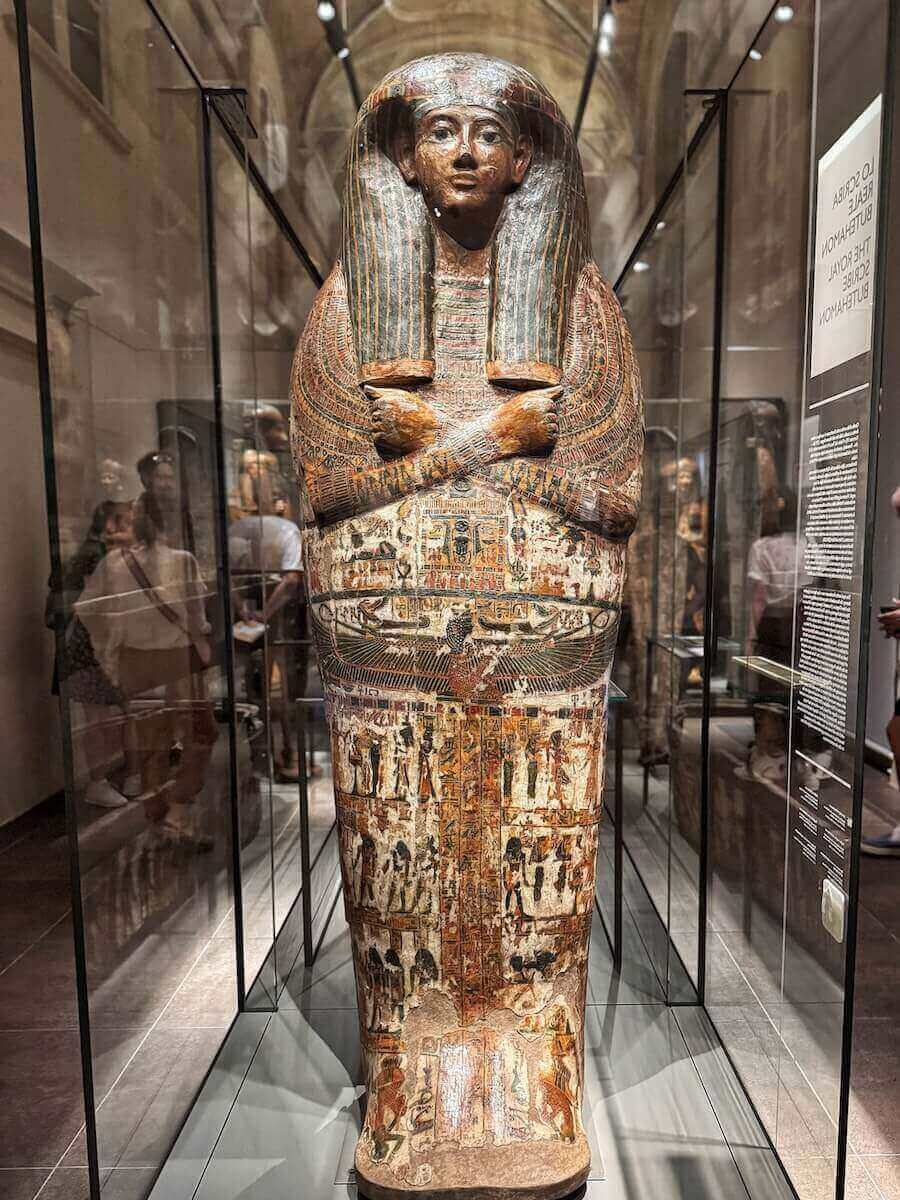
There’s no better place to start exploring Turin than the Egyptian Museum, the world’s second-largest museum dedicated to the ancient Egyptian civilisation.
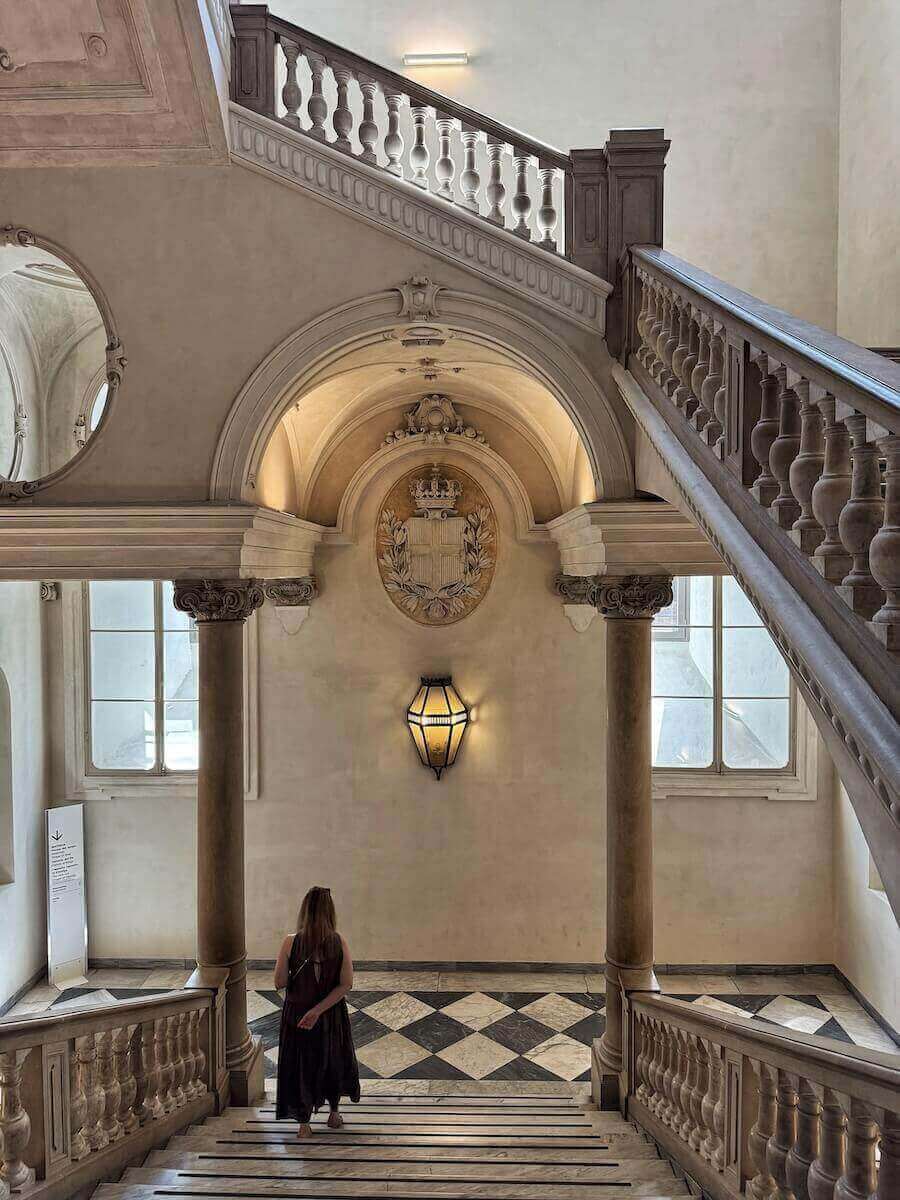
Located in the heart of Turin, not far from Piazza San Carlo, the Egyptian Museum is housed in the Palazzo dell’Accademia delle Scienze, an elegant Baroque palace. Here you will find a massive collection of close to 40,000 artifacts, including statues, sarcophagi, papyri, and everyday objects that testify to more than 4,000 years of history.
The exhibition is constantly evolving, with new areas and multimedia installations that allow you to take an immersive journey through the history of Egypt.
It takes about 2 to 3 hours to explore this museum. You can download the museum’s free audio guide on your smartphone, but I honestly recommend taking a guided tour (you may be lucky enough to have an Egyptian guide, as it happened to me when I visited). You can choose from different ones depending on your needs and interests, including ones designed for families.
Expert tip: Tickets to the museum must be purchased in advance through the official website. I recommend opting for the earliest time slot at 9:00 am. This is the page for the guided tours.
Explore Piazza San Carlo
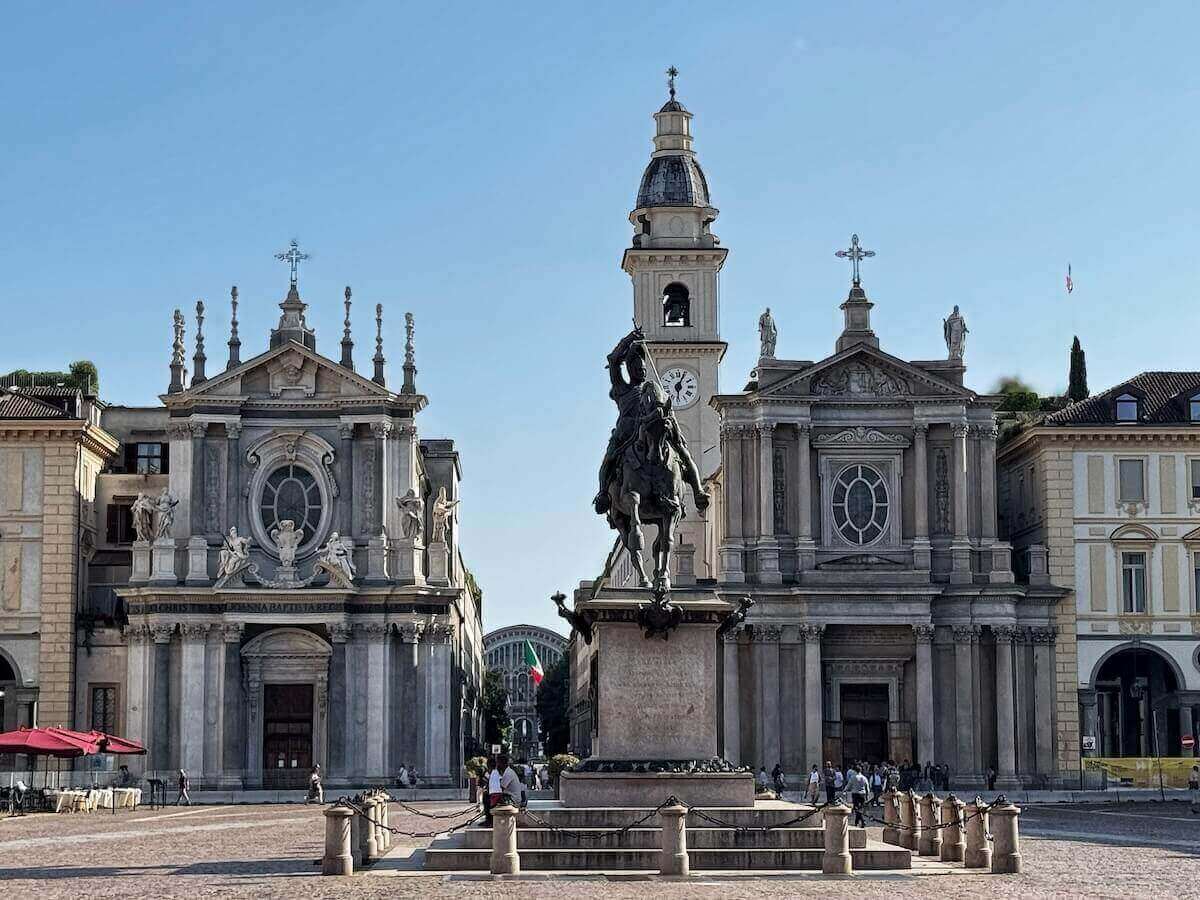
From the Egyptian Museum, a two-minute walk will take you to Piazza San Carlo. Dedicated to Saint Charles Borromeo, it is one of the symbols of the city of Turin.
The square is also known as the Salotto di Torino, “Turin’s Living Room”, because of the extraordinary elegance of the buildings around it, and, above all, its historical role as a meeting place for academics, intellectuals, and nobles.
Nowadays, important events take place here, such as concerts, social and cultural events, demonstrations, and celebrations for the victories of the Juventus football team.
Inaugurated in 1638 after being commissioned by the Duke of Savoy, Piazza San Carlo was designed by the architect Carlo di Castellamonte. It has a rectangular shape and, in the center, an equestrian statue of Emanuele Filiberto stands to celebrate the victory at San Quintino.
On the south side, there are two twin Baroque churches, Santa Cristina, built in 1639, and San Carlo, built in 1619. The square is connected to Piazza Castello through Via Roma, the main city street.
You should have time to enjoy an aperitif at Caffè Torino. This was Pavese, Einaudi, and De Gasperi’s (famous Italian writers and intellectuals) favorite place, and one of Turin’s historic cafés. These elegant salons played an important role in the city’s history and are now part of the Association of Historic Cafés of Turin and Piedmont.
Good to know: the tradition of aperitif was created in Turin as an evolution of the Piedmontese tradition “merenda sinoira”, a late afternoon meal that may substitute dinner.
Lunch at Magazzino 52
Once you’ve finished your aperitif, take a stroll down Via Giolitti. Lined with Baroque buildings, antique shops, and art galleries, Via Giolitti runs along Piazzale Valdo Fusi, a popular square, hub of Turin’s nightlife, where university students hang out.
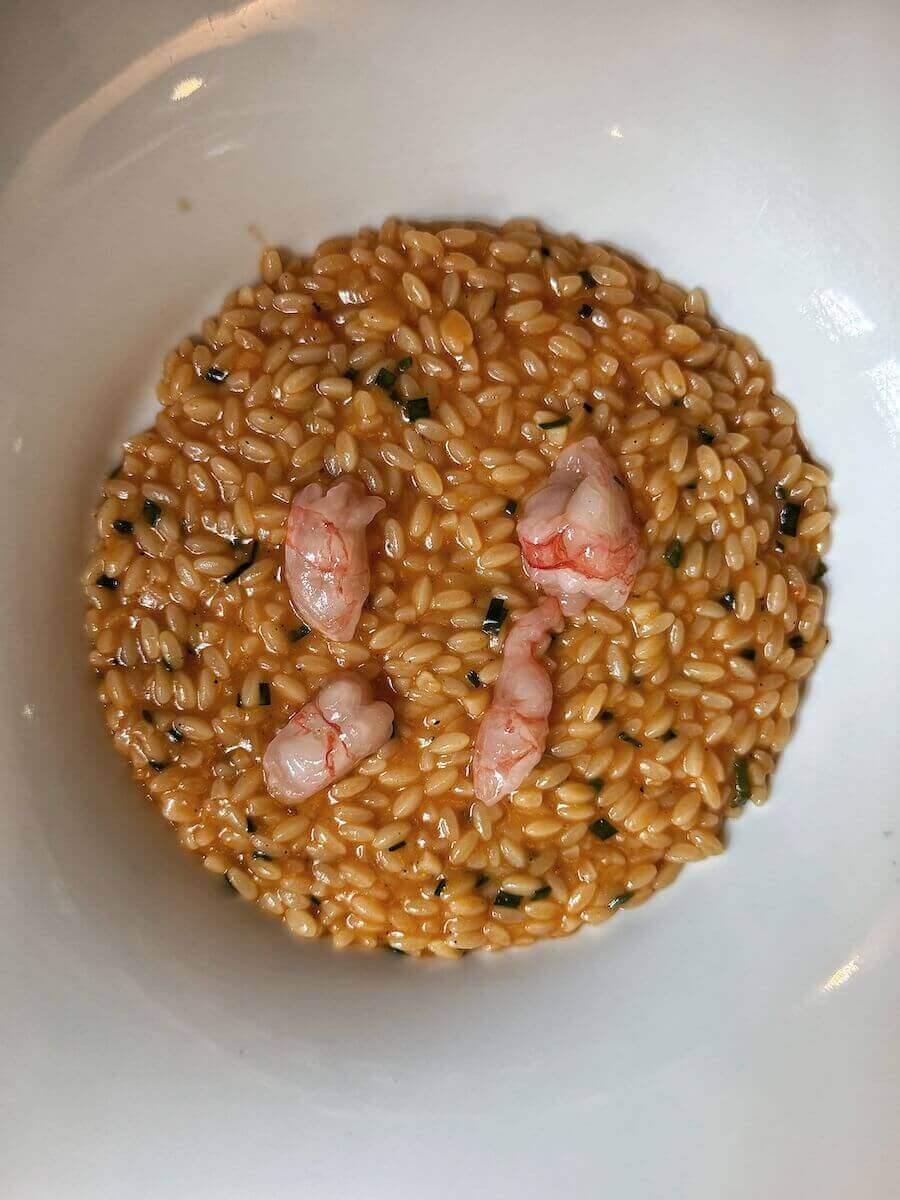
Keep walking until you reach Magazzino 52. This bistro, run by three partners, two of whom are brothers, is an absolute guarantee of good food. The menu has just a few dishes, which change on a regular basis, and tries to reinvent the classics of the Piedmontese tradition.
The menu is small, to reflect seasonal and local ingredients and carefully prepared dishes, but the wine list is extensive. When my friend and I visited, we opted for the tasting menu and found the value for money to be excellent. It’s best to book in advance.
Go up the Mole Antonelliana
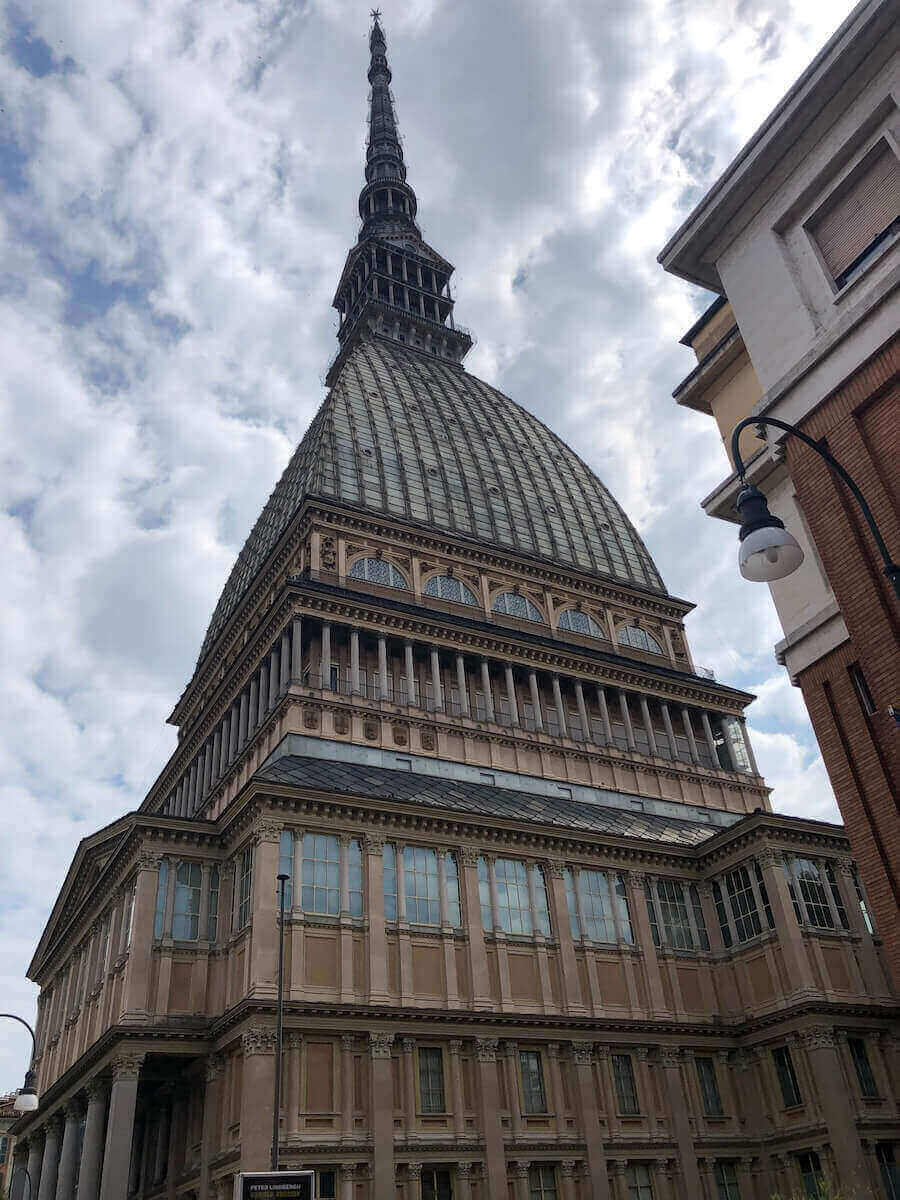
The next stop on your Turin in one day itinerary is the Mole Antonelliana: one of the city’s undisputed landmarks.
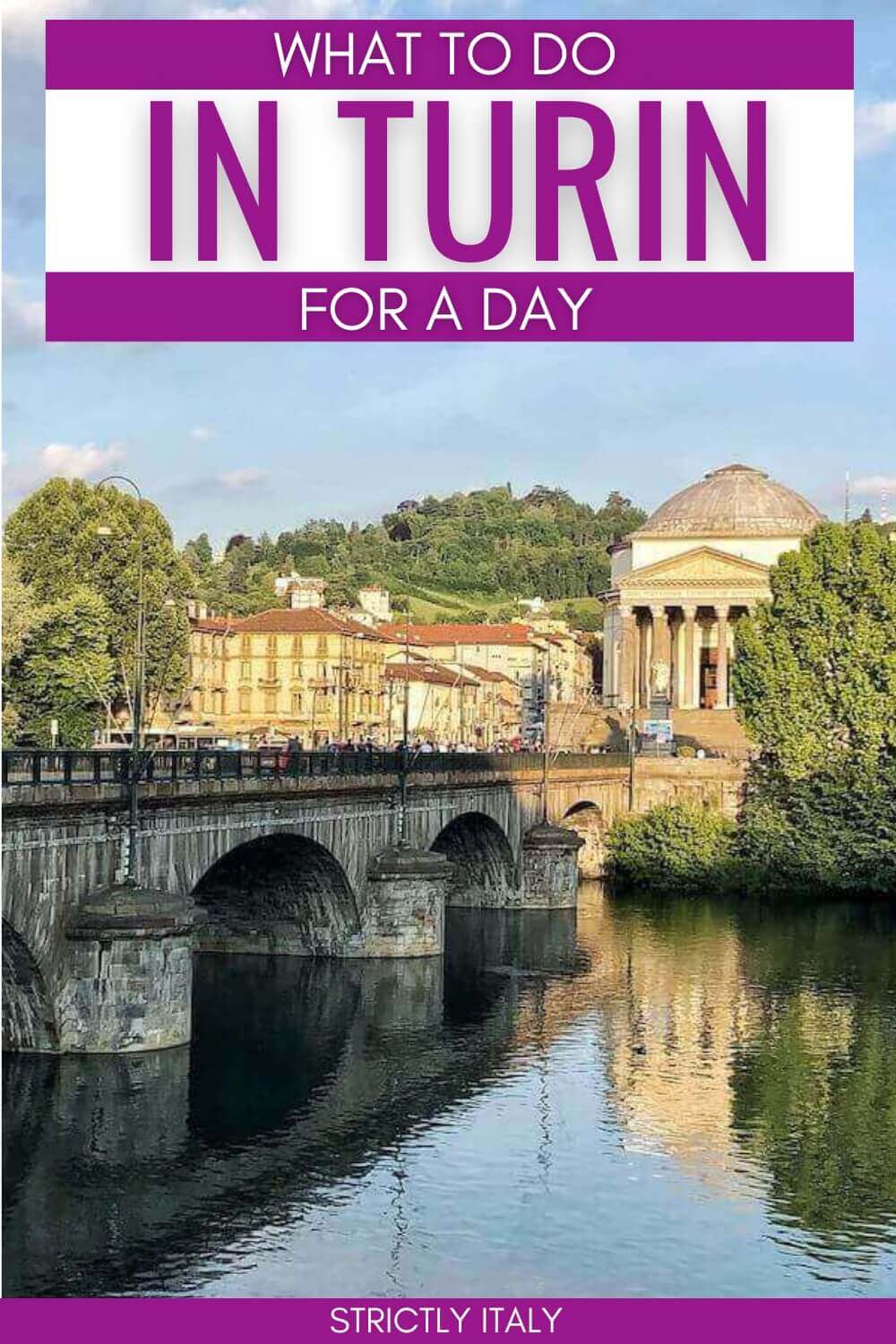
To reach the Mole, head to the Po River promenade and walk along the Po River until you reach the Vittorio Veneto Bridge. From here, you’ll have an incredible view of the Church, Chiesa della Gran Madre di Dio, just across the river.
On this side of the river, there’s one of the most beloved squares by locals: Piazza Vittorio Veneto. 360 meters (1,181 feet) long and 111 meters (364 feet) wide, Piazza Vittorio, as it’s commonly called, is the largest porticoed square in Europe.
The square isn’t flat. If you think it is, it’s the effect of an optical illusion created by the architect Frizzi.
Continue walking along Via Po and turn into Via Montebello until you get to the Mole Antonelliana.
Designed in 1862 by the engineer Alessandro Antonelli, this was intended to be a synagogue. After disagreements with the University of the Israelites, the building was completed by the municipality and became the headquarters of the National Museum of the Italian Risorgimento.
Since the year 2,000, the Mole houses the National Cinema Museum, where you can learn about cinema, projections, and lighting effects.
The dome is 167.5 meters tall (almost 548 feet), and for years it has been the tallest masonry building in Europe. In 1953, a storm caused part of the spire to collapse.
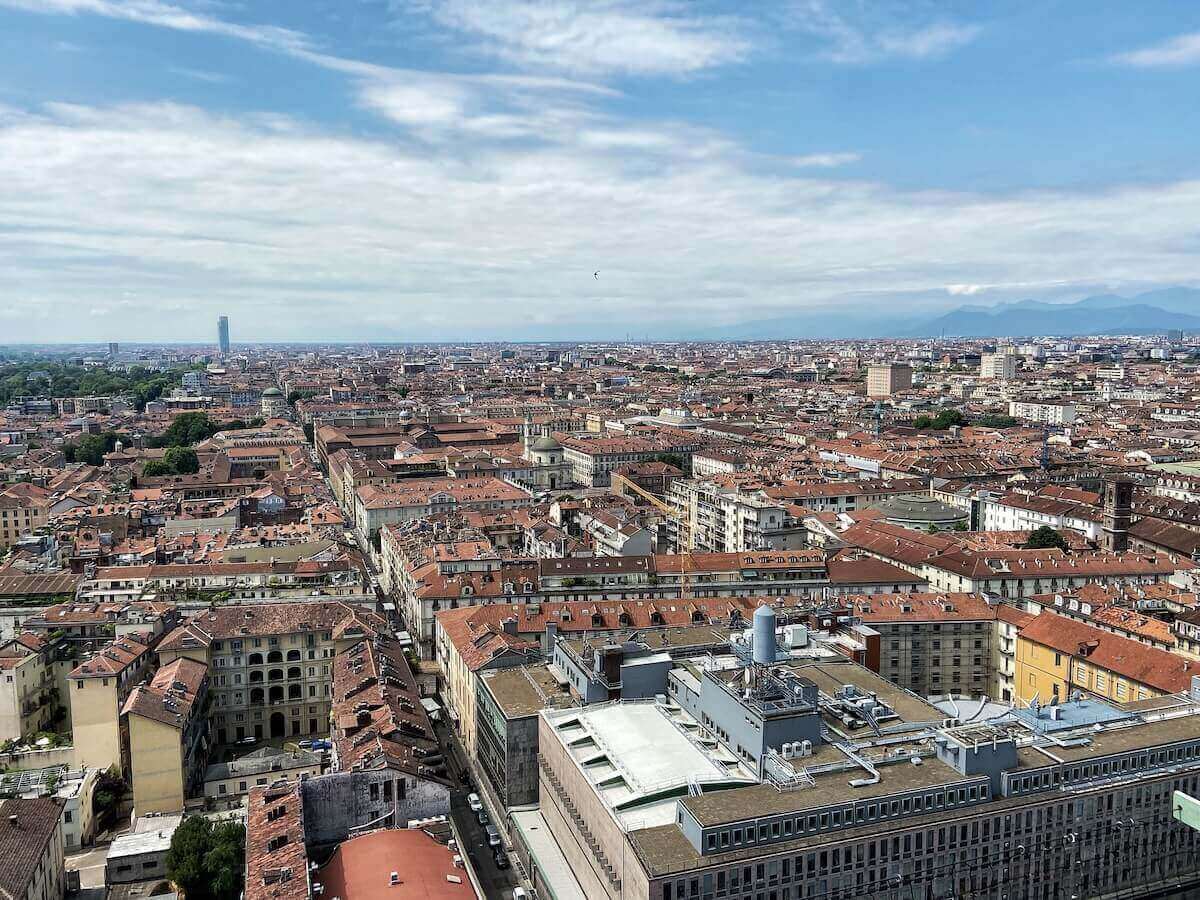
Take the panoramic elevator to reach the terrace, at a height of 85 meters (almost 279 feet), and admire the extraordinary view of the city and the surrounding Alps. You will have to get tickets in advance via the official website. You can also climb on foot.
Walk through the Royal Garden and visit the Royal Palace
From the Mole Antonelliana, walk along via Montebello and turn left onto Corso San Maurizio. On the left, you will find the Royal Garden.
The Royal Gardens are a huge green area in the heart of the city that is free to explore. Once inside, make sure not to miss the Fountain of the Tritons and the Nereid.
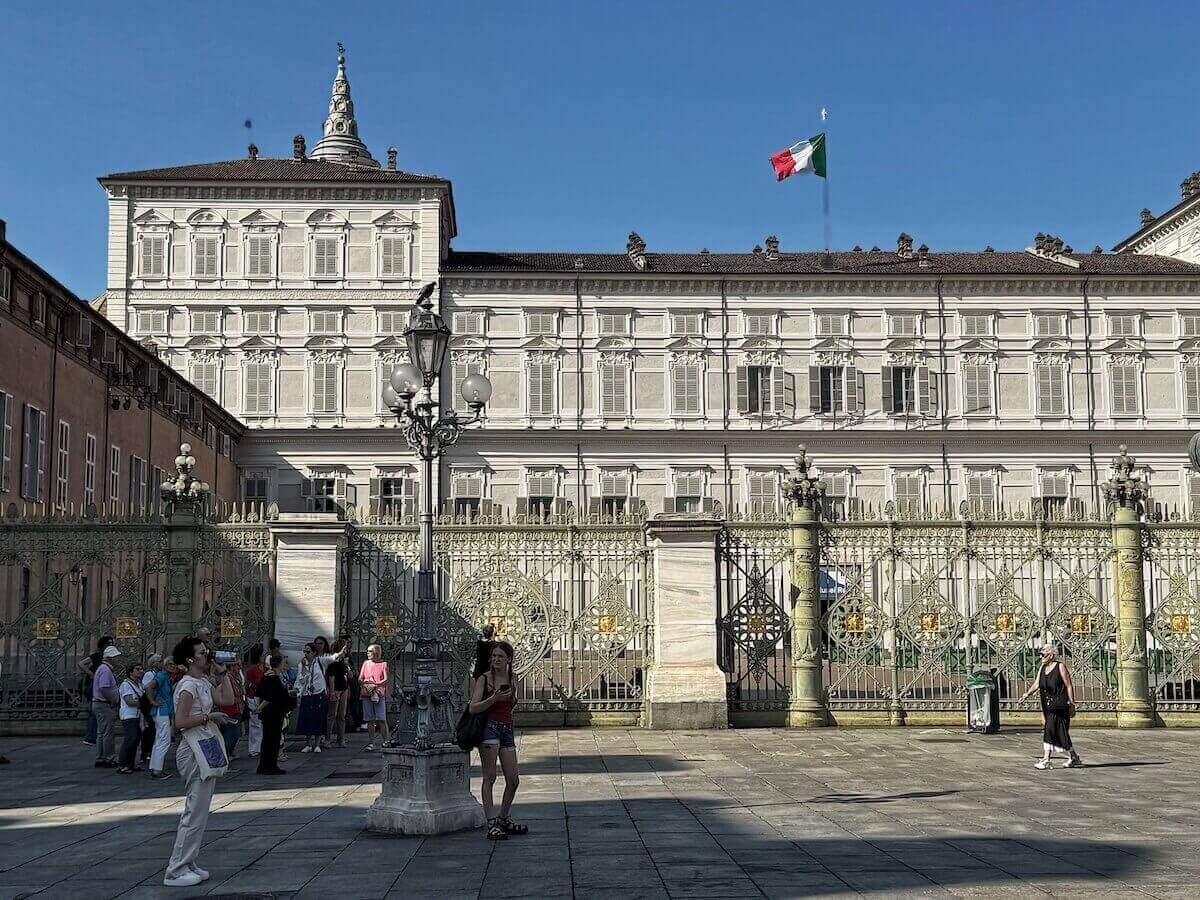
If you have enough time, you may also visit the Royal Palace. It is the symbol of Turin’s power, strength, and wealth throughout history.
Turin became the capital of the Duchy of Savoy in 1563 and remained so for the next three centuries. Charles Emmanuel I had this palace built to serve as his residence and that of the bishop. Inside, there are beautiful decorations, precious tapestries, decorated furniture, and great works of art.
Expert tip: You may want to join this guided tour to learn more about the life of the royal families, the splendid architecture, and the masterpieces.
Piazza Castello and Palazzo Madama
Right in front of the Royal Palace, don’t miss Piazza Castello. Second in size after Piazza Vittorio Veneto, it was designed by architect Ascanio Vitozzi in 1584 and it is surrounded on three of its four sides by the famous and elegant porticoes typical of Turin.
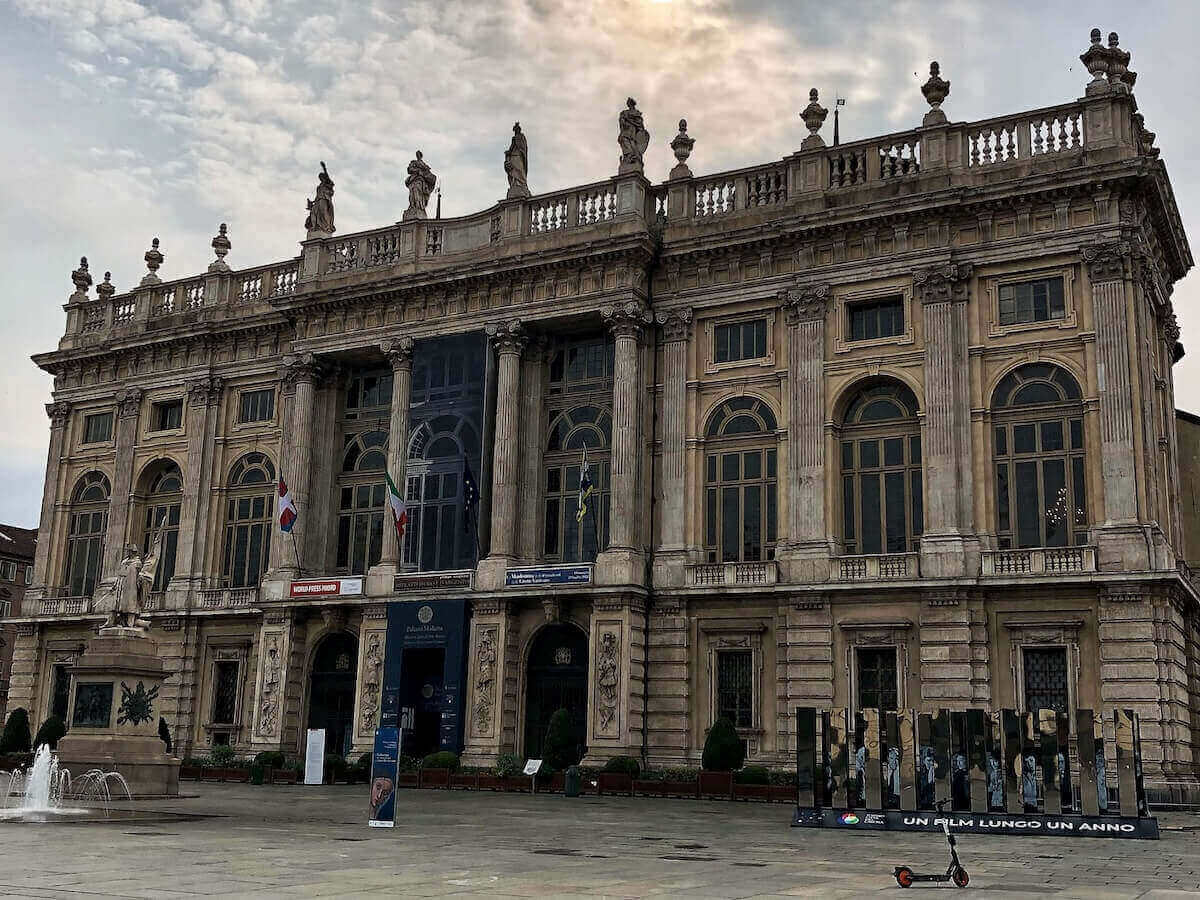
Some of the most important attractions in Turin overlook the square: Palazzo Madama, right in the center of the square, the Palazzo Regio, the Teatro Regio, one of the most important opera houses in Italy, and the Royal Church of San Lorenzo, where the Holy Shroud was housed for a short period after its arrival in Turin.
Palazzo Madama boasts a centuries-old, glorious history. During the Roman Empire, it was a gate that allowed access to the city from the Po side. During the Middle Ages, it became a fortress, and then it became the Castle of the princes of Acaja.
Finally, in 1637, it became the residence of Maria Cristina of Bourbon of France, regent of Savoy. It was during those years that it became the luxurious and opulent residence that we know.
Later on, it became the Seat of the Royal Art Gallery and of the Subalpine Senate, whose last session was in 1864.
Today, Palazzo Madama houses the Civic Museum of Ancient Art. The museum is spread over four floors. Should you manage to visit (difficult if you only have a day in Turin), you can admire a vast collection of sculptures and works of art from the Middle Ages to the Renaissance, one of the most important porcelain collections in the world, and the famous Portrait of a Man by Antonello da Messina.
Dinner at Piccolo Lord
I first tried this restaurant after my sister recommended it, and I loved it. Located at Corso San Maurizio 69 bis/G, between the Gran Madre Church and the Mole Antonelliana, Piccolo Lord is open every evening for dinner only.
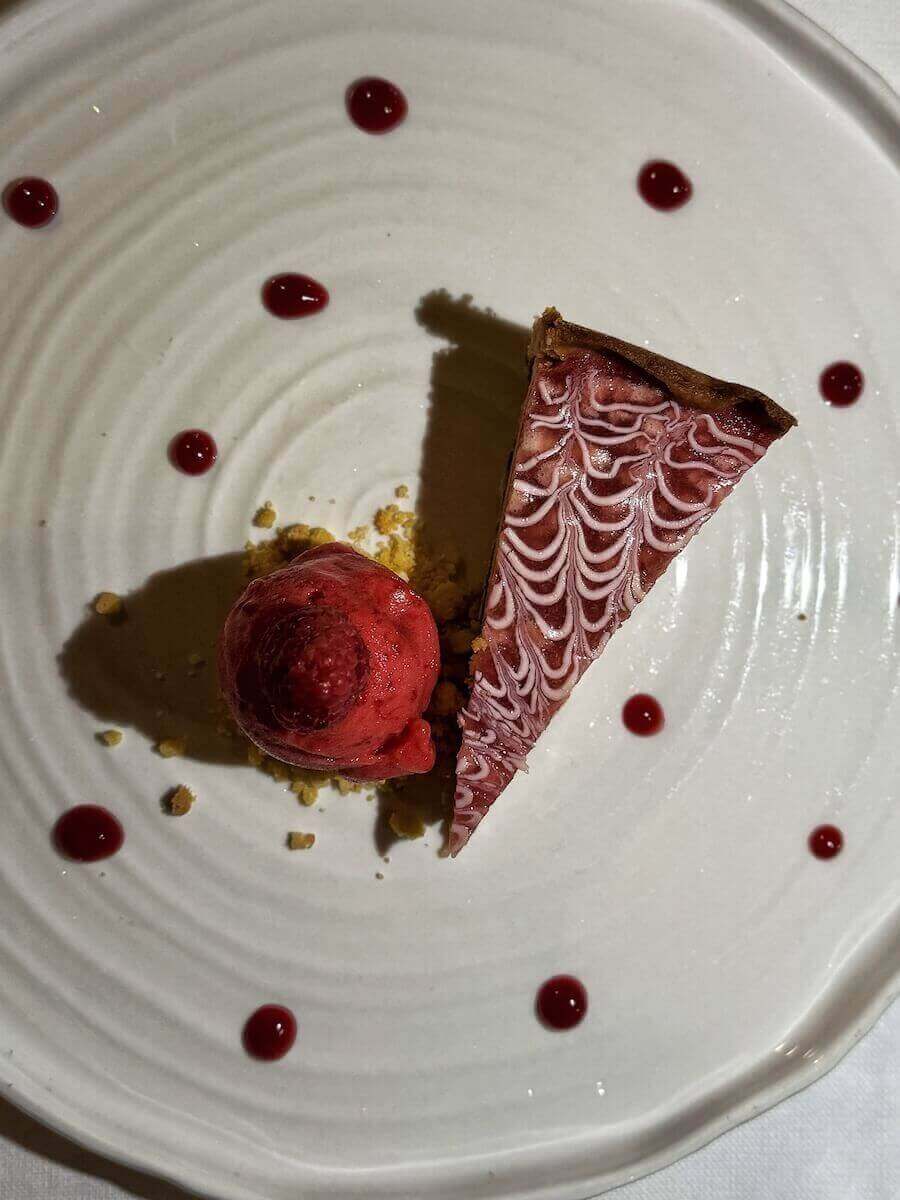
Here, chef Diego reimagines the great classics of Piedmontese cuisine with his creative touch. You’ll find both seafood and meat dishes, with a strong emphasis on quality and seasonal ingredients.
For example, from October to January, you can enjoy the famous white truffles from Alba, and from late August through early November, Piedmontese porcini mushrooms.
You can pick from the à la carte menu, but I strongly recommend their tasting menus. A short one for those who want to keep it light, and a full one for those with a bigger appetite. It’s excellent value for money, and all the dishes are exquisite.
Pair everything with a local wine, such as a red Dolcetto d’Alba or a white Arnais.
How To Get To Turin
If Turin is the first stop on a trip around northern Italy, you may want to fly there: Turin-Caselle Sandro Pertini Airport has connections to Italy and Europe, and there are plenty of budget airlines that fly there.
From the airport, the easiest way to get to Turin is by taxi. Alternatively, there are two bus companies that run to the city center from 6:00 am to midnight. There’s also a train connection, but it only drops you off at Dora Station.
If you are traveling from other places in Italy, getting to Turin is very easy. Unless you are planning a road trip across the Italian countryside, the best way of getting around Italy is by train. Here’s how to get there from various cities.
From Milan
Getting from Milan to Turin by train is very easy and budget-friendly, especially if you book your trip in advance. The fastest trains take about 45 minutes, and there are about 30 departures a day – so it’s feasible to go there just for a day.
Alternatively, you can take the bus, which takes 1 hour and 50 minutes.
By car, it’s about 150 km (93.2 miles) on toll roads, and it takes about two hours, but it depends on traffic. You’ll have to pay highway tolls and parking fees once you arrive in Turin.
From Bologna
It’s just as easy to travel from Bologna to Turin. The Frecciarossa trains cover the route in about 2 hours. If you want to visit Turin in a day, I don’t recommend taking the bus from Bologna because a one-way trip takes about 5 hours.
By car, the 350-km (217.5 miles) drive takes at least 4 hours.
From Florence
Last time I was in Turin for a day, I arrived from Florence and spent 24 hours there before going to the Langhe. I don’t recommend trying to do it as a day trip, as it can be quite a challenge. The fastest option is the train, and it takes more than 3 hours.
The bus is cheaper, but it takes much longer.
By car, it’s about 450 km (279.6 miles) one way.
How To Get Around Turin
The best way to explore Turin is definitely on foot: in fact, most of the attractions are in the city center, and you can easily reach them on foot.
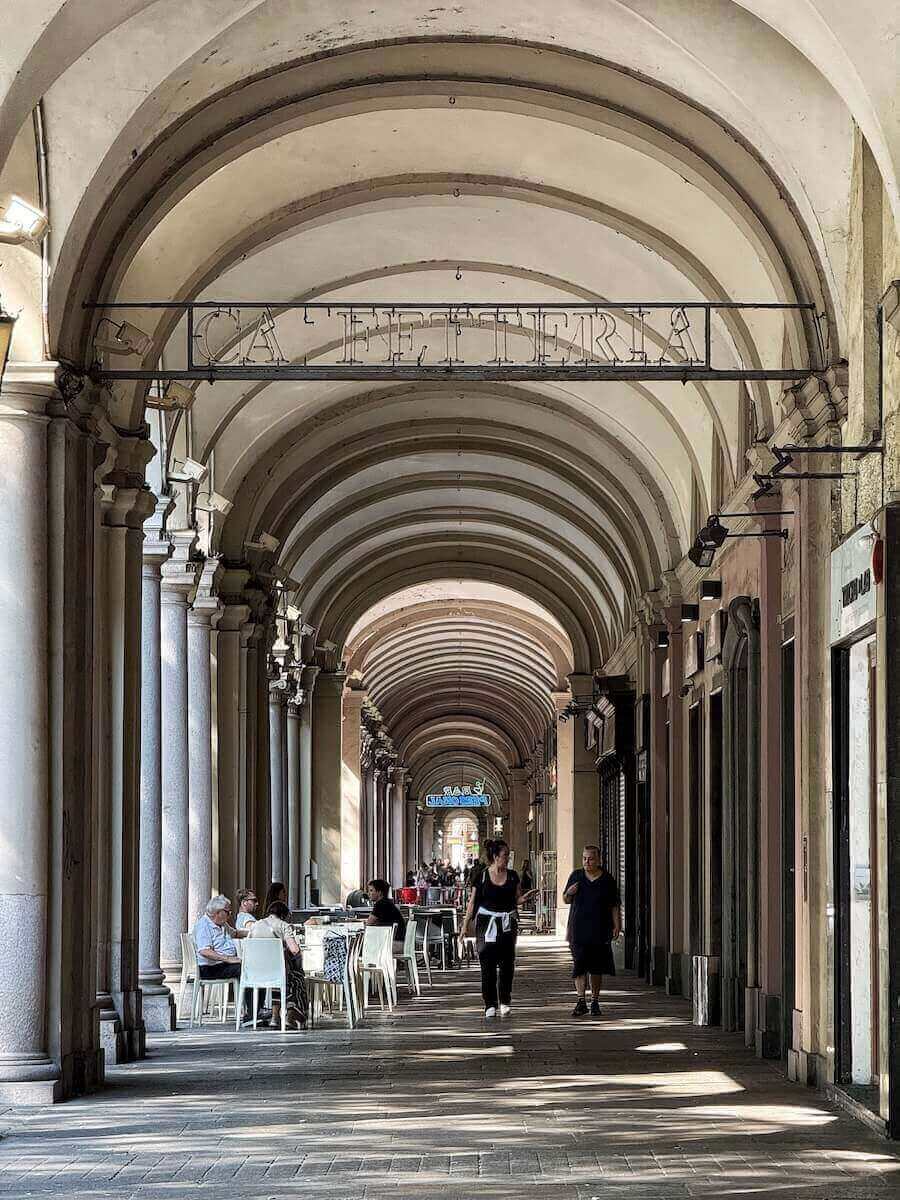
If you are only spending a day in Turin and follow the route I’ve described, you can enjoy the charming little corners, the covered arcades, and the historic cafés as you walk.
If you decide to stay longer and want to visit other places in Turin, such as the Basilica of Superga or Venaria, or if you are tired, you can count on an excellent public transportation system. It includes trams, buses, and a subway line. If you love cycling, a bike-sharing service is also available.
FAQ on Visiting Turin in One Day
Spend a day in Turin starting at Piazza Carlo Alberto, then visit the Egyptian Museum. Continue to the Mole Antonelliana for city views. In the afternoon, explore Piazza Castello and tour the Royal Palace of Turin, the historic residence of the Savoy royal family. End the day with an aperitivo nearby.
Not at all. Turin is a city rich in attractions of every kind. To enjoy all its beauty at a leisurely pace, you need to stay at least five days. But if you make a selection of the places you want to visit based on your taste, a long weekend can also be enough. A day allows you to get a taste for it.
The most famous landmark in Turin is the Mole Antonelliana, the city’s iconic skyline symbol and home to the National Museum of Cinema. Turin is also known for the Egyptian Museum, one of the most important collections of ancient Egyptian artifacts outside Egypt.
If you only have a few hours in Turin, walk around Piazza Castello, visit the Royal Palace, and head up the Mole Antonelliana for views. If time allows, stop by the Egyptian Museum before ending with a quick coffee or aperitivo.
Yes. Turin is a very walkable city, especially the historic center. Major sights such as Piazza Castello, the Royal Palace of Turin, the Egyptian Museum, and the Mole Antonelliana are within a short walking distance of each other. Arcaded streets also make exploring comfortable in any weather.
Food in Italy varies a lot by region. Turin is a city with long and rich gastronomic traditions, and a day in Turin isn’t enough to try all its delights. Here are some specialties you should try:
Bicerin, a hot non-alcoholic drink made of coffee, dark chocolate, and milk cream.
Tramezzini, a kind of sandwich.
Grissini, crunchy breadsticks.
Vitel tonné, thin slices of roast beef, served cold and accompanied by a sauce made from mayonnaise and finely chopped tuna.
Tagliolini al Tartufo d’Alba, handmade egg pasta tagliatelle seasoned with butter and shavings of Alba truffle.
Barolo braised beef, Fassona beef marinated in Barolo wine for at least 24 hours with onion, carrots, celery, and lots of aromatic herbs, then slowly cooked.
Typical desserts and sweets of the region include:
Zabaione
Gianduia cream
Gianduiotti
Cremini chocolate
Bonet
Final Considerations on What To Do In Turin In A Day
If you only have a day in Turin, you can only see its main landmarks without rushing. The historic center is compact, so most sights are within walking distance. Start around Piazza Carlo Alberto and visit the Egyptian Museum, one of the city’s most important attractions. Continue to the Mole Antonelliana for a view over the city and the Alps on clear days.
Later, spend time around Piazza Castello, the historic heart of Turin, where you can tour the Royal Palace of Turin and walk through elegant arcaded streets lined with cafés and shops.
If you plan your time well, one day in Turin offers a balanced mix of history, museums, architecture, and local food. It also works well as a stop on a longer trip through northern Italy.
Recommended Readings


Ultimate Local Viterbo Travel Guide: Best Things To Do And Tips
25 Best Hidden Gems In Italy – What To See In Italy Off The Beaten Path
PIN IT!

Claudia Tavani
Claudia Tavani was born and raised in Sardinia, and after moving between the United States and the United Kingdom, she's now back living in her hometown, Cagliari. She's a travel blogger and certified travel designer who loves planning trips and publishing guides, travel tips, and packing lists so that you don't have to. Owner of Strictly Italy, cat mom to Minnie. Loves pizza, hiking, archeology, cities, beaches, swimming, and running. Hates peppers.