
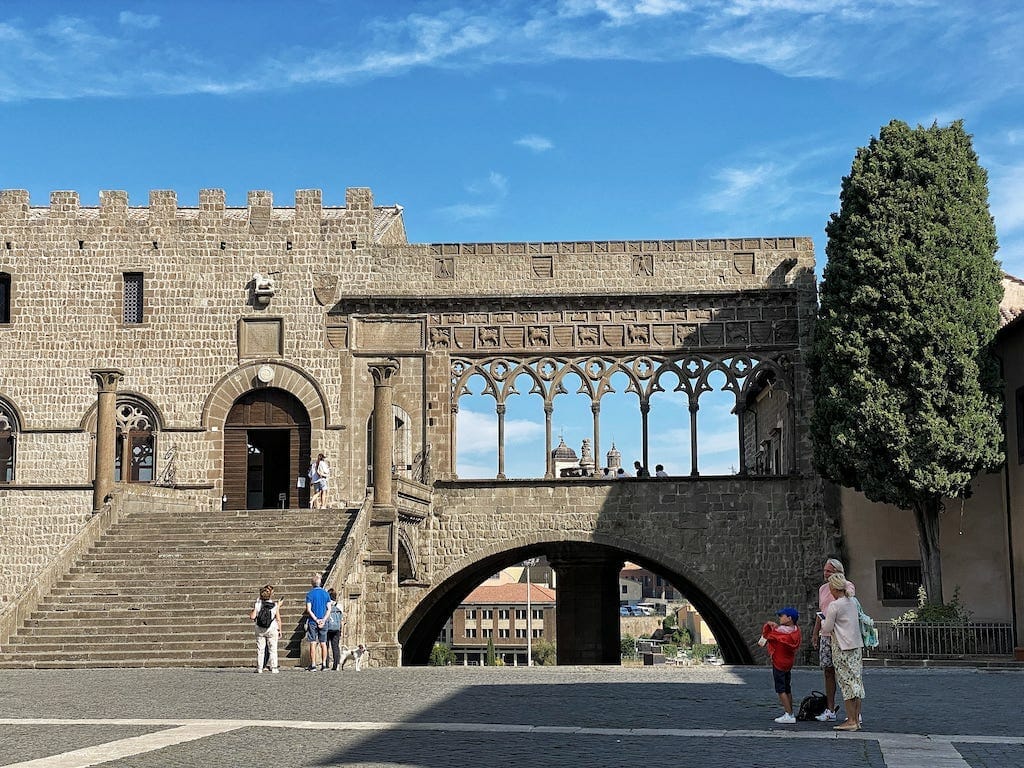
Are you getting ready for a trip to Europe and wondering about the best time of year to visit Italy? You’ve come to the right place!
As an Italian born and raised in this magnificent country, I know the seasons and regions of Italy like the back of my hand. In all honesty, there’s no wrong time to visit Italy. But your level of enjoyment depends on what you’re looking for.
Are you traveling to Italy for the festivals, the delicious Italian food, the weather, the nature, or the sightseeing? There’s a good month and region for everything and everyone. And it’s important to consider these things when planning a trip to Italy.
So, to help you, I’ve created a travel guide to the best time to visit Italy, depending on what you want to do and what kind of weather you’re looking for. I’ve also included a brief list of some of the most popular festivals and holidays in Italy.
Best Time To Visit Italy: Seasonal Guide
Visiting Italy in the winter
Winter: December, January, February
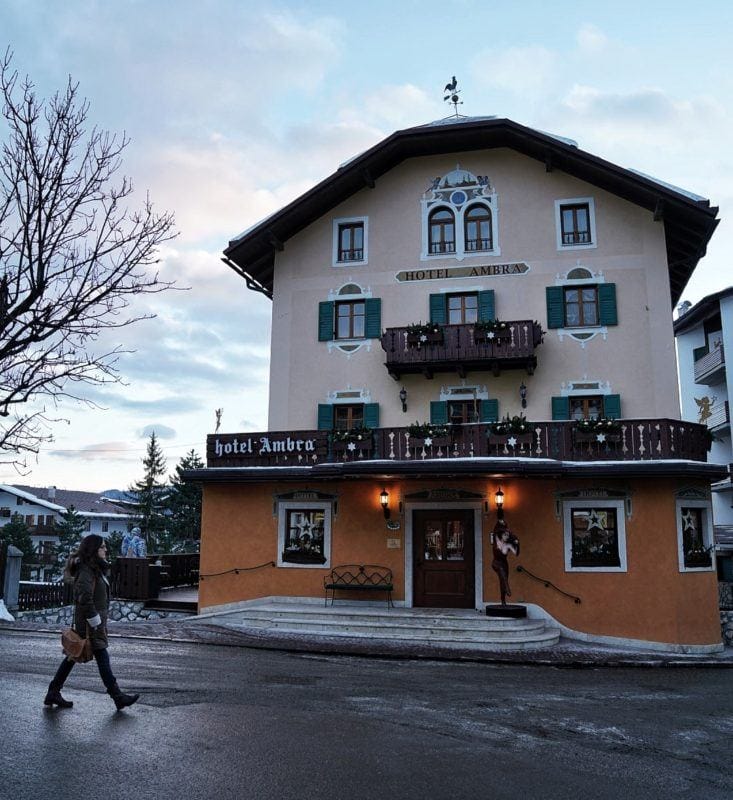
Winter is probably the least popular time to visit Italy because it can be rather cold in most places (though not all!). That said, it’s not terrible if you’re looking for the fewest crowds and lower prices and if you dabble in winter sports.
Winter months in Italy are perfect for budget travelers, people who want to escape the crowds, and those who want to spend some time skiing in the north. On the other hand, southern Italy and in particular Sicily and Sardinia are great winter sun destinations, and the weather along the coast of the two islands is very mild in the winter.
If you’re traveling in the winter, be mindful of all the holidays and celebrations. Christmas, New Year, and Carnival are particularly lively times that can cause closures or overly crowded cities.
Best places to go in Italy in winter
If you’re traveling to Italy in the winter and want the best weather and warmest temperatures, definitely stick to southern Italy – Sardinia and Sicily are great places to visit in Italy in winter.
Rome and Naples have relatively mild winters and are also two of the best cities to visit in Italy. So, this is a good time to explore the culture and history of the country. There are fewer people, and it’s usually not freezing. Temperatures in Rome in the winter range from 2°C (35°F) to 13°C (55°F). During the day, it’s on the higher side.
My post When Should You Travel To Rome? sheds more light into the best season to visit the capital city. I also wrote a guide on What To Expect When Visiting Venice In December for more tips and information on visiting Venice in the off season.
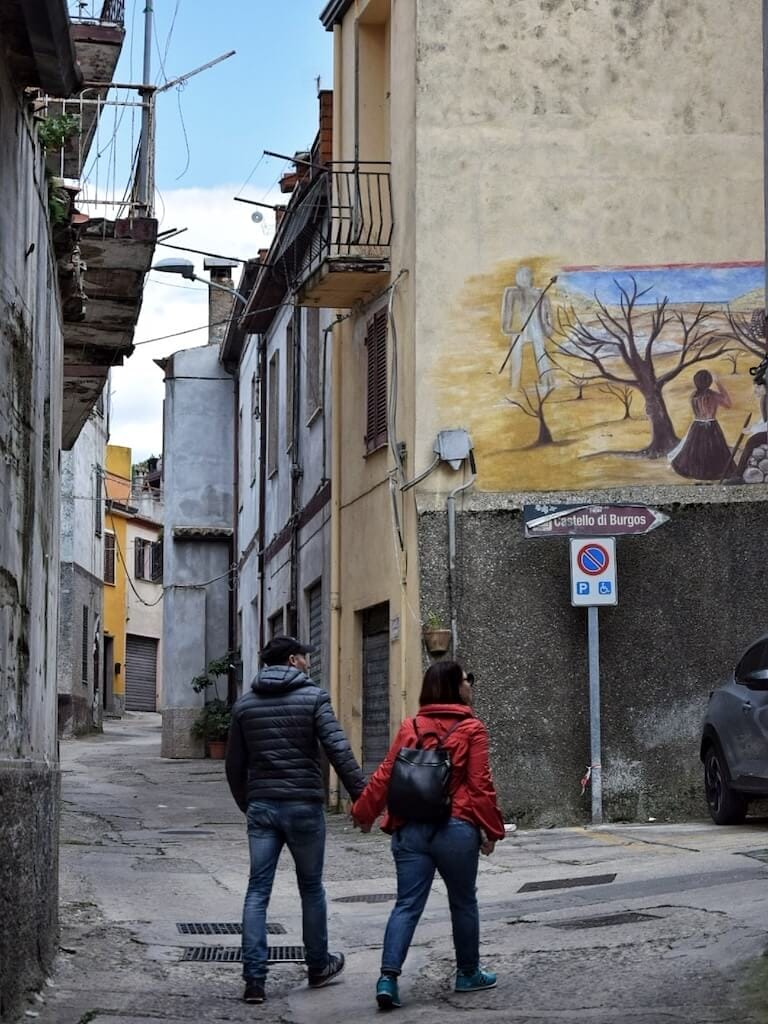
You can also venture further south for more mild temperatures. In January, the average daytime temperature in Sardinia is around 15°C (60°F), but there are days in December when it is a balmy 20°C (68°F).
Believe it or not, people from all over the world travel to Italy specifically to spend a nice winter in Italy, complete with snow, clouds, and, of course, skiing.
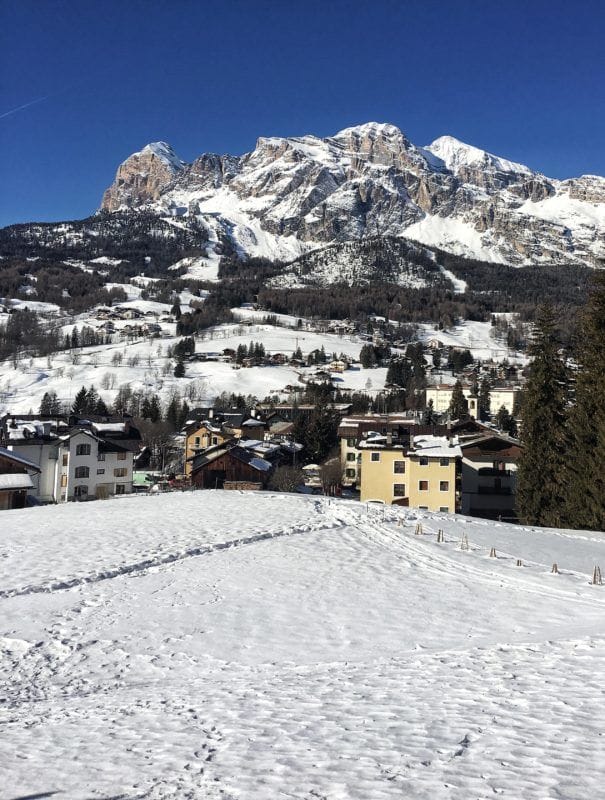
The Dolomites, a UNESCO World Heritage Site, are world-renowned for some of the best skiing in Europe. Winter is, for obvious reasons, the best time for skiing and winter sports in Italy. Temperatures are a bit cooler, and it’s usually cloudier and rainier around the entire country and especially in the north.
Visiting Italy in the spring
Spring: March, April, May
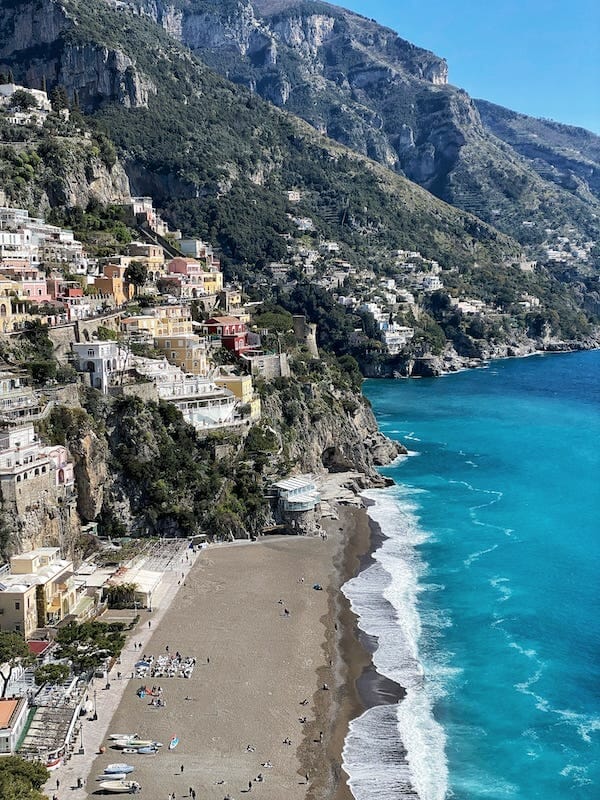
The spring and fall are the best times to visit Italy, in my opinion. The weather is a bit warmer, albeit sometimes a little chilly in the evenings (especially in March). But overall, there’s more sun and activities compared to the winter (though chances of rain are still quite high in March).
There are also still fewer tourists compared to the summer, so it’s a great time for sightseeing with smaller crowds and lower prices.
Again, you have to be mindful of holidays and festivities. Easter is very popular in Italy, so some main attractions might have limited hours or closures on holiday days and attract larger crowds when open.
One of my biggest tips for traveling Italy is always to double-check business hours and book activities and attractions ahead of time, anyway.
Best places to go in Italy in spring
I think there are no bad places to visit in Italy in the springtime. Almost everywhere, temperatures are rising, prices are low for the beginning of the spring, and flowers are blooming. It makes an already romantic place even more so.
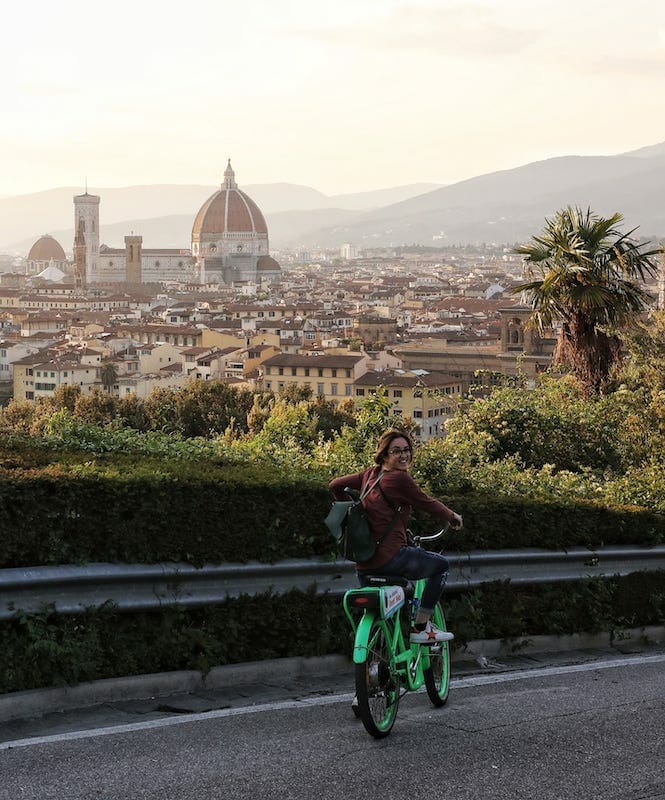
Florence is particularly nice in the spring and also one of the best places to visit in Italy, in general. Daytime temperatures in Florence in the spring range from 17°C (62°F) to 23°C (73°F), with things getting significantly warmer the closer you get to May.
Venice, Italy, is another wildly popular location known as one of the most romantic cities in the world. Thanks to the stunning canals winding through the city, what better time for romance than in spring when the flowers are blooming?
Venice‘s spring temperatures are comparable to Florence’s, but it’s usually a few degrees colder and sometimes a bit cloudier.
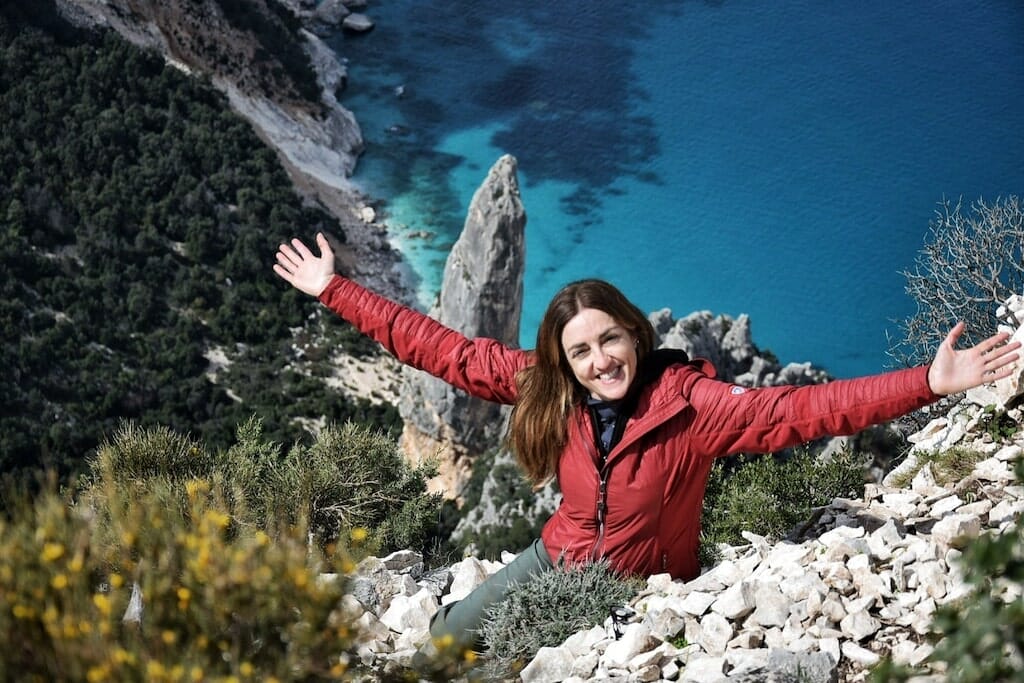
Another great place to visit in Italy in the spring is Sardinia. That’s when you can enjoy long walks on the beach, and hit all the best hiking trails on the island – including the coastal trails with breathtaking views of the sea.
One thing to keep in mind if you are traveling to Italy in spring is that there can be heat waves in April and even in May. I went to Florence last April and it was already 28°C (more than 82°F). When a heat wave hits in the spring, it normally stays warm for a few days before temperatures go back to the average for the period.
Visiting Italy in the summer
Summer: June, July, August and (central and southern Italy) September
Summer is definitely the best time of year to visit Italy if you’re looking for the best weather and warm beach days. Basically, all of Italy is warm (sometimes it is actually too hot), with lots of sun.
The only downside to visiting Italy in the summer is that this is everyone’s favorite time to visit. That means there are usually a lot more tourists, beach towns are overrun, and things are even more expensive.
High season isn’t for everyone and definitely isn’t good for budget travel in Italy, but it’s a good payoff if you’re more interested in the weather and summer activities.
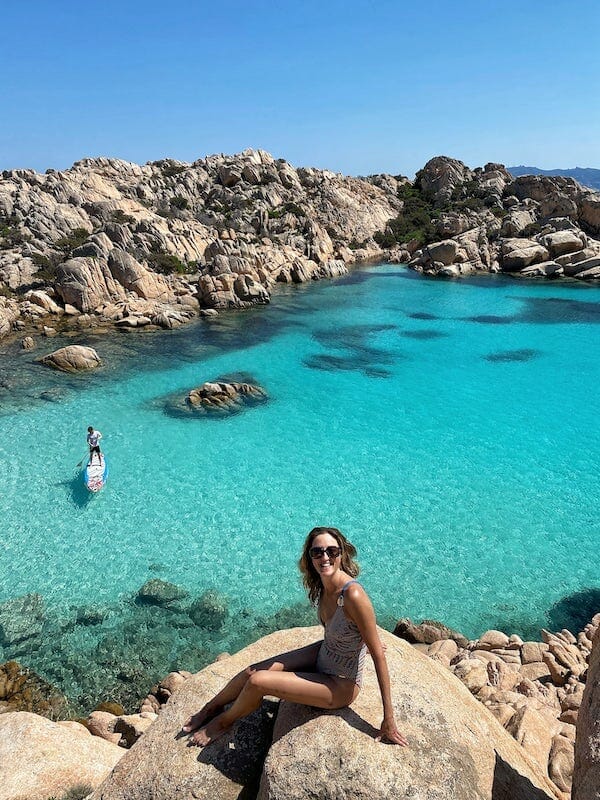
Best places to go in Italy in Summer
As long as you don’t mind crowds, higher prices, and heat, everywhere in Italy is fantastic in the summer. This is when the weather is best in the north and south; it’s warm, and everyone seems to be in the best mood.
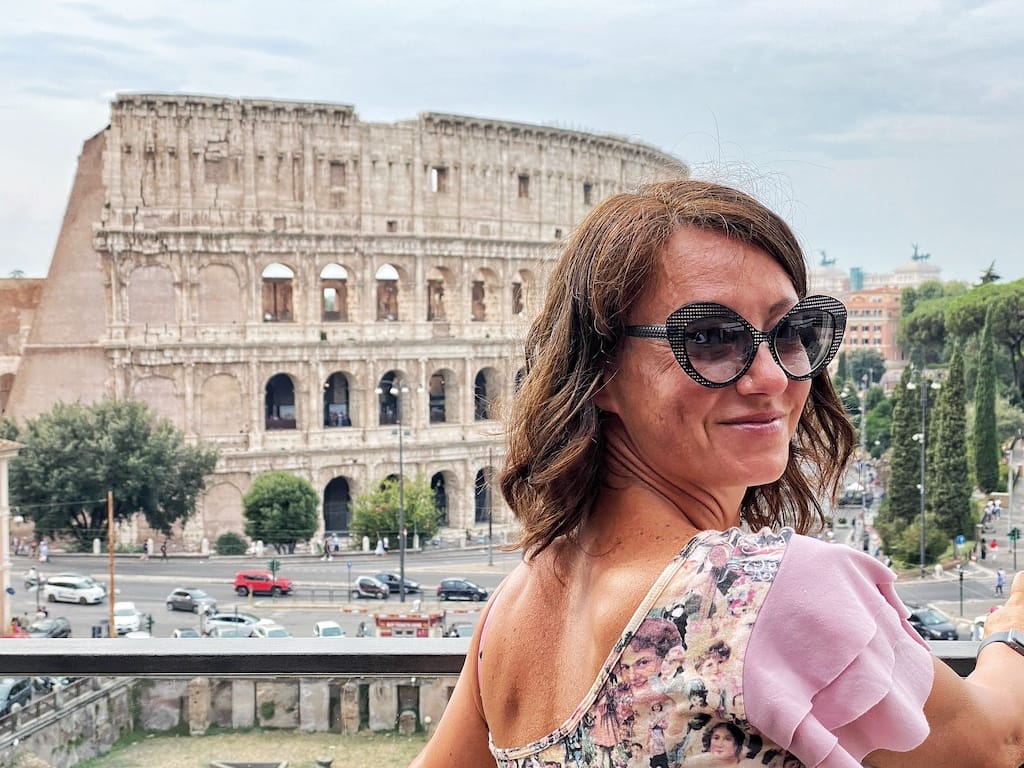
All the main spots, like Rome, Florence, Venice, and Milan, are crowded in the summer but also sometimes extremely hot. If you visit a city, my advice is to plan to visit a museum (and stay in the air conditioning) during the peak hours between 12:00 and 4:00 pm, or to go to a park and find some shade.
Otherwise, you might want to visit the coast of the Mediterranean Sea when the weather is good and the water is warm.
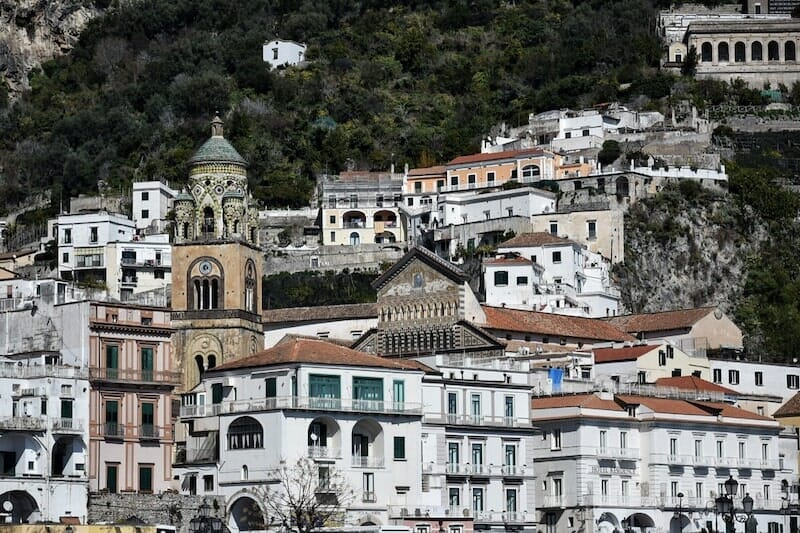
The Amalfi Coast is particularly nice and very popular. Cinque Terre, Sicily, and Sardinia are all the best during the summer (but also extremely crowded: don’t expect to find a secluded beach in Sardinia or Sicily if you visit in July or August!). The temperatures in the south are usually a high of 30°C (86°F), though sometimes even warmer.
If you want slightly cooler weather and great outdoors, head north to the Alps. Temperatures in the Alps generally don’t go above 24°C (75°F) – though certainly in the latest years higher temperatures have been registered.
The Dolomites, even though it’s a popular winter skiing destination, have unbeatable hiking trails in the summer. And, of course, you can always spend nice summer days in Tuscany region sampling some of the best wines in the country.
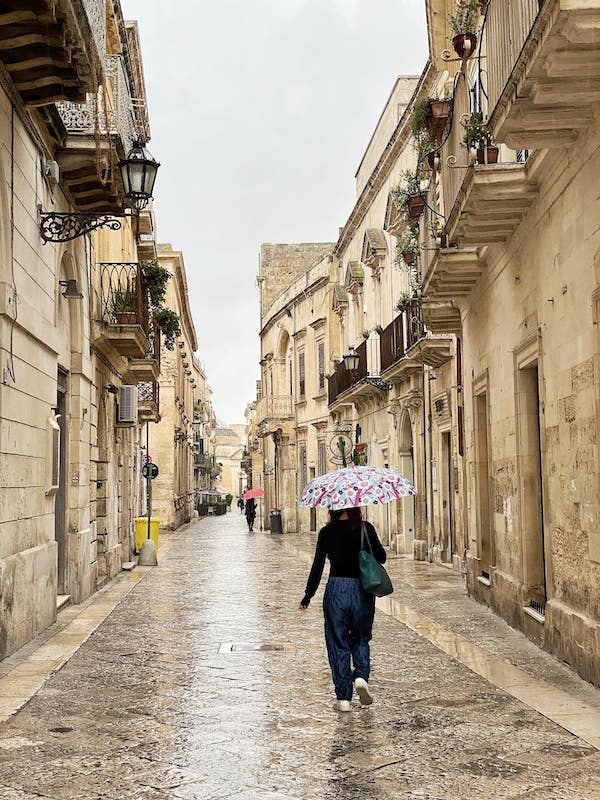
Visiting Italy in the fall
Fall: September (northern Italy), October, November
In my opinion, fall or autumn is the absolute best time to visit Italy. It’s still pretty warm, there are fewer tourists, and everything is open (in fact, many attractions observe summer opening hours until the end of October) and waiting for you.
There are two main reasons to visit Italy in the fall. First, at the beginning of fall, the weather is actually still warm enough to even spend time along the beach – we definitely enjoy a good beach day all the way into October here in Sardinia. Second, there are much fewer tourists around because the schools are back in session.
One downside with visiting in fall, specifically the end of fall around November, is that things do start to cool down fast, and it can get really rainy and cloudy in some regions. But if that doesn’t bother you, it might be a great time to travel to Italy.
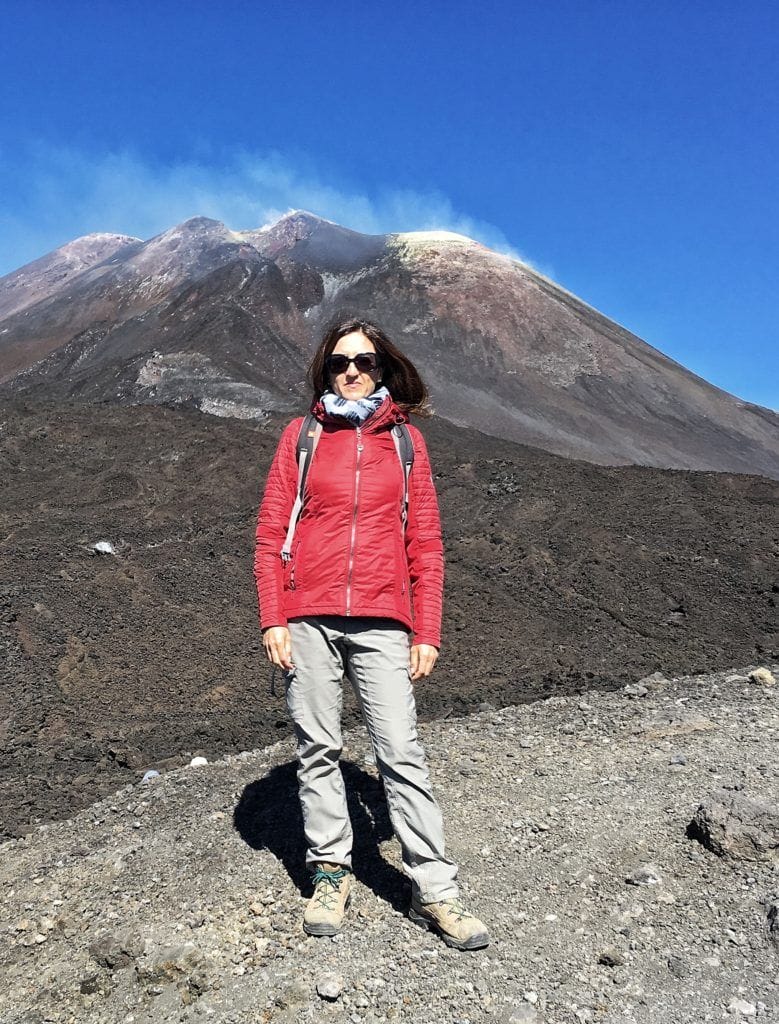
Best places to go in Italy in fall
Fall, especially early fall, is the best time to travel to all the most touristy places. You should definitely visit Rome, Venice, Florence, Milan, Sardinia and Sicily during the fall. These places have sky-high prices during the summer months and the main plazas are packed full of tourists.
But once we get into autumn in Italy, things start to mellow out and prices begin to decline. So, it’s perfect for sightseeing without working your way through massive crowds.
Autumn is also a great time to go up north to the Alps and the Dolomites for some hiking and photo sessions. Northern Italy has all four seasons, and you can go admire the leaves changing and the sky shifting in the north. It makes for the best scenary and natural landscapes.
The temperatures in fall can vary pretty drastically from region to region and month to month. Northern regions are usually around 15°C (60°F) during the day, central regions are a bit warmer at around 18°C (65°F), and southern regions are still very pleasant at around 21°C (70°C) during the day.

Activities Guide For Visiting Italy
When to visit Italy for sight-seeing
The best time of year to visit Italy for sightseeing is in the fall or spring because there are usually fewer tourists (minus the holidays), lower prices and more availability for accommodation, and pretty good weather.
I prefer fall a little more than spring because there’s less rain and even smaller crowds, but either shoulder season is fine.
It’s more fun to explore different sites, monuments, and cities during the low season when you don’t have to fight for a spot in line or at a restaurant.
Having said so, I still recommend booking the most popular attractions and tours, as well as famous restaurants in advance. Many sites and museums work on a time-slot system, and you really want to get tickets before you visit. Likewise, restaurants can get crowded too because – as you can surely imagine – Italians love eating out!
When to visit Italy for beach and island hopping
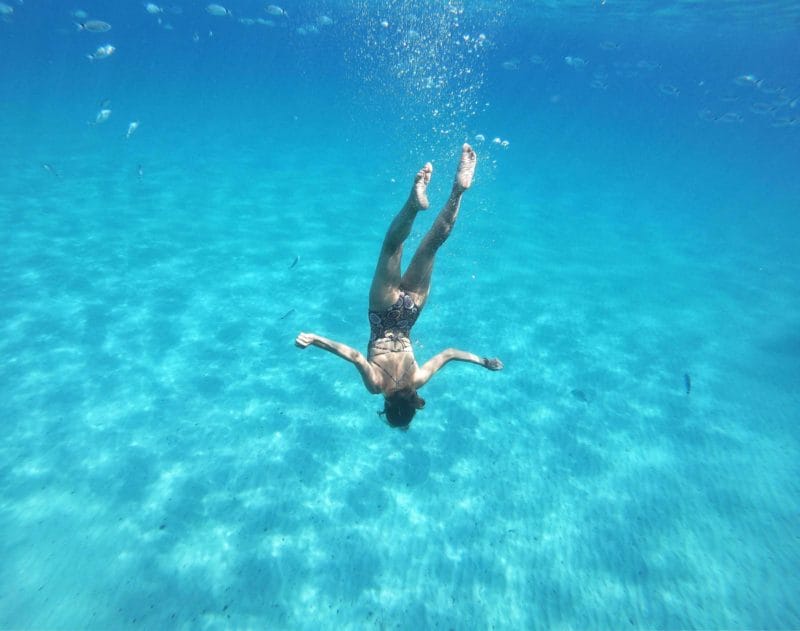
The best time to visit Italy for beach and island hopping is the summer months into the fall. The summer has the best weather, with lots of sunny, warm days.
On the other hand, the beaches and islands can get very crowded in July and August because everyone wants to spend hot days around the ocean and that’s when most people in Italy also take vacation from work.
If you want less crowds, you could consider visiting in May when it’s already quite warm, or mid to end of September – but keep in mind that the sea is still quite cold in May and the days are much shorter in September.
When to visit Italy for hiking and nature
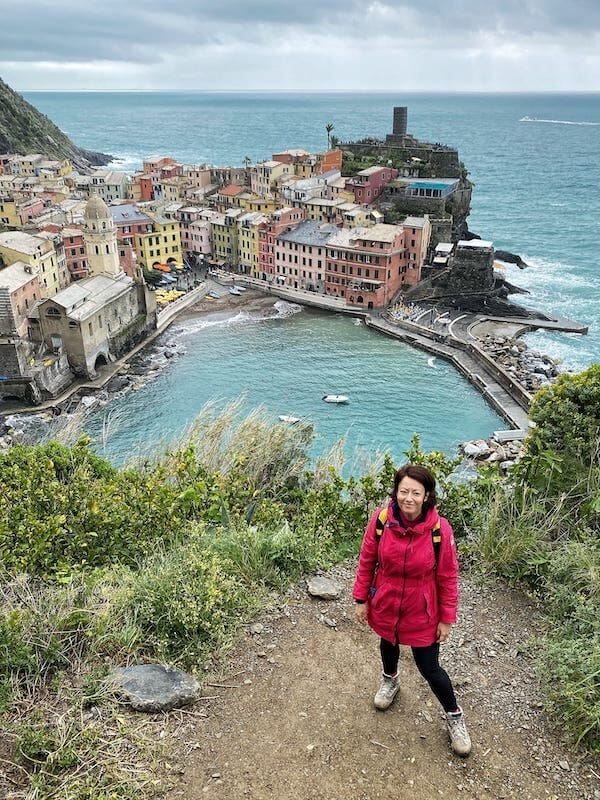
The best time to visit Italy for hiking and enjoying nature is spring or fall. During these months, it is usually warm enough and not overly hot or humid. Make sure to pack a few extra layers for the cooler mornings, evenings, and rainy days.
It’s also much less busy during the shoulder seasons, so you don’t have to worry about overly crowded trails and tourist attractions.
When to visit Italy for skiing and snowboarding
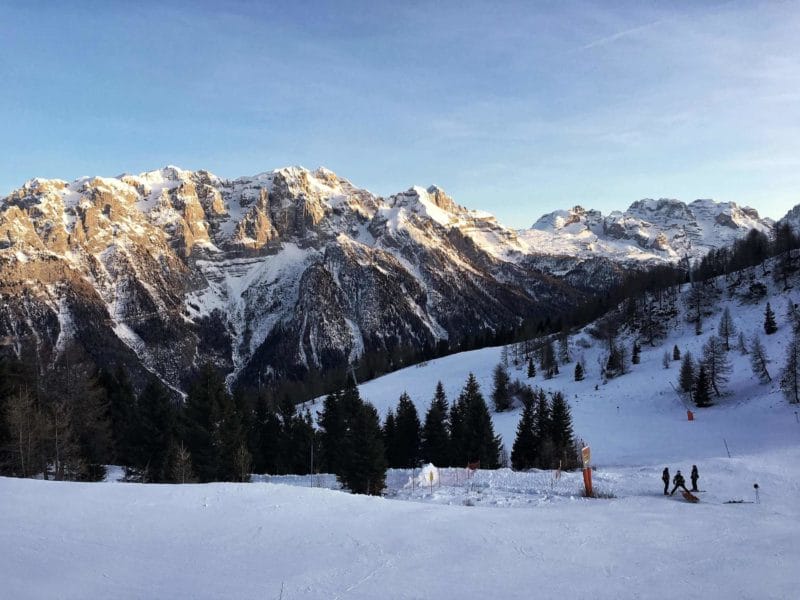
The best time of year to visit Italy for skiing and snowboarding is from the very beginning of winter into spring. Believe it or not, March is still a great month for winter sports in northern Italy.
It’s not as cold, but it’s still cold enough for the snow to stick around. So, you can enjoy sunnier and warmer days without having to freeze to death. And there are actually much fewer people compared to busy winter holiday weekends (like during Christmas and New Year’s) when people flock to the mountains for a good ski run.
When to visit Italy on a budget
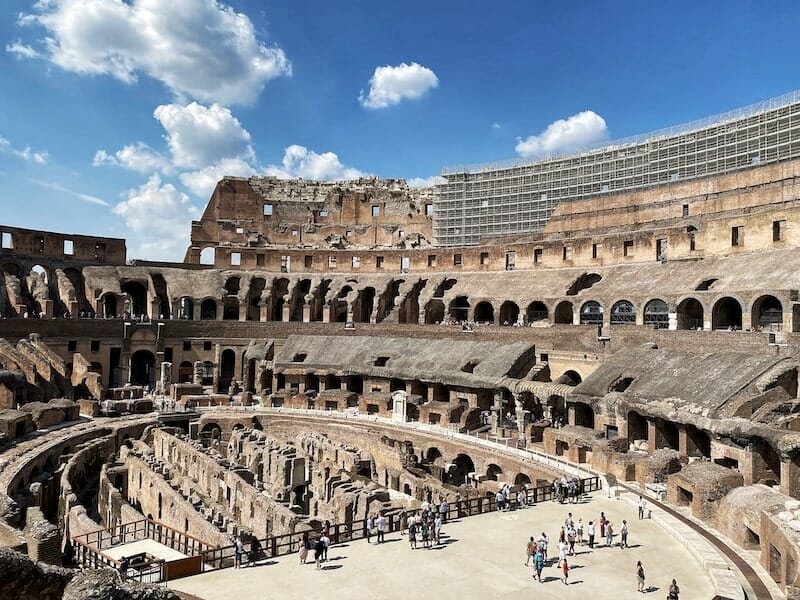
Italy isn’t the cheapest country in the world, so it’s hard to plan around a tight budget. Especially if you want to hit all the main sites like the Colosseum and Vatican Museums and all the tourist cities. However, it’s possible to manage finances conservatively.
If you’re hoping to travel on a smaller budget, the best time to travel to Italy is in the spring or fall. Winter is actually cheaper, but the weather makes it slightly less pleasant to spend significant time outdoors while enjoying everything it has to offer.
The spring months (March through May) and the autumn months (September through November) have surprisingly good weather and fewer travelers (and therefore, lower prices).
Another good thing about traveling to Italy on a budget is the lack of tipping culture here. Make sure to read my post on Tipping In Italy before arriving so you’re well-prepared. You don’t have to go overboard with tips; in fact, it’s rarely expected.
Holidays And Festivals In Italy
Another great way to learn more about a country’s culture and customs is to visit around the time of big holidays, festivals, and celebrations. If you happen to be in Italy during one of the big ones, like Carnival, you’ll be in for a real treat.
Keep in mind that festivals can get really crowded and overbooked, so make sure to plan well in advance so you don’t miss out on any of the good stuff. For holidays, some things might close or have very limited hours, so make sure to factor this into your Italy itinerary.
Here are some of the most popular holidays and festivals all over Italy:
Festivals and holidays in winter
Santa Barbara Day (December): There’s a beautiful festival in Paternò that thanks the patron saint for protecting the community and stopping Mt. Etna from erupting. There’s a parade on the slopes of Mt. Etna.
Christmas Eve and Christmas Day (December 24th-25th): This is a rather large celebration all over Italy, and most places celebrate a little differently than places like the United States. Christmas Eve is actually more important, and that’s when most celebrations take place. There are other unique traditions, too, like midnight mass. Most things will be closed after 8:00 pm on Christmas eve, and many restaurants and attractions are also closed on Christmas day.
Epiphany (January 6th): Celebrated all over Italy, although Venice has a rather large boat parade. Some shops and restaurants will be closed, and many cities and towns will host parades and celebrations.
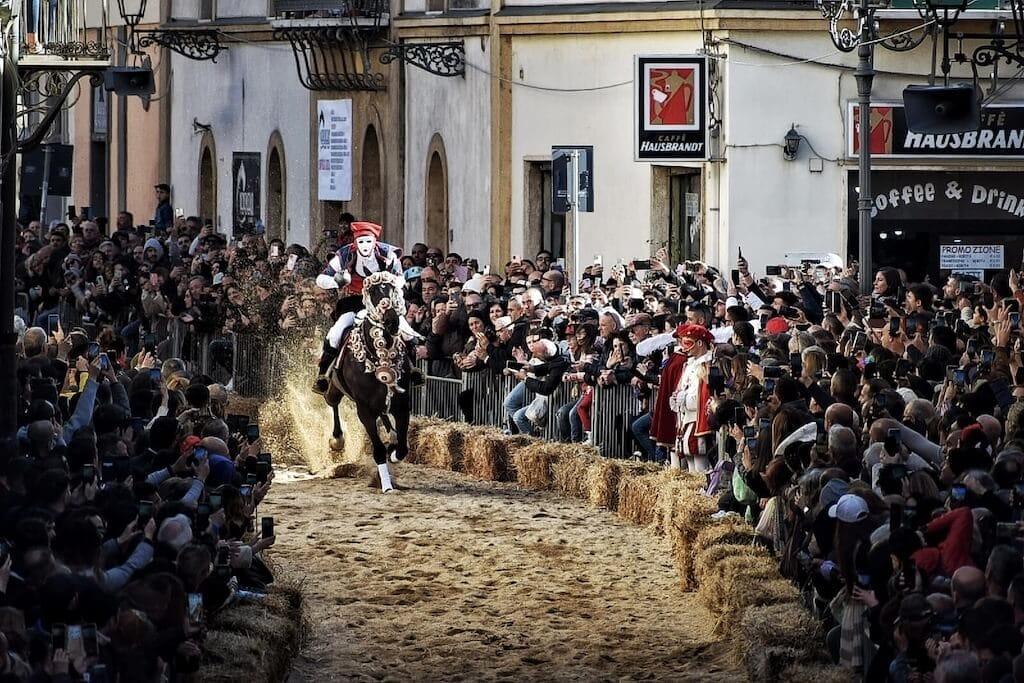
Carnevale (February): Different villages and regions have their own way of celebrating, and some celebrate at different times throughout the month. However, they’re all so much fun and full of lots of energy. While Venice Carnival is certainly the most famous, you shouldn’t dismiss other smaller celebrations like the Mamoiada Carnival in Mamoiada (Sardinia) or the adrenaline filled Sartiglia in Oristano (also Sardinia).
Festivals and holidays in spring
Easter and Holy Week Celebrations (March-April): Rome has a very large celebration, with several activities hosted by the Pope. Procession of the Mysteries in Sicily is another popular celebration. Most other cities and villages also celebrate Easter with parades and rituals, and there may be closures.
Rome Marathon (Third Sunday of March): This event attracts a rather large influx of visitors, which can make getting around the city a bit challenging during this week.
Vinitaly, Verona (April): This is one of the best wine festivals in the world. It’s held in Verona, Italy, every year and is a must-do for wine lovers (although also very crowded and more expensive).
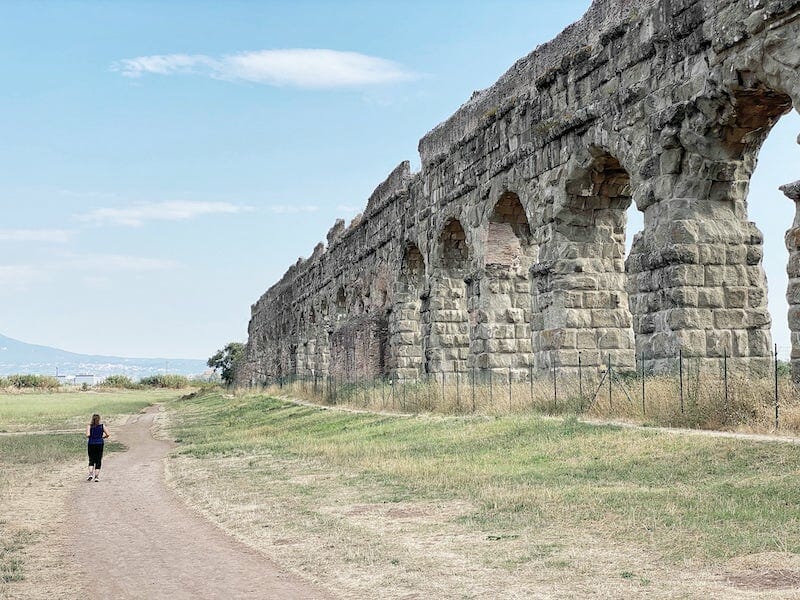
Italian Liberation Day (April 25th): This marks the end of WWII in Italy and is a national public holiday. There will be holiday closures and usually some celebrations in the street, especially in Rome.
Labor Day (May 1st): This is International Labor Day, another national holiday likely with more closures or limited operating hours. Rome is a bustling place for this holiday, with lots of concerts and summer events.
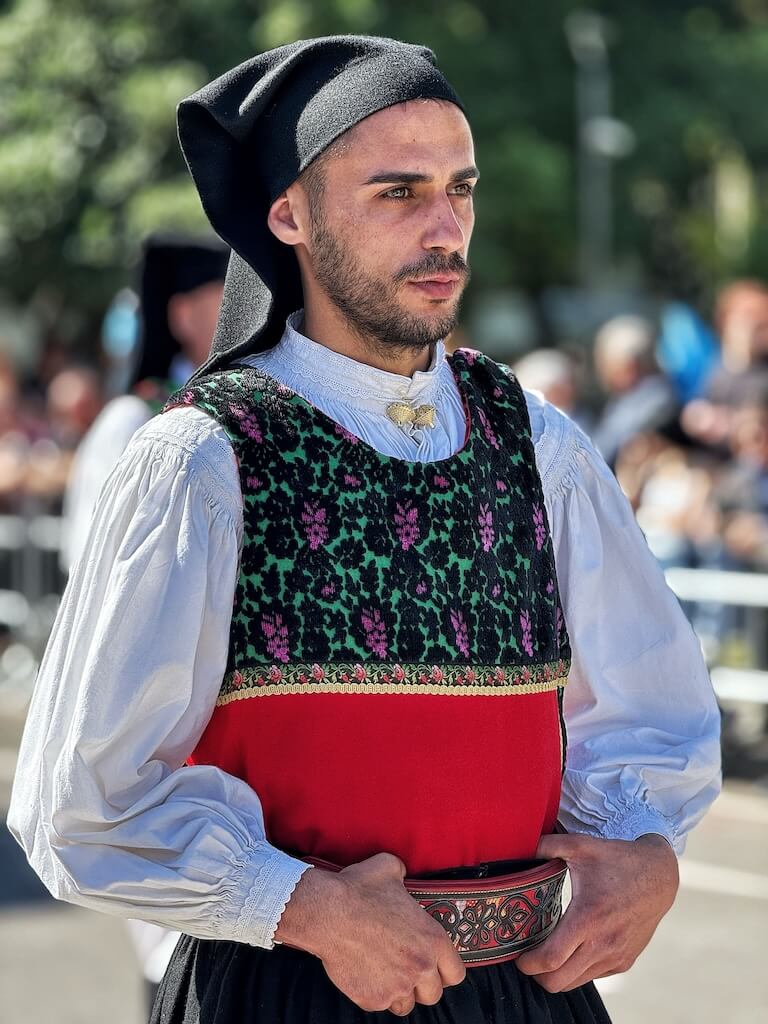
Sant’Efisio, Sardinia (May 1st): While the rest of Italy celebrates Labor Day, Cagliari hosts the most important festival of Sardinia with a centuries-old parade in traditional costumes in honor of the saint that, in the 17th century, saved Sardinia from the plague.
La Calvalcata Sarda, Sardinia (May 24th): This is one of the oldest traditions in Sardinia and a true show of culture and customs. It takes place in Sassari and involves people parading around the city on horseback in traditional costumes and doing tricks and events at the race tracks.
Festivals and holidays in summer
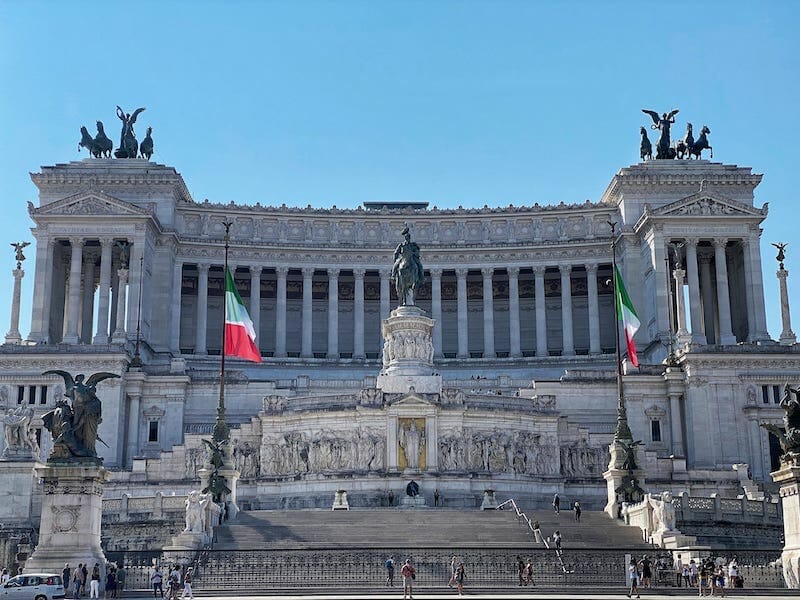
Anniversary of the Republic (June 2nd): This holiday essentially celebrates the end of the monarchy and the beginning of the republic in 1946. Rome has rather large celebrations and parades, but other cities and towns usually host smaller events.
Open-Air Concerts (July and August): Many cities, like Ravello on the Amalfi Coast and Syracuse in Sicily, host elaborate outdoor music festivals and performances that peak in July. Berchidda International Jazz Festival is held in Sardinia. Various Italian cities host large concerts too. These are perfect for music and art lovers.
Ferragosto (August 15th): Ferragosto represents the peak of the summer in Italy and the week before and after is when most Italians will take their summer holidays. Expect Italian beaches to be very crowded then, and prices at their peak. Many cities will be empty of locals and packed with tourists.
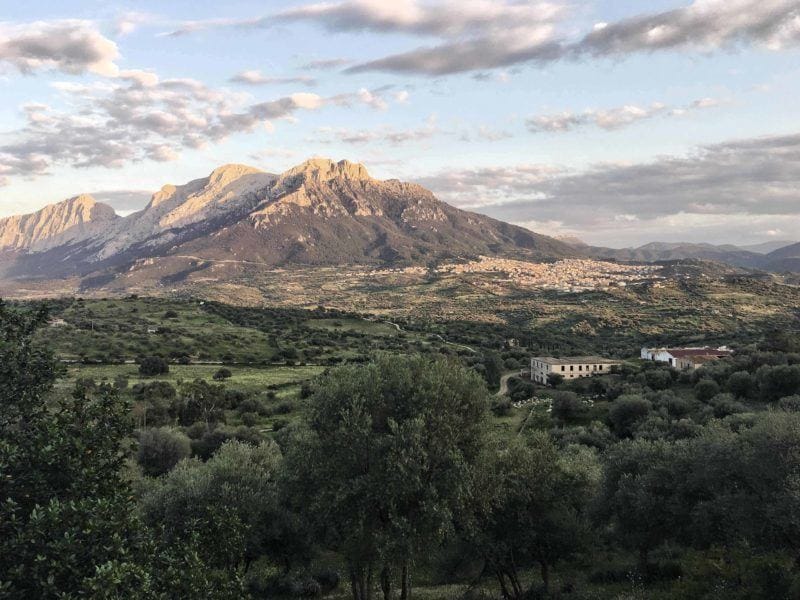
Festivals and holidays in fall
Regata Storica (September): This fantastic event, held every year in Venice, features gondola races and a water pageant.
Harvest Festivals (October-November): Every city, town, and village has its own sagra (festival), and they are all at different times (although October and November are the most popular months). These are typically a form of food and culture festival that also include parades, and other fun activities that tie into the region’s history and cuisine. One of the best festivals is Autunno in Barbagia, which sees many small towns around the Barbagia region of Sardinia host a different festival every weekend from mid September to mid December.
All Saint’s Day (November 1st): Celebrations for All Hallow’s Eve, All Saint’s Day, and All Soul’s Day actually run from October 31st to November 2nd. It’s a pagan holiday, only very slightly related to Halloween in the United States. We normally celebrate with food and family time, but some places have their own traditional festival, like Su Prugadoriu in Seui (Sardinia).
This is not an exhaustive list of festivals and holidays in Italy. There are too many to list here. Before making plans, make sure to double-check what’s going on in the regions you’re traveling to.
The exact dates and times of certain festivals and celebrations may vary from year to year, as well. Make sure to check from an official source with the most up-to-date information if there’s one you’re particularly interested in.
Summary Of The Best Time Of Year To Visit Italy
If I absolutely had to pick the best time to visit Italy, I’d say fall. And if I had to pick an exact month, I’d say September.
This is because it’s much less crowded but still cool and dry enough to enjoy most activities and participate in local festivals. And September is the best month to visit Italy because it’s still relatively warm, just coming off summer.
However, there’s no real best time to visit, in all honesty. There’s always something to do somewhere, and the weather in most areas is much milder than in other European destinations.
If you don’t have the freedom and flexibility to choose the exact dates for your Italian holiday, don’t stress too much about it. Come when you can, you’re sure to have a fantastic time regardless of the month.
PIN IT!

Claudia Tavani
Claudia Tavani was born and raised in Sardinia, and after moving between the United States and the United Kingdom, she's now back living in her hometown, Cagliari. She's a travel blogger and certified travel designer who loves planning trips and publishing guides, travel tips, and packing lists so that you don't have to. Owner of Strictly Italy, cat mom to Minnie. Loves pizza, hiking, archeology, cities, beaches, swimming, and running. Hates peppers.