
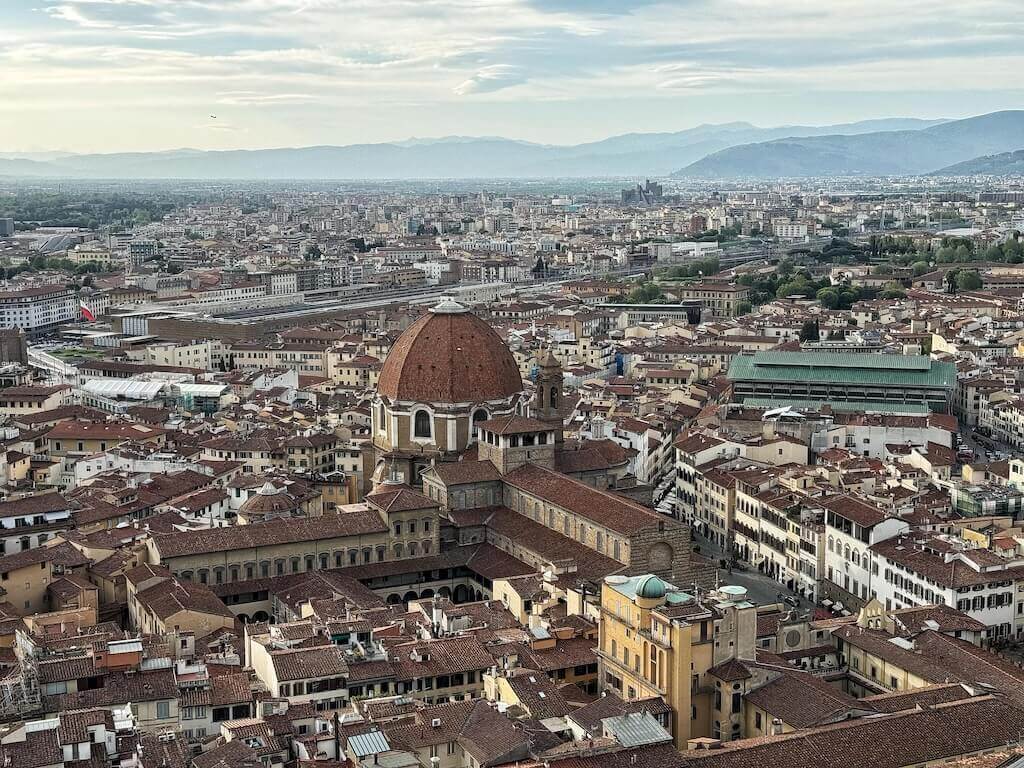
What are the most interesting facts about Italy? Discover them with your favorite Italian!
Italy—where I’ve spent my whole life—isn’t just about the postcard-perfect views and mouthwatering pasta. As a local, I can tell you that the country is brimming with surprises beyond what you might see in a travel guide.
Sure, you’ll encounter iconic Italian landmarks and soak up the beauty of the landscapes, but some other little facts about Italy make the country truly unique.
In this article, I’ll share the most interesting facts about Italy that go beyond the usual tourist spots and offer a deeper understanding of what makes Italy so special.
So, come along on this journey through some surprising (and not-so-surprising) Italy facts together. Let’s explore together and find out what makes this country truly unforgettable from the eyes of someone who lives and breathes its everyday magic (and yes, let me tell you that despite everything, living here is absolutely amazing).
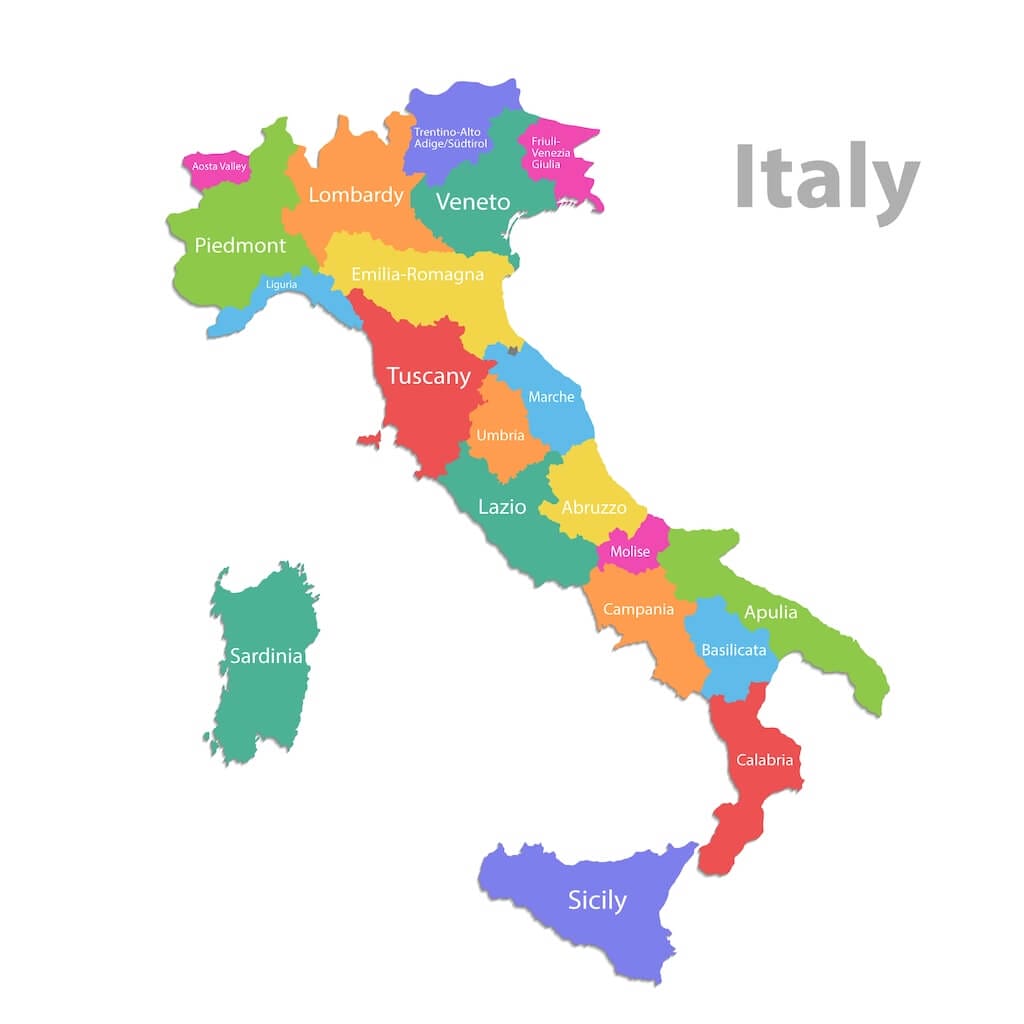
32 Italy Facts Everyone Should Know
Italy has a unique boot-shape
Okay, maybe this isn’t one of the most unique facts about Italy, but not everyone knows it. Italy has a unique shape and many coastlines, which is super important to understand so you can better grasp the geographical features of the regions in Italy.
Italy is famously known for its boot-shaped outline, but do you know how it came to be? The peninsula was formed by the tectonic activity of the African and Eurasian plates, creating a long, narrow landmass that juts out into the sea.
Historically, this strategic position made Italy a crossroads of civilizations, from ancient Greeks and Romans to Byzantine and Arab influences.
Each region developed its own unique cultural identity and traditions, shaped by centuries of diverse influences and local histories. Thus, the boot shape symbolizes Italy’s rich, varied past and unity amidst diversity.
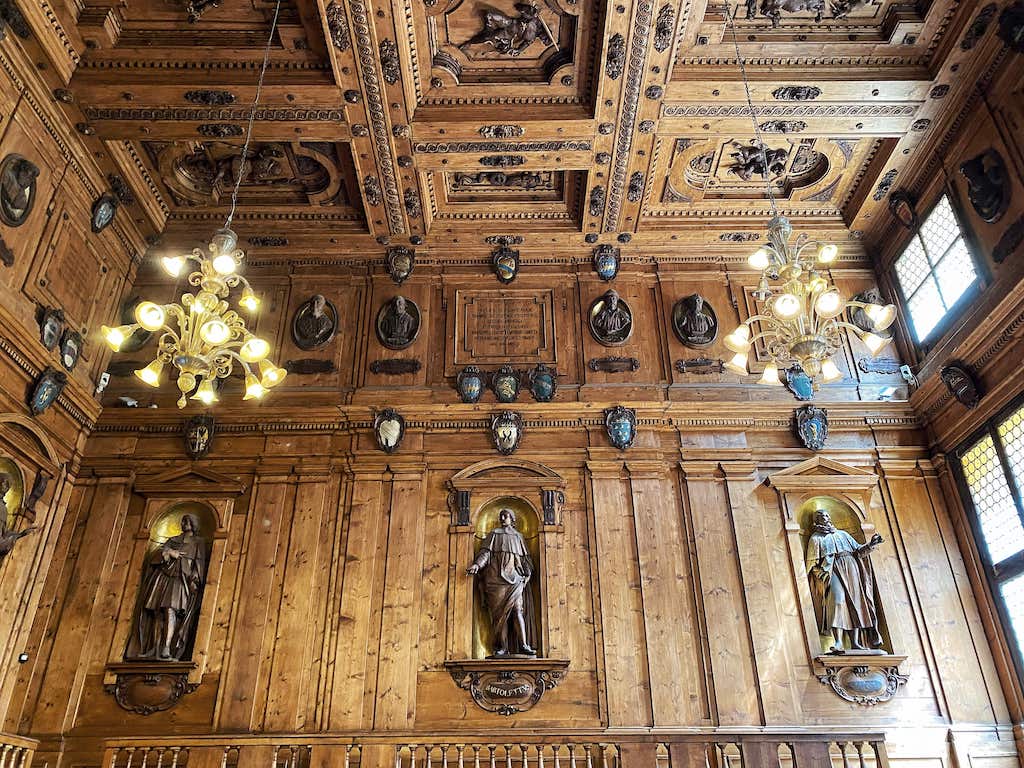
Italy is home to the world’s oldest university
The University of Bologna isn’t just any old school—it’s been around since 1088, making it the oldest continuously running university in the world. This place has shaped minds and set educational standards for over 900 years. It’s where some of the oldest university traditions started, like student-run classes and exams.
This university has always been about pushing boundaries and learning new things. If you’re into history or education, it’s pretty cool to think about all the scholars and ideas that have come out of Bologna over the centuries. It’s like a living piece of history still teaching people today!
But if that’s not enough, Bologna is one of the best places in Italy to enjoy incredible food.
Bologna is actually nicknamed “La Grassa,” which means “the fat” in English because of its food. So, if you visit Bologna for the University of Bologna, you should also spend time sampling some of the best regional food in the country.

The Italian flag wasn’t designed at random
The Italian flag, with its green, white, and red stripes, has a history tied to the country’s revolutionary past. Inspired by the tricolor flag of the French Revolution, which symbolized liberty, equality, and fraternity, the Italian flag was adopted during the Napoleonic era.
Napoleon’s invasion and influence in Italy in the early 19th century led to the introduction of this new flag design, reflecting ideals of nationalism and unity.
The green represents hope, the white stands for faith, and the red signifies charity. This flag has become a powerful symbol of Italy’s identity and aspirations.

You can drink all the tap water
In Italy, you can quench your thirst straight from the tap without a second thought! Italian tap water is generally safe to drink, thanks to strict regulations and high standards for water quality.
Many cities and towns have public drinking fountains, often adorned with artistic designs, where locals and visitors can refill their bottles. It’s a great way to stay hydrated while exploring the beautiful Italian streets and save a few euros in the process (and be nicer to our delicate environment).
So, don’t hesitate to enjoy Italy’s clean and refreshing tap water during your visit.
If you’d like to hear more about tap water in Italy, make sure to read my post, Can You Drink The Tap Water In Italy? I explain more about tap water, public water fountains, and where you can get water for free in most cities.
We do talk with our hands
This is one of the facts about Italy people around the world know already!
In Italy, communication goes beyond words—gestures are an integral part of daily conversation. Italians use expressive hand movements to complement their speech, often adding a layer of emotion and emphasis.
This rich tradition of gesturing is not just a quirky habit but a deeply ingrained aspect of Italian culture. Honestly, we can’t change it even if we wanted to.
Italians convey their feelings and thoughts in ways that words alone sometimes cannot. So, when in Italy, don’t be surprised if your conversation partner seems to speak with their hands as much as their mouth!
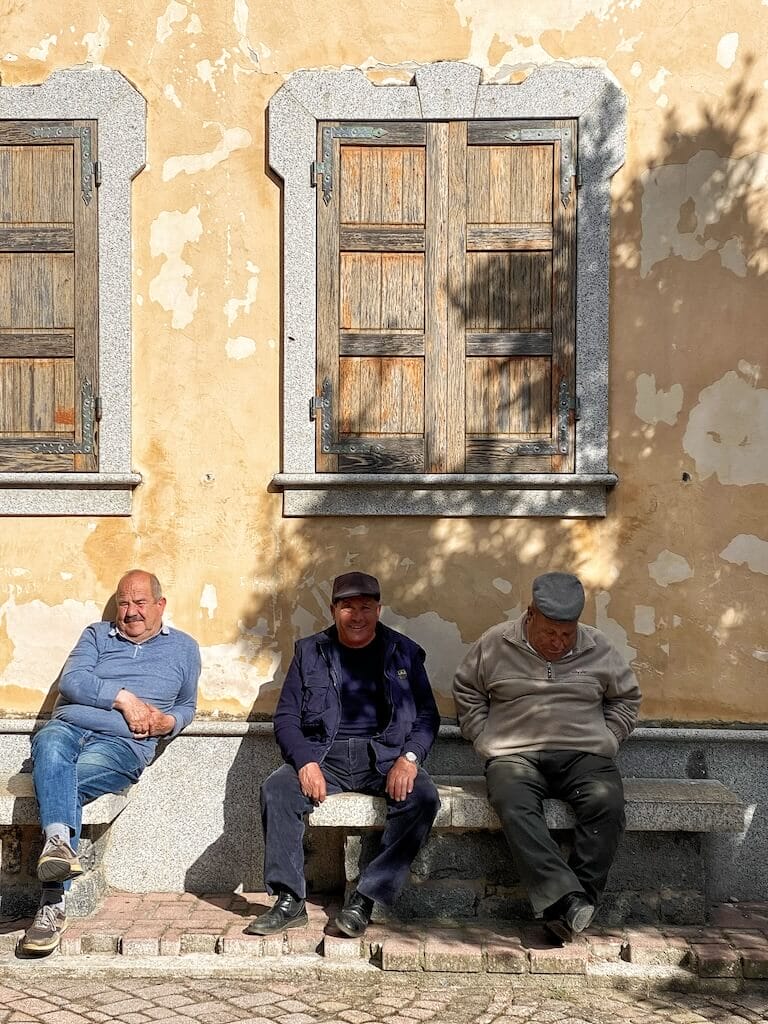
Italy has one of the highest life expectancies in Europe
Italy boasts one of the highest life expectancies in Europe, reflecting my country’s overall quality of life and health. With an average life expectancy of around 83 years, Italians enjoy a long and healthy life, thanks partly to the Mediterranean diet, which emphasizes fresh fruits, vegetables, and olive oil.
Additionally, Italy’s well-developed healthcare system and a culture that values family and social connections contribute to this impressive statistic. This high life expectancy is a testament to the Italian lifestyle and well-being.
If you want to learn more about the culture and way of living that helps keep us going, make sure to visit my home, Sardinia. Sardinia is actually a blue zone, a region where the local life expectancy is well above the world’s average – there are many people here that are older than 100!
Christopher Columbus was Italian (not Spanish)
Christopher Columbus, the renowned explorer credited with discovering the Americas, was Italian by birth. Born in Genoa, Italy, Columbus began his journey under the Spanish flag, but his origins and early life were firmly rooted in Italy.
His voyages across the Atlantic in the late 15th century opened the New World to European exploration and colonization. Columbus’s Italian heritage played a significant role in shaping his ambitious maritime career.

Shakespeare LOVED Italy
William Shakespeare was fascinated with Italy, a fact that is evident in several of his most famous plays. From the romantic streets of Verona in “Romeo and Juliet” to the Venetian intrigue in “Othello” and “The Merchant of Venice,” Italy provided a rich backdrop for his dramatic tales.
Shakespeare’s use of Italian settings and themes reflects his admiration for the country’s history and culture, adding a layer of authenticity and allure to his works. Italy’s vibrant cities and romantic landscapes inspire countless artists and writers.
If you’re a fan of Shakespeare and his famous play, Romeo and Juliet, make sure to visit Verona, where Juliet’s balcony is located. You can see the balcony for yourself!

There are A LOT of active volcanos
Italy is home to some seriously fiery volcanoes. If you’re a fan of dramatic landscapes and geological action, Italy’s volcanic spots are definitely worth a visit.
The most famous volcano is Mount Vesuvius near Naples, which blew its top in 79 AD and buried Pompeii and Herculaneum under layers of ash.
Then there’s Mount Etna in Sicily, Europe’s most active volcano, constantly grumbling and erupting.
And don’t miss Stromboli, another active volcano that’s nicknamed the “Lighthouse of the Mediterranean” for its frequent eruptions that can be seen from miles away. These volcanoes shape the land and add a unique thrill to the Italian experience.
Volcanos are such a force of nature that it’s worth checking in on the most active ones before traveling to Italy. Italy is a very safe place, but a volcanic eruption in Sicily causing the airport to close temporarily – like it recently happened in Catania – might dampen things.
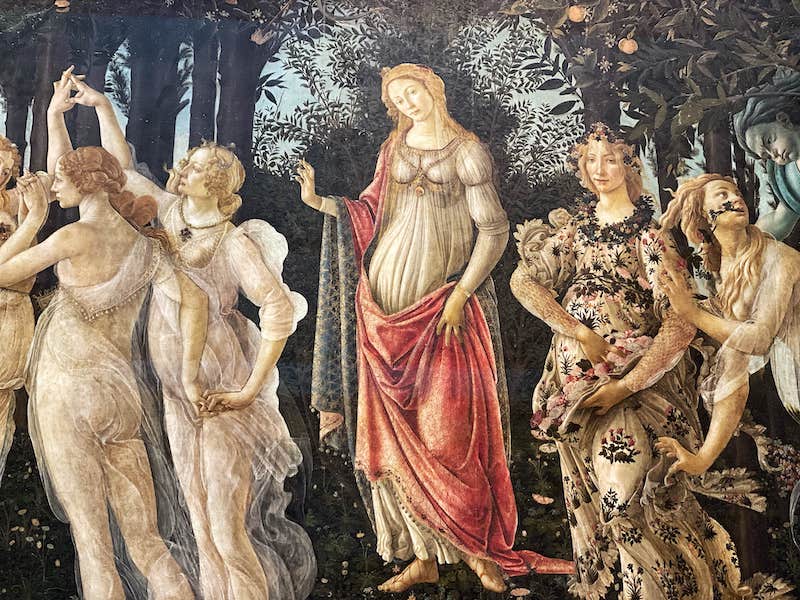
Italy is the birthplace of the Renaissance
Italy isn’t just about amazing food and stunning landscapes; it’s also where the Renaissance kicked off in the 14th century.
Florence was like the epicenter of this huge cultural boom, where brilliant minds like Leonardo da Vinci and Michelangelo changed the art world forever.
If you’re into art and history, wandering through Florence’s museums and streets gives you a real feel for the birthplace of this transformative era. The Renaissance didn’t just influence art; it sparked advancements in science, literature, and philosophy, making Italy the hub of intellectual and creative breakthroughs that still resonate today.
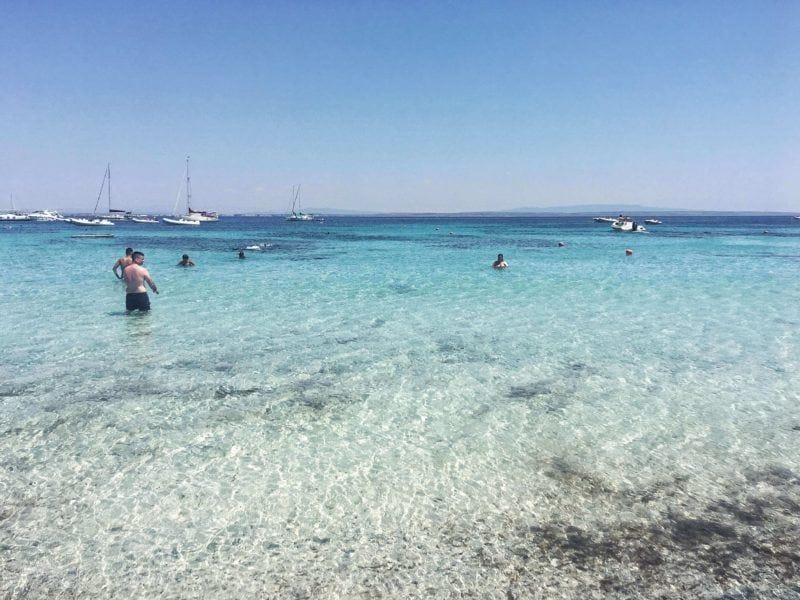
There are 400+ islands in Italy
Italy isn’t just about its mainland; it also boasts many beautiful islands. Sicily and Sardinia are the big ones, but there are tons of smaller islands, each with its unique vibe.
From the sandy beaches of Sardinia to Sicily’s rich history and culture, exploring these islands adds an extra layer of adventure to any Italian trip. Plus, each island has its own distinct character—like Capri’s glamorous charm or the quiet, untouched beauty of the Aeolian Islands, and the uninhabited islands off the western coast of Sardinia such as Malu Entu.
There are some amazing beaches all over Italy, but you’ll find some of the most secluded and untouched white-sand beaches on Italy’s islands. For example, some are so isolated that you can only reach them by a multi-hour hike or boat!
Are you a fan of the beaches and want to know more? Read my article, the Best Beaches in Italy. I’m a big beach-lover, and I’ve discovered many amazing beaches across the islands and on the mainland. If you’re going to the beaches, be prepared for a lot of options there.
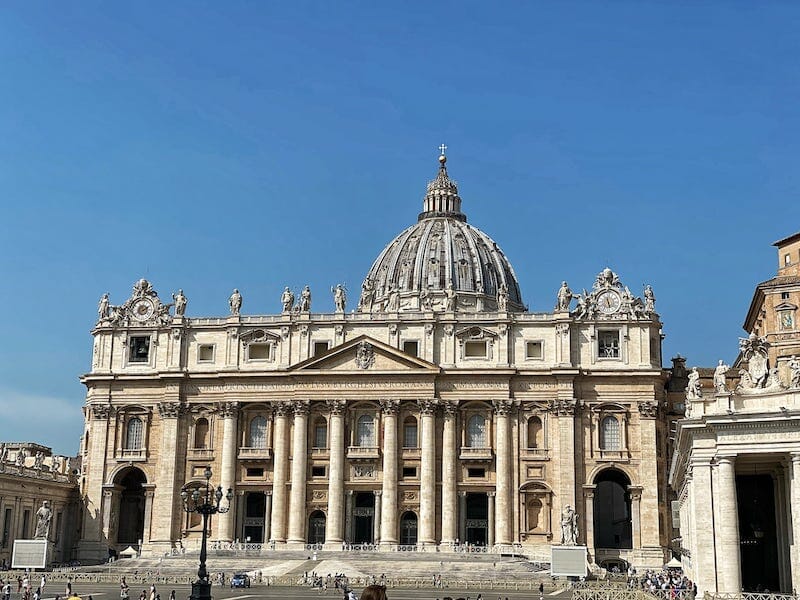
The world’s smallest treasure (Vatican City)
Vatican City isn’t just small; it’s the tiniest independent state in the world, both in size and population. Nestled right within Rome, it’s the spiritual heart of the Roman Catholic Church and home to some of the most iconic art and architecture in the world.
St. Peter’s Basilica, the Sistine Chapel, and the Vatican Museums are just a few of the incredible sites you can visit. Despite its size, Vatican City plays a huge role in global religious and cultural affairs. And while it might be small, it packs a big punch in terms of historical and artistic treasures.
San Marino is another microstate in Italy
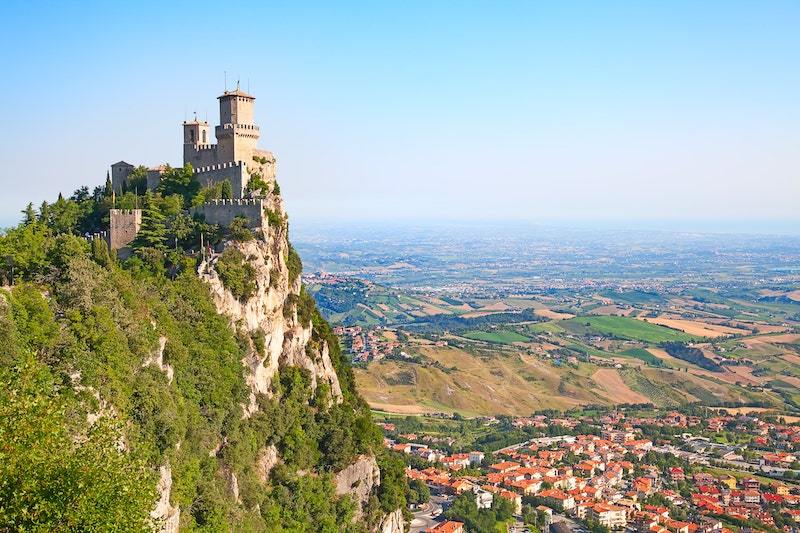
The Vatican isn’t the only microstate in Italy. San Marino is nestled within Italy’s borders and has a history that predates many of its larger neighbors.
Founded in AD 301, this tiny republic is one of the world’s oldest sovereign states and has maintained its independence through centuries of European conflict. Its proximity to Italy makes it a unique counterpart to the Vatican City, both small enclaves within a larger nation.
San Marino offers a picturesque escape with its medieval architecture and stunning views of the surrounding Italian landscape, so it’s definitely worth visiting if you’re in the area – incidentally, it is set by the Romagna region, not far from Rimini.
Italy is UNESCO packed
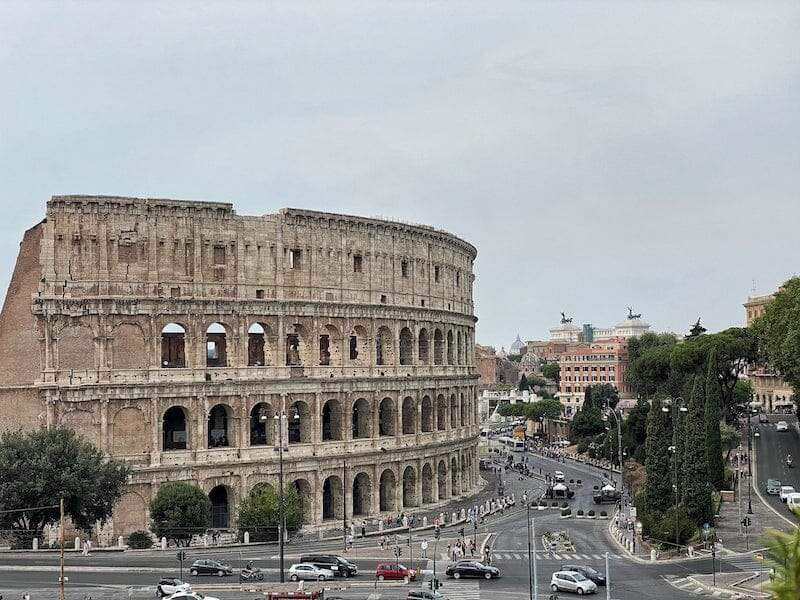
One of the most interesting facts about Italy, is that Italy is practically a treasure chest of UNESCO World Heritage Sites. Italy has 60 UNESCO sites (and counting), leading the world to recognize its historical, cultural, and natural wonders.
Italy’s sites offer a rich tapestry of history and beauty, from the ancient ruins of Pompeii and the stunning architecture of Florence to the unique landscapes of the Dolomites. Each site tells a story, whether it’s the ancient city of Matera or the beautiful Amalfi Coast. Italy’s rich heritage is a testament to its influence on art, culture, and history across the globe.
One of my biggest Italy travel tips is to make sure you catch some of the biggest UNESCO World Heritage Sites, even if they seem overrated. If it’s your first time visiting the country, you simply can’t miss the “must-see” sites, like the Colosseum and the Grand Canal in Venice.
When you come back again, you can hit up some more off-the-beaten-path destinations.
This is the birthplace of pizza
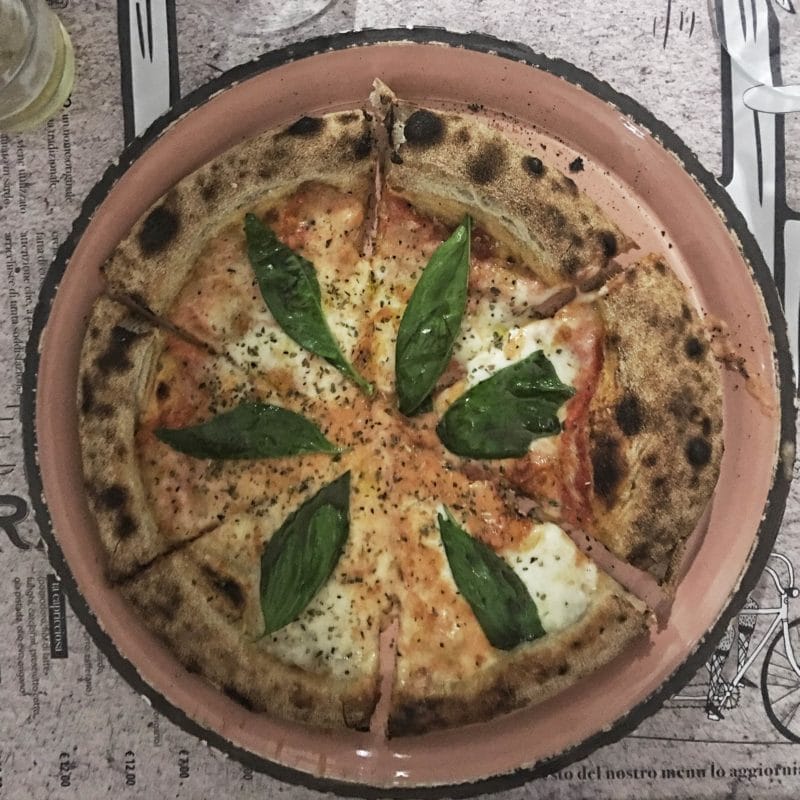
It’s important to underline this among the many Italy facts, because every now and then I come across people that completely ignore it. Naples, Italy, is where pizza began. This iconic dish has become a global favorite, but its roots are deeply embedded in Neapolitan culture.
The classic Margherita pizza, topped with just tomato, mozzarella, and basil, was created in 1889 to honor Queen Margherita of Savoy. It reflects the colors of the Italian flag and remains a symbol of simple yet delicious Italian cuisine.
So next time you enjoy a pizza (yes, in Italy we eat one entire pizza per person), remember you’re tasting a piece of history from the heart of Naples.
Don’t forget about Italian gelato
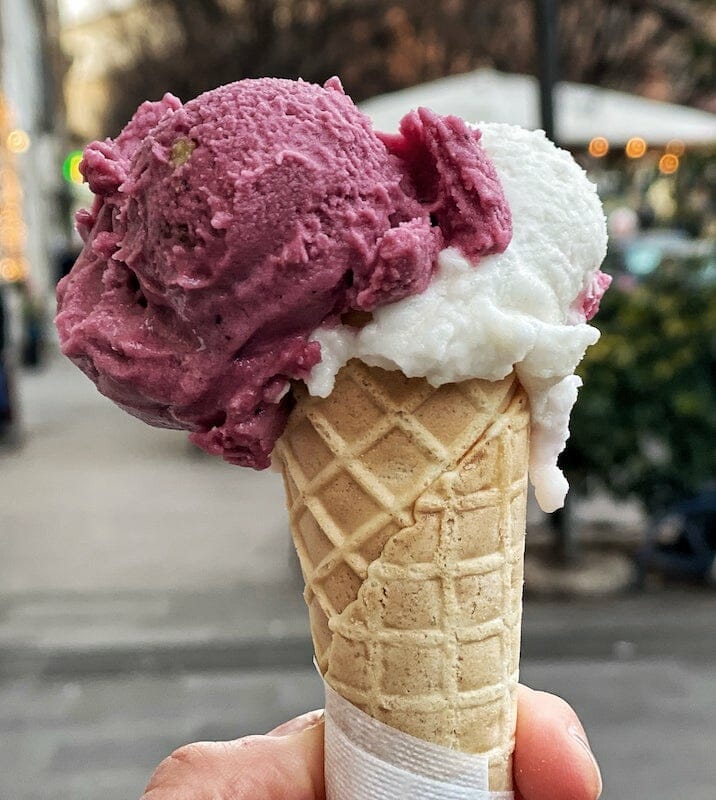
Gelato, Italy’s beloved frozen treat, is more than just ice cream—it’s an art form. Anyone who tells you it’s the same thing as ice cream is blatantly lying to you; don’t listen to them.
Gelato originated in Sicily during the Renaissance. It is distinguished by its rich, creamy texture and intense flavors.
Unlike traditional ice cream, it’s churned at a slower speed, which makes it denser and more flavorful. From the classic vanilla, chocolate and pistachio flavors to more inventive ones like tiramisu or crema regina, gelato is a true reflection of Italy’s passion for perfecting culinary delights.
But it also has really good wine
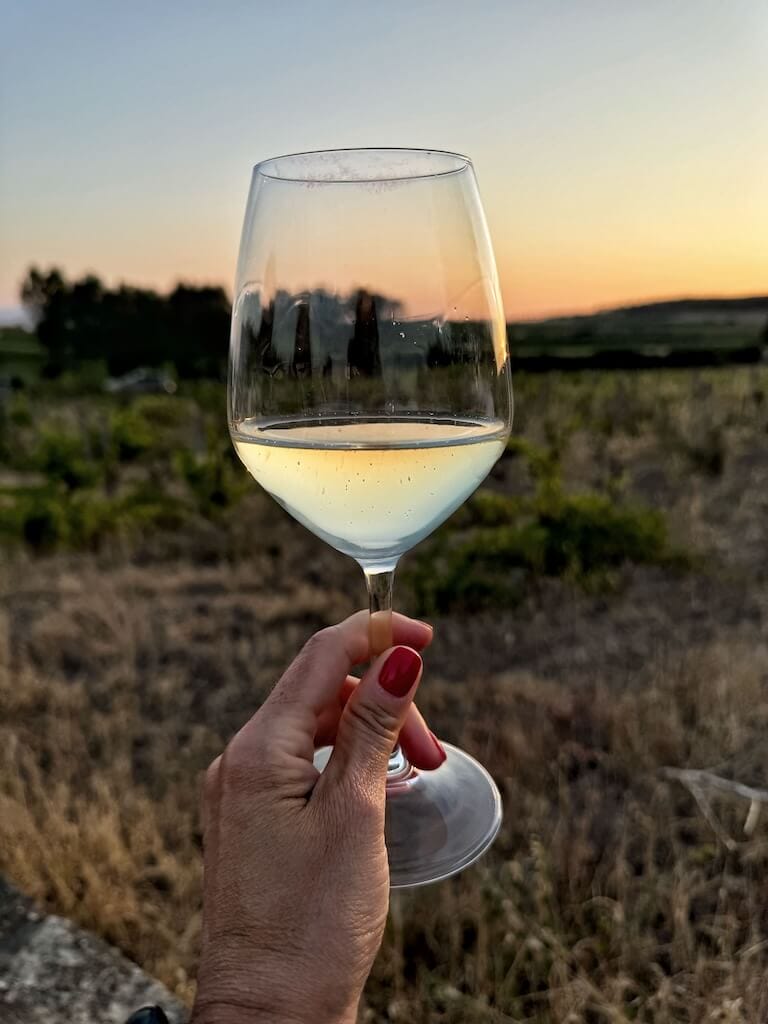
Italy isn’t just known for its pizza; it’s also a heavyweight in the wine world. With its diverse wine regions, from Tuscany’s bold Chianti to Piedmont’s prestigious Barolo and the delicious Vermentino of Gallura in Sardinia, Italy offers a wine experience like no other.
Italian wine is a testament to the country’s deep-rooted passion for quality and flavor, and its long tradition of viticulture, combined with its varied climate and soil types, produces a range of wines that are celebrated worldwide. So make sure to sip all the styles, including the classic robust red and a crisp white. It’s fun to tour vineyards, too.

Spaghetti bolognese is NOT Italian
You might be surprised to learn that Spaghetti Bolognese, a dish beloved by many outside Italy, doesn’t exist in Italy. The real Italian dish is called “tagliatelle al ragù alla Bolognese,” it’s traditionally served with tagliatelle pasta, which is a fresh egg noodle kind of pasta.
This Italian food mix-up is just one example of how Italian food gets adapted and sometimes misunderstood abroad. Other dishes you might think are Italian, like Fettuccine Alfredo or Garlic Bread with cheese, are also not typically found on Italian menus.
It’s a bit of an insult to us Italians who care deeply about our authentic culinary traditions. We’re proud of our rich food heritage, and while it’s great that people enjoy Italian-inspired dishes, nothing beats the real thing!
Food is really not a joke
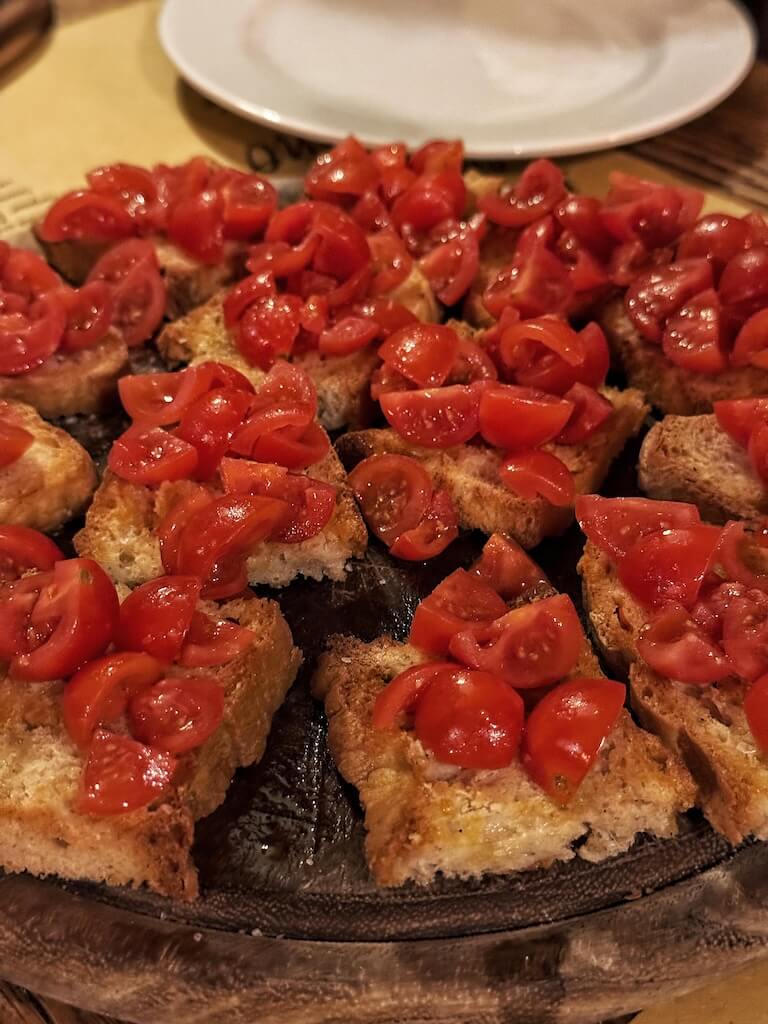
If you haven’t figured it out yet, we Italians take our food really seriously.
Italy’s cuisine reflects its diverse regional cultures, each with its unique flavors and dishes. Every Italian takes Italian cuisine very seriously. From the rich, creamy risottos of the north to the fresh seafood of the southern coasts, every region has its own culinary specialties.
This diversity in Italian food means that no matter where you are in Italy, you’re bound to discover new and delightful tastes. The local ingredients and traditional recipes showcase the deep-rooted culinary heritage that makes Italian food so beloved worldwide.
Italy’s has a rich artistic legacy
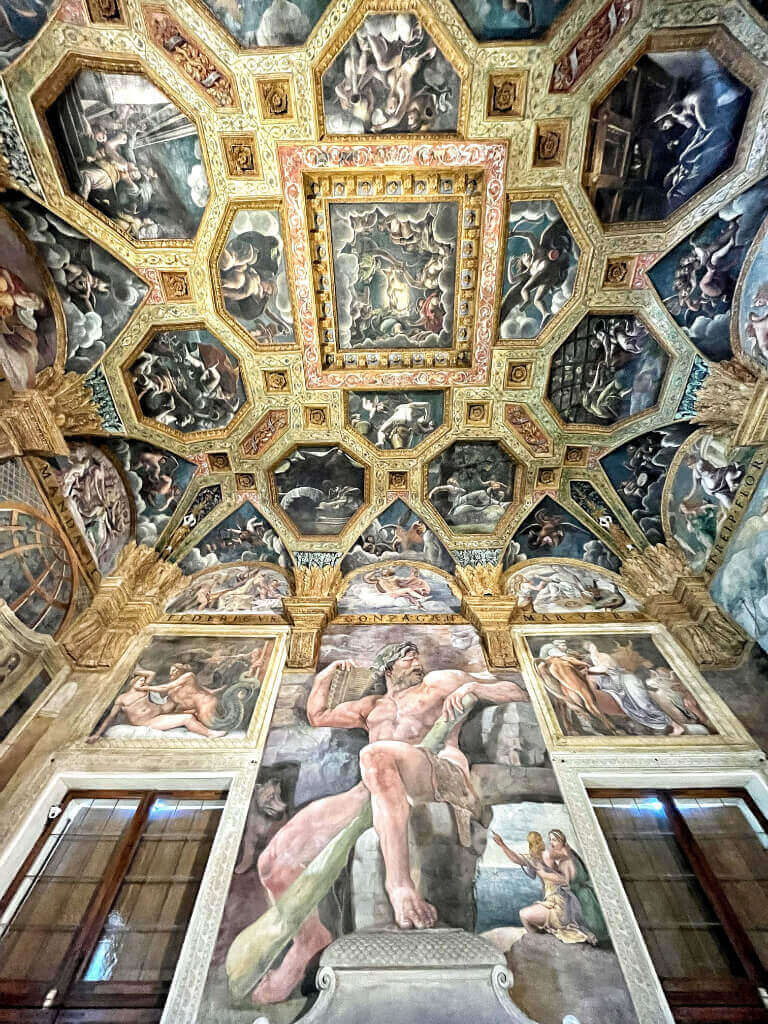
Italy’s contribution to art is nothing short of extraordinary, and I’m not just saying that because I’m Italian. From the Renaissance masterpieces of Michelangelo’s “David” to Leonardo da Vinci’s enigmatic “Mona Lisa,” the country has shaped the world’s artistic heritage. You can even visit some of the most famous works of art.
But it isn’t all limited to museums and art galleries. Italy’s cities are essentially open-air museums, with Florence, Rome, and Venice hosting a stunning array of art and architecture.
This rich legacy continues to inspire and influence artists and art lovers around the globe, making Italy a true beacon of artistic brilliance (something I’m very proud of).

The opera began here, actually
Italy is the birthplace of opera, and its impact on music and theater is still felt worldwide. The first opera house, Teatro San Cassiano, opened in Venice in 1637, marking the start of Italy’s operatic tradition.
This pioneering spirit has led to a rich history of opera, with composers like Verdi and Puccini contributing to its evolution.
Today, Italy’s operatic heritage continues to inspire and influence performances around the globe. I am myself a massive fan of opera and I go here in Cagliari, my hometown, whenever I can.
Whether attending a show in one of Italy’s historic theaters or listening to a classic opera, you’re experiencing a piece of musical history that started right here.

Italy is home to one of the fashion capitals of the world
Milan is a global fashion hub, and it’s no wonder why. This vibrant city is home to renowned Italian fashion houses like Gucci, Prada, and Versace.
Milan’s fashion scene is not just about high-end brands; it’s a dynamic environment where traditional Italian craftsmanship meets cutting-edge design. Milan hosts some of the most important fashion events every year, setting global trends. If you’re into style, Milan is the place to be.
If you’re into fashion and want to explore more of the city, you should spend more than one day in Milan. Although the city center is very walkable, many main attractions are close to each other. If you want to go an extra step, you can try to plan your visit around an international fashion event.
You can thank Italy for your calendar
Okay, maybe not Italy, but Rome. Still, the histories are so closely connected that you can’t easily separate them.
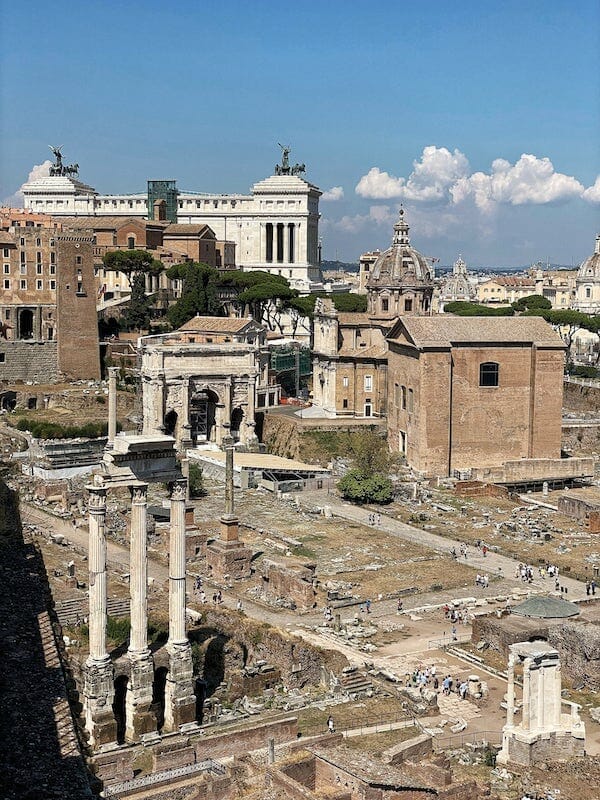
The calendar we use today has its origins in ancient Rome. Julius Caesar’s calendar reform in 45 BC introduced the Julian calendar, which replaced the old Roman calendar system.
This reform was a major step towards the calendar we follow now, the Gregorian calendar. So, when you look at your calendar or set a date, you’re using a system that’s been around for over 2,000 years, thanks to Roman innovations in timekeeping.
The creation of the Julian calendar in Rome isn’t a myth or legend, but it’s become such a large tale that it almost feels like one. But don’t worry, there are also some really great Roman myths and legends you can learn more about while here.

Italy has a lot more festivals than you might think
Italy is a land of lively and colorful festivals that capture the essence of its diverse regional cultures. For example, the Venice Carnival is a grand spectacle of elaborate masks and costumes, offering a glimpse into Venetian history and tradition.
Meanwhile, the Siena Palio is a thrilling horse race in the historic center of Siena, where centuries-old rivalries come to life. Then there are the internationally lesser known Santa Rosa of Viterbo (my dad’s hometown), Sant’Efisio in Cagliari, and the incredible Sartiglia of Oristano which takes place during carnival.
These festivals are not just events but a vibrant celebration of Italy’s rich cultural tapestry. From music and dance to historical reenactments, these festivals showcase the passion and heritage that define Italy.
There are some diverse climates
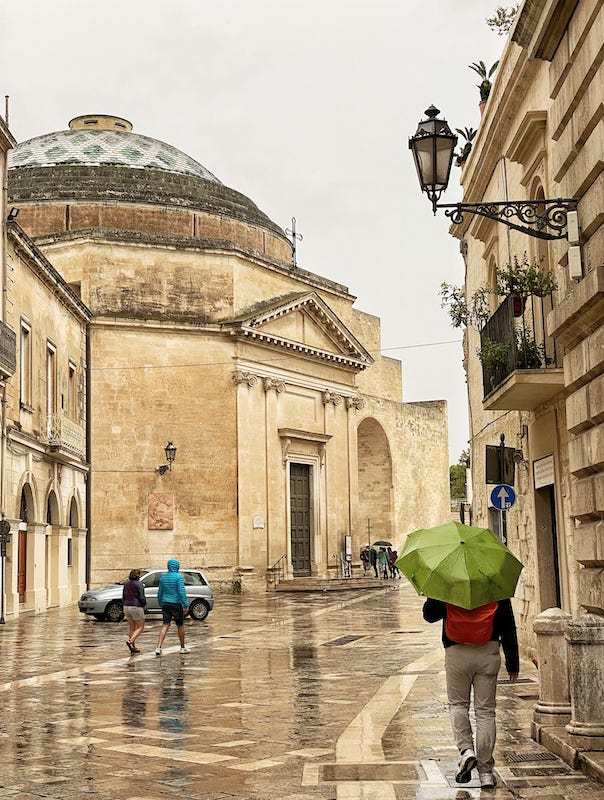
Italy’s climate is as varied as its landscape, ranging from the alpine chill in the north to the Mediterranean warmth in the south. This climatic diversity supports a wide array of agricultural products, such as the grapes used in fine wines and the olives that produce high-quality olive oil.
Each region’s climate influences its local produce and culinary traditions, making Italy a country of rich flavors and varied ingredients. Whether you’re savoring a robust northern wine or a fresh southern olive oil, Italy’s climate plays a key role in shaping its gastronomic delights.
If you want to know more about climates and festivals to help guide your travel dates, make sure to read my article, When Is the Best Time of Year to Visit Italy? The article discusses festivals in different regions, climates and the perfect places to go and things to do depending on the time of year.

There are many other languages in Italy
Italian may be the official language of Italy, but the country is also home to a rich variety of languages (12 officially recognized minority languages, to be exact). These languages are more than just local vernacular or dialects; they reflect Italy’s diverse cultural and historical influences.
From Ladin to Sardinian and Catalan, each language offers a unique insight into the region’s past and traditions. This linguistic diversity adds another layer to Italy’s cultural richness, making it a fascinating country for those interested in languages and regional identities.
But don’t worry, a lot of Italians speak English, too. Most people study English very early and can speak it surprisingly well (especially younger people).
Italy has some of the best olive oil in the world
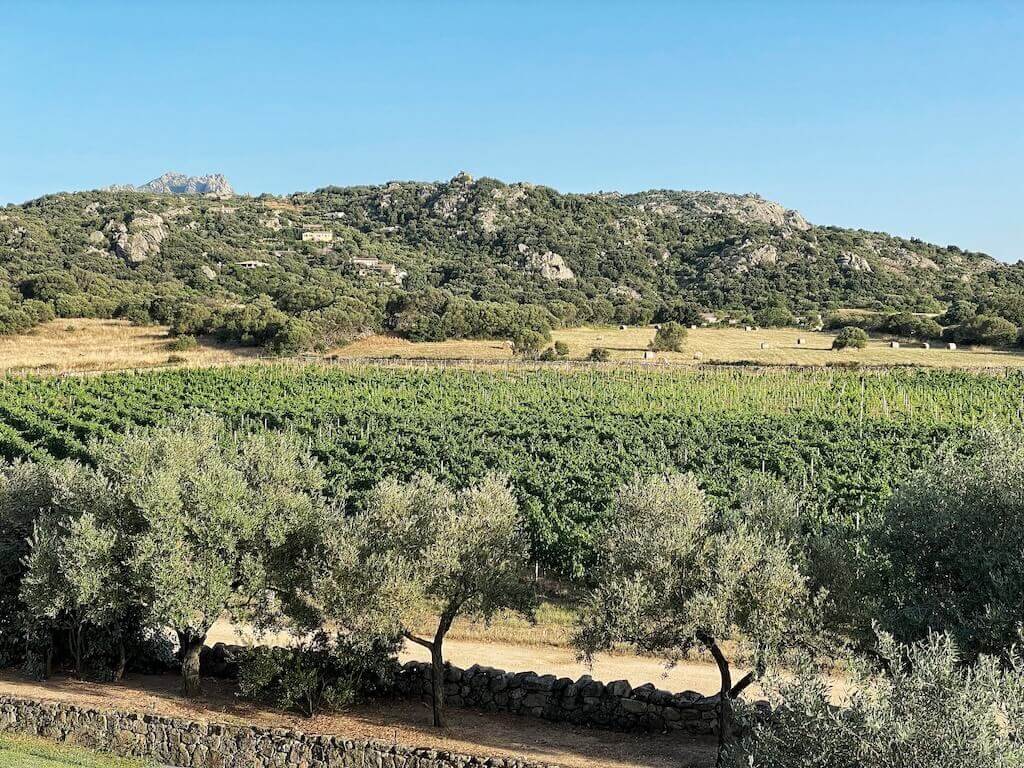
Did you know Italy is also a global leader in olive oil production? I bet this is one of the facts about Italy you had no idea of! Italian olive oil is renowned for its exceptional quality, largely due to the country’s ideal climate and centuries-old cultivation techniques.
From the lush groves in Tuscany to the sun-drenched hills of Puglia and Sardinia, Italy’s diverse regions produce a wide range of olive oils, each with its own unique flavor profile.
This liquid gold is a cornerstone of Italian cuisine, enhancing everything from salads to sauces. And it shouldn’t be a surprise to find it’s used a lot here because Italian olive oil adds a touch of authenticity to any dish.
We have a strong apertivo tradition
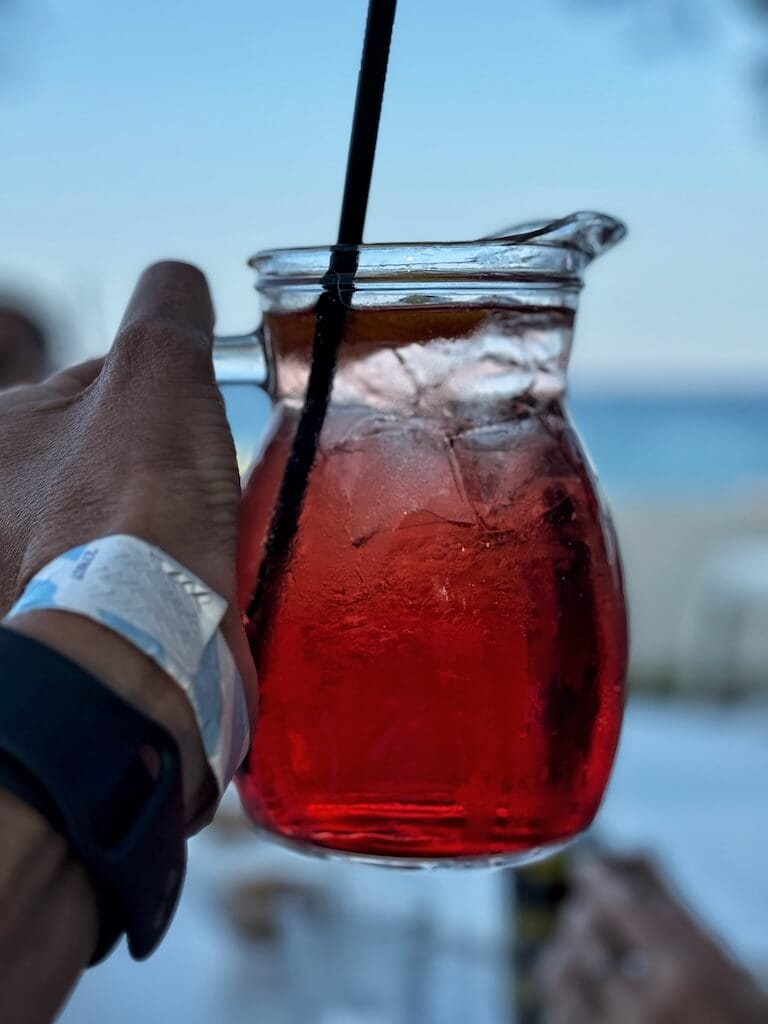
The Italian aperitivo is more than just a pre-dinner drink; it’s a beloved social ritual that captures the essence of Italian hospitality.
As the sun sets, locals and visitors gather in bars and cafes to enjoy a glass of wine or a classic cocktail like an Aperol Spritz (or, my favorite, a Campari Spritz) paired with a spread of light snacks such as olives, nuts, and small pastries.
This tradition is about relaxation and connection, providing a perfect opportunity to unwind and socialize before the evening meal. It’s a delightful way to experience Italy’s vibrant social culture and savor the moment; you must make time for it when traveling through Italy.
Buildings are not just buildings
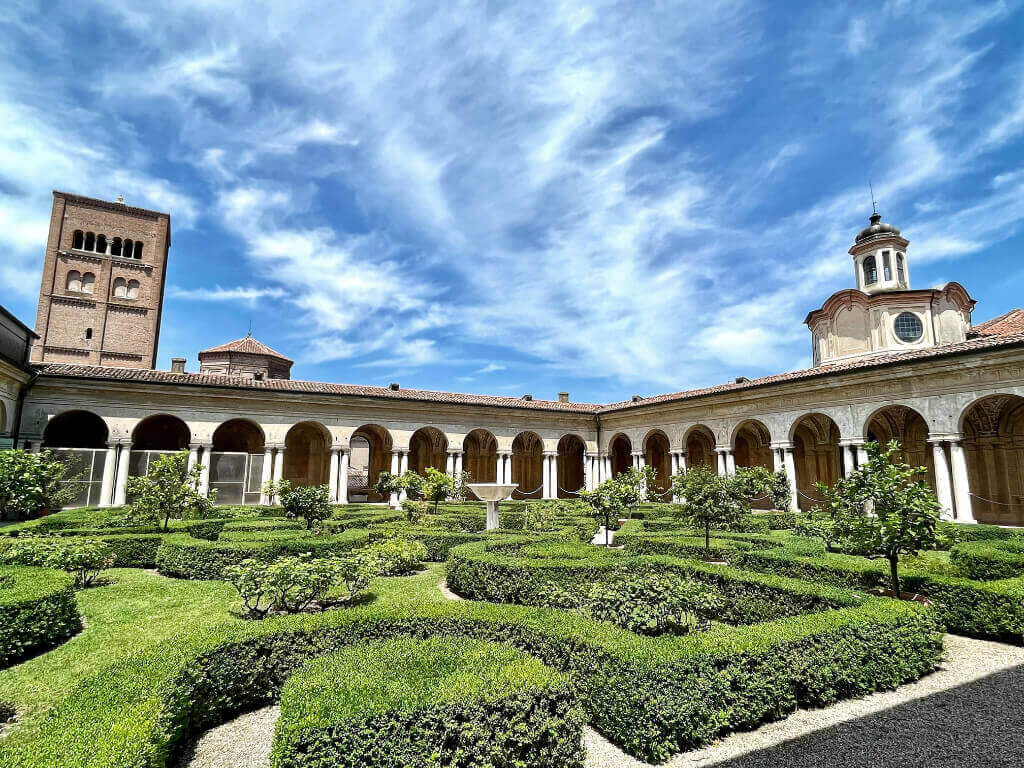
Italy is a treasure trove of architectural marvels that span millennia. From the grandeur of ancient Roman structures like the Colosseum to the exquisite Renaissance artistry of the Florence Cathedral, the country’s buildings tell stories of its rich history and artistic achievements.
The Baroque style of St. Peter’s Basilica in Vatican City is another stunning example of Italy’s architectural brilliance, but there are many more. The truth is, each era has left its mark on the Italian landscape, making the country a living museum of architectural evolution.
Exploring these historic sites offers a fascinating glimpse into Italy’s past and contributions to world architecture.

Italy has a football (soccer) problem
Okay, maybe it’s not a real problem (and if so, one we have in common with Spain, Argentina, Brazil and many other countries), but it is one of the most fun Italy facts.
Soccer, known as calcio in Italy, is more than just a sport—it’s a national obsession. From the bustling streets of Rome to the coastal town of Naples, soccer games are followed with intense passion and enthusiasm.
Italy’s Serie A league features some of the best teams and players in the world (and my favorite local team, Cagliari). The country’s rich history in soccer includes four FIFA World Cup titles.
The excitement of a local match, with fans cheering and chanting, is a vibrant reflection of Italy’s deep-rooted love for the game.
For many Italians, soccer is not just a pastime; it’s a way of life and a source of community pride. I have many friends that set aside time specifically to go to the stadium!
Italy helped form the EU and NATO
Italy has played a crucial role in shaping modern Europe as a founding member of the European Union (EU) and NATO. Italy’s involvement in these organizations reflects its commitment to European integration and collective security.
As one of the original signatories of the Treaty of Rome in 1957, Italy helped establish the European Economic Community, a precursor to the EU. Italy’s participation in NATO, founded in 1949, underscores its role in promoting peace and stability in the post-war world.
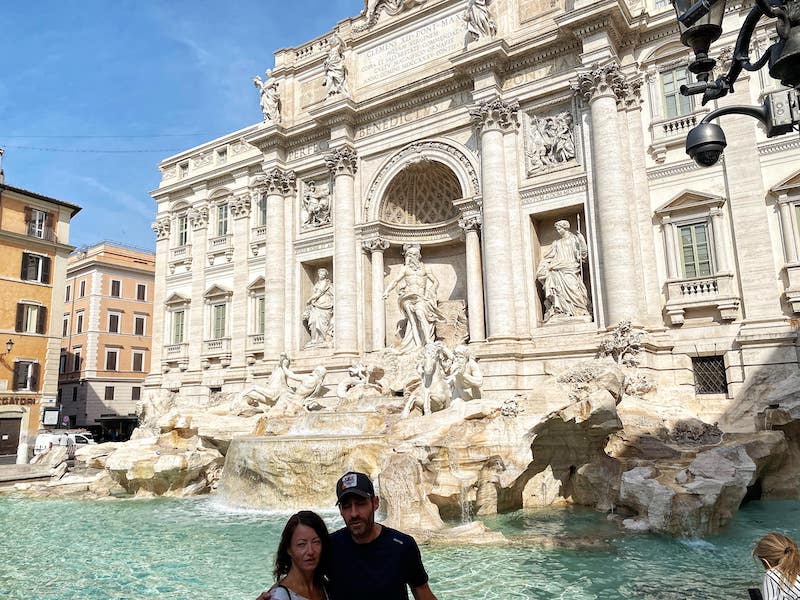
The Trevi Fountain is actually a great charity
The profits of the Trevi Fountain is one of my favorite facts about Italy.
The Trevi Fountain in Rome is not only a stunning Baroque masterpiece but also a source of significant charitable donations. Tourists toss coins into the fountain daily, making wishes and contributing to a substantial sum.
It’s estimated that the fountain collects around €3,000 to €4,000 every day. This money is collected and donated to charity, benefiting various social programs and community projects in Rome.
The tradition of tossing coins into the Trevi Fountain continues to support both local and international causes, so make sure to do it while you’re there.
Conclusions About The Most Interesting Italian Facts
As you can tell after reading all these surprising facts about Italy, this country is so much more than what you see in travel brochures or what you’ve heard about famous landmarks. It’s a land full of surprises, from the oldest university in the world to the unique way Italians do coffee.
While many people focus on planning the perfect itinerary or ticking off must-see spots, a whole world of quirky facts and rich history often goes unnoticed.
As someone born in Sardinia, I’m still discovering new things about my country every year. Italy’s charm and complexity are endless, and every corner has a story to tell.
I’m proud of where I come from and love sharing the little-known aspects that make Italy so special. So, when you visit, don’t just stop at the famous tourist spots—you might just uncover a piece of Italy’s magic you didn’t expect.
PIN IT!


Claudia Tavani
Claudia Tavani was born and raised in Sardinia, and after moving between the United States and the United Kingdom, she's now back living in her hometown, Cagliari. She's a travel blogger and certified travel designer who loves planning trips and publishing guides, travel tips, and packing lists so that you don't have to. Owner of Strictly Italy, cat mom to Minnie. Loves pizza, hiking, archeology, cities, beaches, swimming, and running. Hates peppers.