
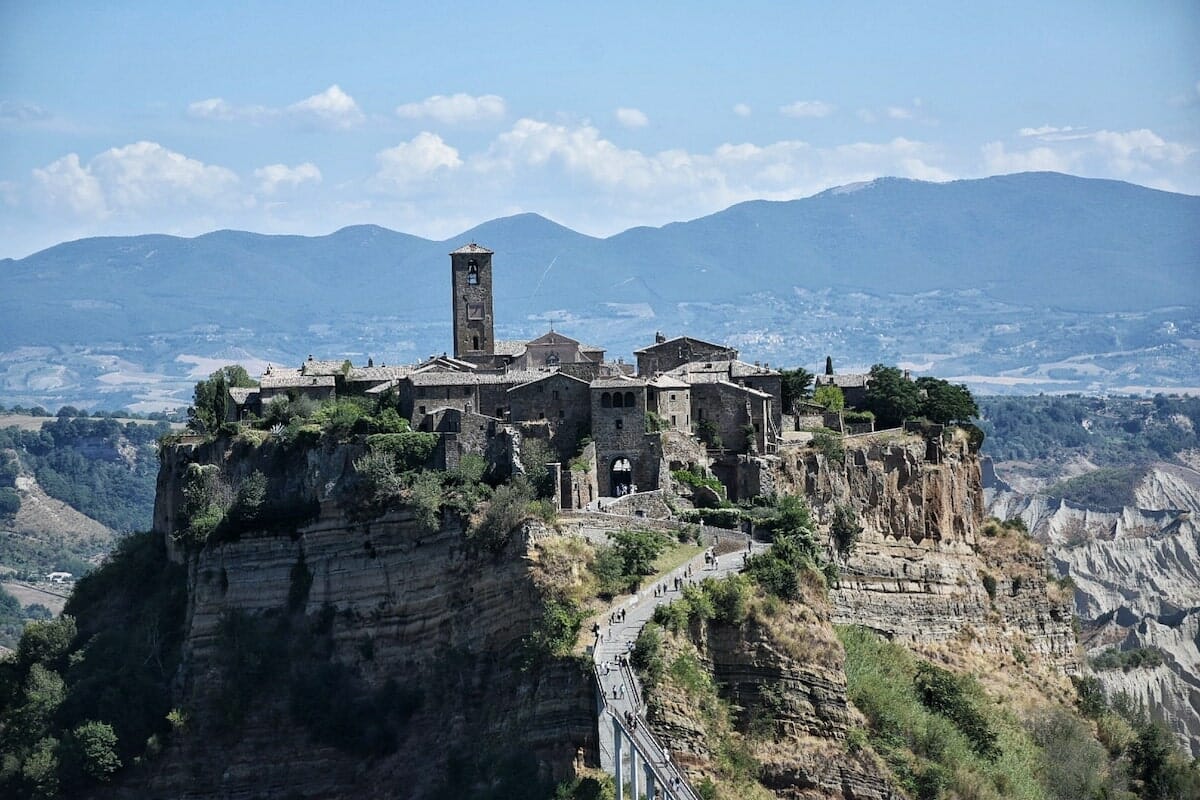
Civita di Bagnoregio, sometimes just called Civita, is one of the most underrated places to visit in Italy, a popular place to visit for Italians but yet to be discovered by mass international tourism. It’s located in the Tuscia region of Lazio, about 2 hours from Rome, making it a great day trip from the capital city.
My family is from the Tuscia region (my dad’s from the capital of Tuscia, Viterbo), so I go there very often, typically for the Macchina di Santa Rosa parade, and of course I always visit Civita di Bagnoregio whenever I go (in fact, I am going there next week again). I’m telling you the entire area is worth exploring.
If you’ve never been to Italy, you might want to spend all your time at the more famous Italian landmarks. But if you’ve been to Italy already or want to go somewhere different, Civita di Bagnoregio and the surrounding area are magical.
I’ve traveled to the Tuscia region more times than I can remember (I visit family regularly) and visited Civita di Bagnoregio and all the nearby towns. In this post, I will share everything you need to know before visiting Civita di Bagnoregio Italy.
My post A Complete Guide To Tuscia takes you through the most interesting places to visit in the region.
Essential Information For Visiting Civita Di Bagnoregio
How to get there
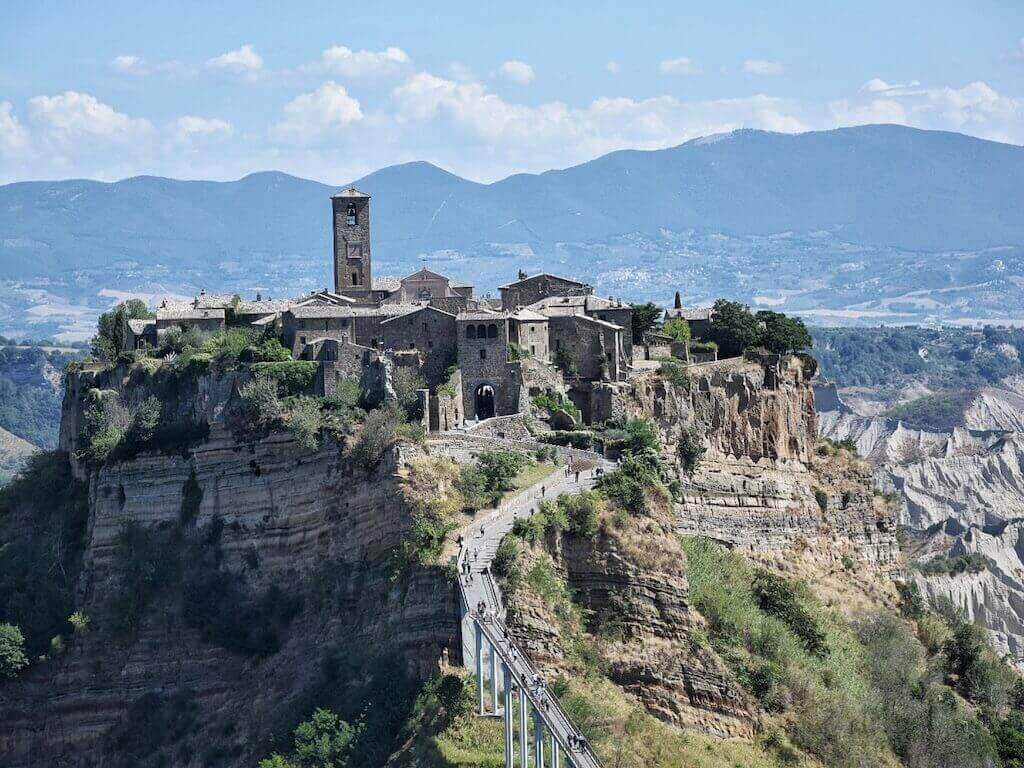
Civita di Bagnoregio Italy is located in Lazio’s enchanting Tuscia region, about 120 kilometers (75 miles) north of Rome. Tuscia is not an official administrative region in Italy, but it’s one of the best areas to visit, in my opinion, packed as it is with small hilltop towns, and still unknown to mass tourism.
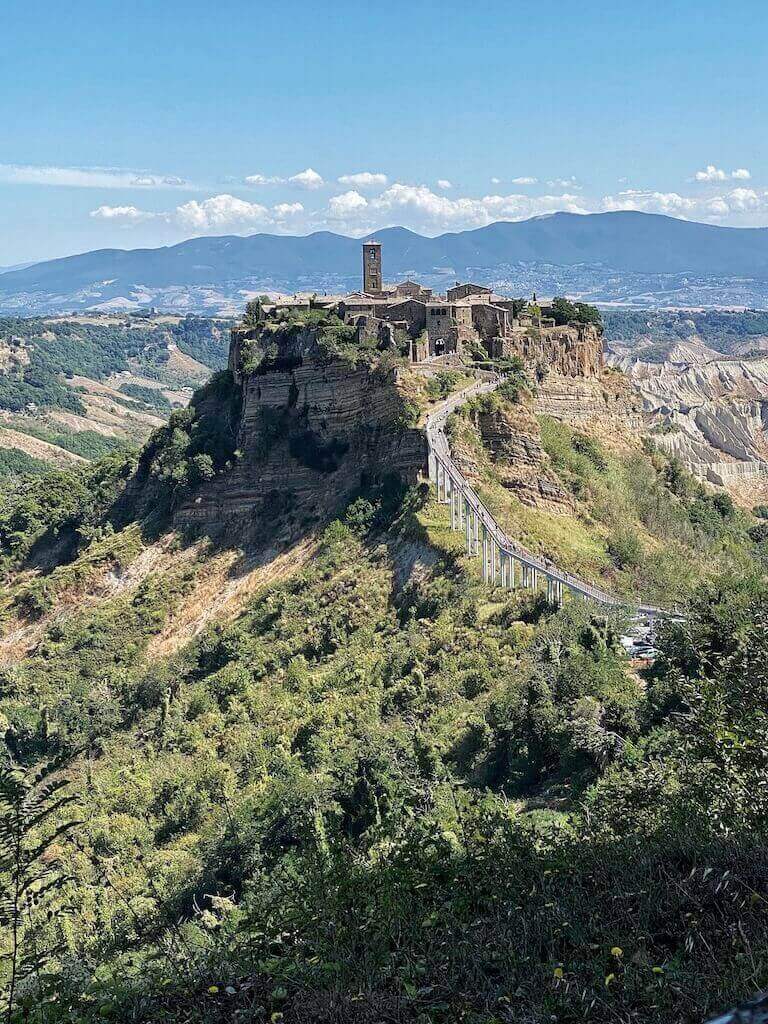
Civita di Bagnoregio sits on a hilltop in the stunning Valle dei Calanchi, surrounded by dramatic clay cliffs and rolling hills. Despite its nickname, “The Dying City” (more about it in a bit), Civita is very much alive and attracts tourists, most of them from Italy and as of late, from other countries too.
Here’s how you can get there, depending on your travel style and starting point.
Guided tours to Civita Di Bagnoregio
A Civita di Bagnoregio tour is a great option if you’d rather skip the hassle of organizing transportation. Tours from Rome typically include round-trip travel, so you won’t have to worry about renting a car or navigating public transit.
Many guided tours also visit nearby places like Orvieto in Umbria, allowing you to see two historic towns in one day. It’s a stress-free way to explore Civita while learning more about its history from an expert guide.
This Orvieto & Civita di Bagnoregio Private Tour from Rome is the best one from Rome. It includes transportation in a comfortable Mercedes minivan, a visit to Orvieto’s stunning mosaic-adorned cathedral, and time to explore Civita di Bagnoregio. You’ll also enjoy sampling delicious Umbrian wines and local produce, making it perfect for food and wine enthusiasts.
I also recommend this tour From Rome: Bagnoregio & Orvieto Day Trip with Wines & Lunch for an unforgettable group experience that combines history, culture, and Tuscan flavors. This full-day tour includes comfortable transportation from Rome, a guided visit to Civita di Bagnoregio, and a traditional farmhouse near Montepulciano for a delicious Tuscan lunch and wine tasting. You’ll also explore the picturesque town of Orvieto, known for its stunning cathedral and underground attractions.
From Rome by car
If you want to travel independently, renting a car and driving is the easiest way to get to Civita di Bagnoregio from Rome. The trip takes about 1 hour and 40 minutes, and the route is well-marked. Take the A1 highway toward Orvieto and follow the signs for Bagnoregio as you approach the area.
When you arrive, you can park at Belvedere Parking, the main lot in Bagnoregio. From there, a shuttle bus runs regularly to the footbridge that leads to Civita, but walking is also an option. There will be more information on this later.
If you’re on a longer road trip through Italy, consider combining Civita with nearby towns like Orvieto or Viterbo, which is just 30 minutes away. Last time I visited, I was traveling around Tuscia with my sister and we based ourselves in lovely Viterbo, and getting to Civita by car was a breeze.
I particularly love driving around the Tuscia region, so I highly recommend renting a car. I’ve used Discover Cars for car rental in Italy and other places around the world. Discover Cars is great because you can compare prices, and they make it easy to rent.
By train
Usually, the train is a great way to travel around Italy, but reaching Civita di Bagnoregio by public transportation takes more effort, as there’s no direct train or bus from Rome.
If you still want to go by public transport, here’s how to do it.
First, you’ll need to catch a train from Roma Ostiense Station to Viterbo Porta Romana Station. Depending on the train you take, the journey can take between 1 hour and 40 minutes and over 2 hours as it makes many stops along the way.
Once you’re in Viterbo, hop on a Cotral bus to Bagnoregio. The bus ride takes about 40 minutes and drops you off in the modern town, where you can take the shuttle or walk to the footbridge. Be sure to check schedules beforehand, as connections may not always line up perfectly.
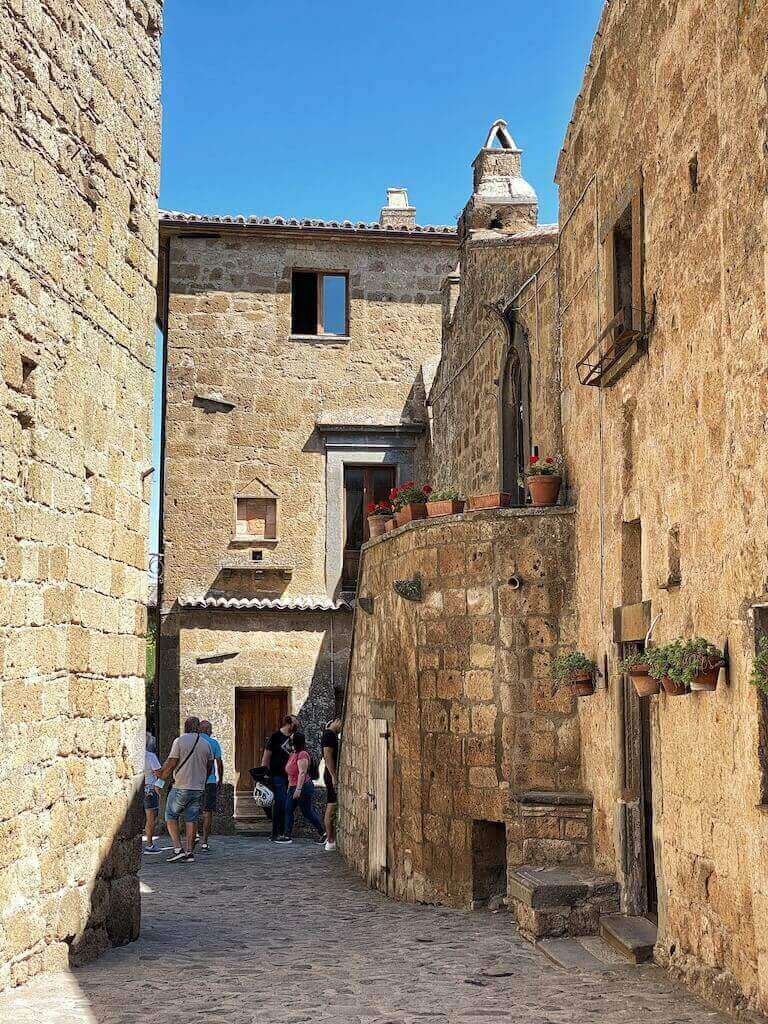
Civita di Bagnoregio ticket
To enter Civita di Bagnoregio, you’ll need to purchase a ticket. The Civita di Bagnoregio ticket costs €5 and grants you access to the historic town via the footbridge.
While you can buy tickets at the entrance, just by the footbridge, or in the main parking lot in Bagnoregio, it’s often better to book them in advance to avoid long lines, especially during busy weekends or peak season.
The easiest way to purchase tickets is through the Civita di Bagnoregio app, available on Google Play. Booking ahead saves time and eliminates the hassle of waiting in line. If you prefer to buy them on-site, the ticket booth by the footbridge is usually less crowded than the one in the parking lot.
Keep in mind that Civita is a popular destination for Italians, so planning can make your visit much smoother.
Parking and shuttle information
If you drive to Civita di Bagnoregio, you’ll park in the modern town of Bagnoregio, as cars aren’t allowed in the historic village (actually, there’s really no way that they can get there as it is only connected via the narrow footbridge).
The Belvedere Parking lot is the closest and most convenient option. From there, you can take a shuttle bus to the footbridge.
The shuttle is a quick and easy option, especially if you’re traveling with kids or want to save energy for exploring Civita. When you arrive, check the shuttle schedule, as wait times can vary depending on the season and day of the week.
Walking from the parking lot to the footbridge takes 15–20 minutes. The path is mostly flat and passes through some lovely parts of modern Bagnoregio, making it a pleasant start to your visit.
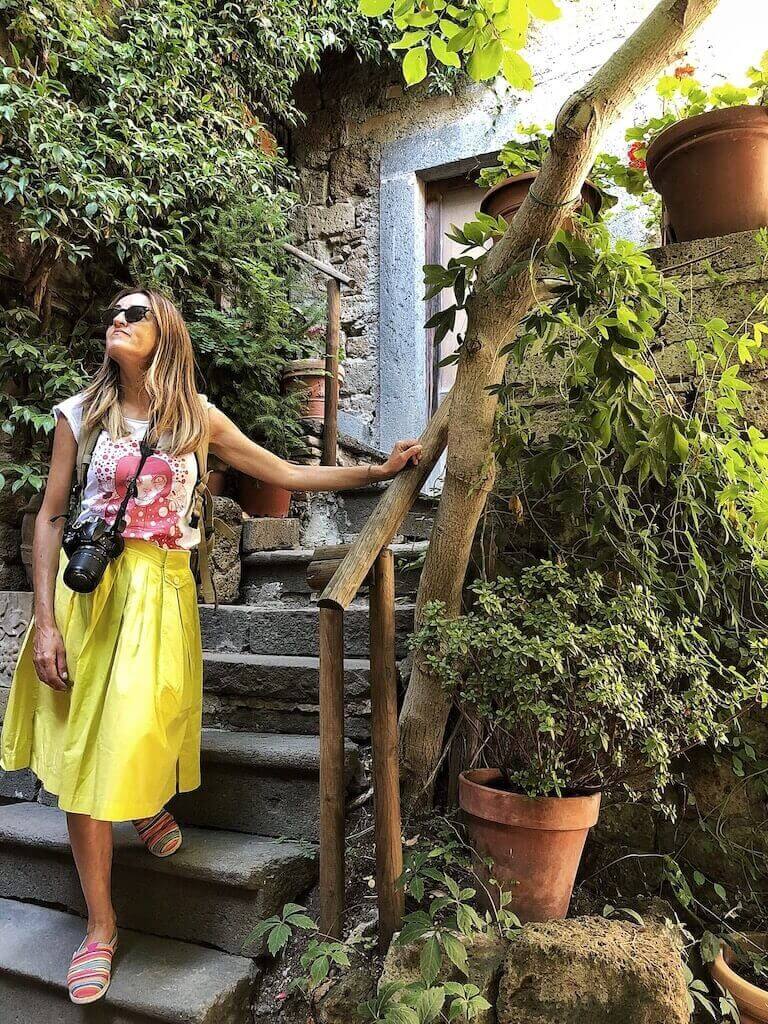
Best time to visit Civita Di Bagnoregio
Spring and autumn are the most pleasant times, with mild weather and beautiful scenery. The Valle dei Calanchi is especially stunning during these months, and the crowds are more manageable.
Summer is busier, particularly in July and August, when tourists flock to the area. If you visit during this time, plan to arrive early in the day or late in the afternoon to avoid the heat and crowds.
In winter, the town is quiet, offering a more peaceful and atmospheric experience. However, some attractions or restaurants might have reduced hours (and some may be closed altogether), so it’s best to check beforehand.
If you like planning and thinking about all the different seasons, you should also read my guide, When Is The Best Time Of Year To Visit Italy? The answer is: there’s no best time. But depending on your preferences, one season might be better than the others.
Weekend vs. weekday visits
If you can, plan your visit for a weekday. Civita di Bagnoregio gets much busier on weekends, with day-trippers from nearby towns and villages filling the narrow streets and viewpoints. Weekdays are generally quieter and give you more space to explore at your own pace. My sister and I made the mistake of visiting on a Sunday in early September, and it was so busy!
Get there early
No matter when you visit, arriving early is key. The town’s popularity means the main photo spots and attractions can get crowded quickly, especially later in the morning. Early mornings give you better lighting for photos and allow you to enjoy the village without the midday rush.
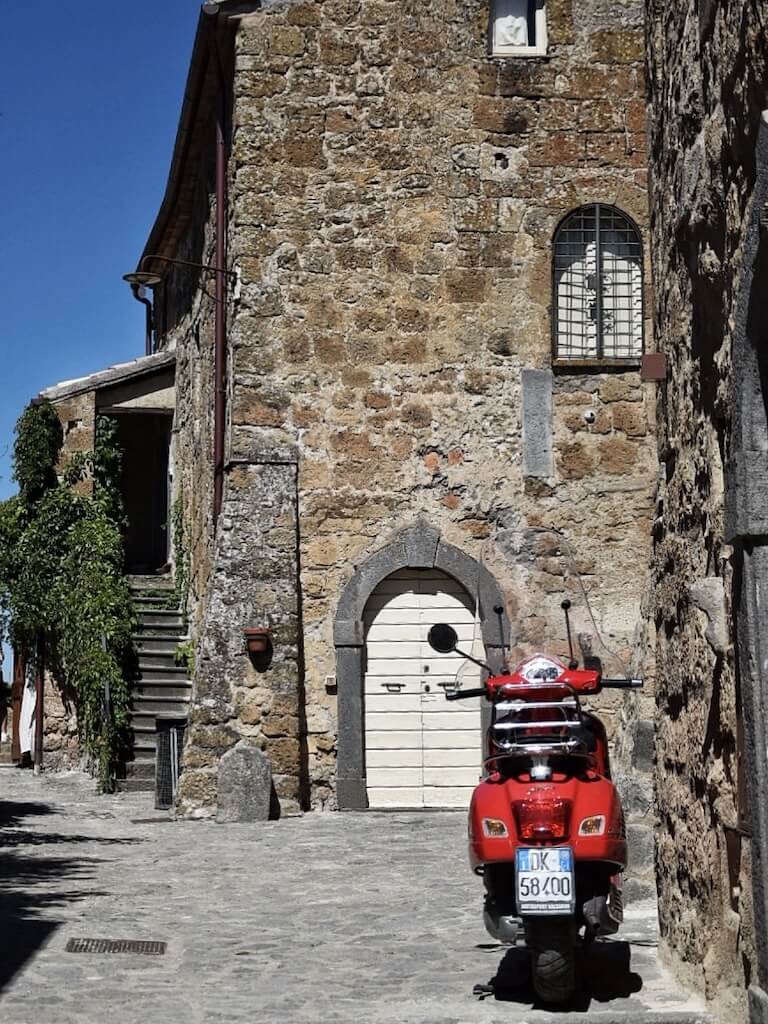
Brief History & Background Of Civita Di Bagnoregio
Civita di Bagnoregio is often called La Città Che Muore (The Dying City in English), which reflects its precarious position atop a crumbling bluff of volcanic tuff. Over time, erosion and earthquakes have chipped away at its foundations, leaving it isolated and difficult to reach. Despite this, Civita is a place that feels alive with history, charm, and beauty.
Etruscan origins
The story of Civita di Bagnoregio dates back more than 2,500 years, when it was founded by the Etruscans, an ancient civilization that predated the Romans.
Thanks to its strategic position on an important trade route, the town thrived under Etruscan rule. Much of its layout still reflects its Etruscan origins, with winding streets and hidden tunnels carved into the rock.
Later, in 265 BC, the Romans took over and introduced infrastructure improvements like drainage and water systems. However, the town’s vulnerability to seismic activity has always been challenging.
A devastating earthquake in 280 BC was one of the earliest signs of the struggles Civita would face in the centuries.
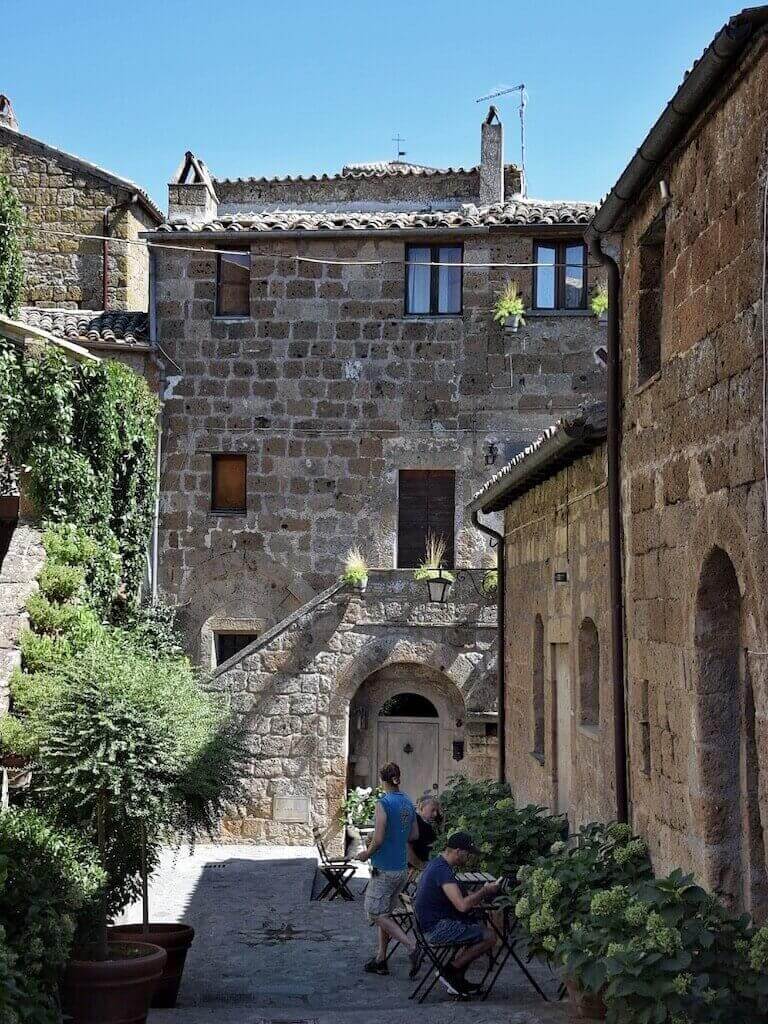
Why it’s called “La Città che Muore” – “The Dying City”
By the 16th century, Civita’s fortunes had begun to decline. Erosion continued to eat away at the edges of the cliff, while earthquakes in the 17th century caused much of the population to abandon the town.
Eventually, the municipal government moved to nearby Bagnoregio, leaving Civita nearly deserted.
Today, only a handful of residents call the historic town of Civita di Bagnoregio home, but its timeless beauty has made it a popular destination for visitors. Efforts to preserve the town are ongoing, ensuring that this “dying city” remains alive for future generations to experience.
Cultural significance (including Studio Ghibli connection)
Civita di Bagnoregio has captivated visitors for centuries, including some unexpected admirers. It’s believed that Hayao Miyazaki, the co-founder of Studio Ghibli, was inspired by Civita when creating his animated masterpiece Laputa: Castle in the Sky.
The resemblance is striking, with Civita’s otherworldly atmosphere making it the perfect muse for a fantastical story.
To be clear, I’d recommend many other Italian films over Castle in the Sky if you’re looking for a better understanding of Italian culture and history, but it’s still a neat fact.
Must-See Attractions in Civita Di Bagnoregio
Civita di Bagnoregio Belvedere
Before crossing the famous footbridge to the old town, take a moment to stop at the Belvedere, a panoramic viewpoint in the modern town of Bagnoregio. From here, you’ll get a stunning view of Civita di Bagnoregio perched dramatically on its hill, surrounded by the Valle dei Calanchi.
This spot is a favorite for photographers, especially at sunrise or sunset, when the light adds an ethereal glow to the landscape. It’s the perfect place to snap a picture and take in the scale of this “island in the sky.”
Palaces of Civita di Bagnoregio
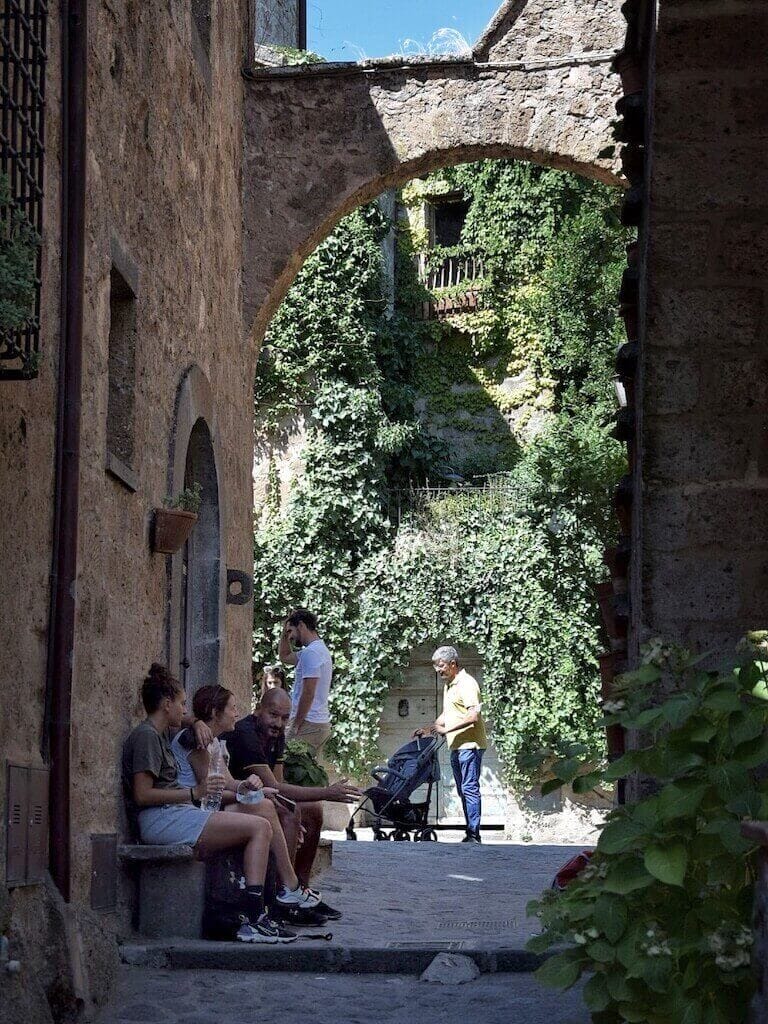
From afar, Civita di Bagnoregio might look like one grand castle, but as you wander its streets, you’ll discover a collection of stately palaces and noble homes. These buildings, with their external staircases and balconies, are classic examples of architecture from the Tuscia region.
Some of the highlights include (we’ll also talk more about some of these later in this guide):
- Palazzo Alemanni: Once home to the wealthy Alemanni family, this building now houses the Geological and Landslides Museum, where you can learn about the town’s ongoing battle against erosion.
- Palazzo Vescovile (Bishop’s Palace): This 16th-century palace was once a working mill and is believed to be the birthplace of Saint Bonaventura.
- Palazzo Colesanti: With its Renaissance-era facade and charming windows, this palace belonged to the prominent Colesanti family and greets visitors as they enter the town.
Exploring these palaces gives you a glimpse into the town’s past and the lives of its noble families.
Bridges of Civita di Bagnoregio
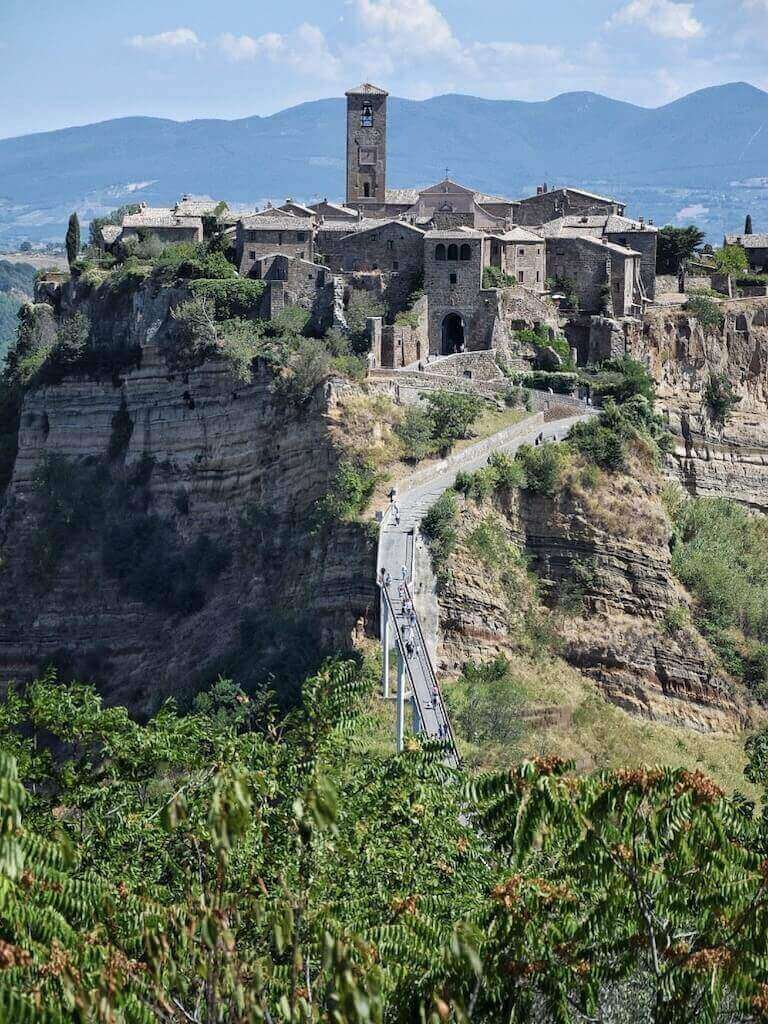
Civita’s survival has long depended on its bridges, connecting it to the surrounding world. Today, the only way to reach the village is by crossing the Ponte Panoramico di Civita, a modern pedestrian bridge completed in 1965.
This dramatic walkway offers an unforgettable entrance to Civita. As you cross, you’ll be treated to sweeping views of the valley below and the towering cliffs on which the village stands. It’s a thrilling experience, though those with a fear of heights might find it a little daunting (I had to hold my sister’s hand as we walked along the bridge, as she’s really afraid!).
The bridge replaces earlier versions that were damaged or destroyed over the years. Before the 20th century, visitors had to rely on wooden bridges and precarious pathways, but the modern bridge ensures Civita remains accessible to visitors today.
Porta Santa Maria
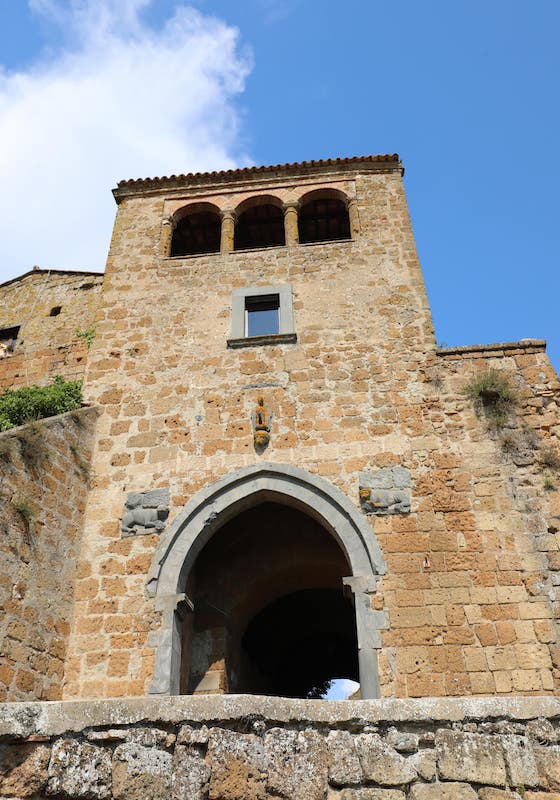
Your journey into Civita di Bagnoregio officially begins at the Porta Santa Maria, the only remaining gate of the original five that once guarded the city. This entrance, carved directly into the tuff rock, sets the tone for the historical wonder that lies beyond.
Take a closer look at the intricate carvings on the gate’s walls. You’ll notice small triangular marks believed to have been left by pilgrims returning from the Holy Land and crosses thought to be the work of the Knights Templar.
The bas-reliefs above the gate, featuring lions holding human heads, commemorate Civita’s victory over the Orvieto family in 1457.
As you step through the gate, you’ll feel like you’re crossing into another era, where time slows, and every corner tells a story.
Grotta di San Bonaventura
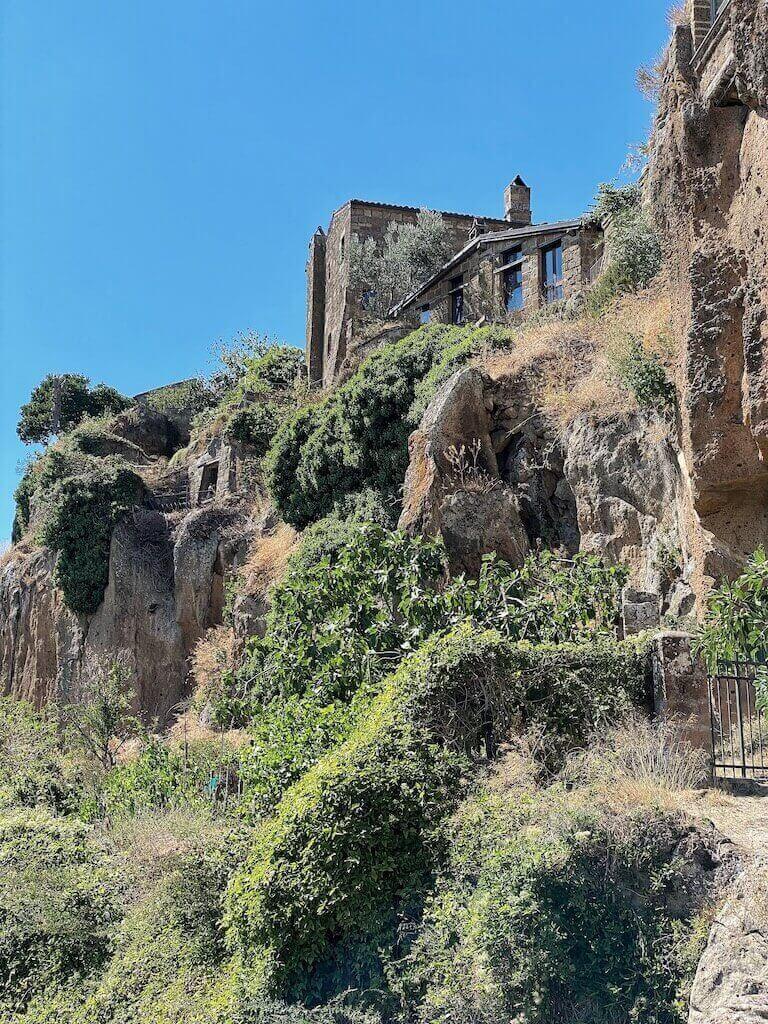
Not far from the footbridge, you’ll find the Grotta di San Bonaventura, an ancient cave with a fascinating history. Originally an Etruscan tomb carved into the volcanic rock, this grotto later became a sacred site during the Middle Ages.
According to legend, Saint Francis of Assisi healed a young Giovanni Fidanza here, who would later become Saint Bonaventura, one of the most important theologians of the Catholic Church. The grotto was transformed into a small chapel to honor this miracle, adding a spiritual layer to its already rich history.
Even if you’re not religious, visiting the grotto offers a glimpse into the layers of history and legend that make Civita di Bagnoregio so special.
Piazza Colesanti
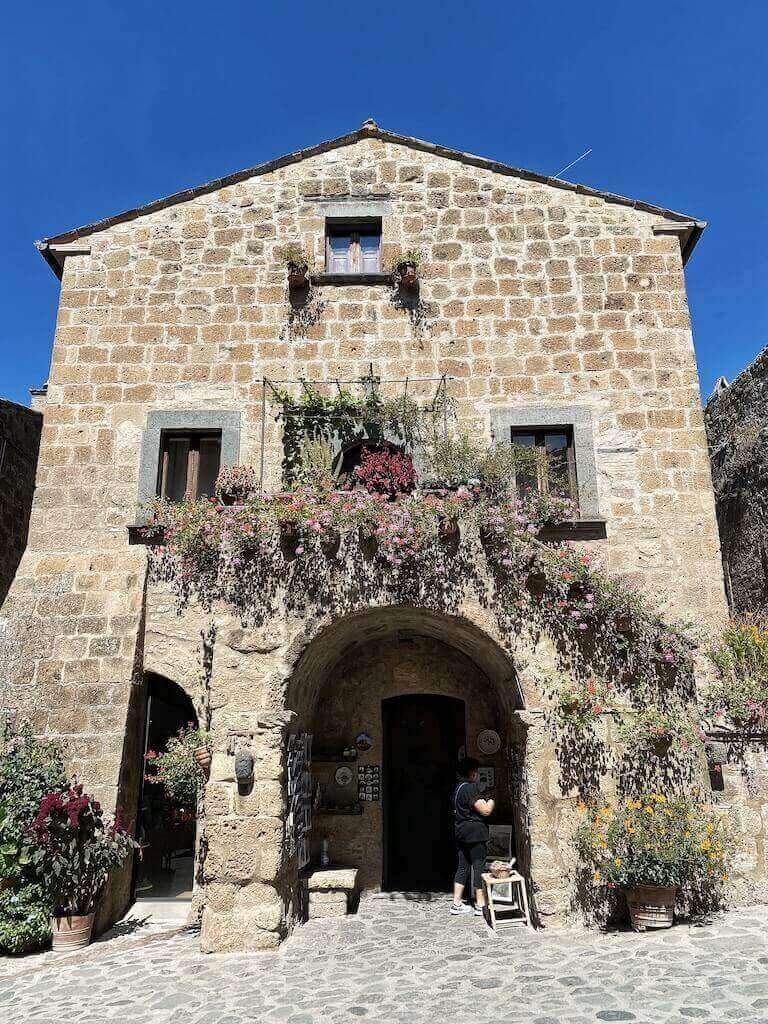
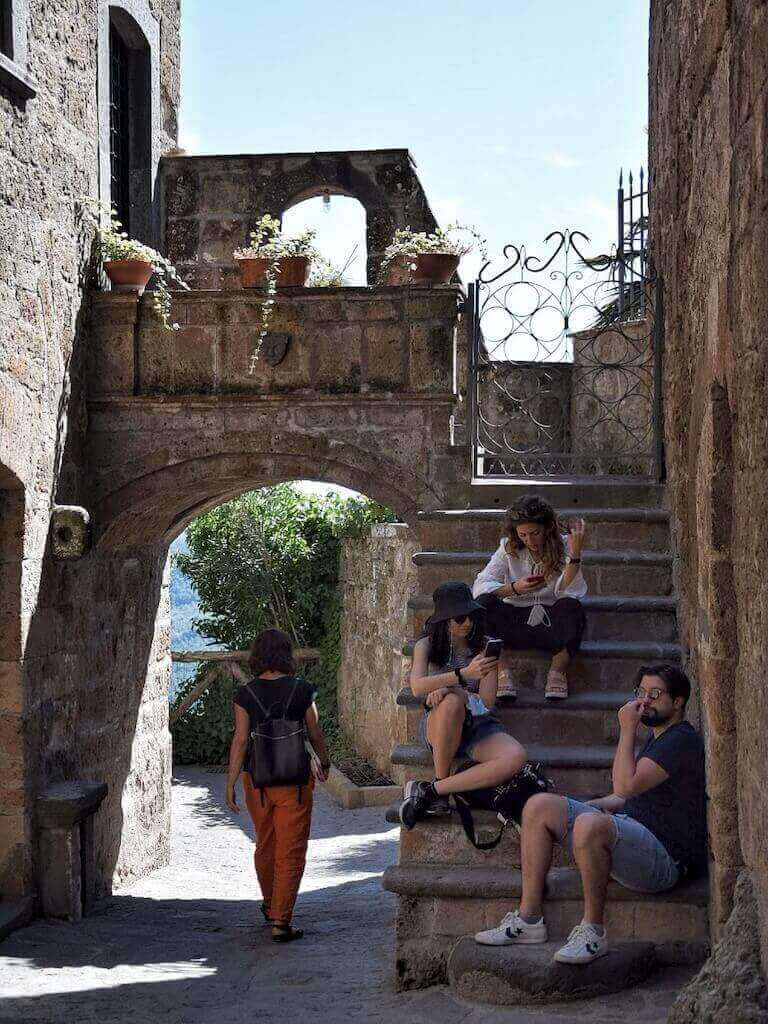
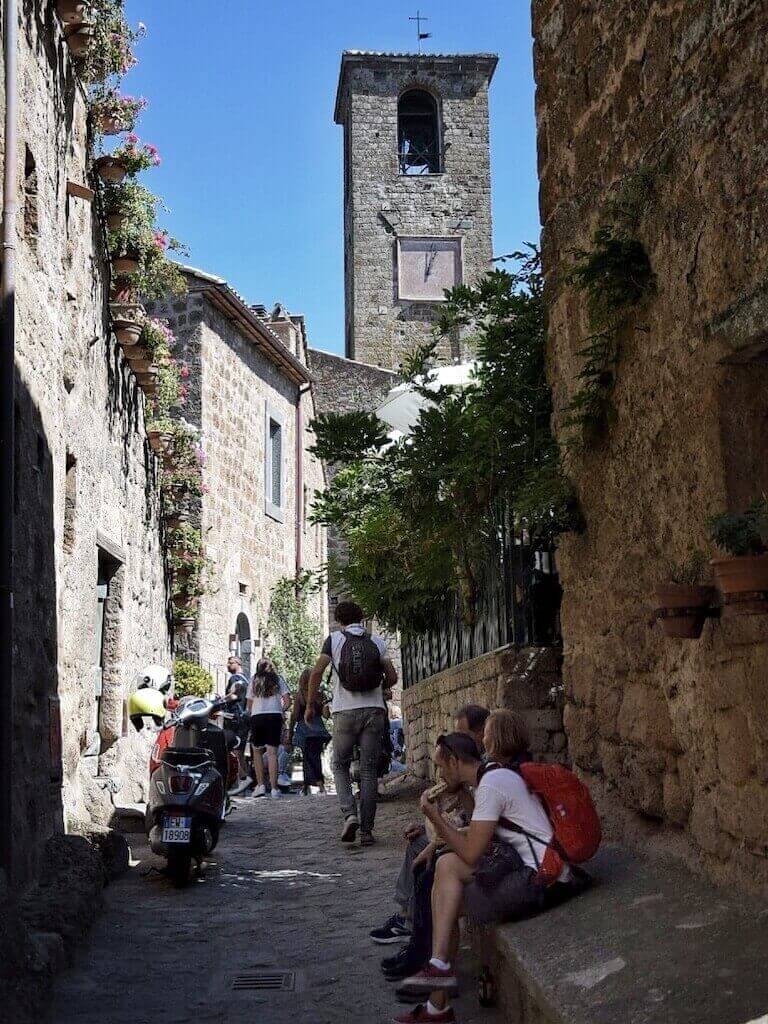
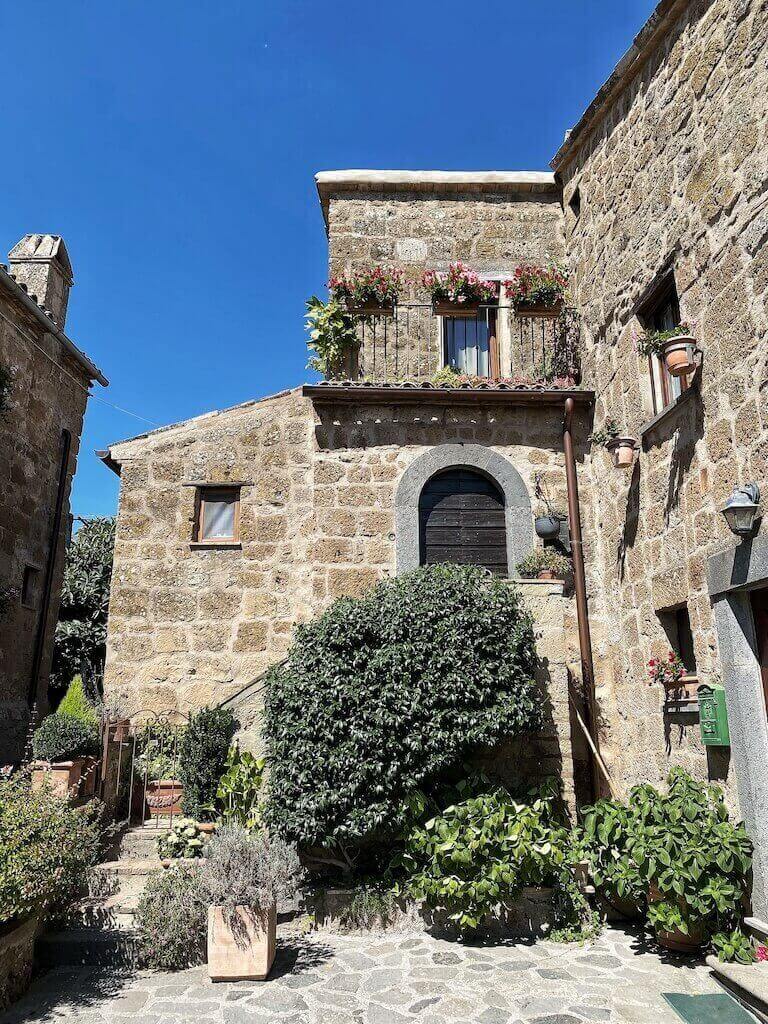
At the heart of Civita di Bagnoregio is Piazza Colesanti, a charming square surrounded by picturesque architecture and overflowing with flower-filled balconies. It is named after the Colesanti family, whose Renaissance palace still stands nearby.
Take your time soaking in the atmosphere here. The piazza is a quiet, peaceful spot (except on weekends, when tourists flock here) where you can admire the intricate details of the surrounding buildings. It’s also a great place to pause and imagine what life might have been like in Civita centuries ago.
Church of San Donato
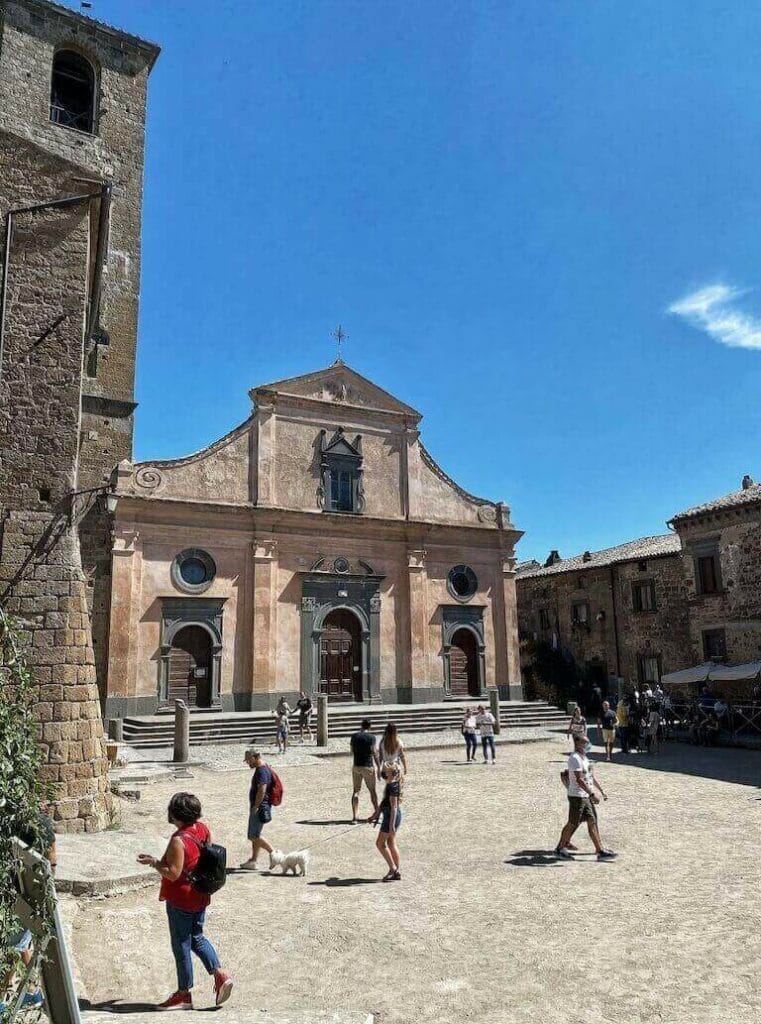
The Church of San Donato is one of Civita di Bagnoregio’s most important landmarks. Located in the main square, this historic church dates back to the fifth century and has been remodeled several times over the centuries.
Originally built in a Romanesque style, the church later took on Renaissance elements, including its elegant bell tower. Inside, you’ll find an impressive wooden crucifix from the fifteenth century and a fresco attributed to Perugino.
The church also has Etruscan connections—two basalt sarcophagi at its base date back to Civita’s ancient past. Although an earthquake in 1695 caused significant damage, the Church of San Donato remains a testament to the village’s enduring spirit and rich history.
Museo Geologico delle Frane
Housed in the elegant Palazzo Alemanni, the Museo Geologico delle Frane offers a fascinating look into Civita di Bagnoregio’s geological history. The museum tells how landslides and earthquakes have shaped—and threatened—the town over the centuries.
Visitors can learn about the ongoing efforts to protect Civita from erosion and the natural processes that formed its striking landscape.
Even if geology isn’t usually your thing, the museum is worth visiting just to step inside Palazzo Alemanni, a beautiful Renaissance-era building constructed in 1585.
So, Is Civita Di Bagnoregio Worth Visiting?
Are you still wondering, “Is Civita di Bagnoregio worth visiting?” If so, let me reassure you it is!
Civita di Bagnoregio is genuinely a one-of-a-kind destination, offering a glimpse into Italy’s rich history and breathtaking scenery. Every corner of this hilltop village feels like stepping back in time. Whether wandering its palaces, learning about its geological history, or simply soaking up the atmosphere, Civita is a place you won’t forget.
If you’re planning your visit, the From Rome: Bagnoregio & Orvieto Day Trip with Wines & Lunch tour is a fantastic option to experience the charm of Civita alongside the beauty of Orvieto and a taste of Tuscan culture. This group tour makes exploring easy and stress-free, leaving plenty of time to enjoy the journey.
Civita di Bagnoregio may be called La Città Che Muore (The Dying City), but its magic and history will make you feel alive.
PIN IT!

Claudia Tavani
Claudia Tavani was born and raised in Sardinia, and after moving between the United States and the United Kingdom, she's now back living in her hometown, Cagliari. She's a travel blogger and certified travel designer who loves planning trips and publishing guides, travel tips, and packing lists so that you don't have to. Owner of Strictly Italy, cat mom to Minnie. Loves pizza, hiking, archeology, cities, beaches, swimming, and running. Hates peppers.