

Umbria is nicknamed the “Green Heart of Italy” because it’s located right in the center of the country, is lush with lots of greenery, and it is even somewhat shaped like a heart. It’s full of charm and beauty, even though it isn’t the most popular region in Italy.
Although many people don’t know much about Umbria, I really recommend visiting. Especially if you’ve already traveled to Italy and have visited the main tourist spots like Rome and Venice. Umbria is the place to go if you want something different and pleasant.
I’ve visited Umbria several times, and even though it’s in Italy, it’s so different from my home, Sardinia. The beautiful Italian beaches are swapped with rolling hills and vineyards, the islands are replaced with villages along the River Tiber, and the salty sea air gives way to the earthy scent of truffles and wild herbs.
If you’re new to Italian geography and unfamiliar with Umbria, no worries; you aren’t alone. In this post, I’ll answer the question ‘Where is Umbria?’ and share some important information about this region of central Italy.
If you’re unfamiliar with Italian geography and the regions of Italy, make sure to read my article, Explaining the 20 Regions of Italy – Best Things To Know. The article talks more in-depth about each of the regions, where they are, and the best places to visit in each.
My post The Best Things To Do In Umbria will help you get a better idea of the many attractions in this beautiful region.

Where Is Umbria In Italy?
Umbria is one of twenty Italian regions in the heart of the Italian Peninsula. It’s the only landlocked region in central and southern Italy and is nicknamed the “Green Heart of Italy” because of its lush environment.
Unfortunately, Umbria is often overlooked in favor of other popular regions in Italy. However, it is such an underrated destination that I recommend visiting if you want to experience a different side of Italy than what most tourists get to see.
Of course, there are some very popular places to visit in Umbria too – Assisi and Orvieto, for example. But if you wish to avoid the tourist crowds, you just need to avoid those.
Geography – main characteristics of Umbria
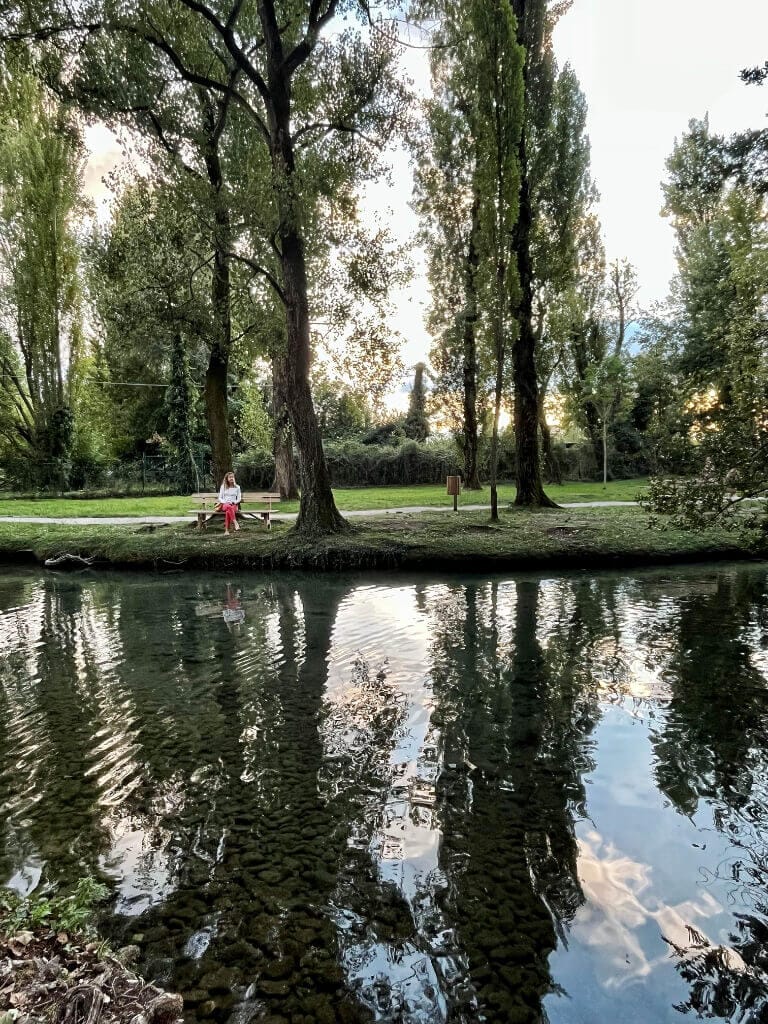
Umbria is in the heart and soul of Italy, right in the middle of the country. There’s no ocean or coast, so you’re missing out on all the famous Italian beaches, but that’s okay; there are a lot of other excellent characteristics to this little gem.
Umbria is all hills and mountains, with part of the Apennine Mountain range running through the region. The Tiber Valley in the north is another famous natural landmark.
In western Umbria, Lake Trasimeno is the fourth largest lake in Italy. Mount Vettore, at 2,476 meters (8,123 feet), is the highest peak in Umbria, even though it’s technically in Marche, a neighboring region. The western slopes of Mount Vettore extend into Umbria, and the peak sits almost right at the border of Marche and Umbria.
Overall, Umbria is the perfect place in Italy for those who want a less-touristy holiday (think many places in Tuscany without the same crowds – though let me stress there can be crowded places in Umbria too). Many quintessential medieval hill towns have good wine, delicious food, and nature galore.
Umbria’s proximity to other famous Italian cities
You can visit certain parts of Umbria on a day trip from other popular Italian cities that are within reach. For example, you can reach Narni, in southern Umbria, in just 1.5 hours from Rome, so it can be a good Rome day trip. But I recommend spending a few days in the region to experience authentic Italian life and truly find some off-the-beaten-path destinations.
However, if you’re dead set on a day trip to Umbria or just want to see where Umbria is relative to other more well-known cities, here’s a brief explanation:
- Florence to Perugia: 150 km (92 miles), approximately 2 hours by train.
- Rome to Perugia: 180 km (112 miles), approximately 2.5 hours by train.
- Siena to Perugia: 110 km (68 miles), approximately 1.5 hours by train.
- Bologna to Perugia: 240 km (149 miles), approximately 3 hours by train.
If you are basing yourself in Rome, make sure to read my post Where To Go On Day Trips From Rome to discover many places within easy reach from the capital.
My post The Best Day Trips From Perugia highlights the places you can visit if you base yourself in Umbria’s capital city.

What’s the capital of Umbria?
Perugia is the capital of Umbria. The Etruscans founded the city around the 6th century BC. It has some interesting ancient landmarks, like the Etruscan Arch (Arco Etrusco) and several Etruscan tombs and wells scattered throughout the city.
The city is also known for its chocolate production, specifically Baci Perugina chocolate pralines, so visiting a chocolate factory is a must if you travel to Umbria.
I have written a detailed guide on The Things To Do In Perugia which will inspire you to visit.
Main places to visit in Umbria
There are 92 officially recognized comuni (municipalities) in Umbria and probably over 600 distinct settlements throughout the region. Here are the most popular places to visit in Umbria:
- Perugia: This capital city is known for its rich Etruscan and medieval architecture, chocolate production, and the Umbria Jazz Festival.
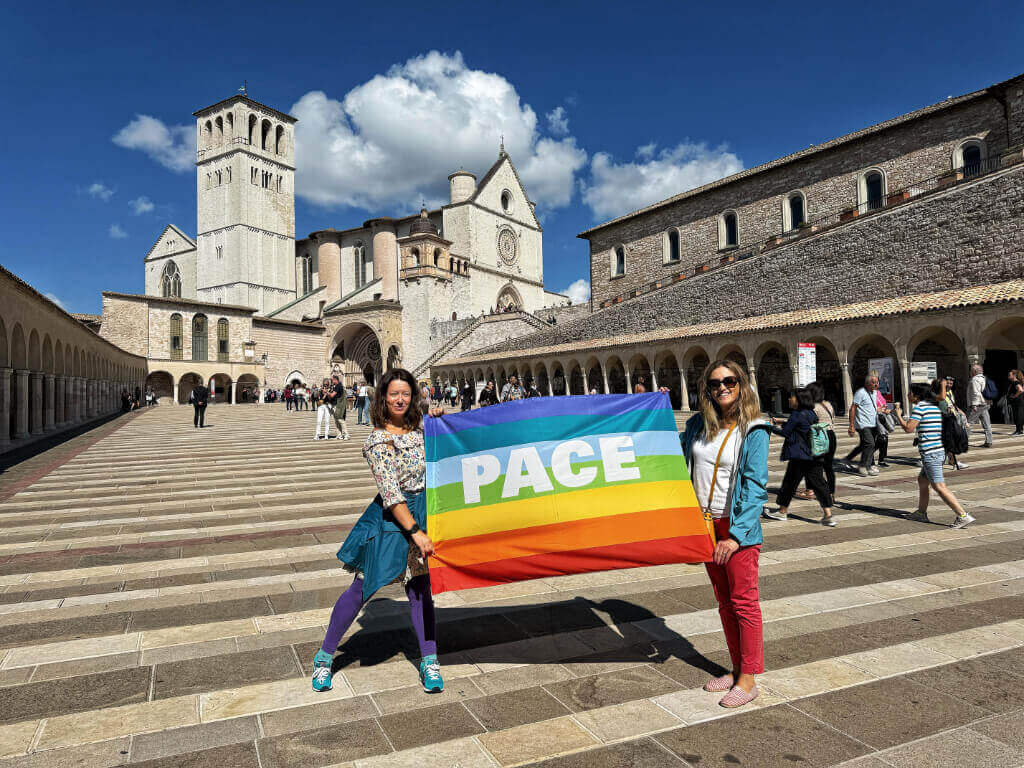
- Assisi: This smaller city is famous for being the birthplace of St. Francis and is home to the Basilica of San Francesco and a few other important religious sites.
- Orvieto: This small city is perched on top of a volcanic rock. It has a beautiful Gothic cathedral and an intricate underground cave network.
- Spoleto: This historic hill town has a rich cultural heritage and unique architecture. There’s a 13th-century bridge and aqueduct, an annual festival called the Festival of Two Worlds, and a 14th-century fortress.
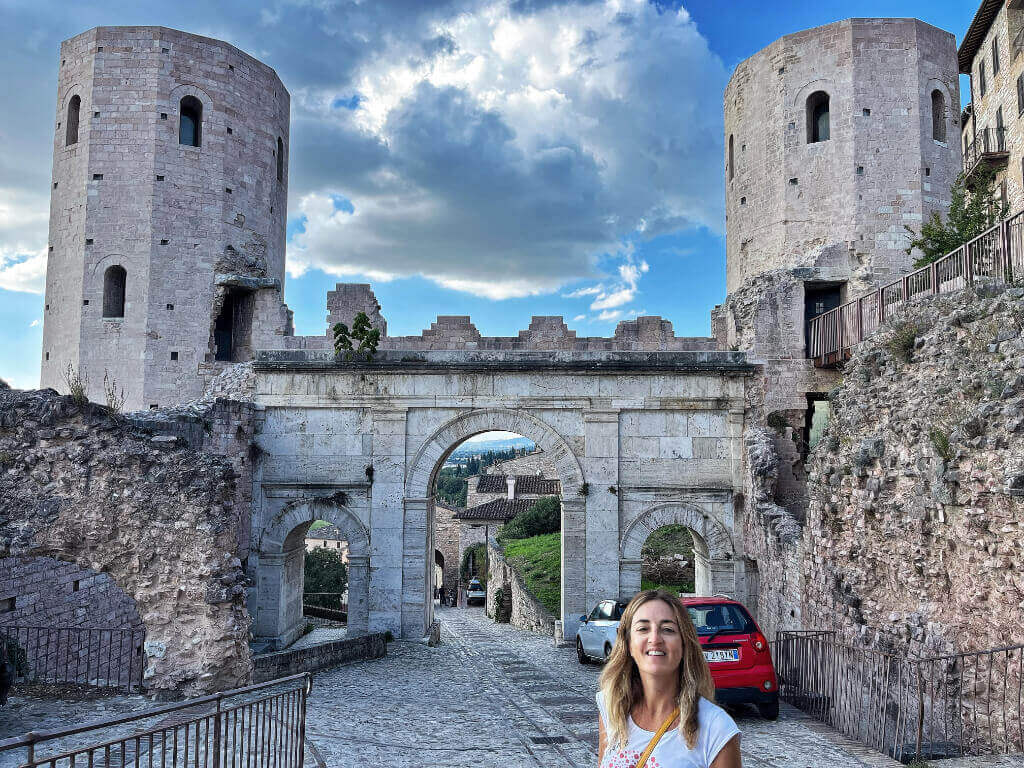
- Spello: Another beautiful Italian town in Umbria with old Roman gates, medieval streets, and a colorful flower festival every year.
- Gubbio: This is a well-preserved medieval town with Roman ruins and the Palazzo dei Consoli.

Todi, Montefalco, Castiglione del Lago, Bevagna, Foligno and Norcia are other lesser-known yet quintessential towns in Umbria. You can’t go wrong anywhere in the region. It just depends on what you’re looking for.
If you’re traveling to Umbria, make sure to read my post, Where To Stay In Umbria. The article discusses the most popular places where you can base yourself for your trip, the best hotels, and the different characteristics and things to do in the region.
My post The Best Hidden Gems in Italy highlights the many lesser known places to visit in the country (including in Umbria), perfect for those who have already been to the most famous destinations.
How big is Umbria?
Umbria is exactly 8,456 square kilometers (3,265 square miles). It’s the 16th largest region in Italy, so it is one of the smaller ones, but that doesn’t mean there aren’t places to go and things to do.
For comparison, Umbria is about the size of the U.S. state of Delaware and half the size of Wales.
How many people live in Umbria?
As of 2024, Umbria has a population of 854,378. It’s one of the least populated regions in Italy, so it definitely feels more low-key and laid-back than other crowded regions and cities.
How to get to Umbria and travel around
If you’re flying, Perugia San Francesco d’Assisi Airport (PEG) is the main airport in Umbria. It has domestic and international flights (though international flights are pretty limited: it is only served by low cost airlines) and is 12 km (7.5 miles) from Perugia.
The next easiest airports to fly into are Fiumicino and Ciampino, Rome’s two airports. From Rome, you can hop on a 2-hour train ride to Perugia (or rent a car and drive yourself).
Perugia Fontivegge is the central train station in Perugia. It is well-connected with other major destinations, including Rome, Florence, and Milan. Most Umbrian towns have rail connections, but some may only have regional trains, which are a bit slower. Most historic centers are walkable, and larger towns or cities have small urban bus networks.
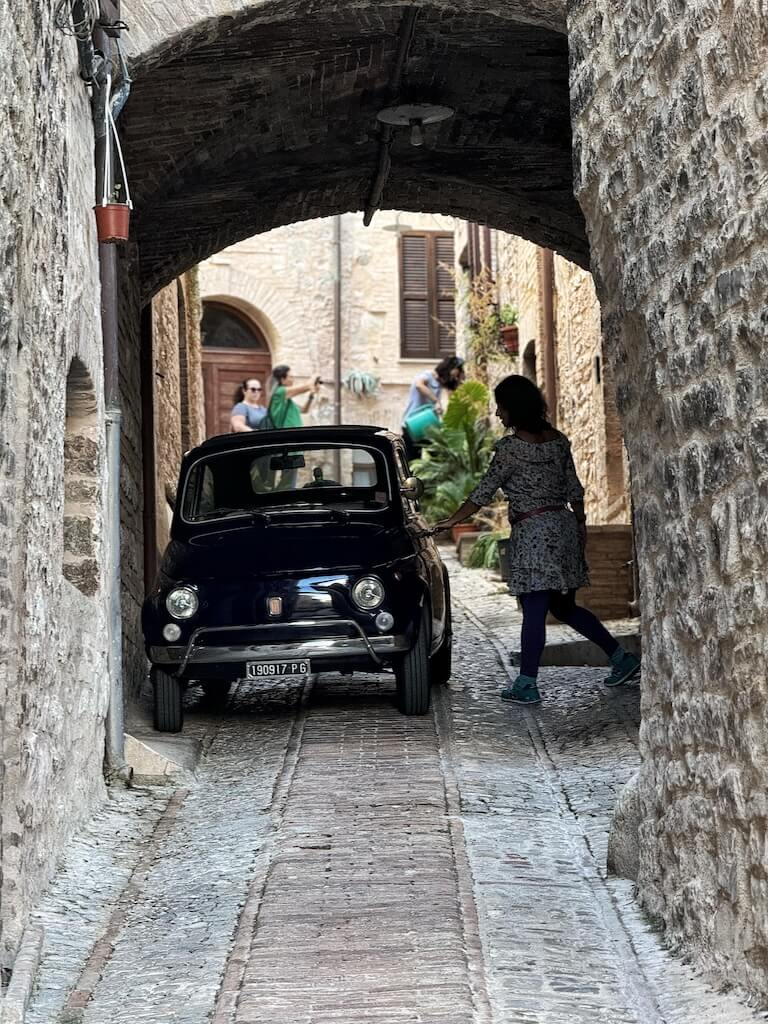
If you’re driving, the A1 Autostrada del Sole runs along Umbria’s western border, and E45 crosses Umbria from north to south. I highly recommend renting a car and driving unless you’re sticking to only the main cities and towns in Umbria and you have plenty of time.
On our most recent trip, my sister and I flew to Perugia Airport (there’s a direct Ryanair flight from Cagliari, where we live) and rented a car and went on a short (but fun) road trip.
Everything is a bit more spread out; public transportation is a little more limited, and it’s one of those places that’s just nice to explore on your own time.
My post A Guide To Renting A Car In Italy explains everything you need to know before you settle on your car rental. If you do decide to rent a car in Umbria (or anywhere in Italy), I highly recommend going through Discover Cars. It’s a car comparison site that allows you to scan your options and rent directly through them. You can even book full coverage insurance.
If you’d like more local trips and tips on traveling in Italy, read my article, The Best Way To Travel In Italy: 12 Tips On Getting Around. The article discusses trains, cars, buses, and even ferries throughout Italy. My post A Guide To Italian Toll Roads explains how to use the Italian network of motorways.
General Information About Umbria, Italy
Umbria’s climate
Umbria has a Mediterranean climate with some continental influences because it’s inland and has more varied terrain. The climate does vary by season. Here’s a breakdown of the seasons in Umbria:
- Spring (March to May): Mild and pleasant weather with occasional rain showers.
- Summer (June to August): Warm to hot and generally dry.
- Autumn (September to November): Mild temperatures with increasing rainfall.
- Winter (December to February): Cool with some cold spells.
Temperatures range from 25-30°C (77-86°F) in the summer and 2-4°C (36-39°F) in the winter. Autumn and spring are generally right in the middle and the best times to visit because they are cooler and there are fewer tourists.
Both my most recent trips to Umbria were at the very end of September, and I found the weather to be pleasant and there weren’t too many tourists around.

The history of Umbria and its heritage
One of the best reasons to visit Italy is its history and heritage. While Rome is the place to go for Roman history, ancient Roman legends, and some of the most famous landmarks in Italy, Umbria has a more nuanced history.
The region has been inhabited since prehistoric times and is home to one of Italy’s oldest known populations. Indeed, there was a significant Etruscan presence in Umbria, mainly along the Tiber River.
The Etruscans were an ancient civilization that predated the Romans and influenced them in many ways. (Rome was actually ruled by Etruscan kings before becoming a republic.)
The peak of the civilization was around 800 BC to 264 BC. Eventually, the civilization gradually lost power and was absorbed by the Roman Empire. But they left a lasting legacy in the region.
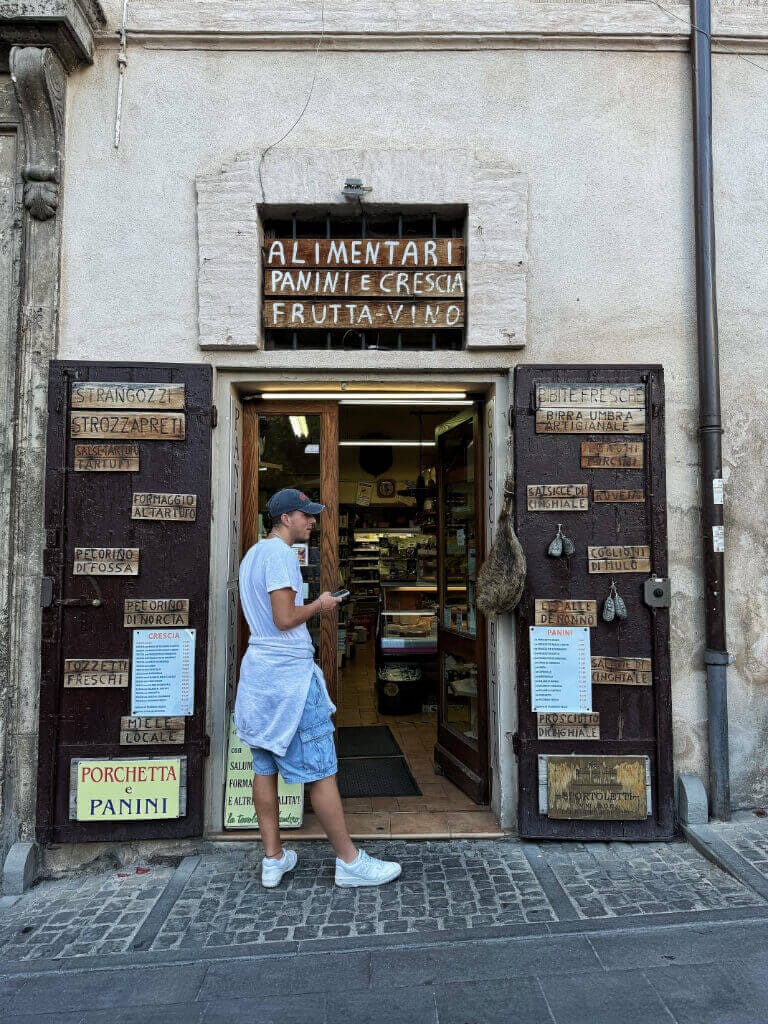
Extensive necropolises are near major settlements, such as the Etruscan Arch and Etruscan Well in Perugia, and the remains of Etruscan walls in some cities. If you’re interested in learning more, you can also visit the National Archaeological Museum of Umbria in Perugia and the National Archaeological Museum in Orvieto.
Umbria’s festivals and events
One of the best things about Italy is all the incredible festivals and annual events. These are often unique from region to region and are a good peek into the local cultures and history. Umbria has a few notable festivals, so if you happen to be visiting Italy during one of these, you’re in luck:
- Umbria Jazz Festival (Orvieto): January
- The Corsa all’ Anello (Narni): April-May
- Calendimaggio (Assisi): May
- Infiorata of Corpus Domini (Spello): May-June
- Festival dei Due Mondi (Spoleto): June-July
- Eurochocolate (Perugia): November
- Fiera dei Morti (Perugia): November
There are many others throughout the region, though, so make sure to do a quick search around your travel dates to see if anything is going on during your visit.
Umbria’s cuisine
Italy has some of the best food in the world, but it isn’t all pizza and pasta. A complex variety of regional dishes reflects fresh, local ingredients and different influences.
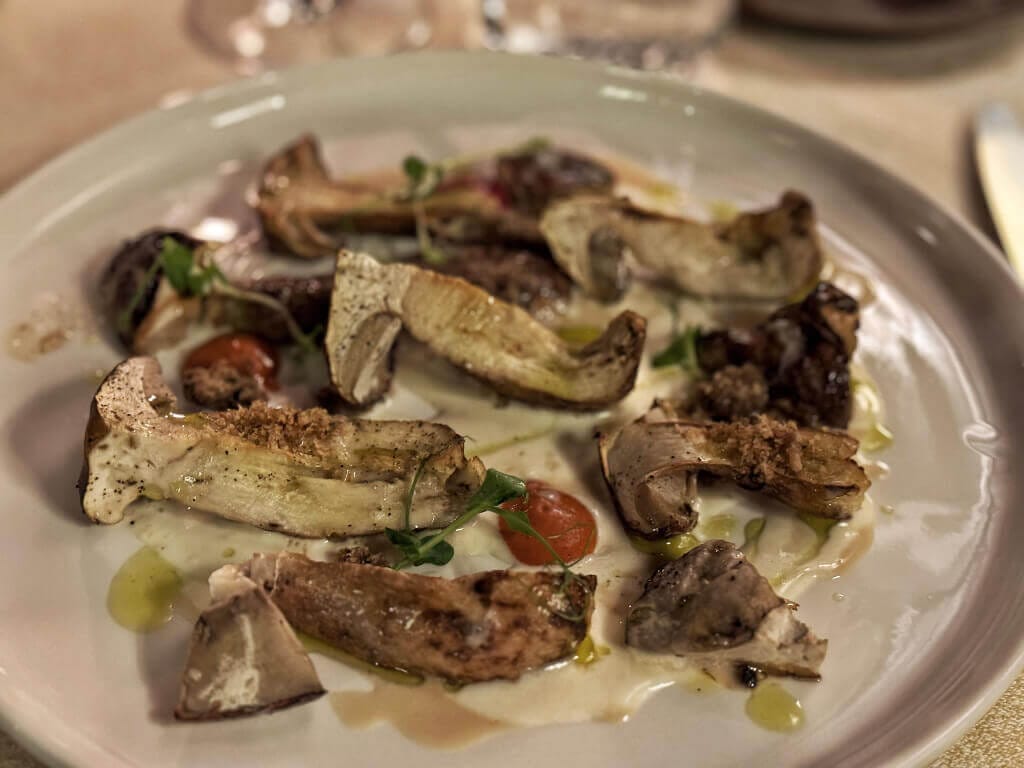
Umbrian cuisine is different from that of other Italian regions. You’ll certainly find lots of pizza and pasta. Still, you’ll also find local dishes, like porchetta (savory, boneless pork roast), pasta al tartufo nero (pasta tossed with a sauce made from black truffles), and torta al testo (an Umbrian flatbread that goes back to the Etruscan times).
If you’re interested in reading more about regional cuisine, read my article Must-Try Traditional Italian Food By Region. The article talks more about popular local dishes, many of which you might not have heard of.
If you’re new to real Italian cuisine, you should also take a minute to read my article, Common Misconceptions About Italian Food, because it’s not always what you think it is.
Is Umbria safe?
Italy, in general, is safe, and Umbria is one of the safer regions in the country. According to this survey, Umbria experienced some of the least mafia-related crimes in 2018. Of course, you should always be careful when traveling.
The good news is that Umbria is less touristy than other regions in Italy, so there’s a bit less petty crime, like pickpocketing.
If you’d like to be extra prepared in Umbria or anywhere in Italy, check out my article, 15 Most Common Scams In Italy To Avoid. The article covers everything, from places you’re most likely to get pickpocketed to how to avoid falling victim to one of the scams.
Conclusions On Umbria, Italy
I hope this post answers your question “where is Umbria?” and convinces you to visit.
Many travelers overlook Umbria, the green heart of Italy. It doesn’t have anything wildly glamorous, like the Grand Canal in Venice or the Colosseum in Rome, but there’s a lot of charm and history here, too.
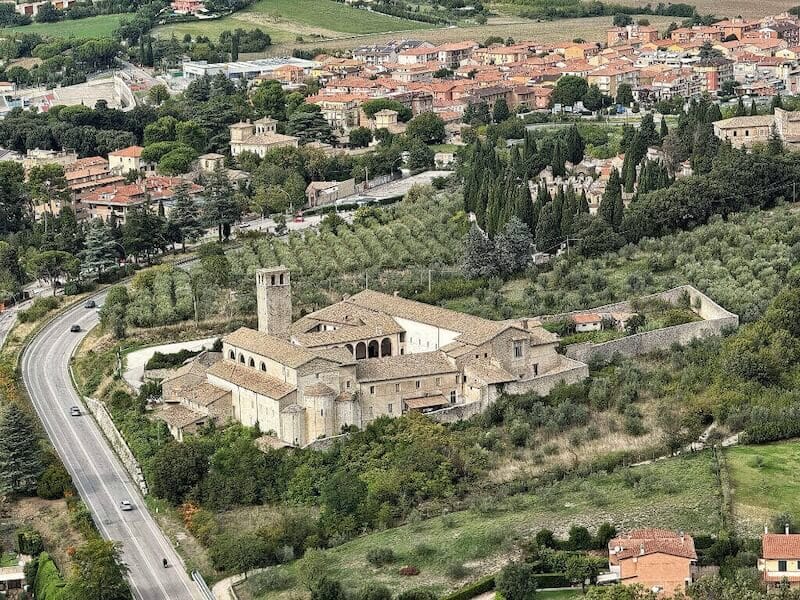
It’s a really small region in central Italy, but there’s no shortage of quintessential villages, beautiful rolling hills, great food, and everything else you came to Italy for.
It’s the perfect place to visit, especially if you’ve already traveled to Italy and are looking for something different from the usual tourist haunts.
PIN IT!


Claudia Tavani
Claudia Tavani was born and raised in Sardinia, and after moving between the United States and the United Kingdom, she's now back living in her hometown, Cagliari. She's a travel blogger and certified travel designer who loves planning trips and publishing guides, travel tips, and packing lists so that you don't have to. Owner of Strictly Italy, cat mom to Minnie. Loves pizza, hiking, archeology, cities, beaches, swimming, and running. Hates peppers.